Reviewed · PRIVATE
Tokyo: Private & Customizable Tour – All-in-One Experience
Tokyo is easier when someone shows you how. This private experience gives you a flexible plan built around your interests, rather than sending you through a fixed checklist of sights. You can focus on shrines, food, neighborhoods, shopping, family activities, local customs, or the city’s modern side, with a bilingual guide helping you move between places.
I especially like the personal planning before the tour and the practical help with Tokyo’s metro system. Guides such as Deen, Marco, Mark, Sofia, and Ajiya have received strong praise for adjusting the pace, explaining Japanese culture in clear English, and sharing useful advice beyond the scheduled hours. The main point to consider is cost: at about $51 per person, you still pay for transport, food, and entrance fees, and a full day can involve a lot of walking.
In This Review
- Key points at a glance
- What this Tokyo tour really offers
- Choosing between two and eight hours
- Tokyo routes that make sense
- Tsukiji Market for food and city orientation
- Shrines, parks, and Japanese religious traditions
- Shibuya for modern Tokyo
- Local food and less touristy restaurants
- Learning the Tokyo metro without panic
- Guides and the value of a good match
- Walking, comfort, and family pace
- Price, inclusions, and what you still pay
- Booking timing and day-of planning
- Who should book this experience?
- My final take
- FAQ
- How long does the private Tokyo tour last?
- Is the tour private?
- Which languages are available?
- Can I customize the itinerary?
- Is hotel pickup included?
- Are children allowed on the tour?
- Are transportation and entrance tickets included?
- Is the tour wheelchair accessible?
- Can I cancel the booking?
Key points at a glance
- Choose a two-hour orientation or an eight-hour city day: The wide time range lets you fit the tour around a flight arrival, a free morning, or a serious day of sightseeing.
- Start with the metro if Tokyo feels confusing: Guides can teach you how to move through the city while taking you to places such as Tsukiji Market, Shibuya, or major shrines.
- Ask for the Tokyo you actually want: Food, history, photography, family activities, local neighborhoods, and modern Japanese culture can all shape the route.
- Expect a private pace: You can slow down for a market or shrine, skip a stop, or change plans during the day.
- Walking is part of the deal: One three-day booking involved more than 20,000 steps per day, although the guide adjusted the plan when needed.
- Pickup is possible on foot: Hotel or location pickup can be arranged in Tokyo, Yokohama, and Kamakura areas, with public transport still paid separately.
What this Tokyo tour really offers
This is less a conventional sightseeing circuit and more a personal introduction to Tokyo. Before the tour, you can take an optional planning session or exchange information with your assigned guide. You share what interests you, how much walking you can manage, and what you hope to see. The guide then suggests a practical route.
That preparation matters in Tokyo. The city’s major sights are spread across very different districts, and a badly planned day can turn into a long series of station transfers. A guide who understands your priorities can connect nearby places and help you spend more time seeing the city instead of studying maps.
You might ask for classic Tokyo, with shrines, busy streets, and famous districts. You might prefer a quieter route through parks, local streets, and neighborhood restaurants. Families can request activities suited to children or teenagers, while returning visitors can skip the obvious sights and focus on areas they missed before.
The experience is private, so you are not trying to match the speed of a large group. That is useful if one person wants more time for photos, another needs regular breaks, or your children have reached their limit with temples. The guide can also adjust the order of stops during the day.
A few more Tokyo experiences worth weighing up
- Mt Fuji and Hakone 1-Day Bus Tour Return by Bullet Train
★ 5.0 · 26,383 reviews - 1-Day Tokyo Bus Tour
★ 5.0 · 14,250 reviews - Tokyo: TOKYO SKYTREE® Admission ticket
★ 4.5 · 11,192 reviews
Choosing between two and eight hours
The shortest option, two hours, works best as a focused introduction. One successful approach is to use those two hours to learn the metro while visiting one compact area, such as Tsukiji Market. This can be a smart choice on your first morning in Tokyo, especially if you want to understand the transport system before exploring alone.
A two-hour tour cannot cover all of Tokyo. It is best for one clear goal: learning station basics, sampling a market area, seeing a few nearby sights, or getting advice for the rest of your stay. Do not book the shortest option expecting a grand tour of the entire city.
Four hours gives you more breathing room. You can combine several sights in one part of the city, stop for explanations, and still have time for lunch or a short break. A four-hour booking also suits families and first-time visitors who want practical help without committing to a full day.
At six to eight hours, you can link districts and create a fuller picture of Tokyo. A long day might include a shrine, a market, a modern shopping or entertainment area, and a less central neighborhood. It can also support a focused theme, such as Japanese religion, food, photography, or youth culture.
The tradeoff is energy. Tokyo sightseeing often means stairs, stations, crossings, and plenty of pavement. A long tour is not automatically better. If you know you tire easily, tell the guide before the day begins and ask for fewer stops, more sitting time, or a compact route.
Tokyo routes that make sense
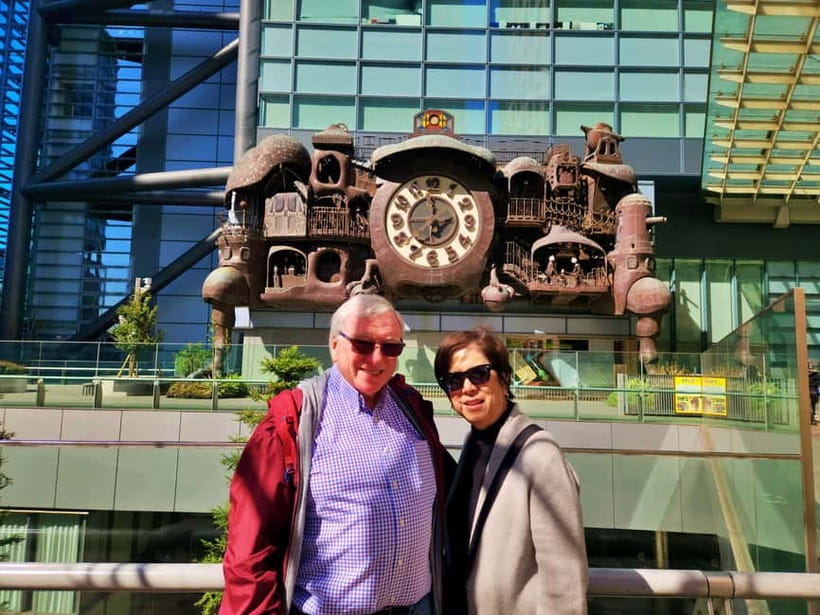
Since the tour is customized, no single route is guaranteed. Still, the guide can build around several useful patterns.
Tsukiji Market for food and city orientation
Tsukiji is a strong choice for a first introduction because it brings together food, shopping, narrow lanes, and everyday Tokyo activity. You might use the visit to ask about Japanese dining habits, local prices, and how to avoid tourist pricing.
One two-hour outing combined Tsukiji with metro practice. That pairing makes sense: you learn how to get around while visiting a place with plenty to look at. Food purchases are personal expenses, so bring cash as requested and budget separately for snacks or meals.
The drawback is that a market can be crowded and sensory-heavy. If you want a quiet cultural morning, Tsukiji may not be the best fit. Tell your guide whether you want to eat, browse, take photos, or simply pass through.
A completely different kind of day out in Tokyo:
- Tokyo: teamLab Planets TOKYO Digital Art Museum Entry Ticket
★ 4.6 · 9,779 reviews - Mt Fuji & Hakone Cruise, Drum Show Bullet Train 1 Day from Tokyo
★ 4.0 · 7,413 reviews - Tokyo: Sumo Show Experience with Chicken Hot Pot and a Photo
★ 4.8 · 6,678 reviews - Tokyo: Shinjuku Food Tour (13 Dishes at 4 Local Eateries)
★ 5.0 · 6,603 reviews
Shrines, parks, and Japanese religious traditions
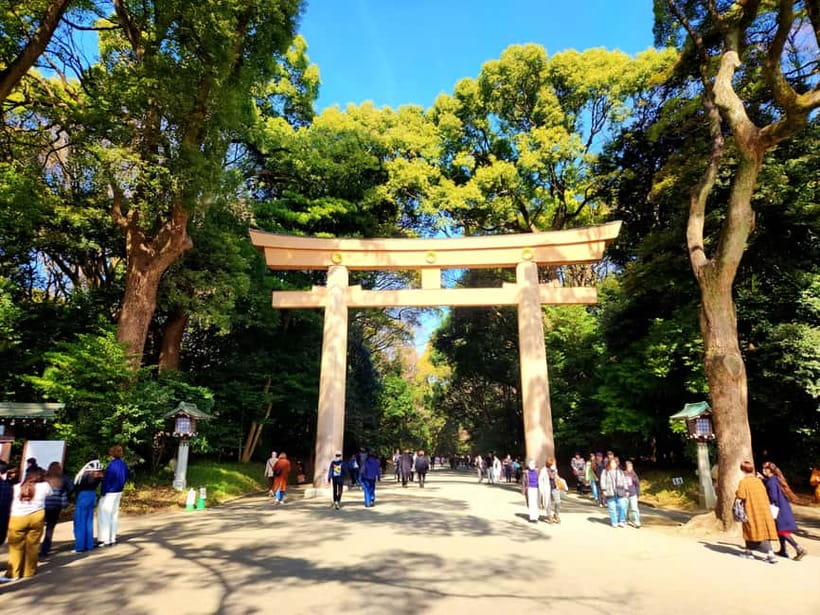
You can ask for a route centered on Shinto shrines, Buddhist temples, parks, or the differences between the two traditions. Marco received particular praise for explaining Buddhism and Shinto in a way that helped visitors understand what they were seeing, rather than merely taking photographs in front of it.
This kind of route is valuable because religious sites can otherwise blur together. Your guide can explain customs, symbols, etiquette, and the role these places play in Japanese life. A park stop may also give you a needed pause from dense streets.
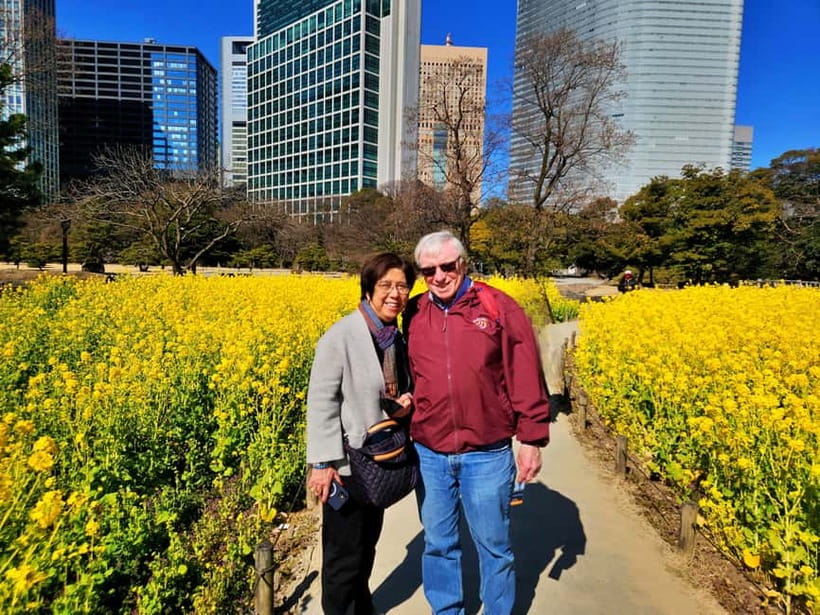
Timing and seasonal interests matter. One February outing included parks and cherry blossom trees, but seasonal conditions change, so you should discuss what you hope to see before booking. A shrine-focused day also requires comfortable shoes and a willingness to walk.
Shibuya for modern Tokyo
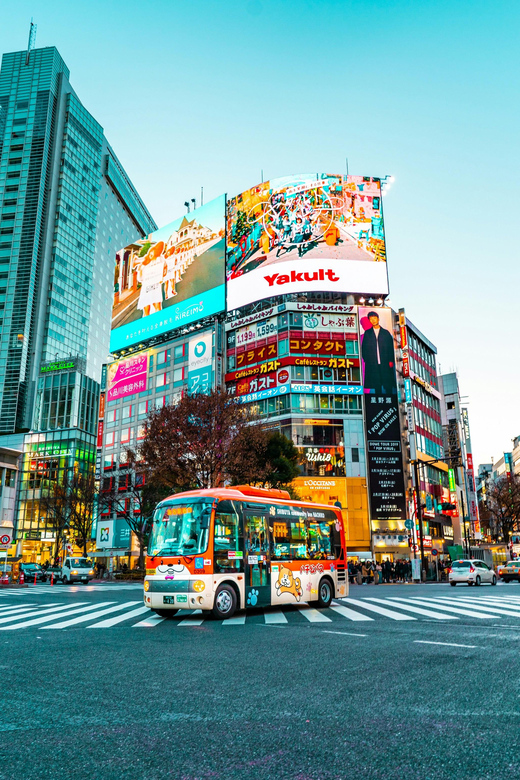
Shibuya offers the famous crossing, large commercial streets, and a look at Tokyo’s contemporary energy. It works well for first-time visitors who want an iconic scene, and it can appeal to teenagers interested in gaming culture and modern Japan.
A guide adds value here by explaining how to approach the area and by helping you connect it with nearby stops. You can also ask for photography advice. Florence particularly valued help finding good photo angles and getting assistance with everyday needs during a walking route.
Shibuya is not a calm or intimate stop. It can feel crowded, commercial, and familiar from photographs. Pairing it with a shrine, park, or neighborhood restaurant creates a better-balanced day.
Local food and less touristy restaurants
Food-focused planning is one of the strongest reasons to choose a private guide. You can ask for ramen, curry, market food, or a local restaurant away from the most obvious tourist routes. One three-day booking included two ramen meals and a curry lunch in less touristy areas.
Your guide can help you understand what you are ordering, spot inflated tourist prices, and manage the practical side of eating in Japan. Still, meals are not included, and the guide cannot guarantee a specific restaurant or menu. Bring cash, and explain dietary needs during planning.
This option suits you if food is a main reason for visiting Tokyo. It is less useful if you want to cover a long list of major sights in a short time, since a proper meal takes time.
Learning the Tokyo metro without panic
For many first-time visitors, metro help may be the most useful part of the experience. Tokyo’s rail system is safe and efficient, but station layouts, different operators, ticket machines, and multiple exits can confuse anyone at first.
Your guide can show you how to find platforms, read signs, transfer, and reach the correct exit. That support is practical rather than decorative. Once you understand the system, you can explore more confidently on your own.
Public transportation is not included, so you pay those fares separately. Private car or bus transport is also not included. Pickup is generally on foot, which means the tour itself still uses walking and regular city transport unless you make your own arrangements.
I would strongly consider this tour early in your stay if Tokyo is your first Japanese city. A short orientation can save time over the next several days. If you already understand the metro, use the hours for food, culture, or neighborhoods instead.
Guides and the value of a good match
The strongest praise has gone to guides who listen well and communicate clearly. Deen is repeatedly described as warm, flexible, and easy to understand. He has helped families with teenagers, first-time visitors, and solo visitors who wanted both sightseeing and basic Japan advice.
Marco has been praised for his understanding of Japanese history and culture, his Japanese language ability, and his skill at explaining religious traditions. Mark has led visitors into different parts of the city and on a day trip to Kamakura. Sofia helped one visitor cover most of the sights on a wish list while also teaching metro routes.
Ajiya received especially personal praise for creating a warm, family-like atmosphere. That kind of connection cannot be guaranteed, but it shows why the private format can work so well when the guide and your group click.
The languages listed are English, Spanish, and Italian. Because guide assignments can vary, put your language needs and interests into the booking request. If a particular guide matters to you, you can ask, though availability is not stated as guaranteed.
Walking, comfort, and family pace
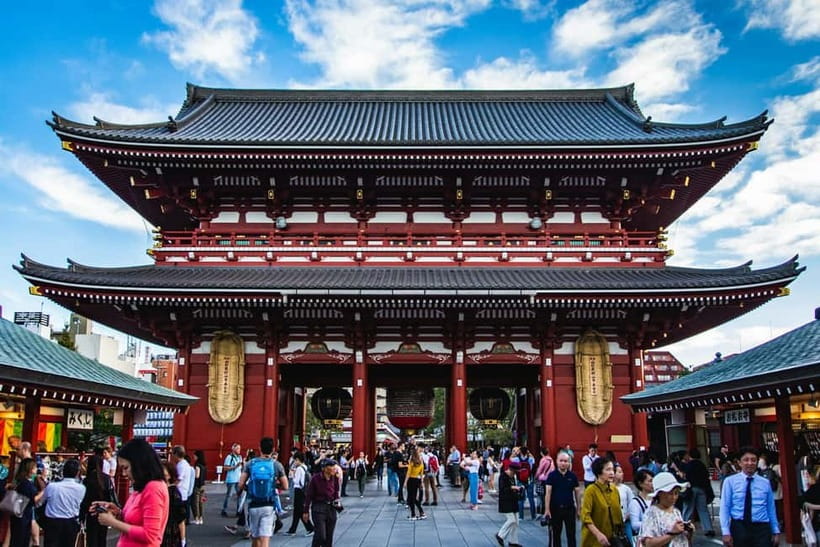
You should plan for walking. One group covered more than 20,000 steps per day over three days, while another guide adjusted the route for water stops, heat, photos, and personal comfort. That is a good sign, but you still need to set realistic limits.
Wear comfortable shoes and bring cash. Tell the guide if you need a slower pace, frequent breaks, or fewer stairs. The tour is wheelchair accessible, but the exact route should be discussed in advance so the guide can plan suitable stops and transport connections.
Children under 12 join free, but you must include them in the booking. Families with teenagers may find the private format especially useful because the guide can answer questions about gaming, history, food, and ordinary Japanese customs without forcing everyone through a standard script.
Price, inclusions, and what you still pay
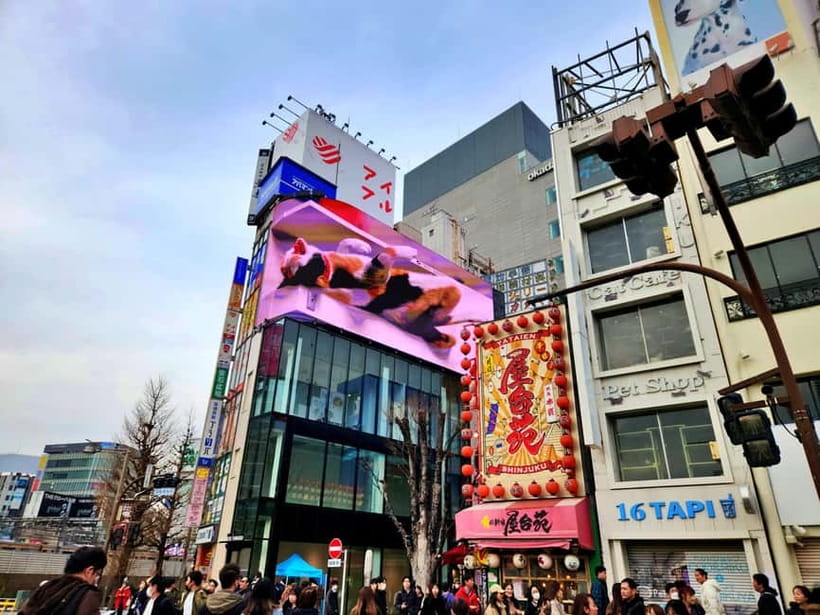
The listed price is about $51 per person, which can be good value for a private experience if you use the guide for more than photographs. The real value comes from route planning, metro instruction, translation help, cultural explanation, and advice you can use for the rest of your trip.
The price does not cover public transportation, private transport, entrance tickets, meals, snacks, shopping, or other personal spending. Those costs can add up, especially on a full day. Ask yourself what you need most. If you only want a quick look at one famous district, a group tour or self-guided visit may cost less. If you want help making sense of Tokyo, the private format is easier to justify.
Hotel or location pickup is an optional add-on and is done on foot in the Tokyo area. Pickup can also be arranged in the stated Yokohama and Kamakura areas. Confirm the meeting point and pickup details before the day.
Photos taken by the guide may be available, and a professional photographer may be available, but neither should be treated as guaranteed. Consider these pleasant extras, not the main reason to book.
Booking timing and day-of planning
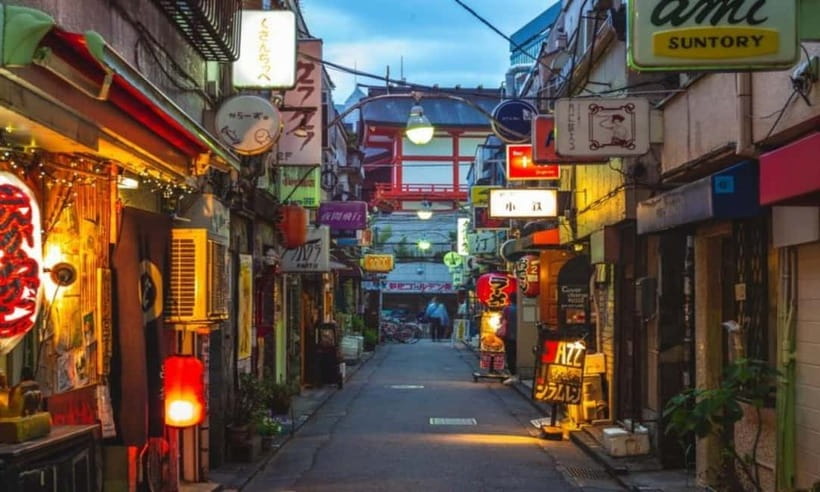
The operating hours are 9:00 AM to 6:00 PM Japan time. A 9:00 AM time shown during booking may only be a system placeholder, so wait for the actual start time to be confirmed.
You should receive general confirmation within 72 hours. After that, your guide is expected to send start time options, a proposed route, suggested destinations, and pickup information if selected. Use that exchange well. Give the guide a short priority list, your walking comfort, food interests, and any must-see place.
Free cancellation is available up to 24 hours before the tour for a full refund. You can also reserve and pay later, which helps if your Tokyo plans are still shifting.
Who should book this experience?

I would recommend it most strongly to first-time visitors, families, solo visitors, and anyone uneasy about Tokyo’s transport system. It also suits repeat visitors who want a food route, a cultural explanation, a photography walk, or a day in Kamakura without planning every connection themselves.
It is less suitable if you prefer to wander alone, dislike walking, or want all expenses bundled into one price. You also need to accept that the quality of the day depends partly on the guide assigned and on how clearly you explain your wishes.
My final take
Book this tour if you want Tokyo to fit your interests instead of fitting into a preset route. The best use of the experience is not simply checking off Shibuya or a shrine. It is learning how the city works, finding food that suits you, understanding what you are seeing, and leaving with a practical plan for the rest of your stay.
Choose two hours for metro help or a compact introduction. Choose four hours for a balanced half-day. Choose six to eight hours only if your group is ready to walk and you have several priorities to connect. At about $51 per person before transport, food, and tickets, it offers solid value when personal guidance matters more to you than a low-cost sightseeing loop.
FAQ
How long does the private Tokyo tour last?
You can book a tour lasting from 2 to 8 hours. Starting times depend on availability and are confirmed after your request is reviewed.
Is the tour private?
Yes. The experience is offered for a private group, so the route and pace can be adjusted for your party.
Which languages are available?
Live guides are available in English, Spanish, and Italian.
Can I customize the itinerary?
Yes. You can follow a suggested route or adjust it around your interests, such as culture, food, family activities, photography, history, or modern Tokyo.
Is hotel pickup included?
Hotel or location pickup is available as an optional add-on. Pickup is on foot and applies to the Tokyo area, with Yokohama and Kamakura areas also listed for pickup arrangements.
Are children allowed on the tour?
Yes. Children under 12 join free, but you must include them in the booking.
Are transportation and entrance tickets included?
No. Public transportation, private bus or car transport, entrance tickets, meals, snacks, shopping, and personal expenses are not included.
Is the tour wheelchair accessible?
Yes, the activity is listed as wheelchair accessible. Discuss your needs and preferred route with the guide before the tour.
Can I cancel the booking?
You can cancel up to 24 hours in advance for a full refund. The reserve now and pay later option is also available.
Just added around Tokyo
- Tokyo 6hr Instagram Highlights Private Tour with Licensed Guide★ 5.0 · 38 reviews
- Tokyo Small Group Tour with Guide★ 4.5 · 38 reviews
- Tokyo Sumo Experience with Live Show & Audience Challenge★ 5.0 · 38 reviews
- Very popular in Harajuku♡Animal petting zoo★ 4.6 · 39 reviews
- Japanese Food Cooking Class in Asakusa, Tokyo★ 5.0 · 39 reviews
- Ramen Making from Scratch with Tokyo Mom(Vegan Option Available)★ 5.0 · 39 reviews
- Tokyo: Kimono Rental inside Shinjuku Gyoen National Garden★ 4.9 · 39 reviews
- Tokyo JDM Night: 600hp C63s AMG Edition 1 (Private)★ 4.9 · 39 reviews
Private, compared.
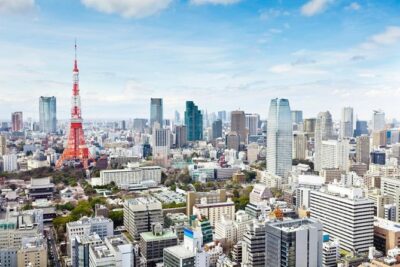
Tokyo 6hr Private Tour with Government-Licensed Guide
Read our review →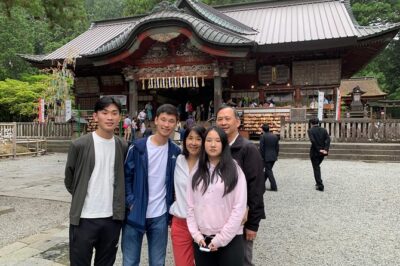
Private Tour to Mt. Fuji and Hakone (Fully Licenced Operator)
Read our review →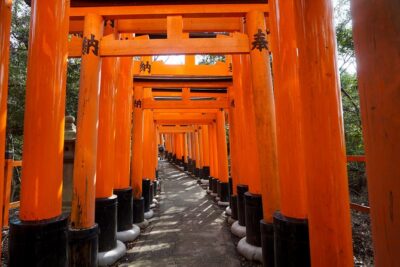
Fushimi Inari Hidden Hiking Tour (Private Option Available)
Read our review →
Private Kyoto Tour with a Local, Highlights & Hidden Gems, Personalised
Read our review →
Tokyo Customized Private Tour (Must See Places in 1 Day)
Read our review →
Mount Fuji Full-Day Private Tour from Tokyo (Customizable)
Read our review →
Private City Highlights Tour with Local Guide
Read our review →