
Reviewed · WALKING TOURS
Tokyo: Shinjuku Nightlife & Secret Backstreets Walking Tour
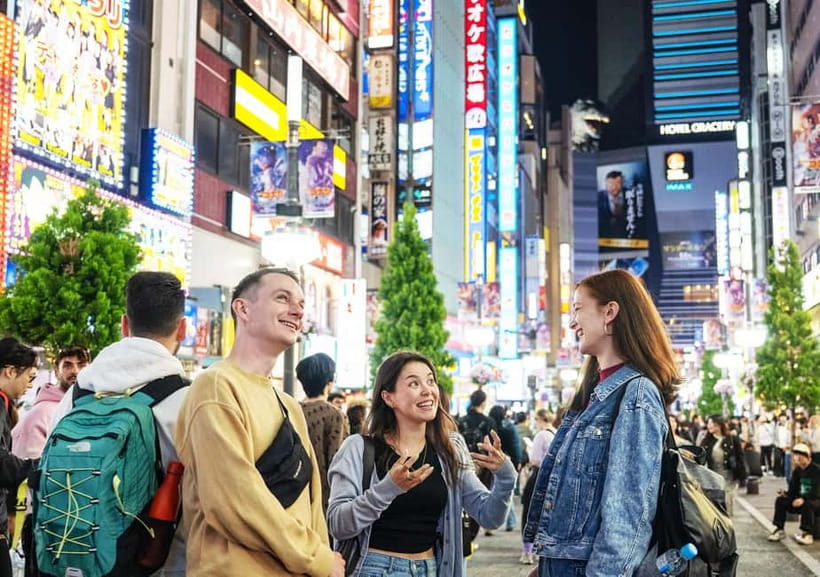
Shinjuku reveals itself after sunset. This 90-minute walk gives you a useful introduction to Kabukicho, Golden Gai, Omoide Yokocho, and Hanazono Shrine, while local guides explain how the district changed from a former red-light area into one of Tokyo’s best-known nightlife centers. I especially like the mix of famous sights and narrow side streets, plus the practical restaurant and bar suggestions you can use later.
I also like the small details, such as the vending machines with slot-machine features and the nighttime mood around Hanazono Shrine. Guides including Sota, Rinna, Akira, Mao, Ai, and Chihiro have been praised for clear English, good humor, and thoughtful answers. The main drawback is the pace: seven stops in 90 minutes leaves little time for lingering, photos, or entering many venues.
In This Review
- What makes this Shinjuku walk worth your evening
- Meeting at Shinjuku Station’s East Exit
- Omoide Yokocho: Tokyo’s small-lane beginning
- Kabukicho and the story behind the neon
- Tokyu Kabukicho Tower and its 30-minute pause
- Golden Gai: tiny bars, big personality
- Hanazono Shrine after the crowds
- The backstreets and the area’s harder edges
- What the guides add to the experience
- Is $22 good value for 90 minutes?
- Timing, clothing, and walking comfort
- Who should book this Shinjuku experience?
- Final call: book it for orientation, not a full night out
- FAQ
- How long does the Shinjuku nightlife tour last?
- Where does the tour meet?
- How do I identify the guide?
- Which languages are offered?
- Does the tour include a drink?
- Does the tour include food or bar entry?
- Is the tour wheelchair accessible?
- What should I wear and bring?
What makes this Shinjuku walk worth your evening
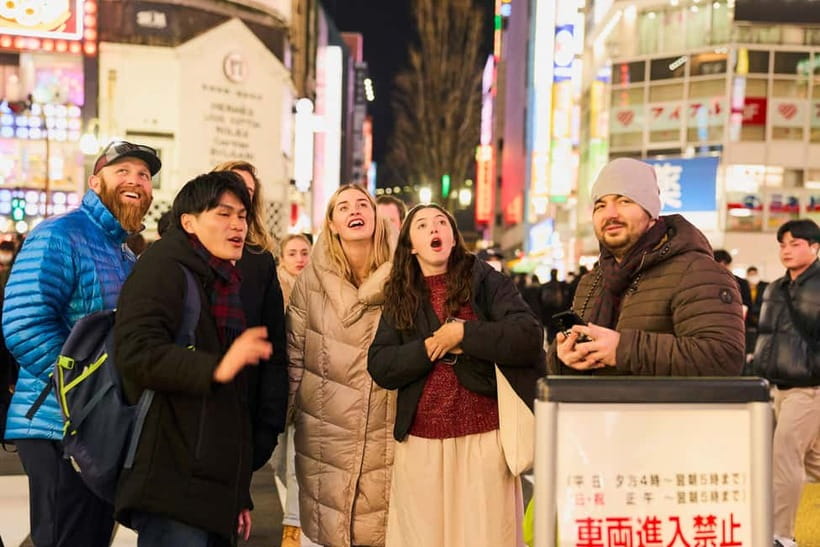
- 300 restaurants and bars in one dining district: You get a quick sense of just how much choice surrounds Kabukicho, from small eateries to late-night drinking spots.
- A look at Tokyo’s only slum area: The route includes backstreets with a very different feel from the polished neon streets nearby.
- Local restaurant advice: Guides point out places that are hard to identify or find without someone who knows the area.
- A free drink with a caveat: One vending-machine drink is included and recommended by the guide, though one booking reported that it was not provided.
- Golden Gai and Hanazono Shrine at night: The route pairs tiny bar lanes with a quieter, atmospheric religious site.
- A low-cost introduction: At $22 per person, the tour is priced as an orientation rather than a full evening of food and entertainment.
Meeting at Shinjuku Station’s East Exit
The walk begins at the Shinjuku Station East Exit Police Box, at 3-38-1 Shinjuku, Shinjuku-ku. This is not simply a random street corner. It gives you a clear landmark near one of Tokyo’s busiest rail stations, though Shinjuku Station can be confusing, especially if you are arriving for the first time.
Look for a guide holding a sign marked Local Guide Stars. The listed coordinates are 35.69178459999999, 139.7011327. I would allow extra time to get out of the station and find the police box without rushing. One participant specifically had trouble meeting up after getting lost inside Shinjuku Station.
The guide speaks English or Japanese. The English ability has generally been praised, and several guides have been noted for answering questions well and adjusting explanations to the group. That flexibility matters here because Shinjuku can be interesting at many levels, from simple orientation to questions about customs, nightlife, food, and local history.
More Nightlife Tours in Tokyo
- Tokyo Bar Hopping Tour in Shinjuku (All-You-Can-Drink + Dinner)
★ 5.0 · 3,587 reviews - Shibuya Meltdown Nightlife Tour: All-You-Can-Drink Bar Hopping
★ 5.0 · 1,058 reviews - Tokyo: Pub Crawl and Bar Tour
★ 4.5 · 951 reviews
Omoide Yokocho: Tokyo’s small-lane beginning
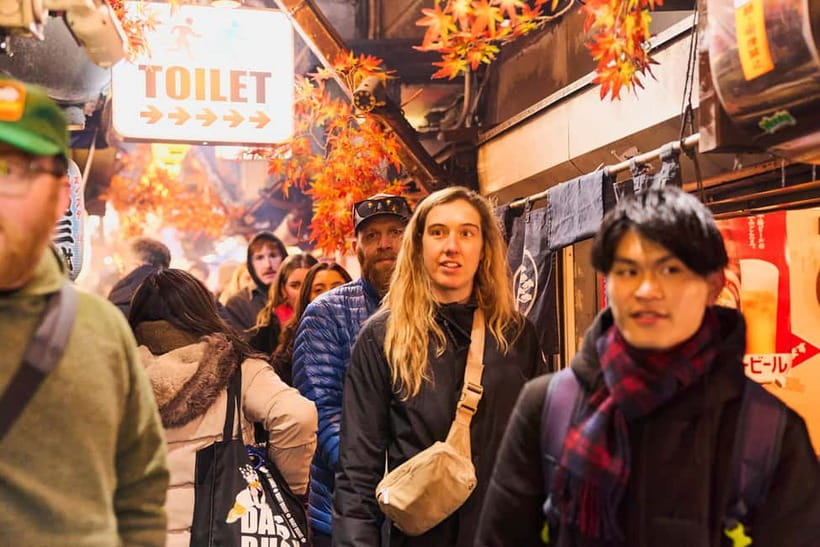
The first major stop is Omoide Yokocho, with about 10 minutes of guided explanation. This compact dining area is known for its narrow lanes and small restaurants, giving you an early taste of Shinjuku away from giant signs and broad station approaches.
Ten minutes is enough to understand the layout and hear suggestions, but not enough for a full meal. Think of this as a scouting visit. Your guide can help you notice the kind of places you might otherwise pass without understanding, then you can return later if one catches your eye.
The value here is practical. Tokyo’s food districts can look intimidating when every doorway seems to lead somewhere private or specialized. A short orientation can make you more willing to step into a small restaurant later in your trip. Since the tour does not include a meal, bring the expectation that you are learning where to eat, not stopping for a tasting course.
Kabukicho and the story behind the neon
From Omoide Yokocho, the route moves into Kabukicho for another 10-minute guided stop. This is the district most people picture when they think of Shinjuku at night: bright signs, entertainment venues, restaurants, bars, and crowds moving between them.
The useful part is the cultural context. The guide explains how Kabukicho developed from a former red-light district into a major nightlife center. That change gives the area more depth than a quick photo stop. You can look at the signs and streets while also learning why this particular corner of Tokyo developed such a strong connection to entertainment.
You should also expect a busy setting. Keep close to the guide and stay aware of your group when crossing streets or moving through packed lanes. Mike from the United States valued the way guide Hannah kept everyone together in the crowded area, a small but important skill in Shinjuku.
The tour is not designed to take you inside nightlife venues or arrange entertainment. It offers orientation, background, and suggestions. That makes it suitable for curious adults and families who want to understand the district without committing to a bar crawl.
Tokyu Kabukicho Tower and its 30-minute pause
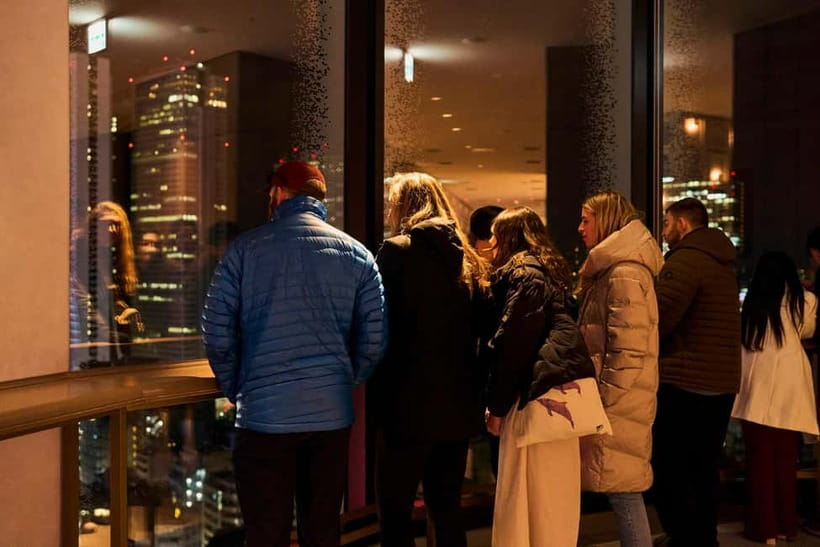
The longest stop is Tokyu Kabukicho Tower, where you spend about 30 minutes. This newer landmark gives the route a modern counterpoint to the older lanes and shrines. The stop helps you see that Shinjuku is not just preserved side streets and old nightlife traditions. It is also a district being rebuilt and reshaped.
Several people particularly enjoyed an observation deck connected with this part of the route. One person described having the deck almost to themselves, which made it a memorable surprise. The supplied schedule calls this a visit rather than a dedicated viewpoint stop, so the exact use of the time may depend on the day, guide, and operating conditions.
I would treat the tower as a chance to pause, take photos, and ask questions rather than assume you are receiving a long formal building tour. It breaks up the walking and gives you a different view of the neighborhood’s scale. If you are mainly interested in old Tokyo, this may feel less distinctive than Golden Gai or Hanazono Shrine, but the contrast is useful.
More Walking Tours in Tokyo
- Tokyo Tsukiji Fish Market Food and Culture Walking Tour
★ 5.0 · 3,184 reviews - Tokyo: Imperial Palace and Shogun Historical Walking Tour
★ 5.0 · 2,251 reviews - Tokyo: Shinjuku Local Bar and Izakaya Guided Walking Tour
★ 4.9 · 1,794 reviews - Tokyo: Tsukiji Fish Market Food and Walking tour
★ 5.0 · 1,724 reviews
Golden Gai: tiny bars, big personality
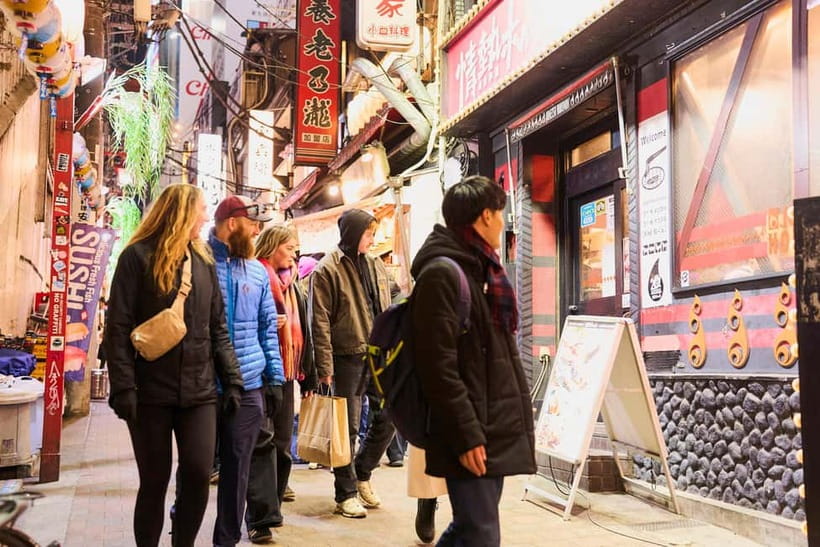
The tour then reaches Golden Gai for roughly 10 minutes. This famous cluster of very small bars is one of the most recognizable parts of Shinjuku’s nightlife. The lanes are tight, the venues are compact, and the atmosphere changes quickly as you move from a main street into a tucked-away passage.
The guide’s role is especially useful here. A casual walk can show you the look of Golden Gai, but local advice can help you understand which places may suit your interests and how to approach the area respectfully. Several people valued restaurant and bar suggestions that were difficult to find alone.
Do not expect time to sample several bars. Ten minutes is a preview. It is enough to see the lanes and gather ideas for another evening, but the tour itself does not include bar entry or drinks beyond the promised vending-machine beverage.
Golden Gai can also feel crowded, and some establishments are extremely small. If you want an unhurried night of drinks, return separately after the tour and choose one place with care. The walk gives you confidence and context, but it is not a substitute for spending an evening there.
Hanazono Shrine after the crowds
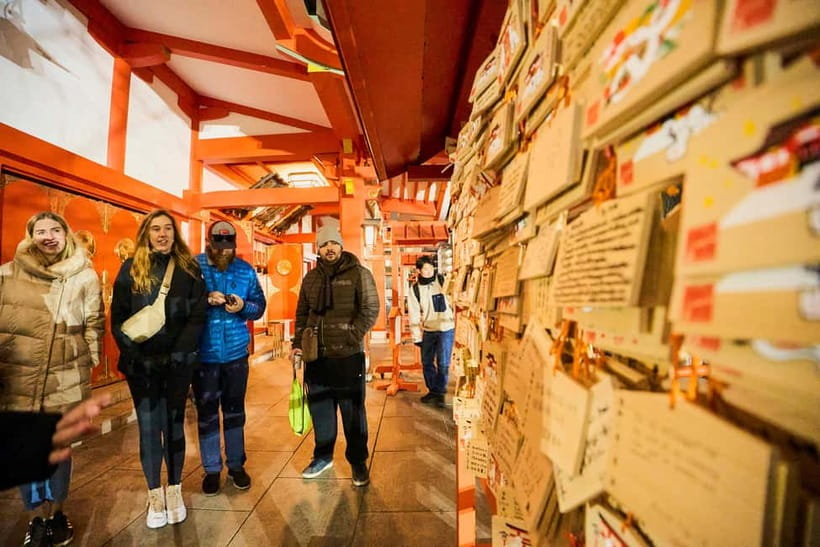
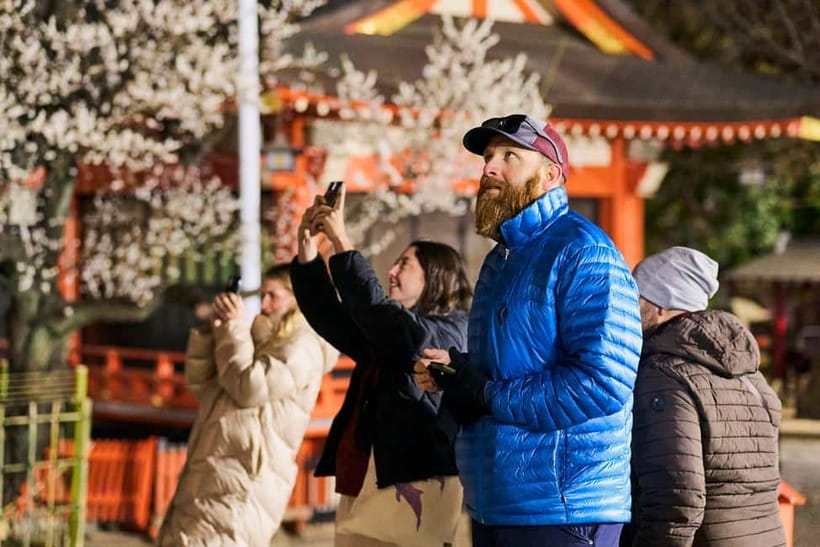
The final major stop is Hanazono Shrine, with about 15 minutes of guided time. This is where the mood shifts. After neon signs, food lanes, and entertainment streets, the shrine offers a quieter nighttime setting and a chance to consider another side of Shinjuku.
The contrast is one of the best features of the route. You are not seeing nightlife as a single block of noise. You are seeing how commercial streets, small restaurants, religious spaces, and residential-looking back lanes sit close together.
The shrine stop also gives the guide room to discuss Japanese customs and traditions. Several people appreciated learning about local culture alongside the area’s entertainment history. Fifteen minutes is still brief, but it is long enough to slow down and take in the atmosphere.
Please be respectful at the shrine. Keep your voice down, follow the guide’s instructions, and treat the space as a religious site rather than only a photo backdrop. The nighttime setting can be especially appealing if you have already spent the day visiting Tokyo’s larger temples and shrines.
The backstreets and the area’s harder edges
One of the more unusual promises of this walk is access to the backstreets of what the experience describes as Tokyo’s only slum area. This part should be understood carefully. The tour is offering a look at a less polished side of Shinjuku, not an attraction built for spectacle.
That distinction matters. A guide can provide context about how the neighborhood developed and explain what you are seeing, while you pass through respectfully. You should not treat residents or working areas as scenery, and you should follow any instructions about photography.
The backstreets are valuable because they complicate the usual image of Tokyo. Near the big station and neon entertainment zones, you can find quieter lanes and places that feel far removed from the grand city image. Guide Sota was praised for showing places people would not have found alone, while other guides were appreciated for explaining old sites, new additions, and areas that have been rebuilt.
What the guides add to the experience
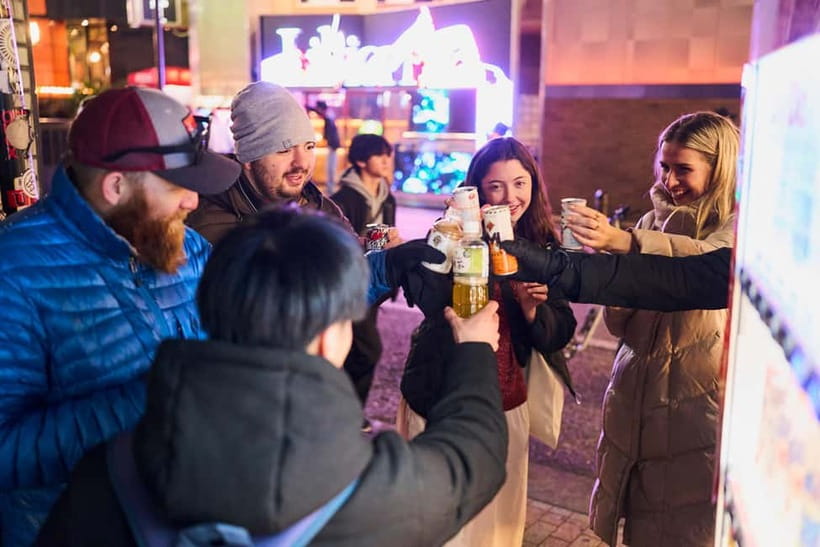
The guide is the main reason to book this walk. The route itself can be traced on a map, but the meaning of the streets is much harder to pick up while walking alone.
Past guides have included Sota, Rinna, Akira, Mao, Ai, Chihiro, Noa, Han, Yuta, Sakura, and others. Specific praise has gone to guides who mixed facts with humor, asked about personal interests, and offered honest suggestions about where to eat, what to do, and what to avoid.
Kawa, for example, tailored the explanations to the group’s interests. Akira and Sota were praised for combining local information with humor and advice about customs. Ai was credited with making a first-time solo visitor feel comfortable in an area that can seem overwhelming. These details suggest that the quality depends partly on the individual guide, but the repeated pattern is encouraging: the strongest guides make the walk feel conversational rather than memorized.
Families have also used the tour successfully. One group brought children, including a seven-month-old and a two-year-old, and found the guides patient and accommodating. Another family with younger children said Yuta kept the walk fun. Still, the subject is nightlife, so parents should decide if Kabukicho’s adult-oriented surroundings fit their group.
Is $22 good value for 90 minutes?
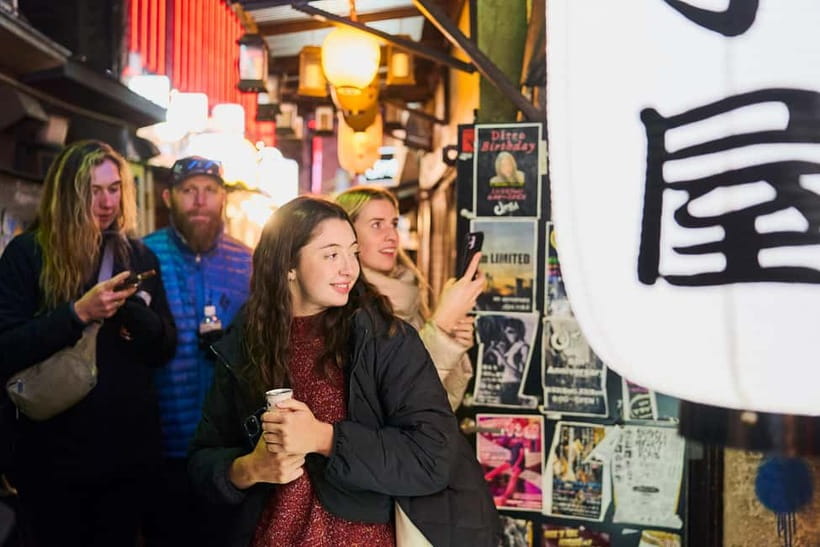
At $22 per person, this is a reasonable price for a short neighborhood introduction. You are paying for a local guide, not for food, admission to a series of attractions, or a full night out.
The value rises if you are new to Shinjuku and plan to explore independently afterward. A guide can save you time by pointing out restaurant lanes, explaining the difference between districts, and showing routes you might miss. The advice may also help you avoid wandering into a place that does not fit your comfort level or budget.
The value is lower if you already know Kabukicho, Golden Gai, and Omoide Yokocho well. It is also not the right choice if you want a slow photographic walk or several sit-down tastings. The schedule moves quickly, and two people specifically wished for more time to absorb the scenery or manage the timing.
One vending-machine drink is included and should be recommended by the guide. Because one booking reported not receiving it, I would regard it as a pleasant extra rather than a major reason to book.
Timing, clothing, and walking comfort
The tour runs for 90 minutes and returns to the Shinjuku Station East Exit Police Box. The listed timing gives you a clear outline: 10 minutes at the police box, 10 at Omoide Yokocho, 10 in Kabukicho, 30 at Tokyu Kabukicho Tower, 10 at Golden Gai, 15 at Hanazono Shrine, and about five minutes on foot back to the starting point.
Wear comfortable shoes. You will be walking through station areas, entertainment streets, narrow lanes, and uneven urban spaces. The tour operates rain or shine, so bring an umbrella or raincoat when needed. Warm clothing is also recommended, especially for cooler evenings when the route pauses outdoors.
The tour is listed as wheelchair accessible. Because the walk includes crowded streets and back alleys, you may still want to confirm current route conditions and meeting details when booking, particularly if you need a specific level of assistance.
Who should book this Shinjuku experience?
I would recommend it most strongly to:
- First-time visitors who want to understand Shinjuku before exploring alone
- Solo visitors who prefer a friendly introduction to nightlife areas
- Couples and small groups looking for local food and bar ideas
- Families comfortable with the adult atmosphere around Kabukicho
- Repeat visitors who have seen the main streets but missed the side lanes
- Anyone curious about how old neighborhoods and new towers share the same district
I would hesitate if your priority is eating during the tour, entering bars, or spending a long time at each photo stop. You should also skip it if you dislike crowded city streets or prefer a quiet cultural walk from start to finish.
Final call: book it for orientation, not a full night out
Book this tour if you want Shinjuku to make sense quickly. For $22, you get a local introduction to Kabukicho, Omoide Yokocho, Tokyu Kabukicho Tower, Golden Gai, Hanazono Shrine, and lesser-known lanes, with useful advice for the rest of your stay.
The strongest reason to go is the guide. People have praised Sota, Rinna, Akira, Mao, Ai, Chihiro, and others for their English, warmth, local tips, and ability to answer questions. Just keep your expectations in line: this is a fast walking orientation, not a meal tour or bar crawl. Bring good shoes, arrive early at the East Exit Police Box, and save your favorite restaurant or bar suggestions for after the walk.
FAQ
How long does the Shinjuku nightlife tour last?
The tour lasts 90 minutes, including the walk between the listed stops and the return to the Shinjuku Station East Exit Police Box.
Where does the tour meet?
The meeting point is the Shinjuku Station East Exit Police Box at 3-38-1 Shinjuku, Shinjuku-ku, Tokyo.
How do I identify the guide?
Look for a guide holding a sign that says Local Guide Stars.
Which languages are offered?
The tour is offered in English and Japanese.
Does the tour include a drink?
One vending-machine drink recommended by the guide is included. One booking reported that the drink was not provided, so consider it an extra rather than the main benefit.
Does the tour include food or bar entry?
No food tasting or bar entry is listed as included. The guide offers suggestions for restaurants and bars you can visit later.
Is the tour wheelchair accessible?
Yes, the activity is listed as wheelchair accessible.
What should I wear and bring?
Wear comfortable walking shoes and warm clothing. Bring an umbrella or raincoat because the tour operates rain or shine.
Just added around Tokyo
- Tokyo 6hr Instagram Highlights Private Tour with Licensed Guide★ 5.0 · 38 reviews
- Tokyo Small Group Tour with Guide★ 4.5 · 38 reviews
- Tokyo Sumo Experience with Live Show & Audience Challenge★ 5.0 · 38 reviews
- Japanese Food Cooking Class in Asakusa, Tokyo★ 5.0 · 39 reviews
- Very popular in Harajuku♡Animal petting zoo★ 4.6 · 39 reviews
- Ramen Making from Scratch with Tokyo Mom(Vegan Option Available)★ 5.0 · 39 reviews
- Tokyo JDM Night: 600hp C63s AMG Edition 1 (Private)★ 4.9 · 39 reviews
- Tokyo: Kimono Rental inside Shinjuku Gyoen National Garden★ 4.9 · 39 reviews
Walking Tours, compared.
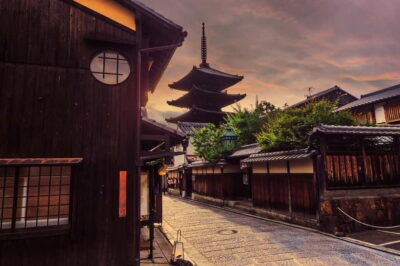
Kyoto Geisha Walking Tour: Gion District & Hidden Gems
Read our review →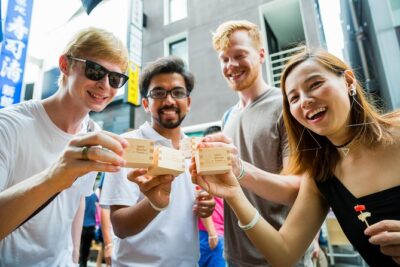
Tokyo Tsukiji Fish Market Food and Culture Walking Tour
Read our review →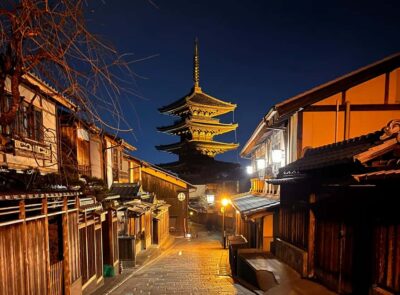
Gion Magical Night Walking Tour with Geisha Trivia
Read our review →
Imperial Palace and Shogun Historical Walking Tour
Read our review →
Gion Geisha District Walking Tour – Stories of Geisha
Read our review →
Shinjuku Local Bar and Izakaya Guided Walking Tour
Read our review →
Browse the lists this tour appears in