
Reviewed · DINNER EXPERIENCES
Tokyo: Traditional Japanese Performing Arts Show and Dinner
Culture comes with dinner here. At SUIGIAN, beneath Fukutoku Shrine in Nihonbashi, you sit beside a Noh-style stage, eat a seasonal Japanese course meal, and watch short performances of kagura or nihon-buyo. I especially like the close seating and the care put into explaining the food, music, decorations, and costumes. I also like that this is an easy way to enjoy several traditional arts in one evening without crossing Tokyo from venue to venue. The main thing to consider is the price: at $140 for one person, this is a special-occasion meal, not a casual night out.
You should also adjust your expectations about the show. The evening includes three short performance sets, usually around 10 minutes each, rather than a long stage production. The meal takes its time, and seafood appears often, so this suits you best if you enjoy adventurous Japanese cuisine and a slower dinner.
In This Review
- Key points to know before booking
- Finding SUIGIAN beneath Fukutoku Shrine
- A restaurant designed like a small theater
- Choosing between four seating options
- Kagura or nihon-buyo, depending on the date
- The seasonal Japanese course meal
- Why the pacing matters
- Service, hospitality, and the final photograph
- Dietary needs and menu limits
- Is $140 good value?
- Practical planning for your evening
- Should you book SUIGIAN?
- FAQ
- Where is the traditional performing arts dinner held?
- How do I reach SUIGIAN by train?
- How long does the experience last?
- Which traditional performance will I see?
- How many performances are included?
- What food is served?
- Can dietary restrictions be accommodated?
- Are drinks included?
- Is the experience suitable for children or wheelchair users?
Key points to know before booking
- A shrine-side setting: SUIGIAN sits in the basement of Fukutoku Garden, below the trees and grounds of historic Fukutoku Shrine.
- Three short performances: Depending on the date, you see kagura, ancient Shinto music and dance, or nihon-buyo, traditional Japanese dance.
- A seasonal chef’s menu: The omakase-style dinner may include an appetizer, seasonal platters, soup, Japanese beef, rice, dessert, matcha, and dry sweets.
- Four seat choices: Your selected seating category determines where you sit in relation to the Noh-style stage.
- Useful English support: Explanations of the food and performances may be provided in English, which makes the cultural details easier to follow.
- A polished special occasion: Service, presentation, heritage tableware, and the refined interior are major parts of the experience.
Finding SUIGIAN beneath Fukutoku Shrine
SUIGIAN is in central Tokyo’s Nihonbashi district, but the entrance can be less obvious than you expect. The restaurant is at Fukutoku Garden B1F, 2-5-10 Nihonbashi Muromachi, Chuo-ku.
The simplest route is Mitsukoshi-mae Station on the Tokyo Metro Ginza or Hanzomon Line. Use Exit A6, walk toward Coredo Muromachi 2, and continue to the basement level. The walk from the station is about one minute.
You can also walk about six minutes from Shin-Nihombashi Station on the JR Sobu Line Rapid, or roughly 10 minutes from Tokyo Station’s Nihombashiguchi Exit. A taxi from Tokyo Station takes about six minutes and costs approximately ¥600, depending on traffic. By car, the restaurant is about six minutes from the Kyobashi exit of the Inner Circular Route.
The most useful practical tip is to look for the SUIGIAN restaurant entrance at the corner by the park, rather than expecting a large theater sign. The setting below the shrine is part of the charm, but the directions could be clearer. Give yourself a few extra minutes if you are arriving for a fixed seating time.
A few more Tokyo experiences worth weighing up
- Tokyo Bar Hopping Tour in Shinjuku (All-You-Can-Drink + Dinner)
★ 5.0 · 3,587 reviews - Tokyo: Sumo Show and Dining Experience
★ 4.8 · 2,742 reviews - Sumida River: Japanese Traditional Yakatabune Dinner Cruise
★ 4.6 · 779 reviews
A restaurant designed like a small theater
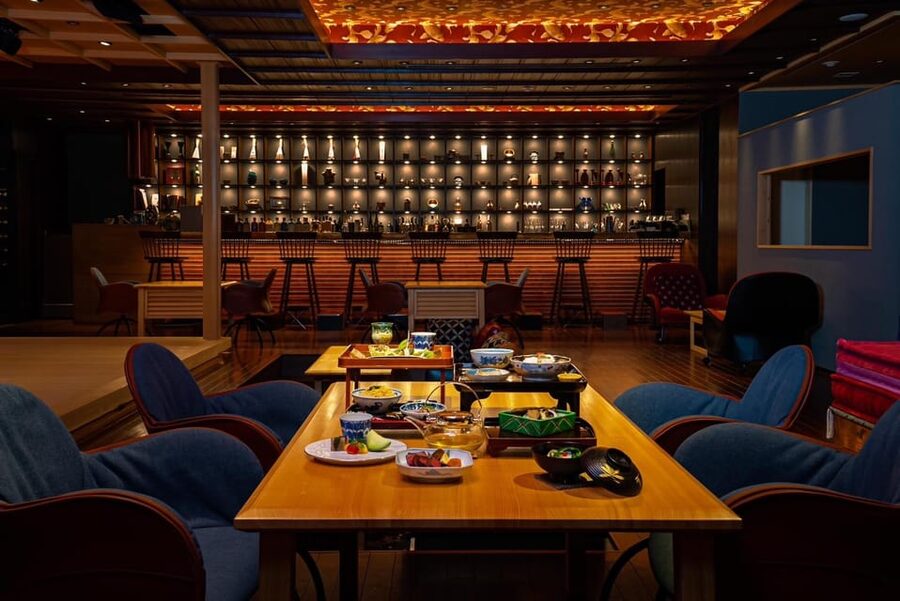
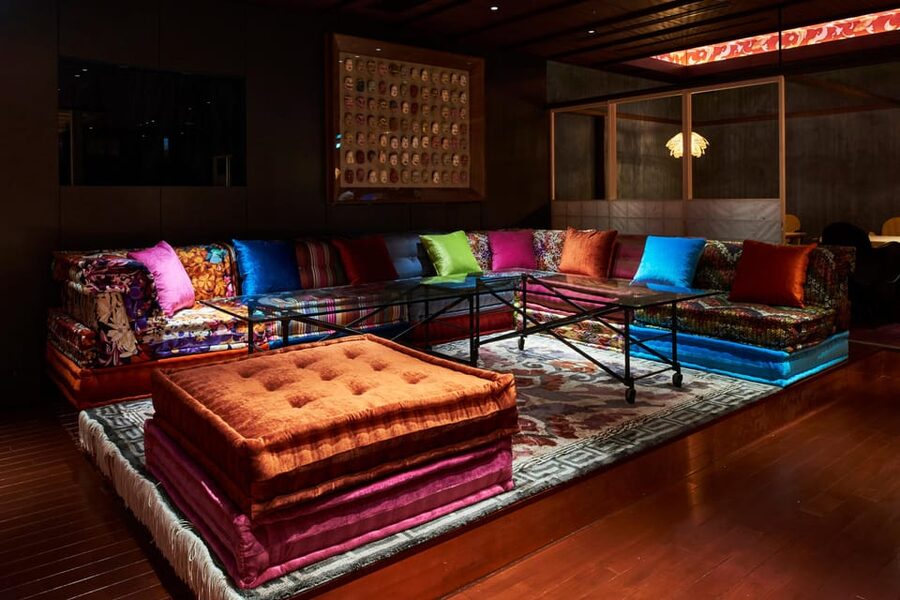
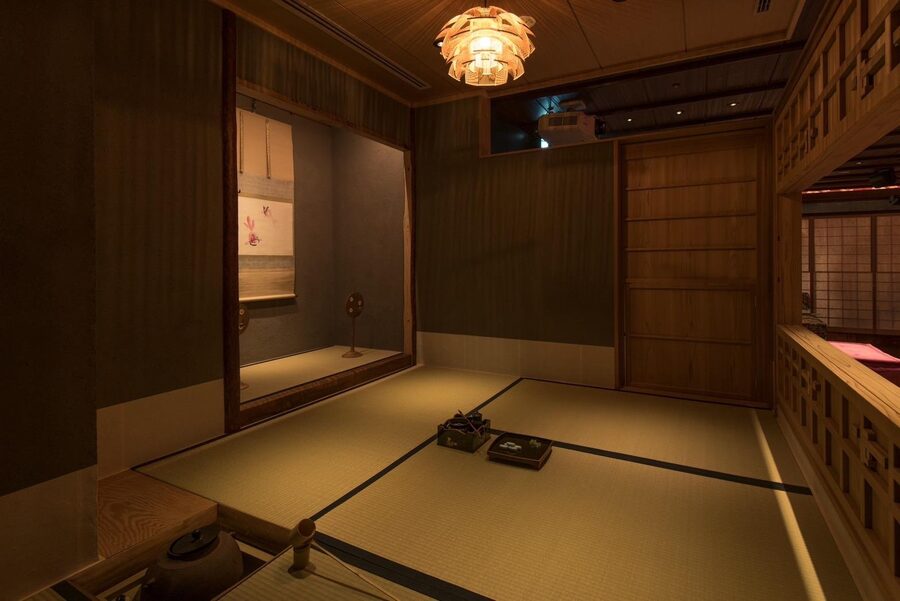
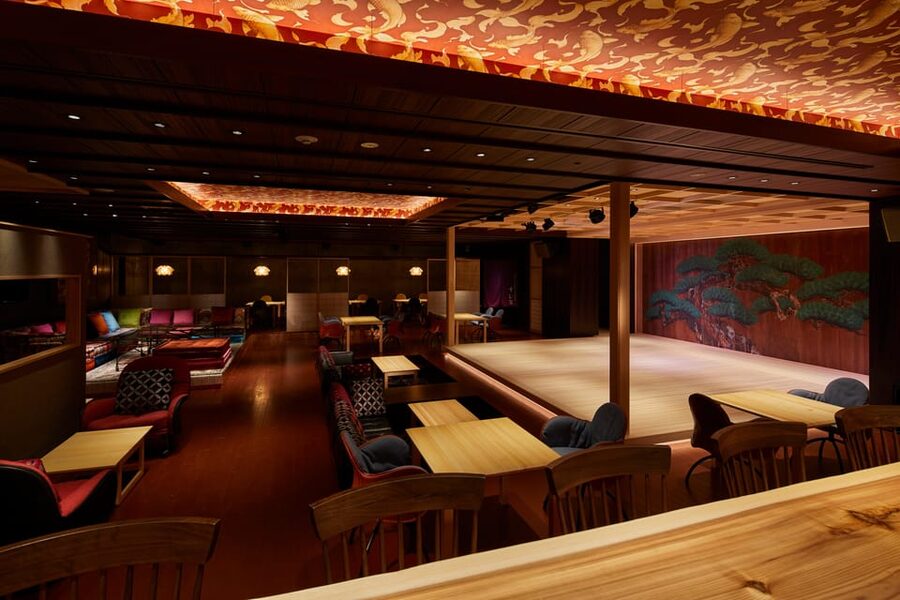
The first impression comes from the room itself. SUIGIAN combines a sleek restaurant interior with old Japanese artistic touches, so the setting feels polished without losing its traditional character.
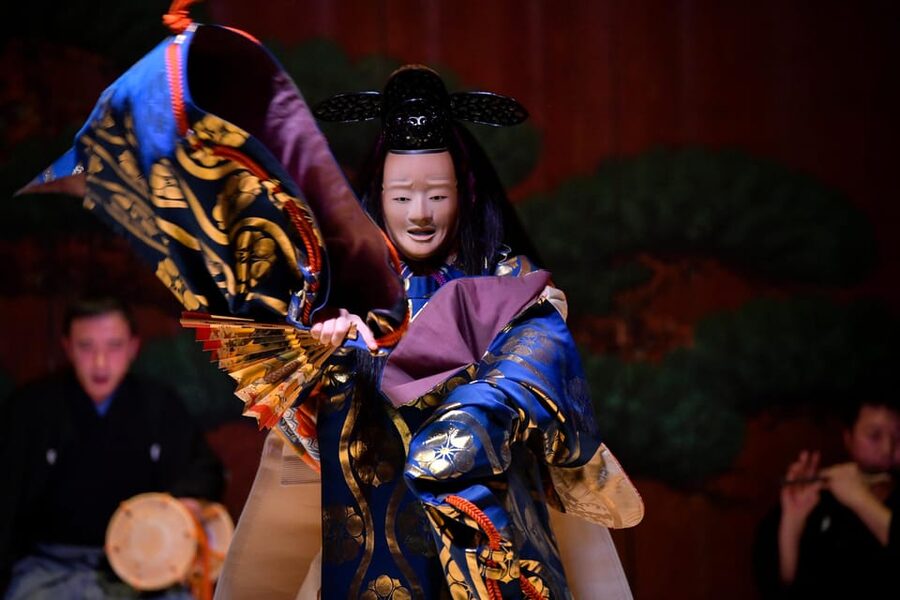
The stage follows the Noh theater style, with a painted old pine tree as its backdrop. That pine is not just decoration. In Noh theater, the pine traditionally helps create a symbolic world rather than a literal scene, and it gives the performers a calm, formal background.
The room also contains Japanese art and tableware with a notable connection to the past. The restaurant uses trays and dishes inherited from another Japanese restaurant in Nagasaki, with a history of more than 350 years. You do not simply eat from generic restaurant plates here. The vessels are part of the evening’s cultural lesson.
I like this approach because the setting does not ask you to visit a museum first and then sit down for dinner somewhere else. The architecture, artwork, dishes, food, and performance all point in the same direction. You receive small pieces of cultural context as the night unfolds.
Choosing between four seating options
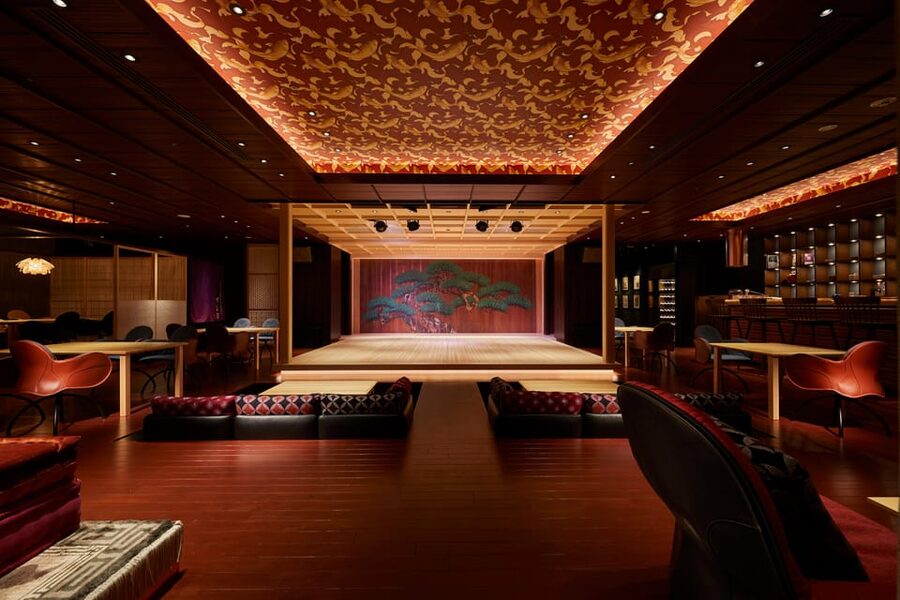
There are four available seat categories, and your selection affects how closely you watch the stage. The precise layout and names of the options should be checked when you reserve, but the key point is simple: your seat is assigned according to the option you choose.
Close seating is valuable here. The performances are concise, and being near the stage helps you notice the hand movements, expressions, costumes, instruments, and small gestures that can disappear from a distant seat. One diner particularly appreciated being close enough to see everything clearly.
If the performance is your main reason for booking, I would choose the best seat you can reasonably afford. If the meal and setting matter more, a lower-priced seat may still give you a fine evening because the room is arranged around the stage.
The venue is wheelchair accessible, which is useful in a city where older buildings and basement restaurants can sometimes create problems. Still, it is sensible to confirm the exact access arrangements when booking, especially if you need a particular route or seating position.
Kagura or nihon-buyo, depending on the date
The program changes by day, so check the calendar carefully rather than assuming you will see one particular art form.
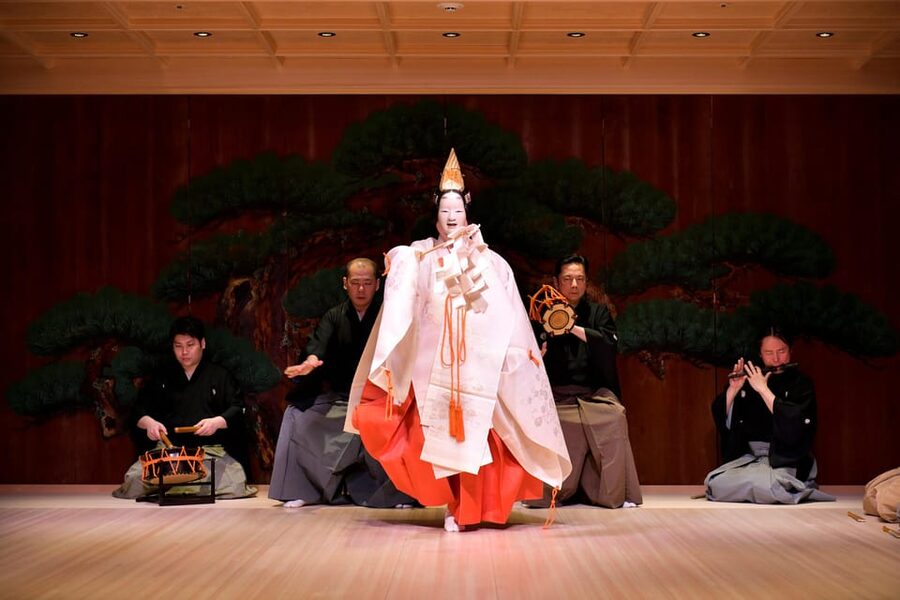
On the listed February 5, 10, 17, and 25 dates, plus March 10, 17, and 24, the regular performance is kagura. This is ancient Shinto music and dance, connected with shrine traditions and ritual storytelling.
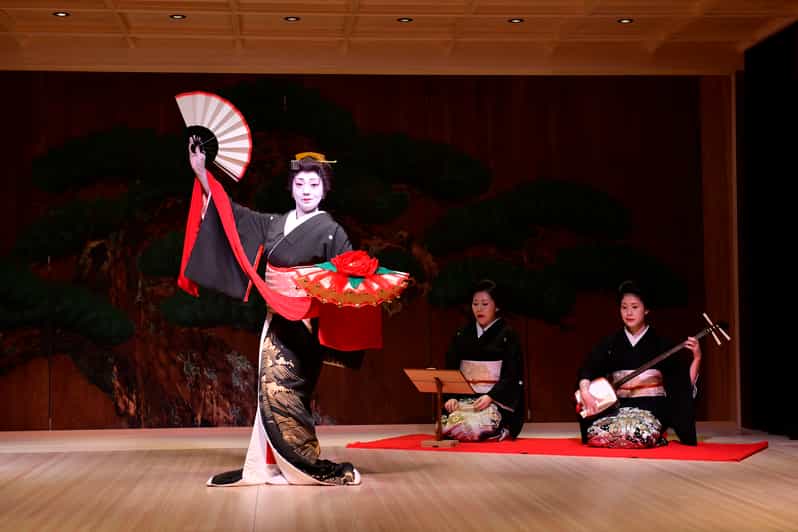
On the other listed February and March dates, the regular program is nihon-buyo, traditional Japanese dance. Nihon-buyo is highly controlled and expressive. The story may be carried through posture, fan movements, costume, rhythm, and small changes in the performer’s body rather than through spoken dialogue.
The program typically offers three performance sets between courses, each advertised at about 10 minutes. That structure works well with dinner. You watch, return to your food, and then have another performance later instead of sitting through a long show before eating.
You should not book this expecting a full evening of continuous theater. One diner found the three sets enjoyable but shorter than expected, while another described each program as closer to five minutes. The exact length may vary, so treat the show as a series of elegant cultural interludes rather than the entire main event.
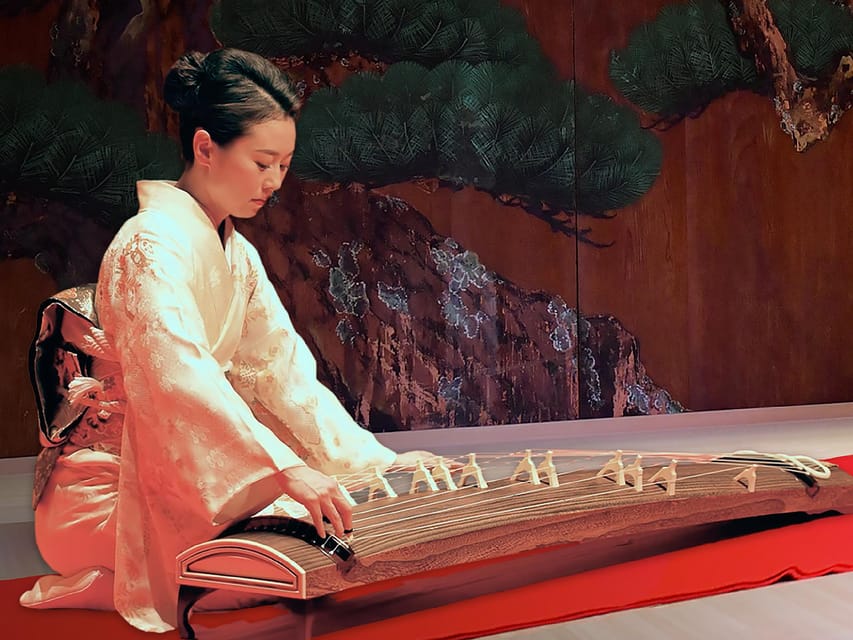
Some dates may include a dancer accompanied by shamisen and a vocalist. Other performances can feature different traditional programs. The content and price vary depending on the day, so read the date-specific details before paying.
A completely different kind of day out in Tokyo:
- Mt Fuji and Hakone 1-Day Bus Tour Return by Bullet Train
★ 5.0 · 26,383 reviews - 1-Day Tokyo Bus Tour
★ 5.0 · 14,250 reviews - Tokyo: TOKYO SKYTREE® Admission ticket
★ 4.5 · 11,192 reviews - Tokyo: teamLab Planets TOKYO Digital Art Museum Entry Ticket
★ 4.6 · 9,779 reviews
The seasonal Japanese course meal
Dinner is a full seasonal course prepared in the omakase style. That means the chef selects the menu, using fresh ingredients and bonito broth, with the meal shaped by the season.
A typical course may include:
- An appetizer
- A first seasonal platter
- Soup
- A later seasonal platter
- A grilled Japanese beef dish
- Rice
- Dessert
- Matcha green tea and dry sweets
The order and ingredients can change. That is part of the point, but it also means you should not arrive expecting a fixed menu based on a photograph or an earlier visit.
The food is presented carefully, often on the historic Nagasaki tableware. Plates are arranged with the same attention given to the stage and room. Several diners praised the meal as both beautiful and excellent, with some comparing it favorably to high-end kaiseki meals in Kyoto and even Michelin-starred dining.
I would keep that praise in perspective. This is a premium dinner, and the artistic presentation is a major part of what you are paying for. You are buying food plus service, a performance, a distinctive room, and a cultural explanation. If you compare the price only with the cost of an ordinary Tokyo dinner, it will seem expensive. If you want a refined evening with several elements combined, the value becomes easier to understand.
Seafood deserves special attention. One diner counted several seafood servings, fish soup, and a dessert with a flavor they associated with fish. You may find the menu less comfortable if you dislike seafood or prefer familiar Western dishes. An adventurous appetite helps.
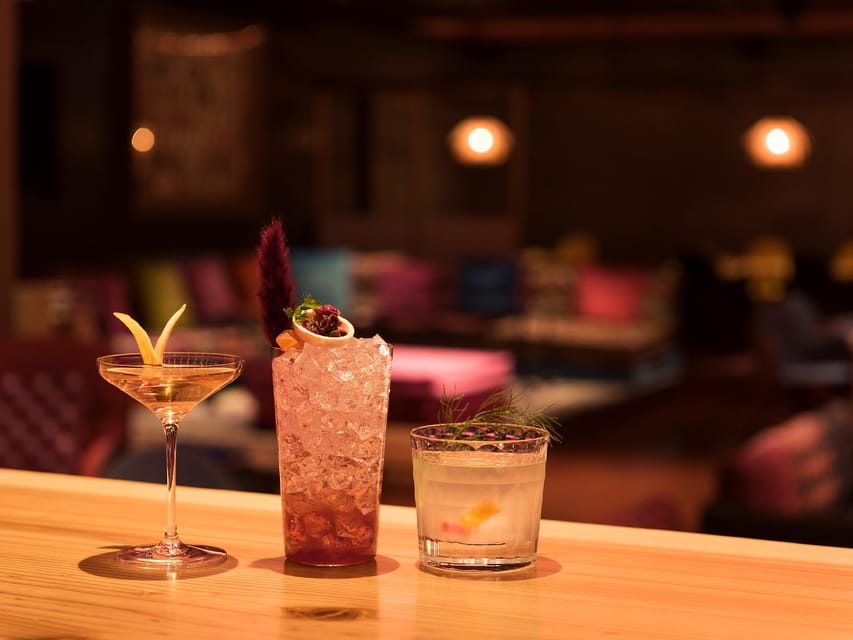
Drinks other than water are not included with the meal, so budget for them separately. This is easy to overlook when looking at the package price.
Why the pacing matters
This is not a quick pre-show meal. The dinner is served slowly and deliberately, with the performances placed between courses.
I like that rhythm. Tokyo sightseeing can become a parade of train platforms, famous crossings, department stores, and crowded viewpoints. A long dinner gives you a chance to sit still and pay attention. The gentle service is part of the experience, and several diners praised the staff for being attentive, kind, and patient.
The slower pace may not suit you if you want to eat quickly and return to the city. Plan on two to three hours, and think of the evening as a complete program rather than dinner with a small extra performance.
English explanations can make a real difference. Food is more enjoyable when you understand what you are eating, and the cultural notes help you follow the performances even if you do not speak Japanese. The explanations also make the old dishes, artwork, music, and stage design feel connected rather than decorative.
Service, hospitality, and the final photograph
Service is one of the strongest reasons to choose this experience. Staff members have been praised for explaining dishes, answering questions, accommodating needs when informed early, and looking after diners throughout the meal.
The hospitality can be personal without being intrusive. In one especially thoughtful moment, staff learned that a diner’s husband taught world music at a university and arranged for the performer to join them for a photograph. A commemorative photo with the performers is available, giving you a simple way to mark the evening.
The staff may also help with practical matters after dinner. One diner described the team calling a taxi and waiting until it arrived. That kind of care is useful if you are tired, unfamiliar with the area, or ending a special celebration late in the evening.
Dietary needs and menu limits
You must report allergies, vegetarian requirements, gluten concerns, or other restrictions when you reserve. Because the menu is seasonal and chef-selected, the kitchen may not be able to make changes requested only after you arrive.
A gluten-free request was handled successfully for one party, but another diner found that not all dietary restrictions were met. That gives you the right lesson: provide clear details early, and ask your companions about their needs before booking.
Do not rely on simply leaving unwanted items untouched. Omakase dining works best when the chef knows what you cannot eat in advance.
Children under 10 are not permitted, so this is aimed at adults and older children. The quiet pacing, formal meal, and short stage sets make it especially suited to couples, birthdays, anniversaries, small groups, and anyone who wants a polished cultural evening in central Tokyo.
Is $140 good value?
The listed price is $140 per group up to one person, so you should verify the current amount and date-specific pricing before booking. The cost is high for dinner, but the comparison should be with a premium cultural evening, not with a bowl of noodles or a standard restaurant meal.
You receive a full Japanese course, assigned seating, three traditional performance sets, English support, tableware with a long Japanese connection, and a carefully designed room. The service is also a meaningful part of the package.
The value is strongest if you would otherwise pay separately for a fine meal and a traditional performance. It is weaker if you mainly want a long concert or a large theater production. The live entertainment is short, while the dinner takes up most of the two to three hours.
For a birthday or date, I can see the appeal. The intimate room, photo opportunity, attentive staff, and slow rhythm create a memorable night. For a budget-conscious visitor, I would reserve this only if traditional arts and fine dining are central goals.
Practical planning for your evening
Check the exact date before booking because the program changes between kagura and nihon-buyo. If one art form matters more to you, do not leave the choice to chance.
Arrive with enough time to locate the basement entrance beneath Fukutoku Garden. Mitsukoshi-mae Station is the easiest route, but the corner entrance can be confusing if you search only for a theater sign.
Tell SUIGIAN about every food restriction in advance. Also remember that drinks beyond water are extra.
Wear something comfortable enough for a long dinner, but this is a refined venue and a special-occasion outfit will not feel out of place. Most important, arrive ready for a slow evening. Rushing through the courses would miss much of what makes the experience worthwhile.
Should you book SUIGIAN?
I would book this if you want Japanese food, art, music, and hospitality in one carefully arranged evening. It is particularly good for a couple, birthday celebration, or first visit to Tokyo when you want an introduction to traditional culture without committing to a full theater production.
I would skip it if you dislike seafood, need a quick meal, or expect hours of continuous dancing. The performances are short, and the price is significant.
For the right audience, SUIGIAN offers a polished and intimate night in Nihonbashi. The food, room, service, and cultural program support one another, and the close seating makes the short performances feel personal. Book the date and seat carefully, disclose dietary needs early, and you are likely to leave with a full stomach, a better sense of Japanese performing arts, and a photograph worth keeping.
FAQ
Where is the traditional performing arts dinner held?
It is held at Theater Style Restaurant & Lounge SUIGIAN, in Fukutoku Garden B1F at 2-5-10 Nihonbashi Muromachi, Chuo-ku, Tokyo.
How do I reach SUIGIAN by train?
Take the Tokyo Metro Ginza or Hanzomon Line to Mitsukoshi-mae Station and use Exit A6. The restaurant is about a one-minute walk away, near Coredo Muromachi 2. It is also about six minutes from Shin-Nihombashi Station and about 10 minutes from Tokyo Station’s Nihombashiguchi Exit.
How long does the experience last?
The estimated duration is two to three hours.
Which traditional performance will I see?
The program depends on the date. Listed February 5, 10, 17, and 25 dates, along with March 10, 17, and 24, feature regular kagura performances. Other listed February and March dates feature nihon-buyo.
How many performances are included?
The program includes three short performances during dinner. Each is advertised at approximately 10 minutes, although the actual length may vary.
What food is served?
The seasonal omakase course usually includes an appetizer, seasonal platters, soup, grilled Japanese beef, rice, dessert, matcha green tea, and dry sweets. The exact menu is selected by the chef and can change.
Can dietary restrictions be accommodated?
You must provide allergy, vegetarian, gluten-free, or other dietary information when making the reservation. Requests made only after arrival may not be possible to accommodate.
Are drinks included?
The included services list covers the Japanese full-course dinner and performance. Feedback indicates that drinks other than water are not included.
Is the experience suitable for children or wheelchair users?
Children under 10 are not permitted. The venue is wheelchair accessible.
Just added around Tokyo
- Tokyo 6hr Instagram Highlights Private Tour with Licensed Guide★ 5.0 · 38 reviews
- Tokyo Small Group Tour with Guide★ 4.5 · 38 reviews
- Tokyo Sumo Experience with Live Show & Audience Challenge★ 5.0 · 38 reviews
- Japanese Food Cooking Class in Asakusa, Tokyo★ 5.0 · 39 reviews
- Very popular in Harajuku♡Animal petting zoo★ 4.6 · 39 reviews
- Ramen Making from Scratch with Tokyo Mom(Vegan Option Available)★ 5.0 · 39 reviews
- Tokyo JDM Night: 600hp C63s AMG Edition 1 (Private)★ 4.9 · 39 reviews
- Tokyo: Kimono Rental inside Shinjuku Gyoen National Garden★ 4.9 · 39 reviews
Dinner Experiences, compared.
Tokyo Bar Hopping Tour in Shinjuku (All-You-Can-Drink + Dinner)
Read our review →
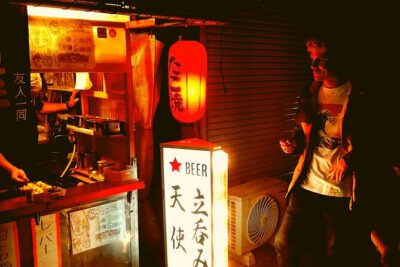
Deep Backstreet Osaka Tours (Option to add Dinner)
Read our review →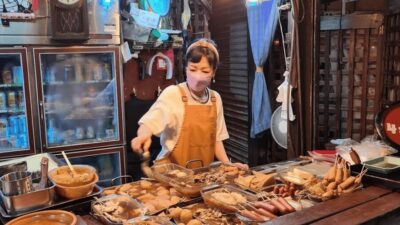
Deep Backstreets Walking Tour with Dinner Option
Read our review →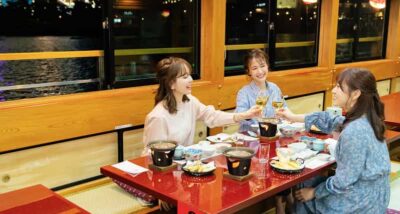
Sumida River: Japanese Traditional Yakatabune Dinner Cruise
Read our review →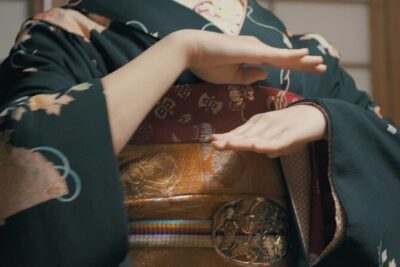
Kyoto Gion Cultural Walk & Geisha Show with Dining Options
Read our review →Kyoto Gion Cultural Walk & Geisha Show with Dining Options
Read our review →
Tokyo Bay Yakatabune Dinner/Day Cruise with Japan Show and Drinks
Read our review →Browse the lists this tour appears in