
Reviewed · FULL-DAY
Amanohashidate & Ine Funaya Sightseeing Full Day Trip from Kyoto
Coastal Japan rewards the extra miles. This full-day outing links Ine’s wooden boat houses with Amanohashidate, a pine-covered sandbar counted among Japan’s Three Most Scenic Views. I like the striking change from Kyoto’s temples to the Sea of Japan, and I like that your guide gives you clear meeting times while leaving room for photos, food, and wandering. The tradeoff is the long coach ride, often around two to two and a half hours each way.
At $64.90 per person, the tour is a practical way to reach two awkward-to-connect places without arranging regional transport yourself. The scenery and variety are excellent, but the experience depends more than usual on your guide: some guides, including Lee, Steven, Jaxson, Laura, and Nate, have been praised for good organization, while other reports describe limited commentary or missed stops.
In This Review
- Key points at a glance
- Why Ine and Amanohashidate make a worthwhile pair
- The long ride from Kyoto or Osaka
- Ine Fishing Village, the day’s most distinctive stop
- Funayanosato Park gives you the big bay view
- Ine Cafe and Ineura Park slow the pace
- The Ine Bay boat ride adds movement and birds
- Amanohashidate Viewland frames the famous sandbar
- Chion-ji Temple adds a short cultural stop
- Kaisen Bridge and Amanohashidate Beach
- Lunch, costs, and the real value
- The guide can shape the whole day
- Weather, crowds, and the best fit
- Should you book the Amanohashidate and Ine day trip?
- FAQ
- How long is the Amanohashidate and Ine tour?
- Can I depart from Osaka or Kyoto?
- Are the chairlift and monorail included?
- Is the Ine Bay sightseeing boat included?
- Is lunch included?
- Can I cancel for a full refund?
Key points at a glance
- Ine is the visual highlight: Traditional Funaya boat houses line the shore, with boat storage below and living space above.
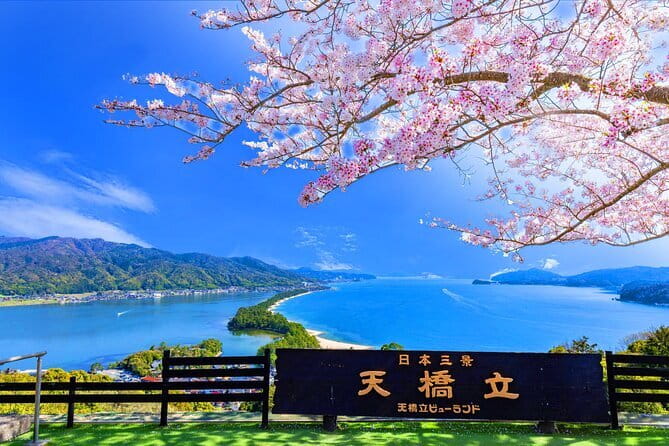
- Amanohashidate offers Japan’s famous sandbar view: The long strip of nearly 8,000 pine trees looks like a bridge toward heaven from above.
- The boat ride costs extra: Allow JPY 1,200 per adult, or JPY 600 per child, if you want to see Ine from the bay.
- The chairlift or monorail also costs extra: The round-trip ticket is JPY 1,000 per adult and JPY 500 per child.
- Expect a full coach day: The advertised duration is about nine hours, with considerable road time.
- The tour suits organized sightseers: It is best for you if convenience matters more than setting your own pace.
Why Ine and Amanohashidate make a worthwhile pair
Northern Kyoto Prefecture feels far removed from the city. Here the coast curves around quiet bays, fishing boats replace temple crowds, and the pace is slower. Pairing Ine with Amanohashidate gives you two very different sights in one day: a preserved fishing village and a famous natural viewpoint.
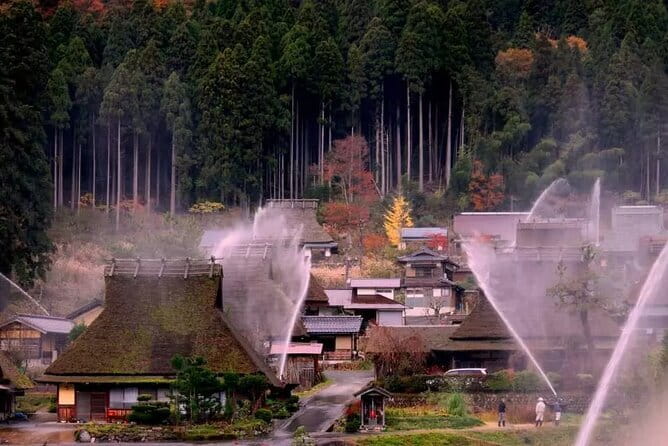
Ine is known for its Funaya, wooden boat houses built directly along the waterfront. The lower level traditionally stores boats, while the upper level serves as living space or work space. From the road, the buildings form an unusual line between land and sea. From the water, their relationship with the bay becomes even clearer.
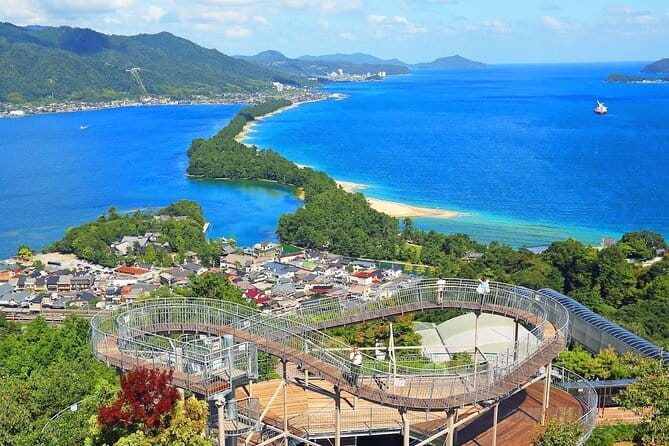
Amanohashidate is a long sandbar covered with pine trees. Its name means bridge to the heavens, and from the nearby mountain it resembles a path joining the two sides of Miyazu Bay. Depending on the angle and the conditions, it can look like a dragon rising toward the sky.
The tour is not an isolated nature walk or a deep cultural program. It is a well-packed sightseeing day, with several short stops and set departure times. I see that as a fair exchange for reaching two distant places in one outing.
A few more Osaka experiences worth weighing up
- Osaka: Minoh, Katsuoji Temple, & Minoh Falls Full-day Tour
★ 4.9 · 172 reviews - Osaka’s Best and Brightest: Private Full-Day Tour by Vehicle
★ 5.0 · 147 reviews - Full Day Tour of Kyoto with Private Transportation
★ 5.0 · 130 reviews
The long ride from Kyoto or Osaka
The coach is air-conditioned, and round-trip transport is included from designated meeting points in Osaka or Kyoto. That is the main reason to consider this trip. Public transportation to both destinations can take planning, transfers, and careful timing. Here, you board once and let someone else handle the roads.
You should still prepare for a substantial ride. Several accounts put the journey at about two hours each way, and one describes roughly two and a half hours in both directions. The drive is not wasted time, since coastal and rural views gradually replace the city, but you will spend a large part of the nine-hour day sitting down.
Seats may be assigned, so tell the trip leader early if you have a preference. Bring water, a small snack, and anything you need for a comfortable ride. The group can reach a maximum of 45 people, so this is a standard coach excursion rather than a quiet private tour.
Meeting instructions are important. The tour can depart from Osaka or Kyoto, and a serious mix-up was reported when a booking confirmation directed a family to Kyoto even though the guide was in Osaka. Check your pickup location and time carefully before departure, and contact the operator immediately if anything looks unclear.
Ine Fishing Village, the day’s most distinctive stop
The first part of the visit focuses on Ine Fishing Village. You receive about 30 minutes to get your bearings and see the waterfront. Admission is free, but the short allocation means you should not expect a slow village walk or a detailed visit inside every building.
Ine’s appeal comes from its unusual architecture and setting. The Funaya are not decorative replicas placed for sightseers. They are working coastal buildings shaped by the needs of fishing families. The best way to appreciate them is to notice the repeated doors, timber fronts, narrow shoreline, and boats close to the water.
This is a good place to keep your camera ready, but do not treat the village as only a photo stop. Look at how the houses meet the bay and how little space separates the water from the road. That simple arrangement explains why Ine feels so different from the usual Kyoto itinerary.
The limited time is also the first sign of the tour’s main constraint. If Ine is your priority, you may wish for longer here. The schedule gives you several ways to see the village, but each one is brief.
Funayanosato Park gives you the big bay view
At Funayanosato Observation Park, you have about 30 minutes for a broad view over Ine Bay. From above, the village’s curved shoreline and rows of boat houses make sense in one glance. The bay has the polished look of a large blue bowl surrounded by hills and coastal settlement.
I like this stop because it provides context before you return to street level. At the waterfront, you notice individual buildings. From the observation deck, you see the entire pattern. It is one of the quickest ways to understand why Ine is considered one of Japan’s most scenic coastal villages.
The stop is free, but weather matters. Mist or rain can soften the view, and winter conditions may make the coast feel cold and less inviting. Spring through autumn should give you a more comfortable setting, though no season guarantees clear skies.
A completely different kind of day out in Osaka:
- Osaka Go Karting Tour with Funny Costume
★ 5.0 · 2,658 reviews - Osaka Castle: Museum and Tower Entry Ticket
★ 4.5 · 2,380 reviews - Osaka: Shinsekai Food Tour with 13-15 Dishes at 5 Eateries
★ 4.8 · 2,204 reviews - Osaka Food Tour: 13 Dishes at 5 Local Eateries
★ 5.0 · 2,149 reviews
Ine Cafe and Ineura Park slow the pace
Ine Cafe is scheduled for about 20 minutes. It is a popular place for coffee and cake with a view of the bay and Funaya. This is not a full meal stop, so use it for a short break or a simple treat rather than relying on it as your main lunch.
The schedule also includes about 20 minutes at Ineura Park, in the center of the Funaya area. This brings you closer to the wooden buildings and lets you examine their historic design from the shore. I would use this time for details that are easy to miss from a coach window: timber siding, boat doors, rooflines, and the tight connection between homes and sea.
The short visits work well if you like variety. They work less well if you want to sit quietly, browse local shops, or study the village at length. Opening days matter here, too. Some shops may be closed, particularly on certain days, so do not build your whole plan around shopping or a café visit.
The Ine Bay boat ride adds movement and birds
The 30-minute sightseeing boat is not included. The listed price is JPY 1,200 per person, or JPY 600 per child. From the bay, you see the Funaya from the angle that best explains their purpose, with the buildings facing the water in a long, memorable row.
The boat ride also adds a playful touch. Food attracts flocks of seagulls, and birds may follow the boat. Some people particularly enjoy feeding them and watching them sweep around the upper deck. If you plan to sit outside, bring a poncho or rain shell. Spray, wind, or bird activity can make the open deck messy.
I consider the boat worthwhile if the weather is decent and you want more than a roadside view. It is one of the few parts of the day that lets you experience Ine from the sea, not just look at it. The cost is modest, but remember that lunch and other personal spending are also on you.
Amanohashidate Viewland frames the famous sandbar
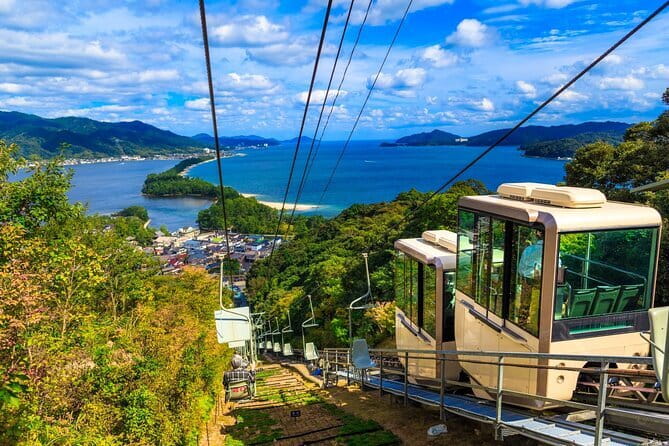
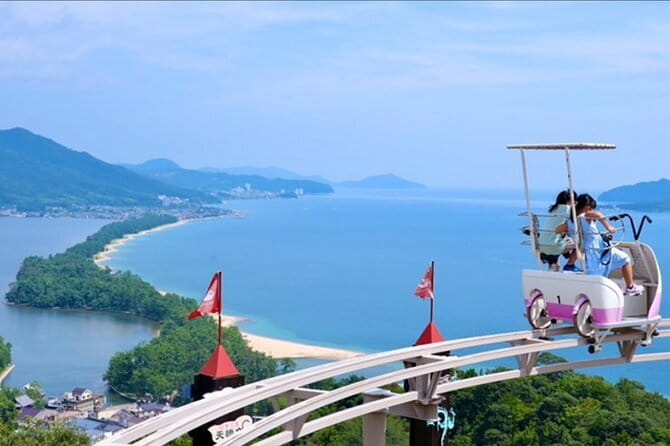
The trip then moves to Amanohashidate Viewland, with about 50 minutes at the viewpoint. The chairlift or monorail ticket costs JPY 1,000 per adult and JPY 500 per child, and it is not included in the tour price.
This extra is the key purchase of the day for most people. From above, the sandbar appears as a narrow green line through the bay, its pine trees giving it the look of a bridge. The view is the reason Amanohashidate belongs on Japan’s classic scenic list.
The chairlift is open-air, while the monorail provides another way up. Several accounts favor the chairlift because it gives a clear view during the ascent. Lines can be long on a Saturday or another busy day. If you spend much of the 50 minutes waiting to go up and down, you may have little time left for the lookout.
Try to reach the lift promptly and keep an eye on the meeting time. The view is excellent, but the tour cannot hold the coach for late returns. Clear weather makes a large difference, and winter can feel cold while offering less of the lush pine-and-sea effect.
Chion-ji Temple adds a short cultural stop
Chion-ji Temple sits at the southern entrance to the Amanohashidate sandbar. You have around 20 minutes here, enough for a brief look rather than a full temple visit.
The temple is associated with Monju Bosatsu, the Buddhist figure connected with wisdom and intelligence. It houses one of Japan’s Three Important Statues of Monju Bosatsu. That gives the site more meaning than a quick photo stop, though the schedule does not allow a long religious or architectural study.
I would treat Chion-ji as a pleasant change of rhythm after the lookout. You can take in the temple grounds, note the setting near the sandbar, and then continue toward the bridge and beach.
Kaisen Bridge and Amanohashidate Beach
Kaisen Bridge is a rotating bridge that turns 90 degrees when ships need to pass through the waterway. The current bridge connects the Amanohashidate landbridge with the Monju area, and the original was built in 1923.
You have about 20 minutes here. The bridge is a small but unusual piece of local infrastructure, especially when you understand that it moves for boat traffic. It also helps explain the waterways around the sandbar.
Amanohashidate Beach receives another 20-minute stop. Along the eastern side, white sand, blue water, and pine trees create the classic coastal view. You can walk a little, take pictures, or simply enjoy open space after the coach and the busy lookout.
Do not expect a long beach outing. Twenty minutes is enough to see the shore, not enough for a leisurely swim or extended walk along the sandbar. The itinerary gives you a taste of several places rather than an entire day at one.
Lunch, costs, and the real value
The $64.90 price is strong for a nine-hour trip with an air-conditioned vehicle, guide, and round-trip transport. The value comes from saving you the work of reaching two remote destinations and coordinating the timing between them.
You need to budget for two optional highlights:
- Amanohashidate chairlift or monorail: JPY 1,000 per adult, JPY 500 per child
- Ine Bay sightseeing boat: JPY 1,200 per adult, JPY 600 per child
Lunch is not included, and neither are personal purchases at the café or elsewhere. The tour does give you free time to choose food, which is useful if you have dietary preferences or want to try local specialties. Guides such as Lee have been praised for offering lunch suggestions that help you decide quickly.
The best value comes when you want convenience. It is less compelling if you dislike fixed schedules, long bus rides, or extra charges for the two main paid activities.
The guide can shape the whole day
Good organization is a repeated strength of this experience. Guides named Lee, Steven, Jaxson, Laura, and Nate have been praised for clear instructions, regular updates, humor, language skills, and careful group management. One guide created a chat group and sent key information through WhatsApp, which can make meeting points and return times easier to follow.
The guiding style may vary. Some departures appear to be lightly guided, with the leader concentrating on logistics and allowing you to explore independently. Other accounts describe basic English, limited historical explanation, or a guide who did not cover every planned stop.
That difference matters if you are booking for cultural interpretation. You should expect practical help with timing and navigation, but do not assume every departure will feel like a private history tour. Check which language support is offered for your date if that is important to you.
The overall rating is 4.6 from 62 ratings, with 92 percent recommending the experience. That points to a generally reliable outing, while the lower scores show why it is wise to confirm the meeting point and keep expectations realistic.
Weather, crowds, and the best fit
Spring, summer, and fall are the safest choices for scenery and comfort. Winter can be cold, and the coastal colors may be less appealing. Rain does not erase the charm of Ine, but it can reduce the impact of both viewpoints and make the boat ride less comfortable.
A clear weekday would be my first choice. Saturdays can bring long lines at the Amanohashidate lift and leave less time at the top. If you are visiting during a busy period, treat the lift as a priority and leave the smaller stops for whatever time remains.
This tour fits you best if you:
- Want to see coastal Japan beyond Kyoto’s main temples
- Prefer arranged transport over several train and bus connections
- Enjoy scenic viewpoints, short walks, and photo stops
- Are comfortable with a group of up to 45 people
- Can manage a long day with substantial coach time
It is not ideal if you want a slow village stay, extensive temple visits, or detailed commentary at every stop. Independent explorers may prefer staying overnight in the area, though that requires more planning.
Should you book the Amanohashidate and Ine day trip?
I would book this tour if you have one free day from Kyoto or Osaka and want a simple route to two beautiful coastal sights. Ine is the more unusual stop, while Amanohashidate supplies the famous panorama. Together they offer fishing culture, sea views, pine trees, a temple, a moving bridge, and a little bird-feeding fun.
Add the boat and the chairlift to get the fullest version of the day, and aim for a clear weekday. Confirm your departure city, arrive early, and accept that the coach ride is part of the bargain. If those conditions suit you, $64.90 is a fair price for the access and convenience.
FAQ
How long is the Amanohashidate and Ine tour?
The experience lasts approximately nine hours. The road journey can take around two to two and a half hours each way, depending on conditions.
Can I depart from Osaka or Kyoto?
Yes. Round-trip transfers are provided from designated meeting points in Osaka or Kyoto. Check your confirmation carefully so you go to the correct departure location.
Are the chairlift and monorail included?
No. The Amanohashidate chairlift or monorail costs JPY 1,000 per adult and JPY 500 per child.
Is the Ine Bay sightseeing boat included?
No. The boat costs JPY 1,200 per adult and JPY 600 per child. The ride lasts about 30 minutes.
Is lunch included?
No. Lunch and personal expenses are not included. You receive free time to choose and pay for your own meal.
Can I cancel for a full refund?
Yes, if you cancel at least 24 hours before the experience start time. Cancellations or changes made less than 24 hours in advance are not accepted for a refund.
Just added around Osaka
- Osaka Food Tour with 10 Classic Japanese Tastings & Drinks★ 5.0 · 38 reviews
- Osaka: Highlights & Hidden Gems Private Walking Tour★ 4.7 · 38 reviews
- Kyoto private tour (Shore excursion available from Osaka or Kobe port)★ 5.0 · 39 reviews
- Osaka Private Day Trip – Enjoy Your First-Time Visit to Osaka!★ 5.0 · 39 reviews
- Kyoto & Nara & Uji: Full Day Sightseeing Tour from Osaka or Kyoto★ 4.5 · 39 reviews
- Authentic SUSHI Course Cooking Class★ 5.0 · 39 reviews
- Osaka: Mind & Spirit Balance Temple Reiki Healing★ 5.0 · 41 reviews
- Osaka Afternoon Walking Tour with Osaka River Cruise★ 3.5 · 42 reviews
Full-Day, compared.
Mount Fuji Full-Day Private Tour from Tokyo (Customizable)
Read our review →
Hiroshima / Miyajima Full-day Private Tour with Government Licensed Guide
Read our review →

5 Top Highlights of Kyoto Full Day Bike Tour (E-bike option)
Read our review →
Full Day Biking Tour Exploring the Best of Kyoto
Read our review →
Mt. Fuji, Hakone Full-Day Private Tour with English Driver Guide
Read our review →Browse the lists this tour appears in