
Reviewed · HISTORICAL TOURS
Fukuoka Essentials: History, Culture, & Charms
Fukuoka reveals itself on foot. This private walking tour links old Zen temples, lively shrine grounds, a traditional shopping arcade, and a rooftop city view in about three hours. I like the way it gives you a useful first look at Hakata without forcing you onto a bus, and I like the personal format, which lets your guide adjust the pace and conversation to your interests. The main consideration is that the tour covers a fair amount of ground, and food, transport, and attraction tickets cost extra.
The route is especially strong for a first morning in Fukuoka. You get religious history, local streets, and practical advice about what to eat, see, and do next. Guides such as Radim have been praised for clear English, an easy manner, and thoughtful adjustments for families, teenagers, and people walking more slowly. Just confirm the exact meeting details and length when you book, since the experience can run from three to eight hours even though the planned walk is about three hours.
In This Review
- Five things that make this Fukuoka walk worthwhile
- Starting beside Hakata Station’s big clock
- Shofukuji, where Zen history begins
- Tochoji adds scale and a giant Buddha
- Kushida Jinja and the Hakata Gion Yamakasa
- Kawabata Arcade gives you 15 minutes of local life
- Sumiyoshi Jinja offers a quieter second shrine
- Hakata Station rooftop closes the day well
- What $58 buys you, and where the value lies
- Pace, language, and the private-group advantage
- Who should book this Fukuoka experience?
- Final verdict: A smart first walk in Hakata
- FAQ
- Where does the Fukuoka Essentials tour begin?
- Can I request hotel pickup?
- How long does the tour last?
- Is the tour private?
- Which languages are offered?
- Is transportation included?
- Are food, drinks, or attraction tickets included?
- Can I cancel for a full refund?
Five things that make this Fukuoka walk worthwhile
- Kyushu’s oldest Zen temple: Shofukuji gives the tour a quiet, historical opening away from the noise of Hakata Station.
- Two different Buddhist temples: Shofukuji and Tochoji offer contrasting experiences, including Tochoji’s large Buddha statue.
- Kushida Jinja’s festival connection: Fukuoka’s main shrine is closely tied to the Hakata Gion Yamakasa festival.
- A real taste of Hakata life: Kawabata Shopping Arcade gives you 15 minutes to browse, snack, and watch local business carry on.
- A city view without another major attraction ticket: Hakata Station’s rooftop provides a simple, memorable finish.
- A guide who can adapt: The strongest praise goes to hosts such as Radim, Louise, and Vadim for changing the pace and focus to suit each group.
Starting beside Hakata Station’s big clock
The official meeting point is the CASETiFY STUDIO store in Amu Plaza Hakata, right beside the main entrance and under the large clock. That is a sensible place to begin because Hakata Station is easy to reach, but large stations can be confusing. Arrive with enough time to find the store, especially if you are carrying luggage or meeting your guide at a busy hour.
A hotel pickup may be arranged for central locations. The standard plan is on foot, with transport available for an additional cost. I would treat the station meeting point as the safest default unless your pickup has been confirmed clearly.
The walk starts with a roughly 10-minute journey to Shofukuji. This opening stretch helps you shift from the commercial energy around the station to a quieter part of the city. It also means the tour begins with movement rather than a long introduction indoors.
More history tours in Japan:
- World Heritage Shirakawa-go and Experience Tours from Kanazawa
★ 5.0 · 4,049 reviews - Tokyo: Imperial Palace and Shogun Historical Walking Tour
★ 5.0 · 2,251 reviews - World Heritage Kyoto & Nara Uji Authentic Matcha Experience
★ 5.0 · 1,573 reviews
Shofukuji, where Zen history begins
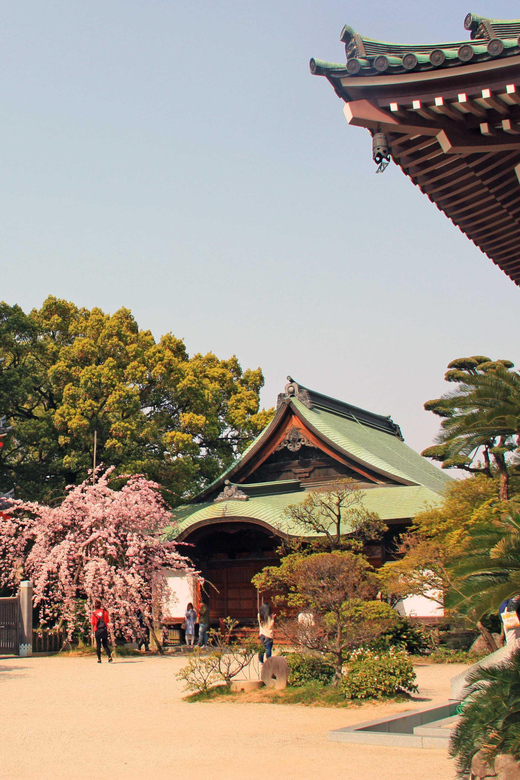
Shofukuji is the first major stop and one of the best reasons to choose this route. It is recognized as the oldest Zen Buddhist temple in Kyushu, giving the visit a powerful sense of place. The grounds offer a calmer setting for looking at temple architecture, gates, and gardens while your guide explains why the site matters.
The value here is not a flashy attraction. Shofukuji rewards attention to atmosphere and design. You can take in the quiet grounds, listen to the background story, and get a clearer picture of how Buddhist institutions shaped Fukuoka.
The tour description makes a useful comparison with Tochoji. Tochoji has the more obvious visual draw, especially its large Buddha statue, while Shofukuji provides the stronger historical setting. Seeing both keeps the temple portion from feeling repetitive.
As with any active religious site, this is a place to act respectfully. Keep your voice low, follow your guide’s instructions, and remember that the grounds are not simply a photo stop. The peaceful mood is part of the attraction.
Tochoji adds scale and a giant Buddha
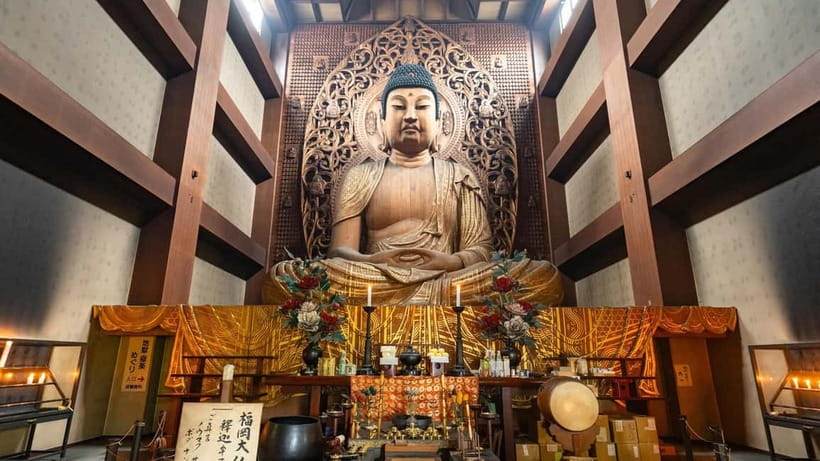
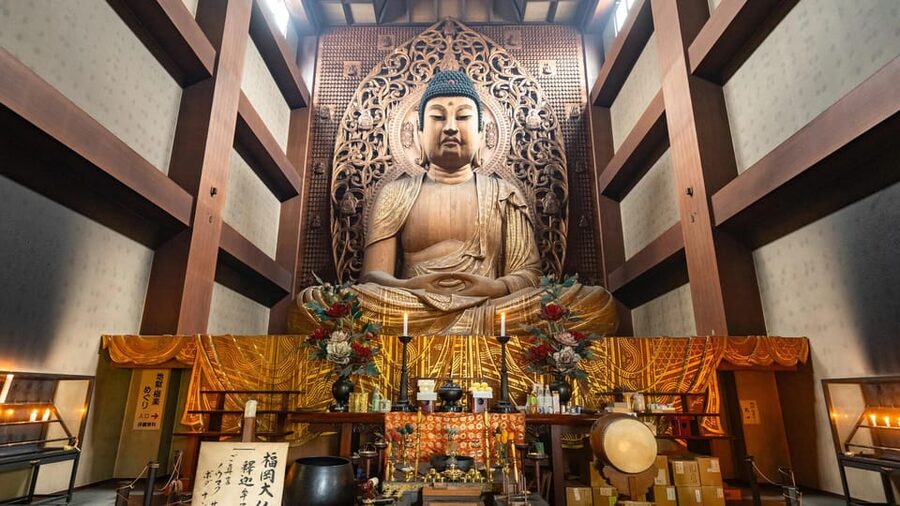
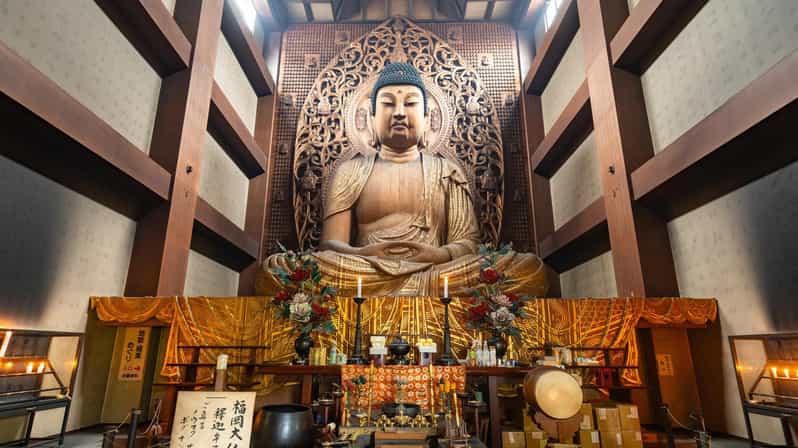
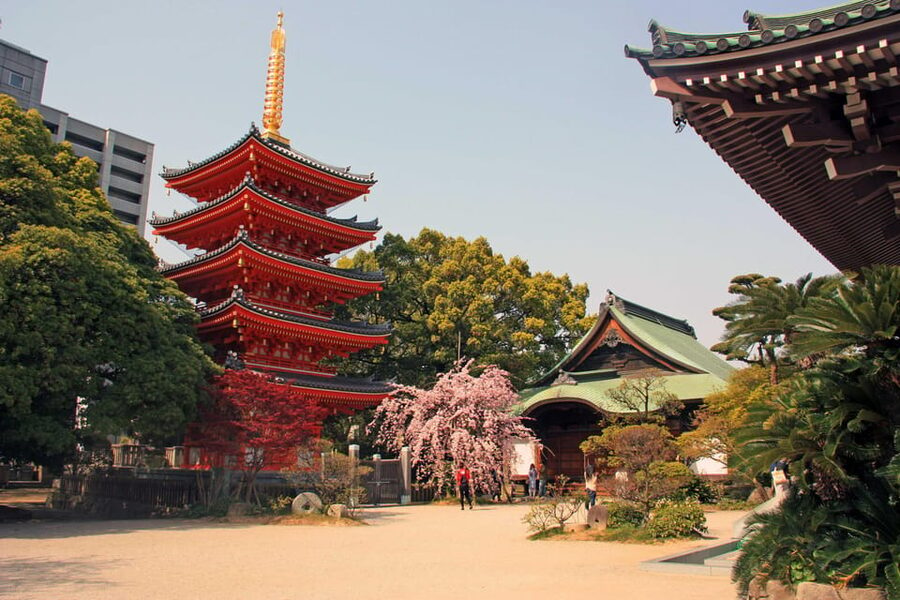
Tochoji follows Shofukuji as the second temple visit. Its large Buddha statue gives you a more immediate visual landmark, and the change in scale helps balance the quieter first stop. If your interest in Japanese temples is still developing, this pairing works well: one temple gives you age and calm, the other gives you a powerful object to focus on.
Your guide can put the two sites into a broader picture of Fukuoka and Kyushu. That context is where a private tour earns its fee. Instead of reading a plaque and moving on, you can ask why the temples differ, how religious sites fit into a modern city, or which places deserve more of your own time later.
The two temples also add walking time before the route reaches the more commercial parts of Hakata. If you want a gentle stroll, tell your host at the start. Sally’s experience shows why this matters: when she explained that she had a temporary physical limitation, her guide changed the plan to make the walk more comfortable.
Kushida Jinja and the Hakata Gion Yamakasa
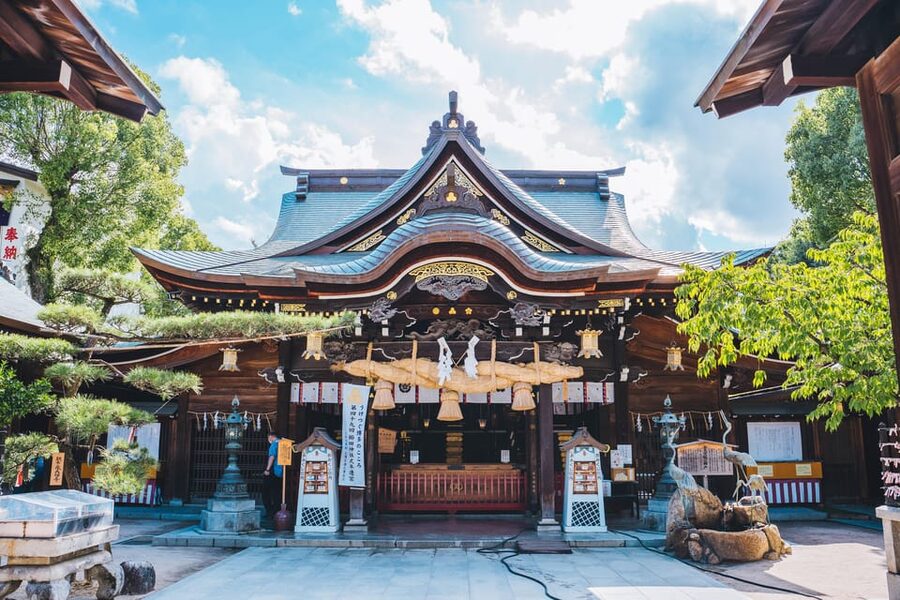
After about 10 minutes on foot, the route reaches Kushida Jinja, Fukuoka’s main shrine. This is a livelier stop than the temples, with a stronger connection to public celebrations and local identity.
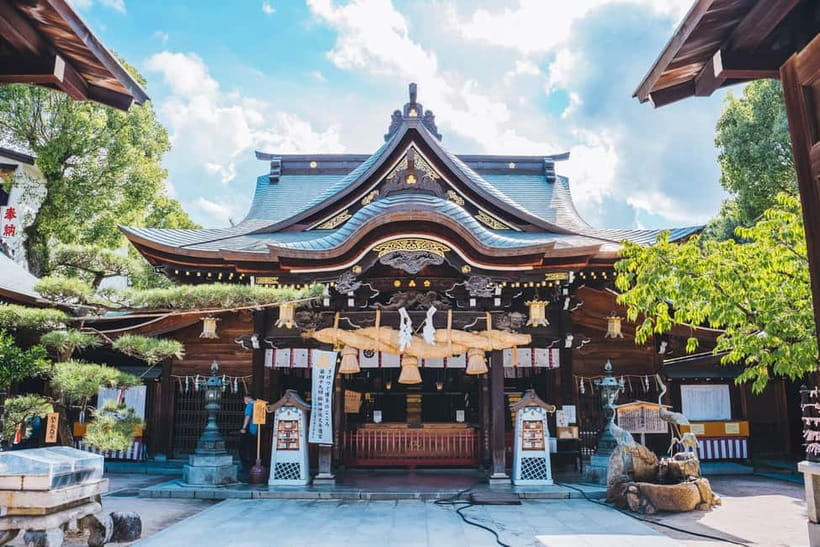
Kushida Jinja is central to the Hakata Gion Yamakasa festival, one of the city’s best-known annual events. Even if you visit outside festival time, the shrine’s buildings and grounds help explain why the celebration matters. Your guide can point out architectural details and connect the site to Fukuoka’s civic traditions.
This is also a good point to ask practical questions. A private host can explain which festivals, neighborhoods, restaurants, or shopping areas fit your interests. Several guests valued this kind of advice as much as the formal sightseeing, especially when the guide offered suggestions for the rest of their stay.
Do not expect a long museum-style presentation. The tour is built around walking, observation, and conversation. That suits you if you prefer a guide who explains the place in plain language and responds to questions rather than delivering a fixed speech.
A few more Japan experiences worth weighing up
- Mt. Aso & Takachiho Gorge Tour with Optional Boat Ride
★ 4.7 · 222 reviews - Fukuoka: Takachiho Gorge & Scenic Railway One Day Tour
★ 4.8 · 178 reviews - Private Fukuoka Tour with a Local, Highlights & Hidden Gems 100% Personalised
★ 5.0 · 143 reviews - Fukuoka Your Way: 100% Customisable Private Tour with Local Guide
★ 5.0 · 83 reviews
Kawabata Arcade gives you 15 minutes of local life
From Kushida Jinja, you enter Kawabata Shopping Arcade. This traditional covered street is the tour’s most everyday stop. Shops display local goods, food stalls add their smells to the air, and the arcade gives you a chance to see how people shop and eat in central Fukuoka.
You get about 15 minutes of free time here. That is enough for a quick snack, a small purchase, or a look at the shopfronts, but not enough for a slow shopping session. If you want to eat, ask your guide what is practical within the time available. Food and drinks are not included, so bring some yen or use your preferred payment method where accepted.
I like this pause because it breaks up the temple visits. You are not only looking at historic buildings. You are also seeing the working city, with its ordinary commerce and local rhythm.
The limitation is the short time. Serious shoppers may want to return later on their own. The arcade works best here as a compact introduction rather than the main event.
Sumiyoshi Jinja offers a quieter second shrine
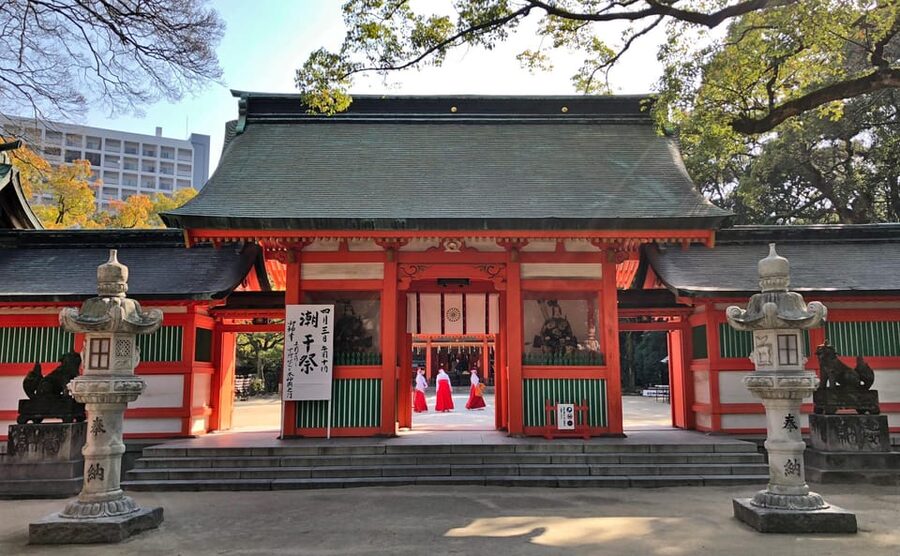
A walk of about 14 minutes leads to Sumiyoshi Jinja. Its architecture differs from the style you see at many other shrines, making it a useful contrast with Kushida Jinja. The grounds also have a connection to the sea, which gives the stop a calm feeling despite its urban setting.
This is a good place for your guide to explain how shrines can carry several layers of meaning at once: religious practice, local custom, travel history, and ties to the sea. The stop is less about checking off another building and more about noticing the differences between two important Fukuoka shrines.
By this point, you will have walked through several distinct moods: Zen quiet at Shofukuji, visual scale at Tochoji, public tradition at Kushida, shopping energy at Kawabata, and a calmer shrine setting at Sumiyoshi. That variety is the route’s main strength.
Hakata Station rooftop closes the day well
The walk returns toward Hakata Station, with roughly 13 minutes on foot and scenic views along the way. The final stop is the station rooftop, where you can look across Fukuoka from above.
This ending is simple but effective. After seeing temples, shrines, and street-level shops, you get a broader view of the city you have just crossed. If your timing reaches late afternoon or evening, the city changes as lights begin to appear, creating a pleasant final moment.
The rooftop is also practical. You finish where you started, close to major transport links, shopping, and places to eat. Your guide can use that moment to suggest next steps, which is especially helpful if Fukuoka is your base for exploring Kyushu.
Do not expect a dedicated observation tower or a ticketed landmark. The appeal is convenience and perspective. It is a good free-feeling finale, not a major attraction by itself.
What $58 buys you, and where the value lies
At $58 per person, the tour is priced as a private, personalized three-hour experience rather than a basic group walk. Your payment covers a local host, guided visits, the walking route, and the ability to shape the conversation around your interests.
The value is strongest for a first visit. Finding Shofukuji, Tochoji, Kushida Jinja, Kawabata Arcade, and Sumiyoshi Jinja independently would require planning, navigation, and time. A guide also gives you a thread connecting the stops, which is harder to get from quick visits on your own.
The price is less attractive if you already know central Fukuoka well or prefer exploring without a schedule. You will also need to budget separately for food, drinks, transport, and any attraction tickets. The supplied details do not list a required ticket for the main stops, but extra costs are not part of the advertised price.
The tour can last from three to eight hours depending on availability and arrangement. The listed route itself is planned as a three-hour walk. Ask about the intended length if you want a shorter introduction or a longer custom day.
Pace, language, and the private-group advantage
The guide language options are English and Czech. Radim receives especially strong praise for his English, friendly style, and ability to explain history without burying you in facts. Louise is also noted for answering questions and shaping the experience around individual interests, while Vadim is described as personable and clear when placing Fukuoka’s history in a modern context.
Names and guide availability can change, so do not assume you will receive a particular host. The useful point is the format: this is a private group experience, not a fixed large-group walk.
That private setup matters for families and mixed-age groups. One family found that the guide kept the tour engaging for a teenager, adjusted the walking speed, and added suggestions for shopping and restaurants. Another group appreciated help adapting the route to a physical limitation.
Still, you should be comfortable walking for most of the experience. If stairs, distance, or standing are concerns, mention them before the tour begins. The guide may be able to adjust the plan, but the supplied information does not promise a fully accessible route.
Who should book this Fukuoka experience?
I would choose this tour if you have one free morning in Fukuoka and want a clear introduction to Hakata’s temples, shrines, shopping streets, and city center. It also suits solo visitors who want conversation, couples who prefer a flexible pace, and families who would benefit from local advice.
It is a particularly good fit if you care about context. The temples and shrines are easy to photograph, but their meaning becomes clearer when someone explains the festival traditions, religious differences, and links to the city’s daily life.
I would look elsewhere if you want a food-focused tour, a dedicated shopping tour, or a ride-based sightseeing experience. Kawabata includes free time for a snack, but food is not the focus. You should also avoid booking it at the last minute if you need a very specific start time, language, or pickup arrangement.
Free cancellation up to 24 hours before the start and reserve-now, pay-later booking make the plan easier to fit around a changing trip. Those policies are useful, but the real reason to book is the combination of several central sights with a guide who can adjust the day.
Final verdict: A smart first walk in Hakata
Book Fukuoka Essentials if you want an approachable introduction rather than a packed checklist. The route covers a lot without relying on transport, and the private format lets you ask questions, slow down, or change emphasis.
The strongest parts are Shofukuji’s quiet age, Kushida Jinja’s festival connection, the everyday feel of Kawabata Arcade, and the final view from Hakata Station. At $58, it offers good value when you are new to Fukuoka and want both sightseeing and useful local direction.
Just plan for walking, bring money for food, and confirm the exact duration and meeting arrangement. If those details suit you, this is an easy way to get your bearings and understand why Hakata feels both historic and thoroughly lived-in.
FAQ
Where does the Fukuoka Essentials tour begin?
The meeting point is the CASETiFY STUDIO store in Amu Plaza Hakata, beside the main entrance and under the large clock.
Can I request hotel pickup?
Yes. Hotel pickup is available on request for central locations.
How long does the tour last?
The experience can last from three to eight hours depending on the available start time and arrangement. The planned walking route is described as a three-hour tour.
Is the tour private?
Yes. A private group option is available, and the experience is described as private and personalized.
Which languages are offered?
The available guide languages are English and Czech.
Is transportation included?
No. The standard experience is on foot. Other transport can be arranged at an additional cost, and transportation expenses are not included.
Are food, drinks, or attraction tickets included?
No. You pay separately for food, drinks, and any attraction tickets.
Can I cancel for a full refund?
Yes. You can cancel up to 24 hours in advance for a full refund. You can also reserve now and pay later.
Just added around Japan
- Kanazawa private half day/Photoshoot by professional photographer★ 5.0 · 38 reviews
- Osaka Food Tour with 10 Classic Japanese Tastings & Drinks★ 5.0 · 38 reviews
- Osaka: Highlights & Hidden Gems Private Walking Tour★ 4.7 · 38 reviews
- Tokyo Small Group Tour with Guide★ 4.5 · 38 reviews
- Tokyo 6hr Instagram Highlights Private Tour with Licensed Guide★ 5.0 · 38 reviews
- From Tokyo: Kamakura Private Customize Tour by Luxury Van★ 4.6 · 38 reviews
- Tokyo Sumo Experience with Live Show & Audience Challenge★ 5.0 · 38 reviews
- Kyoto: Private Customizable Day Trip by Car★ 5.0 · 38 reviews
Historical Tours, compared.
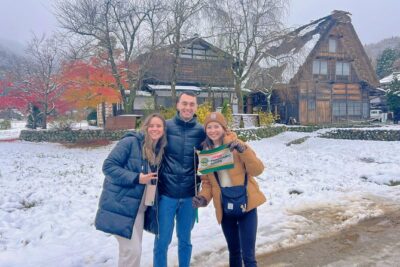
World Heritage Shirakawa-go and Experience Tours from Kanazawa
Read our review →
Imperial Palace and Shogun Historical Walking Tour
Read our review →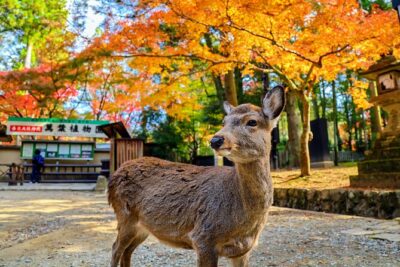
World Heritage Kyoto & Nara Uji Authentic Matcha Experience
Read our review →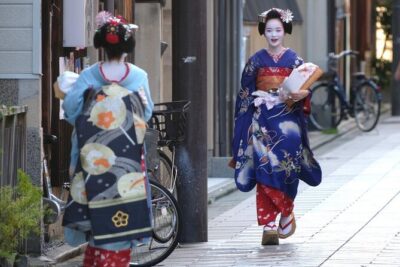
Kyoto Gion: 2-Hour Geisha Culture & History Walking Tour
Read our review →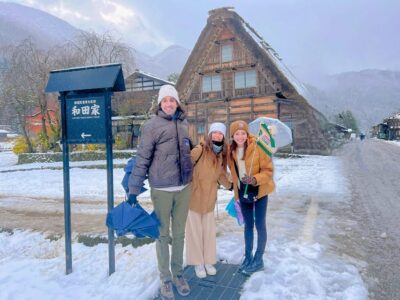
World Heritage Shirakawa-go Morning Guided Tour
Read our review →
Hiroshima Historical Walking Tour – Why A-Bomb was Dropped
Read our review →
Hiroshima Peace (Heiwa) Walking Tour at World Heritage Sites
Read our review →Browse the lists this tour appears in