
Reviewed · CYCLING TOURS
Historical Kyoto E-Bike Tour
Kyoto opens up when you pedal. This half-day ride links Kitano Tenmangu, Kinkaku-ji, Arashiyama, and Tenryu-ji while using quiet streets and back routes that are easy to miss from a bus or train. I like the efficient route and the small maximum of eight people, which gives the guide room to answer questions and adjust the pace. I also like that the electric bikes reduce the effort on a long day of riding.
The tradeoff is that this is not a gentle cycle through empty lanes. You share city streets with cars, buses, mopeds, pedestrians, and other cyclists. Some people found the meeting point difficult to locate, and the amount of walking at the temples means the day is closer to an active sightseeing tour than a relaxed bike outing.
In This Review
- Key points to know before you book
- Why an e-bike is a smart way to cover Kyoto
- Starting near Nakagyo Ward
- Kitano Tenmangu and the world of learning
- Kinkaku-ji, Kyoto’s Golden Pavilion
- The ride across Kyoto’s everyday streets
- Lunch, cash, and a useful pause
- Arashiyama Bamboo Grove: famous, beautiful, busy
- Tenryu-ji and one of Kyoto’s finest gardens
- What the guides add to the day
- Is $99.49 good value?
- Weather, fitness, and practical comfort
- Who should book this Kyoto ride?
- Should you book the Historical Kyoto E-Bike Tour?
- FAQ
- How long does the Historical Kyoto E-Bike Tour last?
- What places does the tour visit?
- Are e-bikes included?
- How large is the group?
- Is lunch included in the price?
- Are temple and shrine admission fees included?
- Where does the tour start and finish?
- Is the tour suitable for children?
- Can I cancel for a full refund?
Key points to know before you book
- Four major Kyoto sights in one morning: Visit Kitano Tenmangu, Kinkaku-ji, Arashiyama Bamboo Grove, and Tenryu-ji.
- Electric bikes make the distance manageable: The e-bikes are in good working order and help reduce physical strain.
- A small group keeps the tour personal: The maximum group size is eight, with guides such as Jody, Pohan, Diego, George, Jorge, and Benjamin praised for clear explanations and friendly service.
- The tour mixes riding with plenty of walking: Temple visits and the bamboo forest each take about 30 to 45 minutes.
- Bring Japanese yen for lunch and small offerings: Lunch may be cash-only, and coins are useful if you want to take part in shrine or temple customs.
- City cycling requires confidence: The route includes roads without dedicated bike lanes, so this suits capable cyclists more than nervous beginners.
Why an e-bike is a smart way to cover Kyoto
Kyoto’s sights are spread across several parts of the city. A walking day can mean choosing only one area, while public transportation often adds waiting, transfers, and crowded stations. This route uses the bicycle to connect western and northern Kyoto in one long outing.
The e-bike matters because the distance would be tiring on a standard bicycle, especially when you add temple grounds, stairs, and the walk through Arashiyama. You still pedal, but the motor takes some of the sting out of the ride. The goal is not speed. It is reaching more places without arriving at each one worn out.
I especially like the way cycling changes the view between major sights. Instead of seeing only station entrances and main roads, you pass through narrower streets and ordinary Kyoto neighborhoods. The ride itself becomes part of the tour, not just transportation between stops.
The route is also useful if you have limited time. You can cover several famous places in roughly five to six hours, then return to the original meeting point. The activity has received a 4.9 rating from 181 ratings, with 98 percent recommending it, and the strongest praise centers on the guides, route, bike condition, and amount covered.
More Bike Tours in Kyoto
- Hidden Kyoto E-Biking tour
★ 5.0 · 1,843 reviews - Bike Tour Exploring North Kyoto plus Lunch
★ 5.0 · 1,087 reviews - Arashiyama Bamboo Forest & Hidden Gems Bike Tour (Early Bird)
★ 5.0 · 613 reviews
Starting near Nakagyo Ward
The tour begins at Memory Kyoto Bike Tour at 8-6 Umaryo-cho, Nishikyo Nakagyo-ku, in Kyoto’s Nakagyo Ward. The address is near public transportation, but it is not necessarily obvious from the main street. One useful bit of advice is to allow extra time to find the shop, especially if you are unfamiliar with Kyoto’s narrow back roads.
The meeting point is a practical place to check the bike, put on your helmet, and receive basic guidance before setting out. Helmets and bicycles are included, and the e-bike upgrade is described as easy and worthwhile.
Two morning start options give you some flexibility. The exact start times are not provided here, so check your booking details carefully. The tour ends back at the same meeting point, which makes planning your next activity simpler.
The group limit of eight is important. A large cycling group can become a slow-moving line, with the guide spending more time managing people than explaining Kyoto. Here, the smaller size allows more direct conversation and makes it easier to discuss food preferences, questions, or the occasional change caused by weather.
Kitano Tenmangu and the world of learning
The first major stop is Kitano Tenmangu Shrine, a useful introduction to Japanese shrine culture and Kyoto’s connection with Sugawara no Michizane. Michizane is honored here as a deity of learning, so the shrine has a particular appeal for students and anyone interested in Japan’s long tradition of academic devotion.
You have about 30 minutes at the shrine, with admission included. The guide explains the shrine’s background and its customs, giving you more than a quick photo stop. You may also have a chance to take part in traditional practices, though optional purchases such as prayer candles or offerings cost extra.
Early spring brings one of the shrine’s most appealing features: about 1,000 plum trees. If your timing matches the blossoms, this can be one of the prettiest sections of the route. Flowering conditions vary, so do not book the tour solely for the trees, but the seasonal setting adds something special.
This stop also helps set the tone for the rest of the day. You are not simply checking off monuments. You are learning how shrines work, why people visit them, and how religious customs remain part of everyday life.
Kinkaku-ji, Kyoto’s Golden Pavilion
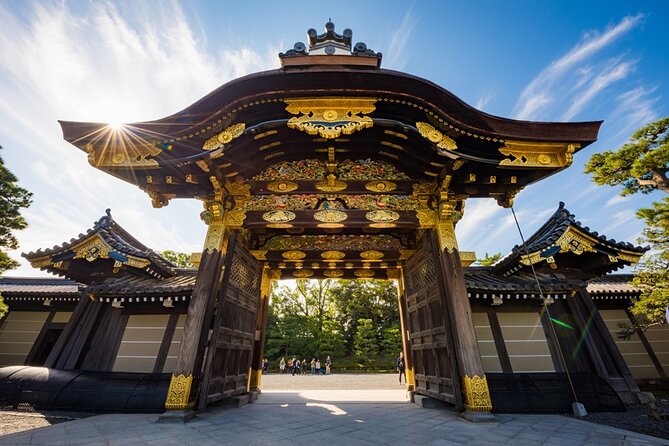
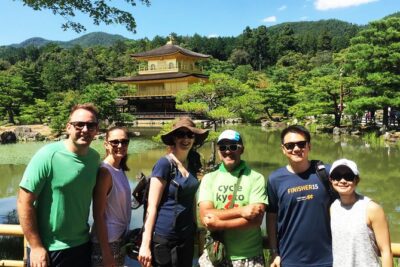
Kinkaku-ji, or the Golden Pavilion, is the tour’s most instantly recognizable sight. The upper levels are covered in gold leaf, and the building reflects in the pond in front of it. You have about 45 minutes here, with admission included.
The pavilion is visually powerful, but it is also one of Kyoto’s busiest attractions. You should expect crowds, particularly during popular travel seasons. The group format helps because the guide can explain the site without requiring you to organize the visit yourself, but you will still be moving through a well-used sightseeing route.
The guide’s background talk gives the building more meaning than its famous exterior alone. The temple began as a retreat for a shogun before becoming a Zen temple, and the site has been rebuilt after fire. Those details help you understand why the pavilion is both a work of architecture and a symbol of Kyoto’s changing political and religious life.
Your time here is enough for the main views and an explanation of the grounds. It is not enough for a slow, solitary visit. If Kinkaku-ji is your top priority, you might prefer a separate visit at a quieter time as well.
More E-Bike Tours in Kyoto
- 5 Top Highlights of Kyoto Full Day Bike Tour (E-bike option)
★ 5.0 · 511 reviews - E-Bike Tours of the highlights of Kyoto!!!
★ 5.0 · 291 reviews - Kyoto: City Secrets eBike Tour
★ 4.9 · 196 reviews - Pedal Adventure Kyoto’s iconic landmarks on an e-bike tour
★ 5.0 · 189 reviews
The ride across Kyoto’s everyday streets
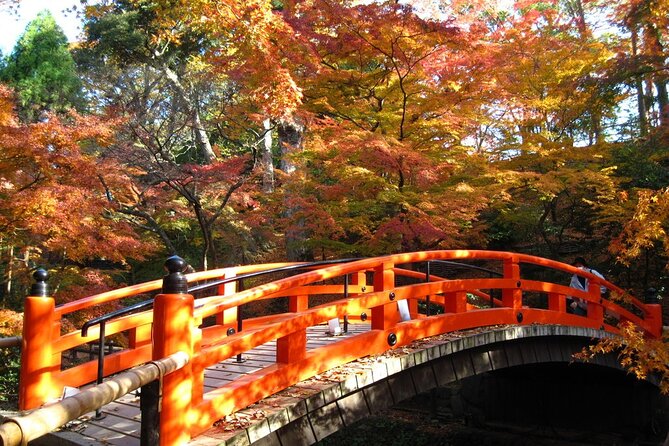
The connecting rides are a major reason to choose this tour. The route takes you through streets that reveal a more ordinary side of Kyoto, away from the most photographed temple entrances. You get a sense of how the city fits together rather than experiencing each monument as an isolated stop.
That said, you need to be comfortable riding in traffic. The route includes roads with few dedicated bike paths, and you share space with local drivers, buses, mopeds, pedestrians, and cyclists. Stop signs and crossings can feel stressful if you are not used to urban cycling.
This is best for adults and older teenagers who ride confidently on city streets. One family enjoyed the route with children aged 12 and 14, but specifically noted that both young riders were proficient and street aware. I would not choose this activity for a child who is still learning to control a bicycle or for anyone who feels uneasy around traffic.
The guides receive consistent praise for safety and group control. George was singled out for explaining Kyoto’s cycling laws and street crossings, while one family appreciated having a guide at the front and another at the back. Those details matter on a group ride because keeping everyone together is not automatic.
Lunch, cash, and a useful pause
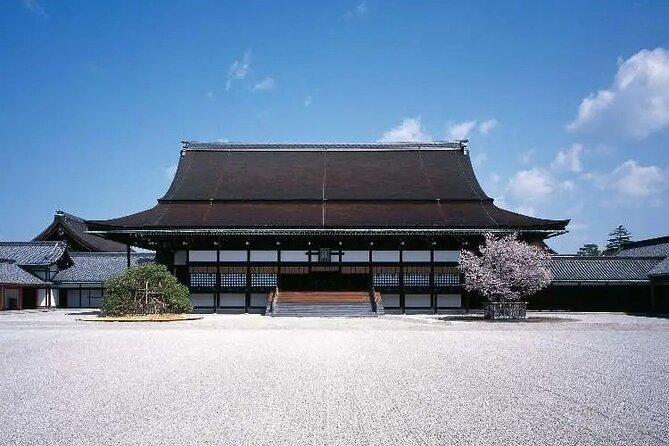
The tour includes time for lunch between the sightseeing stops. The exact restaurant can vary, but the food has included ramen and local Japanese dining, with one stop described as a cash-only ramen restaurant. Another lunch location offered many choices and even used robot carts for food delivery.
Lunch is not listed as included in the price, so bring yen. The same advice applies if you want to buy a prayer candle, make a small offering, or take part in a temple or shrine custom. A few low-value coins are particularly handy.
This break is more than a meal. Five to six hours of riding and walking calls for a proper pause, and lunch gives you time to rest your legs and talk with the group. It also adds a local food element that a standard sightseeing bus tour may not provide.
Dietary needs can be discussed with the guide. Jody was specifically praised for paying attention to food requirements in a group of eight. Still, you should raise any important restriction at the start rather than waiting until the restaurant.
Arashiyama Bamboo Grove: famous, beautiful, busy
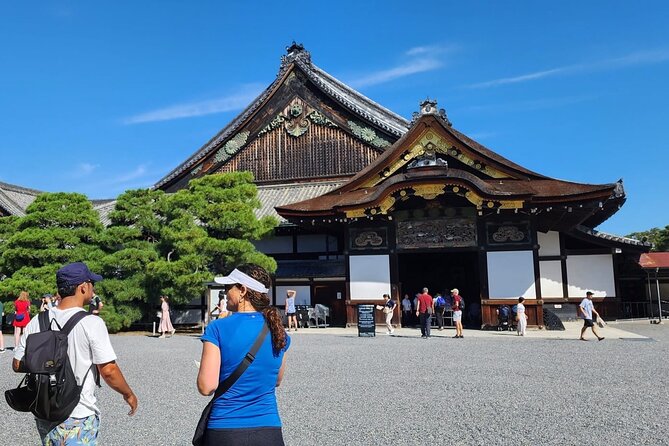
The Bamboo Forest Trail in Arashiyama is one of Kyoto’s signature sights. The path runs between tall bamboo stalks that filter the light and create a very different atmosphere from the surrounding city. You have about 45 minutes for the grove and its paths.
The effect is strongest when you slow down and look upward. The bamboo rises far above the walkway, and even a busy day cannot remove the strange beauty of the place. This is one of the best photo stops on the route, so keep your camera ready.
It is also a popular site. Do not expect complete quiet or a private forest walk. The tour gives you a practical way to reach Arashiyama without spending the day dealing with transport, but the grove itself may be crowded.
You will walk here rather than ride through the bamboo. Wear comfortable shoes and treat the bicycle as a tool for reaching the area, not as a way to avoid walking. One guide also gave the group a choice about where to finish the walk in Arashiyama, which can make the final section feel more personal.
Tenryu-ji and one of Kyoto’s finest gardens
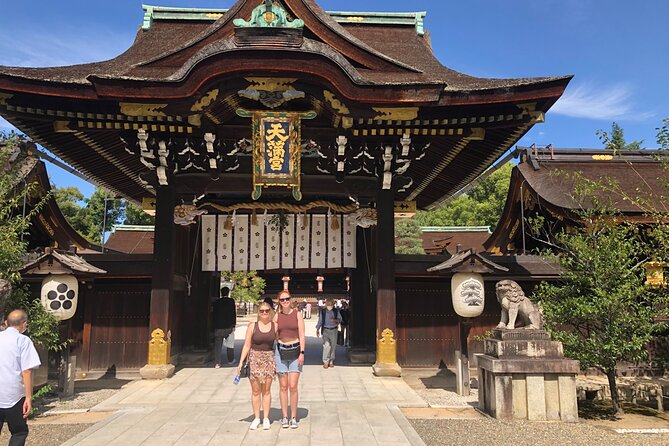
The final listed stop is Tenryu-ji, a Zen temple and UNESCO World Heritage Site since 1994. The temple grounds are known for their garden, and the visit includes a walk through this carefully arranged space.
Tenryu-ji provides a calmer contrast to Kinkaku-ji and the bamboo grove. The garden encourages you to notice composition, water, plants, and borrowed views rather than focusing on one famous building. The guide also explains the temple’s place in Japanese religion and culture.
You should expect around 45 minutes here. As with the other stops, that is enough for a guided introduction and a good look around, but not for an unhurried study of every corner.
The tour can finish the Arashiyama portion with the bamboo grove, Tenryu-ji, and in some cases nearby sights such as the Kimono Garden. The exact order and final walking choices can change, particularly in bad weather, so listen to the guide’s plan for the day.
What the guides add to the day
The guides are the tour’s biggest strength. Jody is praised for humor, patience, and clear explanations of Japanese customs. Pohan is described as friendly and adaptable, including adjusting the route when snow or rain made the original plan less comfortable. Diego receives strong marks for fun facts, warmth, and making the history easy to follow.
George is especially useful for first-time city cyclists because he explains street rules and crossings. Benjamin was praised for making Japanese history and customs accessible, even while handling a lost rider kindly and without fuss. These personal touches can determine whether a long group activity feels enjoyable or exhausting.
The guide team also brings a range of backgrounds and experiences. Jody has lived in Japan for more than 20 years and previously worked as a teacher. That kind of long-term local experience can help you connect formal temple history with customs you will see elsewhere during your Japan trip.
The quality of guiding may vary by date and assigned leader, but the repeated pattern is clear: the tour depends heavily on the person leading it. The bikes get you around, but the explanations and small acts of care give the day its character.
Is $99.49 good value?
At $99.49 per person, this is not the cheapest way to see Kyoto. You are paying for a five to six-hour activity, an e-bike, helmet, guide, a small group, bottled water, and admission to the listed sites. Lunch and personal purchases are extra.
The value is strongest if you want to see several distant sights in one day. Hiring bikes independently may cost less, but you would need to plan the route, deal with navigation, manage traffic, arrange temple admissions, and provide your own cultural context. Public transportation might also be cheaper, but it will not give you the same look at Kyoto’s back streets.
I would consider the price fair for a first Kyoto visit with limited time, especially if you appreciate history and prefer active sightseeing. It is less appealing if you already know these sites, dislike group activities, or want a slow visit with lots of time at each temple.
A bottle of water is included, but bring extra water if you need more during a long, active day. Also budget for lunch and any optional religious items.
Weather, fitness, and practical comfort
Most people can take part, but the day requires both cycling and walking. The e-bike reduces exertion, yet it does not remove the need to balance, brake, cross streets, and ride for several hours.
Rain and snow can affect the plan. The guides have adjusted the order of stops in difficult conditions, which is helpful, but no bicycle tour can guarantee perfect comfort in poor weather. Check the forecast and dress for an active day.
Comfortable walking shoes are essential. At each temple you may spend as much time on foot as you do on the bicycle, and the bamboo forest is a walking stop. A helmet is provided, and the bikes have generally been described as comfortable and well maintained.
The meeting point deserves attention. It is near public transportation, but one person found it hidden down a back road with little signage. Use the full address, arrive early, and avoid rushing into the ride already flustered.
Free cancellation is available if you cancel at least 24 hours before the local start time. Changes or cancellations made later are not accepted for a refund.
Who should book this Kyoto ride?
I would choose this tour if you want a broad first look at Kyoto and enjoy mixing monuments with ordinary streets. It suits couples, families with confident teenage cyclists, and anyone who finds walking between distant sights too slow or tiring.
It also works well early in a Kyoto visit. The guide’s explanations of shrine customs, temple traditions, cycling rules, and local food can help you understand the rest of Japan more easily. Several guides also share useful tips for exploring beyond the scheduled route.
I would skip it if you are nervous in city traffic, need a wheelchair-friendly sightseeing plan, or want a quiet, unhurried temple day. The supplied information does not provide detailed accessibility guidance, so contact the operator before booking if you have mobility concerns.
Should you book the Historical Kyoto E-Bike Tour?
Book it if your priority is seeing a lot in one day while learning what the sights mean. The combination of e-bikes, a group capped at eight, four major locations, local streets, and a meal break makes the $99.49 price reasonable for many first-time visitors.
Go in prepared: arrive early at the tucked-away meeting point, bring yen for lunch and offerings, wear walking shoes, and be honest about your cycling ability. If you can handle city riding and do not mind sharing famous sites with crowds, this is one of the more efficient and enjoyable ways to connect Kyoto’s northern and western highlights.
FAQ
How long does the Historical Kyoto E-Bike Tour last?
The tour lasts approximately five to six hours. The remaining time is used for cycling between stops and for lunch.
What places does the tour visit?
The listed stops are Kitano Tenmangu Shrine, Kinkaku-ji Temple, the Arashiyama Bamboo Forest Trail, and Tenryu-ji Temple.
Are e-bikes included?
The experience provides bicycles and helmets, and the tour is designed around e-bikes to reduce physical effort.
How large is the group?
The tour has a maximum of eight participants.
Is lunch included in the price?
Lunch time is part of the tour, but the supplied information does not state that the meal is included. Bring Japanese yen because at least one lunch location is cash-only.
Are temple and shrine admission fees included?
Admission tickets are included for Kitano Tenmangu Shrine and Kinkaku-ji Temple. The provided details do not specify admission arrangements for every stop.
Where does the tour start and finish?
It starts at Memory Kyoto Bike Tour, 8-6 Umaryo-cho, Nishikyo Nakagyo-ku, Kyoto. The activity ends back at the same meeting point.
Is the tour suitable for children?
Most people can participate, but the route includes city streets shared with cars, buses, mopeds, pedestrians, and cyclists. It is best for teenagers and above who are proficient and confident riding in urban traffic.
Can I cancel for a full refund?
You can cancel at least 24 hours before the experience start time for a full refund. Cancellations or changes made less than 24 hours before the start are not accepted for a refund.
More History Tours in Kyoto
- Kyoto Gion: 2-Hour Geisha Culture & History Walking Tour
★ 5.0 · 1,186 reviews - Kyoto Gion Historical Walking Tour
★ 5.0 · 188 reviews - Kyoto: Nijo Castle World Heritage Guided Tour with Admission
★ 5.0 · 128 reviews - Kyoto: Private 2.5 Hour Historical Walking Tour
★ 4.9 · 121 reviews
Just added around Kyoto
- Kyoto: Private Customizable Day Trip by Car★ 5.0 · 38 reviews
- Kyoto: Gion Night Walking Tour with Geisha Insight★ 5.0 · 39 reviews
- Kyoto: Full Day Bike Tour★ 4.9 · 39 reviews
- Private Japanese Calligraphy in Kyoto – Learn Shodō with a Master★ 5.0 · 39 reviews
- Experience a tea ceremony in an authentic tearoom, in Kyoto!★ 4.5 · 41 reviews
- Kyoto: Gion Evening Walk with Hidden Gems, Geisha & Sake★ 5.0 · 41 reviews
- Kyoto Private Photo Shoot & Tour by SnapKyoto★ 5.0 · 41 reviews
- The Way of Tea: Kyoto Crafts, Hidden Temples & Wabi-Sabi Walk★ 5.0 · 41 reviews
Cycling Tours, compared.
3h Tokyo E-Bike Tour: Hidden Gems, and Local Life with guide
Read our review →
Arashiyama Bamboo Forest & Hidden Gems Bike Tour (Early Bird)
Read our review →
Hiroshima in a Nutshell: Morning Bike Adventure
Read our review →Browse the lists this tour appears in