
Reviewed · GEISHA & GION DISTRICT TOURS
Kyoto Gion Historical Walking Tour
Kyoto rewards slow walking. I like this tour’s route from Gion’s Tatsumi Bridge to Kiyomizu-dera, and I like the way guides connect temples, geisha culture, samurai politics, and the Meiji Restoration. At $40 per person, it offers a useful introduction to Kyoto’s eastern districts, though you should expect hills, stairs, and steady walking for about three hours.
The tour also keeps its group to a maximum of 12 people, which makes questions easier than on a large coach excursion. Guides such as Jay, Ben, Ayumi, Michel, and Tommy have earned strong praise for clear English and lively explanations. My main caution is that the experience is information-heavy and does not include lunch, drinks, gratuities, or admission to Kiyomizu-dera.
In This Review
- Key points to know before you book
- Why this $40 Kyoto walk can be good value
- Starting in Gion near Tatsumi Bridge
- Chion-in’s giant gate and Buddhist setting
- Maruyama Park and the Path of Nene
- Yasaka Pagoda and Kyoto’s most famous slopes
- Finishing at Kiyomizu-dera
- The guides are the main reason to choose it
- Pace, stairs, food, and family suitability
- Cancellation and practical planning
- Should you book the Kyoto Gion Historical Walking Tour?
- FAQ
- How long does the Kyoto Gion Historical Walking Tour last?
- How much does the tour cost?
- Where does the tour start?
- Where does the tour end?
- Is admission to Kiyomizu-dera included?
- What should I wear for the tour?
- Is lunch included?
- What is the cancellation policy?
Key points to know before you book
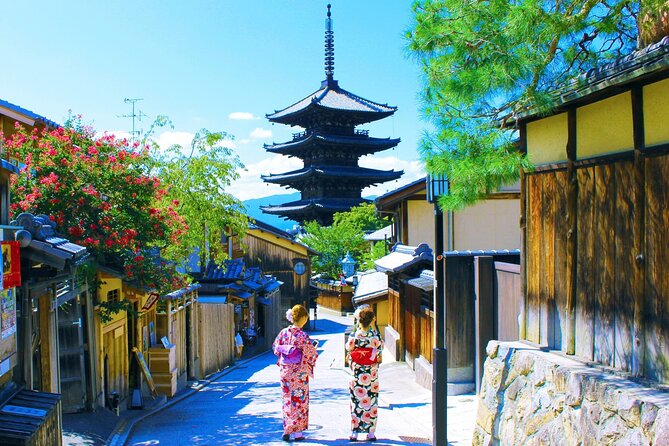
- Gion to Higashiyama route: Walk from the Gion-Shirakawa area through Chion-in, Maruyama Park, Nene-no-Michi, Yasaka Pagoda, Ninen-zaka, and Sannen-zaka.
- Strong guide element: Jay, Ben, Ayumi, Michel, and Tommy are praised for history, humor, local suggestions, and answering questions in English.
- Three hours on foot: Comfortable shoes matter, and the route includes slopes and stair climbing in addition to ordinary city walking.
- Small-group format: The maximum group size is 12, with occasional private tours when demand is low.
- Kiyomizu-dera finish: The tour ends in front of Kiyomizu-dera, but its admission fee is not included.
- Good first look at Kyoto: You get cultural background as well as famous photo spots, making this useful early in a Kyoto visit.
Why this $40 Kyoto walk can be good value
At $40, this is not the cheapest way to walk around Gion. You can stroll through several of these streets and parks without paying anything. The value comes from having someone explain what you are seeing, point out the connections between sites, and help you understand Kyoto beyond its pretty lanes and pagodas.
The route brings together several parts of the city that can feel disconnected when visited alone. Gion introduces traditional entertainment districts and old streets. Chion-in and Maruyama Park shift the focus toward Buddhist practice and public space. The Higashiyama slopes then bring you into Kyoto’s most photographed temple area.
I especially like the historical range. Guides discuss Kyoto’s religious life, theater, geisha traditions, samurai, emperors, and the Meiji Restoration. One guide, Jay, has a graduate degree in history and is repeatedly praised for explaining how Kyoto fits into wider Japanese history.
The price also covers a proper half-day orientation rather than a short neighborhood stroll. You finish near Kiyomizu-dera, where you can continue exploring on your own. Since admission is not included, plan for that extra cost and avoid assuming the $40 covers every temple entrance.
More History Tours in Kyoto
- Kyoto Gion: 2-Hour Geisha Culture & History Walking Tour
★ 5.0 · 1,186 reviews - Historical Kyoto E-Bike Tour
★ 5.0 · 181 reviews - Kyoto: Nijo Castle World Heritage Guided Tour with Admission
★ 5.0 · 128 reviews
Starting in Gion near Tatsumi Bridge
The meeting point is in front of Ben’s Cookies Kyoto at 89 Shinchō in the Shijō area. This is a central starting point near public transportation, but you should allow time to find the exact spot. A mobile ticket is provided, and confirmation arrives when you book.
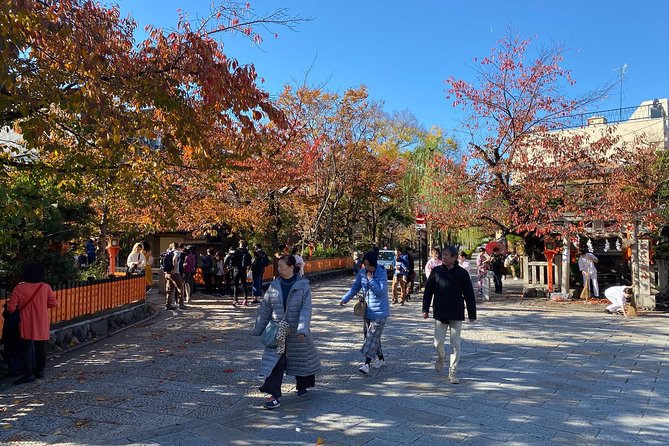
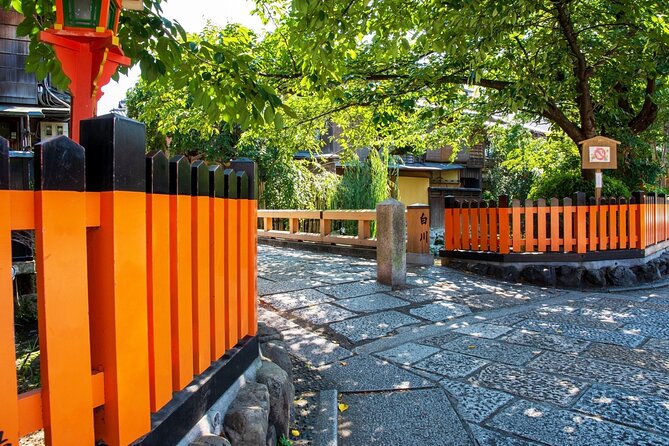
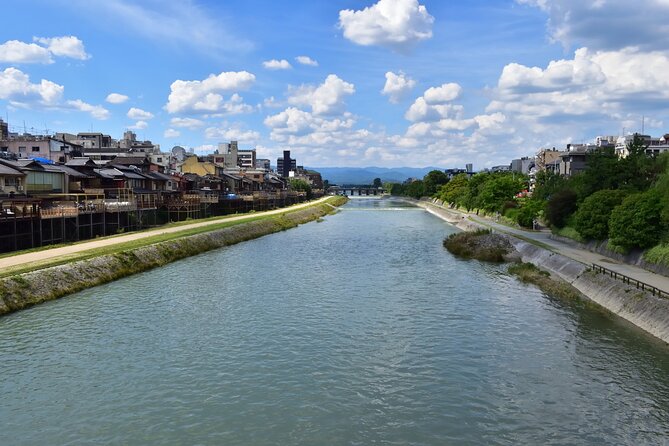
The first stop is Tatsumi Bridge, in the Gion-Shirakawa area. This is a gentle introduction to the old Kyoto many people hope to see: water, narrow lanes, traditional buildings, and carefully preserved streetscapes.
You spend about 15 minutes here, so this is more of an orientation than a long photography session. Your guide can help you understand why Gion matters, rather than leaving you to see it only as a backdrop for pictures.
Gion is also an area where respectful behavior matters. The tour gives you a chance to learn about the district’s traditions without treating it as a theme park. Keep your voice down in narrow lanes, avoid blocking entrances, and follow your guide’s lead around private properties.
Chion-in’s giant gate and Buddhist setting
From Tatsumi Bridge, the walk continues to Chion-in’s Sanmon gate. The gate is one of Japan’s largest wooden temple gates, and its scale gives you an immediate sense of the power and importance of the temple complex.
The stop is listed at about 10 minutes. That is enough to take in the structure and hear its basic story, but not enough for a full exploration of the grounds. If grand wooden architecture interests you, note the location so you can return later with more time.
The main Chion-in Temple stop lasts about 20 minutes. Founded in the 13th century, Chion-in is one of Kyoto’s major Buddhist temples. The guide’s role matters here because the site can otherwise blur into a long sequence of gates, halls, stairs, and courtyards.
This is one place where the tour’s historical focus pays off. You are not simply told that the temple is old. You get context about religion and its place in Kyoto’s development. The short visit will not replace a dedicated temple visit, but it gives you a framework for understanding what you see.
Be ready for steps. The walk is described as moderate in physical demand, but one detailed account specifically warns that there is substantial stair climbing. Anyone with knee, hip, or mobility concerns should treat this as more demanding than a flat three-hour city walk.
Maruyama Park and the Path of Nene
Maruyama Park provides a welcome change from temple gates and stone lanes. It is one of Kyoto’s oldest parks and gives the group a more open place to pause. The scheduled stop is about 10 minutes, so expect a brief look rather than a long rest.
I like this part of the route because it shows how religious sites and everyday city life sit beside one another in Kyoto. The park is not just a scenic break. It helps you see the eastern district as a living neighborhood, not a string of isolated monuments.
Next comes Nene-no-Michi, or the Path of Nene. This stone-paved lane is named for Nene, the wife of Toyotomi Hideyoshi. It winds through the Higashiyama area and has a calmer, more historic feel than the main shopping streets.
The itinerary does not give a precise time for this stop, so the actual pause may depend on the group and walking pace. Use this stretch to listen for details about the people tied to Kyoto’s political past. It is also a good place to take photographs, although the narrow route can be crowded.
More Walking Tours in Kyoto
- Kyoto Geisha Walking Tour: Gion District & Hidden Gems
★ 4.7 · 3,273 reviews - Kyoto: Gion Magical Night Walking Tour with Geisha Trivia
★ 4.9 · 2,393 reviews - Kyoto: Gion Geisha District Walking Tour – Stories of Geisha
★ 4.7 · 2,187 reviews - Night Walk in Gion: Kyoto’s Geisha District
★ 4.5 · 2,003 reviews
Yasaka Pagoda and Kyoto’s most famous slopes
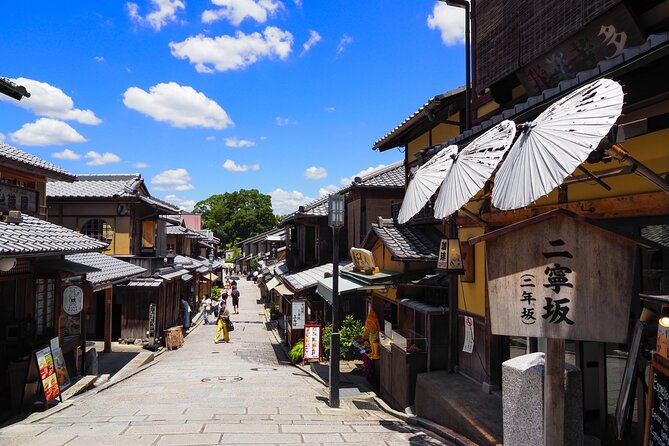
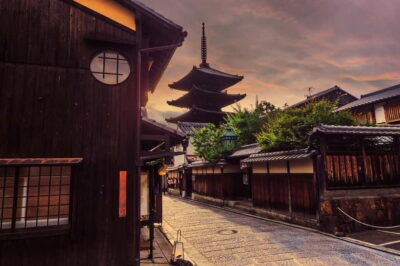
Hōkan-ji Temple, better known as Yasaka Pagoda, is one of the defining sights in Higashiyama. Its five-story pagoda rises above the surrounding streets and makes an excellent landmark as the route moves deeper into the old district.
The scheduled stop is about 10 minutes. That is enough for an explanation and photographs from outside, but do not expect a long temple visit. Admission details are not separately given for each stop, and the tour broadly excludes admission fees, so ask your guide if you are considering entering any site.
Ninen-zaka follows. Its name means Two-Year Slope, and the cobbled pedestrian path is lined with traditional buildings, tea houses, and souvenir shops. The route feels atmospheric, but it is also one of Kyoto’s busiest sightseeing areas.
The stop is listed at only five minutes, which tells you something important about the tour. You are seeing the district as part of a connected walk, not spending an hour browsing shops. If you want sweets, souvenirs, or a slow look inside the stores, return after the tour.
Sannen-zaka, or Three-Year Slope, receives about 10 minutes. Like Ninen-zaka, it is attractive because of its preserved architecture and old-fashioned street plan. It is also another sloping, uneven section, so sturdy shoes are more useful than stylish footwear.
These lanes are among the easiest places to understand why the tour is popular. You get the famous Kyoto views, but your guide adds the names, stories, and historical links that are hard to gather while moving through a crowd alone.
Finishing at Kiyomizu-dera
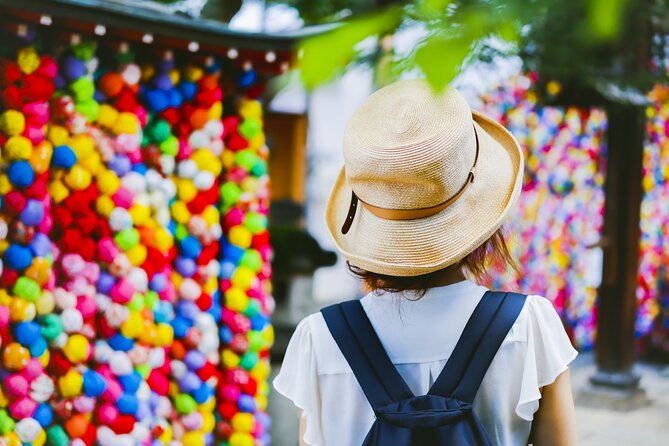
The final stop is Kiyomizu-dera, one of Kyoto’s best-known Buddhist temples and a UNESCO World Heritage Site. The temple dates to the 8th century and sits on a hillside above the city.
The planned visit is about 10 minutes, and the tour ends in front of the entrance. Admission is not included. This arrangement can be convenient because you can decide for yourself whether to enter, continue sightseeing, or head elsewhere after the group finishes.
Ten minutes is not enough for a full Kiyomizu-dera visit. If this is high on your Kyoto list, plan to come back or continue independently after the tour. The end point is useful because you are already in the Higashiyama district, surrounded by more lanes, shops, and temple sites.
The finish also makes this tour practical as an afternoon plan. You can use the guide’s suggestions for places to revisit the next day. Several guides are praised for recommending gardens, temples, shops, and other local stops.
The guides are the main reason to choose it
The strongest part of this experience is the guide. Jay is praised for his command of Japanese history, folklore, and local stories. He also takes questions, helps with photographs, and checks on the group during the long walk.
Ben receives similar praise for making the history memorable and offering practical suggestions about where to spend more time. Ayumi is described as energetic, engaging, and especially good at discussing geisha and samurai culture. Michel and Tommy are also praised for being friendly, flexible, and easy to understand in English.
The assigned guide can vary, so you should not book on the assumption that a particular person will lead your departure. Still, the pattern is clear: the tour depends heavily on guides who enjoy explaining Kyoto rather than simply pointing out buildings.
The group may occasionally be smaller than the stated maximum. One off-season booking became a private tour, which allowed the customer to ask many questions. That is a pleasant possibility, not something you should count on.
Pace, stairs, food, and family suitability
Three hours sounds manageable, but the route covers a lot. You walk through several districts, climb slopes and stairs, stop at temples, and move through crowded sightseeing streets. Wear walking shoes with good grip.
There are not many scheduled food breaks. One detailed account advises eating beforehand and carrying water or snacks because the tour is information-heavy and mainly pauses for sightseeing and bathroom needs.
Families can join, but the format suits adults and older children better than very young children. An eight-year-old completed the route with a family, yet the long duration and many temples may test a child’s patience. The guide may be entertaining, but this is still a history-focused walk rather than a children’s activity.
The tour requires a moderate level of fitness. Service animals are allowed, and the route is near public transportation, but no promise is made that every section is easy for people with mobility limitations. If stairs are a concern, contact the provider before booking.
Cancellation and practical planning
You can cancel for a full refund up to 24 hours before the start time. Changes or cancellations inside that window are not accepted for a refund.
The experience depends on good weather. If poor weather causes cancellation, you are offered another date or a full refund. The tour also requires a minimum number of participants, so a cancellation for that reason comes with the option of another date, another experience, or a refund.
Bring your mobile ticket, water, and a small snack. Start with comfortable clothing and shoes, and leave enough time to reach the Ben’s Cookies meeting point. At the end, remember that the tour finishes at Kiyomizu-dera rather than returning you to Gion.
The tour has a 4.9 rating from 188 reviews, with 98 percent recommending it. That matches the experience’s clearest strengths: strong guides, useful historical context, a sensible route, and a manageable group size.
Should you book the Kyoto Gion Historical Walking Tour?
Book it if you want a well-organized first look at Gion and Higashiyama and prefer learning the story behind the buildings. It is particularly good for adults who enjoy history, religion, architecture, geisha culture, and questions with their guide.
Skip it if you want a slow shopping walk, a flat route, a food tour, or extensive time inside every temple. The $40 price is fair for three hours of guided instruction and a route that connects many major sights, but admission, food, drinks, and gratuity cost extra.
For many visitors, this works best near the beginning of a Kyoto stay. The guide helps you identify places worth revisiting, and the finish at Kiyomizu-dera leaves you in one of the city’s most rewarding areas for independent wandering.
FAQ
How long does the Kyoto Gion Historical Walking Tour last?
The tour lasts approximately three hours.
How much does the tour cost?
The listed price is $40 per person.
Where does the tour start?
It starts at Ben’s Cookies Kyoto, at 89 Shinchō, Shimogyo Ward, Kyoto 600-8001, Japan.
Where does the tour end?
It ends in front of the entrance to Kiyomizu-dera at 1-chōme-294 Kiyomizu, Higashiyama Ward, Kyoto 605-0862, Japan.
Is admission to Kiyomizu-dera included?
No. Admission to Kiyomizu-dera is not included, and admission fees are listed among the tour exclusions.
What should I wear for the tour?
Wear comfortable walking shoes. The route involves several hours of walking, including slopes and stair climbing.
Is lunch included?
No. Lunch, gratuity for the local guide, and admission fees are not included.
What is the cancellation policy?
You can cancel up to 24 hours before the start time for a full refund. Cancellations or changes made less than 24 hours before the experience are not refunded or accepted.
More Geisha & Gion District Tours
- Best of Kyoto: Gion, Geisha, Pagodas & Cobblestones
★ 4.9 · 2,058 reviews - Kyoto Night Foodie Tour in Gion (9+ dishes + 6 Sake tastings)
★ 5.0 · 1,762 reviews - Kyoto Gion Geisha District Walking Tour – The Stories of Geisha
★ 5.0 · 1,441 reviews - Kyoto : Chopsticks Making Workshop in Gion with Engraving Option
★ 5.0 · 958 reviews
Just added around Kyoto
- Kyoto: Private Customizable Day Trip by Car★ 5.0 · 38 reviews
- Kyoto: Gion Night Walking Tour with Geisha Insight★ 5.0 · 39 reviews
- Kyoto: Full Day Bike Tour★ 4.9 · 39 reviews
- Private Japanese Calligraphy in Kyoto – Learn Shodō with a Master★ 5.0 · 39 reviews
- Experience a tea ceremony in an authentic tearoom, in Kyoto!★ 4.5 · 41 reviews
- Kyoto: Gion Evening Walk with Hidden Gems, Geisha & Sake★ 5.0 · 41 reviews
- Kyoto Private Photo Shoot & Tour by SnapKyoto★ 5.0 · 41 reviews
- The Way of Tea: Kyoto Crafts, Hidden Temples & Wabi-Sabi Walk★ 5.0 · 41 reviews
Geisha & Gion District Tours, compared.
Kyoto Geisha Walking Tour: Gion District & Hidden Gems
Read our review →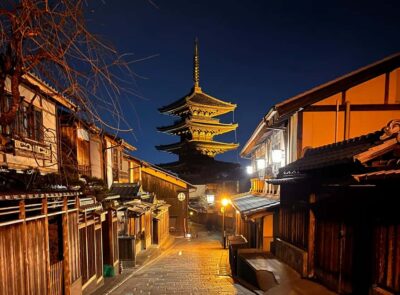
Gion Magical Night Walking Tour with Geisha Trivia
Read our review →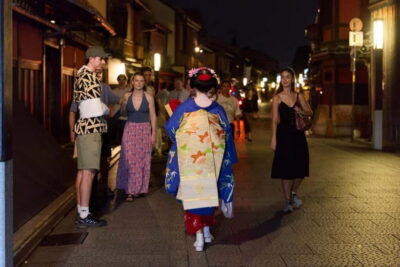
Gion Geisha District Walking Tour – Stories of Geisha
Read our review →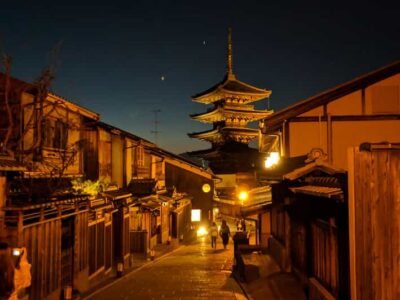
Best of Kyoto: Gion, Geisha, Pagodas & Cobblestones
Read our review →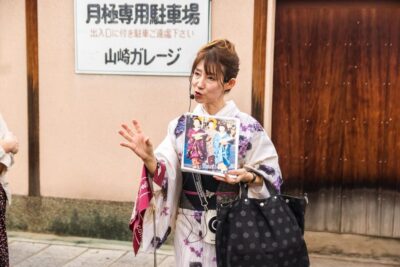
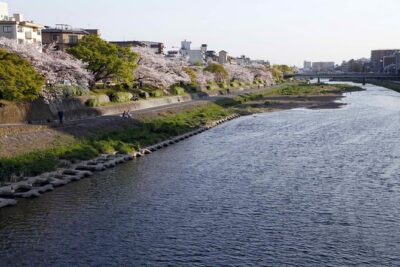
Kyoto Night Foodie Tour in Gion (9+ dishes + 6 Sake tastings)
Read our review →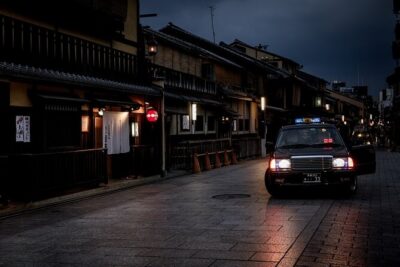
Kyoto Gion Geisha District Walking Tour – The Stories of Geisha
Read our review →
Kyoto Gion: 2-Hour Geisha Culture & History Walking Tour
Read our review →Browse the lists this tour appears in