
Reviewed · GOVERNMENT-LICENSED GUIDE TOURS
Kanazawa 4hr Private Tour with Government Licensed Guide
Kanazawa rewards a guided first walk. I like the private format, which lets you focus on two or three places instead of trailing behind a large group, and I like the local perspective offered by guides such as Yumi, Yoshi, Hiroko, Sachi, and Yuki. The main catch is that four hours passes quickly, and entrance fees, buses, lunch, and other personal costs are extra.
This is a strong way to get your bearings in Kanazawa, especially if you want the story behind the gardens, samurai homes, castle, and teahouse districts. Still, the tour depends heavily on your guide. Most of the feedback is excellent, with a 4.8 rating from 89 reviews and a 97 percent recommendation rate, but one disappointing experience shows why it helps to arrive with clear priorities and questions.
In This Review
- Key points to know before you book
- What this four-hour tour really offers
- Kenrokuen Garden: the best place to start
- Kanazawa Castle and the Maeda story
- Nagamachi and the samurai districts
- Higashi Chaya and Nishi Chaya: Kanazawa’s teahouse culture
- The D. T. Suzuki Museum and quiet reflection
- The 21st Century Museum of Contemporary Art
- Myoryuji, the so-called Ninja Temple
- Seisonkaku Villa and refined family life
- Omicho Market and Oyama Shrine
- Guides, group size, and the human side
- Getting around and planning your route
- Who gets the most value from this tour
- Should you book the Kanazawa private tour?
- FAQ
- How long is the Kanazawa private tour?
- How many sights can I visit?
- Is the tour private?
- Does the price include admission tickets?
- Is transportation included?
- Where does the guide meet me?
- Can I cancel for a full refund?
Key points to know before you book
- You choose two or three sights: The long list of possible stops is a menu, not a promise that you will visit all of them.
- Your guide meets you on foot: Pickup is offered within a designated Kanazawa area, but there is no private vehicle.
- Kenrokuen is a natural first choice: The famous garden offers the best introduction to Kanazawa’s old courtly culture and careful design.
- Private means useful flexibility: Guides have adjusted routes for rented kimonos, lunch plans, museum visits, and onward travel to the train station.
- Budget for extras: Admission tickets, bus fares, lunch, and personal purchases are not included in the $122.23 per-person price.
- Guide quality matters: Yumi, Yoshi, Yumiko, Hiroko, Sachi, Akira, Fumie, and Yuki have received especially warm praise for their explanations and personal help.
What this four-hour tour really offers
Kanazawa is compact enough to explore on foot, but its sights do not all fit neatly into one short walk. Kenrokuen Garden sits near Kanazawa Castle and the 21st Century Museum, while the Higashi Chaya, Nishi Chaya, and Nagamachi districts require more planning. A local guide helps you connect these places instead of treating them as isolated photo stops.
The tour is priced at $122.23 per person. That is not a bargain basement walking tour, but it can be good value for a couple or small family that wants personal attention and a route shaped around its interests. You are paying for the guide’s time, local knowledge, language help, and practical assistance, not for bundled admission tickets or transportation.
The four-hour limit is important. You can reasonably plan for two major sights and perhaps a nearby third stop, depending on walking speed and how long you spend inside each place. Trying to cram Kenrokuen, the castle, a museum, a samurai district, and a teahouse district into one session would turn the tour into a checklist.
I would book this for your first day in Kanazawa if possible. Several guides have helped visitors understand buses, find lunch, take photos, and continue on to another part of town. That early orientation can save time for the rest of your stay.
More licensed guide tours:
- Kanazawa 6hr Private Tour with Government Licensed Guide
★ 5.0 · 52 reviews - Tokyo 6hr Private Tour with Government-Licensed Guide
★ 5.0 · 3,902 reviews - Tokyo 4hr Private Tour with Government-Licensed Guide
★ 5.0 · 1,394 reviews
Kenrokuen Garden: the best place to start
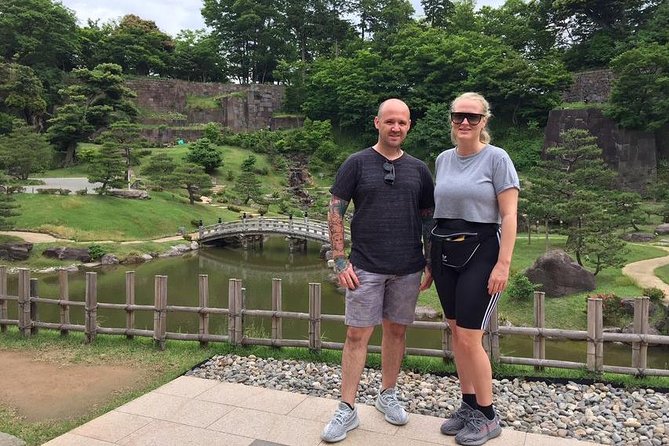
Kenrokuen is one of Japan’s three most beautiful traditional gardens, alongside Kairakuen in Mito and Korakuen in Okayama. Its name refers to six qualities prized in garden design, including spaciousness, seclusion, artifice, antiquity, water features, and fine views.
You can walk through ponds, bridges, trees, and carefully arranged plantings, but the setting makes more sense when someone explains why it was created this way. A guide can point out the relationship between open areas and enclosed corners, or explain how the garden reflects the taste and power of the Maeda family.
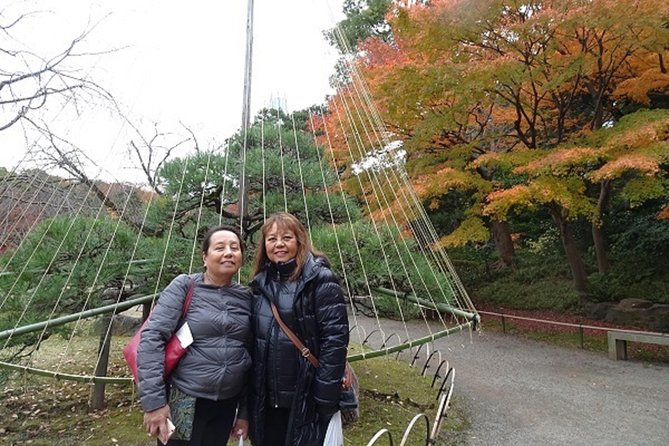
This is also one of the most praised stops. One guide was singled out for explaining the garden’s 400-plus-year story, while another described Kenrokuen as the favorite part of a first-day tour. In spring, cherry blossoms add another layer of beauty. In winter, the garden can feel especially calm when the weather cooperates.
Admission is not included, so allow extra money and time for the ticket. The garden is also large enough to make comfortable shoes essential. If you want a slow visit with photographs, do not pair it with too many other major stops.
Kanazawa Castle and the Maeda story
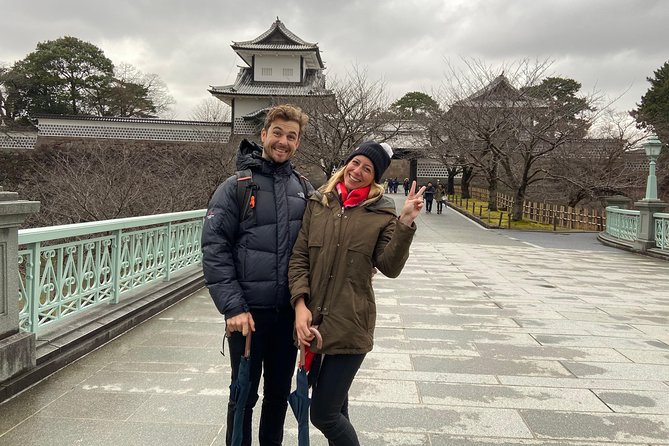
Kanazawa Castle was the seat of the Maeda Clan from 1583 until the end of the Edo Period. The Maeda rulers controlled Kaga, one of the country’s most powerful feudal domains, and their wealth helped shape Kanazawa’s gardens, temples, arts, and samurai culture.
A guide gives the castle more meaning than a quick walk through restored gates and grounds. You can connect the castle to Kenrokuen, which was developed by the same ruling family, and then understand why so many nearby districts preserve traces of the old social order.
The castle is a good partner for Kenrokuen because the two sites are close. That pairing gives you gardens, architecture, and political history without spending too much time on transportation. Admission is extra, and the walking can add up after an hour in the garden.
If you care about Japanese history, I would place the castle high on your list. If you are more interested in daily life, food, or contemporary art, you may get more from a samurai district, Omicho Market, or the 21st Century Museum.
Nagamachi and the samurai districts
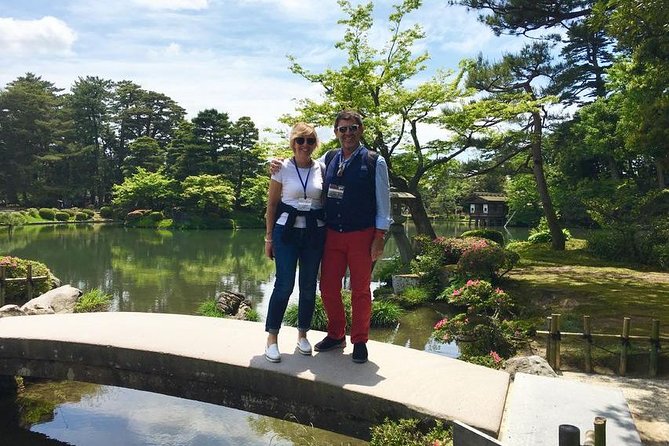
Nagamachi was the samurai district at the foot of Kanazawa Castle. Its lanes preserve the atmosphere of the area where samurai and their families once lived, with old walls and surviving residences.
This is exactly the sort of place where a guide earns the fee. On your own, you can see attractive streets and traditional houses, but it is harder to understand who lived there, how the district developed, and what the homes reveal about rank and daily life. A guide can also help you identify residences and shops that are easy to pass without noticing.
One especially successful route combined the samurai district with the geisha districts and the Ninja Temple. Another guide recommended a local restaurant serving regional food in the samurai area. Lunch is not included, but a good local suggestion can make the meal more useful than simply choosing the nearest restaurant.
The Nomura Samurai Residence was also praised in the tour feedback, although it is not listed as a separate guaranteed stop. If this house is a priority, ask your guide about it before the tour begins. Do not assume every named building will fit into the four-hour route.
A few more Kanazawa experiences worth weighing up
- World Heritage Shirakawa-go and Experience Tours from Kanazawa
★ 5.0 · 4,049 reviews - Kanazawa: Kenrokuen Tea Ceremony Experience
★ 4.8 · 1,139 reviews - Kanazawa Half Day Tour (Private Guide)
★ 5.0 · 361 reviews - Kanazawa Full Day Tour (Private Guide)
★ 5.0 · 323 reviews
Higashi Chaya and Nishi Chaya: Kanazawa’s teahouse culture
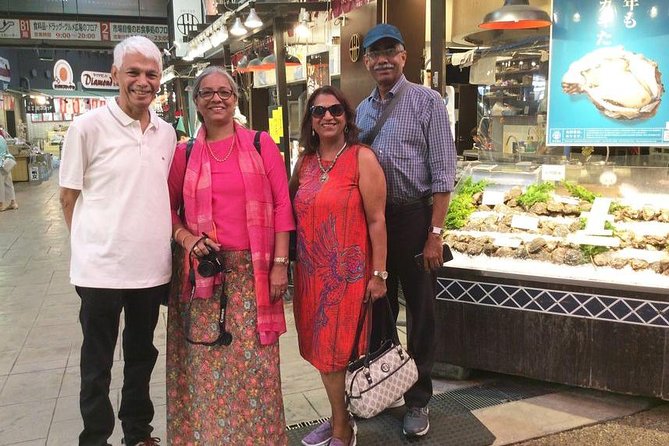
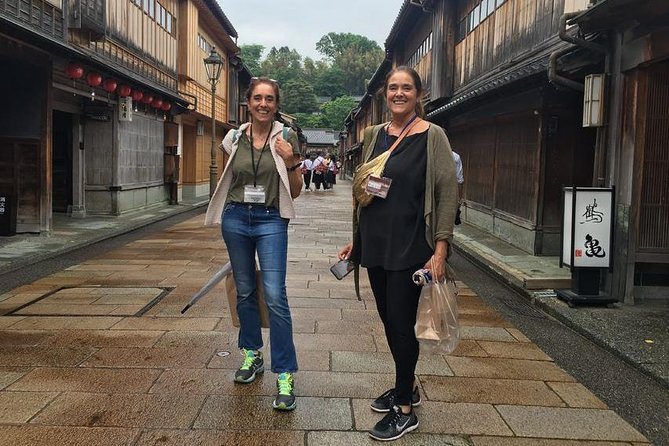
Higashi Chaya is one of Kanazawa’s best-known teahouse districts. A chaya was an exclusive entertainment house where geisha performed music and dance for invited patrons. The district’s preserved wooden buildings give you a sense of the refined world that grew around these performances.
The Nishi Chaya district offers another view of the same tradition. Kanazawa has three well-preserved chaya districts, and each has its own feel and location. A guide can explain how these areas worked during the Edo Period and how they relate to the city today.
These districts are rewarding, but they can be less satisfying if your guide provides little commentary. One poor experience involved walking through the samurai and teahouse districts without enough explanation, leaving the visitor feeling that the route could have been done alone. That is a fair warning: ask questions, and say clearly that you want context about geisha life, building design, and the former entertainment system.
You may also encounter additional admission charges for teahouse rooms or related visits. Bring cash for small expenses. If you want to take photographs in a rented kimono, tell the guide in advance. Yoshi was praised for patiently helping a group in kimonos move through the garden, geisha districts, and castle area.
The D. T. Suzuki Museum and quiet reflection
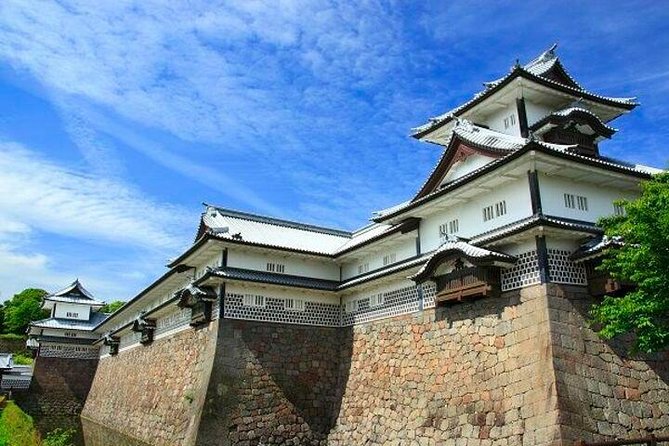
The D. T. Suzuki Museum honors Suzuki Daisetz Teitaro, a major Buddhist philosopher who lived from 1870 to 1966. It is a small museum focused on his life and work, with an architectural setting designed for calm thought.
This stop suits you if you enjoy ideas, Japanese Buddhism, modern architecture, or quiet spaces. It is not the best choice if you want a fast introduction to Kanazawa’s major political history or traditional neighborhoods.
Because the museum is small, an hour here may feel generous for some visitors. That can be a virtue on a private tour. You can ask your guide to explain what you are seeing rather than moving at the pace of a large group. Admission is extra, and the museum may not appeal to young children or anyone seeking a lively market walk.
The 21st Century Museum of Contemporary Art
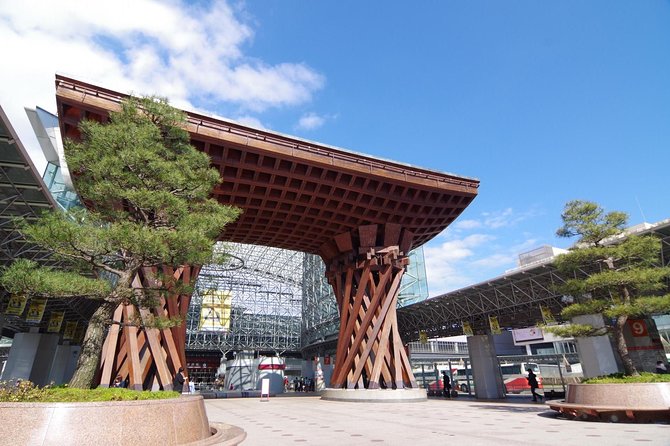
Opened in 2004, the 21st Century Museum of Contemporary Art sits just a short distance from Kenrokuen. Its focus on modern art gives your Kanazawa visit a sharp change of pace after gardens, temples, and samurai architecture.
The museum is a sensible choice if you want to see present-day Kanazawa as well as its Edo-era traditions. One guide received praise for extending the tour to include the contemporary museum, and another helped a visitor understand both old and modern life in the city.
Admission is not included. Exhibition access can also depend on what is open at the time of your visit, so you should tell the guide if this is a must-see rather than a backup option. Pairing the museum with Kenrokuen is efficient because of their proximity, but you may have little time left for a distant district.
Myoryuji, the so-called Ninja Temple
Myoryuji Temple is commonly called the Ninja Temple, although it is not actually associated with ninja. The temple was built by the Maeda lords and is known for its unusual defensive features and complicated interior design.
The nickname draws attention, but the real appeal is the building’s connection to the political uncertainty of the Edo Period. A guide can help separate popular legend from what the temple actually represents.
The temple is a good pick for visitors who enjoy puzzles, architecture, and stories of feudal power. It is not near every other major stop, so route planning matters. Admission is extra, and you should confirm the practical details with the guide when selecting it. One highly praised itinerary paired the Ninja Temple with the samurai and geisha districts, using buses between areas.
Seisonkaku Villa and refined family life
Seisonkaku Villa was built near the end of the Edo Period by a Maeda lord for his mother. It remains one of Japan’s most elegant surviving samurai villas.
The villa offers a more intimate look at elite domestic life than a castle does. Details of rooms, decoration, and garden design help show how status was expressed inside a private residence.
Choose this stop if you prefer craftsmanship, interiors, and family history to broad city views. It requires an admission fee, and its appeal may be lost if you rush through it. I would combine it with Kenrokuen or the castle rather than attempt to cross town afterward.
Omicho Market and Oyama Shrine
Omicho Market has served as Kanazawa’s main fresh-food market since the Edo Period. Today, roughly 200 shops occupy its covered streets, selling food and local products. It is an easy place to connect the city’s past with everyday life.
This is a useful choice if you want to see what Kanazawa eats, not just what its rulers built. Lunch is not included, but the market can help you understand the area’s food culture. Your guide may also point you toward a restaurant elsewhere, as Yuki and other guides have done for past groups.
Oyama Shrine is dedicated to Maeda Toshiie, the first lord of the local Maeda Clan. It was built in 1599 by his successor, Maeda Toshinaga. The shrine adds a religious and political note to the Maeda story and can work well for visitors interested in local worship and family legacy.
Both stops are sensible choices for a shorter, more urban route. Omicho Market is free to enter, while Oyama Shrine is also listed without an admission charge.
Guides, group size, and the human side
This is a private activity, so only your group participates. That makes a real difference. You can stop for photos, ask basic questions, change emphasis, or spend less time at a place that does not suit you.
The strongest guide feedback centers on personal attention and clear explanations. Yumi, a retired teacher, was praised for her English, careful historical explanations, and ability to adjust the route around three requested sights. Yoshi was praised for helping with buses, photos, lunch, kimonos, and onward travel. Hiroko received strong marks for patience, professional service, and exceptionally good English.
Yumiko was appreciated for combining historical detail with current views of Japanese life. Sachi was praised for pointing out small corners and details that are easy to miss. Akira, Fumie, and Yuki were also described as organized, pleasant, and helpful.
The uneven experience with one guide is worth taking seriously. A private tour is not automatically an excellent tour. Before setting out, tell your guide what you want to learn, not just where you want to go. Ask for stories about ordinary people, architecture, religion, food, or modern Kanazawa. The more specific you are, the more useful the four hours should be.
Getting around and planning your route
This is a walking tour, and pickup is on foot within a designated area of Kanazawa. There is no private vehicle. Public transportation may be useful between districts, but bus fares are extra.
One visitor specifically appreciated help getting on and off buses and advice about a day pass. Another guide arranged a transfer to the train station, while another showed a group how to reach its hotel by bus after the tour. These are valuable extras, but they should be treated as helpful guide service rather than guaranteed inclusions.
At booking, decide on two or three priorities. Good combinations include:
- Kenrokuen, Kanazawa Castle, and Oyama Shrine
- Kenrokuen, Seisonkaku Villa, and the 21st Century Museum
- Nagamachi, Higashi Chaya, and Myoryuji
- Omicho Market, Kanazawa Castle, and Higashi Chaya
Weather matters because much of the time is outside. The tour has worked in rain and unusually warm winter weather, but comfortable shoes and suitable clothing will make the four hours easier.
Who gets the most value from this tour
I would recommend it to first-time visitors who want a quick, well-explained introduction to Kanazawa. It is also a good fit for families, couples, older visitors who want a manageable private pace, and anyone who finds Japanese buses or local districts confusing.
History fans should choose the castle, Nagamachi, Oyama Shrine, and Myoryuji. Garden lovers should prioritize Kenrokuen and Seisonkaku. Art fans can pair Kenrokuen with the D. T. Suzuki Museum or the 21st Century Museum. Food-focused visitors should consider Omicho Market and ask for lunch advice.
You may not need this tour if you already know Kanazawa well, prefer wandering alone, or want to visit many paid attractions at your own pace. Since tickets and transportation are separate, the total cost can rise beyond the listed price.
Free cancellation is available up to 24 hours before the local start time. Changes or cancellations inside that window are not accepted for a refund, so check your schedule carefully.
Should you book the Kanazawa private tour?
Book it if you want context, flexibility, and a personal introduction to Kanazawa. The best value comes from choosing two or three connected sights and using your guide for interpretation, route planning, and local advice.
I would request Yumi, Yoshi, Hiroko, Yumiko, Sachi, or Yuki if the booking system allows guide preferences, though a specific guide cannot be promised. Set your priorities before arrival, budget for admission and buses, and make sure you want a walking tour rather than a vehicle-based one.
For most first visits, this is a worthwhile half-day introduction. Just keep the plan realistic. Kanazawa is best enjoyed one garden, lane, market, or teahouse district at a time.
FAQ
How long is the Kanazawa private tour?
The tour lasts approximately four hours.
How many sights can I visit?
The tour includes a customizable visit to two or three sites from the available list.
Is the tour private?
Yes. Only your group participates in the activity.
Does the price include admission tickets?
No. Entrance fees are not included. Transportation, lunch, and personal expenses are also extra.
Is transportation included?
No private vehicle is provided, and transportation fees are not included. The tour is primarily on foot, though buses may be used between districts.
Where does the guide meet me?
The guide meets your group on foot within the designated pickup area of Kanazawa.
Can I cancel for a full refund?
Yes, if you cancel at least 24 hours before the experience start time. Cancellations or changes made less than 24 hours beforehand are not accepted for a refund.
Just added around Kanazawa
- Kanazawa private half day/Photoshoot by professional photographer★ 5.0 · 38 reviews
- Photoshoot session by professional photographer in Kanazawa★ 5.0 · 42 reviews
- Kanazawa: City Highlights & Hidden Gems Private Walking Tour★ 4.8 · 42 reviews
- Kanazawa Half Day E-bike Tour★ 5.0 · 42 reviews
- Kanazawa Private Tour: Highlights of an Old Samurai Town★ 5.0 · 46 reviews
- [Day trip bus tour from Kanazawa Station] Weekend only! World Heritage Shirakawago Day Bus Tour★ 5.0 · 46 reviews
- Kanazawa Gourmet Experience Omicho Market Tour★ 5.0 · 50 reviews
- Private Tour of Shirakawago and Gokayama from Kanazawa★ 5.0 · 50 reviews
Government-Licensed Guide Tours, compared.
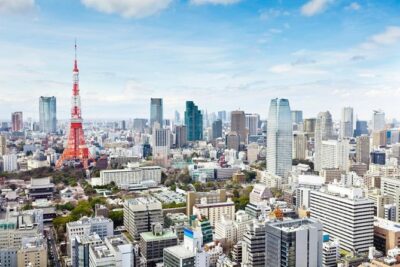
Tokyo 6hr Private Tour with Government-Licensed Guide
Read our review →
Tokyo 4hr Private Tour with Government-Licensed Guide
Read our review →
Kyoto 6hr Private Tour with Government-Licensed Guide
Read our review →
Hiroshima / Miyajima Full-day Private Tour with Government Licensed Guide
Read our review →
Kyoto 4hr Private Tour with Government-Licensed Guide
Read our review →
Hiroshima City 4hr Private Walking Tour with Licensed Guide
Read our review →
Private Kyoto Tour with Licensed Guide & Vehicle (Max 15 persons)
Read our review →Browse the lists this tour appears in