Reviewed · 1-DAY TOURS
Kyoto 1 Day Tour from Kyoto
Kyoto rewards patience, but one day can still cover a lot. This tour links six major cultural sights with an English-speaking guide, paid admissions, and a climate-controlled bus, making it a smart first look at the former imperial capital. I especially like the efficient route and the mix of castles, temples, shrines, and palace grounds. The main drawback is the pace: you get a useful overview, but not much quiet time at each stop.
I also like that the tour works well when Kyoto is part of a short Japan trip. Guides such as KC, Miyuki, Yuki, and Yoshitaka Harada have been praised for warmth, humor, and clear explanations. Still, your experience depends heavily on the guide, and a few visitors found the commentary hard to hear or the walking speed too fast.
In This Review
- Key points at a glance
- Why this Kyoto day tour works
- Nijo Castle reveals the shogun’s power
- Kinkaku-ji puts Kyoto’s famous image in front of you
- Kyoto Imperial Palace brings the old court into focus
- Fushimi Inari offers the day’s most memorable walk
- Sanjusangendo is quiet, strange, and unforgettable
- Kiyomizu-dera closes the day with a city view
- Lunch choices need attention when you book
- The guide can make or break the day
- How hard is the day?
- The real value at $168.43
- Who should book this tour?
- Should you book it?
- FAQ
- How long does the Kyoto day tour last?
- Where does the tour begin?
- Which sights are included?
- Is lunch included?
- What happens if Kyoto Imperial Palace is closed?
- Is transportation included?
- Can I cancel for a refund?
Key points at a glance
- Six major sights in about 9 hours 40 minutes: Nijo Castle, Kinkaku-ji, Kyoto Imperial Palace, Fushimi Inari, Sanjusangendo, and Kiyomizu-dera.
- A practical bus route: Transportation and listed admission fees are included, saving you from piecing together several widely separated sites.
- The tour begins at 8:20 am: Meet at the JTB Sunrise Tours Desk in the basement of AVANTI near Kyoto Station.
- Fushimi Inari requires walking: Allow about 15 minutes each way from the parking area to the shrine.
- Lunch is optional: Choose no lunch, a Western-style set menu, or an Indian thali meal when booking. You cannot switch meal types on the day.
- A maximum of 40 people: This is a proper coach tour, not a small private outing, so expect group timing and shared bus seating.
Why this Kyoto day tour works
Kyoto is spread out. Its most famous sights sit in different parts of the city, and moving between them by local bus or train can eat up much of your day. This tour handles the transfers by air-conditioned and heated coach, giving you a simple way to see major places without studying several transport routes.
You meet at 8:20 am at the JTB Sunrise Tours Desk in the basement of AVANTI, a shopping center beside Kyoto Station. The meeting point is convenient once you know where it is, but the basement location can be easy to miss. I would arrive early and give yourself extra time to find the desk, especially if this is your first morning in Kyoto.
The tour lasts roughly 9 hours and 40 minutes, ending at Kyoto Station around 5:30 pm. That timing is useful if you are staying near the station or need to continue by train, though you should avoid booking a tight onward connection. Road congestion and crowds can change the order and arrival times.
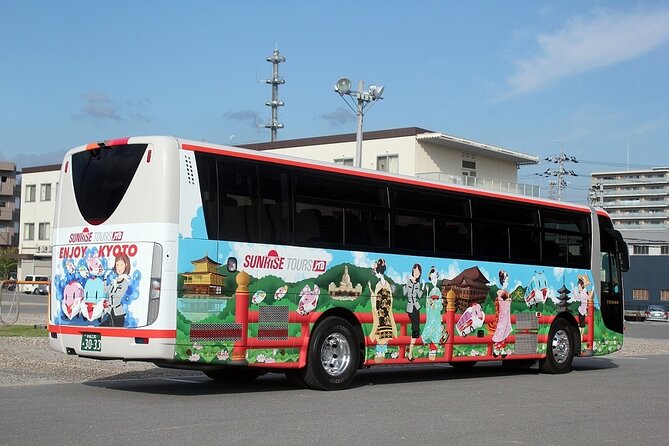
The coach holds up to 40 people. Seats may not be assigned, so do not expect a particular place on the bus. For many people, the tradeoff is worthwhile: the bus is comfortable, and you can listen to commentary between sights instead of navigating Kyoto on your own.
A few more Kyoto experiences worth weighing up
- PERFECT KYOTO 1-Day Bus Tour
★ 5.0 · 13,518 reviews - Kyoto: Fushimi Inari, Kinkakuji, Bamboo Grove 1 Day Bus Tour
★ 4.8 · 4,316 reviews - 10 Must-see Spots in Kyoto One Day Private Tour (up to 7 people)
★ 5.0 · 1,108 reviews
Nijo Castle reveals the shogun’s power
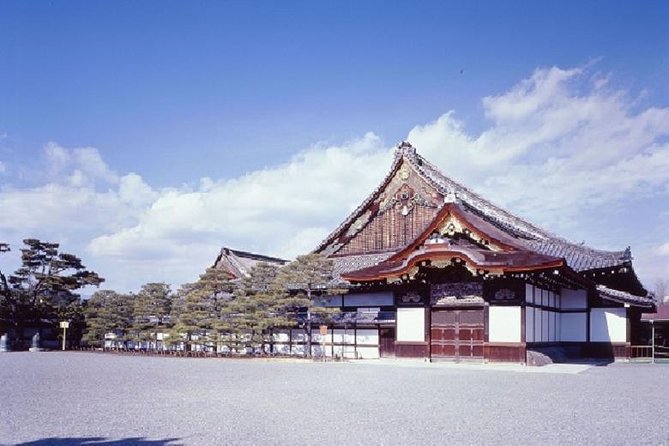
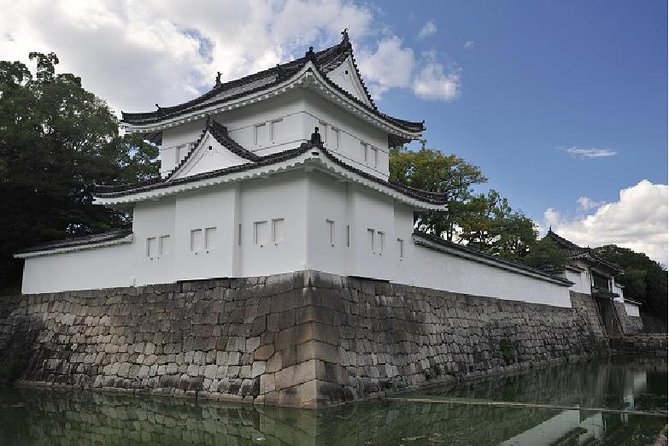
The first stop is Nijo Castle, a World Heritage site completed in 1626. The Tokugawa shoguns built it both as a Kyoto residence and as protection for the Imperial Palace.
From outside, the castle can look restrained. Inside, it is another story. You walk through decorated chambers with gold leaf, ornate carvings, and strong colors that reflect the authority of the military government. The tour allows about 50 minutes, including admission.
Your guide helps explain why the castle matters. This is not simply an old building with impressive rooms. It shows the political tension between the shoguns and the imperial court, and it gives you a look at the ceremonies and display of power that shaped Japan.
Fifty minutes is enough to see the main interiors and grounds, but it is not enough for a slow visit. If you enjoy architecture or Japanese political history, you may want to return independently later.
Nijo Castle is closed on Tuesdays in January, July, August, and December, with the following day used instead if Tuesday is a holiday. When that happens, the tour visits Ryoan-ji Temple. There is no price reduction for the substitution.
Kinkaku-ji puts Kyoto’s famous image in front of you
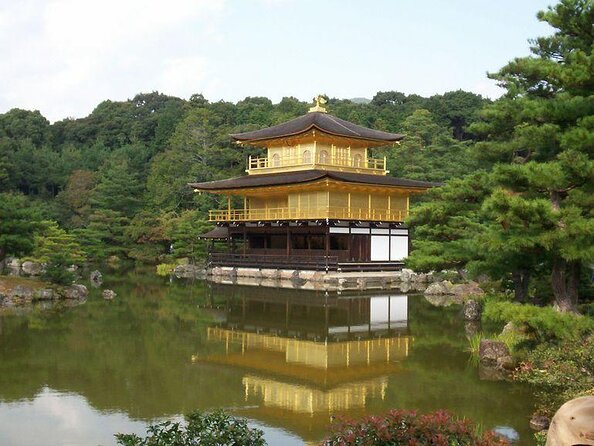
Kinkaku-ji, the Golden Pavilion, is the stop most people picture when they think of Kyoto. The wooden structure is coated in thin layers of gold and reflects across a pond surrounded by a carefully arranged Japanese garden.
You have about 45 minutes here, with admission included. The time is short, but the main viewing area is straightforward. You can see the pavilion, walk through the garden, and take photographs before moving on.
I like this stop because it gives you an immediate sense of Kyoto’s visual style: polished, symbolic, and carefully framed. The drawback is that Kinkaku-ji is one of the city’s most popular sights, so crowds can make the visit feel more like a viewing line than a peaceful temple visit.
Do not expect to wander every path or sit for a long period. This is a highlight stop, designed to give you the essential view and a little context.
Kyoto Imperial Palace brings the old court into focus
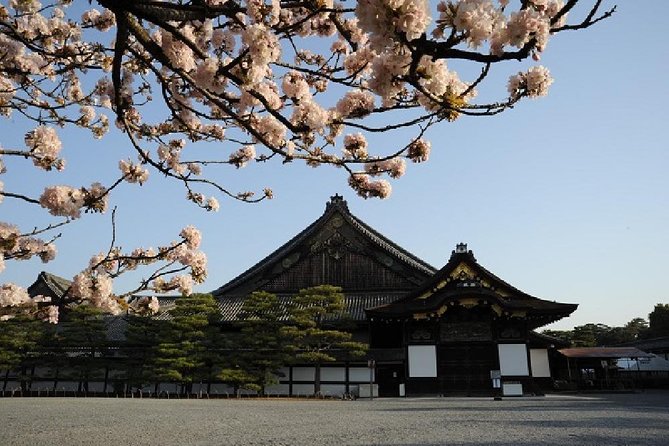
Kyoto Imperial Palace was the Emperor’s residence until about 150 years ago. The tour allows 40 minutes, and there is no separate admission fee.
The palace offers a useful contrast with Nijo Castle. Nijo reflects shogun power and formal military authority. The palace presents a more restrained court style, with serene Japanese design, ceremonial rooms, and links to rituals that continue today.
Forty minutes gives you a good introduction, though once again you will need to keep moving. The guide’s explanation matters here because the buildings may seem spare if you do not know what you are seeing or why the spaces were used.
There are important replacement rules. The palace is closed on Mondays, or on the following day if Monday is a holiday, as well as on days with an Imperial Household Agency event. On those dates, the tour visits Kitano Tenmangu Shrine instead. If the closed date is the 25th, the substitute is Nishi Hongan-ji Temple.
These changes are practical rather than a flaw in the operation. Still, book this tour for the overall Kyoto experience, not for a guarantee of every single listed site. Refunds are not provided when an alternative destination is used.
A completely different kind of day out in Kyoto:
- Kyoto: Tea Ceremony in a Traditional Tea House in Kiyomizu
★ 4.9 · 3,519 reviews - Kyoto Geisha Walking Tour: Gion District & Hidden Gems
★ 4.7 · 3,273 reviews - Kyoto: Tea Ceremony Ju-An at Jotokuji Temple
★ 4.9 · 3,207 reviews - Kyoto: Gion Magical Night Walking Tour with Geisha Trivia
★ 4.9 · 2,393 reviews
Fushimi Inari offers the day’s most memorable walk
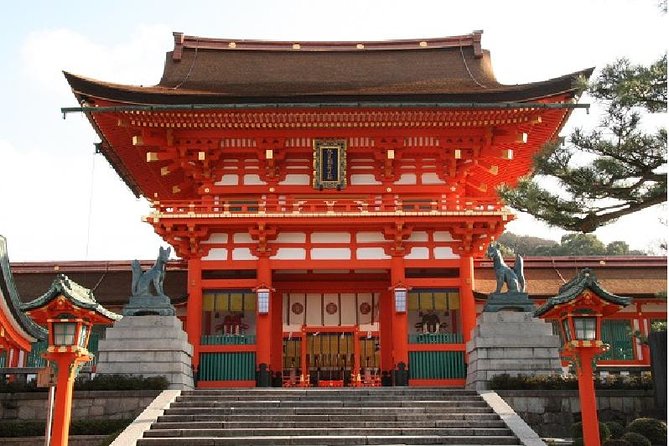
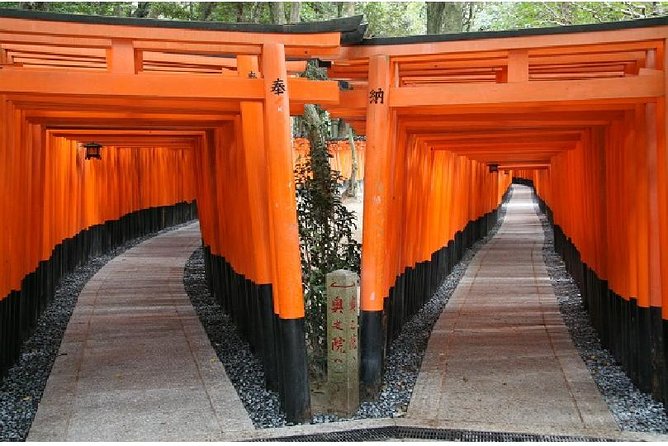
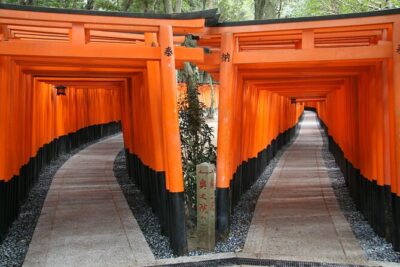
Fushimi Inari Taisha is the head shrine of roughly 40,000 Inari shrines across Japan. Its famous Senbon Torii are bright red gates that climb into the wooded hills behind the shrine.
The scheduled visit lasts about 30 minutes. That is enough to reach the striking first section of gates and take photographs, but it is not enough to explore the entire route up the mountain.
There is also a practical catch. The coach parking area is not directly beside the shrine, so you walk about 15 minutes each way. That makes this stop more demanding than the short time allocation suggests, particularly in hot weather or heavy rain.
The red gates are worth seeing, and Fushimi Inari often becomes the emotional high point of the day. I would wear comfortable shoes and keep water handy. Stay with the group and watch the return time, since the bus cannot wait indefinitely.
One useful point from the tour experience is that lunch is not held here. If you choose no lunch, you have free time to eat on your own in the Kyoto Station area, rather than stopping for a meal at Fushimi Inari.
Sanjusangendo is quiet, strange, and unforgettable
Sanjusangendo Temple is home to 1,001 life-size statues of Buddhist Kannon figures dating from the 13th century. The temple is also described as the world’s longest wooden structure.
You have 30 minutes inside, with admission included. This is one of the places where a guide can help you notice more than you would alone. The long hall, repeated statues, and solemn arrangement create a very different mood from the bright gates at Fushimi Inari or the glittering pavilion at Kinkaku-ji.
The stop is brief, but the setting is compact and focused. You are not trying to cover a huge temple complex. Instead, you see one remarkable interior and learn why it holds such importance.
Photography rules and quiet behavior may limit what you can do inside, but the visit does not need much time to make an impression. For me, Sanjusangendo gives the day a needed pause between larger, more crowded sights.
Kiyomizu-dera closes the day with a city view
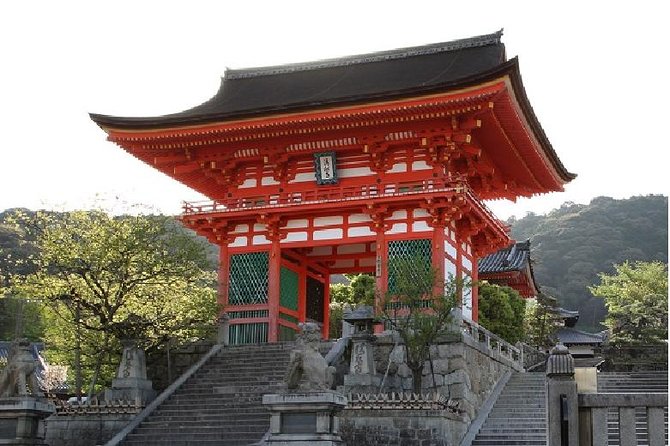
The final major stop is Kiyomizu-dera, a World Heritage site set above Kyoto. The temple’s terrace provides broad views over the city, and the approach runs through a historic shopping lane lined with pottery shops and other stores.
The scheduled time is 1 hour and 10 minutes, the longest allocation of the day. That makes sense. You need time to walk up the lane, enter the temple grounds, enjoy the terrace, and make your way back to the meeting point.
The shopping street adds character, but it also creates another timing challenge. It is easy to pause at a shop or snack counter and then discover that the group is already moving ahead. Keep an eye on your watch.
Kiyomizu-dera is a strong final stop because it combines architecture, a famous view, and a bit of local commercial life. You are not only looking at a monument from a bus window. You get a short walk through one of Kyoto’s most recognizable approaches.
The return is by coach, with the tour ending at Kyoto Station around 5:30 pm.
Lunch choices need attention when you book
Lunch is not automatically included. You must select the appropriate option when reserving.
The Western-style lunch is a set menu. A vegetarian request can be accepted only if you provide it at the time of reservation. Same-day changes are not accepted.
The Indian thali option is vegetarian and includes three curries, vegetable pakora, yogurt, naan or roti, rice, salad, and one non-alcoholic drink. The Indian meal and Western meal are served in separate dining areas.
You cannot change from one lunch type to the other on the day. Halal, gluten-free, and other special meal requests are not available, so check the meal terms carefully before paying.
The no-lunch option can suit you if you prefer flexibility. You will have free time to eat independently in the Kyoto Station area. That arrangement worked well for people who missed the lunch selection, since Kyoto Station has dining choices, but it does mean less time for an unhurried meal during the sightseeing route.
At $168.43 per person, the lunch choice affects the value only slightly compared with the larger cost of transportation, admissions, and the guide. I would choose lunch if you want the day to run on a fixed schedule. Choose no lunch if dietary limits or personal food plans matter more.
The guide can make or break the day
The strongest part of this experience is often the guide. KC has been praised for humor, strong English, and attentive care in extreme heat. Miyuki is described as energetic and clear, while Yuki and Yoshitaka Harada have been appreciated for useful explanations of Japanese customs, daily life, and history.
That range matters because the schedule is busy. A good guide tells you what to notice, keeps the group moving, and helps you understand how the sites fit into Kyoto’s past.
The experience is not perfectly consistent. Some people found a guide difficult to hear, too quick on foot, or too reliant on notes read on the bus. One complaint described insensitive and outdated comments, which is a serious concern. The company responded that it was addressing the issue, but you should still understand that a group tour depends on the person assigned that day.
If you have hearing concerns, stay close to the guide during walking explanations. If you walk slowly, tell the guide early and make sure you know the meeting point and return time at every stop.
How hard is the day?
This is not a strenuous mountain hike, but it is a walking-heavy sightseeing day. You move through castle grounds, temple compounds, palace areas, shopping lanes, and shrine approaches.
The Fushimi Inari transfer alone includes about 15 minutes each way from the parking area. Kiyomizu-dera involves an uphill approach through the shopping lane, and the day includes repeated boarding and leaving of the coach.
Most people can participate, but you should be comfortable walking for much of the day and keeping to a schedule. Rain does not necessarily cancel the route. The tour has been completed in heavy rain, but weather can make stone paths, stairs, and open areas less pleasant.
The bus is heated and air-conditioned, which helps in Kyoto’s hot summers and cold seasons. Bring footwear with good support, an umbrella or rain layer when needed, and enough water for the longer walking sections.
The real value at $168.43
The price is not cheap, but it covers the pieces that are hardest to arrange efficiently: coach transportation, listed entry fees, and a licensed English guide. You also see six major cultural sites in one day, including places spread across different parts of Kyoto.
You could visit these sights independently for less, especially if you use local trains and buses and skip paid guidance. But doing so requires planning, route changes, crowd management, and careful attention to opening days. The tour’s value is greatest if your time is limited or Kyoto is unfamiliar.
The price is less attractive if you dislike fixed schedules, want long temple visits, or prefer quiet streets over famous sights. A private tour would offer more control, but this group format costs less than a fully private arrangement and removes much of the transport planning.
With a rating of 4.2 from 582 published ratings, the overall response is solid, though not flawless. The repeated strengths are the number of sights, comfortable coach, friendly guides, and good organization. The repeated weaknesses are rushed stops, guide audibility, fast walking, and occasional meeting point confusion.
Who should book this tour?
I would book it for a first visit to Kyoto when you have only one full day and want the major names checked off efficiently. It suits couples, families, and solo visitors who prefer a structured day and do not want to work out a complicated sightseeing route.
It is also a good choice if you value explanation. The best guides add useful context about Japanese customs, ceremonies, architecture, and daily life that you may miss while moving independently.
I would skip it if you have several Kyoto days and want to linger. In that case, divide these sights over two or three days and spend more time at Fushimi Inari, Kiyomizu-dera, and the palace area.
Book at least 24 hours before the start time if you need to cancel for a full refund. Confirmation is sent within 48 hours, subject to availability. Children five and under may join free, but they do not receive a bus seat or lunch unless you book the child rate. Anyone under 18 needs written parental permission, and those under 15 or not yet in middle school must travel with a parent or guardian.
Should you book it?
Book this Kyoto day tour if your goal is maximum coverage with minimum planning. The route gives you castles, imperial architecture, a gold pavilion, red torii gates, a remarkable wooden hall, and a famous hillside temple in one long day.
Go in expecting a brisk group schedule, not a contemplative temple retreat. Arrive early at the AVANTI basement meeting desk, wear comfortable shoes, choose your lunch option carefully, and stay near the guide. With those expectations, the tour offers a practical and worthwhile first look at Kyoto.
FAQ
How long does the Kyoto day tour last?
The tour lasts approximately 9 hours and 40 minutes. It starts at 8:20 am and ends at Kyoto Station around 5:30 pm.
Where does the tour begin?
The meeting point is the JTB Sunrise Tours Desk in the basement of AVANTI, at 31 Higashikujo Nishisannocho, Minami Ward, Kyoto, near Kyoto Station.
Which sights are included?
The planned stops are Nijo Castle, Kinkaku-ji Temple, Kyoto Imperial Palace, Fushimi Inari Taisha Shrine, Sanjusangendo Temple, and Kiyomizu-dera Temple.
Is lunch included?
Lunch is included only if you select a lunch option when booking. Choices include a Western-style set menu, an Indian thali lunch, or no lunch.
What happens if Kyoto Imperial Palace is closed?
The tour visits Kitano Tenmangu Shrine instead, except when the closure falls on the 25th, when it visits Nishi Hongan-ji Temple.
Is transportation included?
Yes. Transportation between the tour stops and the listed admission fees are included. The tour uses an air-conditioned and heated coach.
Can I cancel for a refund?
You can cancel at least 24 hours before the experience start time for a full refund. Cancellations or changes made less than 24 hours before the start time are not accepted for a refund.
Just added around Kyoto
- Kyoto: Gion Night Walking Tour with Geisha Insight★ 5.0 · 39 reviews
- Kyoto: Private Customizable Day Trip by Car★ 5.0 · 38 reviews
- Kyoto: Full Day Bike Tour★ 4.9 · 39 reviews
- Private Japanese Calligraphy in Kyoto – Learn Shodō with a Master★ 5.0 · 39 reviews
- Kyoto: Gion Evening Walk with Hidden Gems, Geisha & Sake★ 5.0 · 41 reviews
- Experience a tea ceremony in an authentic tearoom, in Kyoto!★ 4.5 · 41 reviews
- Kyoto Private Photo Shoot & Tour by SnapKyoto★ 5.0 · 41 reviews
- The Way of Tea: Kyoto Crafts, Hidden Temples & Wabi-Sabi Walk★ 5.0 · 41 reviews
1-Day Tours, compared.
Mt Fuji and Hakone 1-Day Bus Tour Return by Bullet Train
Read our review →
Mt Fuji & Hakone Cruise, Drum Show Bullet Train 1 Day from Tokyo
Read our review →
Peaceful Hiroshima & Miyajima UNESCO 1 Day Bus Tour
Read our review →
Fushimi Inari, Kinkakuji, Bamboo Grove 1 Day Bus Tour
Read our review →