Reviewed · 1-DAY TOURS
Kyoto Private Day Trip – Enjoy Your First-Time Visit to Kyoto!
Kyoto rewards a good plan. This private seven-hour tour links Fushimi Inari, Kiyomizu-dera, Nijo Castle, and Kinkakuji in one busy but useful day. I like the smart mix of shrines, temples, old streets, and castle grounds, and I like having a private guide who can explain customs, history, and local details as you go. Guides such as Josh, Kei, Fumi, Kai, and Tetsu have received especially warm praise for adjusting schedules, explaining clearly, and helping with lunch or shopping suggestions.
The main catch is cost control. The $99.10 price covers the guide and private tour, but you still pay transportation, entrance fees, lunch, and personal expenses. You will also walk quite a bit, and six stops in seven hours leave little room for lingering. If you want a relaxed temple day, this pace may feel tight.
In This Review
- Key points to know before booking
- Why this route works for a first Kyoto day
- Starting at Fushimi Inari and its thousand gates
- Kiyomizu-dera and the walk through Sanneizaka
- A quick look at Hanamikoji Street in Gion
- Nijo Castle, where political power changed hands
- Ending at Kinkakuji, Kyoto’s Golden Pavilion
- What the private guide adds
- Custom itinerary or standard route?
- The real cost of the $99.10 price
- Walking, transport, and timing
- Who should book this Kyoto day trip?
- FAQ
- How long does the Kyoto private day trip last?
- Which main sights are included?
- Is this a private tour?
- Is transportation included in the price?
- Are admission fees included?
- Is lunch included?
- Can I customize the itinerary?
- Where does the tour begin and end?
- What should I wear?
- Should you book it?
Key points to know before booking
- Four major Kyoto sights in one day: The route covers Fushimi Inari, Kiyomizu-dera, Nijo Castle, and Kinkakuji, along with Sanneizaka and Hanamikoji Street.
- Private attention: Only your group takes part, so the guide can adjust the pace and explain things in a way that suits your interests.
- Useful for a first visit: The schedule gives you a broad introduction to Kyoto without requiring you to plan connections between distant sights.
- Custom itinerary available: Contact the provider two weeks ahead if you choose the customizable option and want to change the route.
- Transport is extra: You pay all train, bus, taxi, or limousine costs, as well as the guide’s taxi fare when that option is selected.
- Strong guide feedback: Specific guides praised for flexibility and clear explanations include Kei, Fumi, Josh, Kai, Tetsu, Jun, and Sugahara Kiriko.
Why this route works for a first Kyoto day
Kyoto is not one compact sightseeing zone. Its best-known places are spread across the city, so a first-time visit can lose hours to route planning and confusing station transfers. This tour solves that problem by giving you a guide and a fixed seven-hour framework.
The route also gives you variety. Fushimi Inari offers a long corridor of orange torii gates. Kiyomizu-dera brings one of Kyoto’s signature views and a major Buddhist temple. Sanneizaka adds traditional streets and shops. Hanamikoji gives you a glimpse of the Gion area. Nijo Castle shifts the mood to shogun-era power, and Kinkakuji finishes with its famous gold-covered pavilion.
That variety is the real value. You are not spending the whole day looking at similar temple buildings. You get religion, architecture, royal and military history, old streets, gardens, and photo stops in a single outing.
The experience has a 4.9 rating from 97 ratings and a 99 percent recommendation figure. Those numbers suggest that the guide service is the heart of the day. The individual guide matters greatly, since the itinerary itself is fairly ambitious.
A few more Kyoto experiences worth weighing up
- PERFECT KYOTO 1-Day Bus Tour
★ 5.0 · 13,518 reviews - Kyoto: Fushimi Inari, Kinkakuji, Bamboo Grove 1 Day Bus Tour
★ 4.8 · 4,316 reviews - 10 Must-see Spots in Kyoto One Day Private Tour (up to 7 people)
★ 5.0 · 1,108 reviews
Starting at Fushimi Inari and its thousand gates
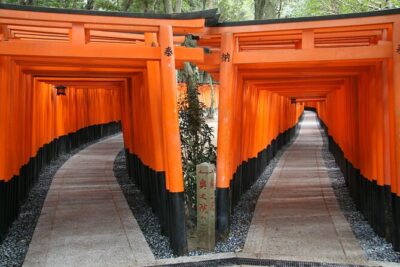
Fushimi Inari Taisha is a powerful way to begin. The shrine is known for its seemingly endless line of vermilion torii gates, called Senbon-torii, or thousand torii. They were donated by people and businesses seeking good fortune and success, creating the famous tunnel-like approach up the hillside.
The scheduled visit is about 32 minutes. That is enough to see the main shrine area and enter the celebrated gate paths, but it is not enough to walk the full mountain route. Keep that in mind if Fushimi Inari is your top priority. You will get the signature sight, not an extended hike through every section of the shrine grounds.
This stop can be crowded, especially during popular seasons. A private guide may help you use the available time wisely, but no guide can make a famous site empty. Wear shoes that feel good and expect steps or uneven walking surfaces.
The value here is context. Without an explanation, the gates can look like a beautiful photo backdrop. With a guide, you can better understand why they are there and how the shrine’s worship developed around prayers for safety and fulfillment.
Kiyomizu-dera and the walk through Sanneizaka
Kiyomizu-dera is one of Kyoto’s most recognizable temples and a World Heritage site. Its wooden stage looks out over Kyoto, making this one of the city’s essential viewpoints. The temple is connected with Kannon, a Buddhist figure associated with compassion, and its long history gives the visit more weight than a quick photo stop.
The planned temple visit lasts about 45 minutes, and admission is not included. The provided pricing information lists the Kiyomizu-dera admission as ¥5,370 per person, so check the current amount when booking because the stated fee may reflect the tour’s cost details rather than a simple standard entry charge.
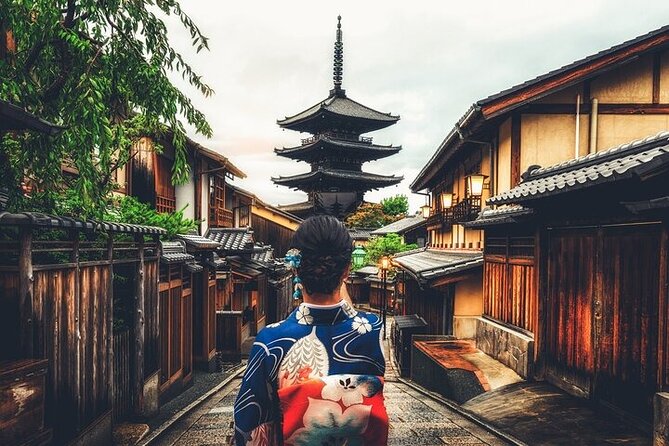
After the temple, you spend about an hour around Sanneizaka. This is one of the best parts of the route for getting a feel for old Kyoto. The sloping approach includes traditional buildings, shops, and lanes leading toward Kiyomizu-dera. Sanneizaka and nearby Ninen-zaka are designated Important Preservation Districts for Groups of Traditional Buildings.
The extra street time makes sense. Kiyomizu-dera can feel crowded and formal, while Sanneizaka lets you slow down, browse, and take in the style of the neighborhood. The area is also tied to Kita no Mandokoro, the wife of Toyotomi Hideyoshi, adding a historical thread to what might otherwise seem like a shopping street.
You should expect plenty of walking here. The route is attractive, but it is not flat or effortless. Families can still manage it, and one guide was praised for adjusting the pace for a family member’s physical ability. Tell your guide early if someone in your group needs shorter walking stretches.
A quick look at Hanamikoji Street in Gion
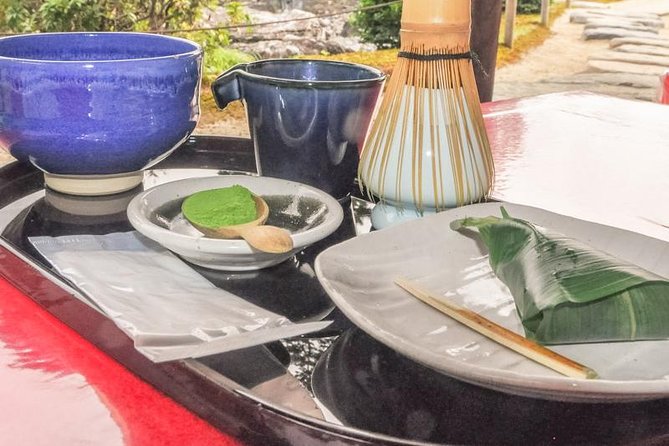
Hanamikoji Street receives about ten minutes, so treat it as a brief orientation rather than a full Gion visit. It is the main street in the Gion area, lined with Kyoto-style buildings and close to temples and Shinto shrines.
Ten minutes is enough to see the architecture and understand the setting. It is not enough for a long stroll, shopping, or a careful search for a tea house. If Gion matters greatly to you, ask about the customizable option before the tour.
This short stop also shows the limits of the standard route. The tour tries to include many headline sights, so some places receive only a quick look. That is a fair trade for first-time visitors who want breadth, but it may disappoint you if you prefer slow observation.
A completely different kind of day out in Kyoto:
- Kyoto: Tea Ceremony in a Traditional Tea House in Kiyomizu
★ 4.9 · 3,519 reviews - Kyoto Geisha Walking Tour: Gion District & Hidden Gems
★ 4.7 · 3,273 reviews - Kyoto: Tea Ceremony Ju-An at Jotokuji Temple
★ 4.9 · 3,207 reviews - Kyoto: Gion Magical Night Walking Tour with Geisha Trivia
★ 4.9 · 2,393 reviews
Nijo Castle, where political power changed hands

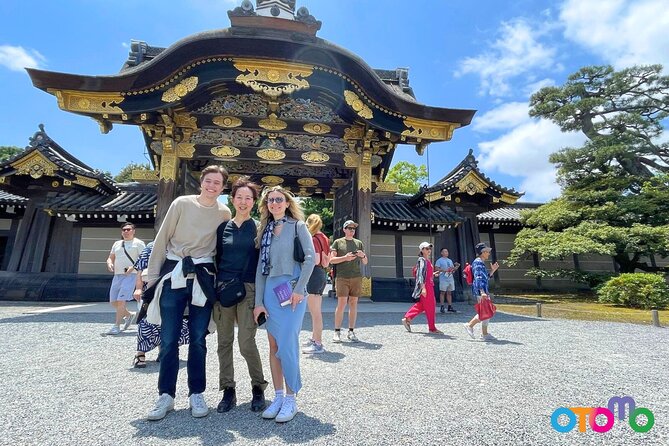
Nijo Castle provides a useful change of pace after the temple districts. It is closely tied to the Tokugawa shogunate, including the period of its glory and eventual decline. The castle’s buildings and gardens offer a look at the power structure that ruled Japan for centuries.
The visit lasts about 55 minutes, with admission extra. You can expect a combination of ornate architecture, historical rooms, and garden space. The gardens are also a welcome chance to sit or pause after the busy walking around Fushimi Inari, Kiyomizu-dera, and Sanneizaka.
A guide adds real value here because castle details can be easy to miss. The architecture is not only decorative. It reflects status, authority, and the careful control of movement and access within the castle complex.
The time is reasonable for a first visit, but it will not allow a leisurely examination of every room and garden. If you are especially interested in Japanese political history, the custom route may be a better choice than trying to fit every standard stop into one day.
Ending at Kinkakuji, Kyoto’s Golden Pavilion
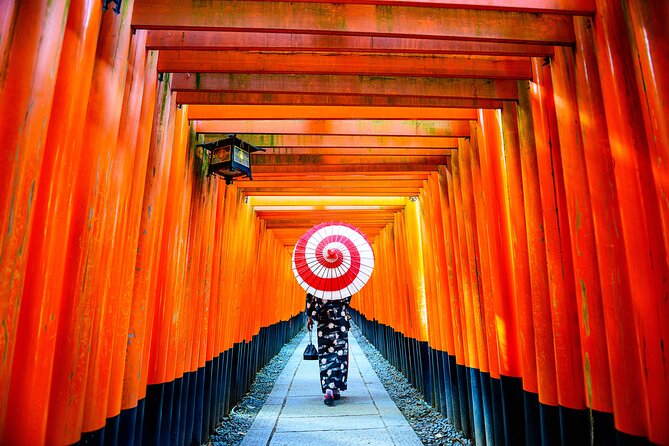
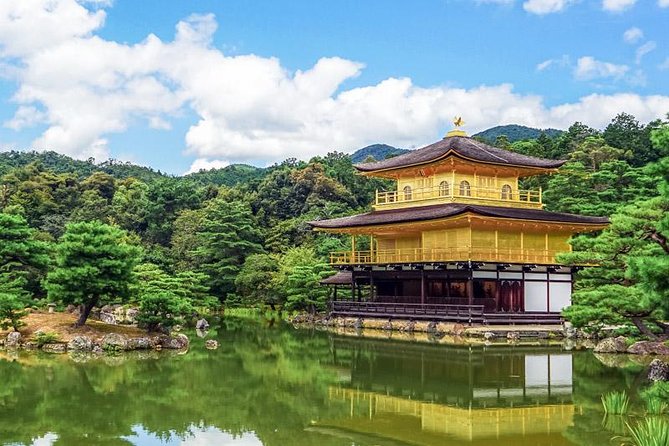
Kinkakuji, also called the Golden Pavilion, is the visual finale. The gold-covered building sits beside a pond and is one of the most photographed sights in Japan. Its fame is justified, though the setting is usually busy throughout the year.
The planned visit is about 40 minutes, and admission is extra. That gives you time to follow the viewing route, see the pavilion from several angles, and take photographs. It is not a long, quiet garden visit.
Kinkakuji works well at the end because it leaves you with Kyoto’s most instantly recognizable image. It also gives the day a simple visual finish after the more layered experience of Nijo Castle and the narrow streets around Kiyomizu-dera.
Crowds are the main concern. The pavilion is a must-see for many people, so expect other tour groups and visitors. Your guide can explain the site and help keep the stop moving, but you should not expect solitude.
What the private guide adds
The guide is the strongest reason to choose this experience over arranging the same sights independently. You do not have to work out every connection or decide how long to spend at each place while watching the clock.
The best guide feedback centers on flexibility. Josh was praised for arranging the schedule around busy periods and for suggesting shopping and lunch options. Kei was praised for choosing strong highlights, explaining the sites, and recommending a Japanese restaurant. Fumi adjusted the plan when places were closed or already visited. Tetsu listened to specific requests and built an efficient first-day route.
Other guides received similar praise. Kai helped translate cultural differences and timed a specialized itinerary closely. Jun met the group at the station and organized a route that covered the key places efficiently. Sugahara Kiriko accommodated requests, suggested stops, took photographs, and helped make a tea house visit part of the day.
English ability can vary by guide, but several named guides were praised for speaking very good or fluent English. Kai, who had spent a year in Ireland, was specifically praised for fluent English. That can matter when you want more than directions and photographs.
A private tour also helps with families. One guide was described as patient, creative, and safe while helping a group with two children. Another adjusted the plan for a family member’s mobility. Tell the company about your needs ahead of time, since the standard schedule includes a lot of walking.
Custom itinerary or standard route?
The standard itinerary is best if this is your first Kyoto visit and you want the major sights. It gives you a clear introduction without requiring much advance planning.
The customizable option makes more sense if you have already seen one or more of these places, need a gentler pace, or want more time in Gion, at a tea house, or around a particular temple. You must contact the guide two weeks in advance to create the plan.
If you choose customization but do not reply to the provider, the tour follows the standard itinerary. Hotels used as custom meeting points must be within Kyoto city.
Customization does not mean unlimited time. The experience still lasts about seven hours, and transport and entrance costs remain your responsibility. A good custom plan should focus on fewer places rather than trying to squeeze in even more.
The real cost of the $99.10 price
At $99.10 per person, this is not an all-in sightseeing ticket. The included items are the private guide and the private tour. You separately pay transportation, admission fees, lunch, drinks, and personal purchases.
The stated standard-tour estimate is ¥5,370 per traveler, while the details also list Kiyomizu-dera admission at ¥5,370 per person. Because those figures are presented in the tour information, confirm exactly what the estimate covers before you go. The wording suggests that the final cost depends on the route and the entries you use.
A taxi preference or limousine option adds another layer. If you select taxi transport, you pay all taxi fares for yourself and the guide. A limousine option is available for those who want to move around Kyoto by private car, but it will affect the total cost.
The tour can be good value for a couple, family, or small group that would otherwise pay for several separate activities or struggle with Kyoto’s transport. Group discounts may improve the price for larger parties. For a solo visitor, the per-person cost is harder to justify unless you place a high value on private guidance and time savings.
Walking, transport, and timing
The meeting point is the Bus Ticket Centre and Information Centre at 902 Higashishiokoji-cho, Shimogyo Ward, near Kyoto Station. The tour ends back at the same meeting point.
Transportation is not included, so your group pays the fares during the day. The exact method depends on the selected option and the guide’s plan. Since the stops are spread around Kyoto, transport time is an important part of the seven-hour schedule.
Wear comfortable clothing and shoes. Fushimi Inari includes steps and gates on an uphill route, Kiyomizu-dera and Sanneizaka involve slopes, and the full day includes repeated walking between sights and transport points.
Most people can participate, but this is not a low-walking sightseeing ride unless you select an appropriate private-car option. A rainy day does not have to ruin the visit, and one group still enjoyed the tour in wet weather, but umbrellas, shoes, and flexible expectations will help.
Who should book this Kyoto day trip?
I would choose this tour for a first visit when you want to see Kyoto’s major sights in one day and prefer a guide to handle the practical work. It is especially useful for families, small groups, and anyone who wants explanations in English rather than simply following a map.
It also suits people who want help with lunch, shopping, photographs, or cultural questions. The strongest guide experiences came from people who asked for specific help and allowed the guide to shape the day.
I would hesitate if you dislike busy schedules, want long visits at each temple, or need an all-inclusive price. The standard plan is ambitious. You may see the city’s highlights, but you will not fully explore every neighborhood.
Free cancellation is available up to 24 hours before the start time for a full refund. Changes or cancellations inside that window are not accepted, so keep that deadline in mind when making firm plans.
FAQ
How long does the Kyoto private day trip last?
The tour lasts approximately seven hours.
Which main sights are included?
The standard route includes Fushimi Inari Taisha Shrine, Kiyomizu-dera Temple, Nijo Castle, and Kinkakuji Temple. It also includes time at Sanneizaka and Hanamikoji Street.
Is this a private tour?
Yes. Only your group participates in the private tour.
Is transportation included in the price?
No. You are responsible for transportation costs during the tour. If you choose the taxi preference, you also pay the guide’s taxi fares.
Are admission fees included?
No. Entrance fees are not included. The listed tour details specifically identify admission at Kiyomizu-dera, Nijo Castle, and Kinkakuji as extra.
Is lunch included?
No. Lunch, drinks, and other personal expenses are your responsibility.
Can I customize the itinerary?
Yes. Select the customizable tour option and contact the guide two weeks in advance. If you do not respond, the standard itinerary will be used.
Where does the tour begin and end?
It begins at the Bus Ticket Centre and Information Centre near Kyoto Station, at 902 Higashishiokoji-cho, Shimogyo Ward, Kyoto. It ends back at the meeting point.
What should I wear?
Wear comfortable clothing and shoes because the tour involves substantial walking. This is especially important for Fushimi Inari, Kiyomizu-dera, and Sanneizaka.
Should you book it?
Book this tour if you want a strong first look at Kyoto, personal guidance, and a practical way to connect distant sights in one day. The guides appear to be the difference-maker, with repeated praise for patience, clear explanations, itinerary changes, lunch suggestions, and help with families.
Skip it if you want to travel slowly or dislike paying extra for transport and admissions. For most first-time visitors with limited time, though, the private format and broad route offer a useful introduction to Kyoto, provided you accept the walking and keep the extra costs in your budget.
Just added around Kyoto
- Kyoto: Gion Night Walking Tour with Geisha Insight★ 5.0 · 39 reviews
- Kyoto: Private Customizable Day Trip by Car★ 5.0 · 38 reviews
- Kyoto: Full Day Bike Tour★ 4.9 · 39 reviews
- Private Japanese Calligraphy in Kyoto – Learn Shodō with a Master★ 5.0 · 39 reviews
- Kyoto: Gion Evening Walk with Hidden Gems, Geisha & Sake★ 5.0 · 41 reviews
- Experience a tea ceremony in an authentic tearoom, in Kyoto!★ 4.5 · 41 reviews
- Kyoto Private Photo Shoot & Tour by SnapKyoto★ 5.0 · 41 reviews
- The Way of Tea: Kyoto Crafts, Hidden Temples & Wabi-Sabi Walk★ 5.0 · 41 reviews
1-Day Tours, compared.
Mt Fuji and Hakone 1-Day Bus Tour Return by Bullet Train
Read our review →
Mt Fuji & Hakone Cruise, Drum Show Bullet Train 1 Day from Tokyo
Read our review →
Peaceful Hiroshima & Miyajima UNESCO 1 Day Bus Tour
Read our review →
Fushimi Inari, Kinkakuji, Bamboo Grove 1 Day Bus Tour
Read our review →