
Reviewed · MOUNT FUJI TOURS
Mt. Fuji Heritage Tour: Traditional Villages, Lakes & Shrine
Fuji views are never guaranteed. That uncertainty is part of the game, but this 10-hour tour gives you several chances to see the mountain from different angles. For $50 per person, you visit a thatched-roof village, Lake Kawaguchi, Arakura Sengen Shrine, Chureito Pagoda, and Oshino Hakkai without arranging separate buses or trains.
I like the broad mix of scenery and culture. Saiko Iyashi no Sato Nenba offers a more traditional setting than a simple lake lookout, while the pagoda gives you the famous postcard view. I also like the careful pacing and the guides, including Sia, Kazi, Wanting, Alex, Rachel, and Feng, who are repeatedly praised for clear instructions and friendly help.
The main drawback is the long bus ride from Tokyo, about 2.5 hours each way, plus traffic delays on weekends and holidays. Lunch is not included, and some stops can feel brief, especially if you want time for shopping, shrine stamps, or slow photography.
In This Review
- Five things to know before you book
- Tokyo to Fuji, a long but useful travel day
- Saiko Iyashi no Sato Nenba and its thatched roofs
- Lake Kawaguchi, Oishi Park, and seasonal color
- Arakurayama Sengen Park and the famous pagoda climb
- The 40-minute lunch break
- Oshino Hakkai and Fuji spring water
- What the $50 price really buys you
- Weather, timing, and the Fuji gamble
- Who will enjoy this Mt. Fuji tour?
- Practical tips for making the day better
- Should you book it?
- FAQ
- How long does the Mt. Fuji Heritage Tour last?
- Where does the tour start and finish?
- Is lunch included?
- What languages are available?
- Is admission to Saiko Iyashi no Sato Nenba included?
- Does the tour always visit Oishi Park?
- Is Mt. Fuji guaranteed to be visible?
- What should I bring?
- Is the tour suitable for wheelchair users?
Five things to know before you book
- Several Fuji viewpoints in one day: You see the mountain from Saiko, Lake Kawaguchi, Arakurayama, and Oshino Hakkai when the weather cooperates.
- Autumn has a different route: From October 26 through November 20, the tour visits the Maple Corridor during peak foliage and skips Oishi Park.
- The pagoda requires stairs: The walk up through Arakurayama Sengen Park is rewarding, but it is not suitable for wheelchair users.
- Bring cash and food: Credit cards may not work at every stop, and lunch is your responsibility.
- Guide quality matters here: Sia, Kazi, Wanting, Alex, Rachel, and others receive strong praise for keeping groups together and on schedule.
- Traffic can stretch the day: Do not schedule an important evening activity immediately after the stated return time.
Tokyo to Fuji, a long but useful travel day
The tour begins at one of two designated meeting options near Tokyo MODE Gakuen at 1-chōme-5-1 Marunouchi. The exact meeting point depends on the option you book, so check the final instructions carefully and arrive 15 minutes early.
The coach ride to the Fuji area takes about 2.5 hours. That is a serious chunk of the day, but it is also the reason the tour works at this price. You can sit back while the driver handles the route, instead of piecing together several regional trains and buses.
The return ride is also about 2.5 hours. Weekend and holiday traffic in Japan may delay the bus, so I would keep your evening open. The tour is best treated as your main activity for the day, not as a morning excursion before a timed dinner, show, or train.
Guides speak English, Japanese, or Traditional Chinese. The guide explains stops in multiple languages, so the amount of spoken detail may vary by language and timing. The strongest practical feature is organization. Guides such as Sia and Kazi are praised for giving clear return times, bathroom directions, meeting instructions, and updates when transport problems occur.
More History Tours in Tokyo
- Tokyo: Imperial Palace and Shogun Historical Walking Tour
★ 5.0 · 2,251 reviews - Tokyo: Imperial Palace Japanese History Walking Tour
★ 4.9 · 987 reviews - Tokyo: Shinjuku Historical Walking Tour & Secret Backstreets
★ 5.0 · 530 reviews
Saiko Iyashi no Sato Nenba and its thatched roofs
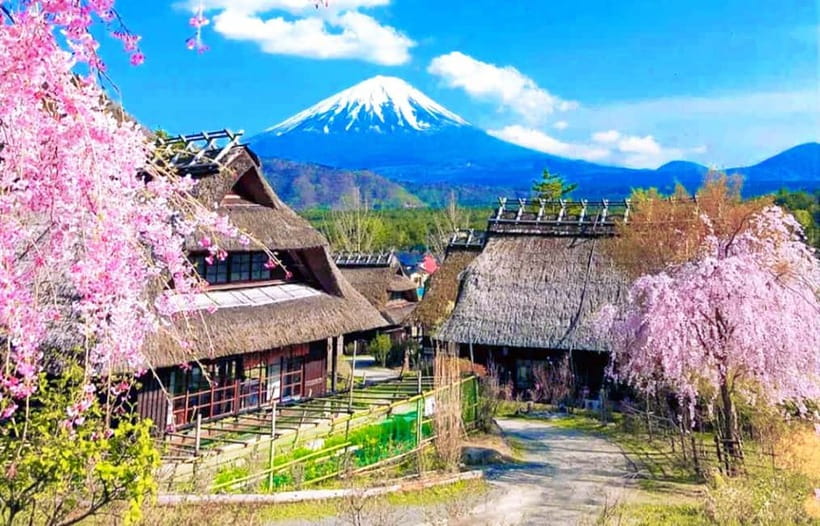
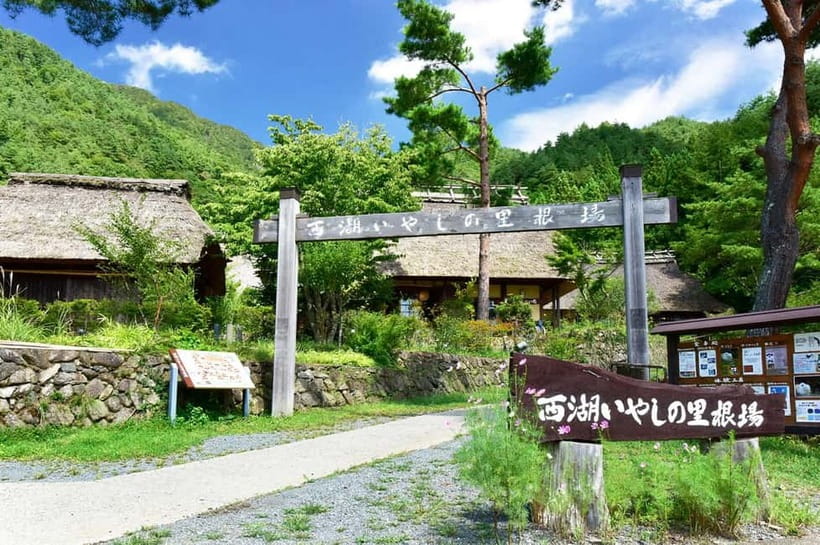
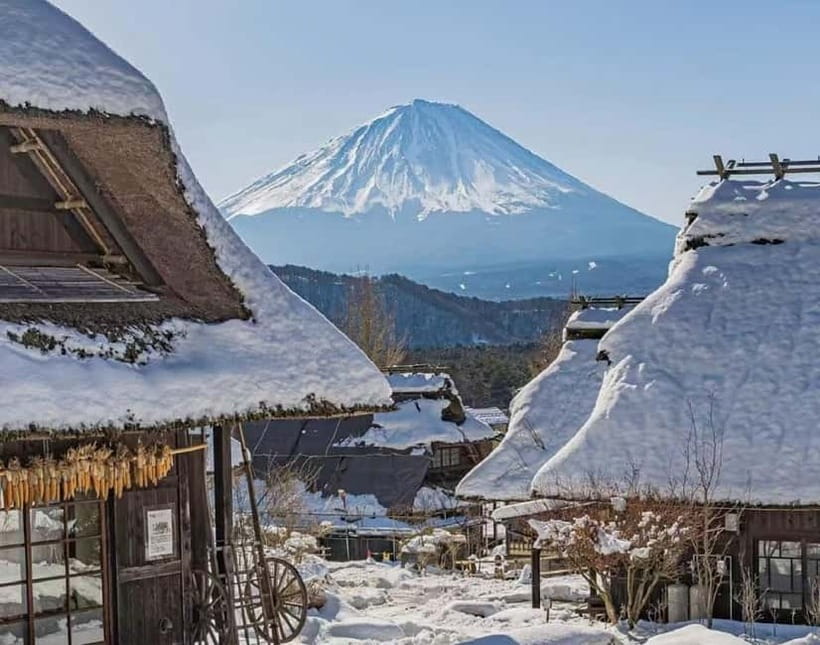
The first major stop is Saiko Iyashi no Sato Nenba, a restored traditional village beside Lake Saiko. Its thatched-roof houses create a strong contrast with modern Tokyo and give you one of the day’s best settings for Fuji photography.
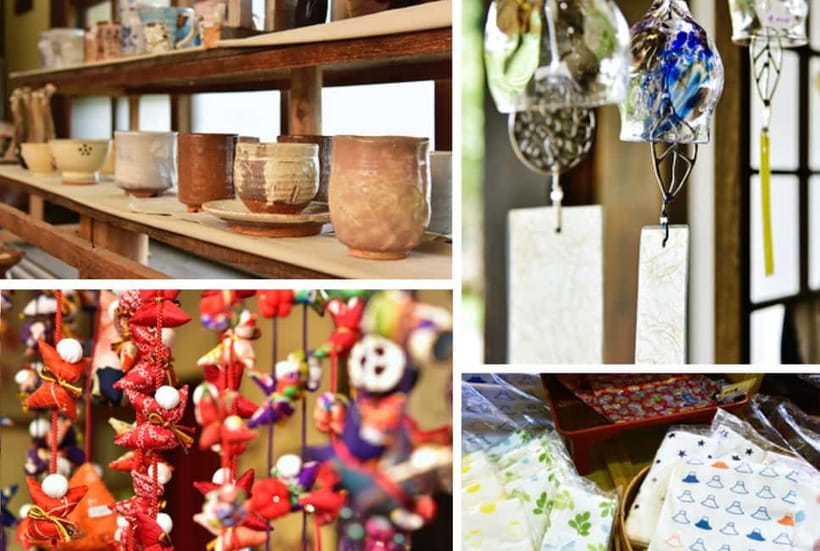
You have about one hour here, including the guided portion. That is enough to walk through the village, take photos, look into the traditional buildings, and sample Japanese snacks near the entrance. The houses are the main attraction, but the setting does the real work. When Fuji is visible, the mountain rises behind a scene that looks very different from the usual city or lake photograph.
This is also the tour’s most playful stop. You can rent a ninja costume for an extra charge and add it to your pictures. It is not essential, but families and friends may enjoy the silly photo opportunity.
The limitation is time. If you want to examine every building, browse souvenirs, buy artwork, and stop for food, one hour can pass quickly. One family specifically appreciated finding artwork from an artist in the village, so leave room for a slower look if that interests you.
Lake Kawaguchi, Oishi Park, and seasonal color
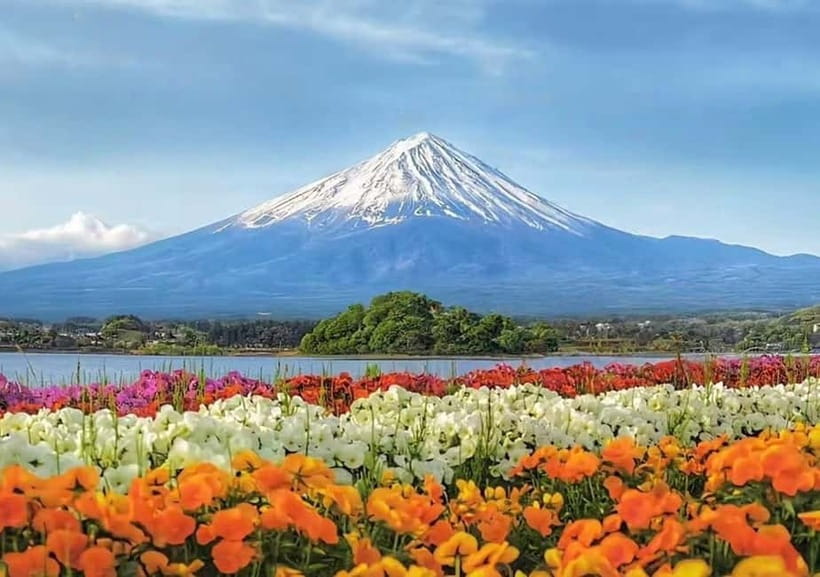
After a short 25-minute coach ride, the tour reaches Lake Kawaguchi. The lake is one of the classic places to frame Fuji with water, trees, and open views. Conditions change quickly here. Several people had clear mountain views in the morning before clouds rolled in later, which is a useful reminder to take your best photos as soon as Fuji appears.
Oishi Park receives about 40 minutes. In summer, lavender provides the main color and scent. In autumn, red broom grass changes the feel of the park. The park is a good choice if you want open views and seasonal plants rather than buildings or shrine architecture.
The autumn plan has an important change. From October 26 through November 20, the tour visits the Maple Corridor instead of Oishi Park. This is peak autumn color, with red maple leaves forming a natural frame around the snow-capped mountain when visibility is good.
The Maple Corridor also has a shorter 40-minute stop. That gives you enough time for photographs and a walk through the trees, but not necessarily a relaxed visit if the path is crowded. The seasonal swap makes sense because autumn foliage is the reason to come at that time, yet you should know you are not receiving both attractions on those dates.
Arakurayama Sengen Park and the famous pagoda climb
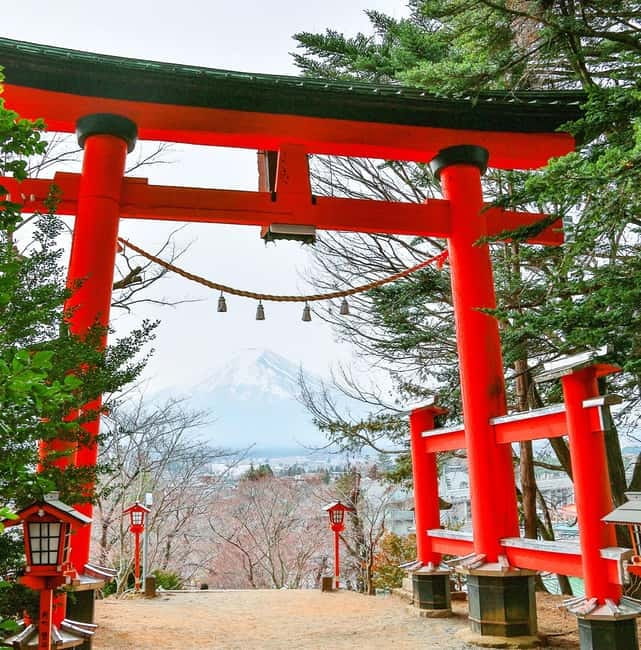
The next stop is Arakurayama Sengen Park, reached after about 15 minutes by bus. This is the most physically demanding part of the day.
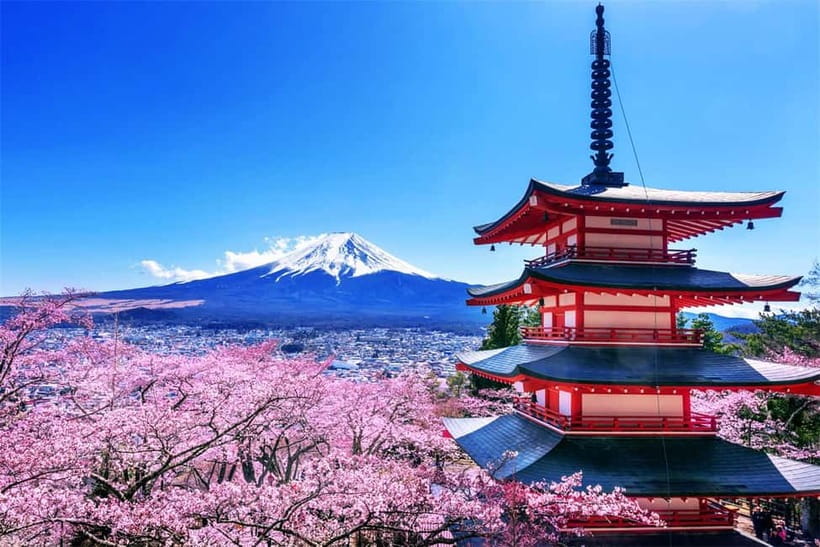
The route includes a climb up steps to the shrine and Chureito Pagoda. The reward is the classic composition: five-story pagoda in the foreground, Fuji behind it, and the town spread below. It is one of Japan’s most recognizable views, but the photograph depends heavily on weather and visibility.
The schedule gives about 40 minutes at Arakurayama Sengen Park, then 15 minutes at Arakura Fuji Sengen Shrine and 15 minutes at Chureito Pagoda. In practice, these times are closely connected because the shrine and pagoda are part of the same uphill visit. You should wear shoes with good grip and be ready to walk stairs at a steady pace.
This stop works best if you arrive with a simple goal: get the view, pause at the shrine, and take a few good photographs. If you also want a goshuin stamp, plan ahead. One visitor found that the wait for a goshuin was about 20 minutes and left too little time to make the climb comfortably. Handing over your goshuin book before going up may help, but the tour schedule still leaves limited room.
Families can manage the stop, but the stairs may be tiring for young children or anyone with limited mobility. The tour is not suitable for wheelchair users.
More Temple & Shrine Tours in Tokyo
- Tokyo: Meiji Shrine, Asakusa, Skytree Bus Tour and Cruise
★ 4.7 · 1,986 reviews - Tokyo: Asakusa Walking Tour with Sensoji Temple Visit
★ 4.8 · 1,583 reviews - Nikko: Kegon Falls, Lake Chuzenji & Toshogu Temple
★ 4.6 · 1,577 reviews - Tokyo: Nikko Toshogu Shrine and Kegon Waterfall Tour
★ 4.5 · 1,266 reviews
The 40-minute lunch break
Lunch is not included in the $50 price. The schedule allows about 40 minutes at a local restaurant, and the guide may suggest where to eat. You can also bring your own food or buy something at one of the attractions.
That flexibility keeps the tour inexpensive, but it means you should plan ahead. Bring cash because some shops and food sellers may not accept credit cards. If you have dietary needs or want a specific meal, carrying something from Tokyo is the safest choice.
Some guides help make the short break easier. Sia has been praised for collecting lunch orders early so food was ready when the group arrived. Still, the restaurant choice may not suit everyone, and one person wanted a wider range of lunch options.
I would not count on a leisurely sit-down meal. This is a practical break between sightseeing stops. Eat efficiently, use the restroom, and be ready when the guide calls the group back.
Oshino Hakkai and Fuji spring water
The final sightseeing stop is Oshino Hakkai, reached after about 25 minutes on the road. You have about 70 minutes here, making it the longest attraction stop of the day.
Oshino Hakkai is known for eight clear spring ponds fed by snowmelt from Mt. Fuji. The water, reflections, and small village setting offer a quieter finish than the busy photo point at Chureito. It is also a good place to slow down and notice details after a full day of moving between major sights.
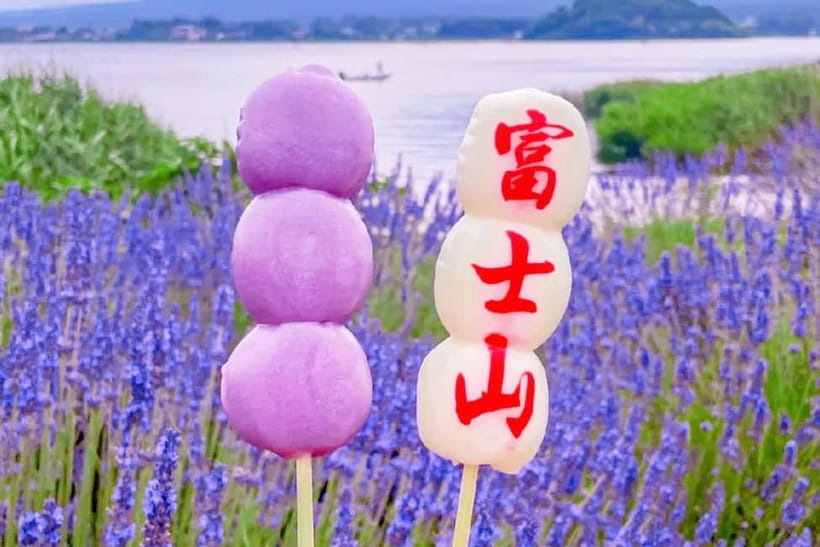
Local snacks are part of the appeal. You might find freshly made rice crackers and unusual treats such as wasabi ice cream nearby. You do not need to be adventurous with every flavor, but this is a chance to try something tied to the local area rather than relying on familiar convenience-store food.
The stop combines sightseeing with shopping and eating, so your time is easier to manage here. You can photograph the ponds, browse independent souvenir shops, and buy a snack without rushing up a long staircase.
Keep in mind that the shops at each attraction operate independently. They are not connected to the tour, so purchases, prices, and payment methods vary.
What the $50 price really buys you
At $50, this is a strong value for a full day around Fuji. The price includes admission to Saiko Iyashi no Sato Nenba, a guide, driver, parking, and pickup and drop-off at the two designated meeting options.
The biggest saving is time. You are paying to connect five separate sightseeing areas by coach, with someone managing the meeting times and route. Doing the same day independently would require more planning and could involve several transport changes.
The value is strongest if you are staying in Tokyo and want a broad first look at the Fuji region. It is less ideal if you want one quiet town, a long lakeside walk, or a full day at a single shrine. This is a highlights tour, not a slow regional stay.
The price does not cover lunch, personal purchases, the optional ninja costume, or other extras. Carry cash, water, and a small snack. Comfortable shoes are more important than stylish ones.
Weather, timing, and the Fuji gamble
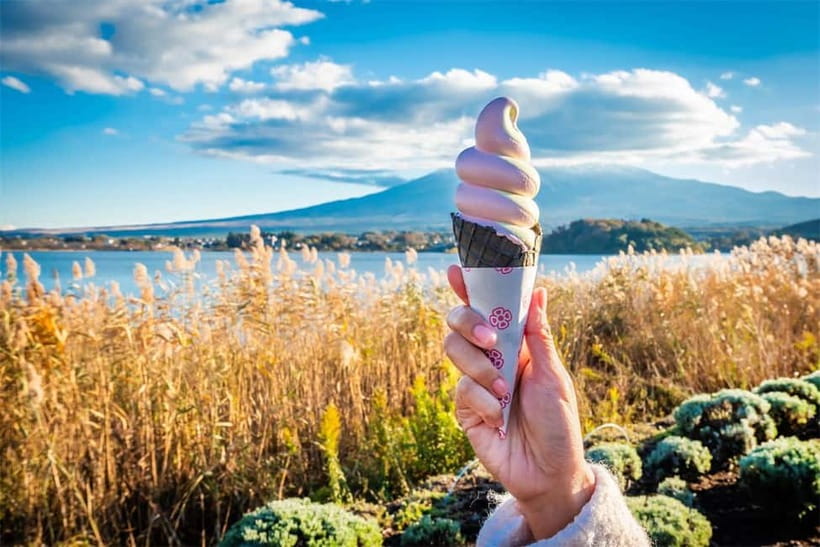
Mt. Fuji can disappear behind cloud at any point. The tour operator warns that weather may prevent a clear view, and the comments from different dates show both outcomes: some days delivered excellent views from several stops, while others were cloudy or rainy.
That makes the tour’s multiple viewpoints useful. You might see Fuji at Lake Kawaguchi in the morning and lose it by the afternoon, or get a clear view at the pagoda when the lake is cloudy. Take photographs early and do not save your favorite viewpoint for the final stop.
Autumn foliage has a narrow best period at the Maple Corridor, listed as October 26 to November 20. Outside that window, the route may use Oishi Park instead. Summer is the better period for lavender at Oishi Park, while winter can offer crisp mountain views if the sky is clear.
The coach gives you shelter from rain, and one rainy-day visit was still considered worthwhile because the village and surrounding area retained their appeal. Even so, pack for changing conditions and accept that Fuji itself may not appear.
Who will enjoy this Mt. Fuji tour?
I would recommend this day for first-time visitors who want to cover the main Fuji sights without handling regional transport. It suits photographers, families, couples, and small groups that value an organized day and several photo opportunities.
It is also useful for multigenerational groups. Guides have been praised for helping families with children, keeping people together, and explaining meeting points clearly. One guide even helped passengers find a bus station after they separated from the group to stay overnight in Kawaguchiko.
You should think twice if you dislike fixed schedules or crowded photo stops. The day moves steadily, and you may not have time to linger at every place. It is also a poor fit for wheelchair users because of the stairs at Arakurayama.
The language setup is practical rather than private. Explanations are given in English, Japanese, and Traditional Chinese within a shared group, so you should expect a group-tour rhythm rather than a custom private guide.
Practical tips for making the day better
- Arrive 15 minutes early. Late arrivals and no-shows are not refunded.
- Check your email the night before for the guide’s contact number and vehicle license plate.
- Take your best Fuji photos at the first clear opportunity.
- Bring cash, water, snacks, and comfortable shoes.
- If you want a goshuin at Chureito, ask about it before climbing.
- Keep your evening free because traffic may delay the return.
- Check the date carefully if autumn foliage is your priority. The Maple Corridor replaces Oishi Park from October 26 through November 20.
- If you have luggage, confirm the booking details. One family successfully carried two large suitcases, but space may depend on the vehicle and group.
Should you book it?
Book this tour if you want a low-cost, well-organized introduction to Mt. Fuji with traditional buildings, lake views, seasonal color, shrines, a pagoda, and spring ponds in one long day.
Skip it if you want a relaxed pace, guaranteed mountain views, or a proper included lunch. Fuji weather remains unpredictable, and the 2.5-hour return journey can be tiring.
For most first-time visitors based in Tokyo, I think the combination is worth the $50. The standout strengths are the number of places covered, the clear organization, and the guides’ repeated care with timing and group safety. Just bring food, wear sensible shoes, and treat the mountain view as a bonus rather than a promise.
FAQ
How long does the Mt. Fuji Heritage Tour last?
The tour lasts 10 hours, including travel between Tokyo and the Mt. Fuji area.
Where does the tour start and finish?
Pickup and drop-off are available at two designated options near Tokyo MODE Gakuen, 1-chōme-5-1 Marunouchi. The exact meeting point may vary according to the option booked.
Is lunch included?
No. You may bring food, buy lunch at an attraction, or eat at a restaurant suggested by the guide.
What languages are available?
Live guiding is available in English, Japanese, and Traditional Chinese.
Is admission to Saiko Iyashi no Sato Nenba included?
Yes. Admission to Saiko Iyashi no Sato Nenba is included in the tour price.
Does the tour always visit Oishi Park?
No. From October 26 through November 20, the tour visits the Maple Corridor during peak autumn foliage and does not go to Oishi Park.
Is Mt. Fuji guaranteed to be visible?
No. Weather conditions may block the view, so check the forecast and be prepared for changing visibility.
What should I bring?
Bring comfortable shoes, water, and cash. Credit cards may not be accepted at some locations.
Is the tour suitable for wheelchair users?
No. The tour is not suitable for wheelchair users, particularly because of the stairs at Arakurayama Sengen Park.
More Mount Fuji Tours
- Mt Fuji and Hakone 1-Day Bus Tour Return by Bullet Train
★ 5.0 · 26,383 reviews - Mt Fuji & Hakone Cruise, Drum Show Bullet Train 1 Day from Tokyo
★ 4.0 · 7,413 reviews - Tokyo Mt Fuji 5th St & Hakone Cruise Bus Tour w/Bullet Train
★ 4.4 · 5,024 reviews - From Tokyo: Mount Fuji Full-Day Sightseeing Trip
★ 4.5 · 4,970 reviews
Just added around Tokyo
- Tokyo 6hr Instagram Highlights Private Tour with Licensed Guide★ 5.0 · 38 reviews
- Tokyo Small Group Tour with Guide★ 4.5 · 38 reviews
- Tokyo Sumo Experience with Live Show & Audience Challenge★ 5.0 · 38 reviews
- Very popular in Harajuku♡Animal petting zoo★ 4.6 · 39 reviews
- Japanese Food Cooking Class in Asakusa, Tokyo★ 5.0 · 39 reviews
- Ramen Making from Scratch with Tokyo Mom(Vegan Option Available)★ 5.0 · 39 reviews
- Tokyo: Kimono Rental inside Shinjuku Gyoen National Garden★ 4.9 · 39 reviews
- Tokyo JDM Night: 600hp C63s AMG Edition 1 (Private)★ 4.9 · 39 reviews
Mount Fuji Tours, compared.
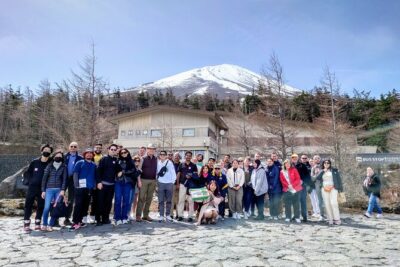
Mt Fuji and Hakone 1-Day Bus Tour Return by Bullet Train
Read our review →
Mt Fuji & Hakone Cruise, Drum Show Bullet Train 1 Day from Tokyo
Read our review →
Tokyo Mt Fuji 5th St & Hakone Cruise Bus Tour w/Bullet Train
Read our review →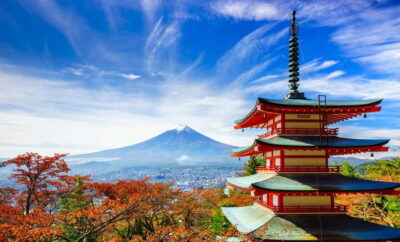
Mt. Fuji Tour, Hakone Ropeway, Owakudani, Lake Ashi
Read our review →
Mt.Fuji,Kawaguchiko Oishi Park,Arakurayama Sengen Park
Read our review →
Mt. Fuji 5th Station & Hakone Cruise 1-Day Bus Tour
Read our review →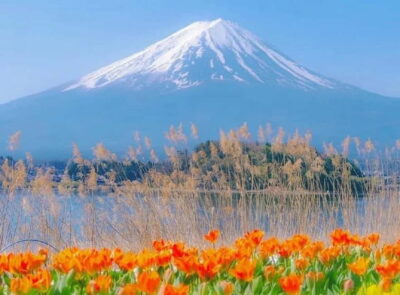
Mt Fuji Top 5 Spots Day Tour: Arakurayama Park,Oshino Hakkai
Read our review →Browse the lists this tour appears in