Reviewed · 1-DAY TOURS
Osaka & Nara in 1-Day by Private Van with Local Expert Guide
Two cities, one long afternoon. This private van tour makes Osaka and Nara possible in roughly seven hours, with pickup and drop-off anywhere in Kyoto, Osaka, or Nara. I especially like the custom route and the chance to have local guide Daiki explain temples, food, neighborhoods, and Osaka life in fluent English. The main catch is time: combining both cities means some stops are brief, and several Osaka sights are photo stops rather than full visits.
I also like the comfortable private vehicle, which saves you from changing trains and gives your group room to adjust plans. Daiki’s help with photos, restaurant choices, and local areas adds real value, but you should expect to pay extra for lunch, dinner, and the ¥800 admission fee at Todai-ji.
In This Review
- Key points to know before booking
- Why this private Osaka and Nara tour works
- Nara Park: deer, temples, and an easy first stop
- Todai-ji: Japan’s great Buddha under a huge wooden roof
- Yoshikien Garden and the Nara Bell Tower
- Osaka Castle: a quick look at the city’s symbol
- American Village and Osaka’s youth culture
- Dotonbori and Shinsaibashi: Osaka in lights and food
- Tsutenkaku and the city’s rougher edges
- The private vehicle and guide make the difference
- Who should book this tour
- Practical details that affect your day
- Should you book Osaka and Nara in one day?
- FAQ
- Where does the tour start?
- Can the tour end in a different city from where it starts?
- How long does the experience last?
- Can I visit only Osaka or only Nara?
- What vehicle is provided?
- Is Todai-ji admission included?
- Are meals included?
- What is included in the tour price?
Key points to know before booking
- Start at 1 p.m. and finish after dark: The timing lets you see Osaka’s neon-lit districts, but it leaves less time for long temple visits.
- Choose Osaka, Nara, or both: You can focus on one city instead of trying to cover the full route.
- Private pickup and drop-off: The vehicle can meet you anywhere in Kyoto, Osaka, or Nara, and the two points can be different.
- Daiki is the tour’s strongest asset: His local stories, restaurant advice, photography help, and flexible approach earn repeated praise.
- Nara includes the deer and Todai-ji: Plan on ¥800 per person for the temple, which is not included.
- Osaka is sampled by neighborhood: Expect Dotonbori, Tsutenkaku, Shinsaibashi, American Village, and other districts, with some visits lasting only five to fifteen minutes.
Why this private Osaka and Nara tour works
Japan’s rail system is excellent, but a day split between Kyoto, Nara, and Osaka can still become a timetable exercise. This tour removes much of that work. You are collected at a chosen point, driven between cities, and returned to a location that may be different from where you started.
That flexibility matters most for families, small groups, cruise passengers, and anyone who wants to end the day in Osaka rather than return to Kyoto. One booking even involved a pickup at a cruise port, followed by a customized day. The tour is private, so you are not waiting for strangers or defending your preferred pace.
The advertised duration is about six and a half to seven and a half hours, with a 1 p.m. start. That is enough for a broad introduction, not a slow study of both cities. I would think of it as a well-planned sampler: Nara supplies temples and deer, while Osaka supplies food, lights, shopping streets, and city character.
The listed price is $300.61 per group, up to one person according to the supplied details. Because the pricing information is unusual, check the final booking screen carefully for the correct group size and vehicle arrangement. For a private group, the value comes from the driver, fuel, highway charges, parking, and custom routing being bundled together, rather than from admission-free sightseeing alone.
A few more Kyoto experiences worth weighing up
- PERFECT KYOTO 1-Day Bus Tour
★ 5.0 · 13,518 reviews - Kyoto: Fushimi Inari, Kinkakuji, Bamboo Grove 1 Day Bus Tour
★ 4.8 · 4,316 reviews - 10 Must-see Spots in Kyoto One Day Private Tour (up to 7 people)
★ 5.0 · 1,108 reviews
Nara Park: deer, temples, and an easy first stop
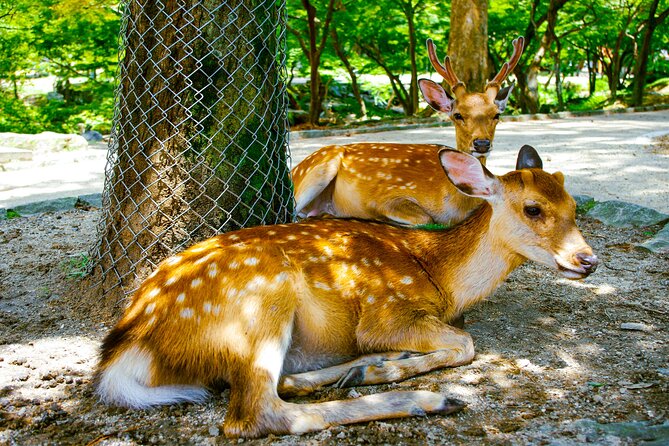
Nara Park is the natural opening act. Wild deer move through the park, near temples, along roads, and across open areas. They are famously comfortable around people, so you can get close for photographs and feed them if you choose to buy deer crackers locally.
The appeal is not only the animals. Nara Park gives you a pleasant introduction to the old temple district, where the deer and religious sites share the same setting. The supplied schedule allows about an hour, which is a sensible amount of time for seeing the deer and getting a first taste of Nara without letting one stop consume the entire day.
You should keep your expectations realistic. The deer are tame around people, but they are still animals, and the park can be busy. A private vehicle gets you near the area, yet you will still walk once you leave the van. Comfortable shoes matter more here than stylish ones.
Todai-ji: Japan’s great Buddha under a huge wooden roof
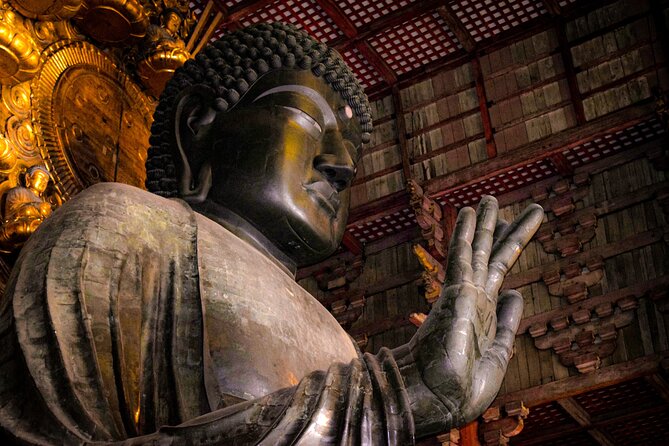
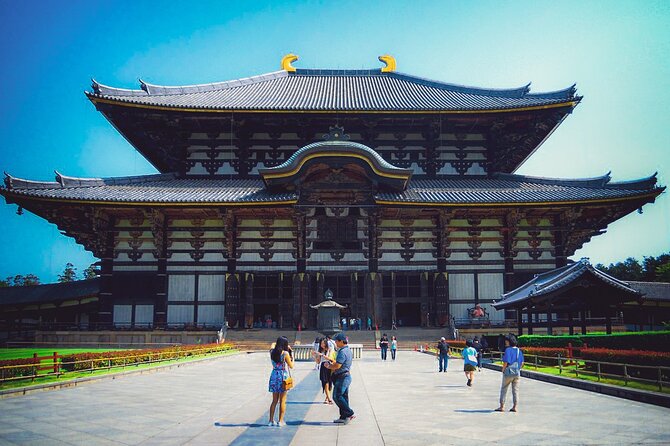
Todai-ji is the major Nara visit, with about an hour set aside. The temple is famous for its enormous seated Buddha and for its immense wooden main hall, described as the largest historical wooden building in the world.
This is where Daiki’s guiding can make a real difference. His explanations cover Buddhist customs, temple design, religious practice, and the meaning behind what you are seeing. That extra context helps turn a large statue and an impressive building into a place with purpose.
Todai-ji admission is not included. The fee is ¥800 per person, so budget for it before you arrive. Since the tour schedule also lists several short stops, I would protect this hour rather than sacrifice it for an extra shopping street. If you have only one full temple visit in Nara, this is the one to keep.
Yoshikien Garden and the Nara Bell Tower
Yoshikien is scheduled for about 15 minutes. It is a Japanese garden arranged in several areas, with seasonal flowers, trees, and moss. Fifteen minutes is enough for a quick look and a few photographs, but not enough for a leisurely garden visit.
That short timing tells you something useful about the tour. The route is designed to show you several different sides of Nara, not to give every site equal weight. If gardens are a major interest, ask Daiki early if Yoshikien can receive more time.
Todai-ji Shoro, the bell tower, gets about 10 minutes. The old bronze bell is one of Japan’s notable large bells and sits within Nara Park. The stop is brief, but it adds another layer to the temple district and gives you a quieter counterpoint to the deer and main hall.
Season and local conditions can change the small stops. The route is flexible, and not every minor site listed is guaranteed. That is a benefit if you want to adapt, but it also means you should treat the schedule as a plan rather than a promise.
A completely different kind of day out in Kyoto:
- Kyoto: Tea Ceremony in a Traditional Tea House in Kiyomizu
★ 4.9 · 3,519 reviews - Kyoto Geisha Walking Tour: Gion District & Hidden Gems
★ 4.7 · 3,273 reviews - Kyoto: Tea Ceremony Ju-An at Jotokuji Temple
★ 4.9 · 3,207 reviews - Kyoto: Gion Magical Night Walking Tour with Geisha Trivia
★ 4.9 · 2,393 reviews
Osaka Castle: a quick look at the city’s symbol
Osaka Castle receives about 20 minutes, with admission listed as free for the stop. The castle has been a major symbol of Osaka for more than four centuries, and its connection to samurai power and the shogun period makes it an essential first look at the city.
Twenty minutes is enough for exterior views and photographs. It is not enough for a detailed museum visit or a relaxed exploration of the grounds. If you want to go inside the castle, clarify the timing and any extra cost with the guide before the day begins.
The advantage of arriving by private vehicle is simple: you can make a focused stop without trying to work out a complicated train and walking route. The disadvantage is that this part can feel rushed if you are hoping for a full castle visit. I would treat Osaka Castle as an introduction, then save your longer Osaka time for the districts where the city’s daily personality is easier to feel.
American Village and Osaka’s youth culture
American Village is described as a local hangout for young Osakans, with an atmosphere compared to a blend of Tokyo’s Shibuya and Harajuku. The point is not American history or a formal attraction. It is a look at fashion, music, nightlife, and the city’s younger side.
The stop can be customized, which is useful if your group prefers street scenes to monuments. You might find the area more appealing in the evening, especially since this tour starts in the afternoon and runs into Osaka’s night hours.
Daiki’s local perspective is valuable here. He grew up in Osaka and has shared stories about how the city has changed. That sort of personal context gives you more than a list of buildings, while still leaving room for you to explore at your own pace.
Dotonbori and Shinsaibashi: Osaka in lights and food
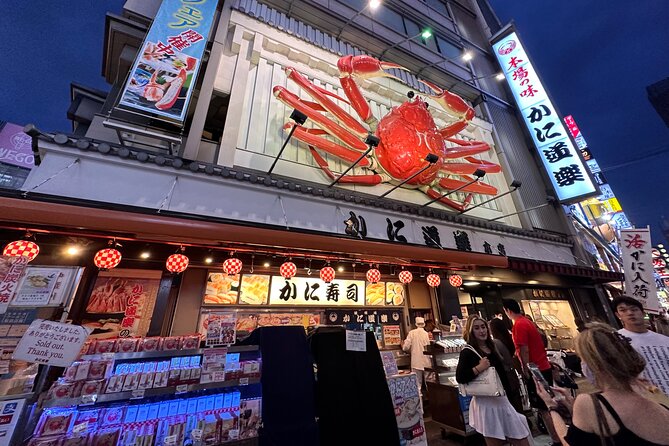
Dotonbori is Osaka’s most famous city center district, known for the running man sign, riverfront neon, restaurants, and shopping. The scheduled stop is about 15 minutes, so use it for the classic photographs and a quick look at the energy along the canal.
Do not expect 15 minutes to cover Dotonbori and Shinsaibashi fully. The area includes a major shopping zone and one of Japan’s longest shopping streets, so a short stop works as an orientation. If food is your priority, ask to adjust the route rather than trying to eat and sightsee in the same narrow window.
Shinsaibashisuji Kita Shotengai is listed for only five minutes. That is enough to see the flow of people and understand the scale of the covered shopping streets, but it is not shopping time in the normal sense. I would use the stop to identify places you might want to revisit after the tour.
The schedule also includes dinner time and a local restaurant guide, but dinner itself is not included. This is one of the tour’s best practical features. Daiki has helped groups find ramen and typical Osaka restaurants, ordered dishes they might not have selected alone, and adjusted plans when a first restaurant did not work out.
Food costs remain your responsibility. Still, local help can be worth more than a formal meal included in the price, especially if you want takoyaki, ramen, or other Osaka specialties without guessing from a tourist menu.
Tsutenkaku and the city’s rougher edges
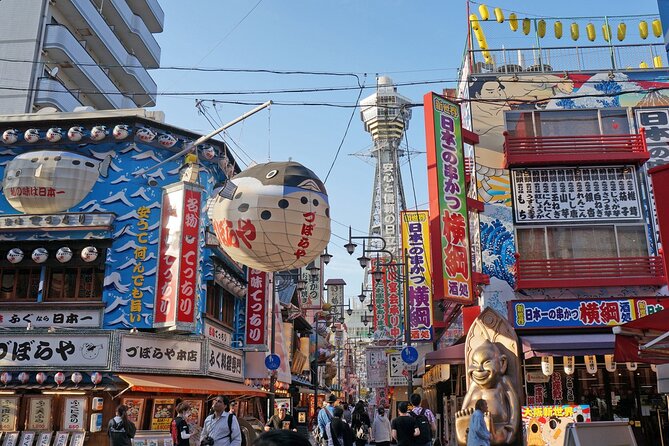
Tsutenkaku Hondori Shopping Street receives about 15 minutes. This is the Osaka of distinctive shops, bright signs, casual food, and an informal atmosphere. It is a good place to try takoyaki, the familiar octopus snack often served in hot batter with toppings.
The nearby district has a different feel from polished shopping areas. The route description refers to a red-light area and its adult entertainment presence. This is not a family attraction in the usual sense, and some people may find the street scenes uncomfortable or confronting.
That stop is best handled with clear communication. If you are traveling with children, prefer cultural sites, or simply do not want to visit an adult district, tell Daiki. The private format makes it easier to skip or replace such areas.
There is also an Osaka electronics and anime district described as more concentrated than Tokyo’s Akihabara. It may suit fans of games, animation, and gadgets, but it appears as a possible custom stop rather than one of the numbered visits. Ask about it when discussing your route.
The private vehicle and guide make the difference
The standard vehicle is an air-conditioned Nissan Serena for groups of two to six. A single passenger may use a Mini Convertible. The private van is the more practical choice for most groups, since the day includes several stops and city-to-city driving.
Fuel, highway fees, and parking are included. That removes several small costs that can make a self-planned day harder to track. It also means you are paying for time saved, not simply for a ride between famous places.
Daiki is repeatedly praised for arriving on time, driving safely, speaking fluent English, and explaining temples, castles, history, and local customs clearly. He also helps with photographs and restaurant choices. Several experiences describe him changing the order or adding places after learning what the group liked.
That flexibility is the tour’s clearest strength. You can ask for more temple time, more food, a particular Osaka neighborhood, or fewer shopping stops. The guide cannot make seven hours equal a full week in Kansai, but he can help you spend those hours on the parts that matter most to you.
Who should book this tour
I would recommend this experience to you if you want to see both Nara and Osaka but do not want to manage trains, transfers, parking, and restaurant research. It is especially useful for small groups, families, older relatives, first-time visitors, and anyone with a limited stay in Kyoto.
It also suits people who value conversation. The strongest part of the day is not just getting from one attraction to another. It is having a local guide explain why a temple matters, suggest a better meal, describe Osaka from personal experience, and help you notice places you might otherwise pass.
I would be more cautious if you want long, quiet visits at every site. The route includes several five, ten, fifteen, and twenty-minute stops. You should also reconsider the full Osaka and Nara plan if you dislike driving between cities or prefer to explore one neighborhood on foot for hours.
The tour can focus on only Osaka or only Nara. That may be the smarter choice for repeat visitors, temple lovers, shoppers, or anyone who wants a less hurried day. Tell the provider what you care about before the start so the flexible format works in your favor.
Practical details that affect your day
Pickup and drop-off are offered anywhere in Kyoto, Osaka, and Nara cities, and they can be different locations. This is particularly useful if you stay in Kyoto but want to end the evening in Osaka, or if you need to connect with a different part of your itinerary.
The listed start time is 1 p.m. Because the tour ends in the evening, you can see Dotonbori, Tsutenkaku, and Osaka’s illuminated streets after daylight fades. That is a real advantage, although it leaves less daylight for Nara gardens and Osaka Castle.
Lunch is not included, and dinner is optional with the food bill paid separately. Todai-ji costs ¥800 per person. Any additional activity created by your custom route may also cost extra.
Confirmation is provided at booking. The tour is private, service animals are allowed, and most people can participate. Free cancellation is available up to 24 hours before the local start time, while later cancellations and changes are not accepted.
Should you book Osaka and Nara in one day?
Book it if your priority is maximum variety with minimum planning. You will see Nara’s deer and Todai-ji, Osaka Castle, major entertainment and shopping districts, and the city’s famous food scene, all with a private driver and local guide.
Choose the one-city option if you want depth instead of range. The full route is a strong introduction, but it is not a slow cultural tour. For most first-time visitors with only one open day, the private vehicle, flexible route, and Daiki’s personal guidance make the price easier to justify than a large group excursion.
FAQ
Where does the tour start?
The listed start time is 1 p.m. Pickup is available anywhere in Kyoto, Osaka, or Nara cities.
Can the tour end in a different city from where it starts?
Yes. You can choose pickup and drop-off points in Kyoto, Osaka, or Nara, and the points can be different.
How long does the experience last?
The approximate duration is six hours and 30 minutes to seven hours and 30 minutes.
Can I visit only Osaka or only Nara?
Yes. You can choose a day tour covering both cities or focus on just one city.
What vehicle is provided?
A Nissan Serena is used for groups of two to six people. A Mini Convertible is available for one person.
Is Todai-ji admission included?
No. Admission to Todai-ji costs ¥800 per person and is not included.
Are meals included?
No. Lunch is not included, and dinner is not included. The tour does include dinner time and local restaurant guidance.
What is included in the tour price?
The price includes an English-speaking local guide and driver, an air-conditioned private car, fuel, highway fees, parking, and pickup and drop-off within Kyoto, Osaka, and Nara cities.
Just added around Kyoto
- Kyoto: Private Customizable Day Trip by Car★ 5.0 · 38 reviews
- Kyoto: Gion Night Walking Tour with Geisha Insight★ 5.0 · 39 reviews
- Kyoto: Full Day Bike Tour★ 4.9 · 39 reviews
- Private Japanese Calligraphy in Kyoto – Learn Shodō with a Master★ 5.0 · 39 reviews
- Experience a tea ceremony in an authentic tearoom, in Kyoto!★ 4.5 · 41 reviews
- Kyoto: Gion Evening Walk with Hidden Gems, Geisha & Sake★ 5.0 · 41 reviews
- Kyoto Private Photo Shoot & Tour by SnapKyoto★ 5.0 · 41 reviews
- The Way of Tea: Kyoto Crafts, Hidden Temples & Wabi-Sabi Walk★ 5.0 · 41 reviews
1-Day Tours, compared.
Mt Fuji and Hakone 1-Day Bus Tour Return by Bullet Train
Read our review →
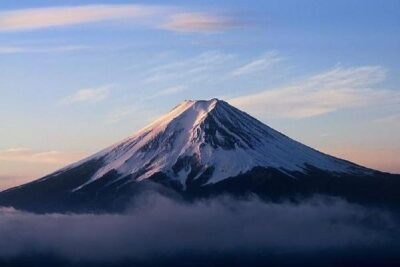
Mt Fuji & Hakone Cruise, Drum Show Bullet Train 1 Day from Tokyo
Read our review →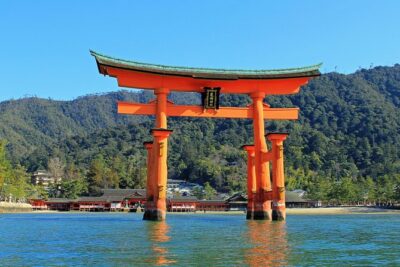
Peaceful Hiroshima & Miyajima UNESCO 1 Day Bus Tour
Read our review →
Fushimi Inari, Kinkakuji, Bamboo Grove 1 Day Bus Tour
Read our review →