
Reviewed · OSAKA TOURS
Osaka Nighttime tour
Come hungry, leave with a fuller picture of Osaka. This three-hour Tenma food tour takes you to three local restaurants, with stops for okonomiyaki, kushikatsu, drinks, and grilled wagyu beef. I like the small group size, capped at eight people, and the chance to eat in places you might not find on your own. I also like that guides such as Kaori, Mayura Kai, and Akiko have been praised for making the evening friendly, flexible, and informative.
The main caution is the price: $198 per person is a serious bill for a three-hour food walk. The tour includes various foods and drinks, but it is non-refundable, the restaurants can change, and it is not recommended for anyone with a serious food allergy. If you value local guidance and several restaurant visits more than a bargain dinner, the cost may make sense.
In This Review
- Key Points Before You Book
- Why Tenma Makes a Good Nighttime Food Base
- Stop One: Thirty Minutes of Traditional Street Food
- Stop Two: Okonomiyaki in a Cozy Restaurant
- Stop Three: Kushikatsu and Drinks for One Hour
- Stop Four: Wagyu Yakiniku and a Japanese Cocktail
- The Guides Matter as Much as the Food
- Is $198 a Fair Price for Three Hours?
- Timing, Meeting Point, and Group Size
- Who Will Enjoy This Osaka Food Tour Most?
- My Verdict on the Tenma Evening
- FAQ
- How long does the Osaka nighttime food tour last?
- Where does the tour start?
- Where does the tour end?
- How many restaurants does the tour visit?
- What foods are included?
- Are drinks included?
- What is the maximum group size?
- Can I cancel or change my booking?
Key Points Before You Book
- Tenma after dark: The tour centers on Tenjinbashi in the Tenma area, one of Osaka’s best-known local eating districts.
- Three restaurants in one evening: You move from street food to okonomiyaki, kushikatsu, and a wagyu yakiniku stop.
- Small maximum group: No more than eight people can join, which should make conversation and restaurant seating easier.
- Guides shape the evening: Guides including Kaori, Mayura Kai, and Akiko have received especially warm praise for their food knowledge, friendliness, and personal recommendations.
- Food and drinks are included: The experience covers various types of dishes and drinks, including a Japanese cocktail with the wagyu course.
- Simple meeting plan: You meet at Shichifukujin Temma Station and return to the same meeting point.
Why Tenma Makes a Good Nighttime Food Base
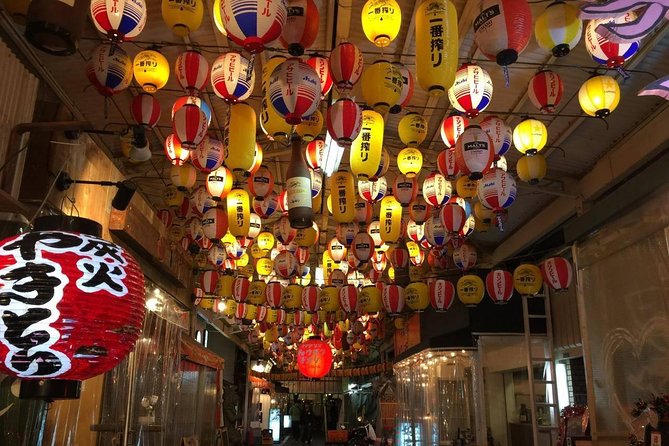
Osaka is often called Japan’s kitchen, and Tenma gives that nickname a practical meaning. Rather than spending the entire evening in one polished dining room, you move through a local restaurant district and sample different kinds of Osaka food.
The tour begins around Tenjinbashi, near Shichifukujin Temma Station. That matters because the evening is built around the neighborhood itself. You are not simply being driven from one attraction to another. The food, streets, and small restaurants are part of the setting.
I like this format for a first evening in Osaka. A local guide can explain what you are eating, how it is prepared, and why it matters in Osaka cuisine. The published schedule also allows time at each stop instead of rushing through a single tasting menu.
The route is divided into four food stages, though it visits three restaurants. The first stop is a short street-food introduction. The second focuses on okonomiyaki. The third includes kushikatsu and drinks, followed by wagyu beef and a Japanese cocktail at the final restaurant.
The restaurants may change according to the schedule. That gives the operator room to match the evening to its restaurant arrangements, but it also means you should not treat the listed venues as fixed reservations.
A few more Osaka experiences worth weighing up
- Osaka Go Karting Tour with Funny Costume
★ 5.0 · 2,658 reviews - Osaka Castle: Museum and Tower Entry Ticket
★ 4.5 · 2,380 reviews - Osaka: Shinsekai Food Tour with 13-15 Dishes at 5 Eateries
★ 4.8 · 2,204 reviews
Stop One: Thirty Minutes of Traditional Street Food
The opening stop lasts about 30 minutes and features traditional Japanese vendor food in a local street setting. The description does not name the exact dish, so you should expect a sampling rather than a guaranteed menu item.
This is a sensible way to start. Street food gives you a quick introduction to Osaka’s casual eating culture before you sit down for longer meals. It also lets your guide set the tone, explain ingredients, and point out how local food is meant to be eaten.
The short timing is useful if you want variety. You are not filling up on the first course, and you still have three more food stages ahead. On the other hand, anyone hoping for a detailed street-food crawl should keep expectations in check. Thirty minutes is enough for an introduction, not an extended tour of every stall in the district.
Mayura Kai, one of the guides associated with the tour, is a former chef. Her background has been particularly useful for people who want more than a list of dish names. The evening can include explanations of ingredients, preparation, and Japanese food customs, though the exact depth depends on the guide leading your group.
Stop Two: Okonomiyaki in a Cozy Restaurant
The second stop lasts about 30 minutes and focuses on authentic Osaka okonomiyaki. This savory pancake is one of the city’s signature foods, usually built around a batter with cabbage and other ingredients. The tour description does not specify the exact recipe or toppings, so the dish may vary.
The appeal here is contrast. The first stop is street food. This one moves indoors to a cozy restaurant and gives you a better look at one of Osaka’s most recognizable local dishes. For many people, okonomiyaki is the food that best captures Osaka’s relaxed, social dining style.
Thirty minutes is again a compact schedule. You should have time to eat a serving and hear some explanation, but not necessarily linger over a long meal. That is a strength if you want to reach the other restaurants without feeling stuck. It is less ideal if you prefer slow dinners and long conversations at each table.
Guides have been praised for adjusting recommendations to personal preferences. That flexibility is helpful here, since okonomiyaki can include different ingredients and may not suit every taste. Still, the tour is not recommended for people with serious food allergies, so you should consider that limitation before booking.
Stop Three: Kushikatsu and Drinks for One Hour
The third food stage lasts about an hour and features kushikatsu at a local restaurant, along with drinks. Kushikatsu is Osaka-style skewered food, coated and fried before being served. The exact selection is not given, but the format should provide another clear change in texture and flavor from the earlier courses.
This is likely the most social part of the evening. An hour gives you more time to settle in, eat several items, and enjoy the drinks included with the tour. The guide can also help you understand the dish and recommend ways to approach it.
The tour includes various types of drinks, but it does not promise a specific brand, number, or alcohol-free selection. If you do not drink alcohol, confirm your options before booking. The available information confirms drinks are included, but it does not provide a detailed beverage menu.
I like the decision to give kushikatsu a full hour. A rushed skewer tasting would feel like a box-ticking exercise. This longer stop lets you enjoy the restaurant atmosphere and gives your guide room to explain more than just what is on the plate.
A completely different kind of day out in Osaka:
- Osaka Food Tour: 13 Dishes at 5 Local Eateries
★ 5.0 · 2,149 reviews - Hungry Osaka Street Food Tour:15 Tastings & 3 Drinks with a Local
★ 5.0 · 1,727 reviews - Osaka: teamLab Botanical Garden Entry Ticket
★ 4.5 · 1,710 reviews - Osaka: Tea Ceremony Experience
★ 4.9 · 1,426 reviews
Stop Four: Wagyu Yakiniku and a Japanese Cocktail
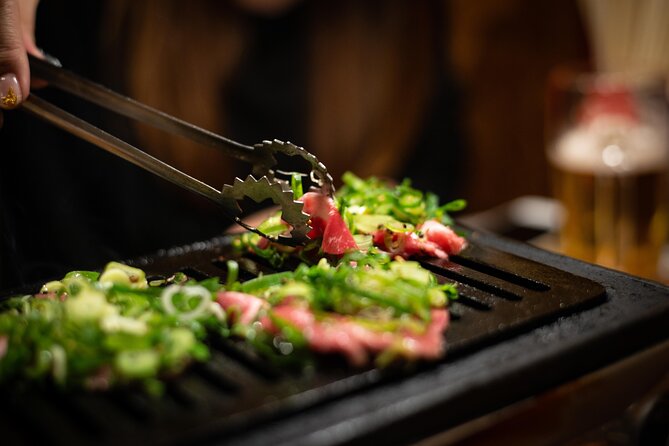
The final stop is the tour’s biggest draw. You try different parts of wagyu beef and grill the meat yourself at a yakiniku restaurant. A refreshing Japanese cocktail is also included at this stage.
Yakiniku is interactive by nature. Instead of receiving a finished dish, you cook premium cuts at the table and decide how long each piece should stay on the grill. That makes the final restaurant feel different from the earlier stops, and it gives the evening a clear finish.
The phrase different parts of wagyu is important. You are not being promised one standard steak cut. The point is to compare several portions of beef, with the guide helping you understand what you are eating. The operator does not list the exact cuts, so those may change.
This is also where the price becomes easier to assess. If you paid separately for a wagyu meal, drinks, a kushikatsu dinner, okonomiyaki, and street food, the total could add up quickly. The $198 price is still high, but the package covers a full evening of food, several restaurant visits, drinks, and local guidance.
The final cocktail adds a small celebratory note, though people who do not drink should check what alternatives are available. The listing confirms various drinks, but it does not promise a particular nonalcoholic beverage.
The Guides Matter as Much as the Food
The strongest part of this experience may be the human side. Kaori has been praised for creating a memorable evening across three restaurants near Temma Station. Mayura Kai is described as friendly, adaptable, and especially strong at explaining food ingredients and Japanese food history. Her former chef experience adds useful context.
Akiko has also been praised for choosing restaurants and dishes that diners might not have selected on their own. That is one of the real benefits of booking a guided food tour. You are not just paying for calories. You are paying for someone to make decisions in a district where menus, customs, and ordering styles may be unfamiliar.
A supermarket visit has also been included in one reported version of the evening. It is not part of the stated four-stop schedule, so you should not count on it. Still, it shows how the experience can sometimes be adapted around the group and guide.
One group with dietary requirements booked a private version, and the guide planned the evening around those needs. That is encouraging, but it should not be read as a guarantee for serious allergies. The official guidance specifically says the tour is not recommended for people with serious food allergies.
Is $198 a Fair Price for Three Hours?
At $198 per person, this is not a budget food walk. You should compare it with the cost of a normal dinner in Osaka, not with the price of a free neighborhood stroll.
The fee includes various foods and drinks across three restaurants. You also receive a guide, restaurant coordination, explanations of the dishes, and a structured route through Tenma. The wagyu yakiniku stop gives the package a more expensive centerpiece than a basic snack tour.
I see the best value for people who want a complete first-night introduction to Osaka food. You may spend less by choosing restaurants yourself, but you would have to research where to go, manage ordering, handle the route, and decide how much food to buy at each stop.
The value is weaker if you are comfortable eating independently or if you want a single long wagyu dinner. In that case, the tour’s movement between four food stages may feel less efficient. You are paying for variety and guidance, not just the most food possible for your money.
The tour is booked an average of 23 days ahead, which suggests planning early is wise. The small maximum of eight people is another reason not to leave it until the last minute.
Timing, Meeting Point, and Group Size
The experience lasts approximately three hours and ten minutes. It begins at Shichifukujin Temma Station, at 4-chōme-12-1 Tenjinbashi, Kita Ward, Osaka, 530-0041, Japan, and finishes back at the meeting point.
Because hotel pickup and drop-off are not included, you must arrange your own way to the station. Transportation to and from the attractions is also not included. The activity is near public transportation, so the meeting point is practical, but you should allow enough time to arrive before the start.
The group maximum is eight people. That is small enough for a guide to speak with everyone and respond to preferences more easily than on a large coach tour. It also fits the restaurant format better, since small local restaurants may not have room for a big crowd.
Mobile ticketing makes the entry process simple. Confirmation is sent at booking. The less convenient part is the cancellation rule: the experience is non-refundable and cannot be changed for any reason. Book only when your plans are firm.
Who Will Enjoy This Osaka Food Tour Most?
I would recommend it to you if you:
- Want to sample several Osaka specialties in one evening
- Prefer local restaurants to a standard sightseeing route
- Enjoy eating in a small group
- Want help choosing dishes and understanding ingredients
- Like the idea of grilling wagyu yourself
- Are visiting Osaka for the first time and want a guided introduction to Tenma
It is also a good fit if you enjoy social evenings. The kushikatsu and drinks stop gives the night a relaxed dinner-party feel, while the guide helps connect the food to Osaka.
I would be more cautious if you have a serious food allergy, need a guaranteed menu, dislike alcohol-centered dining, or want full control over every dish. The restaurants and exact dishes may change, and the tour does not provide a fixed menu in advance.
Families and older diners may find the short walking and restaurant format manageable, but the available information does not give a detailed accessibility assessment. Most people can participate, yet you should ask the operator directly about any mobility needs.
My Verdict on the Tenma Evening
This is an appealing food tour with a clear purpose: show you Osaka through several local dishes, then finish with hands-on wagyu yakiniku. The strongest points are the small group, the range of food, and guides who have been praised for warmth, food knowledge, and good restaurant choices.
The cost is the main hurdle. At $198, you should want more than dinner. You should want guidance, variety, and the confidence of being taken to three places in a district you may not know well.
Book it if you want a structured first taste of Osaka nightlife and are happy to pay for convenience and local insight. Skip it if you are seeking the cheapest meal, need strict allergy control, or prefer choosing one restaurant and staying there all evening.
FAQ
How long does the Osaka nighttime food tour last?
The tour lasts approximately 3 hours and 10 minutes.
Where does the tour start?
It starts at Shichifukujin Temma Station, 4-chōme-12-1 Tenjinbashi, Kita Ward, Osaka, 530-0041, Japan.
Where does the tour end?
The activity ends back at the meeting point.
How many restaurants does the tour visit?
The experience visits three local restaurants. The schedule also includes an opening street-food stage in Tenjinbashi.
What foods are included?
The food may include traditional vendor food, Osaka okonomiyaki, kushikatsu, and wagyu beef prepared as yakiniku. Restaurants and dishes may change depending on the schedule.
Are drinks included?
Yes. Various drinks are included, including a Japanese cocktail with the wagyu beef stop.
What is the maximum group size?
The tour has a maximum of eight participants.
Can I cancel or change my booking?
No. The experience is non-refundable and cannot be changed for any reason.
Just added around Osaka
- Osaka Food Tour with 10 Classic Japanese Tastings & Drinks★ 5.0 · 38 reviews
- Osaka: Highlights & Hidden Gems Private Walking Tour★ 4.7 · 38 reviews
- Kyoto private tour (Shore excursion available from Osaka or Kobe port)★ 5.0 · 39 reviews
- Osaka Private Day Trip – Enjoy Your First-Time Visit to Osaka!★ 5.0 · 39 reviews
- Kyoto & Nara & Uji: Full Day Sightseeing Tour from Osaka or Kyoto★ 4.5 · 39 reviews
- Authentic SUSHI Course Cooking Class★ 5.0 · 39 reviews
- Osaka: Mind & Spirit Balance Temple Reiki Healing★ 5.0 · 41 reviews
- Osaka: Gluten-Free Ramen and Gyoza Cooking Class★ 5.0 · 42 reviews
Osaka Tours, compared.

Shinsekai Food Tour with 13-15 Dishes at 5 Eateries
Read our review →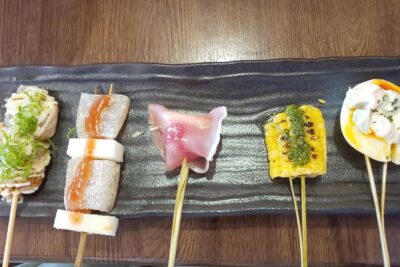
Osaka Food Tour: 13 Dishes at 5 Local Eateries
Read our review →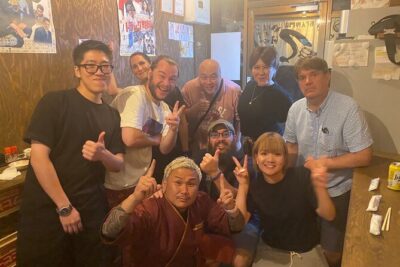
Hungry Osaka Street Food Tour:15 Tastings & 3 Drinks with a Local
Read our review →
Browse the lists this tour appears in