
Reviewed · WALKING TOURS
Shimbashi Hidden Gem Walking Tour
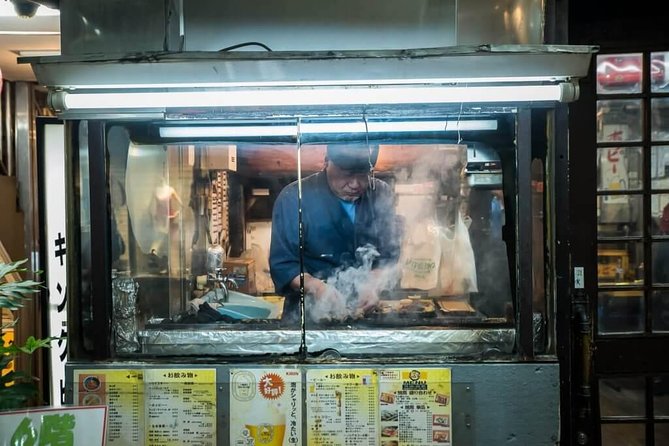
Tokyo after work is a different city. This three-hour evening walk through Shimbashi takes you into the narrow drinking lanes where office workers gather for yakitori, dumplings, sashimi, and a cold drink. I like the focus on local izakayas rather than famous sightseeing stops, and I like that the small group is capped at 10 people. The main concern is value: at $217 per person, you are paying a steep price for five food stops and two included drinks.
The 4:30 pm start gives you time to watch Shimbashi shift into its evening rhythm. I also appreciate the English-speaking guide, especially for explaining dining manners and unfamiliar dishes. Food quality can vary from stop to stop, so this tour suits curious eaters more than anyone expecting a polished restaurant meal at every stop.
In This Review
- Key points before you book
- Why Shimbashi makes a good food-tour setting
- Starting at SL Square at 4:30 pm
- Karasumori Jinja and the first taste of Shimbashi
- The New Shinbashi Building and local drinking culture
- Five food stops, from yakitori to taiyaki
- The railway museum and Shiodome sights
- What the two included drinks really mean
- Walking effort, group size, and meeting details
- Is $217 a fair price?
- Who should book this Shimbashi evening?
- Cancellation and weather considerations
- Should you book the Shimbashi Hidden Gem Walking Tour?
- FAQ
- How long is the Shimbashi Hidden Gem Walking Tour?
- What time does the tour start?
- Where does the tour begin?
- Where does the tour end?
- How many food stops are included?
- Are drinks included?
- Is the tour suitable for vegetarians and vegans?
Key points before you book
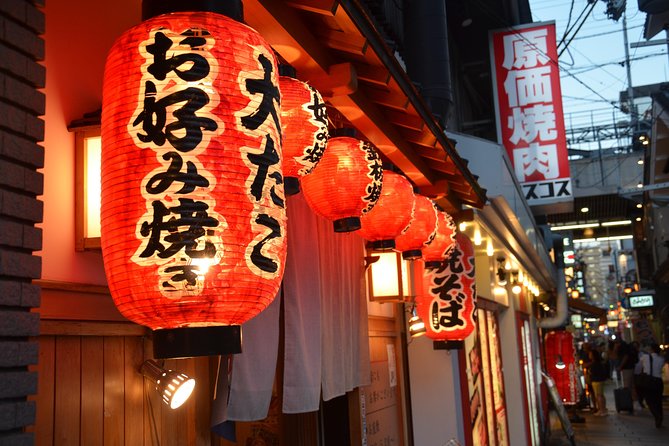
- Five food stops in three hours: You sample seasonal and local dishes rather than sit down for one long dinner.
- Shimbashi after work: The route follows a district strongly linked with Tokyo’s office-worker dining culture.
- Two drinks included: Additional food and drinks cost extra, so the tour is not an all-inclusive evening.
- Small groups matter: A maximum of 10 people makes narrow eateries and conversation easier.
- Some adventurous eating: Possible dishes include sashimi, raw chicken, gyoza nabe, and other foods that may not suit cautious diners.
- Plan for the right diet: Vegetarian and pescatarian guests are accommodated, but the tour is not recommended for vegans or people avoiding gluten.
Why Shimbashi makes a good food-tour setting
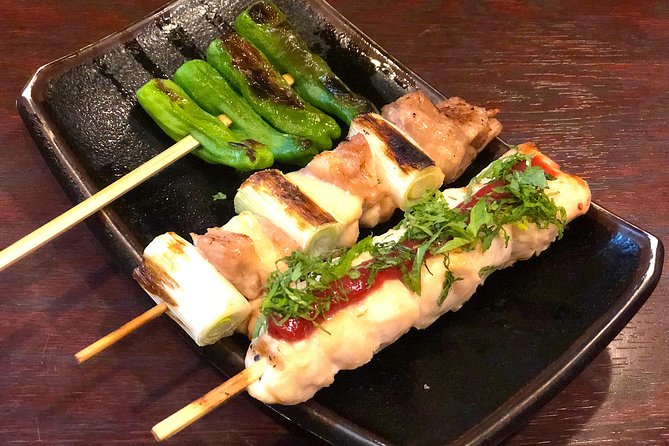
Shimbashi is not usually the first neighborhood visitors name when planning Tokyo. That is part of its appeal. The area is closely tied to the city’s salaryman culture, the weekday routine of office workers who finish work and meet colleagues for food and drinks.
The tour begins near Shimbashi Station, then uses the district as its dining room. You are not simply moving between attractions. You are watching restaurants fill, signs light up, and the local evening begin around you.
I like this setting because it gives the food a social context. Yakitori is not just grilled chicken on a stick. It is the sort of quick, shareable food that works with beer and conversation. Gyoza, sashimi, okonomiyaki, and taiyaki each show a different side of casual Japanese eating.
The tradeoff is that Shimbashi’s appeal depends on your interest in everyday city life. If you want grand temples, sweeping views, or a formal meal, this is the wrong evening. The sightseeing stops are mostly orientation points around the food route, not major attractions with extended visits.
More Hidden Gem Tours in Tokyo
- 3h Tokyo E-Bike Tour: Hidden Gems, and Local Life with guide
★ 5.0 · 670 reviews - Tokyo: Custom Hidden Gems & Highlights Tour with Local Guide
★ 4.7 · 272 reviews - Tokyo: 3-hour Guided E-Bike Tour of the City’s Hidden Gems
★ 4.8 · 251 reviews
Starting at SL Square at 4:30 pm
The meeting point is SL Square, officially Shimbashi Station West Entrance Square, at 2-chōme-7-1 Shinbashi. The steam locomotive displayed here makes the square easy to identify, though you should still allow time to find the correct station exit. Tokyo’s stations can be confusing, and Shimbashi has several lines and entrances.
Starting at 4:30 pm is smart. You begin before the main dinner rush, then move into the busiest part of the evening as the tour progresses. This timing also makes the experience feel less like a standard afternoon food walk and more like a look at Tokyo’s after-work routine.
The guide meets you here and introduces the plan. Since the group can have up to 10 people, you should get a more personal exchange than on a large bus-style food excursion. That matters when you need help with a dish, want to ask about customs, or are unsure how to eat something.
Named guides associated with this experience include Asami, Lora, and Anne. Asami and Lora have been praised for their lively approach and explanations of Japanese eating customs. Anne has also been singled out for sharing local knowledge about food and daily life. Guide assignments can change, but these examples give you a sense of the conversational style to expect.
Karasumori Jinja and the first taste of Shimbashi
Karasumori Jinja is one of the early points along the route. It gives the walk a useful contrast: a small Shimbashi shrine set among the commercial streets and restaurant lanes.
The stop is not presented as a long temple visit. Instead, it helps you see how traditional spaces fit into a modern business district. Your guide may explain local customs and manners here or while walking between restaurants, which is useful if this is your first food tour in Japan.
From a practical point of view, the early part of the walk is also when you should ask about ingredients and dietary needs. The tour is described as friendly to pescatarians and vegetarians, but not suitable for vegans or people following a gluten-free diet. If you are unsure about a dish, ask before it reaches the table.
The food begins to shape the evening quickly. You may encounter dishes such as yakitori, gyoza, sashimi, or seasonal specialties. The exact restaurant sequence can change because of restaurant schedules, public holidays, weather, and other conditions.
The New Shinbashi Building and local drinking culture
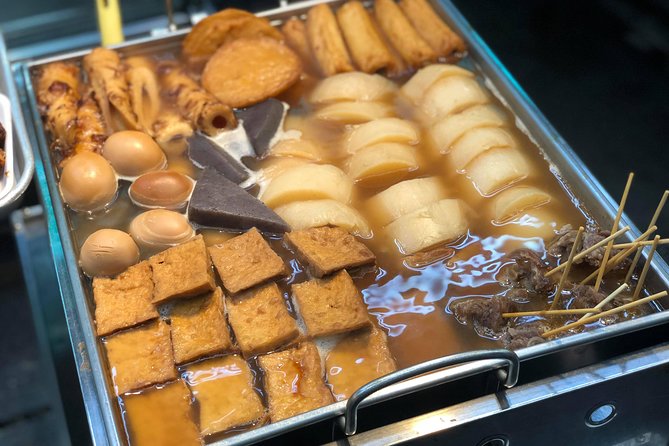
The New Shinbashi Building is another route marker with a very different feel from Tokyo’s glossy shopping complexes. The area is associated with compact casual restaurants and drinking places used by local workers.
This is where the tour’s main idea becomes clear. You are not being taken to a single restaurant chosen for a perfect tourist presentation. You are moving through the kind of neighborhood where people stop for a quick bite, order a drink, and keep the evening moving.
The food stops are meant to work together. One may feature grilled skewers, another dumplings or hot pot, and another raw seafood. Okonomiyaki adds a savory pancake-style dish, while taiyaki provides a sweet finish or a change of pace.
That variety is a real strength. You can sample several familiar Japanese foods in one evening without spending time learning how to plan the route yourself. It is also helpful if you are not ready to commit to a full meal at an unfamiliar restaurant.
Still, food consistency is the biggest question mark. Some dishes have been described as excellent, while other stops have been called disappointing. One account praised the guide but found the second and fourth food stops poor. At this price, uneven quality is a fair criticism.
More Walking Tours in Tokyo
- Tokyo Tsukiji Fish Market Food and Culture Walking Tour
★ 5.0 · 3,184 reviews - Tokyo: Imperial Palace and Shogun Historical Walking Tour
★ 5.0 · 2,251 reviews - Tokyo: Shinjuku Local Bar and Izakaya Guided Walking Tour
★ 4.9 · 1,794 reviews - Tokyo: Tsukiji Fish Market Food and Walking tour
★ 5.0 · 1,724 reviews
Five food stops, from yakitori to taiyaki
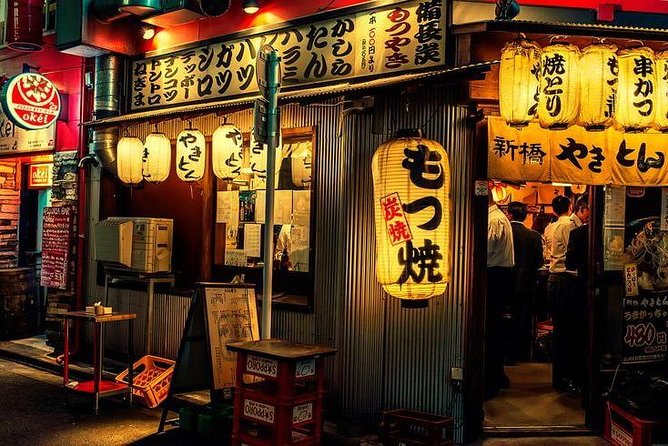
The tour includes five food stops and two drinks. That sounds generous, but portions are likely designed for tasting rather than a large dinner. You should arrive ready to eat, but do not assume the tour replaces every meal you need that day.
Yakitori is a natural fit for Shimbashi. These grilled skewers are easy to share and often pair well with beer. For a first-time visitor, the appeal is simple: you get a recognizable introduction to Japanese pub food without needing to order a full plate in an unfamiliar setting.
Gyoza may appear on its own or as gyoza nabe, dumplings served in a hot pot. The hot-pot format offers a warmer, more communal dish and gives you a break from grilled or raw foods.
Sashimi brings a fresh, uncooked element to the route. You should be open to seafood and comfortable with raw dishes. One particularly adventurous account praised the chance to try raw chicken, so you may encounter foods well outside the standard tourist menu. Ask the guide about ingredients if you have allergies or strong preferences.
Okonomiyaki is a savory Japanese pancake with a casual, filling character. It shows how Japanese comfort food can be cooked and shared in an informal setting rather than presented as a formal course.
Taiyaki, the fish-shaped pastry, provides a sweet note. It is a playful ending to a meal built around salty, savory, and raw flavors.
The key point is variety, not luxury. I would judge the food by how much it teaches you about casual Tokyo eating, not by comparing each stop with a top restaurant. Even so, the high price means you should expect competent organization and a satisfying overall spread.
The railway museum and Shiodome sights
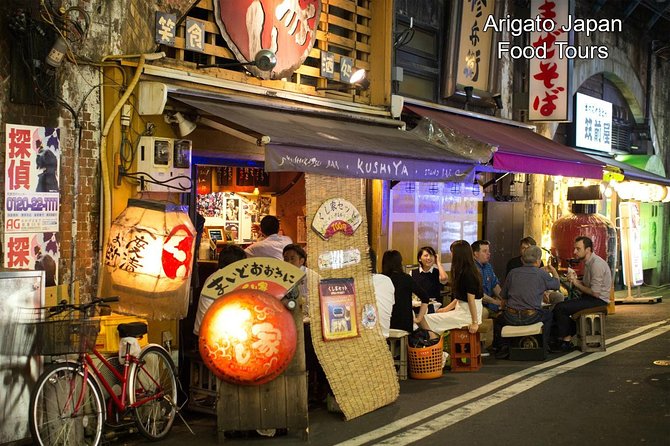
The Old Shimbashi Station Railway History Exhibition Hall and the Panasonic Shiodome Museum appear among the route points, along with the Advertising Museum Tokyo and Hamarikyu Gardens. These locations add useful landmarks to the walk, but the experience is primarily a food tour.
You should not expect a long, guided museum visit or a full tour of Hamarikyu Gardens. The route lists these places as stops, yet the three-hour schedule and five food tastings leave limited time for extended sightseeing.
The old railway station is especially relevant to Shimbashi because it connects the district with Tokyo’s transport story. Hamarikyu Gardens offers a change from the tight restaurant streets, while the museums help place the area within Tokyo’s business and cultural center.
I see these points as visual and historical pauses between meals. They make the walk more than a series of restaurant entrances, but anyone seeking detailed museum interpretation should plan a separate visit.
What the two included drinks really mean
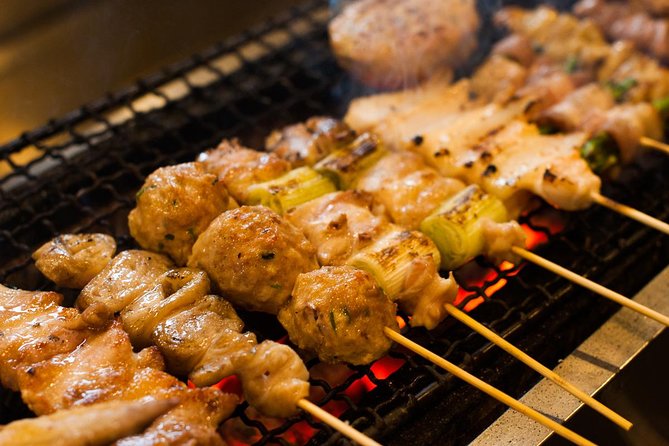
Two drinks are included, which helps explain some of the cost. The evening is built around Japanese drinking culture, so having a drink at the stops makes the experience feel more natural than eating in silence and rushing onward.
The included amount is limited. Extra drinks and food are not covered, and the tour does not include transportation, hotel pickup, or drop-off. If you like to linger over beer, sake, or another drink, your final bill can rise.
The adults-only rule is clear: all participants must be at least 20 years old. This fits the focus on drinking establishments, but it rules out families with younger children.
The tour may also offer a karaoke after-party. That is an optional add-on rather than part of the core three-hour experience. If you want a longer social evening, it may be worth asking about availability when you book.
Walking effort, group size, and meeting details
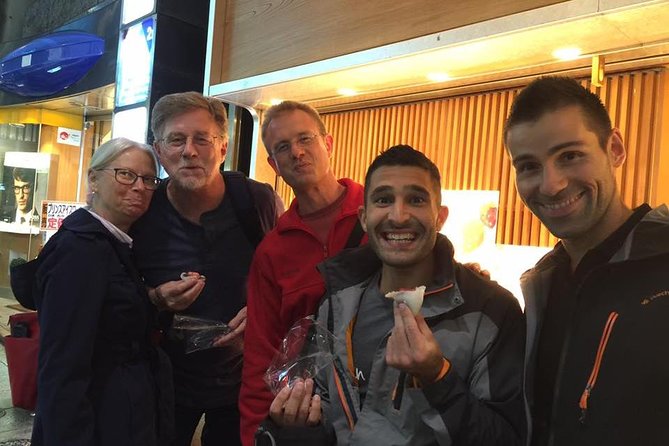
You need a moderate level of fitness. The walk includes several stops, city streets, station areas, and restaurant visits. No special hiking ability is required, but you should be comfortable standing and walking for about three hours.
The end point is JR Shimbashi Station at 2 Chome-17 Shinbashi. Finishing at a major station is useful because you can continue elsewhere in Tokyo without arranging a separate ride.
There is no hotel pickup or drop-off. Public transportation costs are also your responsibility. For a visitor staying outside Shimbashi, build in extra time to reach the starting point and check the exact station exit.
The maximum group size of 10 is one of the tour’s better features. A small party can fit into compact izakayas more easily and gives you a better chance to speak with the guide. Solo travelers should email the operator before booking, since a separate arrangement may be needed.
Schedule changes are possible. Restaurants may close or change their hours, public holidays can affect the route, and weather may force substitutions. You should view the five stops as a planned style of experience rather than a guarantee of five specific venues.
Is $217 a fair price?
At $217 per person, this is an expensive food walk. The package includes a local English-speaking guide, five food stops, and two drinks. It also saves you the work of finding small establishments, ordering across language barriers, and deciding which dishes to try.
The value depends on what you want from the evening. If you mainly want dinner, you can eat in Shimbashi for much less. If you want a guide to explain manners, introduce unfamiliar dishes, and lead you through local drinking streets, the fee becomes easier to defend.
I would be cautious if your priority is quantity. Five tastings may not equal a full meal, and extra drinks or food are separate expenses. The uneven reports about individual stops make the price harder to justify for anyone expecting every dish to be outstanding.
The strongest value is cultural and practical. You get a planned route through a district that many visitors overlook, plus a guide who can explain how the food fits into Japanese social life. That is useful on a first Tokyo visit, especially if you would otherwise stay close to major tourist areas.
Who should book this Shimbashi evening?
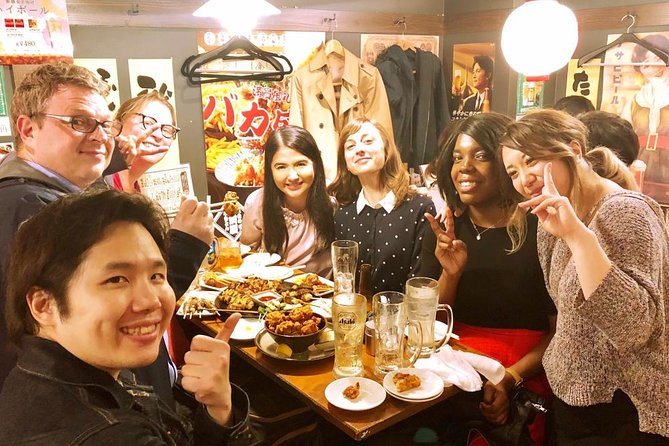
I would recommend it to adults who enjoy trying unfamiliar food, like walking tours, and want a social introduction to Tokyo’s casual dining scene. It is also a good fit if you are curious about salaryman culture but do not feel confident entering small izakayas alone.
Pescatarians and vegetarians may be able to participate, though you should confirm your needs in advance. The tour is not recommended for vegans or people avoiding gluten.
I would skip it if you want a quiet, elegant dinner, need strict dietary control, or dislike raw foods. I would also think twice about the price if you are comfortable navigating restaurants independently.
The tour has a 4.8 rating and a 97 percent recommendation rate from 106 ratings, which suggests strong overall satisfaction. That should not erase the quality concern: the guide experience is often the highlight, while the food can be uneven.
Cancellation and weather considerations
Free cancellation is available until 24 hours before the 4:30 pm start time. Cancellations made inside that window are not refunded, and late changes are not accepted.
The tour requires good weather. If poor conditions cancel it, you can choose another date or receive a full refund. A minimum number of participants is also required, and a cancellation for that reason brings the choice of another date or experience, or a full refund.
Should you book the Shimbashi Hidden Gem Walking Tour?
Book it if you want a guided evening among local-style drinking spots, enjoy sampling several Japanese dishes, and value conversation and cultural explanation over a cheap dinner. The small group, two drinks, and strong guide feedback make the experience appealing for first-time visitors who want a confident introduction to Shimbashi.
Do not book it expecting a flawless restaurant crawl or a full sightseeing tour. At $217, the food needs to be judged as part of a guided cultural evening, not as five separate restaurant meals. For adventurous adults with flexible diets, it can be a memorable way to spend an evening. For careful eaters or budget-minded diners, exploring Shimbashi on your own is likely the better choice.
FAQ
How long is the Shimbashi Hidden Gem Walking Tour?
The tour lasts approximately three hours.
What time does the tour start?
It starts at 4:30 pm local time.
Where does the tour begin?
The meeting point is SL Square, also called Shimbashi Station West Entrance Square, at 2-chōme-7-1 Shinbashi, Minato City, Tokyo 105-0004, Japan.
Where does the tour end?
The tour ends at JR Shimbashi Station, at 2 Chome-17 Shinbashi, Minato City, Tokyo 105-0004, Japan.
How many food stops are included?
Five food stops with local and seasonal dishes are included.
Are drinks included?
Two drinks are included. Additional drinks and food cost extra.
Is the tour suitable for vegetarians and vegans?
The tour is described as vegetarian and pescatarian friendly. It is not recommended for vegans or people following a gluten-free diet.
Just added around Tokyo
- Tokyo Small Group Tour with Guide★ 4.5 · 38 reviews
- Tokyo 6hr Instagram Highlights Private Tour with Licensed Guide★ 5.0 · 38 reviews
- Tokyo Sumo Experience with Live Show & Audience Challenge★ 5.0 · 38 reviews
- Very popular in Harajuku♡Animal petting zoo★ 4.6 · 39 reviews
- Japanese Food Cooking Class in Asakusa, Tokyo★ 5.0 · 39 reviews
- Ramen Making from Scratch with Tokyo Mom(Vegan Option Available)★ 5.0 · 39 reviews
- Tokyo: Kimono Rental inside Shinjuku Gyoen National Garden★ 4.9 · 39 reviews
- Tokyo JDM Night: 600hp C63s AMG Edition 1 (Private)★ 4.9 · 39 reviews
Walking Tours, compared.
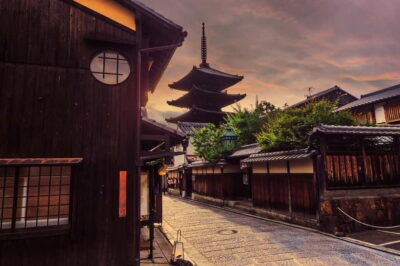
Kyoto Geisha Walking Tour: Gion District & Hidden Gems
Read our review →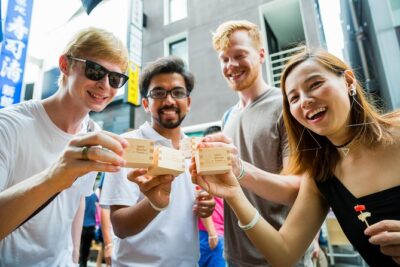
Tokyo Tsukiji Fish Market Food and Culture Walking Tour
Read our review →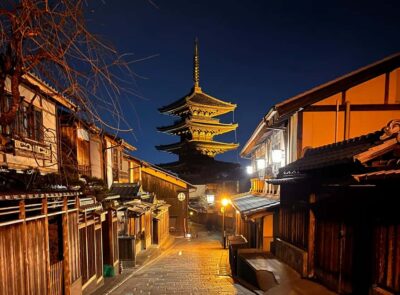
Gion Magical Night Walking Tour with Geisha Trivia
Read our review →
Imperial Palace and Shogun Historical Walking Tour
Read our review →
Gion Geisha District Walking Tour – Stories of Geisha
Read our review →

Shinjuku Local Bar and Izakaya Guided Walking Tour
Read our review →
Browse the lists this tour appears in