
Reviewed · WALKING TOURS
Tokyo: Dark Side of Tokyo Shinjuku Red Light Walking Tour
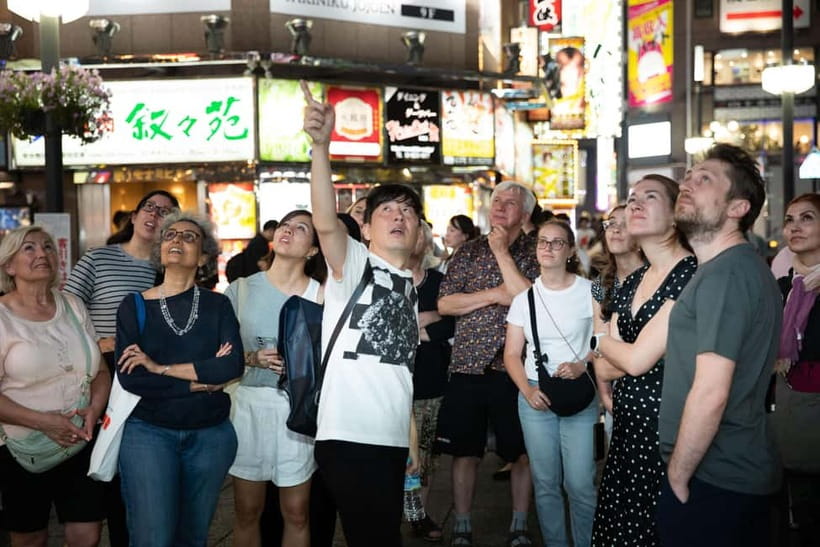
Neon Tokyo tells only half the story. This two-hour walk through Shinjuku moves from smoky food alleys to Kabukicho’s red-light streets, tiny Golden Gai bars, Hanazono Shrine, and the LGBTQ district of Ni-chome. I like the way it explains what you are seeing instead of simply leading you past bright signs. I also like the practical food and drink advice, which can help you make better plans after the walk.
The main drawback is the meeting point. Shinjuku Station is enormous, and the East Exit area can be confusing, especially on your first day in Japan. You need to arrive early, follow the meeting instructions closely, and expect no late start for stragglers.
In This Review
- Key points before you book
- What this Shinjuku night walk is really about
- Meeting at one of Tokyo’s hardest stations
- Omoide Yokocho: a narrow start with plenty of atmosphere
- Kabukicho: reading the signs and the street life
- Golden Gai: tiny bars and a very different Tokyo
- Hanazono Shrine: a traditional pause in the neon
- Ni-chome and the LGBTQ side of Shinjuku
- The guides make the difference
- How much ground do you cover?
- Food advice is part of the value
- Who should book this tour?
- Should you book the Shinjuku Red Light Walking Tour?
- FAQ
- How long does the Tokyo Shinjuku Red Light Walking Tour last?
- How much does the tour cost?
- Where does the tour meet?
- Is the meeting point easy to find?
- Does the guide speak English?
- Which areas does the tour visit?
- Does the tour include food or drinks?
- Can children join the tour?
- Can I cancel or pay later?
Key points before you book
- Omoide Yokocho in 20 minutes: See one of Shinjuku’s best-known narrow food lanes and learn how it fits into the district’s past.
- Kabukicho after sunset: Walk through Tokyo’s largest entertainment district, with explanations of bars, clubs, signs, and street life.
- Golden Gai’s tiny bar streets: Get context for one of Shinjuku’s most unusual nightlife areas without having to enter a bar.
- Hanazono Shrine amid the neon: See a traditional Shinto site tucked beside the entertainment zone.
- Ni-chome’s LGBTQ district: Learn about a different side of Shinjuku nightlife and the area’s place in modern Tokyo.
- Strong guide focus: Guides such as Loc, Dani, Gray, Huy, Paulina, Danny, and Shota have been praised for humor, clear explanations, cultural context, and restaurant tips.
What this Shinjuku night walk is really about
This is not a bar crawl, a food tour, or a tour of adult venues. It is a guided look at how Tokyo’s nightlife works, how Shinjuku developed, and how traditional customs sit beside neon entertainment.
The word dark refers to the less polished side of the district. You will hear about its red-light past, adult businesses, drinking culture, nightlife customs, and the parts of Japanese society that are easy to miss on a daytime sightseeing route. The tour does not require alcohol or drugs, and neither is allowed.
At $29 per person, the price is modest for a two-hour guided walk in central Tokyo. The value comes from orientation and explanation. Shinjuku can feel like a wall of signs, station exits, alleys, and crowds. A good guide gives you a map in your head, points out places you might otherwise pass, and helps you decide where to return later.
I would think of it as a starter kit for Shinjuku after dark. You see several districts in one evening, then use the guide’s restaurant and bar suggestions to shape the rest of your night.
More Walking Tours in Tokyo
- Tokyo Tsukiji Fish Market Food and Culture Walking Tour
★ 5.0 · 3,184 reviews - Tokyo: Imperial Palace and Shogun Historical Walking Tour
★ 5.0 · 2,251 reviews - Tokyo: Shinjuku Local Bar and Izakaya Guided Walking Tour
★ 4.9 · 1,794 reviews
Meeting at one of Tokyo’s hardest stations
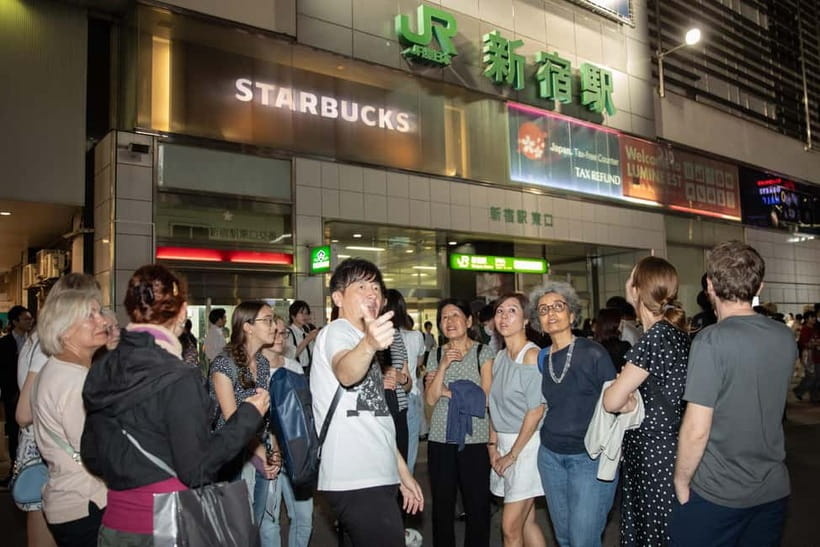
You can meet at either the Shinjuku Tourist Information Center or the police box at Shinjuku Station’s East Exit, depending on the option you choose. The exact meeting place matters here.
Shinjuku Station is one of the largest and busiest rail stations in the world. The East Exit area has many people, signs, tour groups, and companies gathering in nearby spots. One person specifically found the meeting point confusing because several groups were meeting in the same general area.
I suggest arriving with extra time. Do not leave your hotel at the listed meeting time. Give yourself enough time to find the correct exit, locate the information center or police box, and identify your guide. The tour does not wait for late arrivals, and this is one place where five or ten extra minutes can save a lot of stress.
The walk is offered in English and Spanish. Since the group may include people from different countries, the social side can be part of the appeal. Several guides have been praised for keeping conversation open and making it easy to ask questions.
Omoide Yokocho: a narrow start with plenty of atmosphere
The first major stop is Omoide Yokocho, a compact lane near Shinjuku Station filled with small eateries and old-style drinking spots. The name is often translated as Memory Lane, though it has also carried a less polished nickname tied to its earlier food-stall culture.
You will spend about 20 minutes here with the guide. That is enough time to understand the layout, see how tightly packed the restaurants are, and take photographs without turning the stop into a meal.
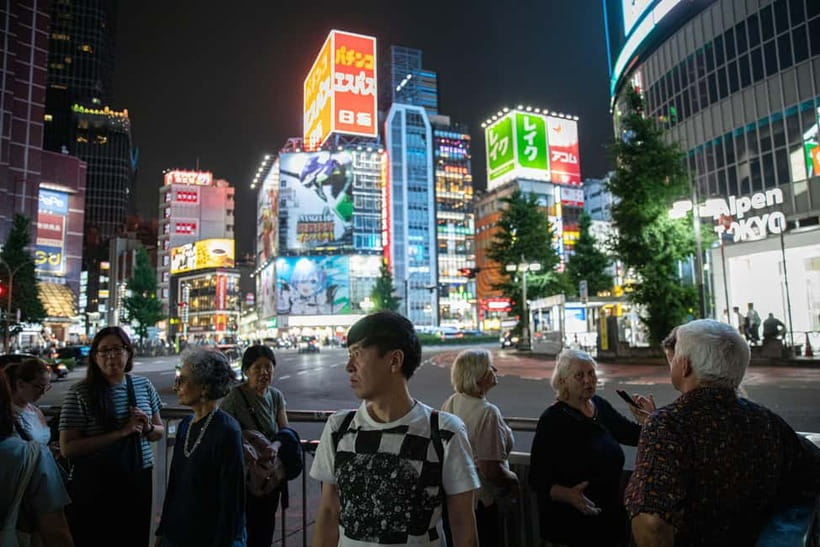
I like this part because it gives you a quick contrast with the huge station and office towers nearby. Shinjuku is not only giant screens and high-rise buildings. In a few steps, you can move into a lane where the scale becomes human and the food counters feel close to the street.
The tour does not include food, so treat Omoide Yokocho as an introduction rather than a tasting stop. Your guide may suggest places to eat later. Guides Dani, Loc, and Danny were particularly praised for restaurant recommendations, including ramen and okonomiyaki suggestions.
Kabukicho: reading the signs and the street life
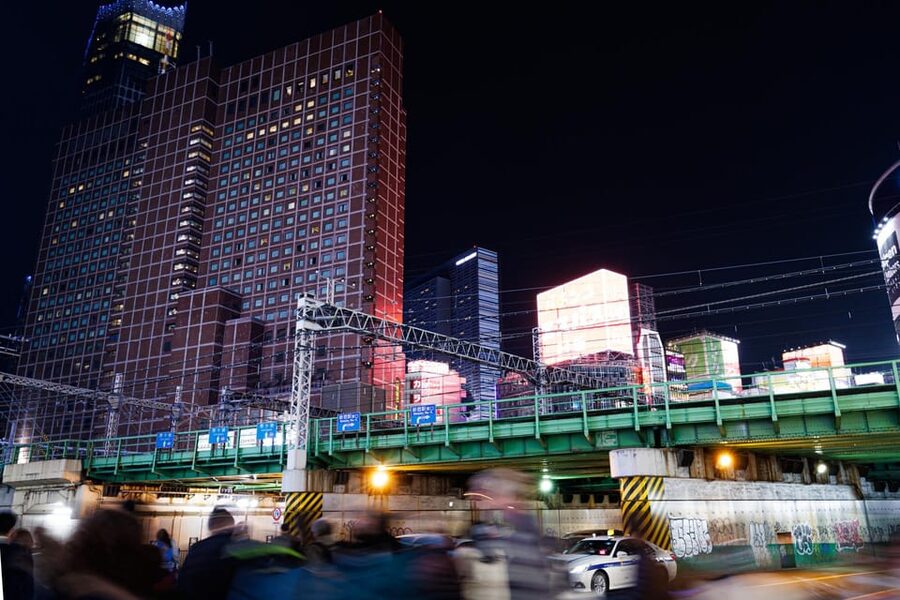
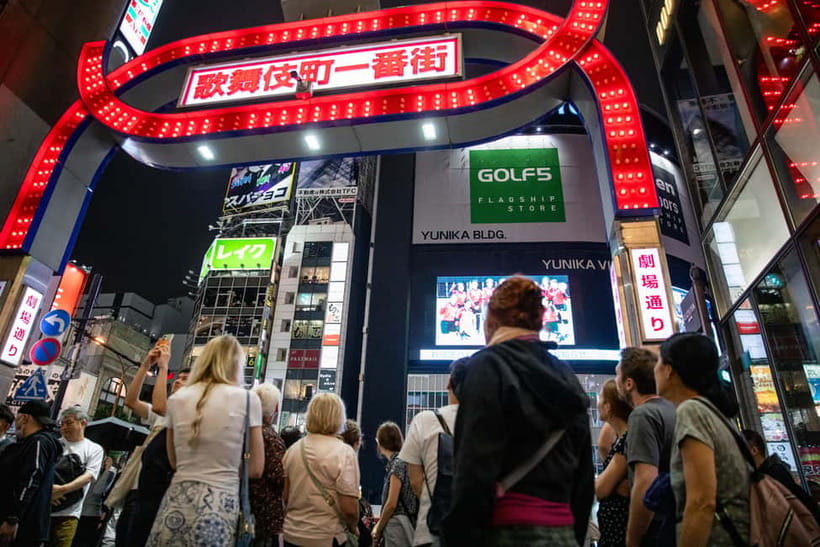
Kabukicho receives the longest section of the walk, about 40 minutes. That makes sense. This is the center of Shinjuku’s nightlife, with bars, izakayas, clubs, entertainment venues, large complexes, and the famous glow of neon signs.
The guide helps you interpret the district instead of treating it as a strange spectacle. You will learn how Kabukicho changed from a red-light district into a broader entertainment center. That change is important because the area is not one thing. It contains many kinds of nightlife, and the signs and storefronts do not always tell you exactly what a business offers.
This is also where the tour’s cultural value is strongest. A solo visitor can walk through Kabukicho and see the colors, crowds, and buildings, but may not understand the social rules or the history behind the area. A guide can explain what is ordinary, what deserves caution, and how the district fits into Japanese city life.
The setting is visually impressive, but you should not expect a private look inside every venue. The tour is a street-level walk. You pass bars and entertainment businesses, listen to explanations, and see the area in operation. It is better for context than for access.
Several guides have made this portion especially effective through storytelling and humor. Loc was praised for his stories about the district, while Huy, Gray, and Dani were noted for answering questions and adding details that are hard to pick up from a quick internet search.
A completely different kind of day out in Tokyo:
- Mt Fuji and Hakone 1-Day Bus Tour Return by Bullet Train
★ 5.0 · 26,383 reviews - 1-Day Tokyo Bus Tour
★ 5.0 · 14,250 reviews - Tokyo: TOKYO SKYTREE® Admission ticket
★ 4.5 · 11,192 reviews - Tokyo: teamLab Planets TOKYO Digital Art Museum Entry Ticket
★ 4.6 · 9,779 reviews
Golden Gai: tiny bars and a very different Tokyo
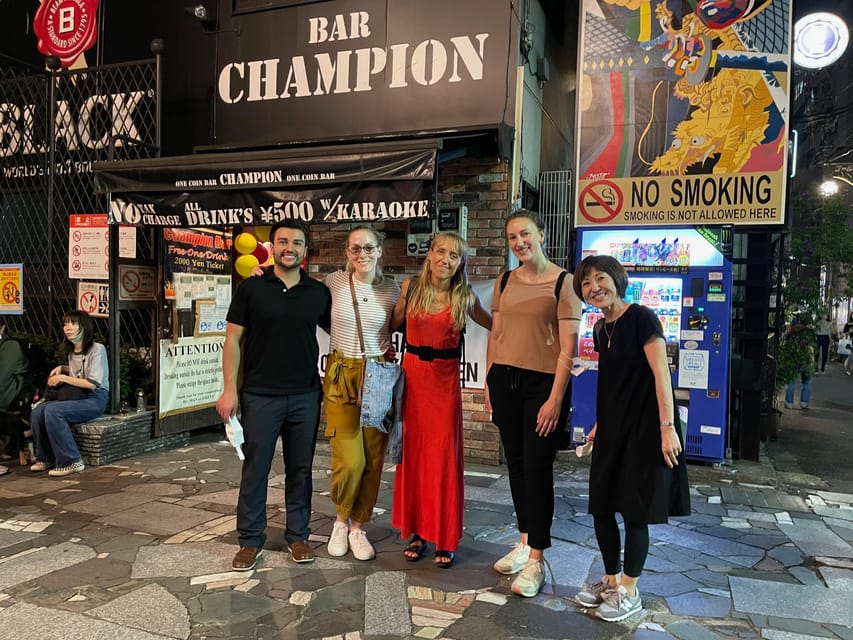
Golden Gai gets about 20 minutes. This cluster of narrow lanes is famous for its small bars, many with only a handful of seats. The buildings and passageways feel far removed from the broad roads and tall towers of modern Shinjuku.
The guide explains how the area works and what makes it different from a standard nightlife street. You will likely walk past the doors rather than settle in for a drink. Alcohol is not allowed as part of the tour rules, so this is an observation and orientation stop, not a pub visit.
That limitation is worth understanding before booking. If you want a night of drinking in Golden Gai, this is not the right product. If you want to know where Golden Gai is, how its tiny bars differ from larger venues, and how to return later with more confidence, the stop is useful.
The timing also keeps the evening moving. Twenty minutes is enough for a first look, though you may wish you had longer if photography is your main goal. The tour ends near Golden Gai, so you can return afterward if you want to explore at your own pace.
Hanazono Shrine: a traditional pause in the neon
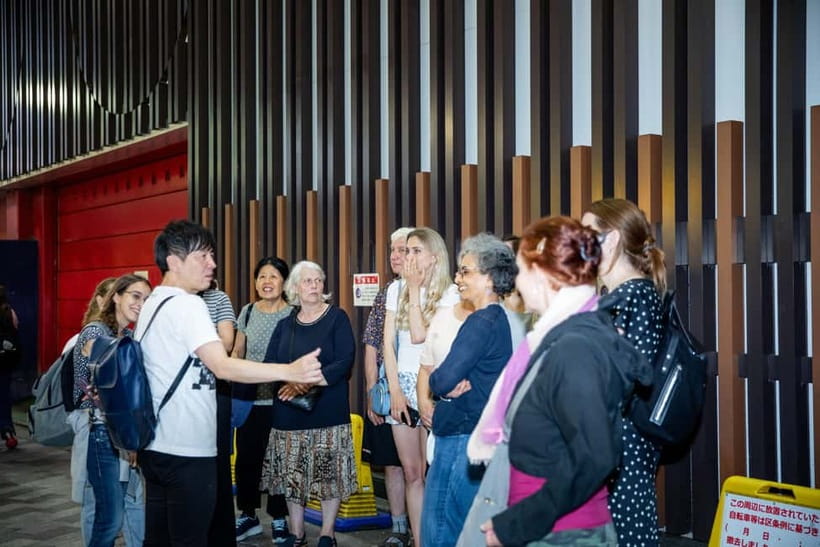
Hanazono Shrine is the tour’s clearest reminder that Tokyo’s old and new sides share the same few blocks. The shrine sits close to Shinjuku’s entertainment areas, yet it offers a calmer traditional setting.
You receive about 20 minutes of guided explanation here. The value is not only the shrine itself, but the contrast. After walking among bright signs, bars, and entertainment buildings, you see a place connected to Japanese religious tradition and local community life.
The stop keeps the tour from becoming a simple red-light district tour. It places Kabukicho in a larger setting, where modern nightlife exists beside older customs and sacred spaces. If you are interested in how Tokyo combines different eras without separating them into neat zones, this is an important part of the route.
As always at a religious site, follow the guide’s instructions and behave respectfully. The supplied information does not promise a formal ceremony or special access, so expect a short cultural visit rather than an event.
Ni-chome and the LGBTQ side of Shinjuku
The final major stop is 2 Chome, usually called Shinjuku Ni-chome. The tour presents it as an LGBTQ district, adding another layer to Shinjuku’s nightlife.
You spend about 20 minutes here learning about the area and its entertainment culture. This makes the route broader than a tour focused only on Kabukicho’s adult businesses. Ni-chome shows how different communities and nightlife scenes occupy nearby parts of the same city district.
The tone and detail may depend on your guide, so this is a good place to ask respectful questions. The tour is designed for adults, and children under 18 are not permitted. That age rule fits the subject matter and the late-night setting.
The walk then finishes at one of two drop-off points: Shinjuku Golden-Gai or 3 Chome. It does not return you to the original meeting point, so plan your evening with the ending in mind. The central finish is convenient if you want to continue eating or walking, but it also means you should know how you plan to get back to your accommodation.
The guides make the difference
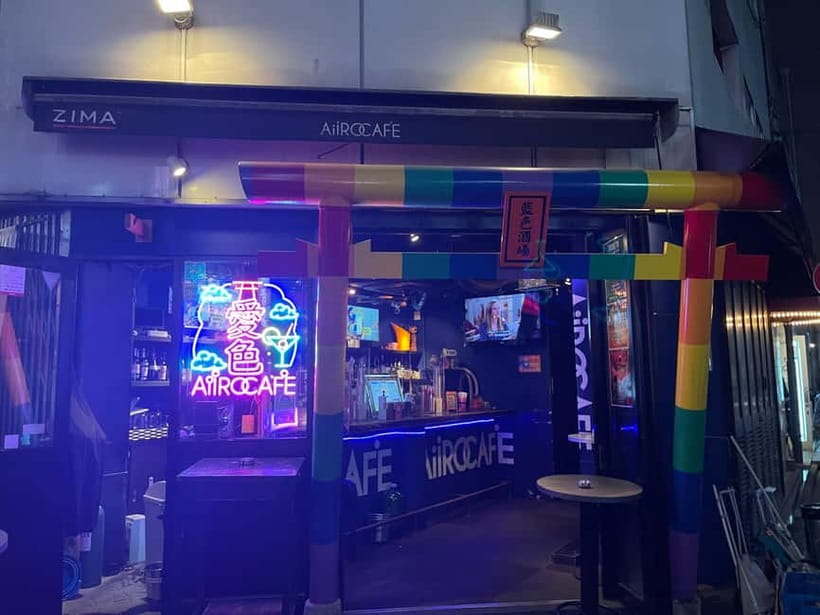
The strongest part of this tour is the guide. The route is good, but a weak guide could reduce it to pointing at signs. The guide names that appear most often in the supplied comments include Dani or Dany, Loc, Gray, Huy, Paulina, Danny, Shota, and Daichi.
The praise is consistent in a few areas:
- Clear explanations of Shinjuku’s past and present
- Friendly humor that keeps the walk relaxed
- Patience with questions
- Useful restaurant and ramen suggestions
- Help understanding Japanese customs and nightlife
- A reassuring approach to walking through the red-light district
Loc is described as a strong storyteller who gave excellent food advice. Dani was praised for connecting Shinjuku’s streets with modern Japanese culture and society. Gray received praise for humor, clear communication, and cultural background. Paulina was noted for keeping the busy district easy to understand.
Guide quality can vary on any scheduled tour, but this experience appears to place real weight on personality and explanation. That matters because the subject is sensitive. You want someone who can discuss adult entertainment and social customs without turning the walk into cheap shock value.
How much ground do you cover?
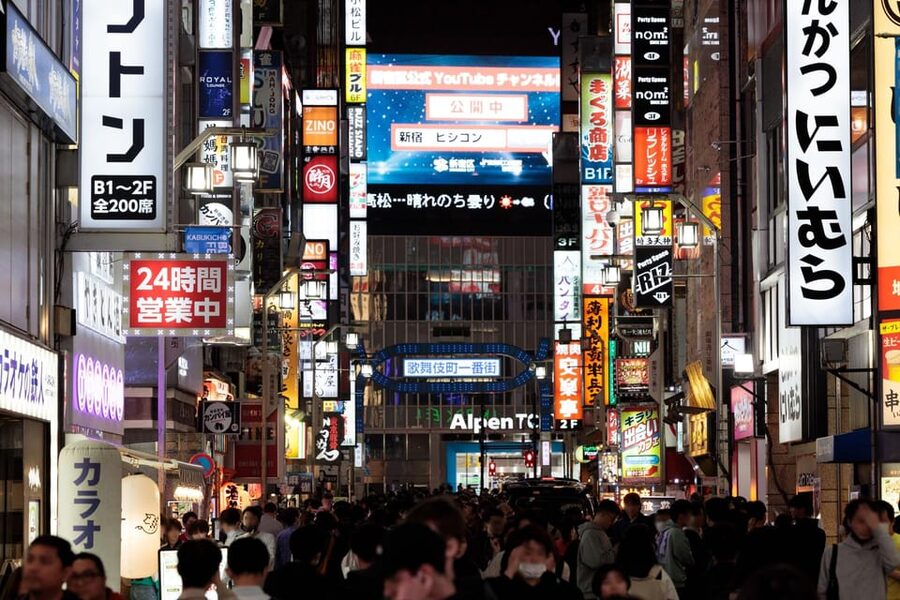
The published duration is two hours, with roughly 10 minutes at the starting area, 20 minutes in Omoide Yokocho, 40 minutes in Kabukicho, 20 minutes in Golden Gai, 20 minutes at Hanazono Shrine, and 20 minutes in Ni-chome.
That adds up to a brisk route with frequent stops. You should wear comfortable shoes and expect to walk on crowded streets and through narrow lanes. The provided information does not state the walking distance or group size, although one booking had a group of seven and described the size as comfortable.
Do not expect long free periods at each location. The purpose is to cover several parts of Shinjuku and explain how they connect. If you prefer slow photography, extended meals, or time inside venues, you will need to continue exploring after the tour.
The evening timing is a strength. Kabukicho and Golden Gai make more sense after sunset, when signs are lit and the nightlife areas are active. The exact start times vary, so check availability for your chosen date.
Food advice is part of the value
No meal is included, but food recommendations are one of the practical benefits of the walk. Guides have suggested ramen and okonomiyaki restaurants, and some people continued to eat together after the tour.
That advice can be worth more than a generic restaurant list because it comes after seeing the district in person. You can ask about the area you just walked through, the kind of meal you want, and where to return after the group separates.
Keep your expectations clear: this is not a tasting tour. You pay $29 for guiding and interpretation, not dinner. If you want a meal included, choose a food-focused experience instead.
Who should book this tour?
I would recommend it to adults visiting Tokyo for the first time, especially if you want to understand Shinjuku before exploring it alone. It also suits anyone curious about modern Japanese nightlife, LGBTQ districts, red-light areas, food alleys, and the contrast between tradition and city entertainment.
It is a good choice for solo visitors because the group setting offers company and a safe-feeling introduction to an unfamiliar area. Couples and friends can use it as an orientation walk before choosing their own bar or restaurant later.
I would skip it if you dislike crowded streets, adult themes, or walking through nightlife districts. It is also a poor fit for anyone under 18, since children are not permitted. And if your main goal is drinking, club entry, or eating at several locations, choose a different tour.
The cancellation terms are friendly: you can cancel up to 24 hours ahead for a full refund, and you can reserve now and pay later. That flexibility is useful when Tokyo plans are still shifting.
Should you book the Shinjuku Red Light Walking Tour?
Yes, if you want a short, affordable introduction to the parts of Shinjuku that are easiest to misunderstand. At $29, the tour offers good value through its range of stops, local explanations, and food suggestions.
Book it early in your Tokyo stay if possible. The route can help you get your bearings, choose restaurants, and decide which areas deserve a second visit. Just arrive well before the meeting time, confirm the correct starting location, and remember that this is a guided street walk, not a drinking tour.
FAQ
How long does the Tokyo Shinjuku Red Light Walking Tour last?
The tour lasts two hours. Starting times vary, so check availability for your selected date.
How much does the tour cost?
The listed price is $29 per person.
Where does the tour meet?
The meeting point may be either the Shinjuku Tourist Information Center or the police box at Shinjuku Station’s East Exit, depending on the option booked.
Is the meeting point easy to find?
No. Shinjuku Station is very large, and the East Exit area can be confusing. Arrive early and follow the meeting instructions carefully.
Does the guide speak English?
Yes. The tour is offered with a live guide in English or Spanish.
Which areas does the tour visit?
The route includes Shinjuku Station’s East Exit area, Omoide Yokocho, Kabukicho, Golden Gai, Hanazono Shrine, and Shinjuku 2 Chome.
Does the tour include food or drinks?
No food or drinks are listed as included. Guides may provide restaurant and bar recommendations, but the tour itself is not a meal or tasting experience.
Can children join the tour?
No. The tour is not suitable for children under 18.
Can I cancel or pay later?
You can cancel up to 24 hours in advance for a full refund. You can also reserve now and pay later.
Just added around Tokyo
- Tokyo 6hr Instagram Highlights Private Tour with Licensed Guide★ 5.0 · 38 reviews
- Tokyo Small Group Tour with Guide★ 4.5 · 38 reviews
- Tokyo Sumo Experience with Live Show & Audience Challenge★ 5.0 · 38 reviews
- Japanese Food Cooking Class in Asakusa, Tokyo★ 5.0 · 39 reviews
- Very popular in Harajuku♡Animal petting zoo★ 4.6 · 39 reviews
- Ramen Making from Scratch with Tokyo Mom(Vegan Option Available)★ 5.0 · 39 reviews
- Tokyo JDM Night: 600hp C63s AMG Edition 1 (Private)★ 4.9 · 39 reviews
- Tokyo: Kimono Rental inside Shinjuku Gyoen National Garden★ 4.9 · 39 reviews
Walking Tours, compared.
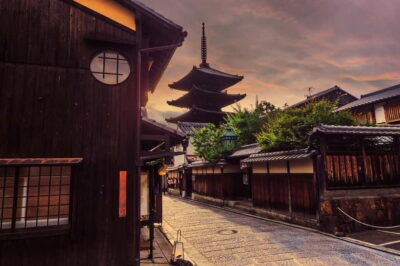
Kyoto Geisha Walking Tour: Gion District & Hidden Gems
Read our review →
Tokyo Tsukiji Fish Market Food and Culture Walking Tour
Read our review →
Gion Magical Night Walking Tour with Geisha Trivia
Read our review →
Imperial Palace and Shogun Historical Walking Tour
Read our review →
Gion Geisha District Walking Tour – Stories of Geisha
Read our review →
Shinjuku Local Bar and Izakaya Guided Walking Tour
Read our review →
Browse the lists this tour appears in