
Reviewed · WALKING TOURS
Tokyo: Imperial Palace and Shogun Walking Tour
Power still lingers in the stones. This two-hour walk through Tokyo’s Imperial Palace East Gardens connects Edo Castle’s former power center with quiet ponds, clipped trees, and the remains of the Tokugawa shoguns’ stronghold. I like the clear link between Japan’s feudal past and modern Tokyo, and I like that the tour costs only $16 per person. The main consideration is that you spend the visit outdoors, so rain, heat, or cold can affect the experience.
I also like the route’s sensible pace. You see major gates, guardhouses, a watchtower, the old castle tower base, and Ninomaru Garden without trying to cover the entire palace grounds. A good guide makes a major difference here. Tony, Blake, Jim, Embla, Miguel, Dylan, and several others have received strong praise for clear explanations, friendly conversation, and useful Tokyo tips.
In This Review
- What makes this walk worth your two hours
- Meeting at Wadakura Fountain Park
- Ote-Mon Gate shows how Edo Castle controlled access
- The Imperial Palace stop adds modern context
- Hyakunin Bansho Guardhouse makes the hierarchy visible
- Fujimi-yagura connects defense with a wide view
- The East Gardens reveal the castle beneath the gardens
- Ninomaru Garden is the quiet reward
- The guide determines how much you take away
- What the pace and access mean for you
- Why $16 is a good use of your Tokyo budget
- Who should book this Imperial Palace walk?
- Should you book it?
- FAQ
- Where does the Tokyo Imperial Palace and Shogun Walking Tour begin?
- Where does the tour finish?
- How long does the tour last?
- How much does the tour cost?
- What language is the tour offered in?
- Does the tour visit the Imperial Palace East Gardens?
- Will I see the old Edo Castle site?
- Will I see koi fish?
- Is the activity wheelchair accessible?
- Can I cancel for a full refund?
What makes this walk worth your two hours
- Edo Castle was once the Tokugawa shogunate’s seat of power, and the surviving walls and foundations let you read that political story from the ground up.
- Ninomaru Garden offers a calm change of mood, with seasonal planting, ponds, and koi inside a busy capital city.
- The huge stone walls are part of the lesson, not just scenery. Your guide explains how gates, moats, guard posts, and foundations worked together.
- The route includes the Hyakunin Bansho Guardhouse, a useful stop for understanding how access to the castle was controlled.
- The $16 price is strong value if you want context rather than a self-guided stroll past unexplained ruins.
- English is the only listed tour language, and the activity is described as wheelchair accessible.
Meeting at Wadakura Fountain Park

The tour begins in front of Starbucks at Kokyo Gaien Wadakura Fountain Park, near coordinates 35.6830391, 139.7614181. This is a practical starting point because the route begins outside the main East Gardens area and then moves toward the historic entrances.
Give yourself enough time to find the meeting point. Tokyo’s palace district is broad, and a familiar café is easier to identify than a particular tree, wall, or gate. You return to the same Starbucks after the walk, which makes the outing easy to fit between other plans.
The tour lasts two hours. That is long enough for proper explanation, but short enough to pair with another central Tokyo activity. I would place it early in your Tokyo visit if you want a basic framework for the city’s political past. Several guides also offer suggestions for nearby food and other places to visit, which can help you plan the rest of your day.
More Walking Tours in Tokyo
- Tokyo Tsukiji Fish Market Food and Culture Walking Tour
★ 5.0 · 3,184 reviews - Tokyo: Imperial Palace and Shogun Historical Walking Tour
★ 5.0 · 2,251 reviews - Tokyo: Shinjuku Local Bar and Izakaya Guided Walking Tour
★ 4.9 · 1,794 reviews
Ote-Mon Gate shows how Edo Castle controlled access
Ote-Mon Gate is the first major stop, with about 10 minutes of guided explanation. It is not simply an entrance for photographs. It introduces the defensive logic of Edo Castle, where entry was managed through gates, walls, moats, and guarded passageways.
This is where a guide earns the modest tour price. On your own, you can admire the masonry, but you may not understand why the route bends, why openings are placed where they are, or how a castle complex could protect its inner areas. Your guide gives the stonework a purpose.
The stop is brief, so expect an overview rather than a long architectural lecture. That suits the tour’s pace. You get the basic idea, then continue before the information becomes heavy.
The Imperial Palace stop adds modern context

The next stop is listed as Tokyo Imperial Palace, with about 15 minutes of guided touring. The key point is the contrast between the palace’s present role and the site’s earlier role as Edo Castle.
This part helps explain the change from Tokugawa rule to modern Japan. The palace grounds are not only a pretty central park. They sit at the heart of the country’s political story, with the old castle site connected to the imperial household and the modern capital around it.
Do not expect this walk to function as an interior palace visit. The experience focuses on the East Gardens, historic remains, gates, and outdoor spaces. If you want elaborate palace rooms or a museum collection, you will need a different activity. If you want to understand the setting and its importance, this stop does the job.
Hyakunin Bansho Guardhouse makes the hierarchy visible
The Hyakunin Bansho Guardhouse receives about 10 minutes. This is one of the more useful stops for anyone trying to picture daily life inside a powerful castle.
The name points to a guardhouse associated with a large number of guards, and the stop gives the guide a natural opening to explain control, rank, and movement through the castle grounds. Instead of treating Edo Castle as a collection of beautiful stones, the tour shows it as a working center of government and military authority.
I particularly like this kind of stop because it makes history concrete. A castle was not only a residence for rulers. It was also a place where officials, guards, servants, and visitors were carefully organized.
A completely different kind of day out in Tokyo:
- Mt Fuji and Hakone 1-Day Bus Tour Return by Bullet Train
★ 5.0 · 26,383 reviews - 1-Day Tokyo Bus Tour
★ 5.0 · 14,250 reviews - Tokyo: TOKYO SKYTREE® Admission ticket
★ 4.5 · 11,192 reviews - Tokyo: teamLab Planets TOKYO Digital Art Museum Entry Ticket
★ 4.6 · 9,779 reviews
Fujimi-yagura connects defense with a wide view
The Fujimi-yagura watchtower is scheduled for about 15 minutes of sightseeing and explanation. A yagura served as a lookout and defensive structure, and the surviving form helps you understand how the castle watched over its approaches.
The name is also a reminder that defensive buildings could have a visual role. From an elevated structure, you could look across the surrounding area, while the building itself added strength to the castle’s inner defenses.
This stop may appeal most to people who enjoy architecture and military design. If your main interest is flowers, it is less likely to be the highlight. The tour works well because it does not stay only with gardens. It keeps switching between natural beauty, defensive construction, and political history.
The East Gardens reveal the castle beneath the gardens
The Imperial Palace East Gardens receive about 30 minutes, and this is where the walk settles into its main rhythm. You move through a peaceful public garden while your guide points out the remains of the old castle complex.
The attraction is the layering. Modern Tokyo is close by, but inside the gardens you see stone foundations, moats, gates, and carefully arranged plantings. The quiet setting can make the old power center feel surprisingly distant from the city around it.
The castle tower base is one of the most important sights. The tower itself is gone, but the massive foundation gives you a sense of scale and ambition. This is the place to look closely at the stonework rather than simply taking a quick picture and moving on.
Your guide can also help you separate what belongs to Edo Castle from what belongs to later garden design. Without that explanation, the site can look like a pleasant park with scattered ruins. With context, each wall and foundation becomes part of a larger plan.
A short break may be possible during the walk. One recent account describes time to sit and buy a drink from a vending machine, which is useful on a warm or tiring day. Treat this as a practical feature of the pace rather than a guaranteed formal break.
Ninomaru Garden is the quiet reward
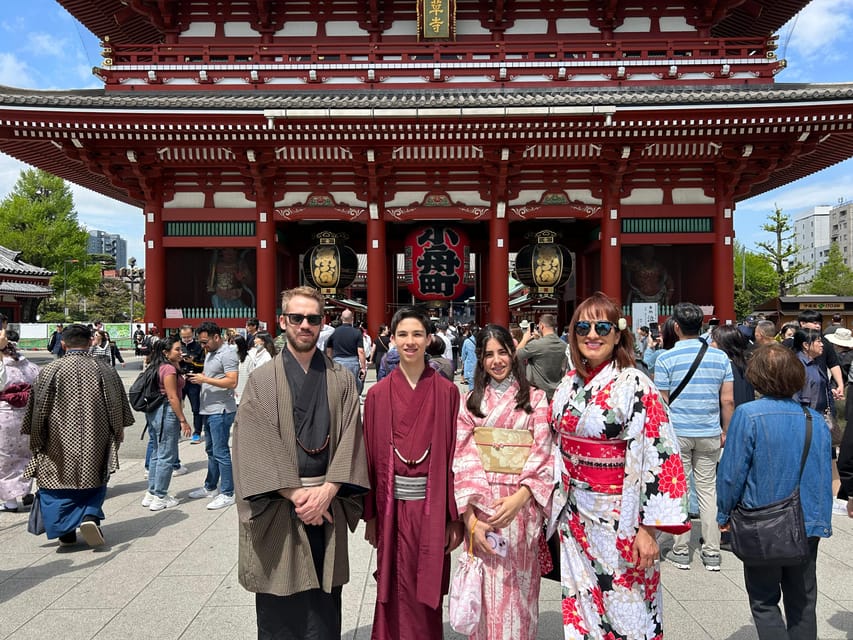
The final major stop is Ninomaru Garden, with about 30 minutes. This is likely to be the most relaxing part of the tour.
Ninomaru Garden was connected to the shogun’s inner castle area, and today it offers ponds, seasonal plants, shaped trees, and koi. The fish moving through the water provide an easy pause after the heavier stone walls and political stories.
The garden’s beauty changes with the season. You might find spring flowers, summer greenery, autumn color, or a more spare winter appearance. The exact look depends on your date, but the garden remains worthwhile because it shows how controlled beauty formed part of the castle world.
I like the balance here. The tour does not treat Japanese gardens as decoration without meaning, but it also does not turn every view into a lecture. You have time to look, take photographs, and notice the koi while the guide explains how the garden fits into the old castle grounds.
The guide determines how much you take away

The strongest feature of this experience is the English-speaking guide. The route itself is free to access in many circumstances, so the $16 payment is mainly for interpretation, direction, and structure.
Tony receives repeated praise for explaining Japanese history in straightforward language and connecting the old castle to Tokyo’s modern street plan and everyday life. He is also noted for answering questions and suggesting places to eat or visit afterward.
Blake is praised for a friendly, patient style, a well-paced walk, and imaginative explanations that bring the gardens to life. Jim is singled out for keeping teenagers interested, sharing unusual facts, and taking time with individual questions. Embla, Miguel, Dylan, Thomas, Lasse, Manny, Mayumi, Michi, and others are also described as friendly, clear, and well prepared.
Guide assignments can change, so you should not book on the assumption that one named person will lead your group. The useful pattern is clear: this tour depends heavily on the person explaining the site. When the guide is lively and easy to hear, the two hours can pass quickly. When the talk is less engaging, the gardens still provide a pleasant walk, but the historical value drops.
What the pace and access mean for you

The itinerary is tightly timed: 10 minutes at Ote-Mon Gate, 15 minutes at the palace area, 10 minutes at the guardhouse, 15 minutes at Fujimi-yagura, then 30 minutes each in the East Gardens and Ninomaru Garden. You cover several sites, but you do not linger at every one.
That makes the tour a good introduction rather than a slow study of one garden. You will walk outdoors for the full experience, and the grounds include historic stonework and garden paths. The activity is listed as wheelchair accessible, but you may still want to confirm the exact route and current conditions if mobility access is a major concern.
Weather matters. One guide received praise for helping during rainy conditions, and another loaned an umbrella to a family, but you should still dress for the forecast and bring your own rain protection when possible. The tour can be enjoyable in changing weather, yet the palace grounds offer limited shelter compared with an indoor museum.
The group size is not specified, so do not assume a private or tiny tour. The meeting point, guide, and two-hour structure are fixed, but the feel of the walk may depend on the number of people booked that day.
Why $16 is a good use of your Tokyo budget
At $16, this is inexpensive for a guided two-hour activity in central Tokyo. The price is easiest to justify if you care about understanding what you see.
You can enter a garden and photograph a stone wall without paying for a guide. But the wall will not explain how the castle worked, why the foundations matter, or how the site connects to the rise and fall of the Tokugawa shogunate. The tour provides that missing layer for less than the cost of many major Tokyo attractions.
The value is also practical. A guide keeps you moving between the important locations and helps you avoid spending your limited sightseeing time wondering which ruins matter. You also finish at the starting point, and you may receive useful food and sightseeing suggestions for the rest of your stay.
The price does not include a meal, drinks, or a special palace interior visit. It is best viewed as a low-cost history walk, not a full palace admission package.
Who should book this Imperial Palace walk?
I would recommend it to first-time visitors who want a clear introduction to Japanese history without committing to a full-day museum or lecture. It also suits families and mixed-interest groups because the route offers gardens, koi, architecture, military history, and modern Tokyo context.
Teenagers can enjoy it when the guide uses stories and humor. Several guide accounts point to friendly, interactive explanations, which matter when young people might otherwise lose interest in walls and foundations.
History fans will appreciate the focus on the shoguns, castle defenses, and the shift from feudal rule to modern Japan. Garden lovers will enjoy Ninomaru Garden and the ponds, although this is not a specialist horticultural tour.
You may want to skip it if you strongly dislike walking outdoors, need a long time at each photographic viewpoint, or want access to palace interiors. You should also think twice if the only available time falls during difficult weather and you have no interest in adapting your plans.
Should you book it?
Book this tour if you want the Imperial Palace East Gardens to make sense, not just look attractive. The strongest reason to go is the guide’s explanation of how Edo Castle operated and how its former power still shapes the center of Tokyo.
At $16, the risk is small, and the route gives you a useful first look at Ote-Mon Gate, the guardhouse, Fujimi-yagura, the old tower base, and Ninomaru Garden in two hours. I would especially recommend it near the beginning of your Japan visit, when the historical background can sharpen everything you see afterward.
If you book, arrive ready for an outdoor walk, wear comfortable shoes, and keep your schedule flexible enough to enjoy the gardens instead of rushing away. The palace grounds are peaceful, but the best part is learning what happened there.
FAQ
Where does the Tokyo Imperial Palace and Shogun Walking Tour begin?
It begins in front of Starbucks Kokyo Gaien at Wadakura Fountain Park. The listed coordinates are 35.6830391, 139.7614181.
Where does the tour finish?
The walk returns to Starbucks Kokyo Gaien at Wadakura Fountain Park.
How long does the tour last?
The tour lasts two hours.
How much does the tour cost?
The listed price is $16 per person.
What language is the tour offered in?
The tour is offered in English with a live English-speaking guide.
Does the tour visit the Imperial Palace East Gardens?
Yes. The guided walk focuses on the Imperial Palace East Gardens and includes Ninomaru Garden.
Will I see the old Edo Castle site?
Yes. The route includes historic parts of the former Edo Castle, including Ote-Mon Gate, Hyakunin Bansho Guardhouse, Fujimi-yagura, stone walls, and the castle tower base.
Will I see koi fish?
Yes. Ninomaru Garden includes ponds with koi.
Is the activity wheelchair accessible?
The activity is listed as wheelchair accessible.
Can I cancel for a full refund?
You can cancel up to 24 hours in advance for a full refund. The activity also offers a reserve-now, pay-later option.
Just added around Tokyo
- Tokyo 6hr Instagram Highlights Private Tour with Licensed Guide★ 5.0 · 38 reviews
- Tokyo Small Group Tour with Guide★ 4.5 · 38 reviews
- Tokyo Sumo Experience with Live Show & Audience Challenge★ 5.0 · 38 reviews
- Japanese Food Cooking Class in Asakusa, Tokyo★ 5.0 · 39 reviews
- Very popular in Harajuku♡Animal petting zoo★ 4.6 · 39 reviews
- Ramen Making from Scratch with Tokyo Mom(Vegan Option Available)★ 5.0 · 39 reviews
- Tokyo JDM Night: 600hp C63s AMG Edition 1 (Private)★ 4.9 · 39 reviews
- Tokyo: Kimono Rental inside Shinjuku Gyoen National Garden★ 4.9 · 39 reviews
Walking Tours, compared.
Kyoto Geisha Walking Tour: Gion District & Hidden Gems
Read our review →
Tokyo Tsukiji Fish Market Food and Culture Walking Tour
Read our review →
Gion Magical Night Walking Tour with Geisha Trivia
Read our review →
Imperial Palace and Shogun Historical Walking Tour
Read our review →
Gion Geisha District Walking Tour – Stories of Geisha
Read our review →

Shinjuku Local Bar and Izakaya Guided Walking Tour
Read our review →
Browse the lists this tour appears in