

Reviewed · WALKING TOURS
Tokyo: Imperial Palace East Gardens Walking Tour
Tokyo’s past survives behind the skyscrapers. This $19 walking tour links the former Edo Castle grounds with the calm East Gardens, giving you a clear way to understand shoguns, emperors, gates, stone walls, and Japanese garden design. I especially like the contrast between modern Tokyo and the old castle site, plus the guides’ use of maps and visual aids to make vanished buildings easier to picture.
I also like the relaxed pace and seasonal appeal. Cherry blossoms brighten spring, autumn foliage brings warm color in fall, and the Ninomaru Garden offers quiet ponds, bridges, clipped trees, and stone lanterns. The main consideration is simple: this is not an inside visit to the Imperial Palace, and the $19 price does not include palace entry.
In This Review
- Key points to know before you book
- Why the East Gardens make a good Tokyo history stop
- Meeting near Wadakura Fountain Park
- Honmaru: reading the heart of Edo Castle
- Stone walls, gates, and the castle’s defensive logic
- Ninomaru Garden and the quieter side of power
- Cherry blossoms, autumn color, and changing views
- The guides are the main reason to choose a tour
- Pace, access, and practical comfort
- Is $19 good value?
- Who should book this East Gardens walk?
- Should you book it?
- FAQ
- Where does the tour begin?
- Where does the tour end?
- How long does the walking tour last?
- Is entry to the Imperial Palace included?
- What language is the tour offered in?
- Is the tour wheelchair accessible?
- Can I cancel for a full refund?
Key points to know before you book
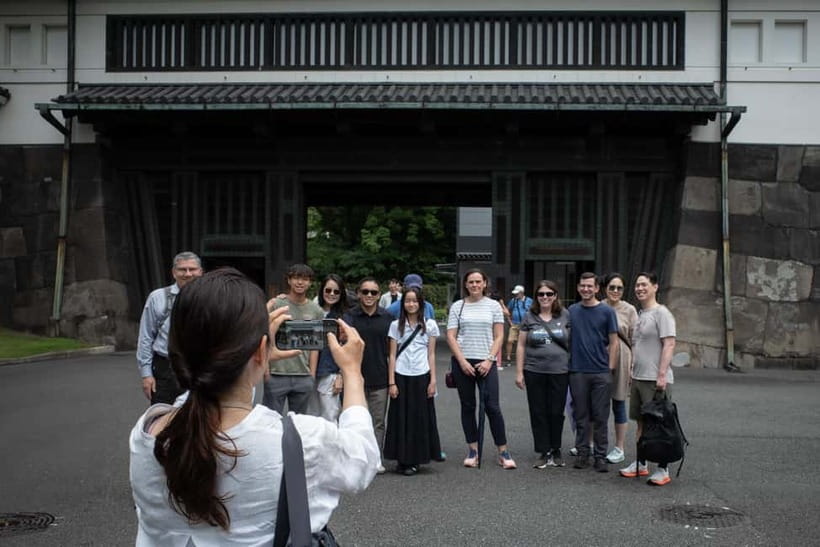
- You explore the former Edo Castle grounds: The Honmaru area reveals castle foundations, gates, defensive structures, and the scale of the old compound.
- The Ninomaru Garden is the visual highlight: Its ponds, bridges, pruned trees, and stone lanterns show the careful balance of traditional Japanese garden design.
- Guides make the ruins readable: Mei has been praised for her history knowledge, humor, patience, and helpful Tokyo suggestions, while Kei, Wakana, Tatsie, Loc, and others have also earned strong praise.
- The tour lasts 150 minutes: That is long enough for context and garden time, but you should wear comfortable shoes and expect a real walk.
- It begins and ends near Tokyo Station: Meet near Starbucks Coffee at Kokyo Gaien Wadakura Fountain Park, at approximately 35.6829933, 139.7611971.
- Season matters: Spring cherry blossoms and late autumn foliage can make the gardens especially attractive, though the historic remains are the main reason to come.
Why the East Gardens make a good Tokyo history stop
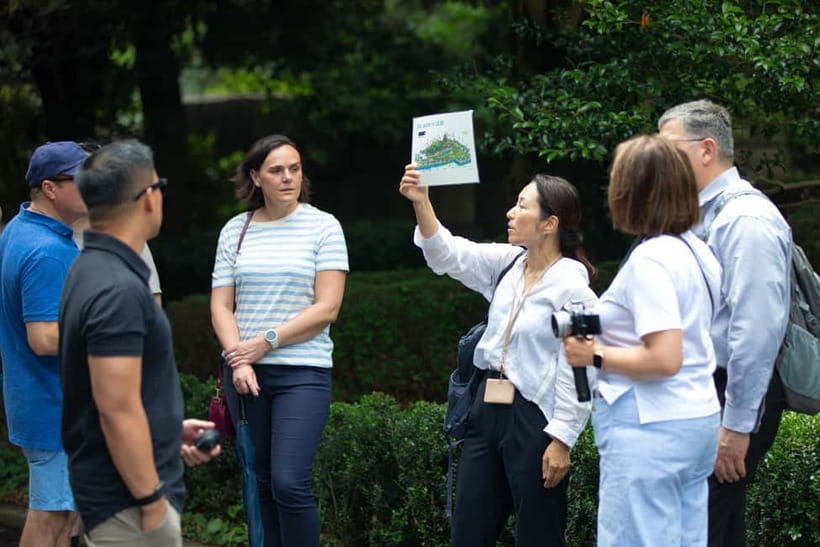
Tokyo can feel almost entirely modern until you reach the Imperial Palace grounds. Office towers, wide streets, and busy rail lines surround a site that once served as the center of political power in Japan.
The East Gardens occupy part of the former Edo Castle grounds. During the Edo period, the Tokugawa shoguns lived and governed from this vast fortress complex. The gardens now offer something more useful than a grand palace interior for many first-time visitors: you can see the physical remains of the castle while learning how power, defense, ceremony, and garden design worked together.
I like this setting because the past is not presented as a single preserved building. Instead, you read it through high stone walls, guard houses, watch towers, foundations, gates, ponds, and carefully maintained planting. The gaps matter. A missing keep or open lawn may not look dramatic at first, but a good guide helps you understand what once filled that space.
That explanation is the real value of the tour. Without help, you could walk through a pleasant public garden and notice attractive stones and trees without understanding why they are there. With an English-speaking guide, the site becomes a story about the shoguns, emperors, samurai customs, military planning, and modern Japan.
More Walking Tours in Tokyo
- Tokyo Tsukiji Fish Market Food and Culture Walking Tour
★ 5.0 · 3,184 reviews - Tokyo: Imperial Palace and Shogun Historical Walking Tour
★ 5.0 · 2,251 reviews - Tokyo: Shinjuku Local Bar and Izakaya Guided Walking Tour
★ 4.9 · 1,794 reviews
Meeting near Wadakura Fountain Park
The meeting point is near Starbucks Coffee at Kokyo Gaien Wadakura Fountain Park. Your guide waits nearby, so allow time to find the fountain park and the correct Starbucks rather than assuming any central Tokyo café will do.
The location is useful for visitors staying or sightseeing around Tokyo Station. Several people have liked that the gardens are relatively close to the station, making this an easy half-day addition to a central Tokyo schedule. The tour also returns to the same general meeting point, which keeps the outing straightforward.
There is no transport included because this is a walking experience. That is a plus here. You move through the old castle area at ground level, seeing how walls, gates, and open spaces relate to one another instead of passing them from a bus window.
At the start, expect a short orientation before entering the East Gardens. Your guide may set the scene with the difference between the imperial court and the shogunal government, then connect the site to the Tokyo you see today. The quality of this opening matters because Japanese political history can become a tangle of titles and dates if it is not explained in plain language.
Honmaru: reading the heart of Edo Castle
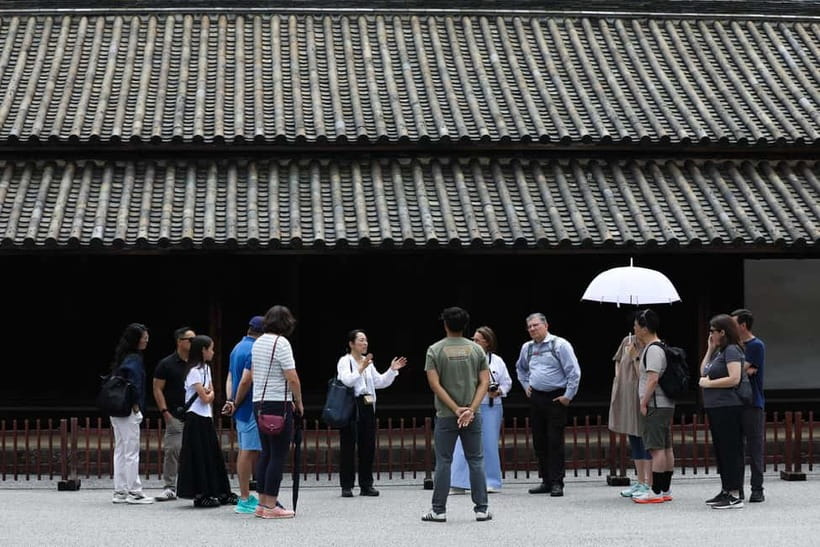
The Honmaru area was the main compound of Edo Castle. It was once the core of the fortress and the place where important political and ceremonial activity took place.
Today, you see remnants rather than a complete castle. The foundations, gates, and defensive structures give you clues about the original layout, but you should not expect a reconstructed keep or a fully furnished historical palace. This is an outdoor history lesson built from surviving pieces.
That limitation is also part of the appeal. The open spaces make it easier to understand the size of the former compound. Stone foundations show where major structures stood, while defensive features explain how access was controlled and protected. Guard houses and watch towers add practical detail. These are not decorative ruins. They point to the daily work of protecting a seat of power.
I find the Honmaru section most rewarding when the guide uses a map or old image. One guide, Mei, received particular praise for bringing printed and laminated maps and pictures. That kind of aid can transform a low foundation into a recognizable building plan and help you picture the castle before fires, earthquakes, redevelopment, and time altered the site.
You will also hear about the shoguns and the Edo period. The tour is not just about stones. It explains the system that made Edo the political center of Japan for centuries, then connects that older order with the imperial institution visible in modern Tokyo.
If you prefer intact architecture, this section may feel modest. If you enjoy reconstructing the past from evidence, it is likely to be the intellectual center of the walk.
Stone walls, gates, and the castle’s defensive logic
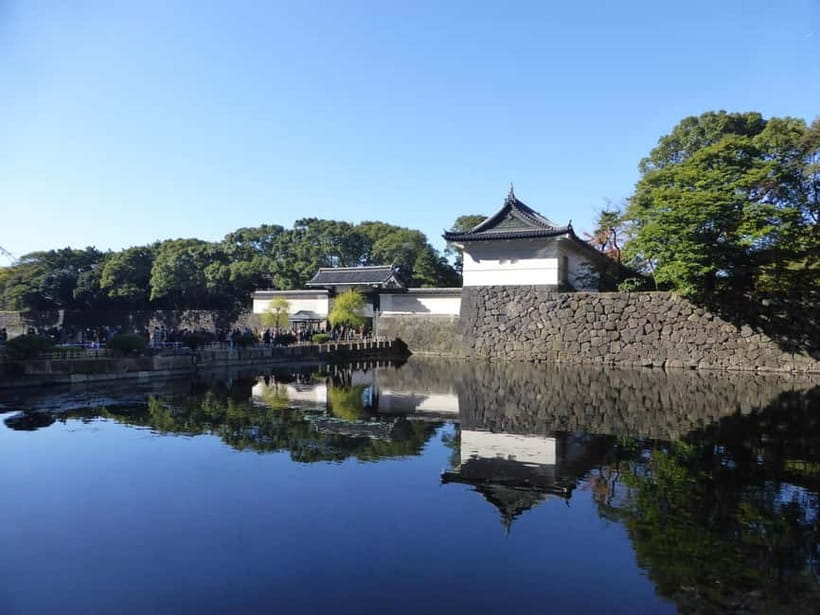
The East Gardens contain several reminders that Edo Castle was a military stronghold as well as a residence. Stone walls, guard houses, gates, and watch towers reveal how movement through the complex was managed.
Pay attention to the construction and placement of the walls. Their scale gives you a better sense of the labor and planning behind the castle than a short history label can. Gates were not simply openings in a wall. They helped control who entered, where they went, and how the compound could be defended.
A guide can also show you how the defensive system fits the wider castle plan. This is where the tour adds value over a solo stroll. You may notice a wall and a gate on your own, but you are less likely to understand their relationship to the Honmaru and other sections without an explanation.
The military side of the site is one of the most praised elements of the experience. Neil specifically enjoyed the combination of military architecture and gardens, and that pairing is important. Edo Castle was designed for authority and protection, but it also included spaces for beauty, ceremony, and contemplation.
The walking route may feel less exciting if you arrive expecting a complete fortress. Set your expectations correctly. You are visiting a living public garden that preserves fragments of a former castle, not entering a medieval citadel.
A completely different kind of day out in Tokyo:
- Mt Fuji and Hakone 1-Day Bus Tour Return by Bullet Train
★ 5.0 · 26,383 reviews - 1-Day Tokyo Bus Tour
★ 5.0 · 14,250 reviews - Tokyo: TOKYO SKYTREE® Admission ticket
★ 4.5 · 11,192 reviews - Tokyo: teamLab Planets TOKYO Digital Art Museum Entry Ticket
★ 4.6 · 9,779 reviews
Ninomaru Garden and the quieter side of power
After the castle remains, the Ninomaru Garden offers a change of mood. This area is known for traditional Japanese design, with carefully arranged trees, shrubs, ponds, bridges, and stone lanterns.
The garden is meant to be viewed slowly. I like the way its calm arrangement contrasts with the heavy walls and defensive structures elsewhere in the grounds. One moment you are considering how a gate controlled access, and the next you are looking across water toward a carefully placed tree or bridge.
This is not random greenery. The placement of plants, stones, water, and paths creates a composed view from different angles. Your guide can point out details that are easy to miss, including the care given to pruned trees and bonsai specimens.
The Ninomaru section may be the best part for photographers and anyone who wants a quieter break from Tokyo’s hard edges. It also gives the tour a useful balance. You are not spending two and a half hours on dates and battles. The garden shows another side of elite life in the Edo period, where controlled beauty and seasonal change had a clear place.
A few hours in the East Gardens will not teach you every rule of Japanese garden design. Still, the tour gives you enough context to notice why the garden feels ordered rather than merely tidy.
Cherry blossoms, autumn color, and changing views
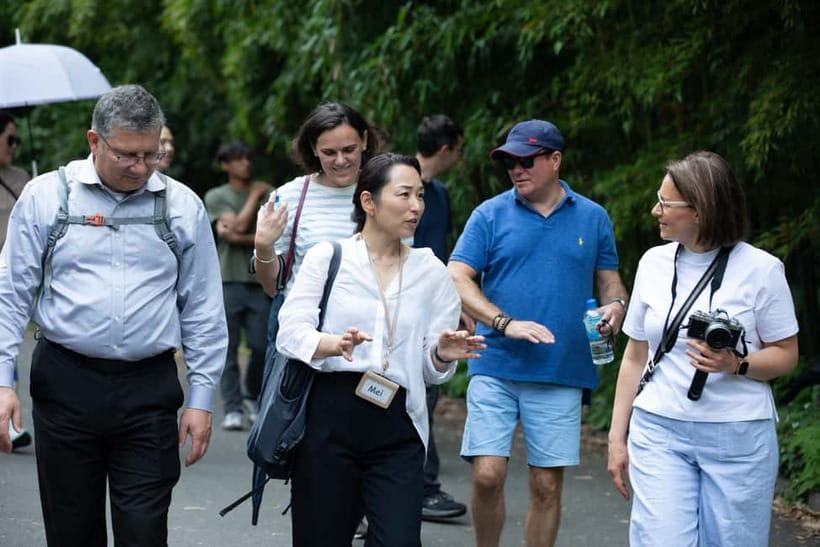
Season can shape the experience. In spring, cherry blossoms add a familiar Tokyo sight to the historic grounds. In fall, colorful foliage changes the mood of the paths and garden views.
The seasonal display is a bonus rather than a guarantee. Blossoms and foliage depend on timing, weather, and the particular year. If you visit outside those periods, the gardens still offer ponds, bridges, greenery, clipped trees, and historic remains.
Late November and early December can be especially appealing for fall color, while spring brings the strongest demand for blossom viewing. If your schedule is flexible, choose the season that matches your priorities. For flowers and photographs, spring or fall makes sense. For a quieter visit focused on the castle story, any available season may work well.
The gardens can also be enjoyable in less perfect weather. A guide named Miko was praised for keeping the group comfortable and cheerful during rain, and another guide, Midori, personalized the tour despite poor weather. You should still check the forecast and bring suitable clothing, since the experience takes place outdoors for 150 minutes.
The guides are the main reason to choose a tour
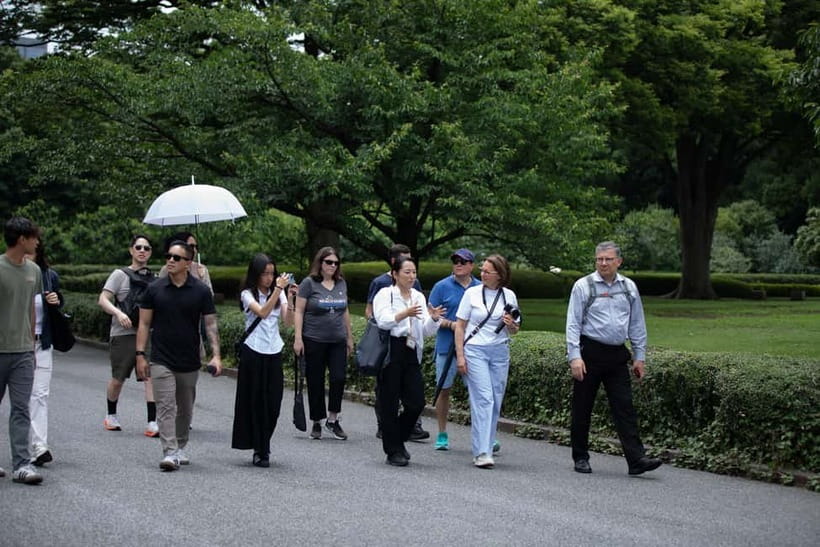
The East Gardens are free of the usual museum-style sequence of rooms and labels. That makes the guide especially important.
The strongest pattern in the feedback is clear explanation delivered with warmth and humor. Mei appears repeatedly in praise for being friendly, patient, funny, and well prepared. She also helped with photographs and offered suggestions for other parts of Tokyo after the tour. Kei has been praised for answering many questions and explaining the castle clearly.
Other guides, including Wakana, Tatsie, Loc, Mieko, Miyu, Meiko, Fuku, and Midori, were also praised for a good pace, strong English, cultural explanations, and a welcoming manner. That range matters because your exact experience depends partly on who leads your departure.
The best guides do more than recite facts. They answer questions, adjust the pace, point out photo spots, and connect old Japan with modern customs and the imperial family. Some have used visual aids, while others have made the subject lively with funny comments and lesser-known stories.
I would choose this tour if you want a human explanation of the site. If you prefer to wander alone, stop whenever you like, and read at your own speed, a self-guided visit may suit you better. The tour gives you structure and context in exchange for following the guide’s route and timing.
Pace, access, and practical comfort
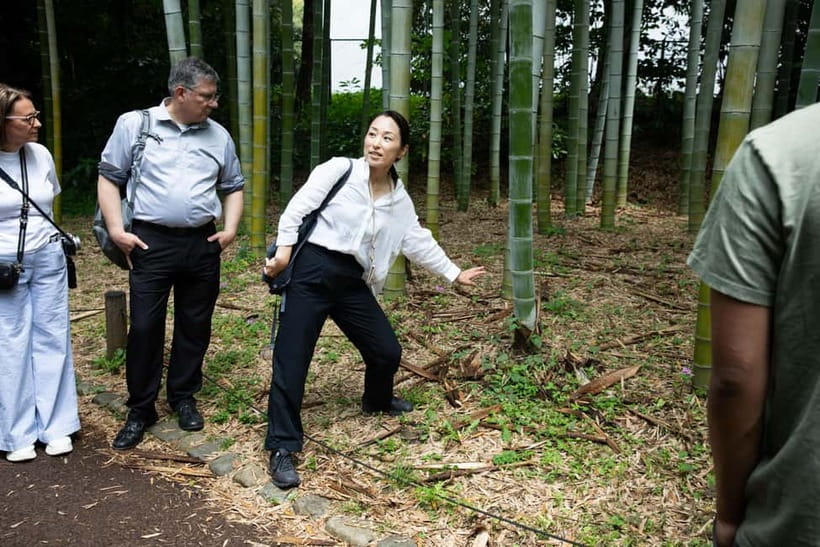
The advertised duration is 150 minutes, or two and a half hours. That is enough time to cover the former Honmaru area, defensive remains, and Ninomaru Garden without turning the visit into a rushed photo stop.
The pace has been praised as comfortable, with time to listen and appreciate the surroundings. Even so, this is a walking tour. Comfortable shoes are sensible, and you should be ready to spend much of the time outside.
The experience is listed as wheelchair accessible. Since the exact route and ground conditions can vary, contact the provider if you need route-specific details before booking. The tour is offered in English with a live guide.
There is usually value in keeping a little time free after the official walk. Some guides allow personal time in the Japanese garden near the end, and they may suggest good photo positions or offer to take pictures. Do not count on an extended independent visit beyond the stated 150 minutes, but a few unhurried moments can make the ending feel less abrupt.
Is $19 good value?
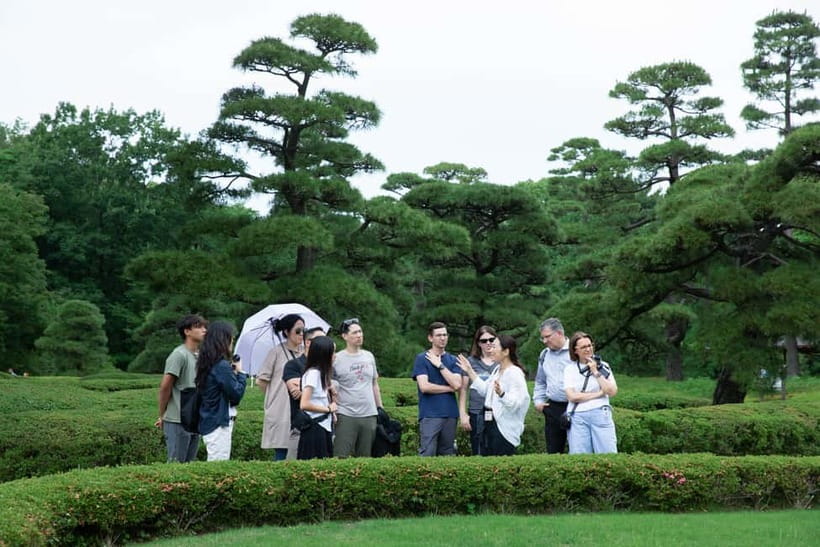
At $19 per person, this is a modest price for 150 minutes with a live English-speaking guide. You are paying less for admission-style spectacle and more for interpretation, orientation, and the chance to ask questions.
The value is strongest if Japanese history is unfamiliar to you. A guide can explain why Edo Castle mattered, how the shoguns fit into Japan’s political structure, what the Honmaru area represented, and how the garden design differs from the fortress remains.
The price is less compelling if you already know Edo-period history and mainly want a quiet stroll. In that case, you may prefer to explore independently and spend your budget elsewhere.
Remember that palace entry is not included, and the tour does not go inside the Imperial Palace. Confirm any separate admission details when you book, since the East Gardens experience and an interior palace visit are different things.
Free cancellation up to 24 hours before the start gives you useful flexibility. You can also reserve now and pay later, which helps if your Tokyo plans are still shifting.
Who should book this East Gardens walk?
I would recommend it to first-time Tokyo visitors who want history without committing to a full-day museum visit. It also suits families, since the mix of castle stories, gardens, and modern royal facts gives the guide several ways to keep the subject moving.
History fans will appreciate the Honmaru foundations and defensive features. Garden lovers will probably prefer Ninomaru. Photographers should consider spring or fall, while anyone sensitive to crowds may prefer a less famous viewing period.
It is also a good early-trip activity. Guides have offered practical suggestions for restaurants, temples, and other Tokyo sights, so you may pick up useful orientation beyond the palace grounds.
I would hesitate only if you need a fully enclosed attraction, want to enter the Imperial Palace itself, or dislike guided pacing. The tour cannot replace an interior palace visit, and the surviving castle remains require some imagination.
Should you book it?
Book this tour if you want the Imperial Palace grounds to make sense rather than simply look pretty. The combination of Edo Castle foundations, military architecture, Ninomaru Garden, seasonal scenery, and an engaging English guide gives you a well-priced introduction to Old Tokyo.
The best reason to book is the guide. Mei, Kei, Wakana, Tatsie, Loc, and several others have been praised for clear explanations, humor, patience, visual aids, and helpful Tokyo advice. If you are happy with an outdoor walk and understand that the Imperial Palace interior is not included, $19 buys a useful and pleasant two and a half hours.
FAQ
Where does the tour begin?
It begins near Starbucks Coffee at Kokyo Gaien Wadakura Fountain Park. The listed coordinates are approximately 35.6829933, 139.7611971.
Where does the tour end?
The tour returns to the same area near Starbucks Coffee at Kokyo Gaien Wadakura Fountain Park.
How long does the walking tour last?
The guided tour lasts 150 minutes, or two and a half hours.
Is entry to the Imperial Palace included?
No. Entry to the Imperial Palace is not included, and the tour does not go inside the Imperial Palace.
What language is the tour offered in?
The tour is offered in English with a live guide.
Is the tour wheelchair accessible?
Yes, the activity is listed as wheelchair accessible.
Can I cancel for a full refund?
Yes. You can cancel up to 24 hours in advance for a full refund. You can also reserve now and pay later.
Just added around Tokyo
- Tokyo 6hr Instagram Highlights Private Tour with Licensed Guide★ 5.0 · 38 reviews
- Tokyo Small Group Tour with Guide★ 4.5 · 38 reviews
- Tokyo Sumo Experience with Live Show & Audience Challenge★ 5.0 · 38 reviews
- Japanese Food Cooking Class in Asakusa, Tokyo★ 5.0 · 39 reviews
- Very popular in Harajuku♡Animal petting zoo★ 4.6 · 39 reviews
- Ramen Making from Scratch with Tokyo Mom(Vegan Option Available)★ 5.0 · 39 reviews
- Tokyo JDM Night: 600hp C63s AMG Edition 1 (Private)★ 4.9 · 39 reviews
- Tokyo: Kimono Rental inside Shinjuku Gyoen National Garden★ 4.9 · 39 reviews
Walking Tours, compared.
Kyoto Geisha Walking Tour: Gion District & Hidden Gems
Read our review →
Tokyo Tsukiji Fish Market Food and Culture Walking Tour
Read our review →
Gion Magical Night Walking Tour with Geisha Trivia
Read our review →
Imperial Palace and Shogun Historical Walking Tour
Read our review →
Gion Geisha District Walking Tour – Stories of Geisha
Read our review →

Shinjuku Local Bar and Izakaya Guided Walking Tour
Read our review →
Browse the lists this tour appears in