
Reviewed · WALKING TOURS
Tokyo: Kichijoji Walking Tour with Local Guide
Ghibli is only half the story. This four-hour outing pairs the Ghibli Museum with a gentle walk through Kichijoji, one of Tokyo’s most appealing local neighborhoods. I like the mix of narrow shopping lanes, Inokashira Park, and two hours to explore the museum without a guide hovering beside you. The small group, limited to five people, also gives the walk a friendly, personal feel.
The main catch is price. At $88 per person, this costs much more than a museum ticket alone, and lunch is not officially included. You are paying for the hard-to-get museum admission, a local guide, neighborhood orientation, and a well-planned route. For a devoted Studio Ghibli fan, that may be a fair trade. For everyone else, the value depends on how much you want the guided introduction to Kichijoji.
In This Review
- Key points at a glance
- Why Kichijoji makes a smart break from central Tokyo
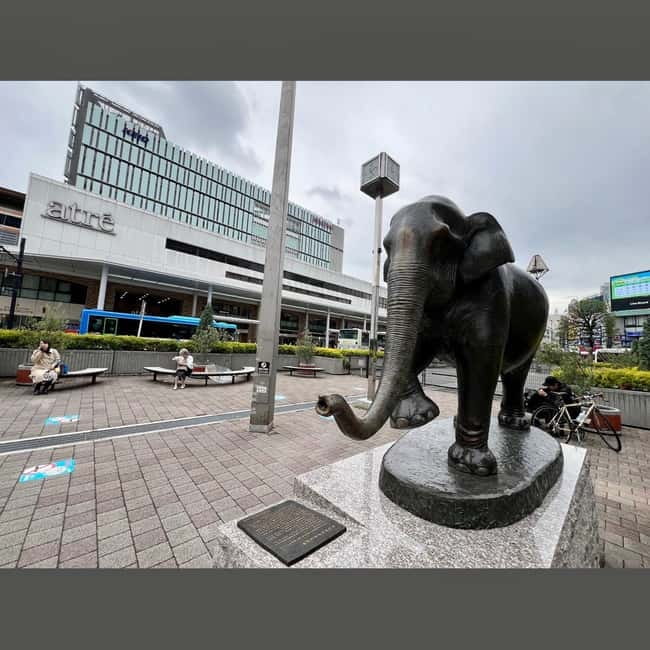
- Meeting at the Hanako Elephant Statue
- Kichijoji Sunroad, Tokyo shopping without the giant-city feel
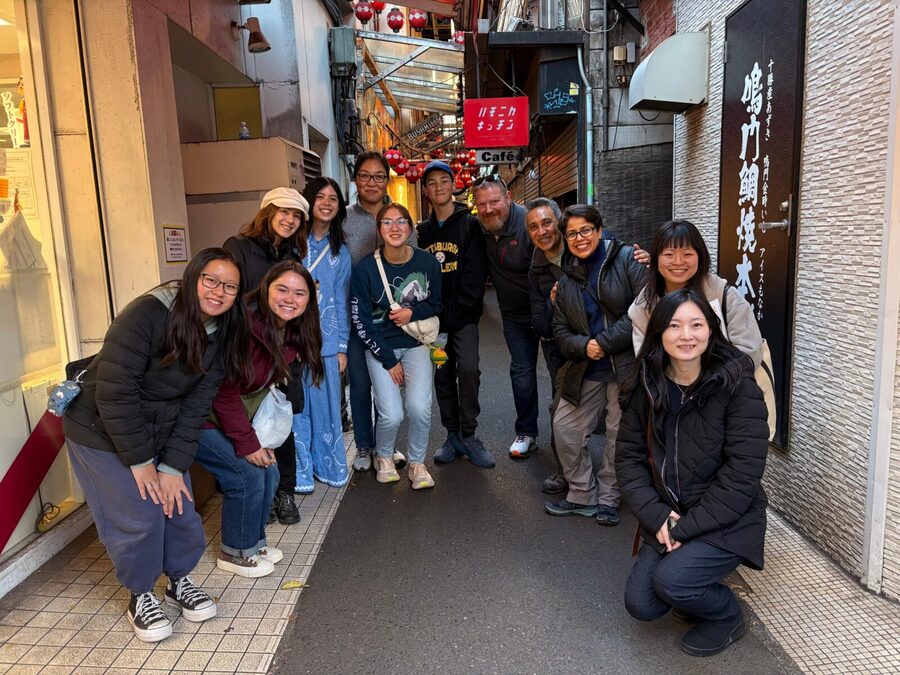
- Harmonica Yokocho and the food lanes
- Inokashira Park, the quiet middle of the tour
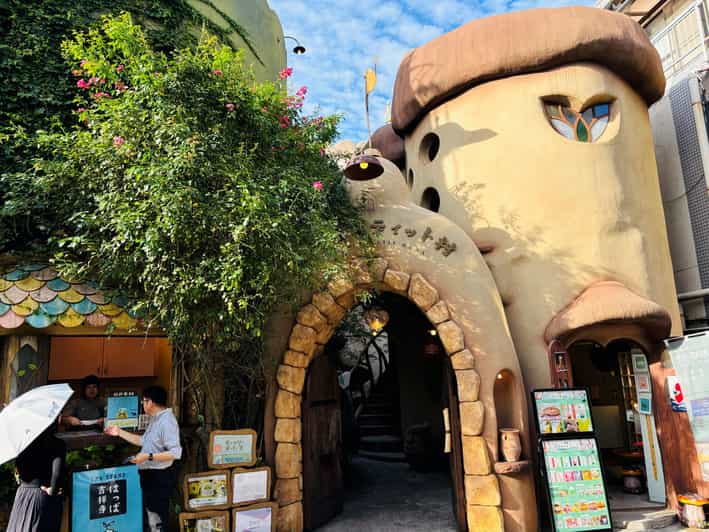
- Entering the Ghibli Museum with two hours to yourself
- What the guides add to the experience
- Is $88 a fair price?
- Who should book this Kichijoji walk?
- Practical details before you reserve
- Should you book it?
- FAQ
- Where does the tour meet?
- How long does the experience last?
- Is admission to the Ghibli Museum included?
- Is lunch included?
- What languages are available?
- Does the tour operate in bad weather?
Key points at a glance
- Hanako Elephant Statue meeting point: Meet outside Kichijoji Station’s North Exit near the statue, with the guide wearing a lanyard.
- Three different sides of Kichijoji: The route moves from Sunroad’s shops to the tiny food lanes of Harmonica Yokocho, then into leafy Inokashira Park.
- Ghibli time is independent: After arriving, you receive museum admission and have about two hours to explore on your own.
- Small groups matter: A maximum of five people makes it easier to ask questions, keep together, and discuss food or local customs.
- Friendly guiding is a major strength: Guides including Mina, Daiske, Yuma, Shinjo, Miko, and Oishi have been praised for warmth, organization, and personal attention.
- Bring good shoes: The route includes about 30 minutes in the park plus the walks between stops, and the tour runs in rain or shine.
Why Kichijoji makes a smart break from central Tokyo
Tokyo can feel like a city of giant stations, neon signs, and fast-moving crowds. Kichijoji gives you another version of the capital. It has shopping, food, parks, small shrines, and ordinary neighborhood life packed into an area that is easy to explore on foot.
That change of pace is the point. You are not rushing from one major sight to another. Instead, you get a short introduction to a part of Tokyo where people shop for dinner, meet friends, walk beside the pond, and stop for a snack.
I especially like that the tour does not treat Kichijoji as a mere path to the museum. The neighborhood gives the outing its character, while the museum provides the big finish. If you only go to the Ghibli Museum by train and taxi, you miss much of what makes this part of Tokyo worth visiting.
The small group helps here. With only five participants, your guide can explain a shop or answer a question without holding up a large crowd. Several guides have been praised for making the outing feel more like a walk with a friendly local than a formal lecture. Daiske, Mina, Yuma, Miko, Shinjo, and Oishi are among the guides singled out for their warmth and care.
More Walking Tours in Tokyo
- Tokyo Tsukiji Fish Market Food and Culture Walking Tour
★ 5.0 · 3,184 reviews - Tokyo: Imperial Palace and Shogun Historical Walking Tour
★ 5.0 · 2,251 reviews - Tokyo: Shinjuku Local Bar and Izakaya Guided Walking Tour
★ 4.9 · 1,794 reviews
Meeting at the Hanako Elephant Statue
The tour starts at the Hanako Elephant Statue near Kichijoji Station’s North Exit. Look for a guide wearing a lanyard. One useful landmark is the Starbucks nearby, which can help if the statue is not immediately obvious among the station activity.
Your guide is due to contact you through WhatsApp the day before. Treat that message as important. It confirms the meeting details and gives you a chance to raise dietary concerns or ask a last-minute question.
Kichijoji is a busy station area, so arrive with enough time to find the North Exit and the statue. One participant who arrived five minutes late because of train delays was met with patience, but relying on that goodwill is not a good plan. Japanese rail travel is usually efficient, yet stations can be confusing when you are unfamiliar with the exits.
Kichijoji Sunroad, Tokyo shopping without the giant-city feel
From the meeting point, you walk for roughly ten minutes before reaching Kichijoji Sunroad. The guided stop lasts about 15 minutes, so this is an introduction rather than a long shopping session.
Sunroad helps you read the neighborhood. It is a covered shopping street with the everyday energy of Kichijoji, giving you a look at the kind of place locals use for errands, food, and casual browsing. Your guide can add context about shops, restaurants, manga, and local habits that you might miss while simply walking through.
Do not expect a major sightseeing monument here. The value is in the orientation. You begin to understand how Kichijoji works as a lived-in neighborhood rather than a checklist of famous attractions.
If you enjoy stopping to browse every shop, the 15-minute guided segment may feel brief. The route has a schedule to keep, especially because the museum entry is time-sensitive. Think of Sunroad as a useful first taste, not free time for serious shopping.
Harmonica Yokocho and the food lanes
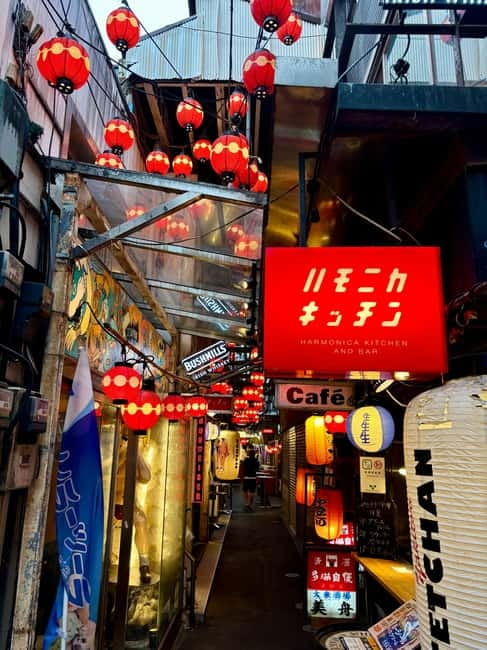
Next comes Harmonica Yokocho, another 15-minute guided stop. The name suits the place: narrow lanes packed with small food spots, shops, and the smells of cooking. It is a more intimate setting than the broad station streets, and it gives you a quick look at Kichijoji’s food culture.
This is one of the most memorable parts of the walk for me because the setting feels compact and very local. You may hear about restaurants, market-style food, and places worth returning to later. Several participants praised the food knowledge of their guides and the chance to try things they would not have ordered alone.
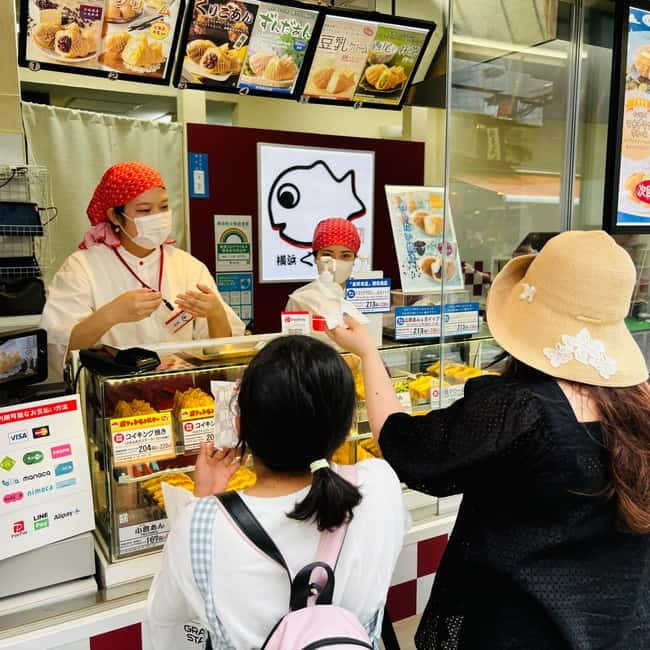
The food arrangements need a little care. The published inclusions list a snack, while lunch is not included in the $88 price. Yet several people describe a lunch at a local fish restaurant, sushi, noodles, or an ethnic restaurant, along with sweets such as taiyaki or Japanese desserts. That suggests the food portion can vary by departure or arrangement, so ask your guide what is planned and what you will pay before ordering.
This is also the right time to mention dietary needs. One guide contacted a participant about food restrictions, and another helped a group find vegetarian-friendly choices. That kind of communication can make a real difference, but you should still state your needs clearly in advance.
A completely different kind of day out in Tokyo:
- Mt Fuji and Hakone 1-Day Bus Tour Return by Bullet Train
★ 5.0 · 26,383 reviews - 1-Day Tokyo Bus Tour
★ 5.0 · 14,250 reviews - Tokyo: TOKYO SKYTREE® Admission ticket
★ 4.5 · 11,192 reviews - Tokyo: teamLab Planets TOKYO Digital Art Museum Entry Ticket
★ 4.6 · 9,779 reviews
Inokashira Park, the quiet middle of the tour
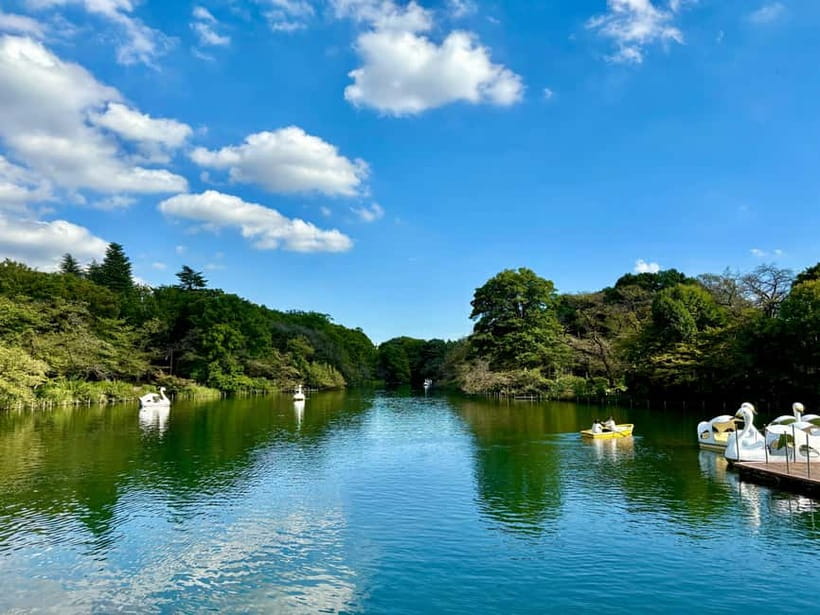
The tour then spends about 30 minutes in Inokashira Park. This is the walk’s breathing space. After the shops and food lanes, the trees, open paths, and pond give you room to slow down.
The park is popular with local residents throughout the year. You may see people strolling, relaxing, and enjoying the water, including the familiar swan boats. The route can also include a pretty shrine, according to one account, adding a small cultural stop before the museum.
I like this part because it makes the museum visit feel connected to the neighborhood. You are not simply being delivered to a ticketed attraction. You walk through a public park and see how Kichijoji shifts from commercial streets to open green space.
There is a practical downside. The route to the museum is a real walk, and the whole tour includes time on your feet. One participant said senior parents found the walk difficult, although the guide offered alternate options for returning to the station afterward. The tour is not presented as strenuous, but comfortable shoes are essential, and anyone with limited walking ability should ask about the route before booking.
Rain does not cancel the experience. The tour operates in all weather, so bring suitable clothing and footwear. On a wet day, the park may be less relaxing, but the walk still forms part of the planned route.
Entering the Ghibli Museum with two hours to yourself
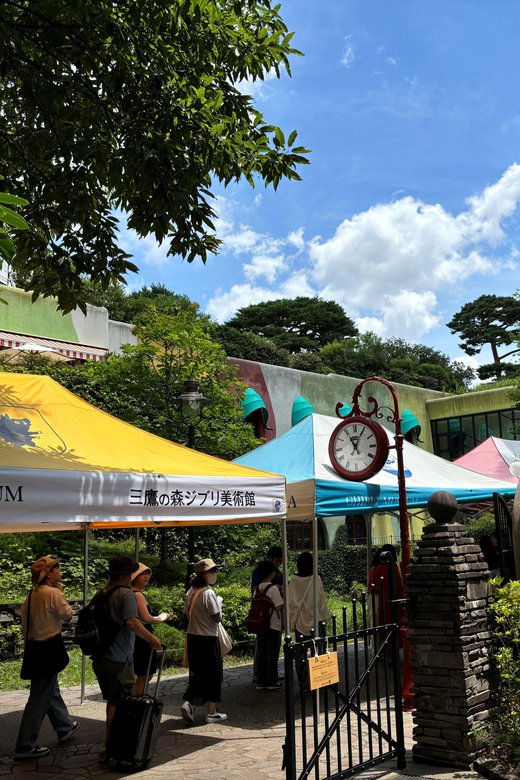
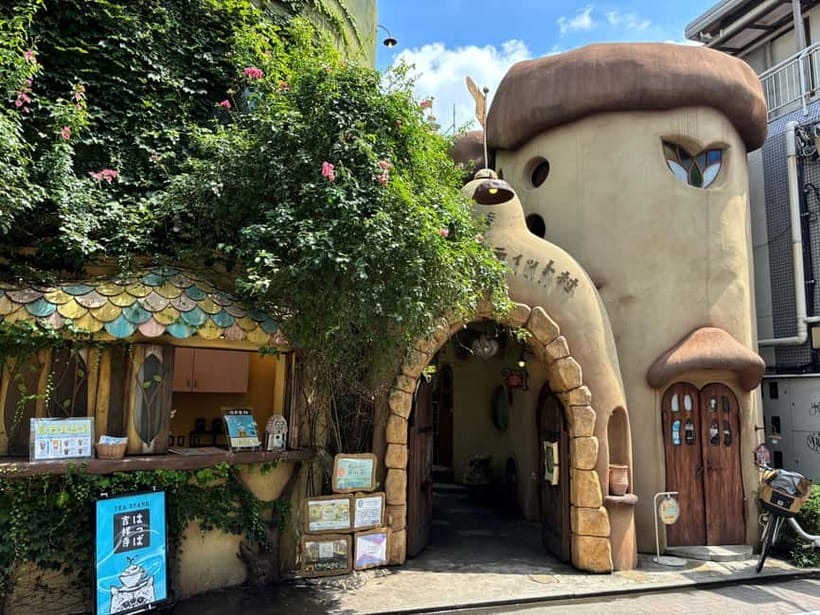
The Ghibli Museum is the main reason many people book this experience. Tickets can be difficult to obtain through the normal monthly release, and several participants chose this tour specifically because they could not secure admission independently.
Once you reach the museum, your guide gives you the ticket and lets you continue on your own. You have about two hours of free time, which is enough for a focused visit. That independence is a major advantage. You can linger over the displays that matter to you, move at your own speed, and avoid turning the museum into another guided march.
The museum is especially suited to people who already love Studio Ghibli’s films. The setting is imaginative and the exhibits are best appreciated when you are willing to look closely. One useful point from the experience is that the museum is not huge. If you expect a full-day attraction, you may find it smaller than imagined. If you are a fan, two hours should feel well judged.
Photography may be restricted indoors, so do not plan to document every room. Outdoor areas offer better photo opportunities. A practical tip is to begin at the bottom if you want to finish near the gift shop, although you may still need to use stairs on the way out. The café can be a pleasant final stop, with an exit toward the park.
The guide does not accompany you through the museum, which some people will prefer and others may not. You receive the benefit of local orientation before entry, then have personal time inside. For families, couples, and independent museum-goers, this balance works well.
What the guides add to the experience
The human side of this tour receives the strongest praise. Guides are described as friendly, chatty, patient, organized, and easy to approach. Mina was praised for her warm company, while Daiske helped with meeting details, dietary questions, and group care. Yuma was appreciated for local information, and Oishi brought humor and food knowledge to the walk.
English and Japanese are offered. Communication can also involve a translation app, as happened with Shinjo, who was still building confidence in English. That did not prevent a pleasant outing, but you should expect language ability to vary by guide and date.
The small group makes these differences easier to manage. You can ask your guide to repeat a point or explain a local custom without shouting across a crowd. The personal attention also helps if you need advice about food or the return journey.
Some guides have even taken photos and sent them afterward through WhatsApp. That is a thoughtful extra, though it should be treated as a bonus rather than a guaranteed part of every departure.
Is $88 a fair price?
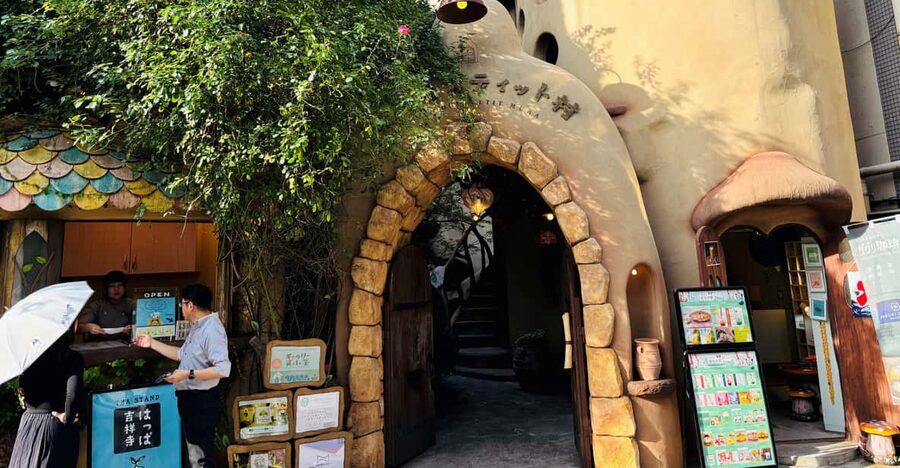
The honest answer is that the price is high if you compare it with the museum ticket alone. One participant made exactly that point, while still deciding the tour was worthwhile because there were few other ways to obtain admission.
You are buying more than entry. The fee covers the walking tour, guide, museum admission, and a snack. It also buys help with a difficult ticketing problem, a small group, and a route that connects the museum with Kichijoji’s shops, food streets, and park.
Lunch is not officially included, so budget separately unless your guide confirms a different arrangement. The food accounts are appealing, but do not assume that a full meal is part of every booking. Ask what is included before you sit down to order.
I would consider the price reasonable for a committed Ghibli fan who has failed to get a ticket independently. I would be less enthusiastic if you have little interest in animation or if you are comfortable exploring Kichijoji without help. The neighborhood itself is accessible to independent visitors, and the food stops may not be unique enough to justify the full cost on their own.
Who should book this Kichijoji walk?
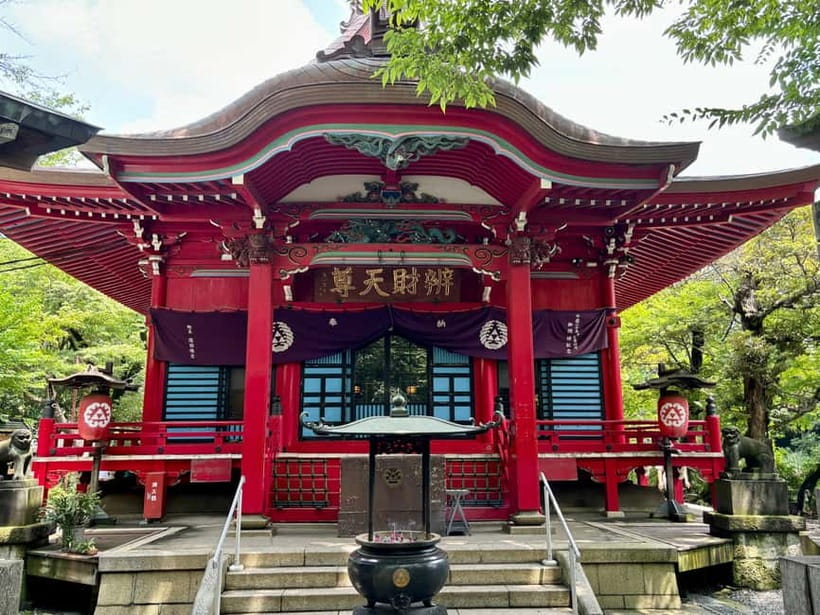
This experience suits:
- Ghibli fans who want a reliable route to the museum and two hours inside.
- Families who prefer a calm outing over a packed city schedule.
- Couples looking for a park walk, local food, and a memorable museum visit.
- First-time Tokyo visitors who want help understanding a neighborhood beyond the usual central sights.
- Solo visitors who enjoy meeting a small group and asking a local guide questions.
- Food-minded visitors who want suggestions for narrow-lane restaurants and Japanese snacks.
It may not suit you if you dislike walking, want extensive shopping time, or expect a detailed guided tour inside the museum. The museum portion is independent, and the neighborhood stops are short.
The published score is 4.6 from 164 ratings, which fits the overall picture: the guides and museum access are the clear strengths, while the price and food arrangements require the most thought.
Practical details before you reserve
The tour lasts four hours, with starting times dependent on availability. It is offered in English and Japanese, and the group is limited to five people.
Wear comfortable shoes. You will walk for around ten minutes between several parts of the route, spend about 30 minutes in Inokashira Park, and continue on foot to the museum.
Smoking is not allowed. Photography can be limited inside the museum. Your guide should contact you on WhatsApp the day before, and the tour continues in rain or shine.
You can cancel up to 24 hours before departure for a full refund. The reserve-now, pay-later option is useful if your Tokyo schedule is still shifting.
Should you book it?
Book this tour if the Ghibli Museum is a major priority and you want a friendly local introduction to Kichijoji at the same time. The combination of difficult-to-secure admission, a five-person group, Inokashira Park, and independent museum time gives the day a pleasant rhythm.
Skip it if you already have museum tickets, dislike guided walks, or are mainly looking for a cheap way to see Kichijoji. You can explore the neighborhood on your own for less. But for a Ghibli fan who wants a little help, good company, and a more local side of Tokyo before the museum, this is a strong and practical choice.
FAQ
Where does the tour meet?
Meet at the Hanako Elephant Statue near the North Exit of Kichijoji Station. Look for a guide wearing a lanyard. The statue is near a Starbucks.
How long does the experience last?
The tour lasts four hours. The schedule includes a guided walk through Kichijoji, time in Inokashira Park, and about two hours of free time at the Ghibli Museum.
Is admission to the Ghibli Museum included?
Yes. Ghibli Museum admission is included in the price.
Is lunch included?
No. Lunch is listed as not included. A snack is included, and food arrangements can vary, so ask your guide what is planned and what costs extra.
What languages are available?
The live tour guide is available in English and Japanese. Translation apps may also be used when needed.
Does the tour operate in bad weather?
Yes. The tour operates rain or shine. Bring comfortable shoes and clothing suitable for the forecast.
Just added around Tokyo
- Tokyo 6hr Instagram Highlights Private Tour with Licensed Guide★ 5.0 · 38 reviews
- Tokyo Small Group Tour with Guide★ 4.5 · 38 reviews
- Tokyo Sumo Experience with Live Show & Audience Challenge★ 5.0 · 38 reviews
- Japanese Food Cooking Class in Asakusa, Tokyo★ 5.0 · 39 reviews
- Very popular in Harajuku♡Animal petting zoo★ 4.6 · 39 reviews
- Ramen Making from Scratch with Tokyo Mom(Vegan Option Available)★ 5.0 · 39 reviews
- Tokyo JDM Night: 600hp C63s AMG Edition 1 (Private)★ 4.9 · 39 reviews
- Tokyo: Kimono Rental inside Shinjuku Gyoen National Garden★ 4.9 · 39 reviews
Walking Tours, compared.
Kyoto Geisha Walking Tour: Gion District & Hidden Gems
Read our review →
Tokyo Tsukiji Fish Market Food and Culture Walking Tour
Read our review →
Gion Magical Night Walking Tour with Geisha Trivia
Read our review →
Imperial Palace and Shogun Historical Walking Tour
Read our review →
Gion Geisha District Walking Tour – Stories of Geisha
Read our review →
Shinjuku Local Bar and Izakaya Guided Walking Tour
Read our review →
Browse the lists this tour appears in