
Reviewed · WALKING TOURS
Tokyo: Private Walking Tour with a Local Guide
Tokyo rewards curiosity, but its size can wear you down. This private walking tour makes the city easier to grasp by pairing you with a local guide who shapes the day around your interests. I like the personal itinerary, and I like the chance to combine famous places with quieter neighborhoods, markets, and local corners.
The guides also help with Tokyo’s famously complex public transport. Momo, Miwa, Rika, Hina, and others are praised for clear English, thoughtful pacing, cultural explanations, and friendly company. The main drawback is simple: Tokyo is huge, so you cannot see everything in one outing. Too many far-flung requests can mean a lot of walking and packed train rides.
I especially like the way the tour works for both first-time visitors and repeat guests. A four-hour visit can orient you to the city, while six or eight hours gives you room to connect several districts. Still, you need to choose carefully. Shibuya Crossing takes only a short time to see, while moving between Shibuya, Asakusa, Tsukiji, and Shinjuku can consume much of your day.
In This Review
- Key points to know before booking
- A private introduction to Tokyo, not a fixed sightseeing march
- Choosing between two, four, six, and eight hours
- Asakusa and Sensō-ji: Tokyo’s traditional starting point
- Ueno and Ameya-Yokocho: markets, food, and everyday Tokyo
- Akihabara: electronics, anime, and modern city culture
- Shibuya Crossing and Harajuku: Tokyo’s youthful side
- Meiji Shrine: a quieter pause beside the city
- Tsukiji Outer Market: the strongest food-focused option
- Ginza and the Imperial Palace: polished Tokyo and national history
- Shinjuku: neon, stations, and a useful final orientation
- What the guides do best
- Price, inclusions, and the costs that remain
- Walking demands and useful preparation
- Who should book this Tokyo walking tour?
- Should you book it?
- FAQ
- How long does the private Tokyo walking tour last?
- Is the tour private?
- Where does pickup take place?
- Is public transportation included in the price?
- Are temple and shrine entrance fees included?
- Can I choose the places I visit?
- Is food included?
- What should I bring?
Key points to know before booking
- Your guide contacts you before the tour: You are asked to share interests, preferred sights, and dietary needs through WhatsApp before the day.
- Tokyo transport becomes part of the lesson: Your guide accompanies you by public transport and can help you understand the train and subway system.
- The route is genuinely flexible: The advertised stops are examples, not a promise that every district will fit into your chosen duration.
- Local context is the strongest feature: Guides explain temples, shrines, customs, neighborhoods, pop culture, and everyday life in clear English.
- The tour suits active visitors best: Expect walking, standing, stairs, and time on trains. It is not designed for wheelchair users or people with mobility limitations.
- The $53 price can be good value: It includes a private guide, accommodation pickup and drop-off, public transport guidance, and temple or shrine entrance fees, but not meals or train fares.
A private introduction to Tokyo, not a fixed sightseeing march
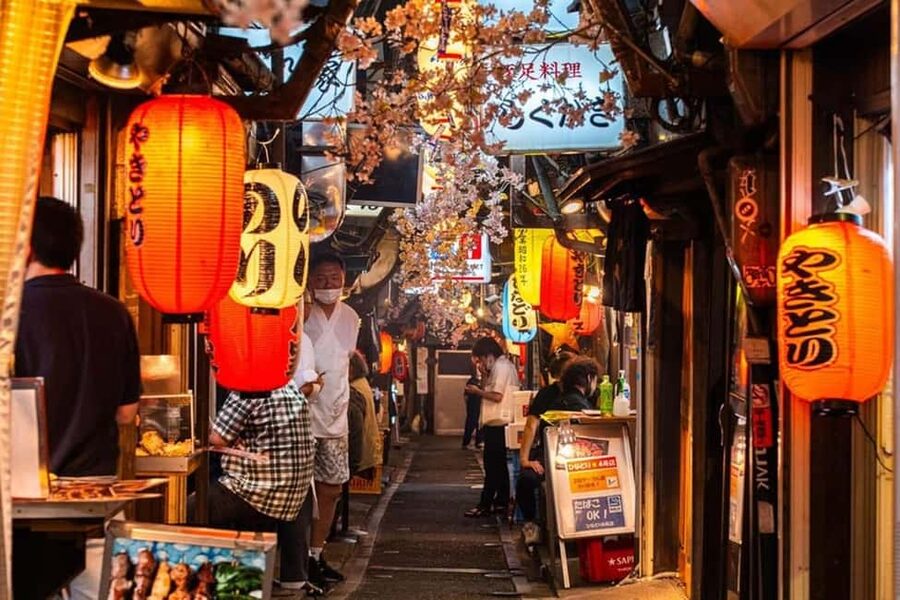
The best way to think about this experience is as a flexible orientation day. You are not simply following a guide from one numbered stop to the next. You tell the guide what matters to you, then work out a route that fits your time and energy.
That personal approach matters in Tokyo. The city is made of separate districts, each with its own mood and purpose. A visitor who wants old Japan should spend time in Asakusa, Ueno, and perhaps Tsukiji. A fan of anime and electronics will prefer Akihabara. Someone interested in fashion and youth culture may choose Harajuku and Shibuya.
Your guide meets you at your hotel in central Tokyo or at an agreed meeting place. The experience remains private, so you do not have to match the pace or interests of a larger group. Guides have been praised for checking whether people are hungry or tired, stopping for rests in hot weather, and adjusting plans when needed.
Communication before the tour is important. You are asked to download WhatsApp, and your guide should contact you within 24 hours before the experience. Share a realistic wish list at that point. A short list of priorities will produce a better day than trying to squeeze in every famous Tokyo neighborhood.
More Walking Tours in Tokyo
- Tokyo Tsukiji Fish Market Food and Culture Walking Tour
★ 5.0 · 3,184 reviews - Tokyo: Imperial Palace and Shogun Historical Walking Tour
★ 5.0 · 2,251 reviews - Tokyo: Shinjuku Local Bar and Izakaya Guided Walking Tour
★ 4.9 · 1,794 reviews
Choosing between two, four, six, and eight hours
The duration options range from two to eight hours, with availability and starting times determined at booking. The shorter option is best for a narrow goal, such as learning the basics of Asakusa, visiting Tsukiji and Ginza, or getting comfortable with the rail system.
Four hours is a sensible middle ground for a first visit. You can combine two nearby areas, or perhaps three districts if you keep moving. This length has worked well for people who wanted a first look at Tokyo without spending an entire day on their feet.
Six hours gives you much more freedom. You might link traditional sights with modern Tokyo, such as Asakusa and Ueno in one part of the day, then Shibuya or Shinjuku later. Eight hours is the choice for visitors who want a full orientation and do not mind a long, active day.
Do not assume that eight hours means every place listed can be visited properly. Tokyo’s size makes that unrealistic. The guides are most useful when they help you cut the list down and arrange sensible districts together.
One practical warning comes from the transport setup. The tour includes movement by convenient public transportation, but you pay for trains separately. A prepaid Suica card or metro pass can speed up the day, and several people found this useful. If you prefer taxis, say so in advance, but taxi costs are extra and can raise the total considerably.
Asakusa and Sensō-ji: Tokyo’s traditional starting point
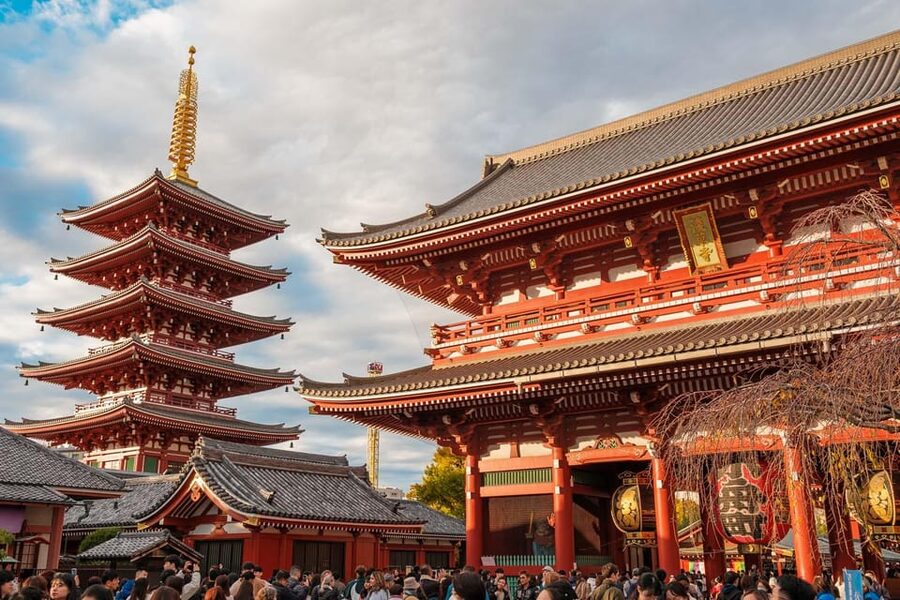
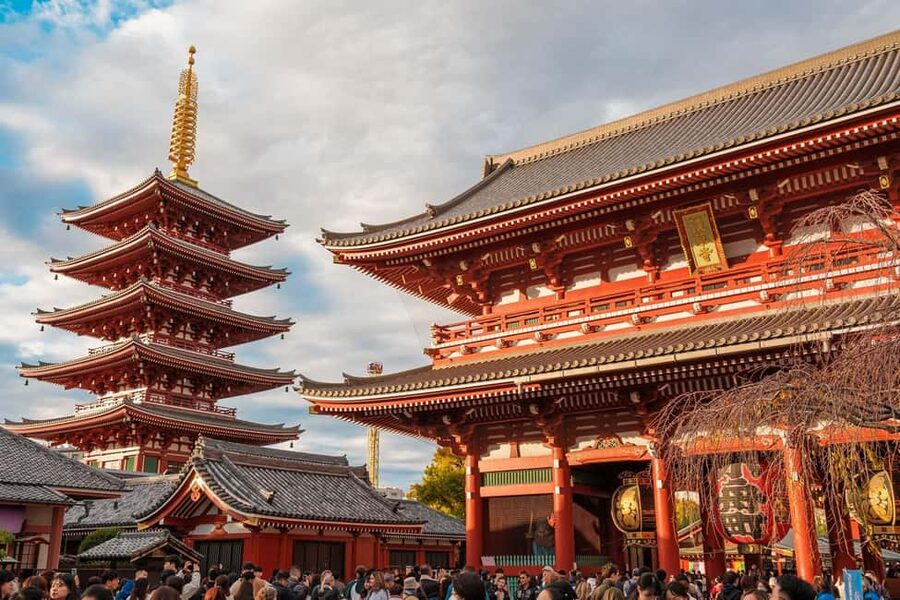
Sensō-ji is one of the most rewarding choices for a first-time visitor. Its temple grounds and nearby Asakusa streets give you a clear introduction to Buddhist worship, local customs, and older Tokyo. A guide can explain how to approach the temple respectfully and add meaning to details you might otherwise pass without noticing.
Asakusa is also a good place to see how a major attraction connects with an established neighborhood. You can ask your guide to focus on religious practice, architecture, local food, shopping, or the area’s connection to old Tokyo.
The limitation is crowding. Sensō-ji is a major sight, so it is not a quiet secret. The value comes from having someone explain what you are seeing and then steer you toward less obvious streets nearby.
Ueno and Ameya-Yokocho: markets, food, and everyday Tokyo
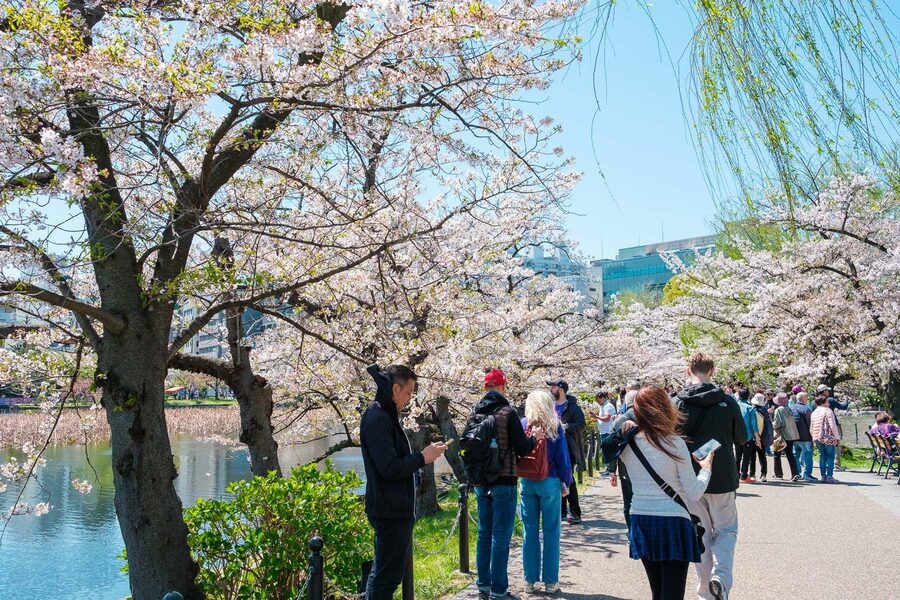
Ueno gives the tour a different feel. It is useful for visitors who want more than polished central districts and want to see a neighborhood with markets, shops, and ordinary city energy.
Nearby Ameya-Yokocho is especially practical for food-minded visitors. The market area provides a chance to look at snacks, seafood, and casual shopping while your guide helps with ordering, customs, and local context. It is also a good place to ask about what Tokyo residents actually buy and eat.
Market conditions can be crowded and noisy, and walking space may be tight. That is part of the experience, but it may not suit you if you want a calm morning. Add this stop when you want texture and local activity rather than a formal monument.
A completely different kind of day out in Tokyo:
- Mt Fuji and Hakone 1-Day Bus Tour Return by Bullet Train
★ 5.0 · 26,383 reviews - 1-Day Tokyo Bus Tour
★ 5.0 · 14,250 reviews - Tokyo: TOKYO SKYTREE® Admission ticket
★ 4.5 · 11,192 reviews - Tokyo: teamLab Planets TOKYO Digital Art Museum Entry Ticket
★ 4.6 · 9,779 reviews
Akihabara: electronics, anime, and modern city culture
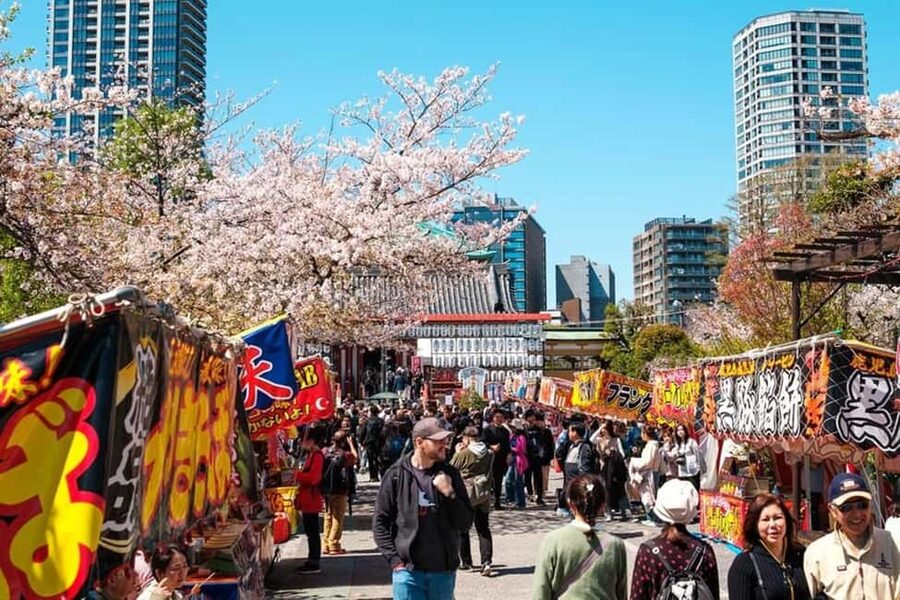
Akihabara offers a strong contrast with Sensō-ji and Ueno. It is the natural choice for interests in electronics, gaming, anime, manga, and Tokyo’s modern pop culture.
A local guide can keep the area from feeling like a row of brightly lit shops. Tell your guide what you want to understand, whether that means shopping, popular culture, or how the district fits into the city. If you are not interested in those subjects, use your limited time elsewhere. Akihabara is a specialized stop, not an essential sight for every visitor.
Shibuya Crossing and Harajuku: Tokyo’s youthful side
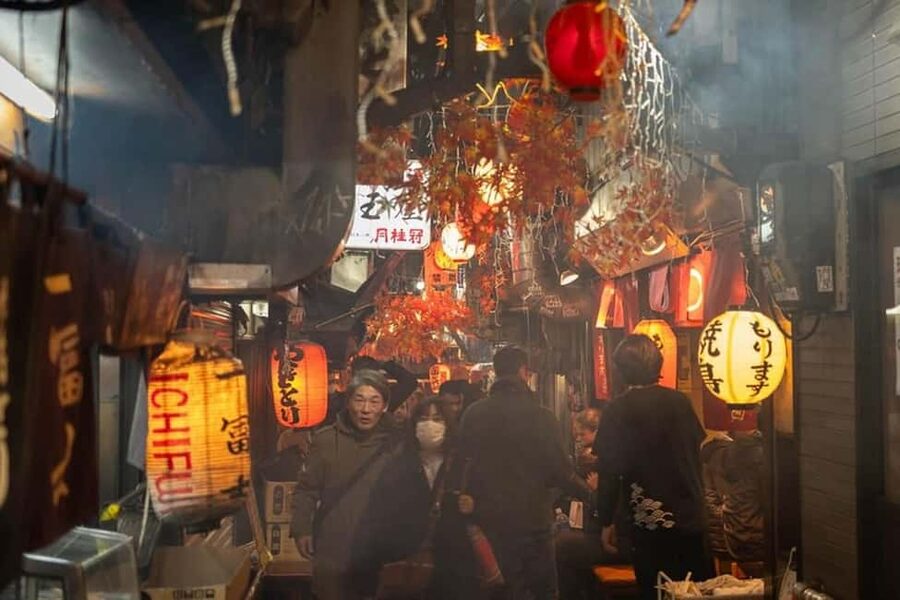
Shibuya Crossing is one of Tokyo’s most recognizable scenes. The crossing itself is quick to experience, though it can be fun for a first visit and useful as a symbol of the city’s fast pace.
I would not build an entire half-day around the crossing. One visitor specifically felt it was the one stop they would have skipped in hindsight. That is a helpful warning: the sight photographs well, but it may not reward a long journey if you have limited time.
Harajuku offers more variety, with fashion, youth culture, and nearby religious and green spaces. Pairing Harajuku with Meiji Shrine creates a stronger visit than treating the crossing as the main event. Your guide can help explain the contrast between youthful street culture and formal Shinto tradition.
Meiji Shrine: a quieter pause beside the city
Meiji Shrine is one of the clearest places on this route to encounter Shinto practice. The setting provides a break from Tokyo’s traffic and commercial streets, while the shrine gives your guide a chance to explain customs, offerings, and respectful behavior.
The shrine is a particularly good choice for a first day because it balances the city’s modern side. You get a sense of Tokyo as a place where old rituals and new habits exist side by side.
You will still be walking and standing, and shrine grounds can be spread out. Wear good shoes, and do not treat this as a quick photo stop if you want to understand what makes it special.
Tsukiji Outer Market: the strongest food-focused option
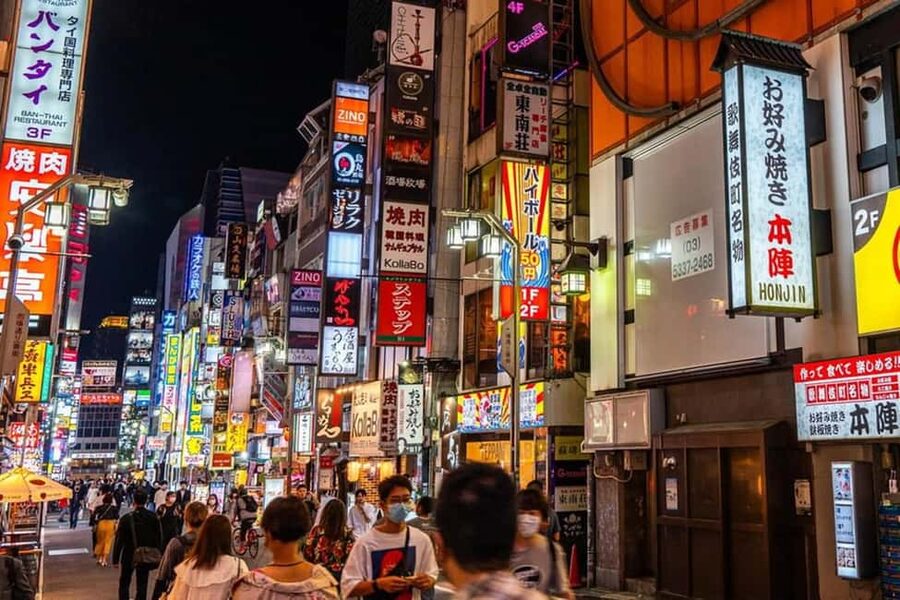
Tsukiji Outer Market is a smart choice if you are interested in food. Guides can help you make sense of the stalls, point out local specialties, and explain what you are looking at. Some tours include opportunities to sample foods, including grilled seafood and other market items.
This is also a useful stop for travelers who want a more hands-on experience. Instead of only looking at a landmark, you can taste, ask questions, and watch the rhythm of a working food district.
Meals are not included, and food purchases are your responsibility. If you choose to sit down for lunch or dinner during the tour, you are expected to cover the guide’s meal as well. Tell the company ahead of time if you do not want to include a shared meal, so expectations are clear.
Ginza and the Imperial Palace: polished Tokyo and national history
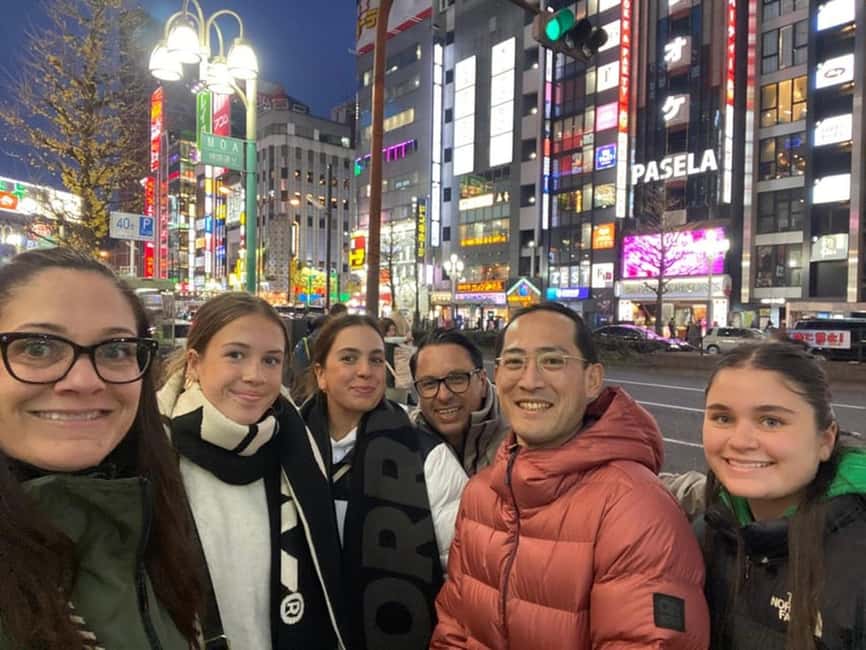
Ginza gives you Tokyo’s refined commercial side. It is a good fit for shopping, department stores, architecture, and a look at the city’s more formal public face.
The Imperial Palace provides a change of subject. Your guide can place the palace grounds and surrounding Chiyoda district within Japan’s political and historical story. The area is more spacious and stately than the narrow market lanes or crowded station districts.
As with all the stops, the exact access and time spent depend on the final plan. Additional attractions can require admission tickets for both you and your guide, and those costs are not covered. Ask what you will enter, rather than assuming every attraction connected with a neighborhood is included.
Shinjuku: neon, stations, and a useful final orientation
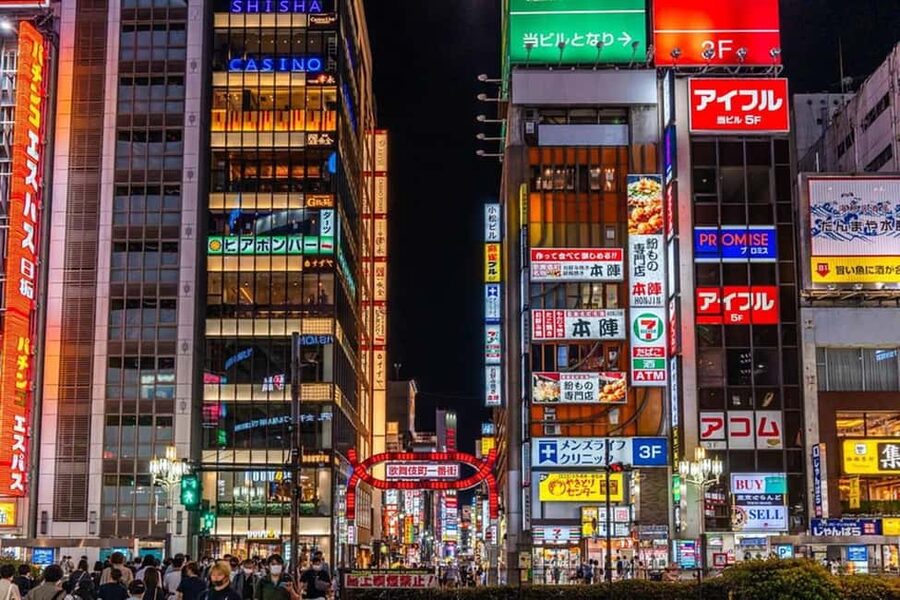
Shinjuku is an excellent choice if you want to understand Tokyo’s scale. The district brings together major transport links, shopping, entertainment, tall buildings, and busy streets.
It is also a practical place to finish an orientation tour. After moving around the city with your guide, you may feel more confident returning to Shinjuku on your own. The guide can show you how to navigate the station area and offer suggestions for the rest of your trip.
Shinjuku is not a single attraction, so it benefits from a clear purpose. Tell your guide if you want nightlife, shopping, food, city views, or transport help. Without that focus, the district can feel like a lot of signs and people with no clear thread.
What the guides do best
The guide makes or breaks a private tour, and this experience has earned strong praise for its people. Momo is repeatedly described as warm, funny, attentive, and good at explaining history, culture, food, and daily life without burying you in dates. Miwa is praised for careful planning, clear English, thoughtful answers, and help with future travel plans.
Rika has helped people find landmarks, use the rail system, take photos, and explore Tsukiji. Hina is noted for relaxed pacing and strong local knowledge, while Kanako adapted a final-day visit for older travelers by finding taxis instead of relying only on trains.
Those details reveal the real benefit. You are not paying only for facts. You are paying for judgment: which districts fit together, when to rest, how to get there, where a food stop makes sense, and how to adjust when your group slows down.
The guides also appear comfortable with different travel styles. Some visitors packed in many sights at a brisk pace. Others preferred conversation, food, or lesser-known lanes. Be direct about your preferred pace. If you want a relaxed day, say so before the itinerary is finalized.
Price, inclusions, and the costs that remain
At $53 per person, the tour can offer good value, especially for a private experience with hotel pickup and drop-off in central Tokyo. You also receive a local English-speaking guide, help using public transport, and coverage of temple and shrine entrance fees.
The price does not cover meals, drinks, train fares, private cars, airport transfers, or extra attraction tickets. If your route includes paid museums, observation decks, or other special requests, you may need to buy admission for both yourself and the guide.
Value depends on how much help you need. An experienced Tokyo visitor who already knows the trains may prefer to explore alone. A first-time visitor with only a few days can gain much more from a guide who prevents wrong turns and builds a workable route.
The private format also makes the price easier to justify for a family or small group. You get attention aimed at your own interests rather than a standard speech delivered to strangers.
Walking demands and useful preparation
Bring comfortable shoes, cash, a credit card, and your passport or ID. You will need to be ready for walking, standing, station transfers, and public transport. Tokyo’s trains can be crowded, and one person found that the combination of long walks and packed trains was tiring.
Summer heat adds another concern. A guide may build in cooling breaks, but you should still choose a reasonable pace. A shorter route with time to stop can be more enjoyable than racing through six districts.
The experience is not suitable for wheelchair users or people with mobility impairments. Baby strollers and baby carriages are not allowed, and smoking, drones, and littering are prohibited.
Cancellation is flexible up to 24 hours before the start for a full refund, and you can reserve now while paying later. Check the available start times and make sure the pickup area works for your accommodation.
Who should book this Tokyo walking tour?
I would recommend it most strongly to first-time visitors, people with only two or three days in Tokyo, families wanting a private pace, and anyone nervous about the rail system. It is also useful if you have specific interests, such as temples, markets, food, anime, shopping, or local customs.
Repeat visitors can benefit too, but only if they give the guide a clear brief. Ask for neighborhoods or subjects you missed before, rather than repeating the standard highlights.
You should skip it if you dislike public transport, cannot walk or stand for extended periods, or prefer a fixed sightseeing route with every entry ticket arranged in advance. You should also think twice if your wish list covers distant districts but you have booked only two or four hours.
Should you book it?
Yes, if you want Tokyo to make sense quickly and you are willing to help shape the day. The strongest part is the human guidance: Momo, Miwa, Rika, Hina, and the other guides bring warmth, practical transport help, and clear cultural explanations.
Book a four-hour version for a focused introduction, six hours for a balanced city sampler, and eight hours only if your group enjoys a long active day. Send a short priority list before the tour, carry a transport card, and leave room for the guide to cut weak choices such as a rushed trip across town just to see one famous crossing.
FAQ
How long does the private Tokyo walking tour last?
The available durations range from two to eight hours. Options include four, six, and eight hours, with starting times depending on availability.
Is the tour private?
Yes. The tour is offered for a private group, so the route and pace are arranged around your group’s interests.
Where does pickup take place?
Your guide can meet you at your hotel in central Tokyo or at a preferred meeting place in Tokyo. Hotel or accommodation pickup and drop-off are included.
Is public transportation included in the price?
The guide accompanies you using convenient public transportation, but train fares and other transport costs are not included. Private cars and taxis are also extra.
Are temple and shrine entrance fees included?
Entrance fees for temples and shrines are covered. Tickets for additional attractions or special requests are not included, and you may need to pay admission for both yourself and your guide.
Can I choose the places I visit?
Yes. You should share your interests and preferred places after booking. The final route is arranged with your guide about 24 hours before the tour.
Is food included?
No. Meals and beverages are not included. If you choose to have lunch or dinner during the tour, you are asked to cover the guide’s meal if the guide joins you.
What should I bring?
Bring your passport or ID card, comfortable shoes, cash, and a credit card. You should also download WhatsApp so your guide can contact you before the tour.
Just added around Tokyo
- Tokyo 6hr Instagram Highlights Private Tour with Licensed Guide★ 5.0 · 38 reviews
- Tokyo Small Group Tour with Guide★ 4.5 · 38 reviews
- Tokyo Sumo Experience with Live Show & Audience Challenge★ 5.0 · 38 reviews
- Japanese Food Cooking Class in Asakusa, Tokyo★ 5.0 · 39 reviews
- Very popular in Harajuku♡Animal petting zoo★ 4.6 · 39 reviews
- Ramen Making from Scratch with Tokyo Mom(Vegan Option Available)★ 5.0 · 39 reviews
- Tokyo JDM Night: 600hp C63s AMG Edition 1 (Private)★ 4.9 · 39 reviews
- Tokyo: Kimono Rental inside Shinjuku Gyoen National Garden★ 4.9 · 39 reviews
Walking Tours, compared.
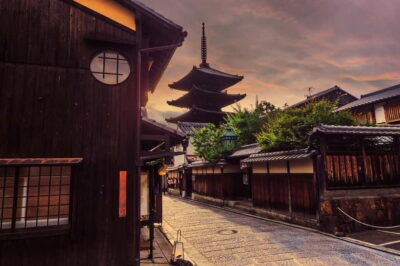
Kyoto Geisha Walking Tour: Gion District & Hidden Gems
Read our review →
Tokyo Tsukiji Fish Market Food and Culture Walking Tour
Read our review →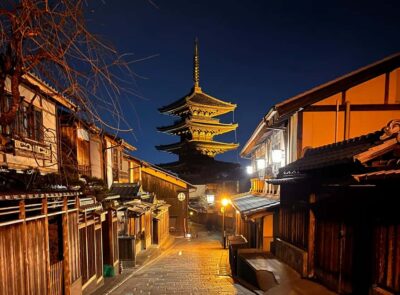
Gion Magical Night Walking Tour with Geisha Trivia
Read our review →
Imperial Palace and Shogun Historical Walking Tour
Read our review →
Gion Geisha District Walking Tour – Stories of Geisha
Read our review →
Shinjuku Local Bar and Izakaya Guided Walking Tour
Read our review →
Browse the lists this tour appears in