
Reviewed · WALKING TOURS
Tokyo Private Walking Tour With Fresh Eyes, Local Hearts
Tokyo rewards curiosity. This private walking tour lets you shape the day around what you care about, from temples and gardens to anime, food, fashion, or old neighborhoods. I especially like the one-to-one guide service and the chance to request places such as Tsukiji, Shibuya, or Gotokuji instead of following a fixed route. The main drawback is that the low price does not cover transport, meals, or several garden entry fees.
Your guide contacts you after booking to learn what you want from Tokyo. That early conversation matters, especially for first-time visitors facing a city with too many choices. Guide Toko has already shown a knack for building a first-day plan around family interests, and one solo guest praised her for shaping the whole outing to personal tastes.
In This Review
- Key points at a glance
- Why a private Tokyo walk can save your first day
- Imperial history, Tsukiji food, and the first choices
- Meiji Jingu, Shibuya, and the city’s modern face
- Senso-ji and Asakusa for old Tokyo atmosphere
- Kabuki, gardens, and quiet corners
- Akihabara, Golden Gai, and Tokyo after dark
- Ueno, Nezu, Kanda, and Gotokuji
- Timing, transport, and what the price really buys
- Who should book this Tokyo experience?
- Should you book this private walk?
- FAQ
- How much does the tour cost?
- How long does the tour last?
- Is the tour private?
- Can I customize the itinerary?
- Is hotel pickup available?
- Is public transportation included?
- Are meals included?
- Does the tour enter the Imperial Palace?
- Does the Kabukiza visit include a performance?
- Are garden admission fees included?
Key points at a glance
- Fully private format: Only your group joins, so the pace and subject matter can suit you.
- Born-and-raised Tokyo guides: Exploring Tokyo says its guides grew up in the city and can add a local point of view.
- A menu of major sights: Choose from Senso-ji, Meiji Jingu, Shibuya Crossing, the Imperial Palace, Akihabara, and many more.
- Transport is part of the plan, not the bill: Walking and public transportation are included as tour methods, but your fares are extra.
- Flexible duration: You can book from roughly one to eight hours, though the full list of stops cannot fit into one short outing.
- Strong customer record: The experience has a 5 rating, 41 ratings, and a 100 percent recommendation rate.
Why a private Tokyo walk can save your first day
Tokyo is not difficult because it lacks things to do. It is difficult because it offers too many excellent choices. A private guide can reduce that planning burden and help you avoid spending half a day crossing town for a sight that does not match your interests.
The tour is designed as an introduction, but it is not limited to a beginner route. You can ask for traditional temples, imperial gardens, local food areas, modern city districts, or pop culture. You also get a better chance to ask questions than you would on a large group outing.
The guide service begins before the walk. Exploring Tokyo says it contacts you within two days after booking, giving you a chance to explain your plans and requests. Use that opportunity clearly. Tell the guide if you want gardens, shopping, architecture, food, photography, history, or an easy pace.
The low advertised price is attractive, especially for a private experience. Still, read it as the starting cost per person. Public transport fares are not included, and meals and personal expenses are your responsibility. Admission is also extra at Shinjuku Gyoen, Hamarikyu Gardens, Koishikawa Korakuen, Rikugien, Kiyosumi Teien, and Kanda Shrine.
More Walking Tours in Tokyo
- Tokyo Tsukiji Fish Market Food and Culture Walking Tour
★ 5.0 · 3,184 reviews - Tokyo: Imperial Palace and Shogun Historical Walking Tour
★ 5.0 · 2,251 reviews - Tokyo: Shinjuku Local Bar and Izakaya Guided Walking Tour
★ 4.9 · 1,794 reviews
Imperial history, Tsukiji food, and the first choices
The Imperial Palace is a sensible opening request for a first visit. The grounds occupy the former site of Edo Castle, with moats and a broad park setting that helps explain Tokyo’s connection to the Tokugawa shoguns and the city’s old political center.
Keep your expectations in check. This tour does not enter the inside of the Imperial Palace. Access is limited to certain public areas, and the listed time is about 15 minutes, so this works best as a quick orientation stop rather than a full palace visit.
Tsukiji Outer Market brings a different mood. More than 400 shops and stalls line the streets, offering fresh food and a useful chance to stop for breakfast. If eating is part of your plan, tell your guide in advance and budget separately for anything you buy.
The suggested Tsukiji Fish Market stop is less clear than the outer market visit. The description refers to an inner market area that can be unfamiliar even to many Japanese people, while the outer market is the better-known place for street food. Ask your guide exactly which Tsukiji areas are open and planned for your date, since the two stops may overlap in a short tour.
Meiji Jingu, Shibuya, and the city’s modern face
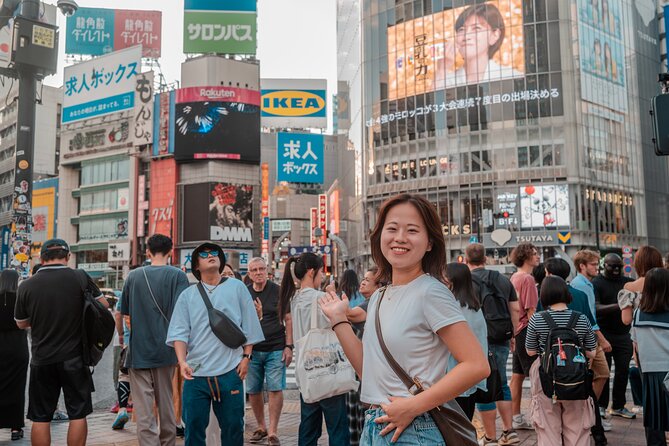
Shibuya Crossing gives you the Tokyo image many people hope to see: crowds moving across a huge intersection beneath giant signs and screens. The surrounding district is also known for youth culture, fashion, and entertainment, making it a useful choice if you want a quick sense of modern Tokyo.
A 15-minute stop is enough for an introduction and a look at the crossing, but not enough for serious shopping or a full neighborhood visit. You may prefer Shibuya as one part of a longer route rather than the main focus of a one-hour booking.
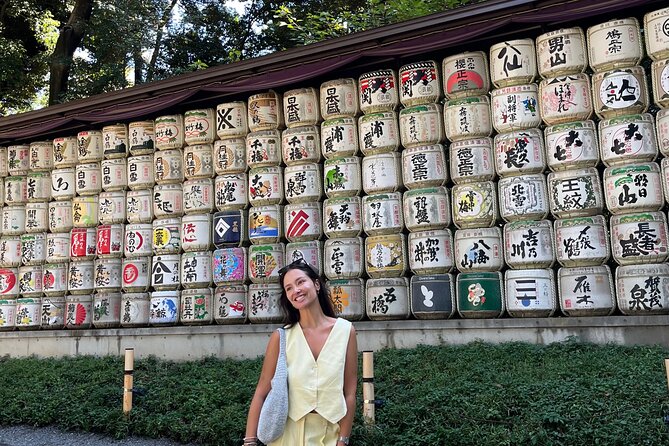
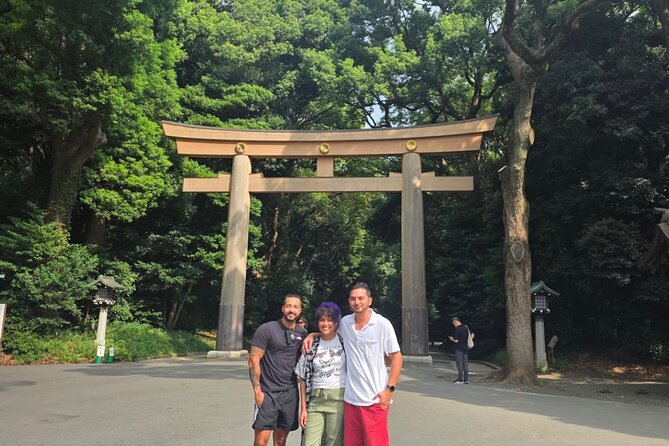
Meiji Jingu offers a sharp change of pace. Built in 1920 to honor Emperor Meiji and Empress Shoken, it is not an ancient shrine, yet it holds an important place in modern Japanese history. The grounds provide a more traditional setting after the noise and movement of Shibuya.
Nearby Yoyogi Park gives you open space for a walk, a picnic, jogging, or seasonal trees. Takeshita Street, outside Harajuku Station, takes you in the opposite direction, with fashion, sweets, accessories, and character goods tied to kawaii culture.
These sights pair well, but you should choose carefully. Shibuya, Meiji Jingu, Yoyogi Park, and Takeshita Street are connected by area, while Tsukiji or Asakusa require a different plan. Your guide can help prevent a day spent mostly moving between districts.
Senso-ji and Asakusa for old Tokyo atmosphere
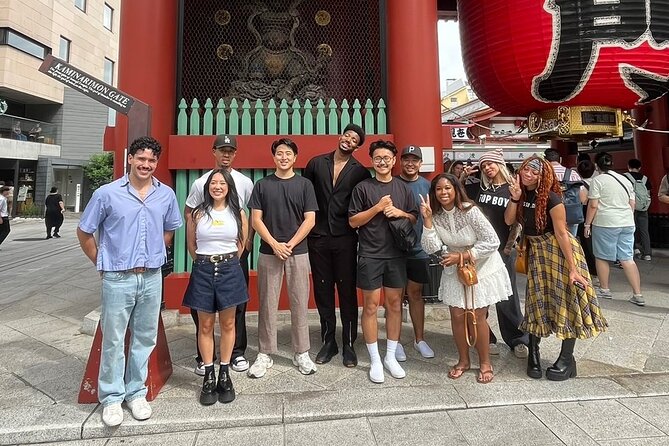
Senso-ji is one of the strongest choices for a first Tokyo tour. Located in Asakusa, it is the city’s oldest temple and one of its most loved landmarks. Its story begins with a legend about two fisherman brothers who discovered a statue, giving the temple a memorable human beginning.
The planned visit is about 30 minutes, twice the time given to most other stops. That makes sense. You need time to take in the temple, notice the surrounding details, and understand how the religious site fits into Asakusa’s older streets.
Asakusa itself deserves attention beyond Senso-ji. The district preserves more of Tokyo’s traditional character, with local streets, small shops, and food around the temple area. If you want a taste of older Tokyo without committing to a full day of museums, Asakusa is a strong request.
The practical limit is crowding. Senso-ji is a major landmark, so a short private visit will not turn it into a quiet retreat. Your guide’s value here is explanation and orientation, not private access.
A completely different kind of day out in Tokyo:
- Mt Fuji and Hakone 1-Day Bus Tour Return by Bullet Train
★ 5.0 · 26,383 reviews - 1-Day Tokyo Bus Tour
★ 5.0 · 14,250 reviews - Tokyo: TOKYO SKYTREE® Admission ticket
★ 4.5 · 11,192 reviews - Tokyo: teamLab Planets TOKYO Digital Art Museum Entry Ticket
★ 4.6 · 9,779 reviews
Kabuki, gardens, and quiet corners
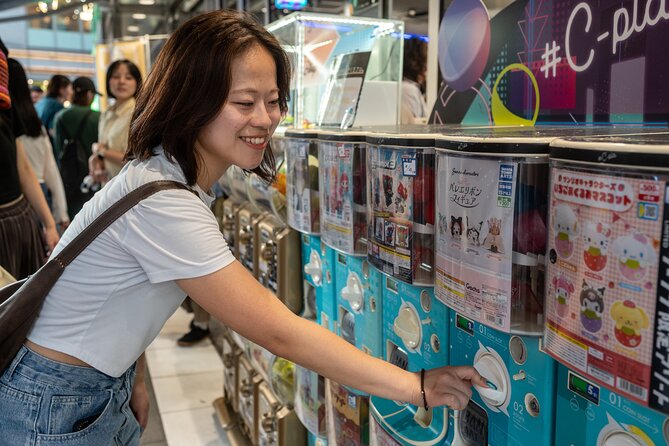
Kabukiza Theater introduces one of Japan’s best-known traditional arts. This tour does not include the main theater interior or a kabuki performance. Instead, the visit goes to a gallery on another floor in the same building, so it is best for a brief cultural introduction rather than a full theater evening.
Tokyo’s gardens offer another useful contrast. Shinjuku Gyoen National Garden began as an imperial garden and is now open to the public. It provides a calm green break in central Tokyo, but admission is not included.
Hamarikyu Gardens sits beside Tokyo Bay and began as a villa for the shogun. Its ponds, tidal gardens, and seasonal flowers show a different side of the city, where formal garden design meets the modern waterfront. Entry costs extra.
Koishikawa Korakuen dates from the early Edo period and uses ponds, bridges, and hills to create a strolling garden. Rikugien is another feudal-era garden, especially attractive during spring blossoms and autumn leaves. Kiyosumi Teien, also centered on a pond, offers another quiet Edo-period setting and also requires a separate admission fee.
You should not try to collect all of these gardens in one short booking. Pick one based on your location and the season. A garden visit also takes more time than the listed 15-minute outline suggests if you want to walk rather than simply see the entrance.
Akihabara, Golden Gai, and Tokyo after dark
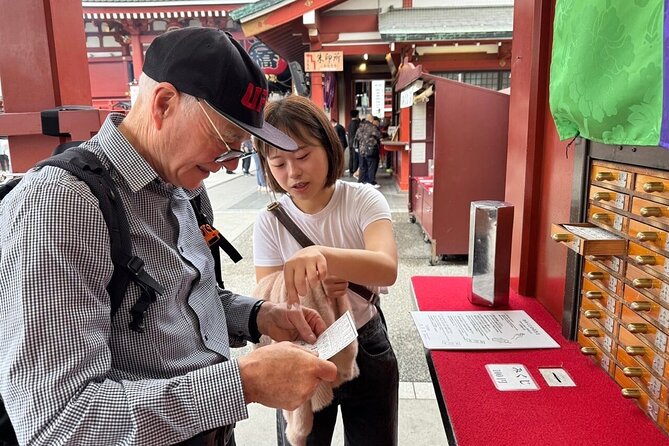
Akihabara is the natural choice for electronics, anime, manga, and gaming. It gives you a quick look at Tokyo’s pop culture side and suits anyone who wants shops and entertainment instead of shrines and gardens.
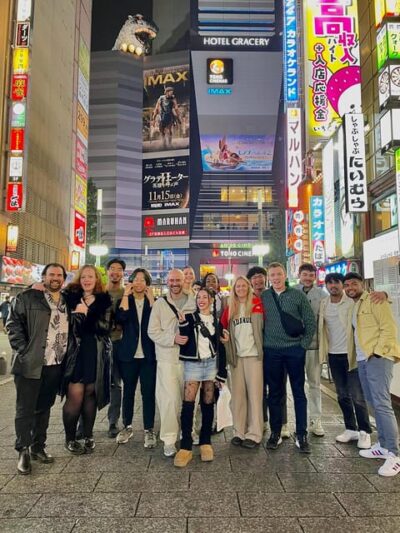
Golden Gai in Shinjuku is a very different urban experience. More than 300 tiny bars occupy narrow lanes and traditional two-story buildings. A brief walk can show you the district’s unusual scale, but the short stop does not include a full night out.
This is one place where the private format helps. You can ask for a look at the area without committing to an evening focused on bars. Food, drinks, and personal spending are not included, and the experience does not promise entry to any particular bar.
Tokyo Tower and Zojo-ji make another useful pairing. Tokyo Tower is an iconic observation tower with wide city views and special appeal when lit at night. The tour description does not list an admission fee or promise access to the observation decks, so ask your guide what the planned visit includes.
Nearby Zojo-ji is a historic temple linked to the Tokugawa clan, with several Tokugawa shoguns enshrined there. Its location near Tokyo Tower creates a memorable old-and-new combination, even if you only stop briefly.
Ueno, Nezu, Kanda, and Gotokuji
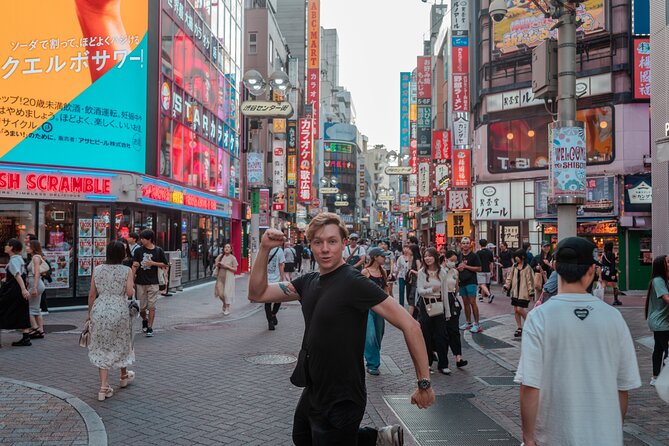
Ueno Park combines nature with museums, art galleries, and a zoo. In spring, its cherry blossoms draw large crowds. It is a good choice when you want several cultural options in one district, though the full museums and zoo are not part of the basic walking plan.
Nezu Shrine gives you a quieter shrine visit. It is known for azalea flowers, traditional buildings, and green grounds. Seasonal blooms matter here, so your experience can change greatly depending on the time of year.
Kanda Shrine has more than 1,300 years of history and serves as one of Tokyo’s traditional guardian shrines. Admission is not included, although the listed stop itself is free. This is a useful request if you want a shrine with a connection to central city districts such as Kanda and Nihonbashi.
Gotokuji Temple is famous as the birthplace of the maneki-neko, or beckoning cat. Its traditional buildings and gardens offer a peaceful cultural stop, and the unusual cat connection gives it a clear identity. It may suit you better than another major landmark if you have already seen the best-known temples.
Timing, transport, and what the price really buys
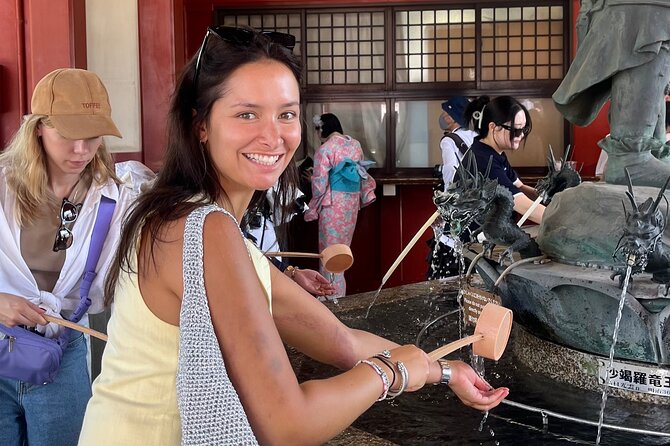
The duration ranges from about one to eight hours. That range makes the experience adaptable, but it also means the long stop list is a collection of options, not a promise that you will visit every location.
At 15 minutes per stop, even a handful of locations can fill a short booking once walking and train or subway travel are added. The 30-minute Senso-ji visit is the only stop given longer on the schedule. In practice, I would choose two or three nearby sights for a shorter outing and reserve the longer option for a broader district plan.
Walking and public transportation are included as the ways the tour operates. Your public transport fares are not included, and private transport is not included either. That arrangement keeps the base price low, but you should carry extra money for fares, food, garden tickets, and other personal expenses.
At $26.36 per person, the value depends on your group size and goals. For a small group that wants help making decisions, a private guide at this price can be a strong bargain. The real benefit is not simply seeing a famous crossing or temple. It is having someone help you connect the right places and avoid an unfocused day.
The experience is also suitable for most people, and service animals are allowed. Pickup is offered, and the meeting area is near public transportation. Confirmation arrives at booking, while changes or cancellation need to be handled at least 24 hours before the start time for a full refund.
Who should book this Tokyo experience?
I would recommend it most to first-time visitors who feel overloaded by Tokyo’s size. Families may also appreciate the chance to adjust the day around different interests. Toko’s planning with one family included attention to history, culture, local treats, and what the children would enjoy, which is exactly the kind of adjustment a private format can provide.
It also suits repeat visitors who want a specific theme. Ask for gardens, traditional neighborhoods, anime and gaming, modern architecture, food areas, or a mix of major sights and lesser-known districts.
I would be more cautious if you want guaranteed access to the Imperial Palace interior, a kabuki performance, Tokyo Tower’s observation decks, or a long meal at Tsukiji. Those are not promised here. You also need to be comfortable paying transport and selected admission fees separately.
Should you book this private walk?
Book it if you want a friendly local guide to turn a long wish list into a manageable Tokyo day. The private format, flexible planning, and strong record of 5 ratings from 41 ratings make it especially appealing for first visits, families, and anyone who dislikes rigid group schedules.
Before booking, decide which two or three districts matter most. Ask the guide to group nearby sights, confirm any paid admissions, and be clear about your preferred pace. If you do that, this inexpensive tour can give you a useful start in Tokyo without forcing you through places that do not interest you.
FAQ
How much does the tour cost?
The listed price is $26.36 per person.
How long does the tour last?
The tour lasts approximately one to eight hours, depending on the option selected.
Is the tour private?
Yes. Only your group participates in the tour.
Can I customize the itinerary?
Yes. The itinerary can be customized, and you can make requests based on your interests.
Is hotel pickup available?
Yes. Hotel pickup is offered.
Is public transportation included?
Walking and public transportation are included as tour methods, but public transportation fees are not included.
Are meals included?
No. Meals, food, and personal expenses are not included.
Does the tour enter the Imperial Palace?
No. The tour does not include access to the inside of the Imperial Palace. Entry is limited to certain public areas.
Does the Kabukiza visit include a performance?
No. The tour visits a gallery on a different floor of the Kabukiza building, not the inside of the main theater itself.
Are garden admission fees included?
No. Admission is not included for Shinjuku Gyoen National Garden, Hamarikyu Gardens, Koishikawa Korakuen Garden, Rikugien Garden, or Kiyosumi Teien.
Just added around Tokyo
- Tokyo Small Group Tour with Guide★ 4.5 · 38 reviews
- Tokyo 6hr Instagram Highlights Private Tour with Licensed Guide★ 5.0 · 38 reviews
- Tokyo Sumo Experience with Live Show & Audience Challenge★ 5.0 · 38 reviews
- Very popular in Harajuku♡Animal petting zoo★ 4.6 · 39 reviews
- Japanese Food Cooking Class in Asakusa, Tokyo★ 5.0 · 39 reviews
- Ramen Making from Scratch with Tokyo Mom(Vegan Option Available)★ 5.0 · 39 reviews
- Tokyo: Kimono Rental inside Shinjuku Gyoen National Garden★ 4.9 · 39 reviews
- Tokyo JDM Night: 600hp C63s AMG Edition 1 (Private)★ 4.9 · 39 reviews
Walking Tours, compared.
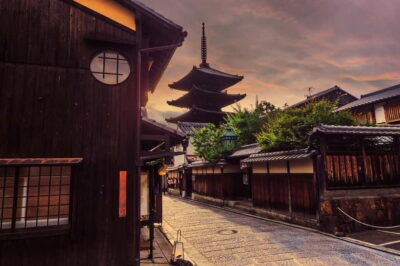
Kyoto Geisha Walking Tour: Gion District & Hidden Gems
Read our review →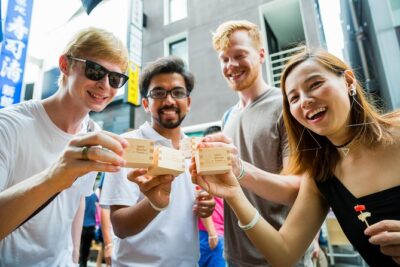
Tokyo Tsukiji Fish Market Food and Culture Walking Tour
Read our review →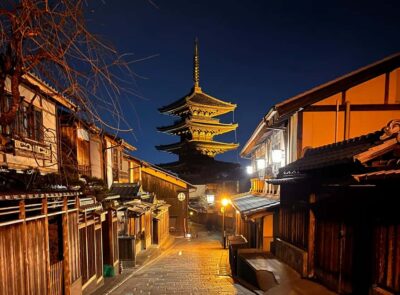
Gion Magical Night Walking Tour with Geisha Trivia
Read our review →
Imperial Palace and Shogun Historical Walking Tour
Read our review →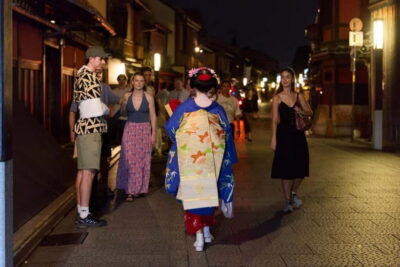
Gion Geisha District Walking Tour – Stories of Geisha
Read our review →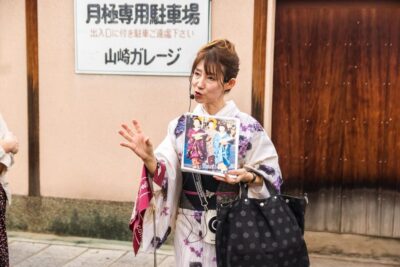
Shinjuku Local Bar and Izakaya Guided Walking Tour
Read our review →
Browse the lists this tour appears in