
Reviewed · SAMURAI & NINJA EXPERIENCES
Tokyo Samurai Experience
Step into Tokyo’s samurai past. This four-hour outing combines a guided walk through Kagurazaka, a kimono-clad samurai lesson, a traditional lunch, and a small taste of Japanese food culture. I like the smart mix of activities: you get local streets and historic sites, then a hands-on class rather than only a talk. I also like that lunch and a vegetarian option are included.
The main consideration is the price, $166.04 per person. That is a serious half-day expense, especially if you have already booked several Tokyo activities. The value depends on using all the pieces: the guide, meal, food tasting, kimono rental, and one-hour samurai session.
In This Review
- Key points to know before booking
- Why this Tokyo half-day feels different
- Meeting at Iidabashi and finding your guide
- Kagurazaka’s former samurai streets
- The one-hour samurai lesson and kimono rental
- A traditional lunch in Kagurazaka
- How the timing works across four hours
- Is $166.04 a fair price?
- Who should book this experience?
- Cancellation and practical details
- FAQ
- How long does the Tokyo Samurai Experience last?
- How much does the experience cost?
- What is included in the price?
- Is a vegetarian lunch available?
- Where does the tour meet and finish?
- How many people can join the tour?
- Should you book the Tokyo Samurai Experience?
Key points to know before booking
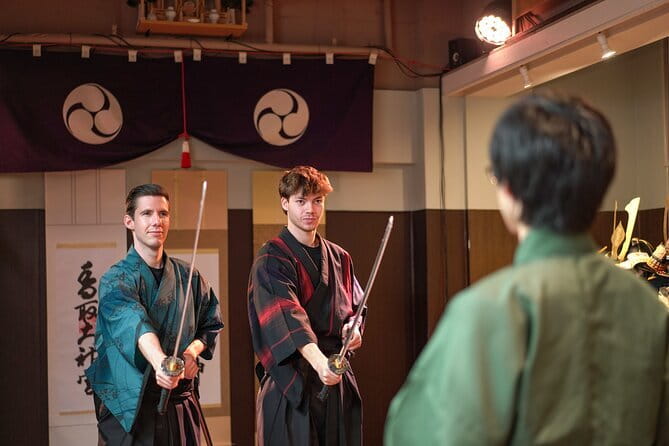
- A one-hour samurai class includes kimono rental, instruction, combat movements, and a performance element.
- Kagurazaka supplies the setting, with former samurai streets, temples, and shrines to explore on foot.
- Lunch is included at a traditional Japanese restaurant, with a vegetarian choice available.
- The group is limited to seven people, which should make the walking tour and class easier to follow.
- The meeting point is at JR Iidabashi Station’s West Exit, by the Aoyama Flower Market.
- The tour ends where it begins, and free cancellation is available up to 24 hours before the start time.
Why this Tokyo half-day feels different
Tokyo offers endless temples, towers, markets, and shopping streets. This experience takes a narrower path. It focuses on the old samurai district of Kagurazaka and adds a playful activity that lets you move, dress, and perform rather than simply look at historic objects.
I like that balance. The walking portion gives the samurai theme a real setting, while the class gives you something memorable to do with your hands. You are not just hearing about warriors from a guidebook. You are learning basic movements with a katana and taking part in a staged performance.
The cultural mix also feels well judged. Japanese food, a neighborhood walk, traditional clothing, and martial arts all appear in one booking. That makes this useful for a first visit, especially if you want one outing that covers several parts of Japanese culture without arranging separate reservations.
Still, this is not a full-day historical tour or an advanced martial arts course. The samurai lesson lasts one hour, and the neighborhood walks are short. Think of it as a lively introduction, not specialist training or an exhaustive study of feudal Tokyo.
More Samurai & Ninja Experiences in Tokyo
- Tokyo: Samurai Restaurant Show Ticket with 2 Drinks
★ 4.5 · 1,307 reviews - Tokyo: Samurai Ninja Museum Guided tour and Experience
★ 4.6 · 1,010 reviews - Tokyo: Samurai Sword & Archery Class from Samurai Descendant
★ 5.0 · 603 reviews
Meeting at Iidabashi and finding your guide
The tour begins in front of the West Exit of JR Iidabashi Station. The stated meeting point is by the Aoyama Flower Market at 4-chome, Iidabashi, Chiyoda City, Tokyo 102-0072.
The directions say you will see the market on your right after leaving the West Exit. I would allow a few extra minutes to get your bearings inside the station, since large Tokyo stations can have several exits and passageways. The meeting point is near public transportation, and the activity ends back there.
A mobile ticket is provided, so keep your booking accessible on your phone. Confirmation arrives at booking time. Since the group maximum is seven, arriving promptly matters more than it would on a large bus tour.
The experience is led by a Certified MagicalTrip guide. That matters most during the Kagurazaka walk, where the quality of the outing depends on how well the guide connects streets, shrines, temples, and local customs. The strongest praise for this experience centers on the guide-led cultural flow, food sampling, dressing as a samurai, katana practice, and the final performance.
Kagurazaka’s former samurai streets
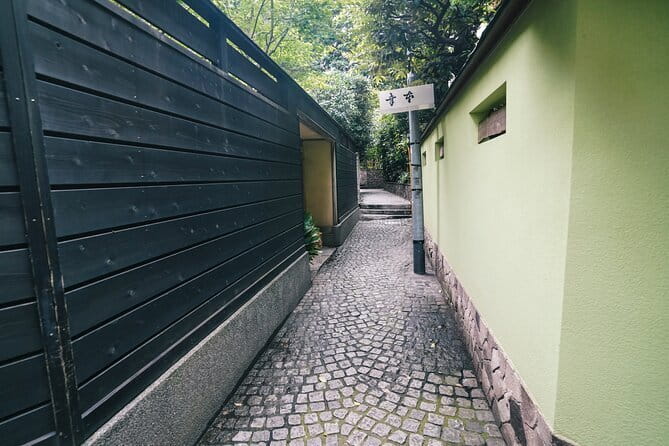
The first proper stop takes you into Kagurazaka, a Tokyo neighborhood once associated with samurai residences. You will walk through streets connected with that past while learning about the area’s temples, shrines, and changing character.
The walk is divided into short sections, with about 20 minutes listed early in the experience and another 20 minutes later. That structure works well. You get an introduction before the activity, then a chance to return to the neighborhood with more context after lunch and the samurai class.
I like this approach because the setting does quiet work in the background. Instead of treating samurai culture as a costume-only theme, the guide places it in a real Tokyo district. The walk may appeal most to you if you enjoy smaller neighborhoods and local stories more than checking off major sights.
Do not expect a long trek. The listed walking portions total about 40 minutes, and the tour’s main focus is the combination of neighborhood exploration, lunch, and the class. Comfortable shoes remain a sensible choice, but this is not presented as a demanding walking excursion.
The exact sights along the route can depend on the guide and the pace of the group. You should expect historic streets, temples, shrines, and explanations of the samurai connection, rather than a fixed parade of major monuments.
The one-hour samurai lesson and kimono rental

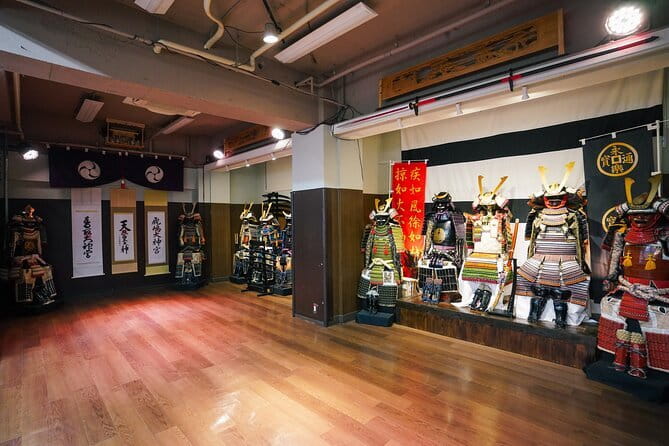
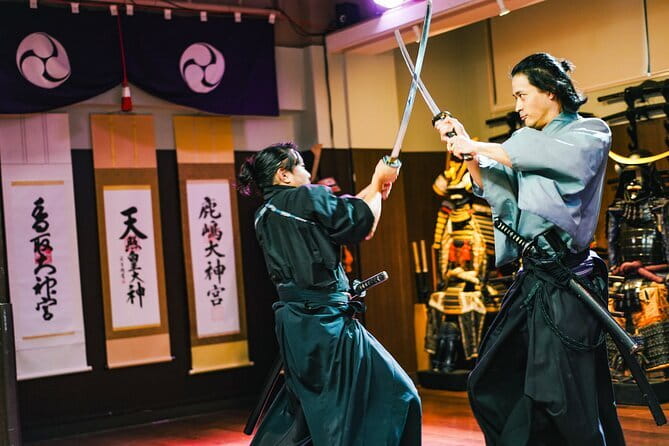
The center of the experience is the one-hour samurai session at Samurai Theater Tokyo. You receive a kimono rental and learn basic samurai fighting movements from professional instructors.
This is the part that gives the outing its energy. You will not merely watch a demonstration. The experience includes learning how to use a katana, practicing movements, and performing what you have learned. That performance element was especially well received, and it helps explain why the activity earned a five-star rating from 27 reviews with 100 percent recommending it.
The class is best understood as guided cultural theater and basic movement training. It is not a substitute for a long martial arts course, and the supplied details do not promise advanced sword work. The point is participation, presentation, and a closer feel for the discipline and form associated with samurai performance.
The kimono rental adds an important visual and physical element. Clothing changes how you move, how you pose, and how seriously you take the session. It also makes this a good choice if you want photographs connected to an activity rather than a standard kimono rental with no wider program.
The one-hour length is sensible. A shorter session might feel rushed, while a much longer class could become tiring, especially after walking and before lunch. With a maximum of seven people, the instructor should have a manageable group for demonstrations and practice, although individual coaching time will naturally vary.
If you dislike dressing up, staged performance, or learning simple choreographed movements in front of others, this may not be your best Tokyo activity. If you enjoy trying something slightly theatrical, the class is likely to be the highlight.
A completely different kind of day out in Tokyo:
- Mt Fuji and Hakone 1-Day Bus Tour Return by Bullet Train
★ 5.0 · 26,383 reviews - 1-Day Tokyo Bus Tour
★ 5.0 · 14,250 reviews - Tokyo: TOKYO SKYTREE® Admission ticket
★ 4.5 · 11,192 reviews - Tokyo: teamLab Planets TOKYO Digital Art Museum Entry Ticket
★ 4.6 · 9,779 reviews
A traditional lunch in Kagurazaka
After the samurai session, the group has lunch at a cozy wooden restaurant in Kagurazaka. The meal includes traditional Japanese dishes, and a vegetarian option is available.
Including lunch makes the price easier to assess. You are not paying only for a walking tour and a one-hour activity. The fee also covers a sit-down meal, the kimono rental, instruction, and one traditional food or sweet chosen during the tour.
The restaurant setting should appeal to you if atmosphere matters as much as the food itself. A wooden dining room in Kagurazaka fits the tone of the day better than a hurried meal near a major station. It also gives the guide another chance to explain what you are eating and how it fits into Japanese food customs.
There are clear limits for dietary planning. Vegetarian food is available, but vegan and gluten-free options are not. Additional food and drinks cost extra. If you have strict dietary needs, this is one of the most important points to settle before booking, since the included meal cannot cover every diet.
The food tasting is a separate small feature. You can choose one traditional food or sweet during the tour. That gives you another chance to try something local, though you should not treat it as an unlimited tasting session.
How the timing works across four hours
The experience is advertised at approximately four hours. The listed activities add up to about three and a half hours: a short meeting-area stop, two short Kagurazaka walks, one hour at Samurai Theater Tokyo, and one hour and 40 minutes for lunch.
That leaves some room for moving between stops, changing into the kimono, organizing the group, and handling the natural pauses that come with a meal and a class. You should plan for the full four-hour window rather than assuming you will finish at the exact sum of the activity times.
The lunch period is the longest single block at one hour and 40 minutes. That is generous enough for a relaxed meal and conversation, but it also means the tour is not built around rushing from sight to sight. I see that as a strength for a cultural outing, though visitors with tightly packed schedules should take note.
The end point is the original meeting point. This makes the tour easier to fit into a day of sightseeing, since you are not left in an unfamiliar part of Tokyo. You can continue from Iidabashi or return to your accommodation using nearby public transportation.
Is $166.04 a fair price?

At $166.04, this is not a bargain walking tour. The price makes more sense when you count the inclusions: a Certified MagicalTrip guide, one-hour samurai experience, kimono rental, Japanese lunch, vegetarian meal option, and one traditional food or sweet.
You are also buying convenience. One reservation joins several activities that could otherwise require separate research, transport planning, restaurant arrangements, and a samurai class booking. For a first visit, that can be worth real money.
The small group helps support the price. A maximum of seven people is far more personal than a large group moving through a neighborhood. It should also make the samurai lesson easier to manage and the guide’s stories easier to hear.
I would consider it good value for someone who wants a packaged cultural experience and would otherwise book both a guided neighborhood tour and a samurai activity. I would consider it expensive for someone mainly interested in seeing Kagurazaka streets or eating lunch. Those elements alone do not justify the full fee.
Booking patterns also matter. This experience is booked, on average, 62 days ahead. That suggests you should not leave it until the last few days if the date matters to you, especially because the group is capped at seven.
Who should book this experience?
I would recommend it most strongly to first-time visitors who want a guided introduction to several parts of Japanese culture in one morning or afternoon. Families, couples, and small groups of friends may enjoy the mix of dressing up, movement, food, and neighborhood walking.
It is also a good fit if you prefer activities over passive sightseeing. The samurai lesson gives you a clear role, and the performance creates a shared memory that a standard temple visit may not provide.
Food-focused visitors should note the included lunch and traditional tasting, while history-minded visitors will appreciate the Kagurazaka setting and samurai connection. The outing works best when you see the historical material and the performance as partners, not as separate products.
I would hesitate to recommend it if you need vegan or gluten-free food, want serious martial arts instruction, or prefer a quiet museum-style tour. The experience is social, structured, and lightly theatrical. That is its charm, but it will not suit every mood.
Cancellation and practical details
You can cancel for a full refund up to 24 hours before the local start time. Changes made less than 24 hours before the start are not accepted, and cancellations inside that period are not refunded.
Most people can participate, and the activity is near public transportation. The available information does not specify detailed accessibility arrangements, so you should confirm any particular mobility needs before booking.
The tour includes additional food and drinks only if you buy them yourself. Bring a phone for the mobile ticket, arrive at the West Exit meeting point on time, and leave enough space in your schedule for the full approximate four hours.
FAQ
How long does the Tokyo Samurai Experience last?
The experience lasts approximately four hours. It includes short walks in Kagurazaka, a one-hour samurai class, lunch lasting about one hour and 40 minutes, and time for moving between activities.
How much does the experience cost?
The listed price is $166.04 per person.
What is included in the price?
The price includes the one-hour samurai experience, kimono rental, Japanese lunch, one traditional food or sweet, and a Certified MagicalTrip guide.
Is a vegetarian lunch available?
Yes. A vegetarian option is available. Vegan and gluten-free options are not available.
Where does the tour meet and finish?
The meeting point is in front of the West Exit of JR Iidabashi Station, by the Aoyama Flower Market. The experience ends back at the meeting point.
How many people can join the tour?
The activity has a maximum of seven participants.
Should you book the Tokyo Samurai Experience?
Book it if you want more than sightseeing and like the idea of combining a real neighborhood walk with Japanese food, traditional clothing, basic katana movements, and a short performance. The small group and included lunch help explain the price, while the one-hour class supplies the memorable centerpiece.
Skip it if you need a low-cost introduction to Kagurazaka, require vegan or gluten-free dining, or want formal samurai training. For the right audience, this is a cheerful, well-rounded half-day that connects Tokyo’s streets with a hands-on cultural activity.
Just added around Tokyo
- Tokyo Shibuya Walking tour With A Guide★ 4.4 · 22 reviews
- Tokyo’s Authentic and Finest Taiko Drumming Workshop★ 5.0 · 22 reviews
- Private Tokyo Local Food and Drink Tour with a Bar Hopping Master★ 5.0 · 22 reviews
- Tokyo: Visit Sumo Morning Practice with English Guide★ 4.5 · 22 reviews
- Nikko Toshogu, Kegon waterfall, Lake Chuzenji One Day Pvt. Tour★ 5.0 · 22 reviews
- Private Departure Transfer : Central Tokyo City to Haneda Airport★ 4.5 · 22 reviews
- Mt. Fuji and Hakone Private Tour with English Speaking Driver★ 5.0 · 22 reviews
- Private Tour with a Local Guide – Learn about daily life in Japan★ 5.0 · 22 reviews
Samurai & Ninja Experiences, compared.
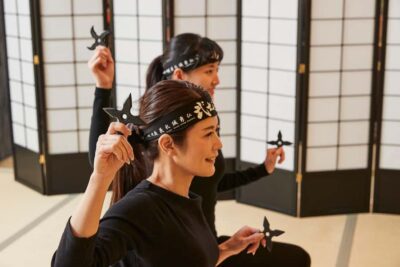
Samurai Ninja Museum Guided tour and Experience
Read our review →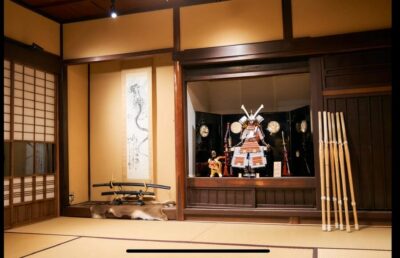
Kendo and Samurai Experience with Uniform and Gear
Read our review →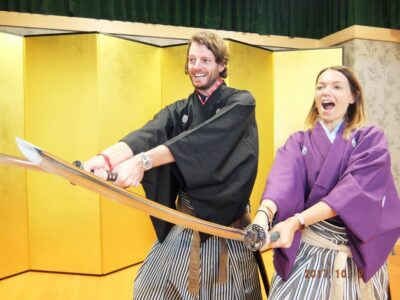
Samurai Sword Class by Experts in Traditional Arts
Read our review →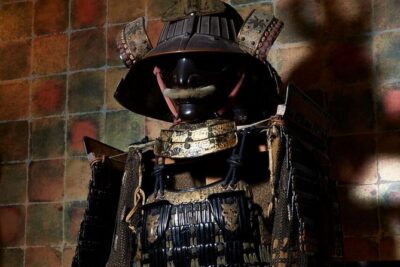
Skip the lines Basic Ticket at SAMURAI NINJA MUSEUM KYOTO
Read our review →
Samurai Sword & Archery Class from Samurai Descendant
Read our review →
Browse the lists this tour appears in