
Reviewed · FISH MARKET TOURS
Tokyo: Tsukiji Fish Market Seafood & Street Eats
Fresh seafood, fast pace, no empty stomachs. Tsukiji Fish Market: Seafood & Street Eats gives you a compact way to see Tokyo’s famous food district with an English-speaking local guide. I like the small group size, capped at 10 people, and I like that guides such as Haru, Toko, and Ryo focus on helping you find good food rather than simply pointing at stalls. The main catch is clear: food and drinks cost extra, so your final spending depends on how much you sample.
This morning outing works well when your Tokyo schedule is tight. You visit Tsukiji Hongwanji Temple, walk through Tsukiji Fish Market and Tsukiji Jogai Market, and have time to buy seafood and Japanese street food along the way. I would arrive hungry, wear comfortable shoes, and keep some spending money ready. The tour costs $42 per person, which is fair if you value local guidance and help navigating the market, but less appealing if you only want to wander on your own.
In This Review
- Key points to know before you book
- Starting at Tsukiji Hongwanji Temple
- One and a half hours among Tsukiji’s seafood stalls
- Tsukiji Jogai Market and the one-hour food walk
- What the guide adds to the market
- Is $42 a fair price?
- Timing, meeting point, and pace
- Who will enjoy this Tsukiji tour most?
- Should you book Tokyo: Tsukiji Fish Market Seafood & Street Eats?
- FAQ
- How long does the Tsukiji Fish Market tour last?
- What markets are included?
- Is Tsukiji Hongwanji Temple included?
- Is food included in the $42 price?
- What kind of food can I buy?
- How many people can join the tour?
- Where does the tour start and finish?
- Is an English-speaking guide provided?
- Can I cancel for a full refund?
Key points to know before you book
- The group is limited to 10 people: This gives you a better chance to ask questions and stay close to the guide in crowded market lanes.
- Food is not included: You choose and pay for your own sushi, sashimi, seafood snacks, and drinks.
- The tour lasts about two and a half hours: It fits neatly into a morning or a meal break without taking over your day.
- Tsukiji Hongwanji Temple begins the experience: Its distinctive architecture adds a cultural stop before the food tasting starts.
- Guides can help with popular food stops: Haru has waited in line for customers at a well-loved tuna restaurant, saving them time.
- It ends where it begins: The meeting point is at 3-chōme-9-10 Tsukiji, Chuo City, near public transportation.
Starting at Tsukiji Hongwanji Temple
The experience begins near Tsukiji Hongwanji Temple, at 3-chōme-9-10 Tsukiji. This is a useful meeting point because the temple gives you an easy visual landmark before you enter the market area.
The temple is included in the tour, not just used as a place to gather. You visit the site with a local Japanese guide and learn about its history and cultural role. The architecture is described as unique, so this opening stop adds a welcome change of pace before you move into the food stalls.
I like this arrangement. Tsukiji is not only a place to eat. The temple helps frame the neighborhood as part of Tokyo’s wider cultural life, rather than treating it as a giant outdoor food court. Your guide can also answer questions at the start, before the group gets spread out among the stalls.
The exact amount of time at the temple is not specified, so you should think of it as part of the opening walk rather than a separate long temple visit. If you want a detailed architectural tour, this experience may feel brief. If you want a quick cultural introduction before breakfast or lunch, it fits well.
More Market Tours in Tokyo
- Tokyo Tsukiji Fish Market Food and Culture Walking Tour
★ 5.0 · 3,184 reviews - Tokyo: Tsukiji Fish Market Food and Walking tour
★ 5.0 · 1,724 reviews - Tokyo: Tsukiji Fish Market Guided Walking Tour
★ 4.9 · 1,397 reviews
One and a half hours among Tsukiji’s seafood stalls
The first main market segment lasts about 1 hour and 30 minutes. Your guide takes you through Tsukiji Fish Market and explains the area’s history and food traditions while you look for something to eat.
Tsukiji is famous for its seafood trade and for the tuna auctions that once took place there. The market’s story matters because it helps explain why the area became such a major name in Tokyo food culture. Your guide can connect the stalls and vendors to Japanese cooking customs, rather than leaving you to guess what every item is.
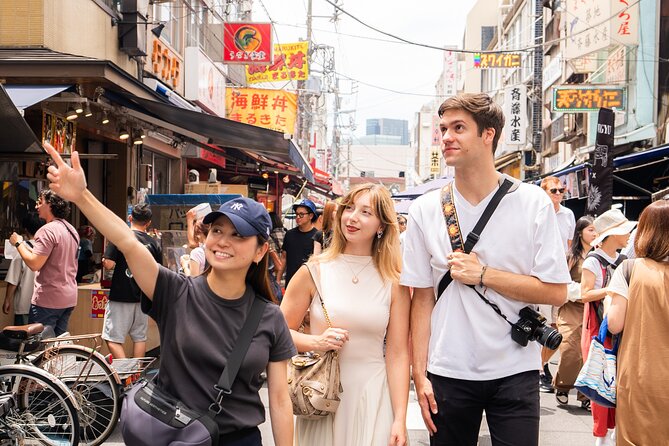
This is where the tour’s small size pays off. A group of up to 10 is still large enough to have some company, but small enough for direct questions. You can ask what a particular seafood item is, how it is usually eaten, or which stall may suit your budget and appetite.
The guides appear to take different approaches to the market. Haru has been especially helpful for people who wanted to eat first and hear a shorter history lesson later. Ryo has also focused on finding strong food choices for people who wanted bomb eats rather than a long educational walk. Toko has been praised for patience with children. That range is useful because you can tell the guide what kind of morning you want.
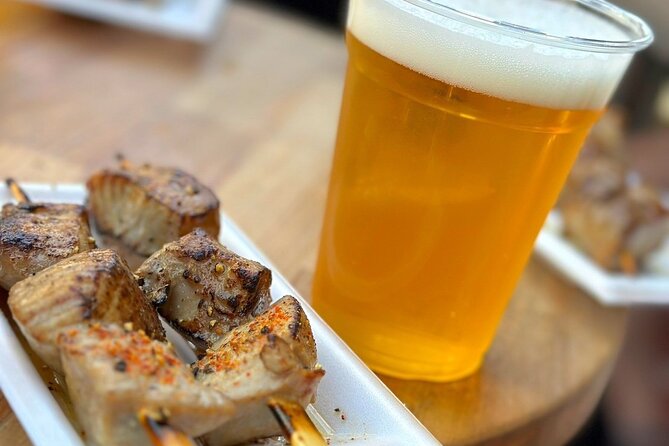
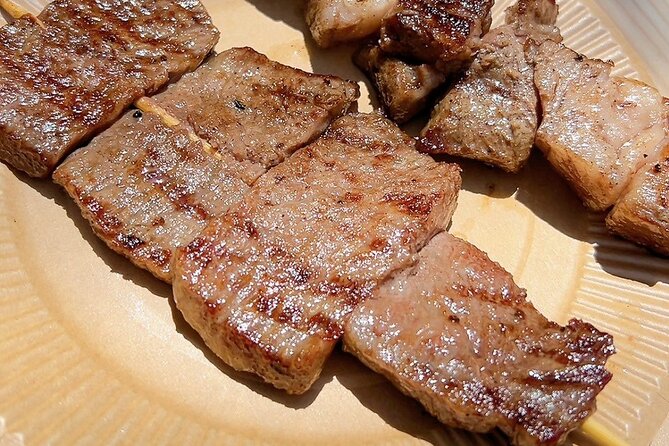
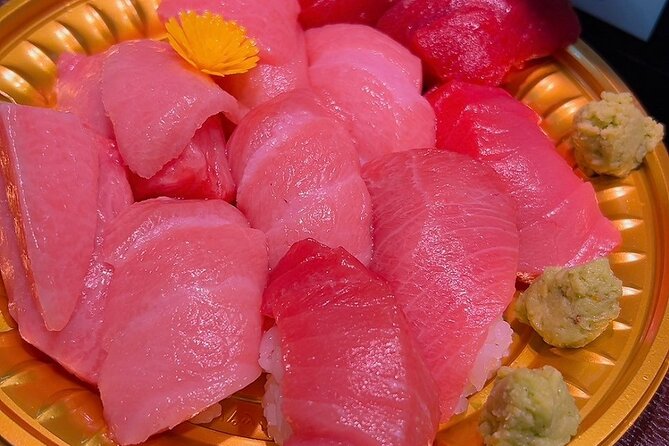
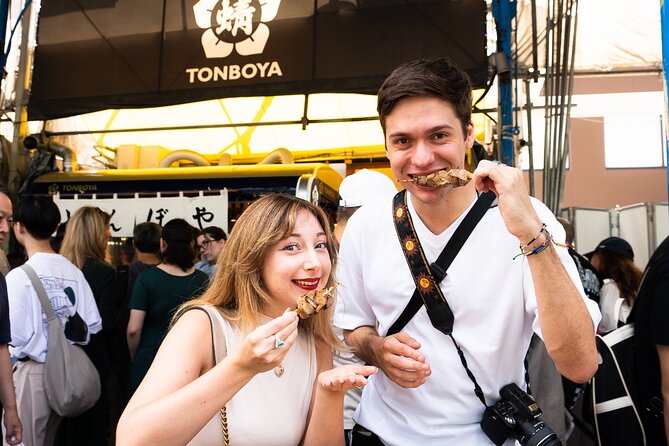
You should not expect a formal sit-down tasting included in the price. The point is to walk, look, ask questions, and purchase what appeals to you. Depending on the stalls you choose, you might find tuna sashimi, seafood rice crackers, tuna skewers, crab, eel, scallops, and other market foods. These examples come directly from the food choices enjoyed on the tour, but availability can change.
The food budget deserves attention. The $42 tour price covers the guide and market access, but not your meals. That is both a benefit and a limitation. You control the cost and can buy only one small snack or several larger dishes. You also avoid paying for food you do not want. On the other hand, a person expecting a full food tour with tastings built in will need to add money on the day.
Tsukiji Jogai Market and the one-hour food walk
The second main section takes place in Tsukiji Jogai Market and lasts about 1 hour. This area is described as a market filled with shops and stalls selling fresh seafood and Japanese street food.
I see this part as the practical heart of the experience. A guide can help you make sense of a market with many choices, especially if you do not read Japanese or are unsure how to order. You are not simply led past food. You get help deciding what is worth trying and how to use your limited time.
Haru’s willingness to wait in line is a particularly useful service. At a popular tuna establishment, he waited while the group explored nearby. That kind of help matters at a food market, where a famous counter may have a long queue and the rest of your group may prefer to keep looking around.
Some food examples are especially appealing for first-time visitors. Fatty tuna was a highlight for one outing, while another group tried three types of fatty tuna sashimi. Kids enjoyed tuna, seafood rice crackers, and tuna skewers. A sit-down meal included giant crab, eel, and scallops. You should treat these as possible recommendations, not promised menu items, since the tour does not include food and no fixed tasting menu is listed.
The market walk may suit you best if you enjoy choosing as you go. I like having that freedom. You can spend a little, share items, or build a full meal. If you want precise control over ingredients or have a strict food budget, ask the guide for help before buying.
The tradeoff is that the experience depends partly on your own choices. The guide can direct you, but the tour price does not guarantee a certain number of tastings. Bring the attitude of a guided market visit, not a prepaid restaurant meal.
What the guide adds to the market
The strongest part of this outing is the human help. Tsukiji’s food stalls can be easy to admire and harder to navigate. A local Japanese guide can explain the food culture, introduce you to the market’s traditions, and help you decide where to stop.
Haru receives repeated praise for being early, friendly, and flexible. He helped a multigenerational family after they got lost while looking for subway exits connected to new accessibility needs. He then waited in line at a popular tuna place while they looked around. That is the sort of practical support that can make a short tour feel much easier.
Toko has been especially good with children, showing patience while keeping the group moving. Ryo has suited people who wanted a food-first outing with less emphasis on a long history talk. With Japan may assign different guides, so you cannot book with a particular person unless the provider confirms it. Still, the guide team’s strengths are clear: food recommendations, local context, and help with timing.
I would tell your guide what you want at the start. Say if you have children, if you prefer seafood snacks to a sit-down meal, or if you want more cultural background. A small group gives you a better chance of shaping the morning around those priorities.
More fish market tours in Tokyo:
- Tokyo Sushi Making Class in Tsukiji with Professional Chef
★ 5.0 · 1,177 reviews - Tsukiji Fish Market Guided Tour and Sushi Making with Pro Chef
★ 5.0 · 775 reviews - Tokyo: Tsukiji Fish Market Food and Culture Walking Tour
★ 4.7 · 757 reviews - Tsukiji Fish Market: Street Food & Culture Walking Tour
★ 5.0 · 669 reviews
Is $42 a fair price?
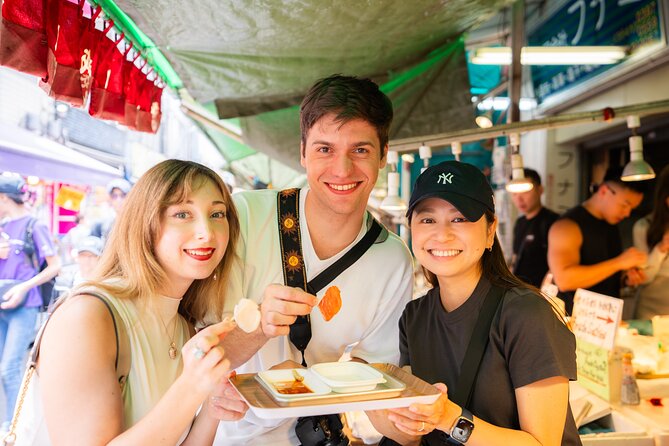
At $42 per person, the tour is not the cheapest way to enter Tsukiji. The market itself is open to exploration, and you can walk through the area without paying for a guide. The value comes from the interpretation and the assistance with food choices.
I think the price is reasonable for first-time visitors who want structure. You receive about two and a half hours with an English-speaking local guide, a temple visit, market orientation, and help finding food. The group limit of 10 keeps the experience more personal than a large coach outing.
The price is less convincing if you are already comfortable ordering Japanese food, know Tsukiji well, or want to spend the whole morning eating without any planned route. You could save the tour fee and put that money toward seafood instead.
Remember to budget for food and drinks separately. Since you choose what to purchase, the extra cost can stay low or rise quickly. I would decide in advance whether you want a single tasting or a full meal, then tell the guide so the stops match your plan.
Timing, meeting point, and pace
The tour is designed for the morning and lasts approximately 2 hours and 30 minutes. That makes it easy to place before another Tokyo activity, especially if you want to keep your afternoon open.
The activity starts and ends at the meeting point in Tsukiji. It is near public transportation, but you should still allow time to reach 3-chōme-9-10 Tsukiji. One family lost time while dealing with subway exits, so arriving early is wise. If you have accessibility needs, contact the provider before the tour and confirm the best route and meeting instructions.
The market portion involves walking and standing. Most people can participate, but the food area can be crowded and the pace may change as the guide stops at stalls or waits in a queue. Comfortable shoes are a sensible choice.
A mobile ticket makes entry simple, and confirmation arrives when you book. The tour requires good weather and a minimum number of participants. If poor weather or low enrollment cancels the outing, you can choose another date or receive a full refund.
Who will enjoy this Tsukiji tour most?
I would recommend it to first-time Tokyo visitors who want a quick introduction to seafood culture without committing to a full-day food program. It is also a good fit for people who feel unsure about ordering at market stalls or want a local guide to narrow down the choices.
Families can do well here. Toko’s patience with children and Haru’s work with a multigenerational group show that the experience can adapt to different ages. Still, remember that it is a walking market tour, not a private family meal, and food purchases are separate.
Food-focused visitors should consider it, especially if you want tuna, sashimi, seafood snacks, and Japanese street food. Tell the guide if you prefer tasting over history. Ryo’s style, as described by the experience, is a good match for that approach.
I would be more cautious if you dislike crowds, want guaranteed dishes, or expect all tastings to be included. The tour gives you access to the area and guidance, but your meal remains your responsibility.
Should you book Tokyo: Tsukiji Fish Market Seafood & Street Eats?
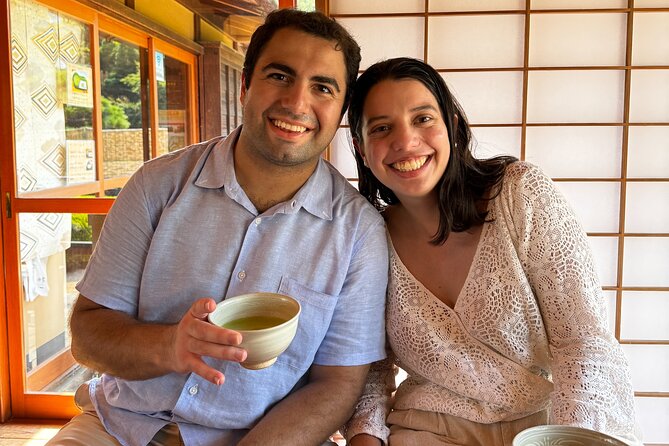
Book this tour if you want a short, guided introduction to Tsukiji and would appreciate help choosing food. The combination of Tsukiji Hongwanji Temple, market background, and stall-by-stall advice gives you more than an unguided stroll, while the 10-person limit keeps it manageable.
Skip it if you already know Tsukiji, prefer complete independence, or want a prepaid food tasting. For everyone else, $42 is a fair fee for local help, provided you remember to add money for the dishes you want. Arrive early, come hungry, and tell your guide whether your priority is tuna, street food, family-friendly choices, or market history.
FAQ
How long does the Tsukiji Fish Market tour last?
The experience lasts approximately 2 hours and 30 minutes.
What markets are included?
The tour includes Tsukiji Fish Market and Tsukiji Jogai Market.
Is Tsukiji Hongwanji Temple included?
Yes. The tour includes entry or admission to Tsukiji Hongwanji Temple and a visit with a local Japanese guide.
Is food included in the $42 price?
No. Food and drinks are not included. You must purchase anything you eat or drink at your own expense.
What kind of food can I buy?
Possible foods include fresh seafood, Japanese street food, tuna sashimi, seafood rice crackers, tuna skewers, crab, eel, and scallops. Specific items are not guaranteed.
How many people can join the tour?
The activity has a maximum of 10 participants.
Where does the tour start and finish?
It starts at 3-chōme-9-10 Tsukiji, Chuo City, Tokyo 104-0045, Japan, and ends back at the meeting point.
Is an English-speaking guide provided?
Yes. A local Japanese English-speaking guide is included.
Can I cancel for a full refund?
Yes, if you cancel at least 24 hours before the experience start time. Cancellations or changes made less than 24 hours in advance are not refunded. If bad weather or insufficient enrollment cancels the tour, you can receive a full refund or choose another option.
More Shopping Tours in Tokyo
- Tsukiji Fish Market Small-Group Food Walking Tour
★ 5.0 · 621 reviews - Tokyo: Tsukiji Fish Market Sushi Making Class with Pro Chef
★ 4.9 · 506 reviews - Tokyo Food Tour Taste Fresh Delights at Tsukiji Market
★ 5.0 · 429 reviews - Tokyo Tsukiji Fish Market Tour and Sushi Making Lesson
★ 5.0 · 390 reviews
Just added around Tokyo
- Tokyo 6hr Instagram Highlights Private Tour with Licensed Guide★ 5.0 · 38 reviews
- Tokyo Small Group Tour with Guide★ 4.5 · 38 reviews
- Tokyo Sumo Experience with Live Show & Audience Challenge★ 5.0 · 38 reviews
- Japanese Food Cooking Class in Asakusa, Tokyo★ 5.0 · 39 reviews
- Very popular in Harajuku♡Animal petting zoo★ 4.6 · 39 reviews
- Ramen Making from Scratch with Tokyo Mom(Vegan Option Available)★ 5.0 · 39 reviews
- Tokyo JDM Night: 600hp C63s AMG Edition 1 (Private)★ 4.9 · 39 reviews
- Tokyo: Kimono Rental inside Shinjuku Gyoen National Garden★ 4.9 · 39 reviews
Fish Market Tours, compared.
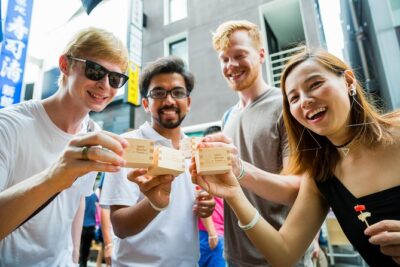
Tokyo Tsukiji Fish Market Food and Culture Walking Tour
Read our review →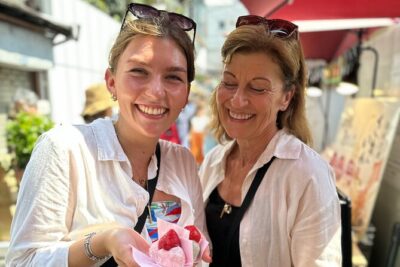


Tokyo Sushi Making Class in Tsukiji with Professional Chef
Read our review →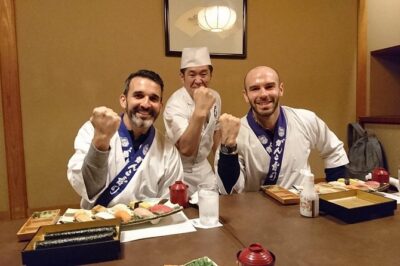
Tsukiji Fish Market Guided Tour and Sushi Making with Pro Chef
Read our review →Tsukiji Fish Market Food and Culture Walking Tour
Read our review →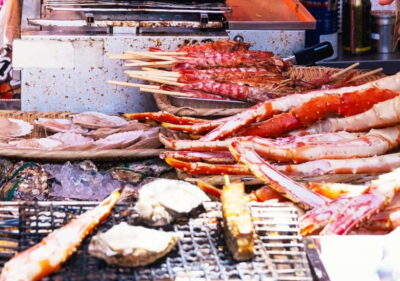
Tsukiji Fish Market: Street Food & Culture Walking Tour
Read our review →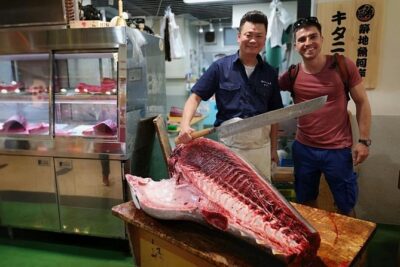
Tsukiji Fish Market Small-Group Food Walking Tour
Read our review →Browse the lists this tour appears in