
Reviewed · SAKE TASTING
Tokyo Wagyu & Sake Pairing Tasting Experience with Local Flavors
Tokyo puts beef and sake in the spotlight. This small dining experience near Tokyo Skytree serves a series of Wagyu dishes with Japanese flavors and a different sake pairing for each course. I like the intimate setting, with no more than 12 people, and I like that the chef prepares several parts of the beef in different ways instead of serving one oversized steak.
The hosts explain the food and drinks as they arrive, which makes this more useful than simply ordering Wagyu at a restaurant. Chef Mike and host Mike are both praised for their warm, clear presentation. The main drawback is the price, $151.96 per person, and the compact venue may feel less social or comfortable if you expect a large dining room or a lively food tour.
In This Review
- Key points to know before booking
- Tokyo Skytree sets the scene
- A small room with a chef-led format
- The Wagyu tasting begins with variety
- Sake changes the character of each bite
- Friendly explanations make the meal more useful
- Local flavors keep the beef from becoming repetitive
- What $151.96 buys you
- Who will enjoy this most
- Dietary needs, age rules, and timing
- Should you book this Wagyu and sake dinner?
- FAQ
- Where does the Wagyu and sake experience begin?
- What time does the experience start?
- How long does the dinner last?
- Is Tokyo Skytree part of the itinerary?
- How many dishes are served?
- Is alcohol included?
- Can someone who does not drink alcohol attend?
- Can dietary restrictions be accommodated?
Key points to know before booking
- Seven to 10 tasting courses: The description refers to seven dishes in one place and a 10-course omakase-style menu in another. The exact number changes with the season, so ask when booking.
- Every dish has a sake match: You taste several styles of Japanese sake rather than receiving one standard drink with dinner.
- A short walk from Tokyo Skytree: The restaurant is in Oshiage, about five blocks from the Skytree area according to the practical directions provided.
- A small, intimate group: The maximum is 12 people, with some sittings much smaller.
- Alcohol is part of the format: You must be at least 20 to participate. Non-drinkers can receive up to three glasses of craft juice.
- Dietary notice matters: Gluten-free meals can be arranged with 24 hours’ notice, and you should report allergies before arriving.
Tokyo Skytree sets the scene
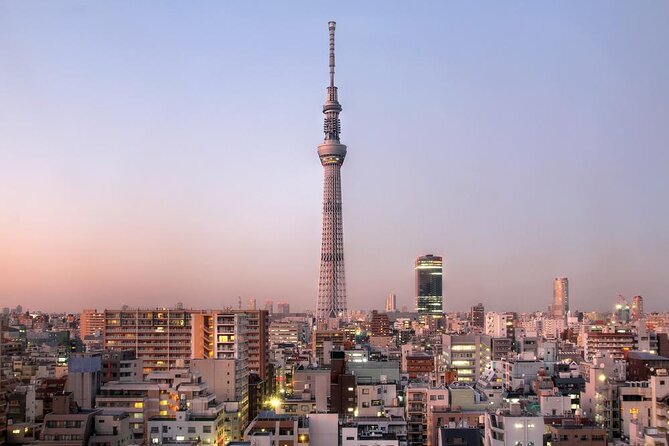
The meeting point is EMC, also called Enjoy Meat Club, at 3-chome 25-17 Oshiage in Sumida City. The restaurant sits near Tokyo Skytree, making this an easy pairing for an evening in the Skytree district.
The start time is 6:00 pm, and the meal lasts about two hours. That timing works well if you spend the afternoon around Asakusa or Skytree, then walk over for dinner. I would allow extra time to find the building, especially because the entrance is not presented as a grand street-front restaurant. The venue has been described as understated and tucked behind a small hotel bar, so keep the address handy on your phone.
You return to the same meeting point at the end. There is no private transportation, but the location is near public transport and within walking distance of Skytree. That is useful in Tokyo, where a short train ride and a clear walking route can save more trouble than a hired car.
More Food Tours in Tokyo
- Tokyo: Shinjuku Food Tour (13 Dishes at 4 Local Eateries)
★ 5.0 · 6,603 reviews - Tokyo Tsukiji Fish Market Food and Culture Walking Tour
★ 5.0 · 3,184 reviews - Tokyo: Shinjuku Food Tour (15 Dishes and 4 Eateries)
★ 4.9 · 2,033 reviews
A small room with a chef-led format
EMC is not a large formal dining room. It has a small bar and a separate preparation area, with limited seating around the counter and dining area. That compact layout lets you watch some of the cooking and plating, but it also means your seat can shape the evening.
A seat at the counter gives you a close look at the food being prepared. On the other hand, one person had a less satisfying time seated away from the main group at the bar. The experience is not designed primarily as a social mixer, and the provider makes that clear. If meeting other people is important to you, ask about the seating arrangement before you arrive.
The maximum group size is 12, though some sittings have been as small as six. That is a good size for asking questions without turning dinner into a classroom. Solo diners can fit in comfortably, and couples get a more personal meal than they would at a busy Wagyu restaurant.
The chairs have received one mild complaint, so comfort is not the venue’s strongest selling point. I would choose this for the food and teaching, not for plush furniture or a grand dining room.
The Wagyu tasting begins with variety
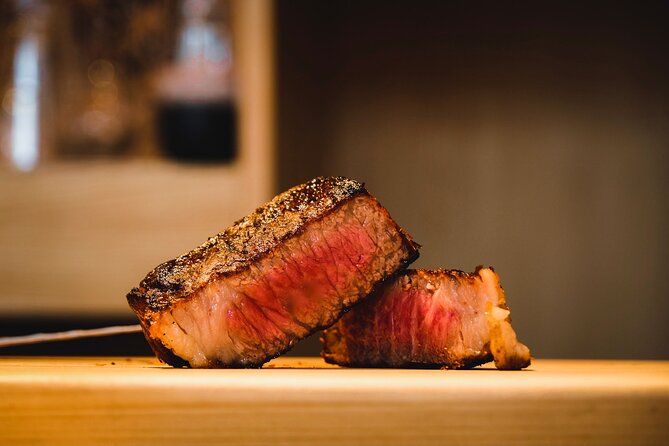
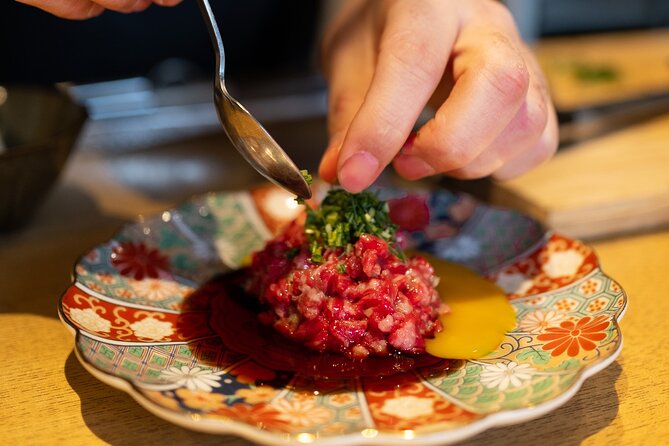
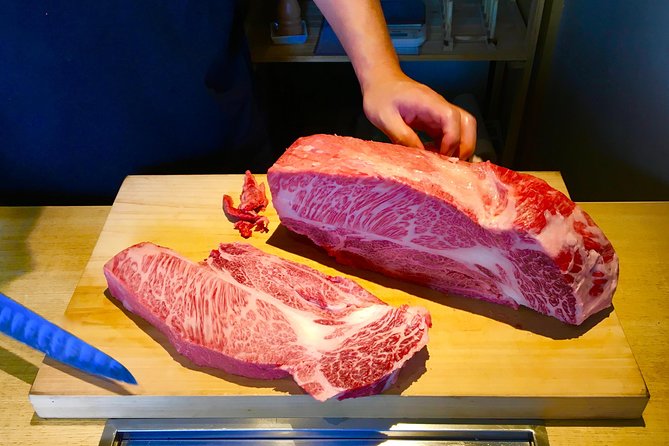
The point of the meal is not simply to give you one premium cut of beef. You sample different parts of Wagyu and see how Japanese cooking changes the texture and flavor from course to course.
The available description refers to a seven-dish course, while the longer program description calls it a 10-course omakase-style menu. The sensible way to read this is that the meal changes by season and may be described differently depending on the booking format. Ask EMC for the current menu if the exact number of courses matters to you.
That variation is part of the appeal. You are not ordering from a fixed menu and choosing between a few cuts. Instead, the chef decides how to present the beef and which Japanese ingredients will best suit the season. One course might let the beef speak with simple seasoning, while another uses a more traditional Japanese flavor combination.
I like this format because it teaches you to pay attention. Wagyu is often treated as a luxury product that needs little help, but different cuts respond to different cooking methods. A multi-course meal lets you compare those changes in a way a single steak cannot.
The portions are tasting portions, yet the meal is intended to function as dinner. One person described leaving wanting more, while others found the meal filling. Your appetite will depend on the final seasonal menu, but you should expect a sequence of small plates rather than one large serving.
Sake changes the character of each bite
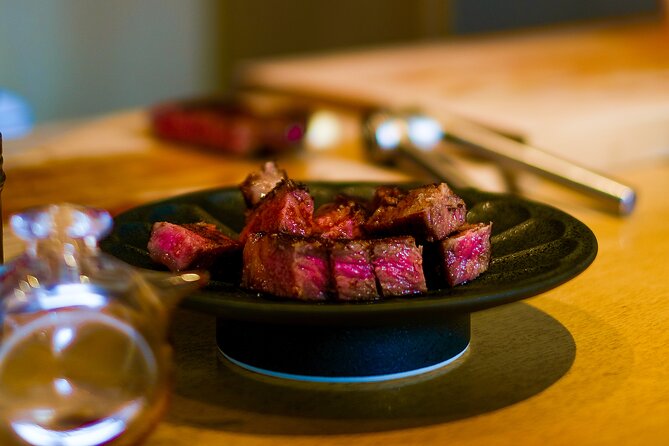
Each dish is paired with sake. This is the feature that gives the meal its shape, rather than treating sake as a side drink.
The tasting includes several kinds of sake, and the staff explain the bottles and pairings as they are served. The descriptions point to a range of styles, along with a house-made welcome drink that received particular praise. If a pairing works for you, take a photo of the bottle. That is practical advice if you want to find the same sake later in Japan or back home.
Sake can bring out sweetness, salinity, roasted flavors, or the soft richness of Wagyu. You do not need to know the technical terms to enjoy the pairings. The useful part is noticing how the same beef tastes different with each drink.
The alcohol policy is important. Because sake is served, no one under 20 can take part, and children under 10 are not allowed. If you do not drink alcohol, the staff can provide up to three glasses of craft juice. That gives non-drinkers an alternative, but this is still fundamentally a sake-focused dinner, not a general soft-drink tasting.
More Sake Tastings in Tokyo
- Ramen and Sushi Cooking Class with Sake Pairing Set in Tokyo
★ 5.0 · 291 reviews - Sake Tasting Masterclass in Shinjuku (8+ Varieties with a Pro)
★ 5.0 · 271 reviews - Sake Omakase in Tokyo: Guided Tasting by Certified Sommeliers
★ 5.0 · 239 reviews - Tasting All Types of Sake with Sommelier
★ 5.0 · 151 reviews
Friendly explanations make the meal more useful
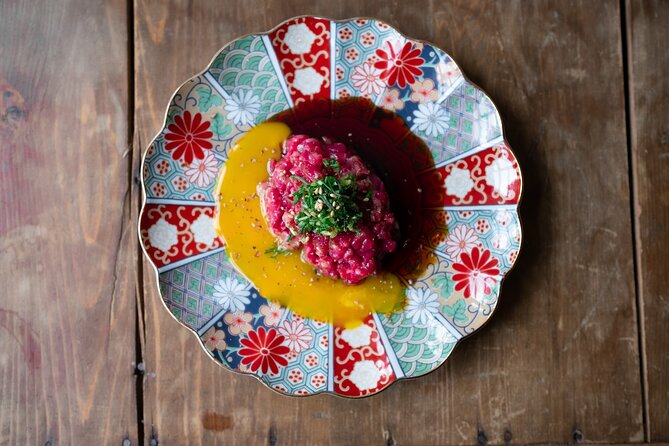
The cooking is only half the experience. The hosts explain the cuts, ingredients, preparation, and sake. Chef Mike is described as personable and clear when discussing the dishes, while host Mike is praised for his English and translation.
That language support matters if you are new to Wagyu or Japanese sake. You can ask why one cut is prepared in a certain way, what makes one sake different from another, or which flavors are seasonal. The teaching appears to be conversational rather than a long lecture, which suits a two-hour dinner.
The strongest praise centers on the staff’s warmth and attention. The chef takes care with plating, and the hosts introduce each pairing rather than leaving you to guess what is in front of you. That makes the meal feel intentional without turning it into a stiff ceremony.
Still, the service may not be identical at every seating. One negative account describes a chef who seemed abrupt and limited interaction with people seated at the bar. Other accounts describe friendly, attentive service, so I would treat seating and the evening’s group size as meaningful variables. If personal attention is your priority, request a place where you can see and hear the presentation.
Local flavors keep the beef from becoming repetitive
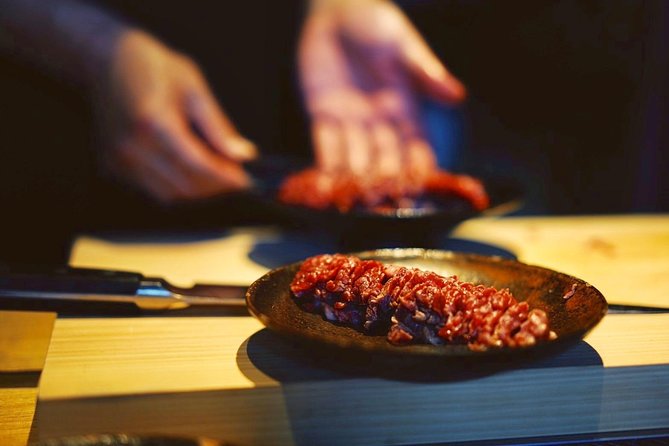
The course includes Japanese ingredients and seasonal alcoholic drinks alongside the beef. The menu changes through the year, so I would not book this expecting a particular list of dishes unless EMC confirms it directly.
That changing menu is useful for repeat visits. One person returned with friends after enjoying the first dinner, which suggests the format can reward a second visit even though the core theme remains Wagyu and sake.
The variety also protects the meal from becoming monotonous. Ten small servings of heavily marbled beef could be too much, especially for a first-time Wagyu diner. Japanese seasonings, different cuts, and changing sake give your palate a reset between bites.
This is also a better introduction to Wagyu than a quick restaurant order if you want context. You learn that the experience is about texture, portion, preparation, and pairing, not only about saying you ate expensive beef.
What $151.96 buys you
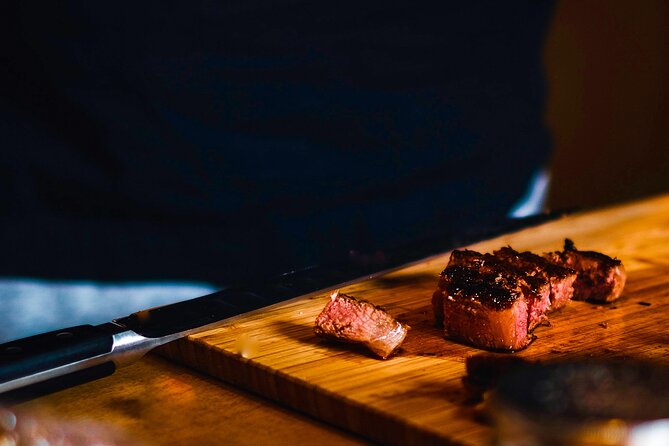
At $151.96 per person, this is a costly dinner. You are paying for premium Wagyu, several sake pairings, a multi-course format, instruction, and a small group setting. Dinner is included, while transportation is not.
The value depends on what you want from the evening. If your goal is the cheapest way to eat beef in Tokyo, this is not the right choice. Tokyo offers many excellent meals at lower prices, and you can order Wagyu without committing to a two-hour tasting.
I think the price makes more sense for a special evening, a first introduction to Wagyu, or a sake-focused meal where you want the staff to guide you. The pairings add real value because you would need to order several drinks and cuts separately to create a similar comparison.
The intimate format also matters. You are not paying for a coach, a large group, or several sightseeing stops. You are paying for the food and the attention around it. That is good value for a culinary experience, but only if you care about learning as well as eating.
Who will enjoy this most
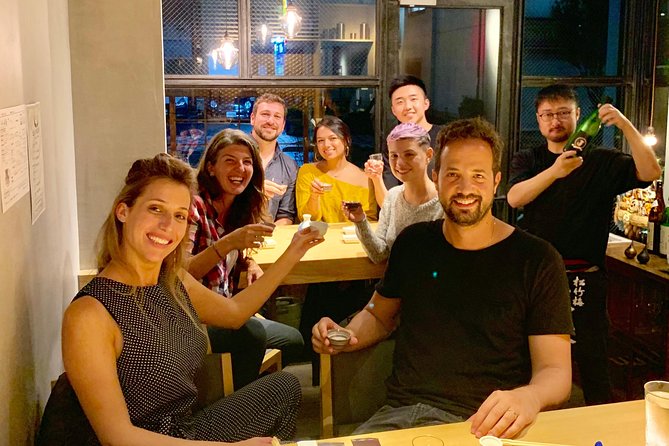
I would recommend this to adults who enjoy tasting menus, premium beef, and Japanese drinks. It works especially well for couples, solo diners, and small groups who want a focused meal near Skytree.
It is also a strong choice if you have never tried Wagyu. The staff can show you how different cuts and preparations compare, which gives you more insight than ordering one steak and moving on.
Sake fans should make this a priority. The changing pairings and bottle explanations give you a chance to identify styles you like. Take notes or photos if you want to shop for sake later.
I would be more cautious if you want a roomy restaurant, a long evening of conversation, or a highly interactive group activity. The format is intimate and food-centered. One person specifically found it disappointing because the seating did not encourage socializing.
Dietary needs, age rules, and timing
You should share dietary restrictions before arrival. Gluten-free arrangements are available with at least 24 hours’ notice. A soy allergy was handled carefully on one occasion, but I would still contact the provider directly because soy is common in Japanese cooking and the menu changes seasonally.
Service animals are allowed, and most people can participate. The stated maximum is 12 people. Children under 10 cannot attend, and everyone must be at least 20 because alcohol is served.
Arrive on time. If the staff cannot reach you within 30 minutes of the reservation time, the booking may be cancelled. If you expect a delay, contact EMC in advance.
Cancellation is free until 24 hours before the local start time. After that, the payment is not refunded and late changes are not accepted. The activity can also be cancelled if minimum numbers are not met or if poor weather affects operation, in which case you are offered another date or a full refund.
Should you book this Wagyu and sake dinner?
I would book it if you want a serious food evening rather than a standard restaurant meal. The best reasons are the range of Wagyu preparations, the matching sake, the small group, and the clear explanations from staff such as Chef Mike and host Mike.
I would skip it if $151.96 feels too high for dinner or if you need a spacious, highly social setting. Also confirm the current number of courses and explain any allergy before paying.
For a special night near Tokyo Skytree, this is a strong pick. You get a focused look at Wagyu, a useful introduction to sake, and a meal that gives the beef more than one chance to impress you.
FAQ
Where does the Wagyu and sake experience begin?
It begins at EMC, also called Enjoy Meat Club, at Loh Building 1F, 3-chome 25-17 Oshiage, Sumida City, Tokyo 131-0045.
What time does the experience start?
The stated start time is 6:00 pm.
How long does the dinner last?
The experience lasts approximately two hours.
Is Tokyo Skytree part of the itinerary?
Tokyo Skytree is listed as the stop, and EMC is within walking distance of the Skytree area.
How many dishes are served?
The information describes both a seven-dish course and a 10-course omakase-style menu. The content changes by season, so confirm the current format with EMC.
Is alcohol included?
Sake pairings are included as part of the meal. Anyone under 20 cannot participate because alcohol is served.
Can someone who does not drink alcohol attend?
Yes. Non-drinkers can receive up to three glasses of craft juice.
Can dietary restrictions be accommodated?
Gluten-free meals can be arranged with 24 hours’ notice. You should contact EMC in advance about allergies or other dietary needs.
More Drinking Tours
- Tokyo Bar Hopping Tour in Shinjuku (All-You-Can-Drink + Dinner)
★ 5.0 · 3,587 reviews - Best of Shinjuku: Izakaya Food Tour (4 Stops, 14+ Tastings)
★ 5.0 · 1,863 reviews - Tokyo: Shinjuku Local Bar and Izakaya Guided Walking Tour
★ 4.9 · 1,794 reviews - Shibuya Meltdown Nightlife Tour: All-You-Can-Drink Bar Hopping
★ 5.0 · 1,058 reviews
Just added around Tokyo
- Tokyo 6hr Instagram Highlights Private Tour with Licensed Guide★ 5.0 · 38 reviews
- Tokyo Small Group Tour with Guide★ 4.5 · 38 reviews
- Tokyo Sumo Experience with Live Show & Audience Challenge★ 5.0 · 38 reviews
- Japanese Food Cooking Class in Asakusa, Tokyo★ 5.0 · 39 reviews
- Very popular in Harajuku♡Animal petting zoo★ 4.6 · 39 reviews
- Ramen Making from Scratch with Tokyo Mom(Vegan Option Available)★ 5.0 · 39 reviews
- Tokyo JDM Night: 600hp C63s AMG Edition 1 (Private)★ 4.9 · 39 reviews
- Tokyo: Kimono Rental inside Shinjuku Gyoen National Garden★ 4.9 · 39 reviews
Sake Tasting, compared.
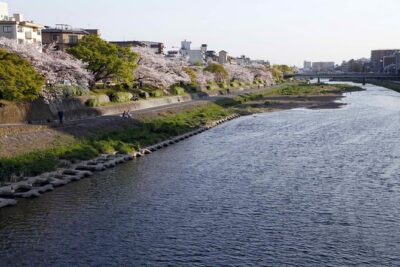
Kyoto Night Foodie Tour in Gion (9+ dishes + 6 Sake tastings)
Read our review →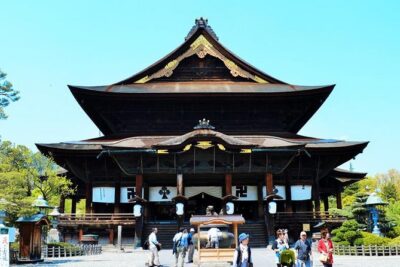
1-Day Snow Monkeys, Zenko-ji Temple & Sake in Nagano
Read our review →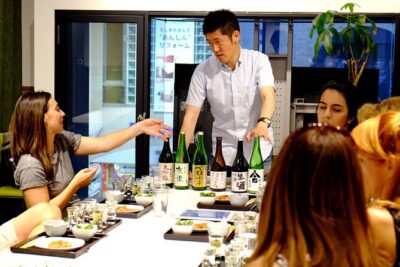
3-Hour Kyoto Insider Sake Brewery Tour with Tastings & Pairings
Read our review →
Arashiyama Bamboo, Temple, Monkeys, or Secret Sake Brewery
Read our review →

Insider Sake Brewery Tour with Sake and Food Pairing
Read our review →
1.5-Hour Kyoto Insider Sake Experience with 7 Tastings & Pairings
Read our review →Browse the lists this tour appears in