
Reviewed · FOOD & DRINK
Absolute Osaka Food Tour
Osaka eats best after the sun goes down. The Absolute Osaka Food Tour combines four local food stops with a walk through Dotonbori, Hozenji Yokocho, Kuromon Market, and other central neighborhoods. I like the mix of famous bites and less obvious corners, plus the chance to hear the story behind the Glico sign from a local guide. The main drawback is price: at $231 per person, this is a costly three-hour outing, especially since extra food, drinks, and transportation are not included.
I also like the small group limit of 10 people. Guides such as Asli, Melissa, Marie, and others have earned strong praise for making the food easy to try and for finding vegetarian choices. You should know that dishes can change with the season, restaurant schedules, weather, and public holidays, and gluten-free diners may have a hard time.
In This Review
- Key points to know before booking
- Starting beneath the famous Glico sign
- Reading Dotonbori beyond the restaurant queues
- Tasting Osaka’s famous street foods
- A quiet pause at Hozenji Yokocho
- Moving through Minami and Namba
- Browsing Sennichimae Doguyasuji Shotengai
- Passing through Kuromon Market
- A look at the Misono Building
- What the guides add to the evening
- Is $231 a fair price?
- Who should book this Osaka food tour?
- Should you book the Absolute Osaka Food Tour?
- FAQ
- How long does the Absolute Osaka Food Tour last?
- What time does the tour begin?
- Where does the tour start?
- Where does the tour end?
- How many food stops are included?
- Is hotel pickup included?
- Is the tour suitable for vegetarians?
- Is the tour suitable for gluten-free diners?
- What is the cancellation policy?
Key points to know before booking
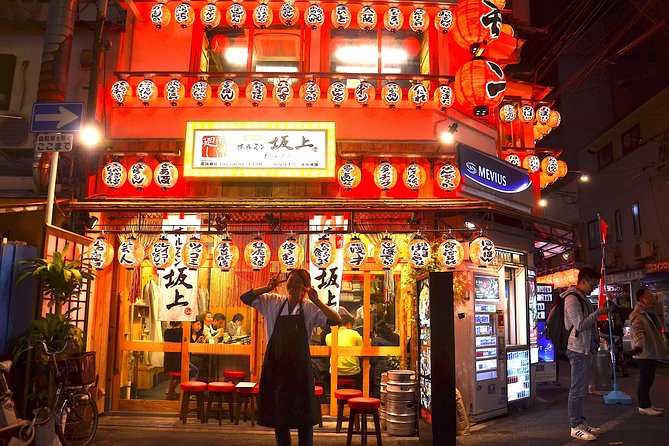
- Four food stops are included: Expect local dishes, one drink, and a traditional Japanese dessert during the three-hour route.
- The tour begins at 5:00 pm: You’ll see Dotonbori shift into its neon-lit evening mood.
- The Glico sign has a surprising backstory: Your guide explains how a Filipino sprinter inspired the famous image.
- The route reaches quieter corners: Hozenji Yokocho and a small shrine offer a calmer break from the bright restaurant signs.
- Vegetarian diners can be accommodated: Food choices may be adjusted, but gluten-free diners are not advised to book.
- The group is capped at 10 people: That makes it easier to ask questions and stay together in crowded streets.
Starting beneath the famous Glico sign
The tour begins at 5:00 pm near Dotonbori in Osaka’s Chuo Ward. The meeting point is at Japan, 542-0071 Osaka, Chuo Ward, Dotonbori, 1-chome 8-19, near the Naniwa Dotonbori Building. You’ll want to arrive with enough time to find the exact spot, since Dotonbori is full of signs, bridges, shops, and pedestrians.
The first stop is the Glico running man, one of Osaka’s best-known photo points. The sign shows a sprinter crossing a finish line with his arms raised. Your guide explains that the image was inspired by Fortunato Catalon, a Filipino sprinter whose success made an impression on the Glico company and helped inspire a nation.
This short introduction gives the area a useful bit of context. The sign is not just a large advertising panel above the canal. It connects Osaka’s love of food and spectacle with a company story that reaches beyond Japan. The stop lasts about five minutes and costs nothing extra.
Dotonbori is bright, noisy, and built to catch your eye. That is part of its appeal, but it can also make the area feel like a collection of tourist traps. A guide helps you read the district instead of simply following the biggest sign or longest queue.
More Food Tours in Osaka
- Osaka: Shinsekai Food Tour with 13-15 Dishes at 5 Eateries
★ 4.8 · 2,204 reviews - Osaka Food Tour: 13 Dishes at 5 Local Eateries
★ 5.0 · 2,149 reviews - Hungry Osaka Street Food Tour:15 Tastings & 3 Drinks with a Local
★ 5.0 · 1,727 reviews
Reading Dotonbori beyond the restaurant queues
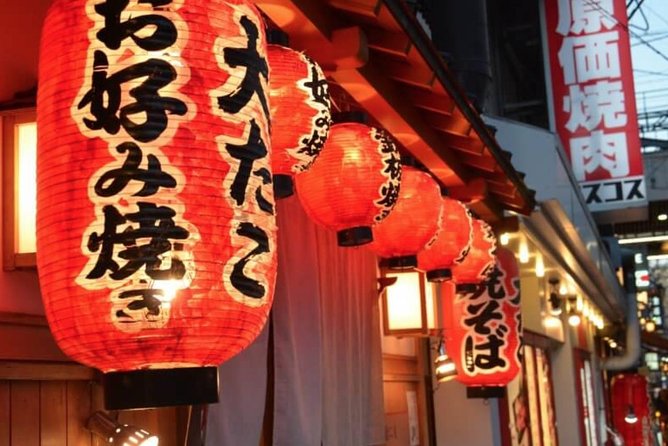
The next section moves through the Dotonbori District, an area often compared with Tokyo’s Shibuya because of its lights, crowds, and constant movement. Giant crab signs, theatrical storefronts, food displays, and glowing billboards compete for your attention.
The useful part of this walk is the local filter. Dotonbori has no shortage of restaurants, but the most visible place is not always the most interesting place for a short food tour. The route is designed to take you away from the most commercial streets and toward places where the food itself matters more than the sign above the door.
You should expect some walking and time on your feet. The tour calls for a moderate level of fitness, and the streets can be crowded. Wear comfortable shoes, keep your belongings close, and avoid arriving with a very large meal already in your stomach. Four food stops plus dessert can add up quickly.
The small group limit matters here. With no more than 10 people, the guide can usually explain a dish, answer questions, and keep the group moving without the confusion of a large bus tour. Osaka’s central streets are not difficult to reach by public transportation, but the meeting point is in a dense district where a few extra minutes for navigation will help.
Tasting Osaka’s famous street foods
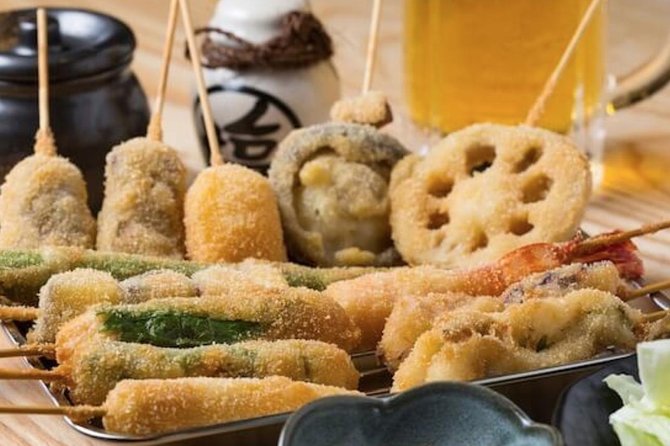
The food is the reason to book this experience, and the tour focuses on well-known Osaka specialties rather than generic Japanese dishes. Takoyaki and kushikatsu are specifically highlighted.
Takoyaki are hot, round pieces of batter cooked around octopus. They are usually served with sauce and other toppings, and they are best approached carefully because the center can be very hot. Kushikatsu consists of skewered food coated and fried, a style closely linked with Osaka’s casual dining culture.
Trying these dishes with a guide gives you more confidence than ordering alone from a busy counter. You can ask what you are eating, how it is normally served, and which local habits matter. The point is not simply to collect four samples. It is to understand why these foods fit Osaka’s character: quick, social, filling, and made for eating while moving through the city.
The four food stops may change. Restaurant schedules, public holidays, weather, and ingredient availability can affect the route. Substitutions may be made, so you should see the experience as a guided introduction to Osaka’s food culture rather than a fixed menu with guaranteed dishes at every stop.
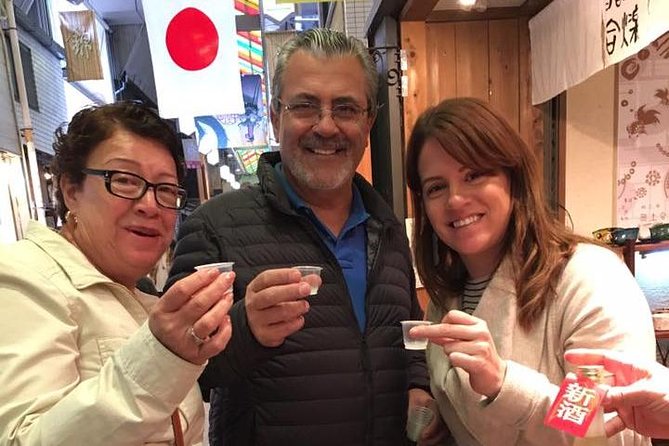
The package includes one drink and a traditional Japanese dessert. Extra food and drinks are available at your own expense, which is useful if one sample becomes your favorite. It also means the $231 price does not cover unlimited tasting. If you have a large appetite, bring a little spending money.
A quiet pause at Hozenji Yokocho
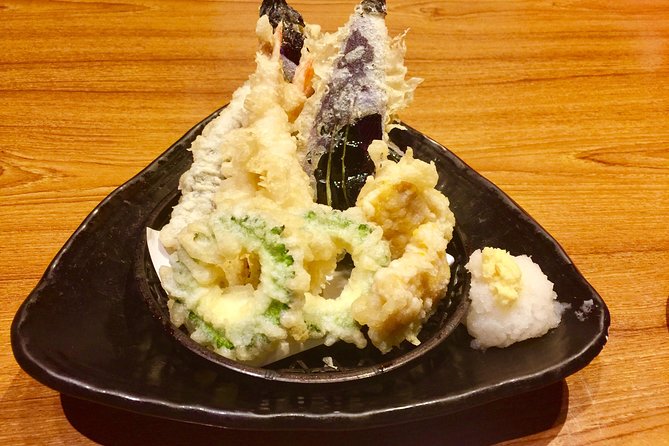
Hozenji Yokocho provides a sharp change of mood from Dotonbori’s illuminated main streets. This narrow lane is associated with traditional restaurant fronts and a more old-fashioned Osaka atmosphere.
The tour also includes a visit to a secret shrine away from the biggest crowds. The supplied route names Hozenji Yokocho, but the exact shrine stop and timing can change. That flexibility is sensible in Osaka, where restaurant hours, weather, and local schedules can affect an evening walking route.
This is one of the most valuable parts of the experience for anyone who wants more than food photos. A short stop at a shrine gives your guide room to explain local customs and the way religious sites fit into ordinary city life. You get a cultural pause without spending hours in a museum or formal temple complex.
Do not expect a long religious tour. The focus remains food, neighborhoods, and local stories. Still, this quieter section helps balance the bright, commercial energy of Dotonbori.
A completely different kind of day out in Osaka:
- Osaka Go Karting Tour with Funny Costume
★ 5.0 · 2,658 reviews - Osaka Castle: Museum and Tower Entry Ticket
★ 4.5 · 2,380 reviews - Osaka: teamLab Botanical Garden Entry Ticket
★ 4.5 · 1,710 reviews - Osaka: Tea Ceremony Experience
★ 4.9 · 1,426 reviews
Moving through Minami and Namba
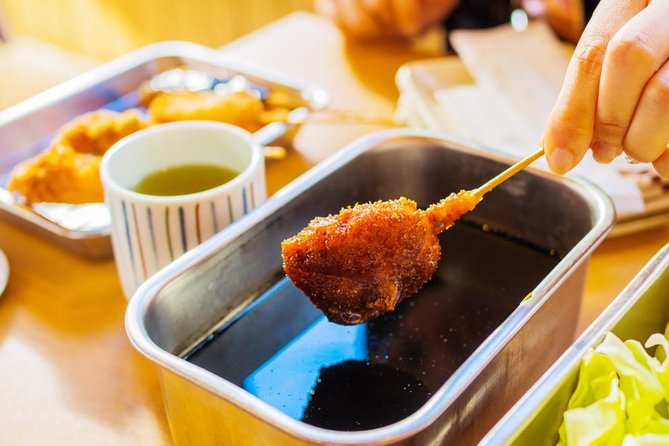
Minami, the area around Namba, is one of Osaka’s main entertainment and dining zones. The tour uses this district as the setting for its three-hour food walk, linking the restaurant stops with short explanations about Osaka’s habits and history.
I like this format because the city becomes part of the meal. You are not sitting in one restaurant for the entire evening. Instead, you move from one setting to another, seeing how the food changes as the streets change.
Namba is also practical for the end of the tour. The experience finishes in the Sennichimae area, in Chuo Ward, rather than returning to the original meeting point. Check your evening plans before booking. The end point is central, but you will need to arrange your own return or continue exploring on your own.
The tour does not include hotel pickup. Pickup may be arranged for an additional charge, but transportation costs are otherwise yours. Since the route is near public transportation, reaching and leaving the tour should be manageable, provided you allow time to navigate Osaka’s busy central stations.
Browsing Sennichimae Doguyasuji Shotengai

Sennichimae Doguyasuji Shotengai is known as a shopping street for kitchen goods and restaurant supplies. Its presence adds an important layer to a food tour: you see some of the tools and equipment behind Osaka’s eating culture, not just the finished dishes.
The stop can appeal to cooks, food lovers, and anyone interested in the working side of restaurants. It also gives you a break from the standard sightseeing route. If you are hoping to buy kitchen items, remember that the tour is short and food stops take priority, so browsing time may be limited.
Because the itinerary can change, the precise amount of time at each location is not guaranteed. The listed schedule gives short visits at some stops, including about 15 minutes in Dotonbori and Minami. Think of the route as a guided evening walk with tastings, not a slow shopping tour.
Passing through Kuromon Market
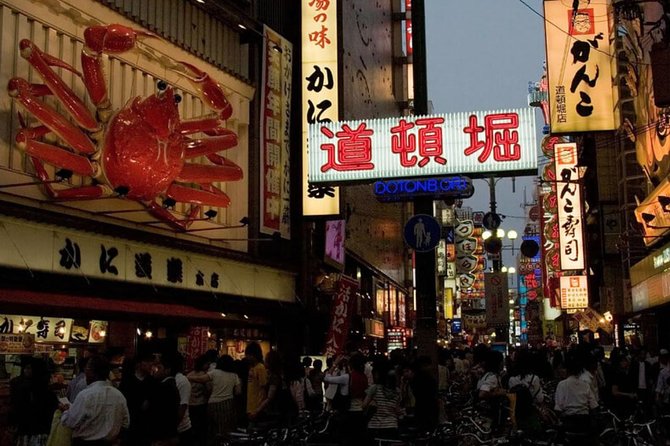
Kuromon Market is another major food name in Osaka. The market is associated with fresh ingredients and shops selling food for both local kitchens and casual eating.
This stop helps you understand the supply side of Osaka’s food culture. In the main entertainment districts, food is presented as a finished showpiece. At a market, you get a closer look at the ingredients and the everyday trade that supports the city’s restaurants.
Market conditions vary by day and season. The tour does not promise a particular vendor or dish here, and food changes are possible. That is worth remembering if you are booking because of one exact item. The advantage is variety and local explanation, not a rigid checklist.
If you are sensitive to crowds, Kuromon Market may feel busy, especially alongside the rest of the evening route. The guide’s presence is useful, but you still need to stay aware of the group and watch your footing.
A look at the Misono Building
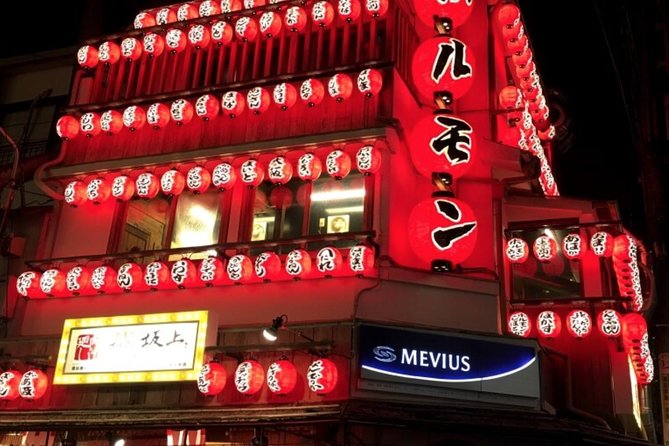
The Misono Building adds another unusual stop to the route. It is a distinctive part of Osaka’s Minami area and offers a look at a different side of the city’s nightlife and architecture.
This stop is less about one famous food item and more about the atmosphere of old entertainment Osaka. Your guide can connect the building with local stories and traditions, giving you context that is easy to miss if you walk past on your own.
The tour description does not promise a specific venue or meal inside the building. Restaurant and stop changes are possible, so treat it as part of the neighborhood walk rather than a guaranteed attraction with a set admission program.
What the guides add to the evening
The guide is central to the experience. Strong feedback has singled out Asli, Melissa, and Marie for friendly organization, local explanation, and help with food choices.
Melissa, in particular, is noted for finding vegetarian options at each stop and adding Osaka history to the meal. That is valuable if one person in your group has dietary needs. Vegetarian and pescetarian diets are supported, but you should mention your needs when booking and understand that menu changes depend on availability.
The tour accepts single visitors, and the small group format should make it easier to join conversations. It is also family-friendly, though children must be accompanied by an adult. Children aged 10 and above require a copy of passport information, according to the booking conditions.
The minimum drinking age is 21. Since only one drink is included, you can keep the evening alcohol-free if you prefer, but any additional drinks cost extra.
Is $231 a fair price?
$231 per person is a premium price for about three hours. The included food is limited to four stops, one drink, and a traditional dessert, and you also pay for your own transportation and any added dishes.
The value comes from the guide and the access to places you might not choose alone. You are paying for local orientation, restaurant coordination, cultural background, and a small group rather than simply buying four inexpensive snacks. If you are new to Osaka and want help ordering, the price may feel worthwhile.
It is less compelling for independent eaters who already know Dotonbori, speak Japanese, or prefer to spend the same money on a long meal at one restaurant. You should also compare the cost with your daily food budget. Osaka is famous for affordable casual eating, so this tour is best seen as a guided introduction, not a bargain dinner.
The average booking point is 38 days ahead, although same-day booking is available. If your schedule is fixed, booking early is sensible, especially because the group limit is 10.
Who should book this Osaka food tour?
I would recommend it to first-time visitors who want a clear introduction to Osaka’s famous foods and central neighborhoods. It also suits solo visitors, couples, and small groups who prefer explanations with their meals instead of ordering at random.
Vegetarians and pescetarians have a reasonable basis to consider it, especially with a guide who can adjust choices. Families can book, but adults need to supervise children, and the passport requirement applies to children aged 10 and above.
I would hesitate if you need a strictly gluten-free diet. The experience is specifically not recommended for gluten-free diners. I would also hesitate if you dislike walking, crowded streets, changing menus, or evening noise.
The tour requires good weather. If rain or other poor conditions force cancellation, you will be offered another date or a full refund. You can cancel for a full refund up to 24 hours before the start time, but late cancellations and late changes are not accepted.
Should you book the Absolute Osaka Food Tour?
Book it if you want a guided first taste of Osaka, enjoy trying foods you might otherwise skip, and value local stories as much as the meal itself. The combination of takoyaki, kushikatsu, Dotonbori lights, Hozenji Yokocho, Kuromon Market, and a small shrine gives the evening more shape than a simple restaurant crawl.
Skip it if $231 feels high for a short food outing, or if you want a guaranteed menu and a quiet sit-down dinner. For the right person, the best value is not the amount of food. It is the confidence to order well, the context around each neighborhood, and a friendly guide who helps turn Osaka’s noisy food district into a place you can understand.
FAQ
How long does the Absolute Osaka Food Tour last?
The tour lasts approximately three hours.
What time does the tour begin?
The scheduled start time is 5:00 pm.
Where does the tour start?
It starts in Dotonbori at Japan, 542-0071 Osaka, Chuo Ward, Dotonbori, 1-chome 8-19, near the Naniwa Dotonbori Building.
Where does the tour end?
The tour ends in the Sennichimae area of Osaka’s Chuo Ward.
How many food stops are included?
Four food stops are included, along with one drink and a traditional Japanese dessert.
Is hotel pickup included?
No. Hotel pickup is not included, though it can be arranged for an additional charge.
Is the tour suitable for vegetarians?
Yes. The tour is listed as vegetarian and pescetarian friendly, and food choices may be adjusted based on availability.
Is the tour suitable for gluten-free diners?
No. The tour is not recommended for people requiring gluten-free food.
What is the cancellation policy?
You can cancel for a full refund up to 24 hours before the scheduled start time. Late cancellations or changes are not accepted. If poor weather or an insufficient minimum number of participants causes cancellation, you will be offered another date or a full refund.
Just added around Osaka
- Osaka Food Tour with 10 Classic Japanese Tastings & Drinks★ 5.0 · 38 reviews
- Osaka: Highlights & Hidden Gems Private Walking Tour★ 4.7 · 38 reviews
- Kyoto private tour (Shore excursion available from Osaka or Kobe port)★ 5.0 · 39 reviews
- Osaka Private Day Trip – Enjoy Your First-Time Visit to Osaka!★ 5.0 · 39 reviews
- Kyoto & Nara & Uji: Full Day Sightseeing Tour from Osaka or Kyoto★ 4.5 · 39 reviews
- Authentic SUSHI Course Cooking Class★ 5.0 · 39 reviews
- Osaka: Mind & Spirit Balance Temple Reiki Healing★ 5.0 · 41 reviews
- Osaka Afternoon Walking Tour with Osaka River Cruise★ 3.5 · 42 reviews
Food & Drink, compared.
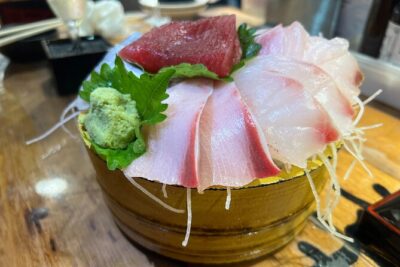
Shinjuku Food Tour (13 Dishes at 4 Local Eateries)
Read our review →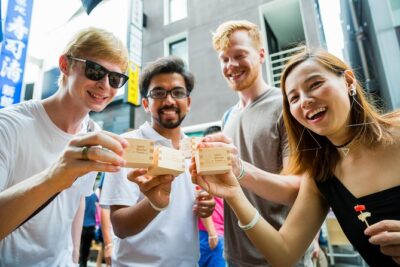
Tokyo Tsukiji Fish Market Food and Culture Walking Tour
Read our review →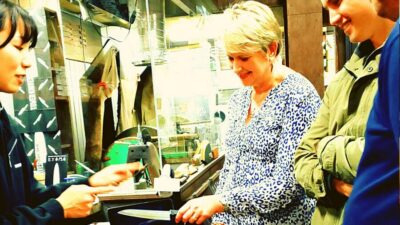
Shinsekai Food Tour with 13-15 Dishes at 5 Eateries
Read our review →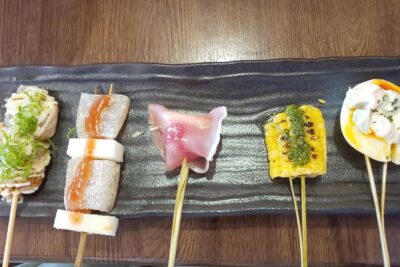
Osaka Food Tour: 13 Dishes at 5 Local Eateries
Read our review →
Shinjuku Food Tour (15 Dishes and 4 Eateries)
Read our review →
Best of Shinjuku: Izakaya Food Tour (4 Stops, 14+ Tastings)
Read our review →
Kyoto Night Foodie Tour in Gion (9+ dishes + 6 Sake tastings)
Read our review →
Hungry Osaka Street Food Tour:15 Tastings & 3 Drinks with a Local
Read our review →Browse the lists this tour appears in