
Reviewed · GEISHA & GION DISTRICT TOURS
Asakusa: Geisha Performance and Tea House Experience
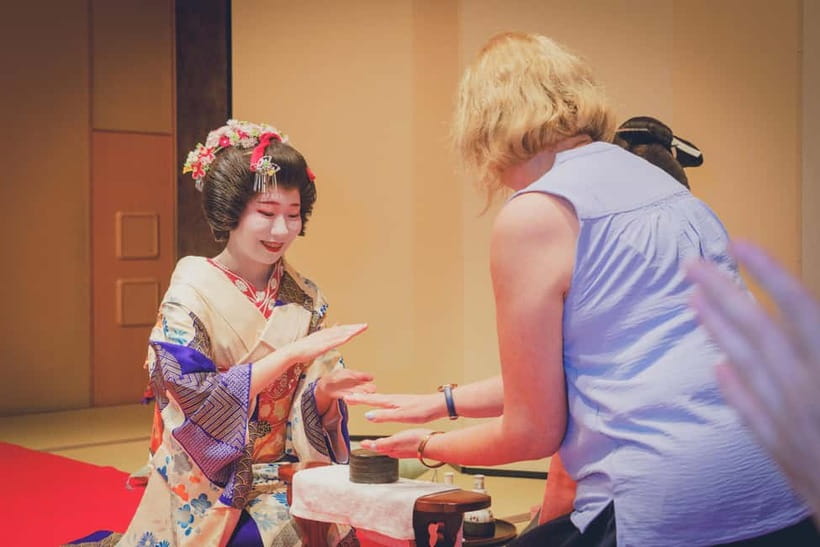
A quiet room, then music begins. In Asakusa, Miyakodori’s Ozashiki Tea House offers a rare chance to meet real geisha, watch a graceful dance with live shamisen music, and join a traditional game. I like the small-group feel and the chance to ask direct questions about geisha life. I also like that the performance is paired with matcha, seasonal sweets, and a commemorative photo rather than treated as a stage show alone.
The 75-minute format keeps the experience focused. You get culture, conversation, music, and play without giving up half a day of sightseeing. The main consideration is cost: at $106 per person, plus one separately purchased drink for each participant, this is a special-interest activity rather than a cheap add-on.
The best part is the mix of beauty and laughter. The dance and shamisen create a formal opening, while Konpira Fune Fune brings everyone into the room. English support makes the questions and explanations easier, though the event remains centered on Japanese traditions rather than a full lesson in geisha culture.
In This Review
- Key points at a glance
- What makes this Asakusa experience different
- Entering Miyakodori’s Ozashiki Tea House
- The opening dance and live shamisen music
- Meeting the geisha and asking questions
- Joining Konpira Fune Fune
- Matcha, seasonal sweets, and the quieter middle
- The commemorative photo at the end
- Is $106 a fair price?
- Timing, language, and planning advice
- Who should book this experience?
- Should you book Miyakodori’s geisha tea house experience?
- FAQ
- Where does the geisha tea house experience take place?
- How long does the experience last?
- What is included in the price?
- Is a meal included?
- Is a drink included?
- Is the experience available in English?
- Can solo visitors join?
- Can I cancel for a full refund?
- Can I reserve now and pay later?
Key points at a glance
- Real geisha at Miyakodori: Meet performers in an Asakusa tea house setting and speak with them directly.
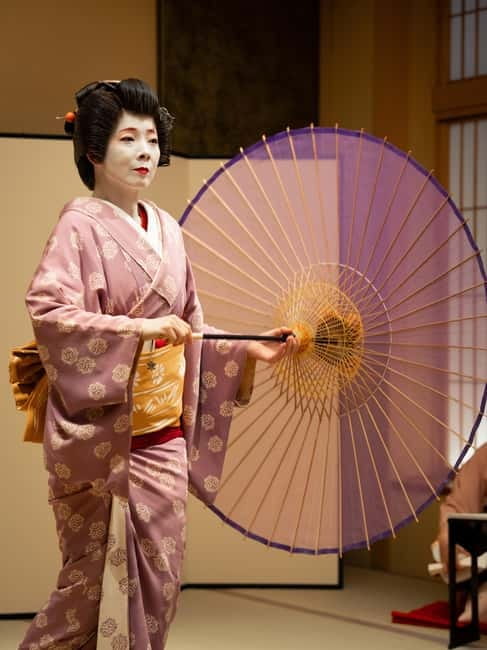
- Live shamisen and dance: The performance combines graceful movement, traditional costumes, music, and singing.
- Konpira Fune Fune game: Join an authentic ozashiki-asobi activity that turns a formal gathering into a cheerful group event.
- Matcha and seasonal sweets: Freshly whisked matcha and Japanese confections add a quiet tea-house moment.
- About 75 minutes: The compact schedule fits well before or after sightseeing in Asakusa.
- Extra drink required: Each person must order one alcoholic or non-alcoholic drink beyond the complimentary matcha.
What makes this Asakusa experience different
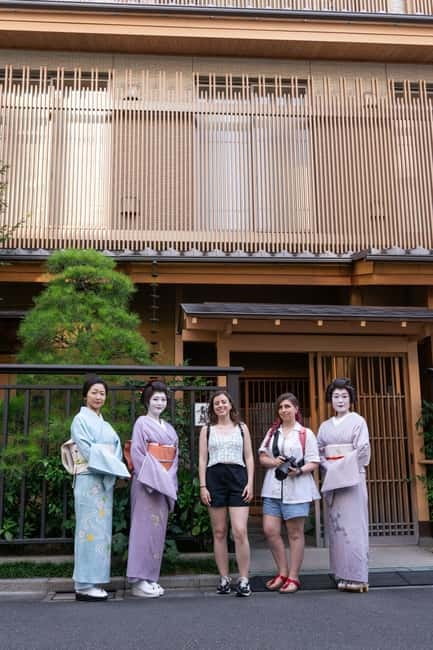
Tokyo offers plenty of cultural shows, but this one aims for something more personal. You are not simply watching a performance from a distant auditorium. You sit in a tea house, meet the geisha, take part in a game, and have time to ask questions.
That change in setting matters. A theater can show you polished movement and music. A tea house lets you notice the hospitality around the performance too: the welcome, the conversation, the serving of sweets, and the social customs behind ozashiki entertainment.
I especially like the balance between formality and fun. The dance gives you the refined side of geisha arts. The game lets you relax and take part, even if you know nothing about traditional Japanese entertainment before arriving.
The experience is held in Asakusa, one of Tokyo’s best areas for traditional culture. Transportation is not included, so you will need to make your own way to the venue. Plan a little extra time for finding the entrance. One participant described entering through a less obvious door, so arriving early is sensible.
More geisha district walks in Kyoto:
- Authentic Geisha Performance with Dinner in Tokyo
★ 4.5 · 101 reviews - Tokyo: Traditional Geisha Experience Show & Japanese Dinner
★ 4.2 · 59 reviews - Kyoto Geisha Walking Tour: Gion District & Hidden Gems
★ 4.7 · 3,273 reviews
Entering Miyakodori’s Ozashiki Tea House
The tea house is operated by 料亭都鳥, known here as Miyakodori. The welcome appears to be an important part of the event. You meet the host, settle in, and choose your required drink before moving into the banquet area.
That drink rule is worth understanding before you book. Matcha is included, but every participant must order one additional drink, alcoholic or non-alcoholic, at their own expense. The supplied price does not cover that order, and it is easy to miss this detail when comparing the experience with other Tokyo activities.
The seating may use low stools, according to one detailed account. If that arrangement is uncomfortable for you, check with the provider before booking, since the information supplied does not promise a different seating option.
The atmosphere is meant to feel intimate. One session had about 16 people, which is small enough to make conversation possible while still giving the room enough energy for group games. The exact group size may change, but this is not described as a large bus tour or a packed theater event.
The opening dance and live shamisen music
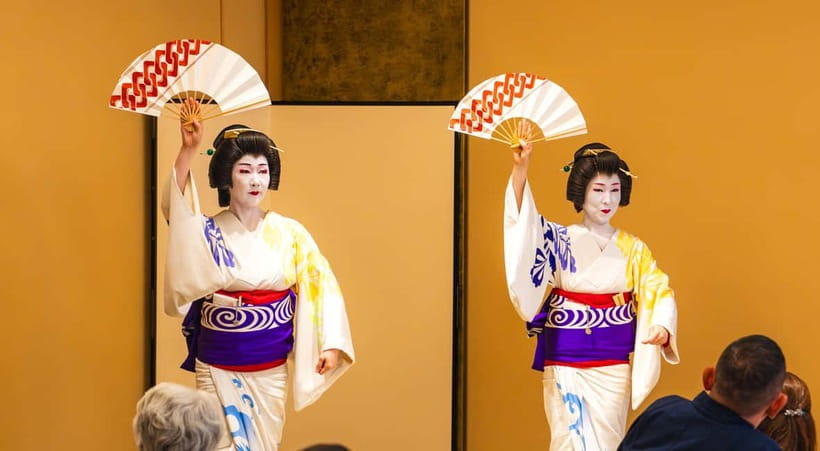
The formal heart of the visit is the geisha performance. You watch a graceful dance accompanied by live shamisen music, with singing also part of the musical presentation in at least some sessions.
The shamisen is a three-stringed Japanese instrument with a sharp, expressive sound. Hearing it live makes a difference. Instead of treating the dance as silent movement set to background audio, the performance shows how music, rhythm, costume, and gesture work together.
The dance is praised for precision, beauty, and control. You should expect a polished presentation rather than an improvised folk demonstration. The geisha’s movements are restrained and deliberate, so the pleasure comes from small gestures, posture, timing, and the mood created in the room.
Named performers at one session included geiko Chizuru and maiko Tamaaki, accompanied by Shisa on shamisen and vocals. The lineup can change, so those names should not be treated as a guaranteed cast. Still, the detail gives you a sense of the level of artistry involved.
This part may suit you best if you enjoy traditional performing arts, costume, music, or photography. If you prefer fast-paced sightseeing, the measured rhythm may feel slow. That is not a flaw, but it is central to the experience.
Meeting the geisha and asking questions
After the performance, the setting becomes more conversational. You have an opportunity to speak with the geisha and ask about their lives and work.
This is where the activity gains value beyond a short dance show. Geisha culture can seem mysterious from the outside, and printed explanations only take you so far. Direct questions help connect the costumes and performance to real people who have trained in these arts.
English support is provided by the host or greeter, and a translator may help with interaction. That makes the session accessible to English-speaking visitors, although the exact amount of translation can depend on the flow of the room and the questions being asked.
You should approach this conversation with respect. The geisha are performers and cultural professionals, not props for photographs. Polite questions about training, performance, daily life, and the traditions on display are more fitting than treating the meeting as a novelty.
The tone appears warm and open. The hosts are described as friendly and welcoming, and the performers are presented as willing to speak and laugh with the group. That personal exchange is one of the strongest reasons to choose this over a simple cultural show.
A few more Tokyo experiences worth weighing up
- Mt Fuji and Hakone 1-Day Bus Tour Return by Bullet Train
★ 5.0 · 26,383 reviews - 1-Day Tokyo Bus Tour
★ 5.0 · 14,250 reviews - Tokyo: TOKYO SKYTREE® Admission ticket
★ 4.5 · 11,192 reviews - Tokyo: teamLab Planets TOKYO Digital Art Museum Entry Ticket
★ 4.6 · 9,779 reviews
Joining Konpira Fune Fune
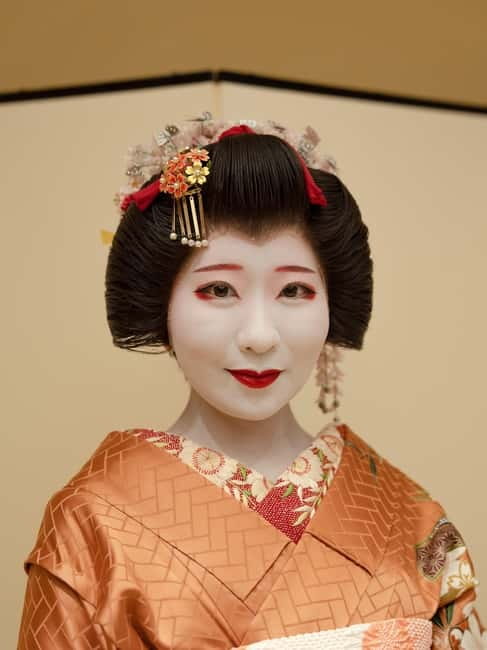
The game is called Konpira Fune Fune, an ozashiki-asobi tradition. It is a lighthearted activity designed to bring people into the social side of a tea house gathering.
You do not need to arrive with special knowledge. The game is explained and guided, making it suitable for solo participants, couples, families, and small groups. One family with children from ages 3 to 10 found the performance captivating and the later game especially entertaining.
This is also the moment when the event becomes less formal. You may be sitting quietly during the dance, but the game asks you to pay attention, react, and participate. It creates laughter without turning the whole session into a loud party.
The reference to a drinking game can sound more alcohol-focused than it is. The required drink may be alcoholic or non-alcoholic, and the activity itself is part of traditional entertainment. You can take part without choosing alcohol.
I see this as a useful feature for people who worry that a formal cultural event might feel stiff. The game gives you a clear way to join in. If you are shy, the host’s guidance helps, though you should still expect some public participation rather than a purely passive show.
Matcha, seasonal sweets, and the quieter middle
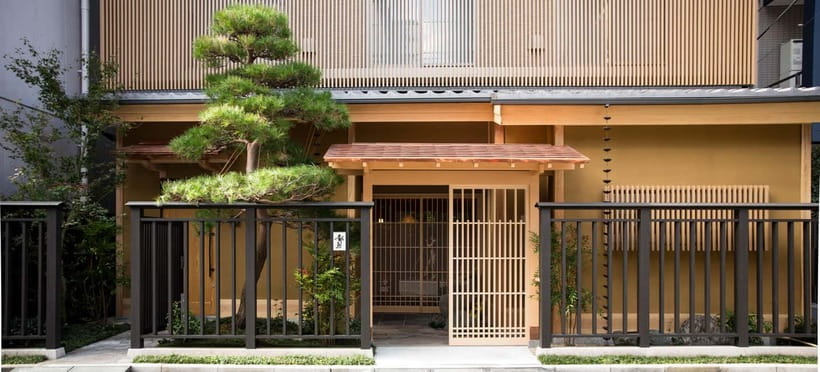
Freshly whisked matcha and seasonal Japanese sweets follow the entertainment. This is not presented as a full meal, so do not arrive expecting dinner. The sweets are a small cultural tasting and a pleasant pause after the music and game.
Seasonal sweets matter in Japanese tea culture because their appearance and flavor connect the serving to the time of year. The portions are described as light, and the matcha is complimentary.
If you have never had matcha prepared in this setting, pay attention to the contrast between the bitter tea and the sweetness of the confection. It is a simple pairing, but it helps you understand why Japanese tea customs place so much attention on balance, presentation, and timing.
I would schedule this experience around a meal rather than instead of one. The price includes sweets but no other food, and the additional drink requirement adds another small expense.
The commemorative photo at the end
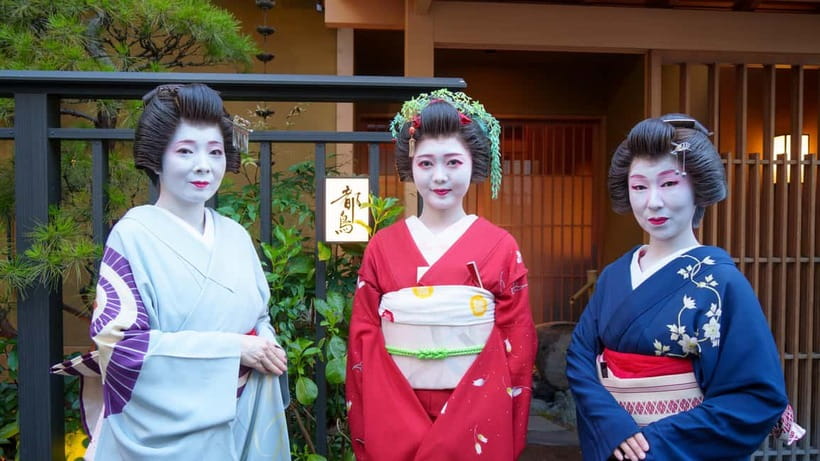
The experience finishes with a commemorative photo with the geisha. This gives you a tangible reminder of the visit and helps mark the occasion if you are celebrating a honeymoon, birthday, or family holiday.
The photo is a nice closing touch because it comes after the performance and conversation. You have already seen the artistry and learned something about the people involved, so the picture feels more meaningful than a quick character photo taken on a street.
Photography expectations are not fully detailed, so follow the host’s instructions about when and where pictures are allowed. The included photo should not be confused with unlimited personal photography throughout the performance.
Is $106 a fair price?
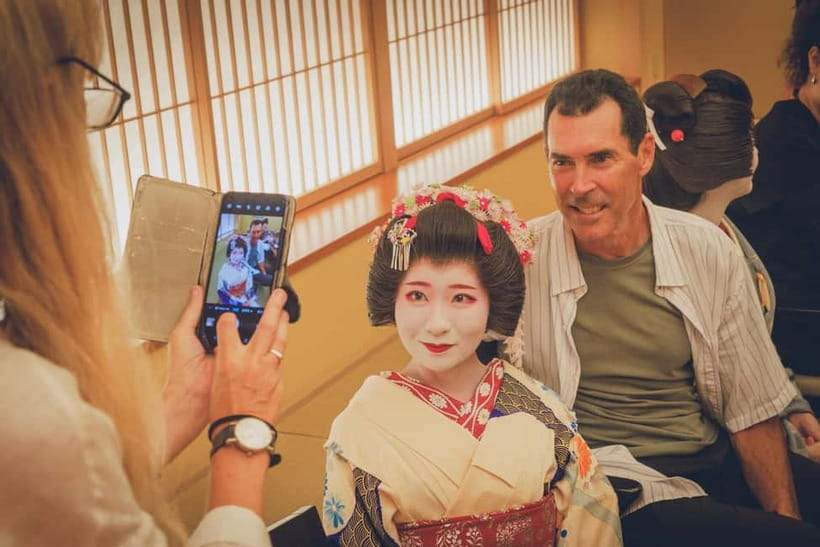
At $106 per person, this is expensive compared with a temple visit, museum ticket, or casual tea stop. It is also difficult to compare directly with those activities because the price covers a scheduled cultural performance, live music, a hosted game, English assistance, food, and direct contact with geisha.
I think the price makes sense for the right occasion. You are paying for access to a specialized form of entertainment that is not normally available through ordinary sightseeing. The intimate setting and question period add value that a public dance performance may not provide.
The value is strongest for:
- A couple marking a honeymoon or anniversary
- A solo visitor who wants a structured cultural activity
- A small group seeking something beyond temples and shopping
- Families with children interested in dance, music, and costumes
- Visitors with a serious interest in traditional Japanese performance
The value is weaker if your budget is tight or if you mainly want a tea tasting. You receive matcha and sweets, but the main attraction is the geisha performance and the personal interaction.
Remember to add the cost of one drink per person. The drink can be alcoholic or non-alcoholic, so this requirement should not stop you from booking, but it does mean the final price will be higher than $106.
Timing, language, and planning advice
The activity lasts 75 minutes. That is long enough for several distinct parts, yet short enough to fit into a day in Asakusa. You can place it before or after other sightseeing, but leave room for the journey to the venue and finding the entrance.
Starting times vary, so check availability for your date. Transportation is not included, and the exact meeting instructions should be read carefully.
The host or greeter speaks English, and translation is available to support questions and conversation. The event is therefore a practical choice if you do not speak Japanese, though the atmosphere remains Japanese rather than being rebuilt as an English-language lecture.
Arrive early. This advice comes directly from the way the venue and drink order work. You may need time to locate the entrance, meet the host, choose your drink, and settle before the performance begins.
The booking terms are flexible. You can reserve now and pay later, and cancellation is free up to 24 hours in advance for a full refund. Those terms are useful if your Tokyo schedule is still shifting.
Who should book this experience?
I would choose this for anyone who wants a close look at traditional Japanese performance without committing to a full evening banquet. The 75-minute length is manageable, and the mixture of watching and participating keeps the event from feeling like a lecture.
Couples get a polished cultural date, while solo visitors have an easy setting for meeting other participants. Small groups can enjoy the shared game, and families may find the visual beauty and playful section more engaging than a long museum tour.
It is also a good choice for a repeat visitor to Tokyo. If you have already seen Senso-ji Temple and walked the main Asakusa streets, this offers another way to connect with the district’s traditional character.
I would be more cautious if you dislike group activities, low-stool seating, or being invited to participate. The event is intimate, which is a strength for many people, but it also means you are part of the room rather than hidden in a back row.
Should you book Miyakodori’s geisha tea house experience?
Book it if you want beauty, conversation, and a little silliness in the same 75 minutes. The live shamisen, precise dance, direct questions, matcha, sweets, and Konpira Fune Fune create a well-rounded introduction to geisha hospitality.
The strongest reason to go is the personal contact. You are given time to speak with the performers, not just watch them pass across a stage. The main cautions are the $106 price, the required extra drink, and the fact that sweets do not replace a meal.
For a first visit to Japan, this can be one of the more memorable ways to encounter living cultural practice. For a tight budget, save your money for free temples and neighborhood walks. For everyone else, especially couples, solo visitors, and small groups, Miyakodori offers a rare and carefully presented evening in Asakusa.
FAQ
Where does the geisha tea house experience take place?
It takes place at Miyakodori’s Ozashiki Tea House in Asakusa, Tokyo, on Honshu, Japan.
How long does the experience last?
The cultural experience lasts 75 minutes.
What is included in the price?
The experience includes the meeting with real geisha, a dance performance, live shamisen music, an ozashiki-asobi game, seasonal Japanese sweets, freshly whisked matcha, and a commemorative photo with the geisha.
Is a meal included?
No. Seasonal sweets are included, but meals and other food are not.
Is a drink included?
Matcha is included, but each participant must order one additional alcoholic or non-alcoholic drink at their own expense.
Is the experience available in English?
Yes. The host or greeter language is English, and translation is provided to help with communication.
Can solo visitors join?
Yes. The experience is suitable for solo visitors, couples, and small groups.
Can I cancel for a full refund?
Yes. You can cancel up to 24 hours in advance for a full refund.
Can I reserve now and pay later?
Yes. The booking terms allow you to reserve your place and pay later.
Just added around Tokyo
- Tokyo 6hr Instagram Highlights Private Tour with Licensed Guide★ 5.0 · 38 reviews
- Tokyo Small Group Tour with Guide★ 4.5 · 38 reviews
- Tokyo Sumo Experience with Live Show & Audience Challenge★ 5.0 · 38 reviews
- Japanese Food Cooking Class in Asakusa, Tokyo★ 5.0 · 39 reviews
- Very popular in Harajuku♡Animal petting zoo★ 4.6 · 39 reviews
- Ramen Making from Scratch with Tokyo Mom(Vegan Option Available)★ 5.0 · 39 reviews
- Tokyo JDM Night: 600hp C63s AMG Edition 1 (Private)★ 4.9 · 39 reviews
- Tokyo: Kimono Rental inside Shinjuku Gyoen National Garden★ 4.9 · 39 reviews
Geisha & Gion District Tours, compared.
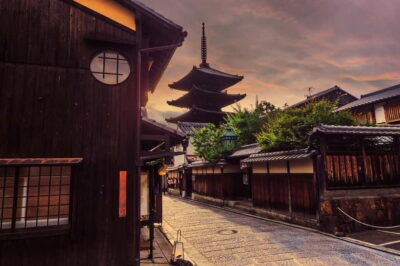
Kyoto Geisha Walking Tour: Gion District & Hidden Gems
Read our review →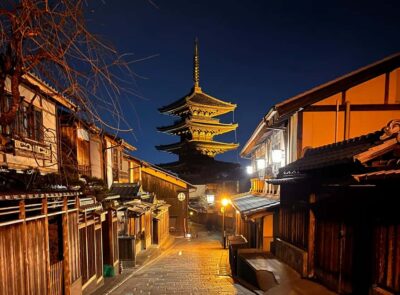
Gion Magical Night Walking Tour with Geisha Trivia
Read our review →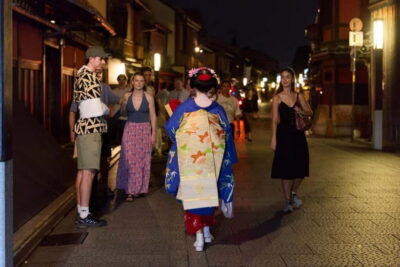
Gion Geisha District Walking Tour – Stories of Geisha
Read our review →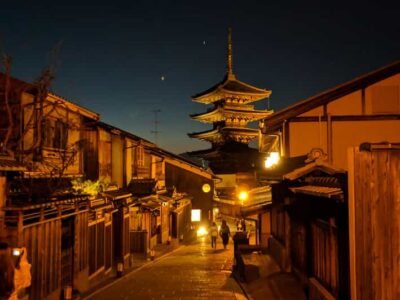
Best of Kyoto: Gion, Geisha, Pagodas & Cobblestones
Read our review →
Kyoto Night Foodie Tour in Gion (9+ dishes + 6 Sake tastings)
Read our review →
Kyoto Gion Geisha District Walking Tour – The Stories of Geisha
Read our review →
Kyoto Gion: 2-Hour Geisha Culture & History Walking Tour
Read our review →Browse the lists this tour appears in