
Reviewed · TRADITIONAL CRAFT WORKSHOPS
From Kanazawa: Shirakawa-go, Gokayama and Wood Carving Village
Mountain villages reward an early start. This nine-hour trip from Kanazawa links three very different rural experiences: Inami’s wood carving, Gokayama’s quiet thatched village of Ainokura, and the better-known UNESCO site of Shirakawa-go. I like the way the day mixes scenery with hands-on activities, rather than treating the villages as photo stops only.
I also like the small-group format, with a maximum of 17 people, and the fact that transportation, guiding, temple admission, and paper-making are covered. The main drawback is the pace: you get a useful introduction to several places, but not enough time to explore every village slowly. Shirakawa-go can also be busy, and a small van may feel tight when the group is full.
In This Review
- Key points to know before booking
- Why this countryside day trip works from Kanazawa
- Inami: wood carving and Zuisenji Temple
- Ainokura in Gokayama: the quieter thatched village
- Making three washi postcards in Gokayama
- Shirakawa-go: the famous stop with the biggest crowds
- What the guides add to the day
- Price, transport, and what you actually receive
- Who will enjoy this tour most
- Should you book this Kanazawa day trip?
- FAQ
- Where does the tour start and finish?
- How long does the experience last?
- What time does the tour start?
- Is transportation included?
- Is lunch included?
- How many people can join the tour?
- Is the washi paper-making activity included?
- Can I cancel for a full refund?
Key points to know before booking
- Inami begins the day with serious wood carving and a fine temple: The main street and Zuisenji Temple offer a quieter, more local-feeling start than Shirakawa-go.
- Ainokura in Gokayama is the calmest village stop: You have about an hour for photographs and a short walk, including a viewpoint reached by an uphill path.
- The washi workshop is hands-on, not just a demonstration: You choose paper inserts, make your own sheet, and receive three postcard-sized pieces after about 10 to 15 minutes of drying.
- Shirakawa-go is the visual high point, but also the busiest: The tour includes an observation point, a guided walk, and entry into one traditional house.
- Guides can make a major difference: Daniel, Garrett, Mike, Lee, Ellie, and Mohamed have led departures, with Daniel and Garrett receiving especially warm praise for clear explanations and friendly help.
- The $202.17 price buys convenience more than luxury: Transport between remote sites is the real value, especially when you want to see all three areas in one day from Kanazawa.
Why this countryside day trip works from Kanazawa
Kanazawa is an excellent base for historic streets, gardens, and museums, but the mountain villages beyond the city are awkward to connect by public transport in one day. This tour solves that problem with round-trip transport from Kanazawa Station and a guide who keeps the day moving.
You spend about nine hours away from the city. That sounds long, but the route has enough variety to prevent the day from becoming one long march through old houses. You shift from carved wooden decoration, to temple architecture, to a small craft workshop, and finally to the famous thatched-roof villages.
The group limit of 17 is important. This is not a private tour by default, but it is smaller than a large coach excursion. Some departures have been much smaller, including one reported group of only two guests, a guide, and a driver. At the other end, a group of 14 still felt manageable.
The vehicle can be a small bus or van. That keeps the trip more personal, though the trade-off is limited space, especially with a full group and day bags. Bring only what you need for the day.
More craft workshops:
- From Kanazawa: Shirakawa-go, Gokayama and Wood Carving Art
★ 4.9 · 180 reviews - Tokyo Shinjuku Chopsticks Making Class
★ 5.0 · 1,763 reviews - Kyoto : Chopsticks Making Workshop in Gion with Engraving Option
★ 5.0 · 958 reviews
Inami: wood carving and Zuisenji Temple
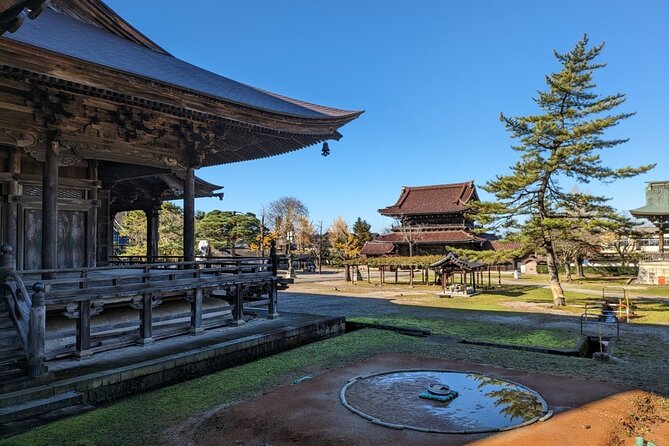
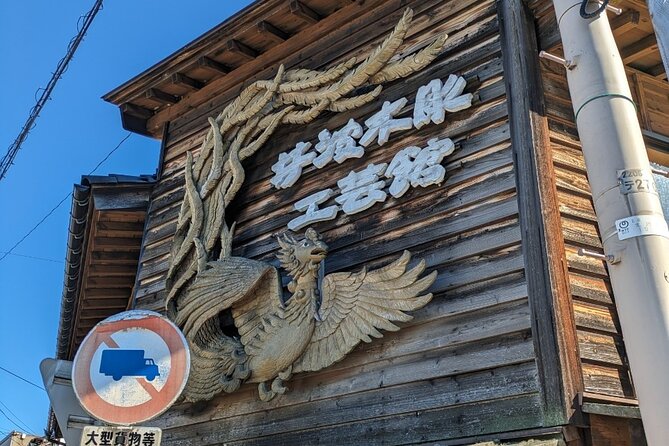
The first stop is Inami, where the main street is lined with wood carving shops and carved details appear throughout the town. This gives you a chance to see craft as part of daily town life, not only behind glass in a museum.
The carving tradition is the reason to pay attention as you walk. Look above shop entrances and around older buildings for decorative work. You may also find historical and artistic pieces to buy, with more character than standard souvenir-shop goods. The tour includes a guided walk through the woodcraft town, so your guide can point out details you might otherwise pass.
The two-hour stop includes Zuisenji Temple, with admission covered. This temple has been a favorite part of the day for several people, partly because it is quieter than the headline attractions later on. The temple visit also gives the stop some balance. You are not simply touring shops or watching artisans at work.
I would use this first stop to ask your guide about the local carving tradition and the temple details. Guides such as Daniel, Garrett, and Mike have been praised for answering questions and explaining Japanese culture in a relaxed way. A good guide can turn carved panels and roof details into a story instead of a blur of attractive woodwork.
There is a practical limitation here. During the New Year period from December 28 through January 5, many Inami shops close. The town can still be part of the route, but the wood carving experience may be reduced. If this craft stop matters to you, avoid those dates or confirm what will operate.
Ainokura in Gokayama: the quieter thatched village
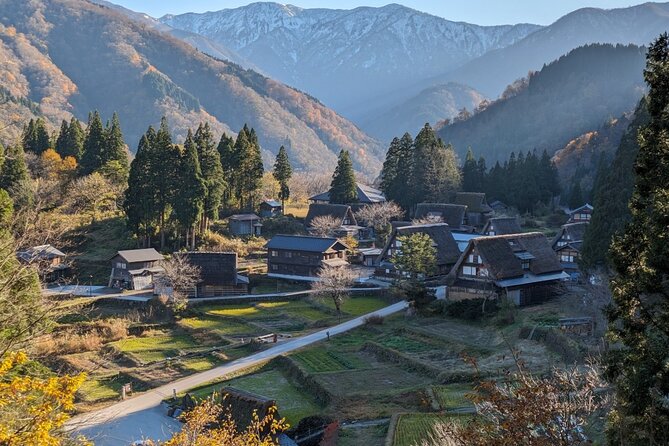
Gokayama’s Ainokura Village is likely to feel more peaceful than Shirakawa-go. You have roughly one hour here, enough for a walk, photographs, and a short climb to a viewpoint if conditions allow.
The defining buildings are gassho-zukuri houses, with steep thatched roofs designed for heavy mountain snow. The shape is instantly recognizable, but the setting matters just as much. Ainokura feels like a compact old settlement in the mountains rather than a single attraction arranged for sightseeing.
Your guide can show you a good photo position, which matters when time is limited. One account specifically praised the uphill viewpoint at Ainokura, though you should expect some walking and take care in snow or rain. Another account described the tour as having a measured amount of walking, with regular comfort breaks, but this is still an outdoor day in mountain country.
The one-hour limit is both useful and frustrating. It prevents the day from bogging down, yet you may wish for more time to look inside buildings, browse quietly, or simply enjoy the setting. If your priority is slow photography, a dedicated Gokayama visit would suit you better. If your priority is seeing the major rural sites in one day, the short stop is a fair compromise.
Bring weather-ready clothing. The day has been enjoyed in cold rain and snow, but poor weather can make paths slippery and views less clear. The thatched roofs remain atmospheric in bad weather, though your photographs may not match the sunny images used to sell the region.
Making three washi postcards in Gokayama
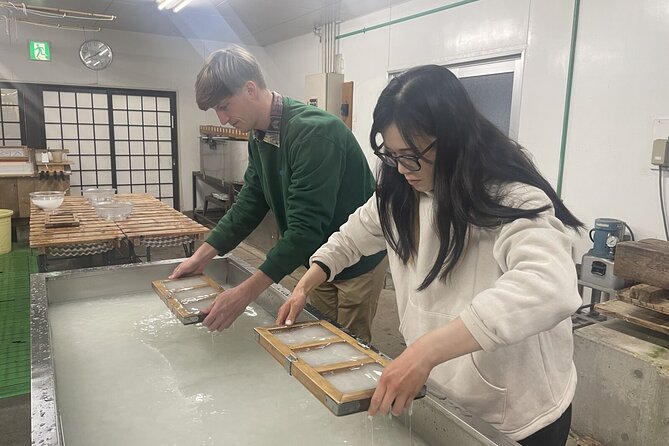
The paper-making stop lasts about 30 minutes and adds a welcome hands-on element. You choose paper inserts to place in your sheet, take part in the process, and then wait around 10 to 15 minutes for the paper to dry.
The finished souvenir consists of three postcard-sized pieces. That is a small but useful keepsake, and the activity does not take so long that it overwhelms the rest of the day. I especially like this stop for families and for anyone who wants to do more than take pictures.
The workshop also breaks up the walking. You get to sit, make something, and leave with an item that connects directly to the region. Several people expected the activity to feel forced, but found it genuinely interesting instead. That is a good sign for anyone who normally skips packaged craft demonstrations.
The timing can be affected by the calendar. Paper-making is not available during the New Year closure period from December 28 through January 5. The operator notes that many shops in both Inami and Gokayama close then, while Shirakawa-go is mostly open.
A few more Kanazawa experiences worth weighing up
- World Heritage Shirakawa-go and Experience Tours from Kanazawa
★ 5.0 · 4,049 reviews - Kanazawa: Kenrokuen Tea Ceremony Experience
★ 4.8 · 1,139 reviews - Kanazawa Half Day Tour (Private Guide)
★ 5.0 · 361 reviews - Kanazawa Full Day Tour (Private Guide)
★ 5.0 · 323 reviews
Shirakawa-go: the famous stop with the biggest crowds
Shirakawa-go is the grand finale and the place most people already know from photographs. The tour begins at an observation point, then heads into the village for an explanation of its history and traditional homes.
The view from above gives you the classic arrangement of steep gassho-zukuri roofs spread through the valley. Afterward, the guided walk brings you down among the buildings, where you enter one traditional house and learn how these homes functioned.
This is more than a quick roadside photograph. The included entry and guided visit help explain why the houses have such dramatic roofs and how village life was organized. That context makes the architecture easier to appreciate, especially after you have already seen Ainokura.
Shirakawa-go is also the busiest stop. Large tour buses can arrive even on a cold, rainy day. The village may not feel unbearably crowded, but it can be far more commercial and active than you expect from the serene photographs.
Your expectations matter here. If you want a silent mountain village, Shirakawa-go may disappoint. If you want the most complete introduction to the region’s famous architecture, it delivers. I would save some energy for this final stop, because there is still a guided walk after several hours on the road.
The two-hour visit gives you time for the observation point, village walk, traditional house, and perhaps a snack or small purchase. It does not give you unlimited freedom, so follow the guide’s meeting instructions carefully. Guides have been praised for giving clear directions and allowing time for comfort breaks, food, and shopping.
What the guides add to the day
The guide is a major part of the value here. The strongest guide feedback centers on clear explanations, friendliness, and practical help. Daniel has been praised for being approachable, organized, and attentive to comfort. Garrett has been singled out for making the day work well for adults, teenagers, and families.
Mike has also received strong praise for enthusiasm, cultural explanations, and help with train tickets after the tour. Ellie has been described as a good guide as well. The range of guides means your experience may vary, but the company has several staff members who can make the long day feel easy.
There is one serious warning in the feedback. One guest found a guide’s negative comments about Japan inappropriate and distracting, despite praising the driver. That appears to be an isolated complaint against otherwise very high scores, but it is worth acknowledging. A guide’s tone matters on a cultural tour, and you should expect respectful, useful commentary.
One lower-rated account described the outing as mainly transportation with limited explanation and no water provided. That suggests you should not expect a luxury coach service or a tour packed with constant narration. Bring your own water and think of the guide as a companion who provides structure and context, not a lecturer talking every minute.
Price, transport, and what you actually receive
At $202.17 per person, this is not a cheap day out. The price makes more sense when you consider the route. You receive transportation from Kanazawa to several remote destinations, an English-speaking guide, entry to Zuisenji Temple, a guided Shirakawa-go visit, guided Inami touring, and the washi activity.
Lunch is not included. That is normal for a day with several stops, but you need to budget for food. One account enjoyed udon at a traditional floor-seated restaurant, while another had lunch independently in Gokayama. Your choices and timing may depend on the day’s schedule.
Accommodation is not included, and the tour returns to Kanazawa Station. The meeting point is Kanazawa Station, at 1-1 Kinoshinbo-machi, Kanazawa, Ishikawa 920-0858. From June 1 onward, the departure time is 8:30 a.m. The exact start time outside that seasonal note should be checked when booking.
For me, the strongest value is the transport. Hiring separate transport or trying to connect every stop yourself would take planning, and public transport does not offer the same simple loop. The price is harder to justify if you only want Shirakawa-go, since a more direct outing may suit that narrow goal better.
Who will enjoy this tour most
I would recommend this day to you if you want a broad taste of rural Toyama without arranging several complicated connections. It suits first-time visitors, families, craft lovers, photographers, and anyone who wants a break from urban sightseeing.
The paper activity works well with teenagers and children, while the temples and traditional houses give adults plenty to think about. The tour involves walking, stairs, and an uphill viewpoint, so you should be comfortable moving around for much of the day.
You will probably enjoy it less if you dislike fixed schedules or crowded attractions. Shirakawa-go can be busy, and the one-hour Ainokura stop may feel too short for serious photographers. The small vehicle may also be cramped for some people.
Weather is another factor. Snow, rain, and cold can shape the day, but the tour operates as a rural outdoor experience rather than a weather-proof indoor itinerary. Wear shoes suitable for village paths and bring layers.
Should you book this Kanazawa day trip?
Book it if you want variety and convenience. Inami gives you wood carving and a quiet temple, Ainokura offers a smaller village setting, the washi workshop lets you make a souvenir, and Shirakawa-go supplies the famous views and traditional houses.
Skip it if your ideal day means lingering in one village, eating slowly, and wandering without a timetable. At $202.17, you are paying for access and organization, not for a private vehicle or a leisurely custom route.
For most first-time visitors based in Kanazawa, I think the combination is strong. The tour gives you several distinct pieces of rural Japan in one long day, and the best guides can add the history and practical help that make the journey worthwhile. Free cancellation is available up to 24 hours before the start time, but cancellations within 24 hours are not refunded.
FAQ
Where does the tour start and finish?
It starts and ends at Kanazawa Station, at 1-1 Kinoshinbo-machi, Kanazawa, Ishikawa 920-0858.
How long does the experience last?
The tour lasts approximately nine hours.
What time does the tour start?
From June 1, the start time is 8:30 a.m. The supplied information does not specify the start time for other periods, so check your booking details.
Is transportation included?
Yes. Transportation to and from Shirakawa-go and the other destinations is included.
Is lunch included?
No. Lunch is not included in the tour price.
How many people can join the tour?
The tour has a maximum group size of 17 travelers.
Is the washi paper-making activity included?
Yes. The paper-making experience fee is included. You choose paper inserts, make the paper, and receive three postcard-sized pieces after about 10 to 15 minutes of drying.
Can I cancel for a full refund?
Yes, if you cancel at least 24 hours before the experience start time. Cancellations made within 24 hours are not refunded, and changes within that period are not accepted.
Just added around Kanazawa
- Kanazawa private half day/Photoshoot by professional photographer★ 5.0 · 38 reviews
- Photoshoot session by professional photographer in Kanazawa★ 5.0 · 42 reviews
- Kanazawa: City Highlights & Hidden Gems Private Walking Tour★ 4.8 · 42 reviews
- Kanazawa Half Day E-bike Tour★ 5.0 · 42 reviews
- Kanazawa Private Tour: Highlights of an Old Samurai Town★ 5.0 · 46 reviews
- [Day trip bus tour from Kanazawa Station] Weekend only! World Heritage Shirakawago Day Bus Tour★ 5.0 · 46 reviews
- Kanazawa Gourmet Experience Omicho Market Tour★ 5.0 · 50 reviews
- Private Tour of Shirakawago and Gokayama from Kanazawa★ 5.0 · 50 reviews
Traditional Craft Workshops, compared.
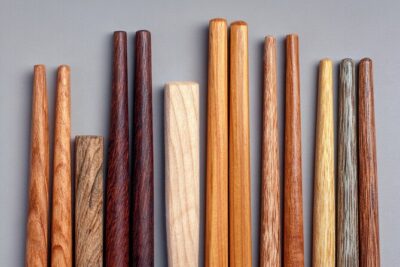
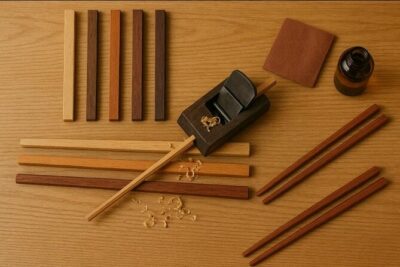
Chopsticks Making Workshop in Gion with Engraving Option
Read our review →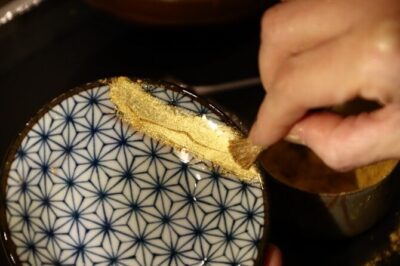
Kintsugi Experience: Art of Golden Joinery in Tokyo
Read our review →
Authentic knife making experience at a blacksmith in Kyoto
Read our review →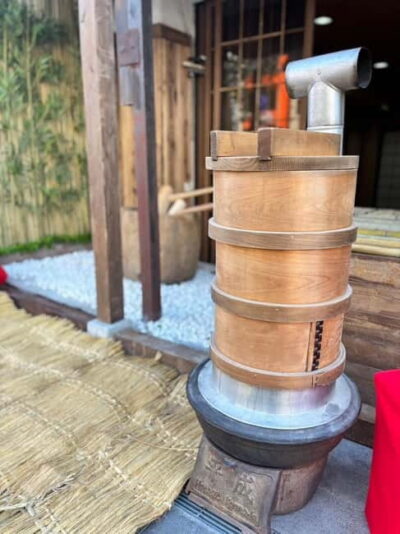
Traditional Mochi Pounding Experience with Tasting
Read our review →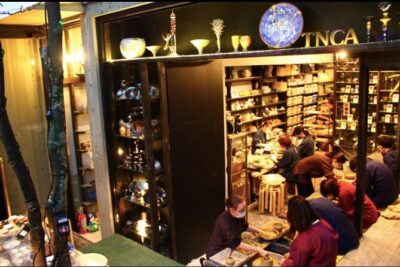
Authentic Pure Gold Kintsugi Workshop with Master Taku in Tokyo
Read our review →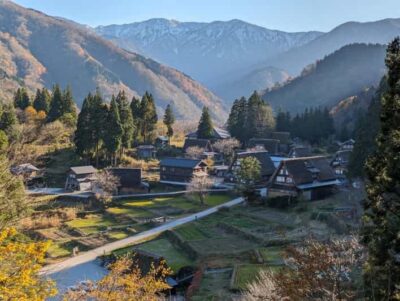
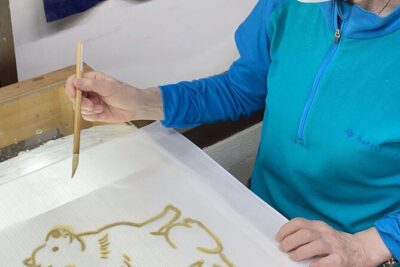
Roketsu dyeing experience: M course Roketsu Dyeing Experience
Read our review →Browse the lists this tour appears in