
Reviewed · TRADITIONAL CRAFT WORKSHOPS
From Kanazawa: Shirakawa-go, Gokayama and Wood Carving Art
Three villages, one very full day. From Kanazawa, this tour takes you beyond the famous thatched roofs of Shirakawa-go to quieter Inami and Gokayama, where wood carving and handmade paper still shape local life. I especially like the chance to see Zuisenji Temple’s intricate carvings and make your own Japanese paper rather than simply photograph old buildings.
I also like the balance between guided visits and free time. Guides such as Daniel, Mike, Garrett, and Mohammed have been praised for their stories, patience, and practical help. The main drawback is the price, $180 per person, and the long day in a vehicle. Lunch is not included, and some departures use a small van that may feel cramped.
In This Review
- Key details worth knowing
- Why this day trip works from Kanazawa
- Meeting the bus at Kanazawa Station
- Inami: wooden cats and a magnificent temple
- Zuisenji’s carved gates and giant walls
- Gokayama and Ainokura: the quiet center of the day
- Making washi paper with your own hands
- Shirakawa-go: the famous stop earns its place
- The matcha stop at Shima
- Guides make the long day easier
- Timing, weather, and what to pack
- Who should book this tour?
- Final verdict: worth $180?
- FAQ
- Where does the tour start?
- What time does the tour leave?
- What language is the tour conducted in?
- Is lunch included?
- Is the paper-making workshop included?
- How long do you spend at Shirakawa-go?
- Can the tour end in Takayama?
- What is included in the $180 price?
Key details worth knowing
- Inami’s carved cats: Look for the 32 wooden cats hidden along the road to Zuisenji, plus a few unofficial extras made by local shops.
- Zuisenji Temple: This enormous temple was rebuilt after a 1735 fire and filled with dragons, lions, elephants, and other detailed woodwork.
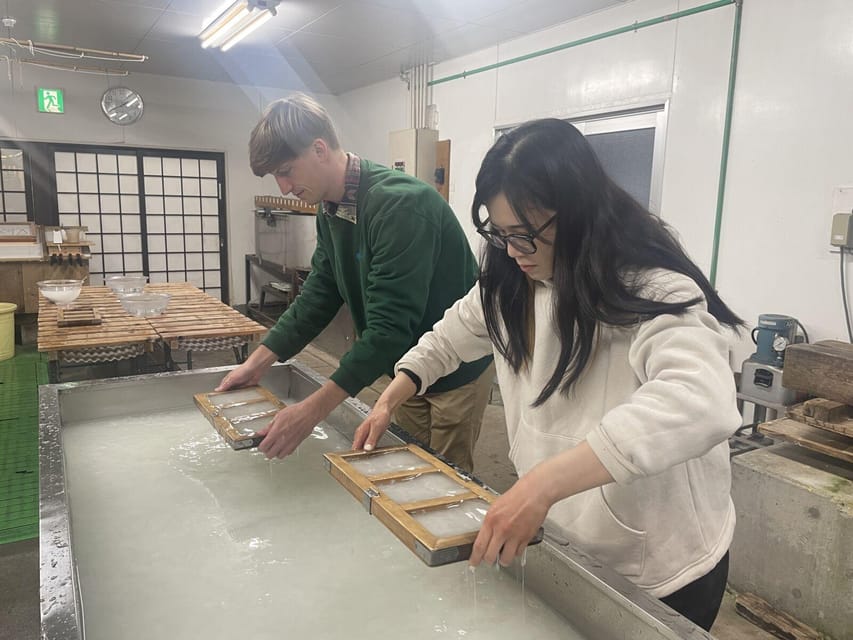
- Hands-on Gokayama craft: The washi paper workshop gives you a small, personal souvenir and a better sense of local work than a quick museum visit.
- A quieter UNESCO village: Ainokura in Gokayama often feels calmer than Shirakawa-go, with mountain scenery and traditional gassho houses.
- Shirakawa-go in two hours: You get a guided walk, entry into a thatched farmhouse, and time to explore on your own.
- Flexible routing: The listed return options include Kanazawa Station and Takayama Station, which can help if you are moving between the two regions.
Why this day trip works from Kanazawa
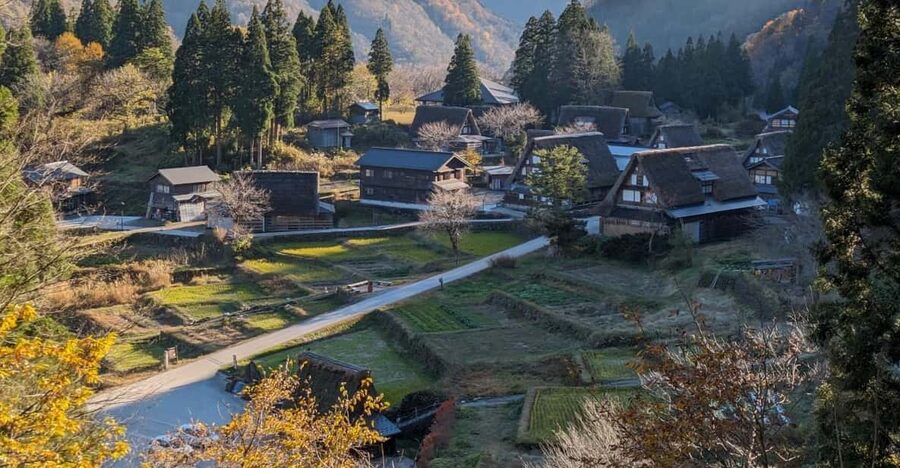
Shirakawa-go is the headline attraction, but it is not the only reason to book this trip. The route gives you three different views of rural Hokuriku: a working craft town, a small mountain settlement, and Japan’s most famous thatched-roof village.
That variety matters. A direct bus to Shirakawa-go gets you to the best-known sight, but it does not show you much about the traditions behind the scenery. Here, you see wood carving in Inami, paper making in Gokayama, and the preserved farmhouses of Shirakawa-go in one carefully arranged day.
The tour costs $180, so it is not a bargain basement outing. Still, the price includes transportation between every stop, an English-speaking guide, entry to Zuisenji Temple, the Inami and Shirakawa-go guided walks, and the paper-making workshop. For many visitors, the convenience is the real value. You avoid arranging several rural buses, locating the smaller villages, and working out how to fit three places into one day.
I would not choose it simply to save money. I would choose it if you value local explanation, dislike transport puzzles, and want to see more than Shirakawa-go alone.
More craft workshops:
- From Kanazawa: Shirakawa-go, Gokayama and Wood Carving Village
★ 5.0 · 90 reviews - Tokyo Shinjuku Chopsticks Making Class
★ 5.0 · 1,763 reviews - Kyoto : Chopsticks Making Workshop in Gion with Engraving Option
★ 5.0 · 958 reviews
Meeting the bus at Kanazawa Station
The usual meeting time is 9:00 a.m. From June 1, the start time changes to 8:30 a.m. Your guide meets you near the Information Center by the Shinkansen Ticket Gates, then directs you to the bus terminal on the Kanazawa Port side of the station.
Give yourself time to find the correct side of the station. Kanazawa Station is large enough that a rushed transfer with luggage can be annoying, especially early in the morning.
The first ride lasts about an hour. The bus passes through the Hokuriku mountains and plains, giving you a useful transition from city Kanazawa to the smaller settlements ahead. A warm vehicle is particularly welcome in winter and wet weather. Several departures have been praised for smooth driving and comfortable transport, though the vehicle may be a minibus or small van rather than a full-size coach.
Group size can be pleasantly small. Some departures have had only four to eight people, which makes it easier to ask questions and talk with the guide. That is a strength, but the tradeoff is space. One person found a full van claustrophobic, so if you strongly prefer room to stretch out, ask about the vehicle before booking.
Inami: wooden cats and a magnificent temple
Inami is a smart first stop because it is unlike the two villages that follow. This is a town of traditional wood carving, with more than 100 professional carvers in the area. The main street leads toward Zuisenji Temple, and carved details appear above shopfronts and around the buildings along the way.
Your guide helps you notice work you might otherwise walk past. Look up at the doors, eaves, and signs. The craftsmanship is not always presented behind glass. Some of it is built directly into the town.
Then comes the cat hunt. The local town association counts 32 carved cats, tucked into shopfronts and other unexpected corners. Other shops have added their own, so the true count may be higher. It is a small detail, but it gives the walk a playful edge and works well for children.
The town can be quiet, and not every shop will be open. That is part of its appeal, since Inami feels like a working craft center rather than a souvenir street. It can also disappoint if you expect every workshop to be operating or want a large selection of small carvings to take home.
If you find a piece you like, this is the place to consider buying it. The quality is exceptional, but the work is made by skilled artisans, so prices may reflect that. One especially notable stop is a workshop associated with a living National Treasure, though exact shop access depends on the day.
Zuisenji’s carved gates and giant walls
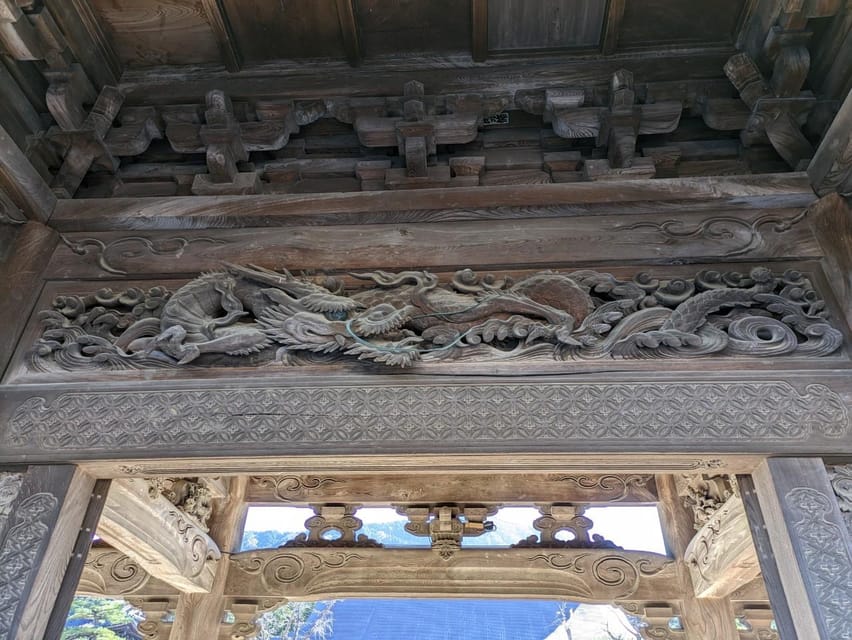
Zuisenji is the strongest reason to pay attention during the Inami visit. The temple dates back to the 1300s, though it burned in 1735. Its rebuilding brought a celebrated wood carver from Kyoto, and the result is far more elaborate than the plain word temple might suggest.
The huge outer walls can make the approach feel almost like entering a castle. Inside, study the gates and beams for carved dragons, lions, elephants, and other animals. The designs are dense, so take your time rather than snapping one quick photograph and moving on.
Entry to Zuisenji is included. The visit lasts about an hour, including the town walk and temple tour, so you will not have unlimited time for browsing. I would keep your shopping focused and let the guide set the pace.
A few more Kanazawa experiences worth weighing up
- World Heritage Shirakawa-go and Experience Tours from Kanazawa
★ 5.0 · 4,049 reviews - Kanazawa: Kenrokuen Tea Ceremony Experience
★ 4.8 · 1,139 reviews - Kanazawa Half Day Tour (Private Guide)
★ 5.0 · 361 reviews - Kanazawa Full Day Tour (Private Guide)
★ 5.0 · 323 reviews
Gokayama and Ainokura: the quiet center of the day
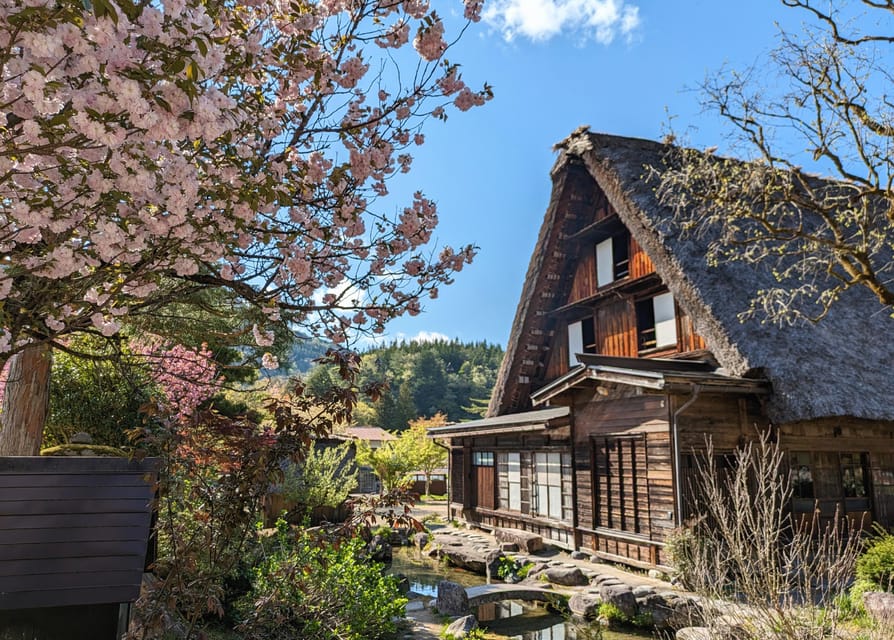
After Inami, the bus takes about 35 to 40 minutes toward Gokayama. This is where the day shifts from craft town to mountain village.
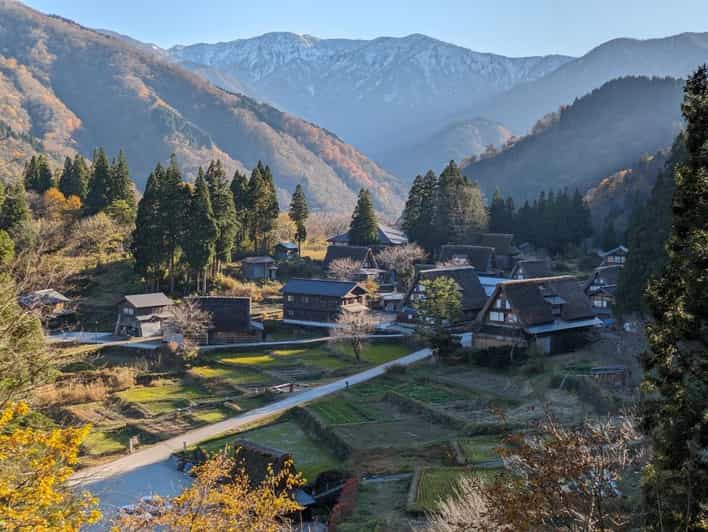
The stop is Ainokura, one of the best-preserved settlements in the Gokayama area. Its steeply pitched gassho roofs were built to handle heavy winter snow, and the village’s isolation helped preserve its old pattern of life.
Ainokura is often the surprise favorite. Shirakawa-go is more famous and usually more crowded, while Ainokura can feel still and spacious by comparison. Several departures have had very few people here, particularly in winter or during quieter periods. A nearby viewpoint gives you the classic view over the thatched houses and surrounding mountains, although the time available for walking can change according to lunch and the day’s conditions.
This is a place for slow looking. Notice how the houses sit together, how the roofs dominate the view, and how different the mood is from a major sightseeing center. Snow can make the village especially beautiful, but it also means cold conditions and potentially slippery paths. Rain does not ruin the stop, though waterproof shoes and a good jacket will make you happier.
Making washi paper with your own hands
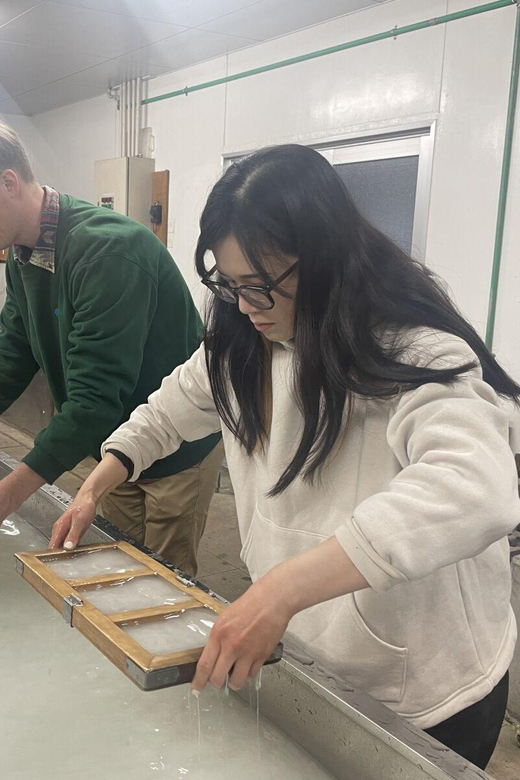
The paper-making workshop is one of the tour’s best choices. You do not merely hear that paper was once an important local product. You get your hands wet and try the traditional method yourself.
The activity lasts about 75 minutes along with the guided Gokayama visit. It adds a physical task to a day otherwise filled with walking, viewing, and listening. Your finished paper also gives you a more meaningful souvenir than another mass-produced trinket.
The workshop is not available from December 27 through January 3. All activities depend on confirmation and availability, so you should treat it as planned rather than absolutely guaranteed. If paper making is the main reason you are booking, confirm its status for your date.
Lunch is not included. There is usually time to eat in Ainokura, but the schedule may place lunch in Inami instead. Food access can be limited, and one practical point comes up repeatedly: bring your own lunch or snacks if you have dietary needs, a strict timetable, or simply do not want to gamble on what is open.
A local udon, soba, or tempura meal may be available, but the tour does not promise a particular restaurant or dish. Lunch can also reduce your free time in Ainokura. One departure found that an extra 15 minutes would have helped after eating, so keep your meal efficient if you want time for the village and viewpoint.
Shirakawa-go: the famous stop earns its place
The ride from Gokayama to Shirakawa-go takes about 40 minutes. By now, you have seen lesser-known examples of the same mountain culture, which makes the final stop more meaningful.
Shirakawa-go is famous for its gassho farmhouses, with roofs shaped like hands pressed together in prayer. The village has a strong visual impact, especially when snow covers the roofs or when clear weather opens views toward the mountains.
The visit begins on the main street with a guided walk through the historic area. You also enter one of the thatched-roof homes, which helps explain how these buildings worked as homes and farm buildings rather than simply pretty shells.
You get about two hours here, split between guided time and free time. That is enough to see the main sights and take photographs, but not enough to explore every path, museum, shop, and food stop at a relaxed pace. The village is also the busiest part of the day. Crowds can be noticeable, and the contrast with quiet Ainokura is sharp.
I like this order. You see the peaceful settlements first and arrive at Shirakawa-go with context. If Shirakawa-go were your only stop, you might focus mainly on photographs. After Inami and Ainokura, you can better appreciate the construction, farming traditions, and regional links behind the view.
The matcha stop at Shima
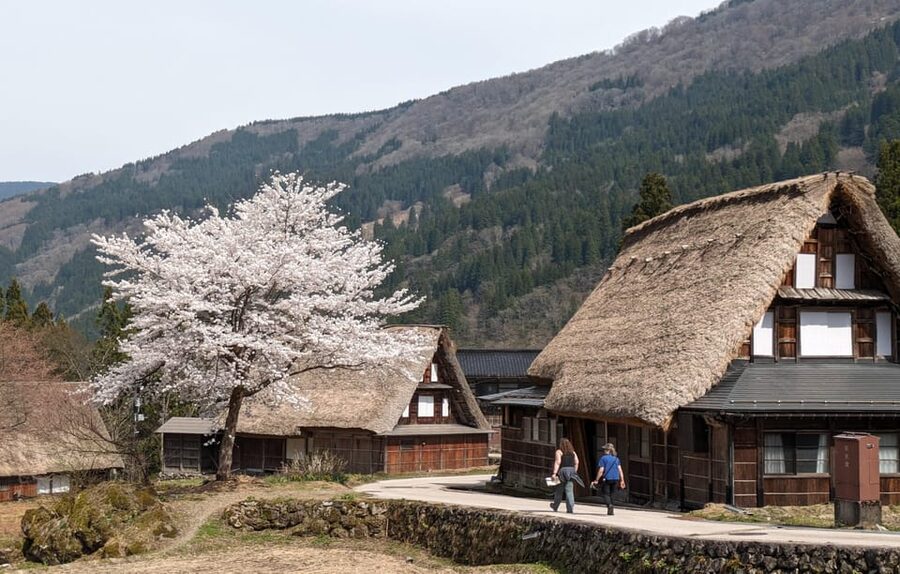
The experience information also lists a matcha visit at Shima, a heritage site with classic architecture. This is an appealing addition for anyone who wants a quiet cultural pause and a traditional setting.
However, Shima is not clearly placed in the detailed sequence of Inami, Gokayama, and Shirakawa-go. Since the operator notes that activities depend on availability, confirm whether the matcha experience is included on your chosen departure and where it fits in the day.
Do not assume you will have unlimited time for tea, shopping, or extra sightseeing. This is already a long route, and traffic or weather can affect the schedule.
Guides make the long day easier
The strongest part of this experience is the human side. Guides including Daniel, Mike, Garrett, Lee, and Mohammed have been praised for clear explanations, humor, patience, and a good sense of when to step back.
That last point matters. A poor guide can fill every quiet moment with a lecture. The best guides on this route explain the places, answer questions about Japanese life, and then give you room to take photographs or wander. Daniel has also helped people recover forgotten phones and sort out lost belongings, which shows the practical value of having a responsible person with you in unfamiliar towns.
A small group makes these conversations easier. Some people have described the atmosphere as close to a private tour when numbers were low. Group size is not fixed in the information provided, so do not book on the assumption that every departure will have four or five people.
The driver also matters. You spend more than three hours on the road in total, including the return journey, and smooth driving makes that time far more pleasant. You can use the ride back to rest or ask your guide for food and sightseeing suggestions in Kanazawa.
Timing, weather, and what to pack
The tour starts early and returns to Kanazawa around 6:00 to 6:30 p.m., depending on traffic. The return drive is a little over an hour, so this is a full day rather than a quick excursion.
Wear shoes suited to uneven village streets and short walks. In winter, snow and bitter cold are possible. In spring and autumn, conditions can change in the mountains. Rainy days still offer beautiful scenery, but waterproof clothing becomes important.
I would bring:
- A packed lunch or substantial snacks
- Water
- Shoes with good grip
- Layers for cold mountain weather
- A phone or camera with spare battery power
- Space in your bag for handmade paper
There is no accommodation included. The tour begins in Kanazawa and is designed to return there, though the listed drop-off options also include Takayama Station. Confirm your selected route if you plan to continue to Takayama, since the meeting and ending arrangements may vary by option.
Free cancellation is available up to 24 hours before departure for a full refund, and reserve-now-pay-later booking is offered. Those policies are useful when weather or other Japan plans are still shifting.
Who should book this tour?
I would recommend it to first-time visitors who want to see Shirakawa-go without arranging rural transport themselves. It also suits anyone interested in traditional crafts, small groups, local stories, and mountain scenery.
Families can find something to enjoy in the cat hunt and paper workshop. Couples may like the quieter walks and old villages. Solo visitors benefit from having transport and company without needing to join a huge coach group.
I would hesitate if you dislike long vehicle rides, need a generous lunch break, or want to explore Shirakawa-go at a very slow pace. I would also think twice if $180 feels high and you are comfortable planning buses and visits independently.
Final verdict: worth $180?
For the right person, yes. The price buys far more than a ride to Shirakawa-go. You see master woodwork in Inami, enter a remarkable temple, make paper in Gokayama, walk through Ainokura, and finish at Japan’s best-known thatched village.
The key is to value the lesser-known stops. If you only want the famous panorama, seek a simpler Shirakawa-go transfer. If you want the story behind the villages and a day that mixes craft, history, scenery, and hands-on work, this is a strong choice from Kanazawa.
Book it with a packed lunch, realistic expectations about the long day, and a willingness to appreciate quiet Inami and Ainokura as much as the headline attraction.
FAQ
Where does the tour start?
The tour starts at Kanazawa Station. The guide meets you near the Information Center by the Shinkansen Ticket Gates, and the bus leaves from the terminal on the Kanazawa Port side.
What time does the tour leave?
The normal start time is 9:00 a.m. From June 1, the start time changes to 8:30 a.m.
What language is the tour conducted in?
The tour has a live English-speaking guide.
Is lunch included?
No. Lunch is not included. There is usually time to eat in Ainokura, though lunch may instead take place in Inami depending on conditions. Bringing your own lunch or snacks is recommended.
Is the paper-making workshop included?
Yes. The Japanese paper-making experience fee is included. The activity is not available from December 27 through January 3, and all activities remain subject to availability.
How long do you spend at Shirakawa-go?
The planned visit to Shirakawa-go lasts about two hours and includes a guided historic walk, entry into a thatched-roof house, and free time.
Can the tour end in Takayama?
Takayama Station is listed as one possible drop-off location, along with Kanazawa Station. The available meeting and drop-off arrangements may vary by option, so confirm your selected booking.
What is included in the $180 price?
The price includes transportation to and from the destinations, an English-speaking guide, entry to Zuisenji Temple, guided tours in Inami and Shirakawa-go, and the Japanese paper-making workshop fee. Accommodation and lunch are not included.
Just added around Kanazawa
- Kanazawa private half day/Photoshoot by professional photographer★ 5.0 · 38 reviews
- Kanazawa: City Highlights & Hidden Gems Private Walking Tour★ 4.8 · 42 reviews
- Photoshoot session by professional photographer in Kanazawa★ 5.0 · 42 reviews
- Kanazawa Half Day E-bike Tour★ 5.0 · 42 reviews
- Kanazawa Private Tour: Highlights of an Old Samurai Town★ 5.0 · 46 reviews
- [Day trip bus tour from Kanazawa Station] Weekend only! World Heritage Shirakawago Day Bus Tour★ 5.0 · 46 reviews
- Kanazawa Gourmet Experience Omicho Market Tour★ 5.0 · 50 reviews
- Private Tour of Shirakawago and Gokayama from Kanazawa★ 5.0 · 50 reviews
Traditional Craft Workshops, compared.
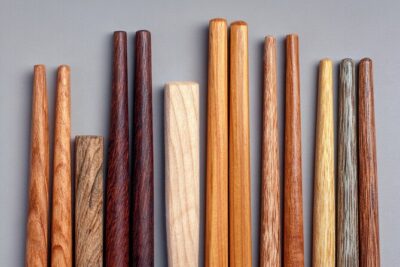
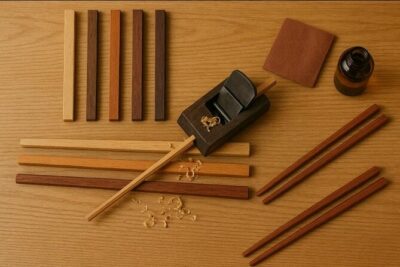
Chopsticks Making Workshop in Gion with Engraving Option
Read our review →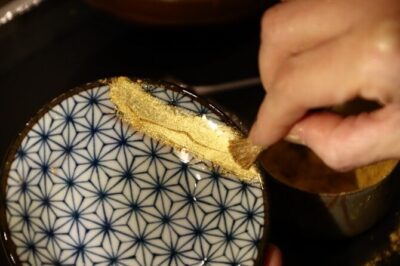
Kintsugi Experience: Art of Golden Joinery in Tokyo
Read our review →
Authentic knife making experience at a blacksmith in Kyoto
Read our review →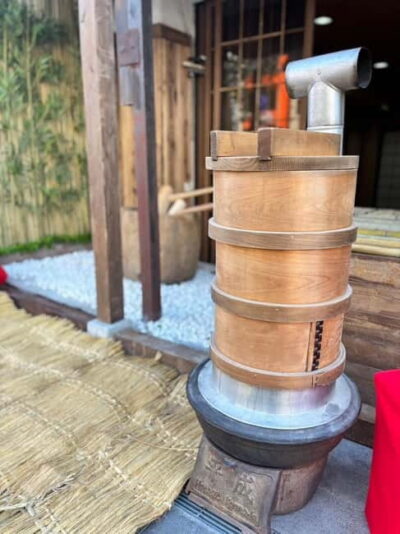
Traditional Mochi Pounding Experience with Tasting
Read our review →
Authentic Pure Gold Kintsugi Workshop with Master Taku in Tokyo
Read our review →
Roketsu dyeing experience: M course Roketsu Dyeing Experience
Read our review →
Browse the lists this tour appears in