
Reviewed · TRADITIONAL CRAFT WORKSHOPS
Authentic knife making experience at a blacksmith in Kyoto
Hot steel, heavy hammer, real Japanese craft.
I like this Kyoto experience because you make a useful knife rather than merely watch a demonstration. I also like the friendly, patient instruction from Mao, Taka, and the other blacksmiths, who help beginners produce something worth taking home. The main drawback is that the work is hot and physical, and the location details can be confusing because the activity uses two studios.
This three-hour workshop costs $154 per person. That is not cheap for a souvenir activity, but the price includes the costume, materials, tools, sharpening, polishing, box, and bag. You leave with a handmade knife about 13 to 15 centimeters long, plus a better sense of how much skill sits behind an ordinary kitchen blade.
In This Review
- The Best Parts of This Kyoto Blacksmith Workshop
- Why Make a Knife in Kyoto?
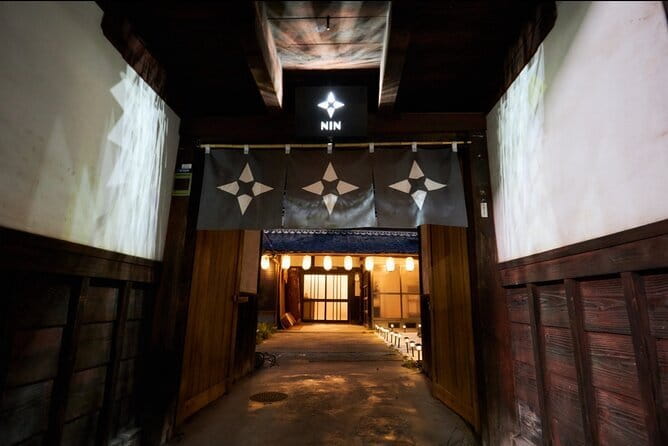
- Arriving at Studio NIN in Sakyo-ku
- Changing Into the Blacksmith Uniform
- Safety Comes Before the First Hammer Strike
- Heating the Steel Until It Glows
- Hammering the Blade Into Shape
- Cooling, Shaping, and Preparing the Edge
- Sharpening With Stones and Grinders
- The Rustic Kurouchi Finish
- What You Take Home
- Photos, Videos, and the Closing Conversation
- Is $154 a Fair Price?
- Who Should Book This Experience?
- Practical Tips Before You Go
- Should You Book It?
- FAQ
- How long does the knife-making experience last?
- How much does the experience cost?
- Where does the workshop take place?
- How do I reach the meeting point?
- What kind of knife will I make?
- Can I take the knife home?
- Is the experience suitable for beginners?
- What languages are available?
- What should I bring?
- Can I cancel my booking?
The Best Parts of This Kyoto Blacksmith Workshop
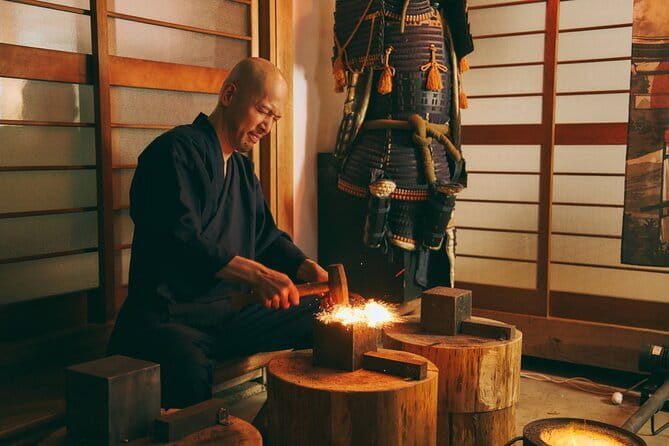
- You hammer red-hot steel yourself: Mao guides you as you shape glowing metal with a real blacksmith’s hammer.
- The finished knife is practical: Your blade is made for everyday use or as a distinctive gift from Japan.
- Traditional clothing adds to the experience: You change into the uniform worn by Japanese smiths before work begins.
- The instructors make beginners feel capable: Clear safety guidance and steady help keep the task manageable.
- The setting is outside central Kyoto: The studios are in Sakyo-ku, in a quieter area reached by train.
- You can document the process: Photos and videos are welcome, and staff may help capture key moments.
Why Make a Knife in Kyoto?
Kyoto offers no shortage of temples, gardens, tea rooms, and food tours. A blacksmithing class gives you something different: a chance to work with your hands and leave with an object tied directly to your time in Japan.
The appeal is not perfection. Your knife will not look like a master smith’s blade, and the staff may need to correct or refine parts of your work. That is part of the charm. You still take part in the pounding, shaping, sharpening, and polishing, so the finished knife carries evidence of your effort.
I especially like the practical result. Many craft activities end with a small decoration that sits on a shelf. Here, you get a compact handmade knife that can become a kitchen tool, a camping item, or a meaningful present for someone at home.
The workshop also gives you a quick lesson in Japanese craftsmanship. You see how raw steel changes under heat and force. Even a short introduction makes you look at a forged knife differently.
More Craft Workshops in Kyoto
- Kyoto : Chopsticks Making Workshop in Gion with Engraving Option
★ 5.0 · 958 reviews - Roketsu dyeing experience: M course Roketsu Dyeing Experience
★ 5.0 · 163 reviews - Traditional Japanese Washi Papermaking- Kyoto morning
★ 5.0 · 77 reviews
Arriving at Studio NIN in Sakyo-ku
The stated meeting point is Studio Shinobi YASE, at 168-1 Yase-no-secho, Sakyo-ku, Kyoto City. It is described as a one-minute walk from the Yase-Hieizan Exit of the Eizan Electric Railway, and the organizers recommend coming by train.
Pay close attention to the location message before you set out. The activity operates from two studios, Studio NIN Yase and Studio NIN Kendo, and the staff confirms the correct one before your visit. One booking experience found the directions confusing because the message and the actual knife-making studio did not seem to match.
There is also conflicting practical advice about the station walk. The official directions describe a one-minute walk from the station exit, while one participant allowed about 15 minutes from the train station. I would build in extra time, confirm the studio address on the day, and avoid arriving breathless just as the furnace is heating.
The setting is outside Kyoto’s busiest center. That adds travel time, but it also gives the activity a different feel from a downtown class squeezed between shops and traffic. Taxis are another option if you prefer a simpler arrival.
Changing Into the Blacksmith Uniform
At check-in, you meet the instructor and change into traditional blacksmith attire. This is a small step, but it helps mark the change from sightseeing to workshop time.
The uniform is practical rather than decorative. You are preparing to work near hot metal, hammers, grinders, and sharpening tools. Wear socks, which are specifically required, and choose clothes you can move in beneath the provided outfit.
The team supplies a towel and water. In hot weather, the furnace can make the room feel much warmer, even with air conditioning. Some sessions have included frozen neck coolers, which are welcome during summer visits.
Safety Comes Before the First Hammer Strike
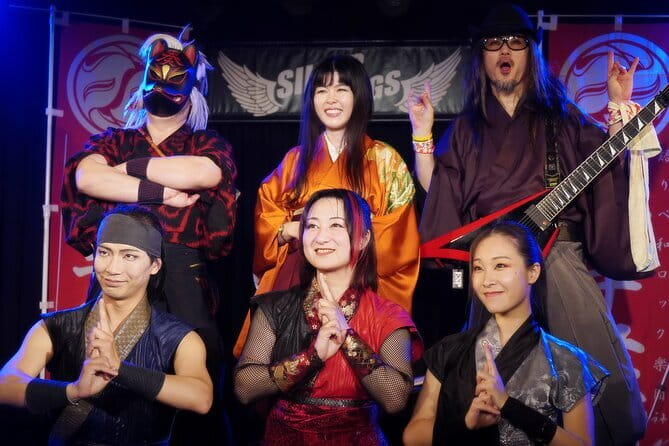
Before any forging starts, the instructor explains the tools and basic safety rules. You learn how to hold the hammer and tongs, where to stand, and how to work around the furnace and grinder.
This part deserves your full attention. The metal reaches roughly 800 to 900 degrees Celsius, so the workshop is not a casual craft table. You take an active role, but the instructors stay close and guide the process.
Mao has more than 10 years of professional knife experience. Other instructors named in sessions include Taka, Daiki, Mits, Atsushi, and Tom. The teaching style is energetic and reassuring, with plenty of help when a beginner loses the shape or rhythm.
The staff does not pretend the activity is risk-free. The safety information makes clear that an accident is possible and that you accept responsibility for participating. Follow every instruction, keep your attention on the work, and do not attend under the influence of alcohol or drugs.
A completely different kind of day out in Kyoto:
- PERFECT KYOTO 1-Day Bus Tour
★ 5.0 · 13,518 reviews - Kyoto: Fushimi Inari, Kinkakuji, Bamboo Grove 1 Day Bus Tour
★ 4.8 · 4,316 reviews - Kyoto: Tea Ceremony in a Traditional Tea House in Kiyomizu
★ 4.9 · 3,519 reviews - Kyoto Geisha Walking Tour: Gion District & Hidden Gems
★ 4.7 · 3,273 reviews
Heating the Steel Until It Glows
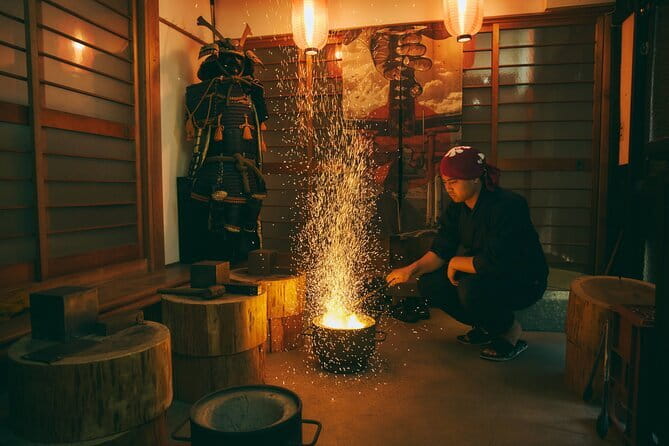
The raw iron goes into the furnace and gradually turns red-hot. This is the moment when the workshop changes from explanation to action.
The color of the metal tells you that the steel is ready to work. Mao explains how heat makes the material more workable and how repeated hammering begins to stretch and shape it into a blade.
You do not simply stand back while a professional makes the knife. You take part in the main physical task, with the instructor controlling the pace and showing you how to handle the hot metal safely.
The furnace is also where the physical side becomes real. The heat can be intense, especially in summer, and the hammering takes effort. Several participants found the work more tiring than expected, so stretching before the session is sensible advice.
Hammering the Blade Into Shape
The central event is forging. You repeatedly strike the glowing steel with a hammer while Mao or another instructor guides the angle, timing, and force.
At first, the task may feel awkward. The hammer is not a magic wand, and the steel will not instantly become a neat knife. You learn to work in a rhythm, placing your strikes where the instructor indicates.
The instructors help fix mistakes, but they do not remove you from the process. That balance matters. You get genuine hands-on work without being left alone to ruin a piece of hot metal.
This is the point where the workshop feels most rewarding. You can see the rough bar begin to resemble a blade. The result may have small irregularities, and that is exactly why it feels personal.
The work is also physically demanding. If you have a shoulder, wrist, or back problem, consider that before booking. The class is suitable for beginners, but beginner-friendly does not mean effortless.
Cooling, Shaping, and Preparing the Edge
Once the blade has been forged, it is cooled and checked. You work on rough edges and help prepare the metal for the sharpening stage.
This part is less dramatic than hammering, but it shows how much work remains after the hot forging. A knife is not finished when it first looks like a blade. It still needs a usable shape, a clean edge, and a surface that feels ready for daily handling.
The staff steps in when needed. Your finished knife is a shared result: you perform the key handwork, while the professionals help keep the shape safe and functional.
The workshop uses a compact format. The full activity lasts about three hours, with the knife-making work described as a refined 2.5-hour process. That is enough time to create a small blade, but not enough for a slow, advanced study of every traditional technique.
Sharpening With Stones and Grinders
Next comes sharpening. Under instruction, you use sharpening stones and grinders to bring an edge to the blade.
This stage rewards patience more than strength. A few forceful passes will not replace careful guidance. Mao and the other instructors show you how to work the edge and help ensure that even a first-time maker ends up with a functional knife.
You should not expect to master Japanese sharpening in one afternoon. The value here is the introduction. You begin to understand how angle, pressure, and repeated passes affect the cutting edge.
The grinder adds another layer of care. Pay attention to where the instructor wants your hands and blade positioned. This is not the place to rush because you are eager to reach the photo stage.
The Rustic Kurouchi Finish
The final polish gives the knife a clean, handcrafted look. The result is not necessarily a mirror-bright silver blade.
The finish is described as kurouchi, a rustic, raw-forged surface that keeps some of the character of the original metal. It is part of the design, not a flaw to be scrubbed away.
I like this detail because it protects the experience from an unrealistic expectation. You are making a small working knife in a blacksmith’s workshop, not buying a factory-perfect blade. The uneven surface helps show that the knife was forged rather than stamped out.
One practical point matters here: take care of the knife once you bring it home. The workshop explains knife care during the closing questions, and you can ask about cleaning, storage, and sharpening before you leave.
What You Take Home
Your completed knife is about 13 to 15 centimeters long. It comes with a box and bag, making it easier to carry and present as a gift.
Some people choose the knife as a personal souvenir. Others make it for a parent, partner, or friend. A handmade kitchen knife is particularly useful for someone who enjoys cooking, but the meaning is not limited to the kitchen. The object carries the memory of the work: the heat, the noise, the teamwork, and the moment the rough metal became recognizable.
The workshop uses this shorter format for smaller knives. Larger knives take more than five hours and cost over $400, so this class is a sensible choice if you want the experience without committing most of a day or paying several hundred dollars more.
The knife may not be perfectly symmetrical. That is worth accepting before you book. The instructors help produce a usable result, but the point is your participation, not factory-level uniformity.
Photos, Videos, and the Closing Conversation
Photos and videos are welcome during the activity. Staff may also take pictures or videos as you reach important steps, which helps you remember more than the final product.
At the end, you can ask questions about the techniques, the history of blacksmithing, and knife care. The amount of historical explanation may vary with the instructor and group, so do not expect a long lecture on Japanese swordsmithing.
The strongest part of the session is the doing. If you want a detailed cultural talk, you may find that the practical work takes priority. If you prefer hands-on learning, that is likely a fair trade.
The friendly atmosphere is another plus. Sessions can include a small group, and occasional bookings have had only three participants or even a private format. A small group gives you more direct help, though group size depends on the date.
Is $154 a Fair Price?
At $154, this is a premium activity. You are paying more than the raw cost of a small kitchen knife, and you should not book it simply to save money on cookware.
The value comes from the full experience. The price includes traditional attire, tools, steel, water, towel, sharpening, finishing, and packaging. It also includes instruction in a skill that is difficult to access, even in Japan.
I consider it good value for someone who wants a memorable cultural activity and a physical souvenir. The price is harder to justify if you only want a cheap knife or if you dislike heat and manual work.
Compare it with the cost of a standard guided attraction. Here, you spend three hours making something and leave with an item that can be used for years. That makes the activity especially appealing for couples, families with older children, solo visitors who enjoy practical workshops, and anyone tired of collecting ordinary souvenirs.
Who Should Book This Experience?
I would recommend it to you if you enjoy making things, appreciate Japanese craft, or want a break from passive sightseeing. It works well for a birthday surprise, a family activity, or a gift-making project.
The minimum age is 15, and children under 15 are not suitable for the workshop. Anyone under 18 should attend with the appropriate adult supervision expected by their group, and all participants need to manage the heat and physical effort.
You should also be comfortable with noise, repeated hammering, and hot metal. The instructors provide help, but they cannot do every tiring part for you.
This is not the best choice for someone who wants a quiet, polished demonstration or a detailed museum-style presentation. It is also a poor fit if you have limited time and cannot allow for the trip to Sakyo-ku and possible confusion over the studio address.
Practical Tips Before You Go
- Stretch first: Your arms and shoulders will get more use than you may expect.
- Wear socks: They are required, and the supplied attire is part of the workshop.
- Allow extra arrival time: Confirm whether you are going to Studio NIN Yase or Studio NIN Kendo.
- Prepare for heat: Summer sessions can be especially warm near the furnace.
- Bring your camera: Photos and videos are allowed throughout the process.
- Ask about care: Use the final question period to learn how to clean and maintain your knife.
- Do not expect perfection: Small marks and uneven areas are part of a handmade kurouchi finish.
- Use the cancellation window wisely: You can cancel up to 24 hours ahead for a full refund, and reserve now while paying later if that option suits your plans.
Should You Book It?
Book this Kyoto knife-making workshop if you want an active cultural experience with a useful result. The patient instruction, small-group option, traditional clothing, and real forging work make it more than a quick souvenir stop.
I would be cautious only if you dislike physical work, struggle with heat, or want a long historical lecture. For most curious visitors aged 15 to 95 who can handle three hours of effort, this is one of Kyoto’s more personal souvenirs: you do not just buy the knife, you help make it.
FAQ
How long does the knife-making experience last?
The activity lasts three hours. The knife-making format itself is described as about 2.5 hours within that session.
How much does the experience cost?
The listed price is $154 per person.
Where does the workshop take place?
The activity operates from two studios in Sakyo-ku, Kyoto: Studio NIN Yase and Studio NIN Kendo. Staff will message you before the visit to confirm the correct location.
How do I reach the meeting point?
The stated meeting point is Studio Shinobi YASE, at 168-1 Yase-no-secho, Sakyo-ku, Kyoto City. It is described as a one-minute walk from the Yase-Hieizan Exit of the Eizan Electric Railway. Taxis are also available.
What kind of knife will I make?
You will make a handmade knife about 13 to 15 centimeters long. The workshop uses a rustic kurouchi finish.
Can I take the knife home?
Yes. The completed knife is provided with a box and bag so you can take it home.
Is the experience suitable for beginners?
Yes. The instructors explain the tools, safety procedures, forging steps, sharpening, and polishing. They provide hands-on help throughout the process.
What languages are available?
Instruction is available in English and Japanese.
What should I bring?
You should bring socks. The activity provides the costume, towel, water, tools, materials, box, and bag.
Can I cancel my booking?
You can cancel up to 24 hours in advance for a full refund. A reserve-now, pay-later option is also available.
Just added around Kyoto
- Kyoto: Private Customizable Day Trip by Car★ 5.0 · 38 reviews
- Kyoto: Gion Night Walking Tour with Geisha Insight★ 5.0 · 39 reviews
- Kyoto: Full Day Bike Tour★ 4.9 · 39 reviews
- Private Japanese Calligraphy in Kyoto – Learn Shodō with a Master★ 5.0 · 39 reviews
- Experience a tea ceremony in an authentic tearoom, in Kyoto!★ 4.5 · 41 reviews
- Kyoto: Gion Evening Walk with Hidden Gems, Geisha & Sake★ 5.0 · 41 reviews
- Kyoto Private Photo Shoot & Tour by SnapKyoto★ 5.0 · 41 reviews
- The Way of Tea: Kyoto Crafts, Hidden Temples & Wabi-Sabi Walk★ 5.0 · 41 reviews
Traditional Craft Workshops, compared.
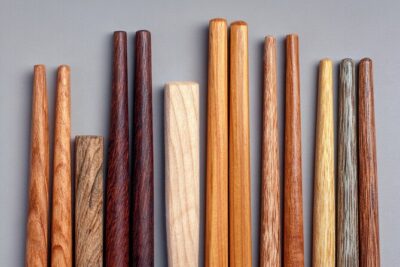
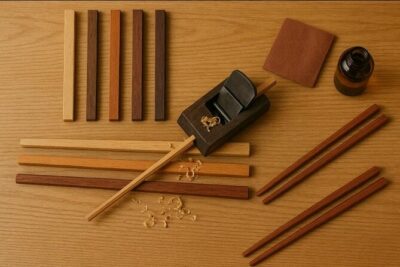
Chopsticks Making Workshop in Gion with Engraving Option
Read our review →
Kintsugi Experience: Art of Golden Joinery in Tokyo
Read our review →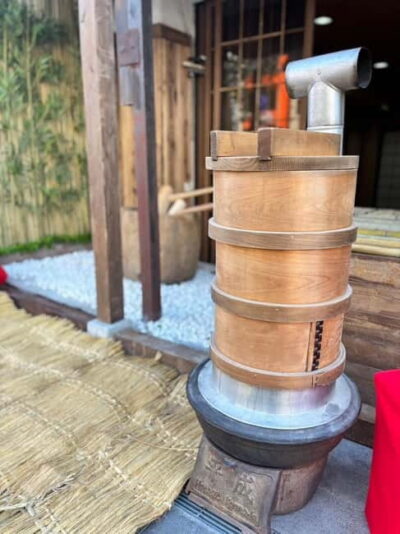
Traditional Mochi Pounding Experience with Tasting
Read our review →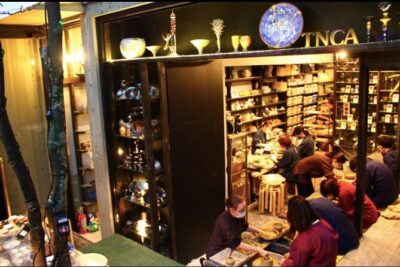
Authentic Pure Gold Kintsugi Workshop with Master Taku in Tokyo
Read our review →
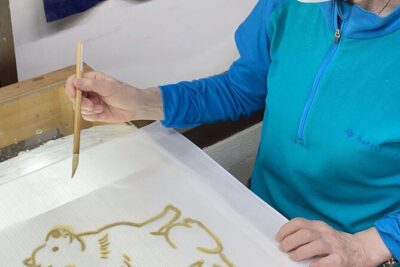
Roketsu dyeing experience: M course Roketsu Dyeing Experience
Read our review →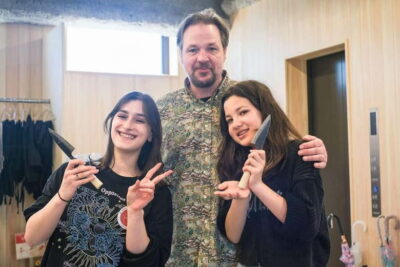
Browse the lists this tour appears in