
Reviewed · TRADITIONAL CRAFT WORKSHOPS
Traditional Japanese Washi Papermaking- Kyoto morning
Make something you can actually take home. In central Kyoto, this one-hour washi workshop lets you turn paper fibers, seasonal leaves, cherry blossoms, maple leaves, and paper cut-outs into a personal souvenir. It takes place in a traditional Japanese-style house, not a large visitor center, and the small group gives you plenty of help.
I like the hands-on process and the calm pace. You do not simply watch a craft demonstration. You make the paper, arrange its decoration, and finish a useful object such as postcards, a table mat, a wraparound lampshade, or a tapestry panel. I also like the friendly bilingual teaching from Hiro and Junko, who explain the work in Japanese and English. The main limitation is time: one hour goes quickly, especially if you want to make something more involved than cards.
The workshop is a strong choice for families, creative people, and anyone needing a quiet break from Kyoto sightseeing. Just remember that you make your own way there, and the standard price of $33.03 per person does not include transportation or extra making time.
In This Review
- Key Points to Know Before You Go
- Why This Kyoto Craft Class Feels Different
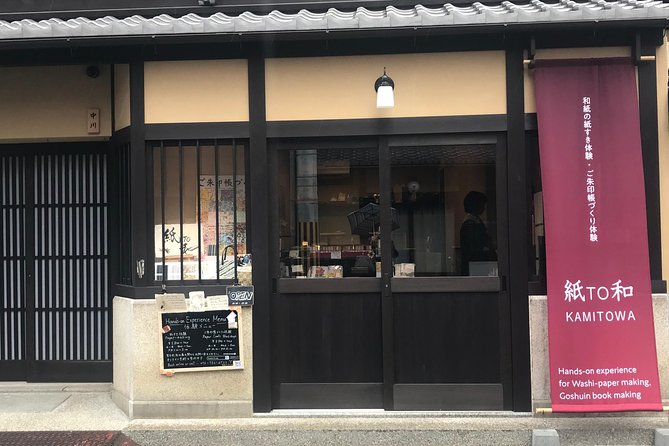
- Arriving at 紙TO和 in Central Kyoto
- The First Steps: Learning How Washi Is Made
- Designing Your Paper With Flowers and Leaves
- Choosing Between Cards, a Mat, a Lamp, or a Panel
- What One Hour Really Gives You
- A Small Group Makes the Teaching Better
- Is $33.03 Good Value?
- Carrying Your Handmade Souvenir
- Who Will Enjoy This Most?
- Timing, Booking, and Cancellation Tips
- Should You Book This Washi Workshop?
- FAQ
- Where does the washi paper-making class take place?
- How long does the workshop last?
- How much does the workshop cost?
- Is transportation included?
- How do I reach the studio by train?
- What can I make during the class?
- What materials can I use to decorate the paper?
- Is the class taught in English?
- How many people can join the class?
- Can children take part?
- Can I make more paper than the standard session allows?
- Can I cancel for a refund?
Key Points to Know Before You Go
- The class is limited to four people, so you get close guidance rather than a crowded craft lesson.
- You use real seasonal decorations, including cherry blossoms, maple leaves, dried flowers, grasses, and paper cut-outs.
- The standard visit lasts about 60 minutes and includes the paper-making lesson plus your finished handmade item.
- Hiro and Junko teach in Japanese and English, with patient step-by-step help.
- You can pay for an extra hour if you want to make more gifts or spend longer at the craft.
- The studio is easy to reach, about six minutes from Karasuma Oike Station Exit 6 and nine minutes from Shijo Station Exit 24 or Karasuma Station.
Why This Kyoto Craft Class Feels Different
Kyoto offers plenty of polished cultural activities, but this one keeps things small and practical. You sit in a traditional Japanese-style house in the heart of the city and work with materials rather than simply taking photographs.
Washi is traditional Japanese paper made through a careful process. Here, the lesson gives you a useful look at that process without asking you to commit half a day to it. The instructors break the work into manageable steps, so even a first-time paper maker can follow along.
The appeal is partly educational and partly personal. You learn why handmade paper takes care and patience, then make an object with your own design choices. That makes the finished souvenir more meaningful than a paper product picked up from a shop.
I especially like the contrast with a busy Kyoto day. After temples, shopping streets, and crowded transit, an hour of quiet work can reset your mood. You are still learning about Japanese culture, but you are doing it with your hands.
More Craft Workshops in Kyoto
- Kyoto : Chopsticks Making Workshop in Gion with Engraving Option
★ 5.0 · 958 reviews - Authentic knife making experience at a blacksmith in Kyoto
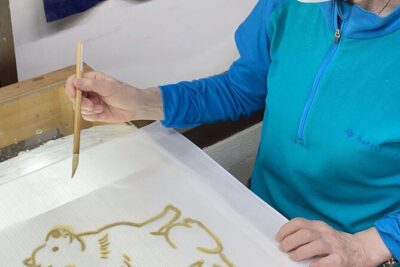
★ 4.8 · 350 reviews - Roketsu dyeing experience: M course Roketsu Dyeing Experience
★ 5.0 · 163 reviews
Arriving at 紙TO和 in Central Kyoto
The meeting point is 345 Sanjōchō, Nakagyo Ward, Kyoto, postal code 604-8205. The activity begins and ends at the same location, so you do not need to arrange a second pickup point.
The studio is close to public transportation. From Exit 6 of Karasuma Oike Station on the Kyoto Metro Karasuma Line, it is about a six-minute walk. You can also reach it in roughly nine minutes from Exit 24 of Shijo Station on the Karasuma Line or Karasuma Station on the Hankyu Line.
That access matters if you are fitting the workshop between other plans. It is also near the covered market area, making it practical to pair with lunch or shopping. I would still allow a little extra time to find the address, since Kyoto streets can be easier to understand once you have checked the route in advance.
You make your own way to the studio. Transportation is not included, but all taxes, fees, and handling charges are included in the stated price.
The First Steps: Learning How Washi Is Made
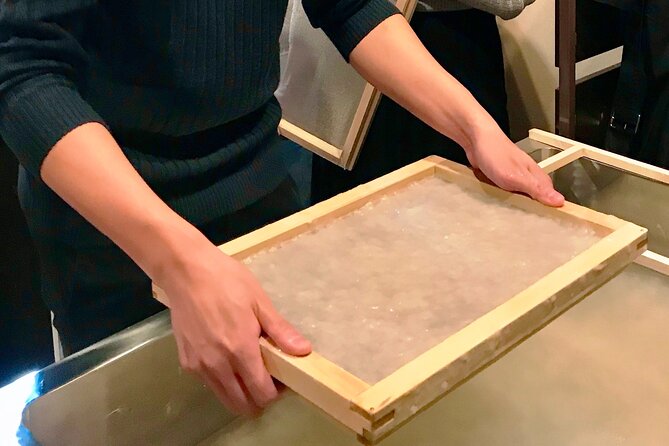
After introductions, the instructor explains the traditional paper-making process and shows you how to handle the materials. The teaching is described as patient and clear, with Japanese and English used throughout.
The workshop moves efficiently, but it does not feel like a rushed demonstration. The full process involves many steps, and the instructors simplify the sequence so you can complete a piece during the short session. That is useful for families and beginners who want an authentic activity without a long technical lesson.
You may also watch an educational video while your paper dries. The video helps fill in the wider story of paper production and gives you a clearer sense of the work behind each sheet. It is a good feature because drying time becomes part of the learning rather than dead time.
The class also gives you a better appreciation for handmade paper. A sheet that looks simple in a shop may involve careful preparation, forming, decorating, pressing, and drying. Seeing even part of that process changes how you look at washi products later in your trip.
Designing Your Paper With Flowers and Leaves
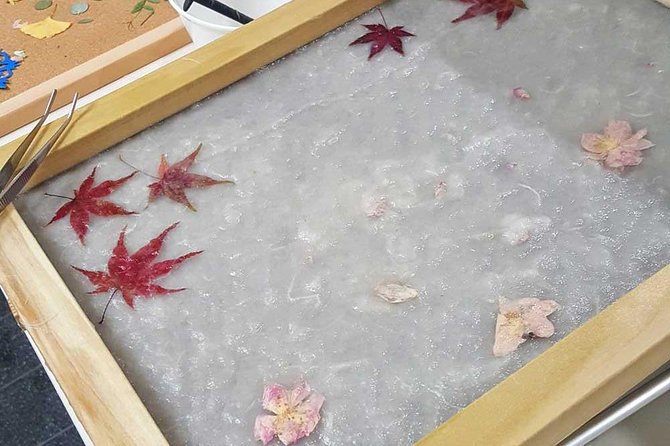
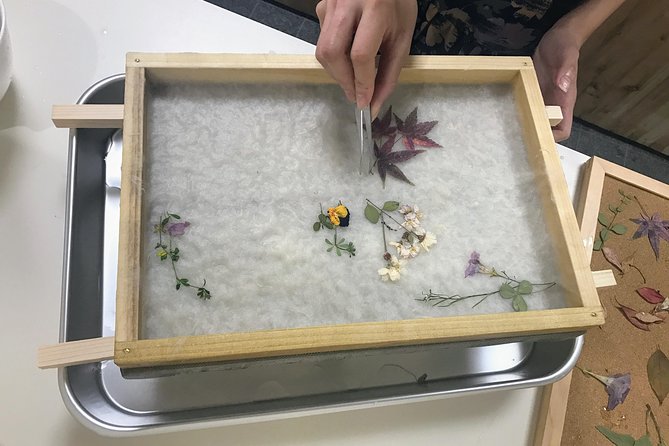
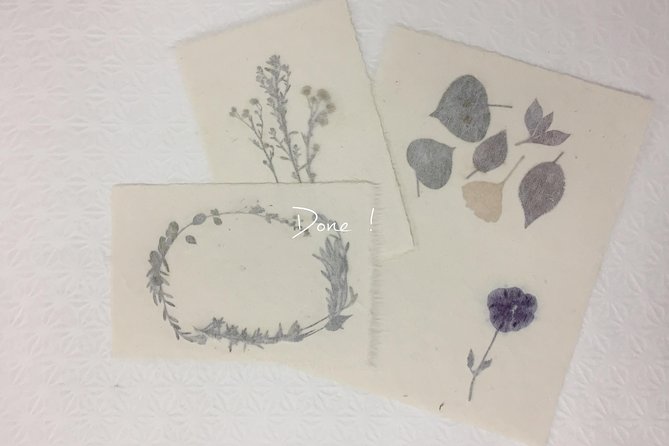
The creative part begins once you choose the decoration for your paper. Seasonal materials can include cherry blossoms and maple leaves, along with dried flowers, grasses, and prepared paper cut-outs.
This is where the activity becomes personal. You decide how to arrange the elements, so two people in the same class can leave with very different designs. You do not need advanced artistic skills. The instructors guide you through the choices and help you place the materials properly.
The seasonal details are a particularly nice touch. Cherry blossoms give you a classic Japanese image, while maple leaves connect the paper to Kyoto’s autumn character. The available selection can vary, but the class description specifically highlights these natural decorations.
You should think about the final object before you begin. A set of postcards gives you several small keepsakes and is probably the easiest option to pack. A table mat gives you a larger flat piece. A wraparound lampshade or lantern makes a more dramatic souvenir, but it may require extra payment and more care when carrying it.
One review describes choosing a lantern for a small supplement, while another notes that the standard option covers four regular cards. Exact extra charges are not given, so ask about the current cost before selecting a larger item.
A completely different kind of day out in Kyoto:
- PERFECT KYOTO 1-Day Bus Tour
★ 5.0 · 13,518 reviews - Kyoto: Fushimi Inari, Kinkakuji, Bamboo Grove 1 Day Bus Tour
★ 4.8 · 4,316 reviews - Kyoto: Tea Ceremony in a Traditional Tea House in Kiyomizu
★ 4.9 · 3,519 reviews - Kyoto Geisha Walking Tour: Gion District & Hidden Gems
★ 4.7 · 3,273 reviews
Choosing Between Cards, a Mat, a Lamp, or a Panel
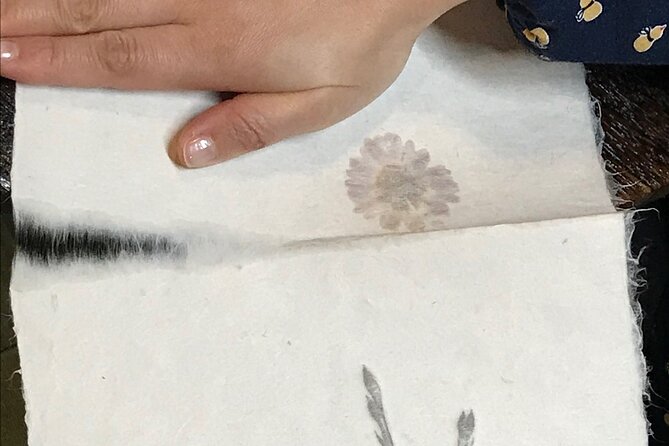
The available formats help you match the workshop to your luggage and your interests.
Postcards are the practical choice. You can make a small set, keep one for yourself, and give the others to friends. They are also easier to protect during the rest of a Japan trip.
A table mat gives your design more room. It is a good pick if you want the natural materials to be easy to see and plan to display the piece at home.
A wraparound lampshade or lantern is more decorative. It can make a memorable souvenir, but the larger shape is less convenient to pack. If you choose this option, ask how it will be packaged and how much extra time or money it requires.
A tapestry panel offers another larger format for displaying the handmade paper. The class details do not specify its exact size or price, so confirm those points at the studio.
The most important point is that you bring home something you helped make from beginning to end. It will not have factory-perfect uniformity, and that is part of its charm. Small variations in fiber, decoration, or placement show your hand in the work.
What One Hour Really Gives You
The advertised duration is approximately one hour. That is enough to learn the basics, make paper, decorate it, and take home a finished souvenir, but it is not enough for a slow, extended art course.
The short format works well in a Kyoto itinerary. You can fit it into a morning before visiting nearby sights, or use it as a break during a shopping day. It is also a sensible rainy-day plan because the class takes place indoors.
You may want more time once you start. The provider offers an additional hour of unlimited paper making at your own expense. This is useful if you are traveling with children, want to produce gifts, or select a more involved item.
I would reserve the extra hour only if your schedule is flexible. The basic session is enough for a memorable introduction, while the second hour makes more sense for serious craft fans or families who do not want to rush.
A Small Group Makes the Teaching Better
The class maximum is four people. That is one of its strongest features.
In a larger workshop, you might spend much of the lesson waiting for instructions or trying to see over other people’s shoulders. Here, the small setting allows the instructors to watch your technique and step in when needed.
The teaching team is led by Hiro, with Junko and an assistant also helping at times. Their approach is warm and accommodating. The class has worked well for children, including young children and teenagers, because the instructions are direct and the work is hands-on.
Children must be accompanied by an adult. The activity is suitable for most people, but remember that it involves handling wet paper and arranging small decorative elements. An adult can help younger children follow the sequence and protect the finished pieces afterward.
The bilingual format is another practical advantage. You do not need to speak Japanese to follow the process, and the instructors can answer questions in English.
Is $33.03 Good Value?
At $33.03 per person, the workshop is priced fairly for a one-hour cultural activity in central Kyoto. The fee includes taxes, fees, and handling charges, and you leave with a handmade item rather than only a short demonstration.
The value is strongest if you care about making something. If you only want to see how washi is produced, the lesson may feel brief. If you enjoy crafts, the chance to form and decorate your own paper makes the price easier to justify.
The standard session appears to cover four regular cards, though the available product choices include larger formats. Extra charges may apply to options such as a lantern or lampshade, and an extra hour costs more. Since the exact supplements are not provided, check the current prices before committing to an upgraded item.
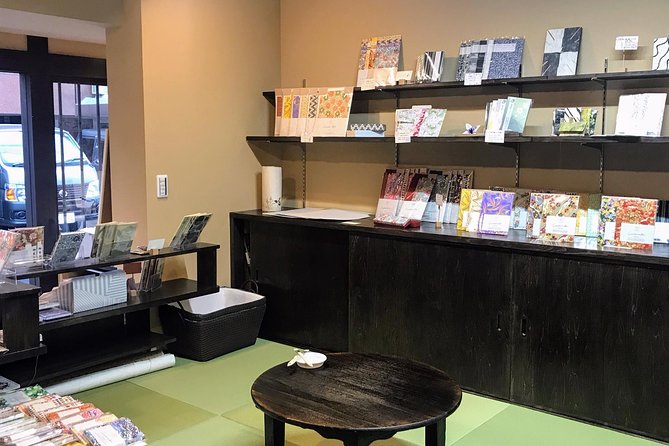
There is also a small shop at the studio with paper goods and local creations. You can browse after the class, but purchasing is not required. That is helpful if you want to compare your handmade piece with finished washi products without feeling pushed to spend more.
Carrying Your Handmade Souvenir
Plan for the practical side of the activity. Your paper must be handled with care after you finish it, and you may need to carry it with you if you do not arrange to leave it behind.
The finished products are packaged well, but a larger lantern, lampshade, or panel will take more space than a set of cards. If you are moving to another hotel that day, using public transportation, or flying soon, the postcard option is easier.
A handmade souvenir also benefits from a little planning. Keep it protected from bending and moisture, and avoid stuffing it into an already full day bag. The studio can help with packaging, but the responsibility for carrying it after the class remains yours.
Who Will Enjoy This Most?
I would recommend this activity to:
- Families looking for a calm, creative class
- Couples who want a shared souvenir
- Teenagers and children who prefer doing over watching
- Craft lovers interested in traditional Japanese techniques
- Visitors wanting an indoor plan for a rainy morning
- Anyone who wants a personal gift from Kyoto
It is especially good for people who have already seen several temples and need a change of pace. You get culture without another long explanation or a formal museum visit.
It may be less suitable if you want a full technical course in washi production. The one-hour format introduces the process and lets you complete a project, but it cannot cover every stage in the depth of a professional apprenticeship.
Timing, Booking, and Cancellation Tips
The workshop has mobile tickets, and confirmation is received at booking. Since the class maximum is four people, book ahead if you are traveling as a family or small group and want to attend together.
Free cancellation is available if you cancel at least 24 hours before the local start time. Cancellations or changes made less than 24 hours in advance are not refunded or accepted.
The activity is operated by the multilingual team at kamitowa kyoto. It starts and ends at the studio, and there is no included transportation. Check the station route before leaving your hotel, especially if you are arriving for a fixed morning time.
Should You Book This Washi Workshop?
Yes, if you want an affordable Kyoto activity that gives you a real object to take home. The small group, clear English guidance, gentle teaching, and seasonal decorations make it more than a quick souvenir stop.
I would book the standard hour for most visitors. Choose postcards if you want an easy-to-pack memento, or ask about the extra cost of a lantern, lampshade, table mat, or panel if you have room in your luggage and enjoy making things slowly.
The only real caution is the limited time and the need to carry your work afterward. For a peaceful morning, a family activity, or a creative break near central Kyoto, those are manageable tradeoffs.
FAQ
Where does the washi paper-making class take place?
The class takes place at 紙TO和, located at 345 Sanjōchō, Nakagyo Ward, Kyoto, 604-8205, Japan.
How long does the workshop last?
The regular activity lasts approximately one hour.
How much does the workshop cost?
The listed price is $33.03 per person.
Is transportation included?
No. You make your own way to the workshop, and transportation to and from the studio is not included.
How do I reach the studio by train?
The studio is about a six-minute walk from Exit 6 of Karasuma Oike Station on the Kyoto Metro Karasuma Line. It is also about a nine-minute walk from Exit 24 of Shijo Station on the Kyoto Metro Karasuma Line or Karasuma Station on the Hankyu Line.
What can I make during the class?
You can make washi paper and use it to create postcards, a table mat, a wraparound lampshade, or a tapestry panel. Extra charges may apply to some options.
What materials can I use to decorate the paper?
The class uses seasonal materials such as cherry blossoms, maple leaves, dried flowers, grasses, and paper cut-outs.
Is the class taught in English?
Yes. The instructors speak Japanese and English.
How many people can join the class?
The activity has a maximum of four participants.
Can children take part?
Yes. Children can participate, but they must be accompanied by an adult.
Can I make more paper than the standard session allows?
Yes. You can pay for an additional hour of unlimited paper making.
Can I cancel for a refund?
You can cancel for a full refund if you cancel at least 24 hours before the experience start time. Cancellations or changes made less than 24 hours in advance are not refunded or accepted.
Just added around Kyoto
- Kyoto: Gion Night Walking Tour with Geisha Insight★ 5.0 · 39 reviews
- Kyoto: Private Customizable Day Trip by Car★ 5.0 · 38 reviews
- Kyoto: Full Day Bike Tour★ 4.9 · 39 reviews
- Private Japanese Calligraphy in Kyoto – Learn Shodō with a Master★ 5.0 · 39 reviews
- Experience a tea ceremony in an authentic tearoom, in Kyoto!★ 4.5 · 41 reviews
- Kyoto: Gion Evening Walk with Hidden Gems, Geisha & Sake★ 5.0 · 41 reviews
- Kyoto Private Photo Shoot & Tour by SnapKyoto★ 5.0 · 41 reviews
- The Way of Tea: Kyoto Crafts, Hidden Temples & Wabi-Sabi Walk★ 5.0 · 41 reviews
Traditional Craft Workshops, compared.
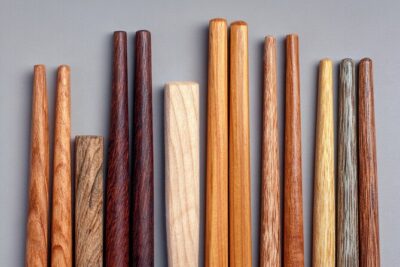
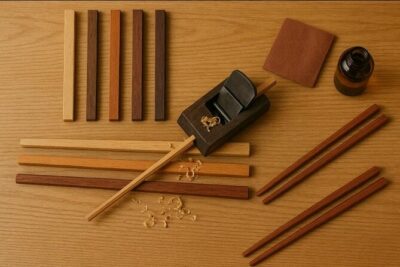
Chopsticks Making Workshop in Gion with Engraving Option
Read our review →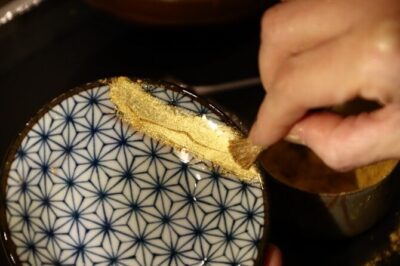
Kintsugi Experience: Art of Golden Joinery in Tokyo
Read our review →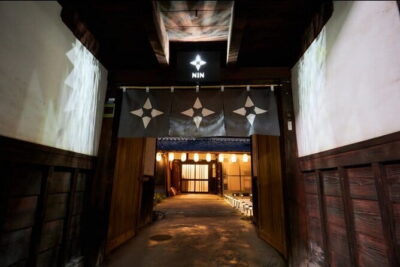
Authentic knife making experience at a blacksmith in Kyoto
Read our review →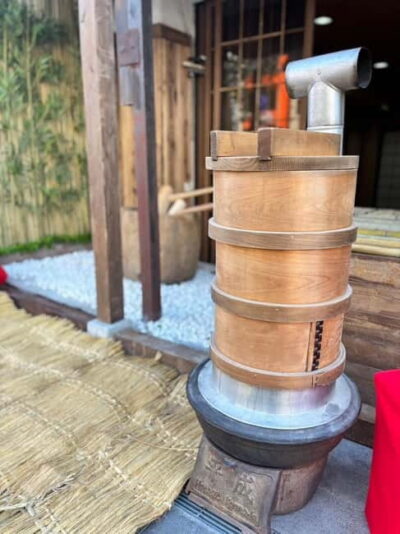
Traditional Mochi Pounding Experience with Tasting
Read our review →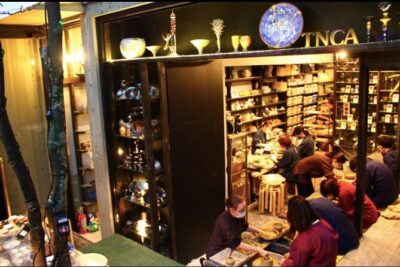
Authentic Pure Gold Kintsugi Workshop with Master Taku in Tokyo
Read our review →
Roketsu dyeing experience: M course Roketsu Dyeing Experience
Read our review →Browse the lists this tour appears in