
Reviewed · TRADITIONAL CRAFT WORKSHOPS
Authentic Pure Gold Kintsugi Workshop with Master Taku in Tokyo
Broken pottery gets a second life here. This two-hour workshop in Minami-Aoyama gives you a quiet change of pace from Tokyo sightseeing, with hands-on instruction in authentic kintsugi using natural urushi lacquer and pure gold powder. I like the chance to make a souvenir yourself, and I like that the finished plate carries the marks of your own work. The main drawback is the firm, non-refundable cancellation policy, so you will want to be certain of your schedule before booking.
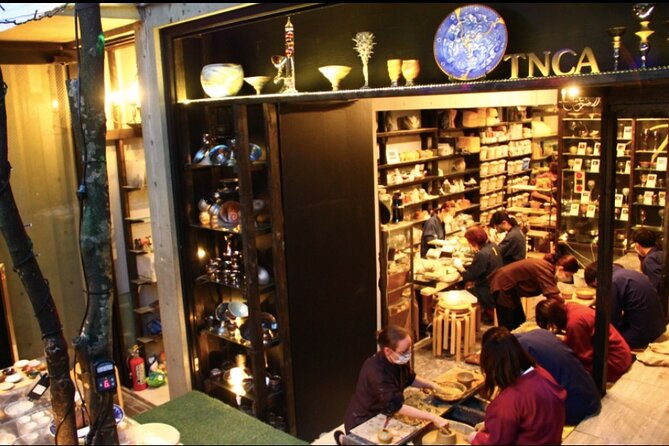
The class is limited to five people, which matters when you are handling small tools and unfamiliar materials. Master Taku’s calm teaching style receives especially warm praise, and his English is good enough for clear instruction. One practical warning: the studio can be a little hard to find, so allow extra time to reach TNCA Minami-Aoyama Studio.
This is not a quick craft demonstration where you watch someone else work. You select a pottery piece, repair it under guidance, and take it home the same day. The authentic option takes about 110 minutes, while the black-and-gold and decorative Yobitsugi choices take about 90 minutes.
In This Review
- Key points to know before booking
- Why kintsugi makes a better souvenir than another purchase
- Arriving at TNCA Minami-Aoyama Studio
- Choosing between the three kintsugi styles
- Option A: Shuurushi kannyuzome kintsugi
- Option B: Black and gold Shikkokurai
- Option C: Yobitsugi
- What the 90 to 110 minutes actually involve
- Master Taku and the teaching style
- Is $142.60 a fair price?
- Who will enjoy this workshop most?
- Practical details that affect your day
- Should you book the kintsugi class?
- FAQ
- Where does the kintsugi workshop take place?
- How long does the workshop last?
- What materials are used in the authentic option?
- Can I take my finished plate home?
- How many people can join the class?
- Is equipment included?
- Can I cancel or change my booking?
Key points to know before booking
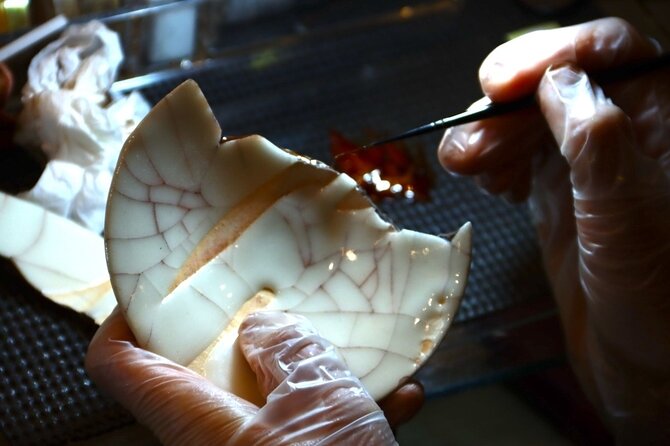
- Real urushi and pure gold: The main workshop uses natural Japanese lacquer and genuine gold powder, not a painted imitation.
- A handmade plate to keep: Your pottery is provided, and you take your repaired piece home after the lesson.
- Only five people per class: The small group allows the instructor to give direct help during each stage.
- Three styles are available: Choose traditional natural lacquer and gold, a black plate with gold, or Yobitsugi with added decoration.
- Aoyama location: The studio is near public transportation, but the entrance may take a little effort to locate.
- A thoughtful two-hour pause: The work is slow and focused, making it a good counterpoint to Tokyo’s busy streets.
Why kintsugi makes a better souvenir than another purchase
Kintsugi is the Japanese technique of repairing broken ceramics with lacquer and gold. Instead of hiding a crack, the repair becomes part of the object’s appearance. The idea connects with wabi-sabi, an appreciation for imperfection, age, and change.
That philosophy gives this class more weight than a standard pottery painting session. You are not simply decorating a factory-made object. You are helping restore a piece that has already been prepared for the workshop, then leaving with something that cannot be duplicated.
I also like the eco-friendly angle. The activity gives a broken object another useful life instead of treating it as waste. You may come away with a plate that looks a little uneven or handmade, but that is the point. The marks show where the repair happened and where your own decisions shaped the result.
The experience is also nicely suited to a Tokyo itinerary. After crowded stations, major temples, shopping streets, and long walks, sitting down to concentrate on one careful task can feel like a reset. You do not need to be an artist or a ceramics expert. The instructor guides you through the process at a manageable pace.
More Craft Workshops in Tokyo
- Tokyo Shinjuku Chopsticks Making Class
★ 5.0 · 1,763 reviews - Kintsugi Experience: Art of Golden Joinery in Tokyo
★ 5.0 · 467 reviews - Tokyo: Knife Making Workshop (Sharpening, Engraving)
★ 4.9 · 153 reviews
Arriving at TNCA Minami-Aoyama Studio
The meeting point is TNCA Minami-Aoyama Studio at 3-chōme-8-2 Minamiaoyama, Minato City, Tokyo 107-0062. The activity starts and ends at the same studio, with no hotel pickup or drop-off.
Minami-Aoyama is a fitting part of Tokyo for this class. The area is associated with design, fashion, and creative work, so a ceramics studio feels at home here. Still, the practical detail matters more than the neighborhood’s image: the studio may be difficult to identify at first.
I would not arrive at the last minute. One participant arrived about 15 minutes late after getting lost, and Master Taku still welcomed the late arrival warmly. That is reassuring, but it is better not to make your class depend on the instructor’s patience. A mobile ticket is provided, and the studio is near public transportation.
The small maximum of five people is one of the strongest features. Kintsugi involves careful hand movements, and you will likely want to ask questions as you work. A class of five keeps the lesson personal without making it feel like a private appointment.
Choosing between the three kintsugi styles
You have three ways to approach the workshop. The options differ in appearance and technique, but each gives you a finished object to bring home.
Option A: Shuurushi kannyuzome kintsugi
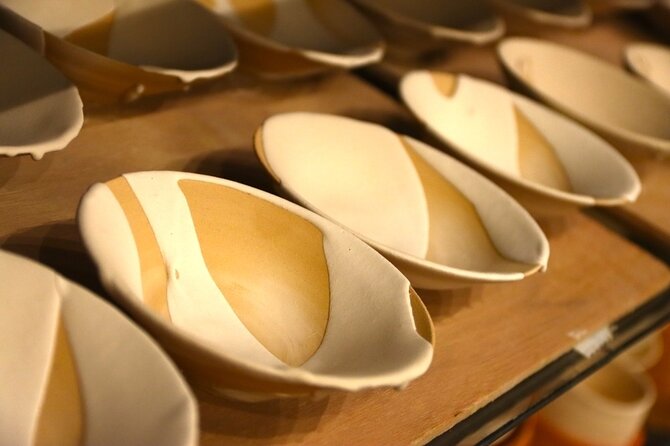
This is the most traditional choice and the best match for the experience’s full title. You repair the pottery with real natural urushi lacquer and pure gold powder. The session takes about 110 minutes.
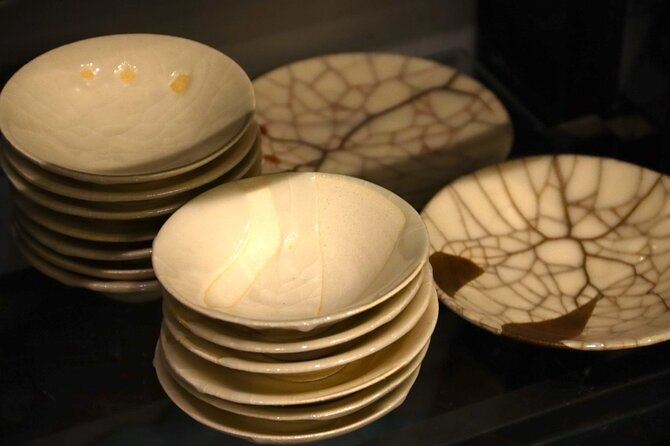
The pottery has been prepared with rustic lacquer, giving it a worn, earthy finish before you begin. That surface helps create the sabi feeling described in the workshop, an aged and subdued quality that suits the wabi-sabi idea.
Choose this option if you want the clearest introduction to authentic kintsugi. It takes a little longer than the other choices, but the added time gives you a fuller lesson in the classic method. If your main goal is to understand the craft rather than simply produce a decorative plate, this is the option I would favor.
A completely different kind of day out in Tokyo:
- Mt Fuji and Hakone 1-Day Bus Tour Return by Bullet Train
★ 5.0 · 26,383 reviews - 1-Day Tokyo Bus Tour
★ 5.0 · 14,250 reviews - Tokyo: TOKYO SKYTREE® Admission ticket
★ 4.5 · 11,192 reviews - Tokyo: teamLab Planets TOKYO Digital Art Museum Entry Ticket
★ 4.6 · 9,779 reviews
Option B: Black and gold Shikkokurai
This version uses a black plate with gold repairs. The process is the same as Option A, but the final appearance is darker, cleaner, and more dramatic.
The contrast between black pottery and gold lines should appeal to you if you prefer a modern or polished look. It may also be a good choice if you want the finished plate to feel more like a design object than a rustic ceramic piece.
The session is listed at about 90 minutes. That shorter format can help if you are fitting the class between other plans in Tokyo. You still work with the same basic kintsugi method, but the visual character is different from the natural lacquer option.
Option C: Yobitsugi
Yobitsugi is described as one of the highest kintsugi techniques. Instead of only joining a crack, you attach different decorations and materials to a missing section.
This is the most unusual option of the three. It may suit you if you enjoy making something more individual and decorative, especially if the idea of replacing a missing part appeals to you more than tracing a simple break.
The session lasts about 90 minutes. Since the supplied information does not specify the exact decorations or materials available, I would ask for a clear explanation at the start if you have a particular finish in mind.
What the 90 to 110 minutes actually involve
The workshop begins with an introduction to the craft and its ideas. Master Taku explains the origin of kintsugi and the connection to wabi-sabi before you start working. This background helps the technique make sense, rather than leaving you with a plate and a set of instructions without context.
You then work on the pottery provided for the lesson. The materials and equipment are included, so you do not need to bring specialist tools. The class focuses on repairing the prepared piece, not on making a plate from raw clay.
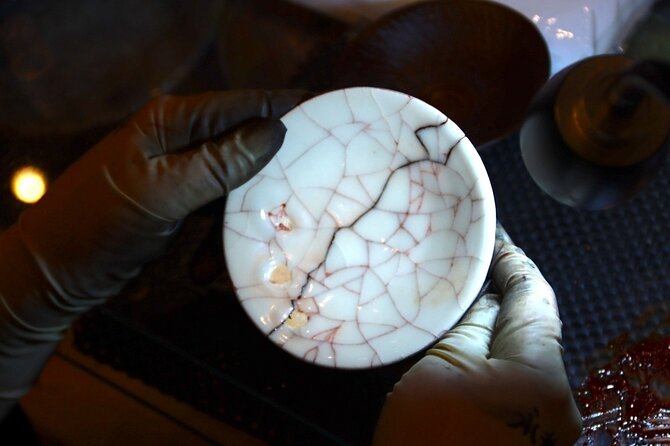
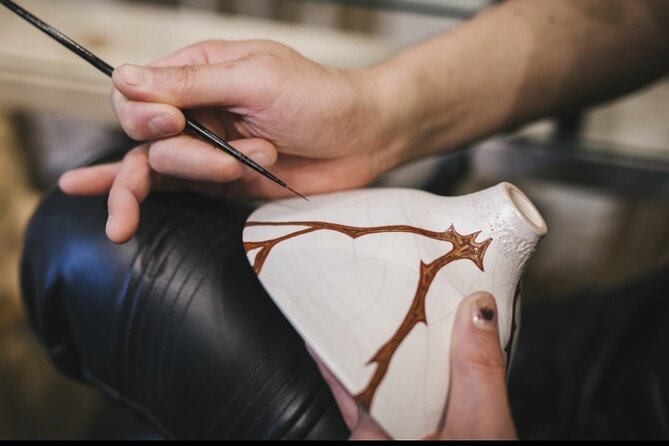
The practical stages are taught at a steady pace. You handle lacquer, apply the repair, and use gold powder to highlight the joined area. The instructor demonstrates what to do and helps you as you go. Direct guidance is important here because kintsugi is precise work, and a rushed explanation would make the lesson frustrating.
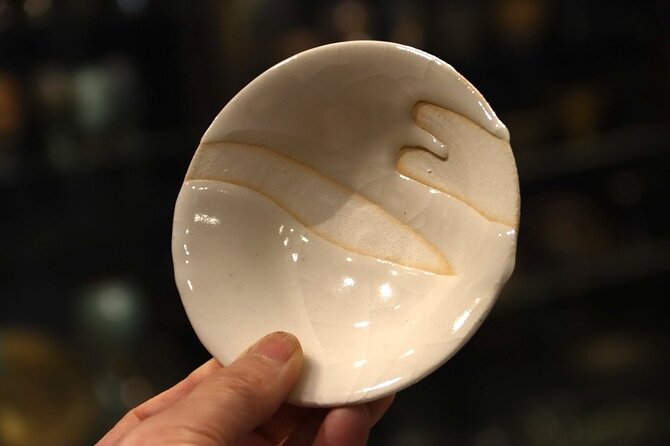
The class ends with a completed plate that you can take home that day. Keep in mind that the result is a handmade object, not a factory-perfect product. The charm comes from the irregularity of the repair and the fact that you made the choices yourself.
Several people found the instructions easy to follow and the teacher patient throughout the project. That combination is useful for beginners. You can enjoy the creative part without needing to arrive with technical experience.
Master Taku and the teaching style
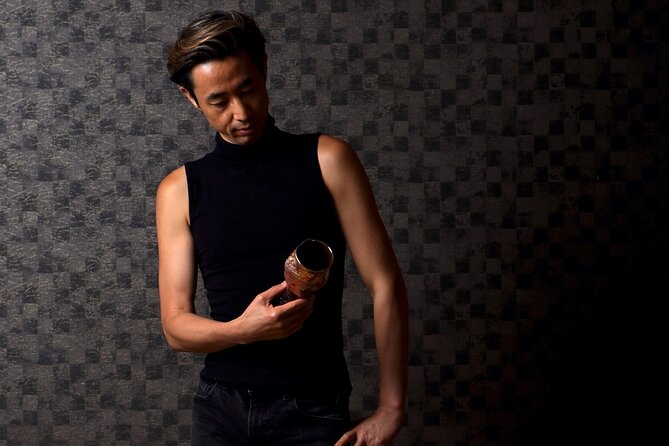
Taku Nakano is a ceramic artist who runs a pottery studio in Omotesando. His work follows the idea that an object can become more beautiful and stronger after breaking. That outlook fits kintsugi perfectly, and it gives the lesson a personal link to the craft rather than treating it as a passing tourist activity.
The strongest praise centers on his manner in the studio. He is described as calm, friendly, encouraging, and patient. One participant who arrived late and was overheated received a warm welcome and practical help, including fanning with a laminated card. It is a small detail, but it shows the relaxed human tone of the workshop.
You may also be assisted by other studio staff. Junko helped one class with plate repairs and kept the instructions clear and well paced. The teaching is not limited to a formal talk from Taku alone, which is helpful when several people need assistance at the same time.
English instruction is available, and Master Taku speaks good English. If you are nervous about learning a delicate technique in Japan, that should make the class easier to follow. The workshop is still about doing, not listening to a long lecture, so expect practical guidance rather than an academic presentation.
Is $142.60 a fair price?
At $142.60 per person, this is not a budget activity. You are paying more than you would for a simple craft session or a mass-produced souvenir, so the value depends on what you want from the afternoon.
I think the price makes sense if you value three things: authentic materials, direct instruction, and a finished object that you create yourself. The fee includes the lesson, all equipment, the plate, taxes, fees, and handling charges. You do not face a separate materials bill at the end.
The use of natural urushi lacquer and pure gold powder is an important part of the value. The workshop is not simply showing you how to draw gold-colored lines on a plate. You are being introduced to a traditional method with the materials that give kintsugi its distinct character.
The small group also helps justify the cost. With a maximum of five people, you have a better chance of receiving individual corrections and advice. If you mainly want a cheap souvenir, you may find the price high. If you want a focused cultural activity and a meaningful piece to carry home, the cost is easier to defend.
Who will enjoy this workshop most?
I would recommend it most strongly to people who enjoy hands-on cultural activities. You need not be artistic, but you should be willing to slow down and follow careful steps.
It is a good match for:
- Couples who want a shared activity beyond sightseeing
- Parents and older children who can focus on a detailed task
- Ceramic fans and people interested in Japanese design
- Visitors who prefer making a souvenir to buying one
- Anyone seeking a quiet break during a busy Tokyo trip
- Returning visitors who want something more personal than another major attraction
The activity also worked well for a mother and daughter, who found the history, philosophy, and repair process meaningful together. Couples have used it as a joint project, and beginners have completed their plates within the allotted time.
You may enjoy it less if you dislike slow manual work or want a fast, highly polished result. The class asks for attention and patience. It is not a show where you sit back while an artist creates the finished piece for you.
Practical details that affect your day
The listed duration is about two hours, though the exact timing depends on your selected option. Option A takes about 110 minutes, while Options B and C take about 90 minutes.
Food and drinks are not included. Plan to eat before or after the class rather than expecting refreshments at the studio. The activity ends at the same location where it begins.
Most people can participate, and the studio is near public transportation. Because the location can be tricky to find, build in extra time. Confirmation is sent within 48 hours of booking, subject to availability.
The booking is non-refundable and cannot be changed for any reason. If you cancel or request an amendment, you will not receive your payment back. The experience also requires a minimum number of participants. If the provider cancels because that minimum is not reached, you will be offered another date or experience, or receive a full refund.
Should you book the kintsugi class?
Book it if you want a genuine, creative Tokyo experience that leaves you with more than a photograph. The strongest reasons are the small class size, patient instruction, authentic urushi and gold materials, and the chance to take home a plate you helped restore.
I would choose Option A for the fullest traditional lesson, Option B for a sharper black-and-gold design, and Option C if you want a more decorative repair involving missing sections. Arrive early, check the studio location in advance, and treat the non-refundable booking as a firm appointment.
At $142.60, this is a considered purchase. For a quiet, personal activity with Master Taku and a one-of-a-kind souvenir, I think it offers good value. For a quick or inexpensive craft stop, you should choose something else.
FAQ
Where does the kintsugi workshop take place?
The workshop takes place at TNCA Minami-Aoyama Studio, 3-chōme-8-2 Minamiaoyama, Minato City, Tokyo 107-0062, Japan.
How long does the workshop last?
The approximate duration is two hours. Option A takes about 110 minutes, while Options B and C take about 90 minutes.
What materials are used in the authentic option?
The authentic option uses real natural urushi lacquer and pure gold powder.
Can I take my finished plate home?
Yes. The plate used during the lesson is included, and you can take your completed piece home after the class.
How many people can join the class?
The activity has a maximum of five participants.
Is equipment included?
Yes. All necessary equipment, the lesson, and the plate are included in the price. Food and drinks are not included.
Can I cancel or change my booking?
No. The experience is non-refundable and cannot be changed for any reason. If the provider cancels because the minimum number of participants is not met, you will be offered another date or experience, or receive a full refund.
Just added around Tokyo
- Tokyo 6hr Instagram Highlights Private Tour with Licensed Guide★ 5.0 · 38 reviews
- Tokyo Small Group Tour with Guide★ 4.5 · 38 reviews
- Tokyo Sumo Experience with Live Show & Audience Challenge★ 5.0 · 38 reviews
- Japanese Food Cooking Class in Asakusa, Tokyo★ 5.0 · 39 reviews
- Very popular in Harajuku♡Animal petting zoo★ 4.6 · 39 reviews
- Ramen Making from Scratch with Tokyo Mom(Vegan Option Available)★ 5.0 · 39 reviews
- Tokyo: Kimono Rental inside Shinjuku Gyoen National Garden★ 4.9 · 39 reviews
- Tokyo JDM Night: 600hp C63s AMG Edition 1 (Private)★ 4.9 · 39 reviews
Traditional Craft Workshops, compared.
Chopsticks Making Workshop in Gion with Engraving Option
Read our review →
Kintsugi Experience: Art of Golden Joinery in Tokyo
Read our review →
Authentic knife making experience at a blacksmith in Kyoto
Read our review →
Traditional Mochi Pounding Experience with Tasting
Read our review →
Roketsu dyeing experience: M course Roketsu Dyeing Experience
Read our review →
Browse the lists this tour appears in