
Reviewed · TRADITIONAL CRAFT WORKSHOPS
Roketsu dyeing experience: M course Roketsu Dyeing Experience
Slow down and make something useful. This Kyoto workshop lets you draw your own design and dye it yourself, using the traditional Roketsu wax-resist method rather than simply watching a demonstration. You choose a fabric item, select from a large collection of patterns or bring your own sketch, then work through the process with help from the owner and his mother, Yoko.
I especially like the same-day finished souvenir, which gives the roughly two-hour session a satisfying payoff. I also like the small, family-run setting and the chance to support working local craftspeople. The main consideration is communication: English is limited, so some instructions can be difficult to follow at first, though the hands-on demonstrations make the process manageable.
The advertised duration is 90 to 120 minutes, but intricate designs can take closer to three hours. That is not necessarily a problem, since the instructors do not appear to rush careful work. Still, leave room in your Kyoto schedule, especially if you are making several items or working with detailed stencils.
In This Review
- Key points at a glance
- Why this Kyoto craft class makes a good break
- Arriving at Roketsu73 in Nishikyogoku
- Choosing a shirt, bag, or banner
- Painting wax onto the fabric
- The dyeing stage and the final reveal
- What the instruction is really like
- A quiet studio with a local feel
- Is $25.77 good value?
- Who should book this experience?
- Timing, bookings, and cancellation
- Should you book Roketsu Dyeing Experience?
- FAQ
- Where does the Roketsu dyeing experience take place?
- How long does the workshop last?
- What can I dye?
- Can I bring my own design?
- Can I take the finished item home the same day?
- Is the workshop suitable if I do not speak much Japanese?
Key points at a glance
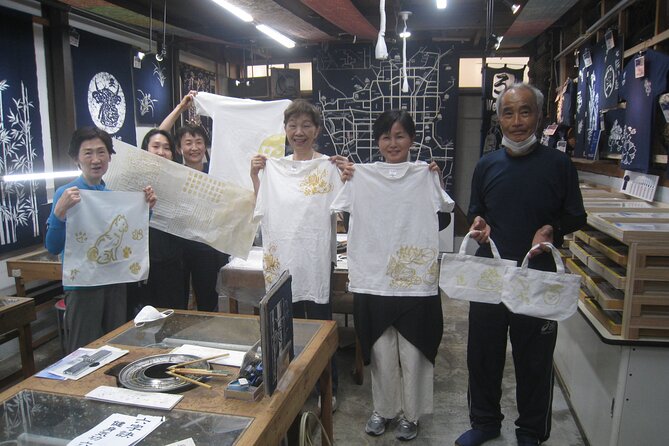
- Choose your own keepsake: Depending on the available selection, you can work on a T-shirt, tote bag, decorative banner, or hanging.
- Use traditional wax-resist dyeing: You paint melted wax onto the fabric before it is dyed, creating the final pattern.
- Hundreds of stencil choices: You can select a ready-made design or combine patterns to make something personal.
- Family-run instruction: The owner and his mother, Yoko, guide you through each step with patience and practical help.
- Take your work home the same day: The completed piece is generally ready within the 90 to 120-minute session.
- Plan for extra time: Simple designs may fit the schedule, while intricate drawings can stretch the visit to about three hours.
Why this Kyoto craft class makes a good break
Kyoto sightseeing can become a parade of temples, stone paths, train platforms, and sore feet. This workshop changes the rhythm. You sit down, work with your hands, and spend time making one object instead of moving quickly through several sights.
That slower pace is one of the best reasons to book it. I like activities that give you a different way to remember a city, and this one leaves you with something you made rather than something pulled from a souvenir shelf. The final result may not be perfect, but its small irregularities are part of the point.
The workshop also gives you a closer look at a traditional Japanese textile technique. You are not simply painting a picture onto cloth. Wax is used to block parts of the fabric from absorbing dye, producing a pattern when the coloring process is complete. The method is tactile and easy to understand once you see it in action.
This is also a useful choice for families. A family group of six, including four teenagers, spent several hours working on shirts and a banner. The activity gave them time away from sightseeing and phones, and each person could choose a different design and level of detail.
More Craft Workshops in Kyoto
- Kyoto : Chopsticks Making Workshop in Gion with Engraving Option
★ 5.0 · 958 reviews - Authentic knife making experience at a blacksmith in Kyoto
★ 4.8 · 350 reviews - Traditional Japanese Washi Papermaking- Kyoto morning
★ 5.0 · 77 reviews
Arriving at Roketsu73 in Nishikyogoku
The meeting point is Roketsu73 at Nishikyogoku Umazukacho in Kyoto’s Ukyo Ward. The address is outside the most concentrated sightseeing areas, so this is not a workshop you are likely to pass while walking between major central Kyoto attractions.
That location is part of the appeal. The experience feels connected to an operating craft studio rather than a large attraction built for quick tourist turnover. At the same time, you should allow time to reach Nishikyogoku by public transportation and check your route before leaving. The workshop is near public transportation, but the supplied details do not specify a particular station or walking time.
A mobile ticket is accepted, which makes entry simple. Confirmation is sent within 48 hours of booking, subject to availability, so do not treat the reservation as final until you receive it.
The activity begins and ends at the same location. There is no transportation between stops because the workshop itself is the main event.
Choosing a shirt, bag, or banner
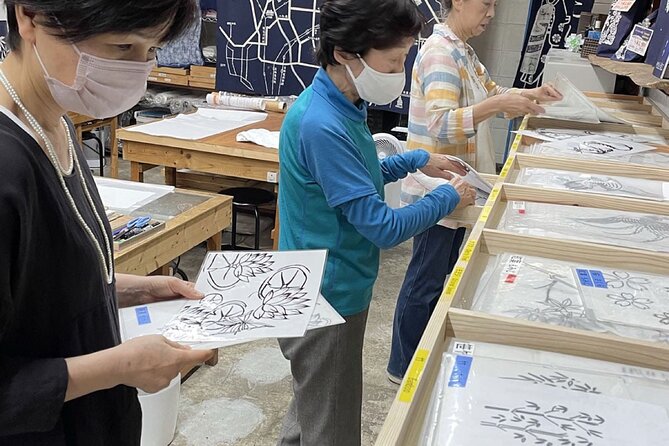
The first decision is what you want to dye. The available choices have included T-shirts, tote bags, decorative banners, and wall hangings. The exact selection can vary, so it is sensible to confirm current options when booking if you have your heart set on one particular item.
This choice affects both the finished look and the amount of work. A T-shirt makes a practical souvenir you can wear. A tote bag is useful and gives you a smaller surface to decorate. A banner or hanging works better if you want something to display at home.
You then select a design. The studio has a large collection of stencils, with some descriptions referring to hundreds of possible patterns. That matters if you are not confident drawing freehand. You can begin with a stencil and still make the piece your own by combining designs, changing their placement, or adding your own marks.
You may also bring a sketch. This gives the workshop more creative freedom, but you should remember that fabric and wax behave differently from paper. A simple, clear design is likely to translate better than a very fine drawing.
Painting wax onto the fabric
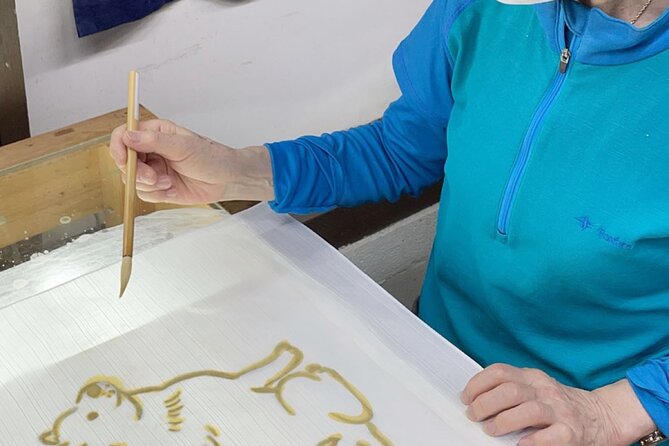
The hands-on work begins with a small practice piece. This is a welcome step, since it lets you get used to the feel of the wax and the brush before working on your chosen item.
The wax acts as a resist. You apply it to the areas you want to protect, then the dye colors the remaining fabric. After the dyeing process, the blocked sections help form the finished image. The process resembles Japanese batik in its use of wax, but the experience is presented as Roketsu dyeing, a traditional Kyoto craft.
The owner and his mother guide you as you work. Their help is especially useful when you are unsure how much wax to apply or how to follow the pattern. Several people have found that even with little artistic skill, they could produce a pleasing result with guidance.
You still have real control over the design. This is not a paint-by-numbers activity where every finished piece looks identical. The placement, pressure, line quality, and choice of patterns affect the result. Even two people using the same rough sketch can end up with different works.
That freedom is rewarding, but it can also slow you down. If you want a relaxed session, choose a design that looks attractive without requiring dozens of tiny details. If you are making a complex piece, plan on staying well beyond the basic 90-minute estimate.
A completely different kind of day out in Kyoto:
- PERFECT KYOTO 1-Day Bus Tour
★ 5.0 · 13,518 reviews - Kyoto: Fushimi Inari, Kinkakuji, Bamboo Grove 1 Day Bus Tour
★ 4.8 · 4,316 reviews - Kyoto: Tea Ceremony in a Traditional Tea House in Kiyomizu
★ 4.9 · 3,519 reviews - Kyoto Geisha Walking Tour: Gion District & Hidden Gems
★ 4.7 · 3,273 reviews
The dyeing stage and the final reveal
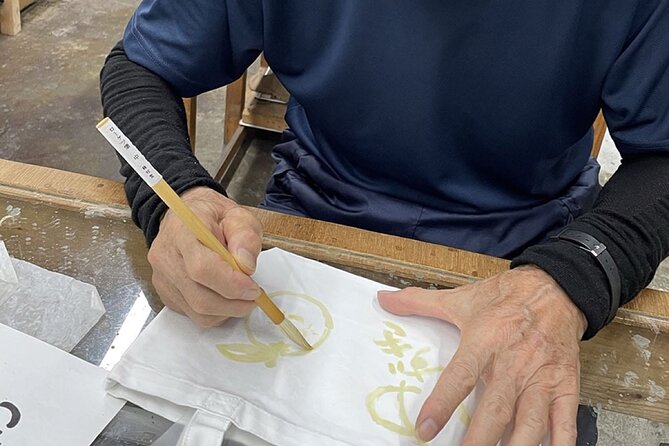
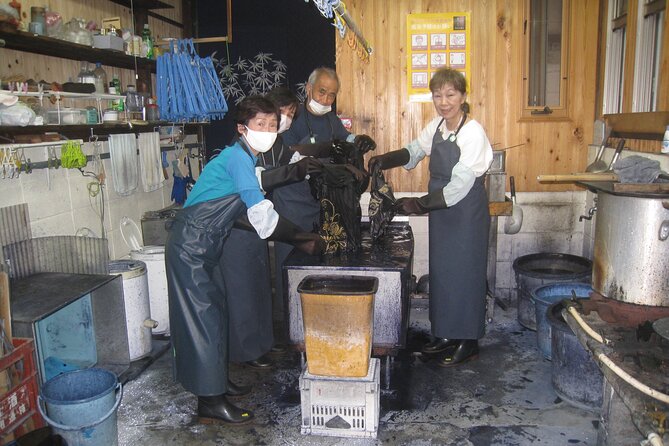
Once the wax work is complete, the fabric is dyed as part of the process. The final pattern appears as the resist does its job, turning the earlier drawing into a finished textile design.
This is the most satisfying part because you do not know exactly how every mark will look until the dyeing is finished. The result can be more attractive than expected, even for beginners. Several participants found that their shirts, bags, and banners looked better than they had anticipated.
The workshop allows you to take the finished item home on the day. That is a major practical advantage during a Japan trip. You do not have to arrange shipping or return to the studio later, and the item can travel with you for the rest of your holiday.
Pack it carefully in your luggage. The supplied information confirms same-day collection, but it does not give detailed care or packing instructions. If you need advice about washing, folding, or protecting the finished fabric, ask the staff before you leave.
What the instruction is really like
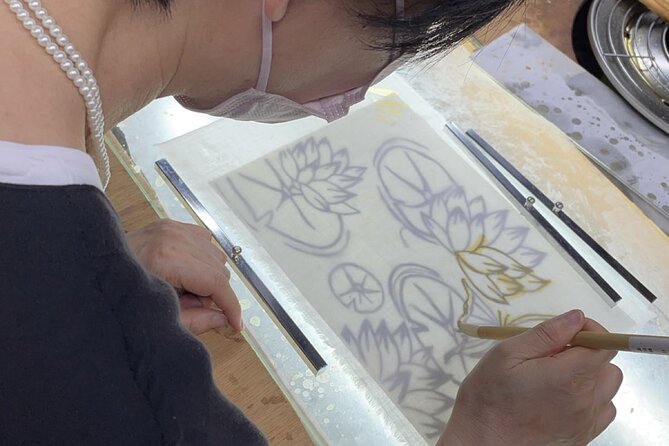
The strongest praise goes to the patience and kindness of the instructors. The owner and his mother are described as helpful, gentle, and willing to spend extra time with participants. One solo participant found the atmosphere comfortable even when attending alone, while a parent with a six-year-old found the guidance suitable for a family activity.
You should not expect a long English-language lecture. English ability is limited, and one participant found some explanations confusing. Others had little trouble because the staff showed each step directly and the work is visual.
A few practical habits will help:
- Watch the demonstration closely before starting.
- Ask staff to show a step again if the instructions are unclear.
- Keep your design simple if you are worried about making a mistake.
- Use the practice fabric to test your technique.
- Bring a sketch only if it is clear enough to adapt to cloth.
- Leave extra time for detailed work.
This language limitation is the workshop’s main weakness. If you want a polished explanation of textile history in fluent English, this may not be the right activity. If you are comfortable learning by watching and doing, the limitation is much less serious.
A quiet studio with a local feel
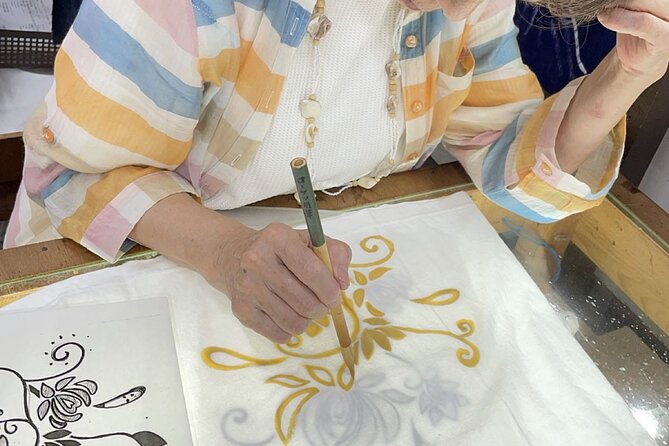
The setting is described as comfortable, clean, spacious, and interesting. It is not presented as a grand museum or staged cultural show. You come to work, receive help, and see how a small family operation passes on its craft.
That modest scale helps the experience feel personal. The staff can pay attention to individual designs, and participants can work at different speeds. People who finished early did not seem to be pushed out while others continued with more detailed pieces.
The maximum group size is 30 people. That is large enough that the atmosphere may vary depending on the booking, but the activity is still centered on individual work at your own place. The small family team may be assisting several people at once, so patience is useful during busy periods.
The workshop is also a good match for solo visitors. You do not need to arrive with a group, and the creative task gives you an easy focus. Families and couples can work side by side, but each person can create a different item.
Is $25.77 good value?
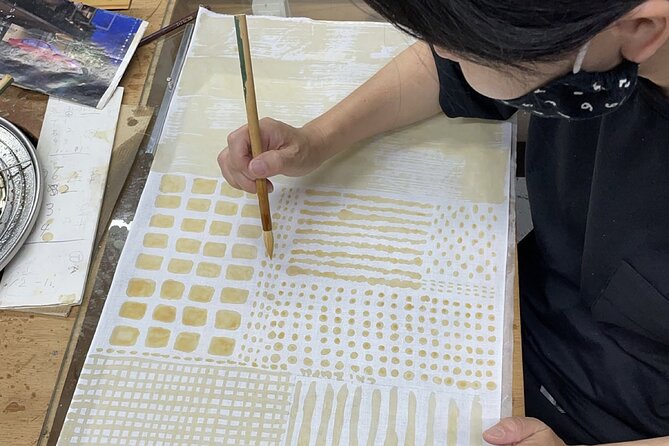
At about $25.77 per person, this is a strong value for a two-hour cultural activity that includes a handmade item to take home. The value improves if you compare it with buying a generic Kyoto souvenir. Here, you receive the object and the memory of making it.
The price also covers more than materials. You receive instruction, access to the stencils and equipment, guidance through the dyeing process, and the chance to work with people who practice the craft. For many participants, the activity itself is worth as much as the finished shirt or bag.
The calculation changes slightly if your design takes three hours. You are not paying extra according to the information provided, but you are using more of your day. That is worthwhile if you enjoy crafts and want a personal souvenir. It may feel less efficient if your Kyoto schedule is packed with timed reservations.
With more than 10 bookings in the previous week and a 99 percent recommendation rate from 164 reviews, advance booking is sensible. Those figures suggest steady demand, but they do not guarantee that your preferred date or item will be available.
Who should book this experience?
I would recommend it most strongly to people who want a break from temple visits and walking. It is also a good fit for anyone who enjoys drawing, fabric crafts, or making gifts with a personal connection.
Families can do well here because the activity works across several ages and skill levels. Children may need help with the wax and design placement, but the process can give them a genuine role rather than making them passive observers. Teens may also appreciate having something creative to do that does not involve another historic building.
You do not need to be artistic. The stencils provide a reliable starting point, and the staff can help you produce an attractive result. Still, you should enjoy hands-on work. If you dislike making careful marks or prefer a quick demonstration, the session may feel slow.
This may not suit someone seeking a fully English-language class or a detailed lecture about Japanese dye history. The instruction is practical and visual, with limited spoken English. You get more from it if you are willing to watch, try, and ask for a demonstration.
Timing, bookings, and cancellation
The stated duration is about two hours, or 90 to 120 minutes. Simple projects may fit that window, while complex designs can take around three hours. Build flexibility into your day and avoid scheduling a major attraction immediately afterward.
The maximum group size is 30, and most people can participate. Service animals are allowed, and the location is near public transportation. The activity requires good weather according to the booking conditions. If poor weather causes cancellation, you are offered another date or a full refund.
You can cancel for a full refund up to 24 hours before the local start time. Cancellations or changes made less than 24 hours ahead are not refunded or accepted, so check the date carefully before the cutoff.
Should you book Roketsu Dyeing Experience?
Book it if you want a personal Kyoto souvenir, a calm family activity, or a practical introduction to a traditional textile craft. The combination of stencil choice, freehand options, patient help, and same-day collection gives the session real value.
I would be more cautious if your schedule is tight or if you need detailed English instruction. The workshop can run long, and the language barrier may require you to learn by watching rather than listening.
For most people who enjoy making things, the low price and warm family guidance make this an easy recommendation. Choose a design you can finish without a race, leave several hours open, and you should come away with both a useful object and a more personal memory of Kyoto.
FAQ
Where does the Roketsu dyeing experience take place?
It takes place at Roketsu73, Nishikyogoku Umazukacho, Ukyo Ward, Kyoto, 615-0885, Japan. The activity ends back at the same meeting point.
How long does the workshop last?
The expected duration is about 90 to 120 minutes. Detailed designs can take longer, with some participants spending about three hours.
What can I dye?
Available options have included T-shirts, tote bags, decorative banners, and wall hangings. The exact choices may depend on availability.
Can I bring my own design?
Yes. You can bring your own sketch and create an original work. You can also choose from a large selection of existing stencil designs.
Can I take the finished item home the same day?
Yes. The finished work can generally be taken home on the day, within the stated 90 to 120-minute experience period.
Is the workshop suitable if I do not speak much Japanese?
The instructors speak limited English, which can make some explanations less clear. The process is demonstrated hands-on, and most people can participate by watching the steps and asking for help.
Just added around Kyoto
- Kyoto: Gion Night Walking Tour with Geisha Insight★ 5.0 · 39 reviews
- Kyoto: Private Customizable Day Trip by Car★ 5.0 · 38 reviews
- Kyoto: Full Day Bike Tour★ 4.9 · 39 reviews
- Private Japanese Calligraphy in Kyoto – Learn Shodō with a Master★ 5.0 · 39 reviews
- Kyoto: Gion Evening Walk with Hidden Gems, Geisha & Sake★ 5.0 · 41 reviews
- Experience a tea ceremony in an authentic tearoom, in Kyoto!★ 4.5 · 41 reviews
- Kyoto Private Photo Shoot & Tour by SnapKyoto★ 5.0 · 41 reviews
- The Way of Tea: Kyoto Crafts, Hidden Temples & Wabi-Sabi Walk★ 5.0 · 41 reviews
Traditional Craft Workshops, compared.
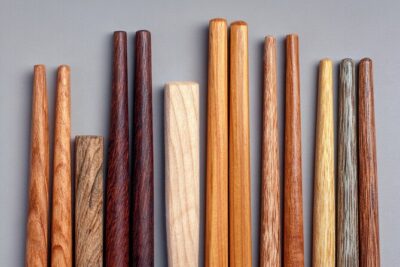
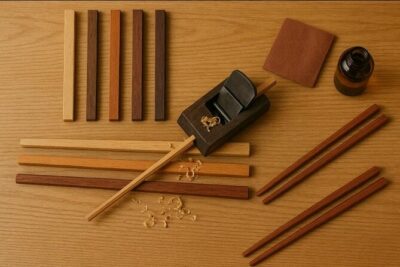
Chopsticks Making Workshop in Gion with Engraving Option
Read our review →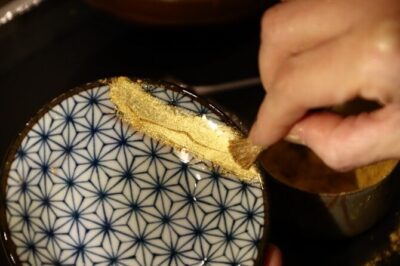
Kintsugi Experience: Art of Golden Joinery in Tokyo
Read our review →
Authentic knife making experience at a blacksmith in Kyoto
Read our review →
Traditional Mochi Pounding Experience with Tasting
Read our review →
Authentic Pure Gold Kintsugi Workshop with Master Taku in Tokyo
Read our review →

Browse the lists this tour appears in