
Reviewed · FOOD & DRINK
Osaka: Traditional Mochi Pounding Experience with Tasting
Mochi is better when you help make it. This one-hour Osaka activity turns a familiar Japanese sweet into a hands-on lesson, with steamed glutinous rice, a wooden mortar and pestle, cheerful instruction, and plenty to taste at the end. I especially like the small group of up to four people, which gives each participant a real turn rather than a quick photo opportunity. I also like the short cultural introduction, since it explains why mochi matters before the pounding begins. The main consideration is physical: working the rice takes more effort than it looks, and the compact room may feel close if you prefer lots of space.
The $31 price is fair for a one-hour activity that includes instruction, ingredients, tools, tea, and a full tasting session. Families, solo visitors, couples, and older children can all take part, but you should choose the right plan: the adult experience is for ages 13 and up, while the family option welcomes all ages. Check the exact meeting point carefully, since the entrance may be on the river or canal side rather than the more obvious Dotonbori street.
In This Review
- Key points at a glance
- Why mochi pounding works so well in Osaka
- Your first 10 minutes: a useful cultural introduction
- From steamed rice to sticky mochi
- Shaping the finished mochi
- The tasting: where the $31 starts to make sense
- A good Osaka activity for families and solo visitors
- Finding the meeting point near Dotonbori
- Price, timing, and what you receive
- Who should book this experience?
- Should you book the Osaka mochi experience?
- FAQ
- How long does the mochi pounding experience last?
- What happens during the experience?
- Which toppings are included?
- Is the activity suitable for children?
- What languages do the instructors speak?
- How many people are in each group?
Key points at a glance
- You pound the rice yourself: The activity covers mashing, pounding, shaping, and eating the finished mochi.
- Only four people join each group: This keeps the lesson personal and makes it easier to get help and photos.
- The tasting is generous: Try fresh mochi with kinako, sweet red bean paste, nori, sweet soy sauce, and other available combinations.
- A 10-minute introduction sets the scene: You learn about mochi’s origins and cultural role without losing most of the hour to a lecture.
- English and Chinese instruction is available: Guides help make the process clear and friendly for international visitors.
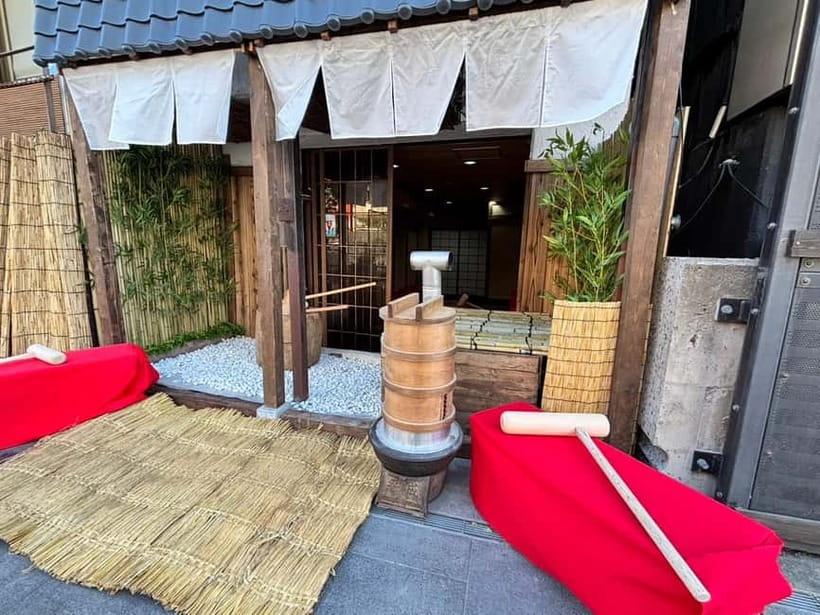
- The canal-side entrance can be easy to miss: Allow time to find the right door, especially if your booking points away from Dotonbori street.
Why mochi pounding works so well in Osaka
Osaka offers no shortage of food stops. You can eat takoyaki, browse markets, and sample sweets without ever leaving the city center. This experience gives you something different: instead of simply buying a Japanese treat, you see how a basic ingredient changes through heat, water, motion, and teamwork.
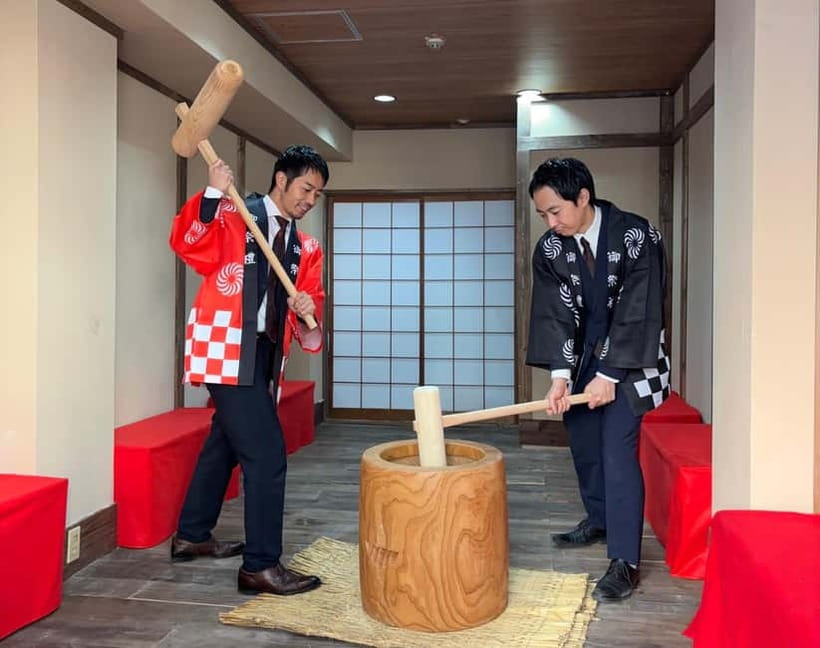
Mochi begins with glutinous rice, which is steamed until soft. The rice is then worked into a smooth, sticky mass. The traditional pounding is the memorable part. You use a mortar and pestle to break down the grains, then continue until the mixture has the springy texture associated with mochi.
I like this format because it is active without taking over your day. One hour is long enough to learn the process and enjoy a proper tasting, but short enough to fit between sightseeing plans. You do not need to commit half a day to a cooking course, and you still leave with a story that is more personal than another snack purchased from a shop.
The cultural explanation lasts about 10 minutes. That is a smart balance. You get a clear introduction to mochi’s history and significance, then move quickly to the part most people came for: making it.
More Craft Workshops in Osaka
- Kamigata Ukiyoe Museum:Ukiyo-e Woodblock Printing Experience
★ 4.9 · 79 reviews - 1.5〜2 Hours Traditional Kintsugi Work Shop in Namba Osaka
★ 5.0 · 75 reviews - 【For adult】Traditional Mochi Pounding Experience with Tasting
★ 5.0 · 67 reviews
Your first 10 minutes: a useful cultural introduction
The session begins with a short explanation of mochi and the way it is made. You learn where the food comes from and why pounding has a place in Japanese food culture. The lesson is not designed as a formal academic talk, and that is a strength for a one-hour activity.
The guides keep the information focused, leaving plenty of time for the hands-on work. This matters if you are bringing children, since a long lecture can drain the energy from a family outing. Adults still get enough context to understand that the pounding is not just a fun performance for tourists.
The teaching also gives you a better sense of what to look for in the food. Freshly made mochi is soft, warm, and very sticky. It is quite different from the packaged mochi you may have tried outside Japan. That contrast makes the tasting more interesting.
Several guides are praised for keeping the mood light and helping everyone take part. Names that come up include Seina, Taka, Misaki, Moe, Grace, Pari, and Aiko. The staff are described as friendly, cheerful, and comfortable speaking English, with Chinese also available.
From steamed rice to sticky mochi
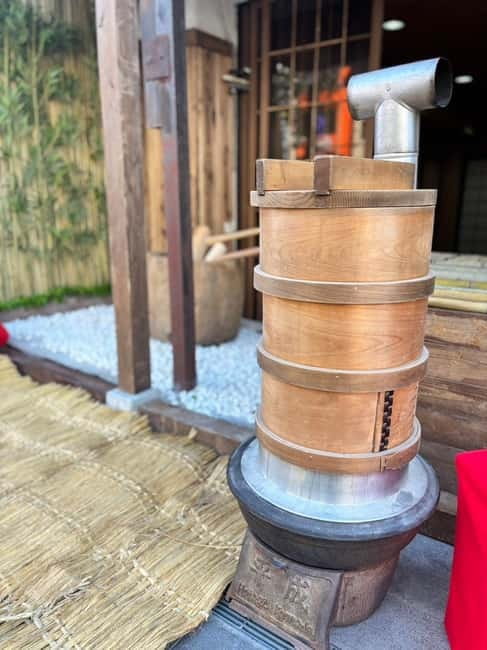
After the introduction, you get into the process. The rice is steamed, then placed in the traditional mortar. You begin by mashing and working it, breaking up the grains before the real pounding starts.
This first stage is easy to underestimate. The rice must be brought together into a consistent mass, and the texture changes as you work it. Your instructor shows you how to handle the tools and helps keep the process moving safely.
Then comes the pounding. The rhythm is part of the fun, but you are not left to guess what to do. The guides keep participants involved and help everyone get a turn. If you are in a family group, children can participate with close instruction while adults help maintain the pace.
The activity is physical, though not extreme. One person described needing more stamina than expected, which is useful advice. You may not leave exhausted, but you will likely appreciate sitting down with tea and mochi afterward.
The small group format makes a real difference here. With a maximum of four participants, you should have a better chance to handle the tools, ask questions, and receive corrections. In a much larger class, the central pounding might become something you watch. Here, the point is to do it yourself.
Shaping the finished mochi
Once the rice has reached the right texture, you form the mochi into pieces for tasting. This is another stage where the guides help, since sticky rice can be awkward to handle at first.
Do not expect every piece to look perfect. That is part of the charm. You are making food by hand, not producing identical sweets on a factory line. The finished pieces may vary in size and shape, but they are yours.
The process also gives children a clear sequence to follow. They can see the rice change from separate grains into a single mass, then into small treats. That makes the activity educational without feeling like a school lesson.
Photo opportunities are built naturally into the session. The guides offer to take pictures and videos, which is especially helpful if you are visiting Osaka alone. You can concentrate on the activity instead of trying to manage a phone while holding a pounding tool.
The compact space has one practical tradeoff. A small room keeps the group close and makes instruction easy, but it may not suit someone who dislikes tight indoor settings. Cleanliness is also important during food activities, and the space is described as comfortable, clean, and sanitary.
More Food Tours in Osaka
- Osaka: Shinsekai Food Tour with 13-15 Dishes at 5 Eateries
★ 4.8 · 2,204 reviews - Osaka Food Tour: 13 Dishes at 5 Local Eateries
★ 5.0 · 2,149 reviews - Hungry Osaka Street Food Tour:15 Tastings & 3 Drinks with a Local
★ 5.0 · 1,727 reviews - Hungry Osaka Street Food Tour: 15 Dishes & 3 Drinks
★ 4.9 · 694 reviews
The tasting: where the $31 starts to make sense
The final tasting is more than one sample. You enjoy the mochi you helped prepare with several Japanese seasonings and toppings, along with a cup of tea.
The listed options include:
- Kinako, a roasted soybean powder with a nutty flavor
- Sweet red bean paste
- Nori, for a savory seaweed note
- Sweet soy sauce
- Other available powders and sauces
This variety helps you understand how flexible mochi can be. Red bean paste gives you a classic sweet pairing, while nori and soy sauce move the experience toward savory flavors. Kinako adds a dry, toasted contrast to the soft rice.
You may want to arrive without a large meal. The portions are repeatedly described as filling, and the activity involves tasting several combinations rather than taking one small bite. If you are planning a big Osaka dinner soon afterward, schedule this experience earlier in the day or allow room for the extra food.
Freshness is the key advantage. The mochi is eaten soon after it is made, while it is still soft and sticky. That texture is part of the appeal, though it may surprise you if your only reference is firmer packaged mochi.
The tasting also gives you a chance to compare preferences with your group. Children may prefer sweet toppings, while adults might enjoy the nori or soy sauce combinations. One useful food discovery is that red bean paste can pair well with cream, so do not dismiss it if you have disliked red bean sweets in the past.
A good Osaka activity for families and solo visitors
The family plan is designed for all ages. That makes this a practical choice for groups that include children, parents, and grandparents. Everyone can participate at a level that suits them, and the activity has enough movement to hold attention.
The guides make a point of including children rather than letting adults do all the work. They also help mixed groups share the process, so each person gets a chance to mash, pound, shape, and taste.
Teenagers can choose the adult experience from age 13. That version is intended for participants looking for a fuller cultural lesson, while the family plan keeps the format accessible to younger children.
Solo visitors are also well served. The small group setting makes it easier to meet other participants, and the staff can take photos for you. A solo booking does not mean standing on the edge while families take over. The atmosphere is described as friendly and welcoming for people who arrive alone.
Couples and friends will find plenty to do together, but the activity works best when everyone is willing to participate. If you want a quiet demonstration with no mess and no effort, choose a standard tasting instead. This experience asks you to get involved.
Finding the meeting point near Dotonbori
The central location is convenient, but the entrance deserves attention. The exact meeting point depends on the plan you book, and several directions point to the river or canal side rather than the main Dotonbori street.
One useful detail is that the entrance may be along the river, with a handwritten sign near a hotel entrance on the parallel street. This is the kind of small location clue that can save you from circling the block.
I would arrive with a few extra minutes. The activity lasts only one hour, so losing ten minutes to a wrong entrance makes a noticeable difference. Check the meeting information for your selected option and look toward the canal side if the main street does not seem right.
Transportation is not included. You arrange your own way to the meeting point, but the central setting makes this easier to combine with other Osaka plans. The activity is especially convenient when you are already spending time around Dotonbori.
Price, timing, and what you receive
At $31 per person, this is not the cheapest way to eat mochi in Osaka. A shop-bought sweet costs far less. You are paying for the instruction, the equipment, the ingredients, the cultural context, the small group, and the chance to make the food yourself.
That price feels reasonable if you value participation. You get a guided lesson, a tasting with several toppings, tea, and support from instructors who can help with the tools and take photos. The one-hour length also keeps the cost tied to a manageable part of your day.
The value is strongest for families and small groups. Four people can share the experience without being lost in a large class. Solo visitors gain the same hands-on access and do not need to arrange a private lesson.
The activity runs year-round. Starting times depend on availability, so you should choose a slot that does not collide with a major meal if you expect to eat all the mochi provided.
Free cancellation is available up to 24 hours before the activity for a full refund. You can also reserve now and pay later, which helps if your Osaka schedule is still changing.
Who should book this experience?
I would recommend it to you if you want a short cultural activity with real participation. It suits first-time visitors who want more than sightseeing, families looking for an outing that crosses age groups, and solo visitors who appreciate friendly staff and help with photos.
It is also a good pick if you enjoy Japanese food but want to understand how it is made. The contrast between steaming, mashing, pounding, shaping, and seasoning gives you a clear look at the work behind a food many people simply buy ready-made.
You may want to skip it if you dislike sticky textures, have little interest in food preparation, or want a polished restaurant-style tasting. The room is small, the pounding takes effort, and the finished mochi will not look factory-perfect.
Wear comfortable clothing suitable for a hands-on activity. You will be handling rice and tools, so this is not the moment for your most delicate outfit.
Should you book the Osaka mochi experience?
Yes, if you have one free hour near Dotonbori and want an activity that combines food, culture, and a little exercise. The strongest reasons to book are the small group size, the warm English-speaking instruction, the chance to make every stage yourself, and the generous range of toppings.
The main cautions are easy to manage. Confirm whether you need the adult or family plan, allow time to find the canal-side entrance, and do not arrive after a heavy meal. For $31, you get more than a snack: you get a memorable process, a useful cultural lesson, and fresh mochi that you helped create.
FAQ
How long does the mochi pounding experience last?
The activity lasts one hour. About 10 minutes are used for an introduction to the cultural meaning and background of mochi, with the rest focused on making and tasting it.
What happens during the experience?
You learn about mochi, steam and work glutinous rice, use traditional tools to pound it, shape the finished pieces, and taste them with Japanese seasonings and toppings.
Which toppings are included?
The tasting includes options such as kinako, sweet red bean paste, nori, and sweet soy sauce. You also receive a cup of tea.
Is the activity suitable for children?
Yes. The family experience welcomes all ages and is designed to involve both children and adults. The adult experience is for participants ages 13 and up.
What languages do the instructors speak?
Instruction is available in English and Chinese.
How many people are in each group?
The activity is limited to four participants, creating a small group setting with hands-on access to the tools and help from the guides.
Just added around Osaka
- Osaka Food Tour with 10 Classic Japanese Tastings & Drinks★ 5.0 · 38 reviews
- Osaka: Highlights & Hidden Gems Private Walking Tour★ 4.7 · 38 reviews
- Kyoto private tour (Shore excursion available from Osaka or Kobe port)★ 5.0 · 39 reviews
- Osaka Private Day Trip – Enjoy Your First-Time Visit to Osaka!★ 5.0 · 39 reviews
- Kyoto & Nara & Uji: Full Day Sightseeing Tour from Osaka or Kyoto★ 4.5 · 39 reviews
- Authentic SUSHI Course Cooking Class★ 5.0 · 39 reviews
- Osaka: Mind & Spirit Balance Temple Reiki Healing★ 5.0 · 41 reviews
- Osaka: Gluten-Free Ramen and Gyoza Cooking Class★ 5.0 · 42 reviews
Food & Drink, compared.
Shinjuku Food Tour (13 Dishes at 4 Local Eateries)
Read our review →
Tokyo Tsukiji Fish Market Food and Culture Walking Tour
Read our review →
Shinsekai Food Tour with 13-15 Dishes at 5 Eateries
Read our review →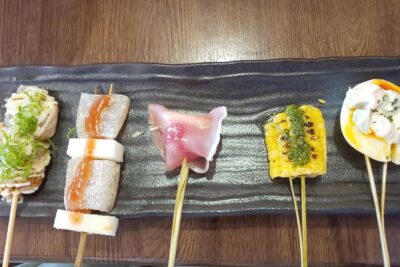
Osaka Food Tour: 13 Dishes at 5 Local Eateries
Read our review →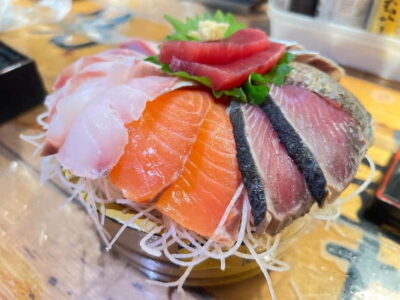
Shinjuku Food Tour (15 Dishes and 4 Eateries)
Read our review →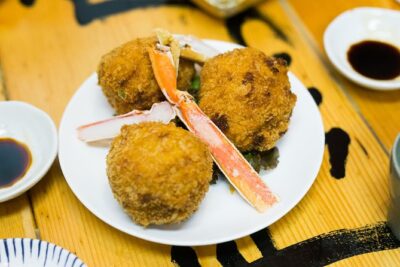
Best of Shinjuku: Izakaya Food Tour (4 Stops, 14+ Tastings)
Read our review →
Kyoto Night Foodie Tour in Gion (9+ dishes + 6 Sake tastings)
Read our review →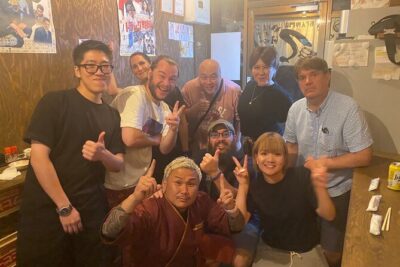
Hungry Osaka Street Food Tour:15 Tastings & 3 Drinks with a Local
Read our review →Browse the lists this tour appears in