
Reviewed · TRADITIONAL CRAFT WORKSHOPS
1.5〜2 Hours Traditional Kintsugi Work Shop in Namba Osaka
Kintsugi turns a break into a keepsake. This small Osaka workshop lets you learn the craft in a traditional kura building, with patient guidance from Jo, Josuke, or Zenkei and a finished plate to take home later. I like the class size of five or fewer, and I like that the lesson includes both the meaning of kintsugi and hands-on work with lacquer and 23K gold powder. The main drawback is that you do not leave with the plate in hand, and international shipping costs an extra 5,000 yen.
The class runs about 1 to 1.5 hours, with morning and afternoon options. I also like the calm setting, the display of Japanese art and antiques, and the possible matcha-making session at the end. You should allow extra time to find the entrance at the Motomachi address, and remember that the workshop is not recommended if you have a lacquer allergy.
In This Review
- Key points to know before booking
- What this Namba kintsugi class really teaches
- Inside the traditional wooden kura building
- The lesson begins with lacquer and kintsugi history
- Applying lacquer and 23K gold powder
- Matcha, mochi, and the slower side of Osaka
- Why your finished plate comes later
- Is $125.53 a fair price?
- Who will enjoy this workshop most?
- Timing your visit around Namba
- What the strongest praise gets right
- Practical booking advice
- Should you book the Osaka kintsugi workshop?
- FAQ
- How long does the kintsugi workshop last?
- Where does the workshop meet?
- How many people can join the class?
- Are the materials provided?
- When will I receive my finished plate?
- Is the workshop offered in the morning and afternoon?
- Can I cancel for a refund?
Key points to know before booking
- A class of five or fewer: You get personal help rather than a crowded craft demonstration.
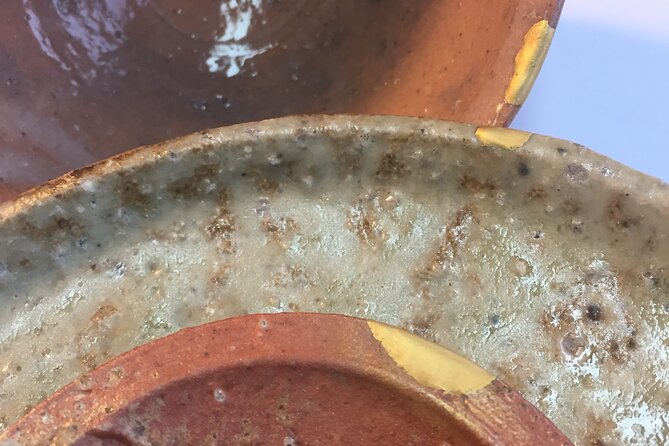
- You apply the final gold yourself: The workshop focuses on decorating a prepared kintsugi plate with lacquer and 23K gold powder.
- The setting is part of the experience: Class takes place inside a traditional wooden kura building with Japanese art and antiques.
- Matcha may be included: Several sessions have ended with a relaxed lesson in preparing matcha, plus tea and mochi.
- Your plate needs time to cure: Finished pieces are provided in about 5 to 7 days, with free domestic shipping and paid international shipping.
- The location is near Namba Yasaka Jinja: The shrine makes a useful stop after class, though you should budget a few minutes to locate the workshop entrance.
What this Namba kintsugi class really teaches
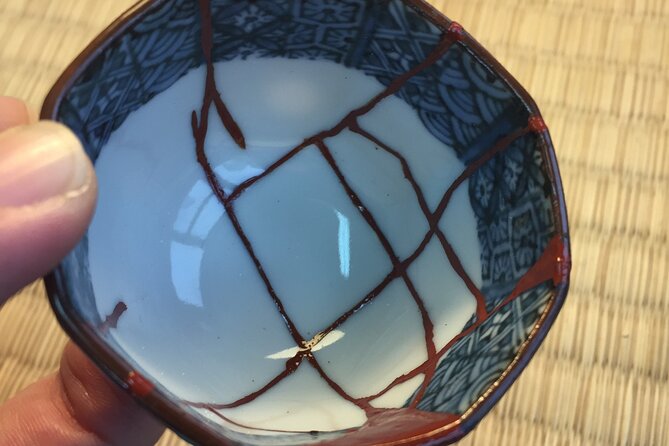
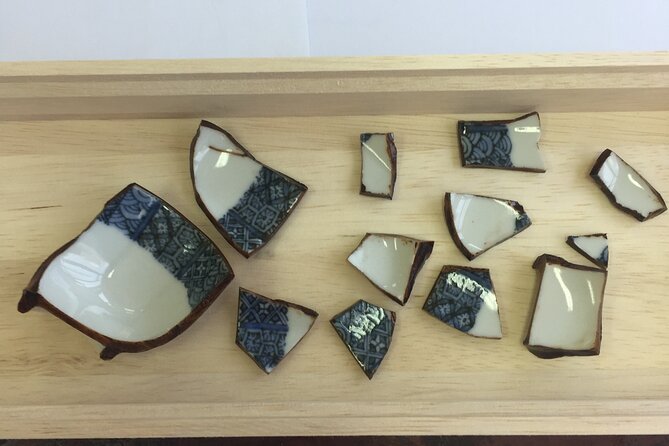
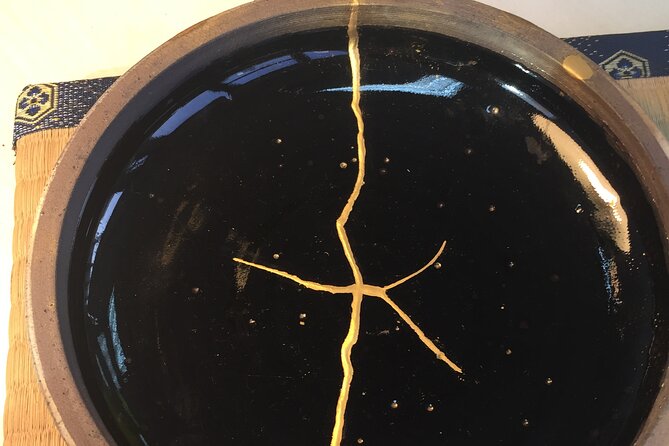
Kintsugi is the Japanese art of repairing pottery with lacquer and highlighting the repaired area with gold. The visible line is not hidden. It becomes part of the object.
That idea gives this class more weight than a quick souvenir-making session. You are not simply painting a plate. You are learning why repaired pottery can be valued for its past, its flaws, and the work that keeps it useful.
The lesson covers the history of kintsugi and Japanese lacquer before you begin decorating. The instructor uses explanations, slides, questions, and open discussion, so you get cultural context along with the practical work.
The workshop does not present the full process of smashing and rebuilding a broken bowl from scratch. Instead, you work on the later stages, applying lacquer and gold to a prepared plate. That is important to know if you expect a dramatic repair project. It is also a sensible format for a short class, since traditional lacquer work requires drying and curing time.
More Craft Workshops in Osaka
- Osaka: Traditional Mochi Pounding Experience with Tasting
★ 4.9 · 306 reviews - Kamigata Ukiyoe Museum:Ukiyo-e Woodblock Printing Experience
★ 4.9 · 79 reviews - 【For adult】Traditional Mochi Pounding Experience with Tasting
★ 5.0 · 67 reviews
Inside the traditional wooden kura building
The class takes place in a traditional Japanese building called a kura. These old wooden storehouse-style buildings have a plain, sturdy character, and the setting gives the activity a stronger sense of place than a modern craft studio.
I would plan to arrive early. The meeting point is at 2-chōme-630 Motomachi, in Naniwa Ward, Osaka, with the listed postal code 556-0016. The entrance can be a little tricky to spot, so saving several minutes for finding the correct doorway is wise.
Inside, you can see Japanese art, antiques, and examples of kintsugi work. This helps you understand the craft before touching the materials. A repaired object can look delicate, bold, or almost sculptural depending on the shape of the repair and the amount of gold used.
The gallery also gives you something to do after the practical part of the lesson. You can look around the building instead of rushing straight back into Namba’s busy streets.
The lesson begins with lacquer and kintsugi history
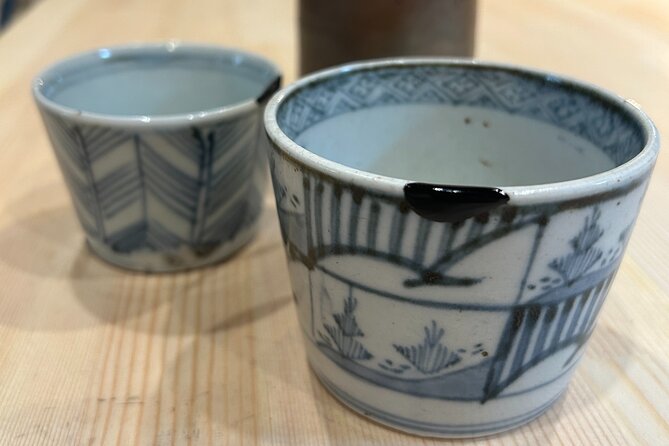
The first part explains traditional kintsugi and the role of Japanese lacquer. You will learn how the craft developed and why lacquer matters to the repair process.
The teaching style appears to be conversational. Jo, also referred to as Josuke or Zenkei, is described as patient, warm, and passionate about the subject. He has explained everything from lacquer collection and curing to the cultural and emotional ideas connected with repairing objects.
That personal approach matters in a class this short. A rushed instructor could turn kintsugi into a simple gold-dusting exercise. Here, you have time to ask questions and discuss the meaning behind what you are doing.
The small format is one of the strongest parts of the experience. With no more than five people, the instructor can watch your technique and offer help. Some sessions have been private or nearly private, while others have included small groups of four. That makes the class suitable if you want direct instruction rather than a large tour-group atmosphere.
English instruction is available. The English-speaking instructor has been praised for explaining the process clearly, which is especially useful when working with unfamiliar materials.
Applying lacquer and 23K gold powder
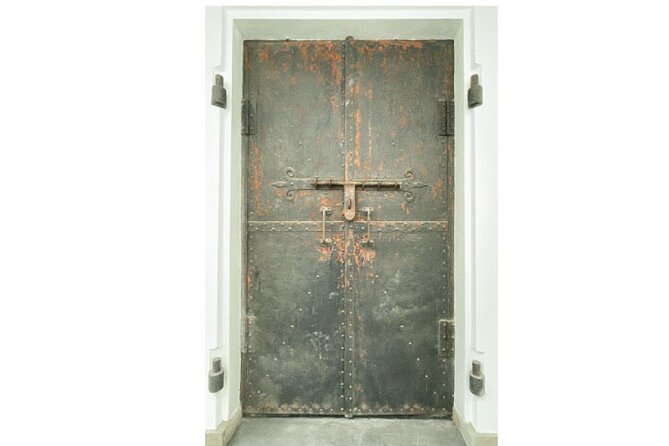
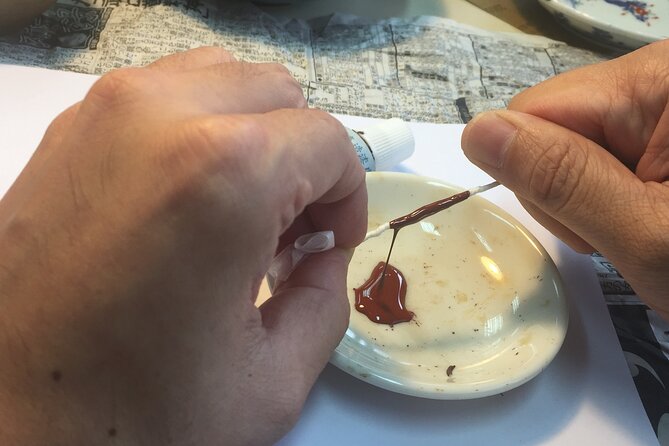
The practical section focuses on decorating your kintsugi plate. You learn how to apply the lacquer and then sprinkle 23K gold powder onto it.
The gold is the eye-catching part, but the process calls for care. You need to follow the instructor’s directions closely and work at a steady pace. The appeal is not speed. It is watching a plain repair line become a deliberate design.
The exact style can vary. One class used a chopping style rather than the cracking pattern many people expect from kintsugi photographs. That is a useful detail to keep in mind. Your piece may not copy the familiar branching lines seen in online examples, but it will still reflect the workshop’s method and your own handling of the gold.
All required materials are provided. You do not need to bring pottery, lacquer, brushes, or gold powder from home. The experience is designed as an introduction, so you can take part without previous pottery or craft experience.
You will likely spend much of the hands-on time completing the visible finishing steps. That makes the activity accessible, but it also means you should not book it expecting to master the entire traditional process in one sitting.
A completely different kind of day out in Osaka:
- Osaka Go Karting Tour with Funny Costume
★ 5.0 · 2,658 reviews - Osaka Castle: Museum and Tower Entry Ticket
★ 4.5 · 2,380 reviews - Osaka: Shinsekai Food Tour with 13-15 Dishes at 5 Eateries
★ 4.8 · 2,204 reviews - Osaka Food Tour: 13 Dishes at 5 Local Eateries
★ 5.0 · 2,149 reviews
Matcha, mochi, and the slower side of Osaka
Several sessions have included an informal matcha-making lesson at the end. You may learn how to whisk matcha properly, including the importance of creating a fine froth on top.
Tea and mochi have also been offered as refreshments. These extras are not the main advertised purpose of the workshop, so I would treat them as a welcome possibility rather than a guaranteed centerpiece. When included, they add a gentle finish and give you time to talk with the instructor.
This slower ending is a good counterpoint to the city outside. Namba is full of bright signs, food stalls, shopping streets, and constant movement. Sitting with matcha after concentrating on gold powder gives the experience a quiet rhythm.
The instructor has also offered local recommendations and, in one case, walked participants toward a nearby shrine. You should not assume that this walk is part of every booking, but Namba Yasaka Jinja is close by and makes a worthwhile independent stop after class.
Why your finished plate comes later
You do not normally take the completed plate with you immediately. The item needs time to dry and cure, and the stated delivery period is about 5 to 7 days.
For a Japanese address, domestic shipping is free. International shipping costs 5,000 yen. That fee is not included in the ticket price, so include it when working out the total cost of the experience.
Some visitors have arranged to receive the piece at their hotel, while the standard information says it will be shipped. Confirm the delivery details during the class, especially if you are leaving Osaka soon. Your plate is a souvenir with a story, but you need to plan for its arrival.
The waiting period is not just an inconvenience. It shows why traditional lacquer work cannot be rushed. The curing stage is part of the craft, even though you experience it after the workshop ends.
Is $125.53 a fair price?
At $125.53 per person, this is not a bargain activity. You can buy inexpensive Japanese crafts for far less. The value comes from the instruction, the very small group size, the 23K gold materials, the traditional setting, and the finished plate sent later.
I think the price makes more sense if you want a cultural activity with real contact with a craftsperson. You are paying for more than an object. You receive an introduction to lacquer, a guided practical session, time in a historic wooden building, and a personal piece connected to your Osaka visit.
The value is weaker if you only want a quick souvenir or a full pottery lesson. The class is short, and the work is limited to the stages suitable for an introductory session. International visitors must also add the 5,000-yen shipping fee.
For couples, families, or friends, the private feel can make the cost easier to justify. Children have taken part successfully with help from the instructor, though an adult should decide if a child can follow the material-handling instructions.
Who will enjoy this workshop most?
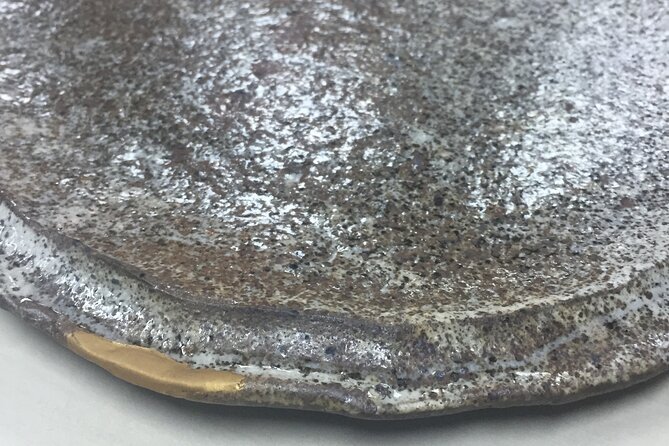
You are a good match for this class if you enjoy handmade objects, Japanese culture, quiet creative activities, or unusual experiences that do not feel like standard sightseeing.
It suits:
- People who want to learn the meaning behind a Japanese craft
- Couples looking for a shared activity in Osaka
- Families with children interested in traditional making
- Visitors who enjoy pottery, ceramics, antiques, or design
- Anyone needing a calm break from Namba’s busy streets
- Repeat Japan visitors looking for something beyond temples and shopping
You may want to skip it if you have a lacquer allergy. The activity is also less suitable if you need to leave Osaka immediately and cannot arrange delivery for your plate.
The workshop is near public transportation, and most people can participate. Service animals are allowed. The booking information also says the experience requires good weather and may be rescheduled or refunded if poor weather causes cancellation.
Timing your visit around Namba
Morning and afternoon classes give you useful flexibility. A morning booking leaves the rest of the day for Namba, Dotonbori, or nearby sights. An afternoon session works well after a relaxed start or a morning visit elsewhere in Osaka.
The activity lasts approximately 1 hour 30 minutes, though the course description also describes it as a 1 to 1.5-hour introduction. I would avoid scheduling a tight connection immediately afterward. You may want time to view the gallery, ask questions, enjoy tea, or find Namba Yasaka Jinja.
The meeting point is also the ending point. There is no separate drop-off across town, so you finish where you began.
For navigation, keep the full address handy rather than relying only on the general word Namba. The entrance has been described as slightly hard to find. A short buffer before the start time will make the first part of the experience much less hurried.
What the strongest praise gets right
The most consistent strengths are the instructor’s patience, the calm mood, and the quality of the cultural explanation. Jo, Josuke, and Zenkei are names used for the instructor in the supplied information, and the teaching is repeatedly described as friendly, clear, and generous with time.
The class also succeeds because it balances information with action. You hear about lacquer and kintsugi philosophy, then apply the material yourself. That combination keeps the session from becoming either a lecture or a shallow craft project.
The matcha session is another memorable touch when offered. It is not why I would book the class, but it helps create a complete cultural visit rather than a single task at a table.
The setting receives special praise too. The old wooden building, the gallery, and the antiques make the workshop feel connected to Japanese material culture. You are not simply making an object in a generic room.
Practical booking advice
The experience has a maximum of five participants, so book ahead if your Osaka dates are fixed. Confirmation is provided at booking, and mobile tickets are accepted.
You can cancel for a full refund up to 24 hours before the local start time. Cancellations or changes inside that 24-hour window are not refunded or accepted. If the provider cancels because of poor weather, you will be offered another date or a full refund.
Wear something comfortable and expect to concentrate on small, careful work. Since lacquer is part of the process, anyone with a known lacquer allergy should avoid the activity.
Finally, make a plan for the finished plate. Domestic delivery within Japan is free, while international delivery costs 5,000 yen. If you are moving between hotels, confirm the best shipping address before you leave the area.
Should you book the Osaka kintsugi workshop?
I would book this if you want a personal, thoughtful activity and you like bringing home something you helped make. The small group, patient instruction, 23K gold, traditional kura setting, and optional matcha session give it more substance than a quick souvenir class.
I would not choose it if you expect to repair a completely broken bowl from start to finish or if you need your finished item immediately. The workshop focuses on the final decorative stages, and the plate arrives later.
For most visitors, this is a strong pick for a quieter half-day moment in Namba. Add time to find the entrance, visit Namba Yasaka Jinja afterward, and budget for international shipping if needed.
FAQ
How long does the kintsugi workshop last?
The experience lasts approximately 1 hour 30 minutes. The introduction is also described as taking about 1 to 1.5 hours.
Where does the workshop meet?
The meeting point is in Osaka’s Naniwa Ward at Motomachi 2-chōme 630, postal code 556-0016. The activity ends back at the meeting point.
How many people can join the class?
The workshop has a maximum of five participants, allowing for personal instruction.
Are the materials provided?
Yes. The materials needed for the kintsugi activity are provided, including the items used to decorate the plate with 23K gold powder.
When will I receive my finished plate?
Your decorated plate is provided in about 5 to 7 days. Domestic shipping to a Japan address is free. International shipping costs 5,000 yen.
Is the workshop offered in the morning and afternoon?
Yes. Morning and afternoon classes are available.
Can I cancel for a refund?
You can receive a full refund if you cancel at least 24 hours before the local start time. Cancellations or changes made less than 24 hours before the start are not refunded or accepted.
More 2-Hour Experiences
- Osaka: 2-Hour Nightlife District Walking & Local Food Culture
★ 5.0 · 199 reviews - Osaka: 2-Hour Local Street Food Tour – Dotonbori & Namba
★ 4.6 · 95 reviews - Osaka 2-Hour Genuine Kendo / Samurai Experience In Japan
★ 5.0 · 65 reviews - Kyoto Gion: 2-Hour Geisha Culture & History Walking Tour
★ 5.0 · 1,186 reviews
Just added around Osaka
- Osaka Food Tour with 10 Classic Japanese Tastings & Drinks★ 5.0 · 38 reviews
- Osaka: Highlights & Hidden Gems Private Walking Tour★ 4.7 · 38 reviews
- Kyoto private tour (Shore excursion available from Osaka or Kobe port)★ 5.0 · 39 reviews
- Osaka Private Day Trip – Enjoy Your First-Time Visit to Osaka!★ 5.0 · 39 reviews
- Kyoto & Nara & Uji: Full Day Sightseeing Tour from Osaka or Kyoto★ 4.5 · 39 reviews
- Authentic SUSHI Course Cooking Class★ 5.0 · 39 reviews
- Osaka: Mind & Spirit Balance Temple Reiki Healing★ 5.0 · 41 reviews
- Osaka Afternoon Walking Tour with Osaka River Cruise★ 3.5 · 42 reviews
Traditional Craft Workshops, compared.
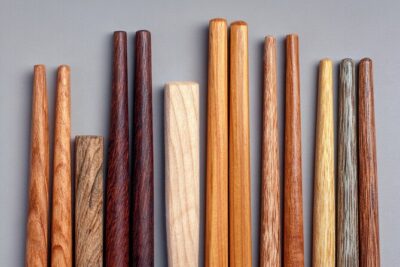
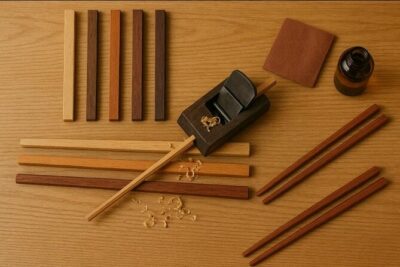
Chopsticks Making Workshop in Gion with Engraving Option
Read our review →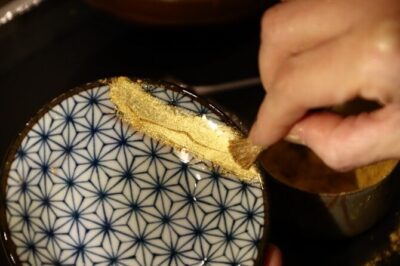
Kintsugi Experience: Art of Golden Joinery in Tokyo
Read our review →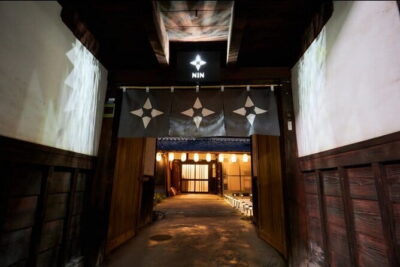
Authentic knife making experience at a blacksmith in Kyoto
Read our review →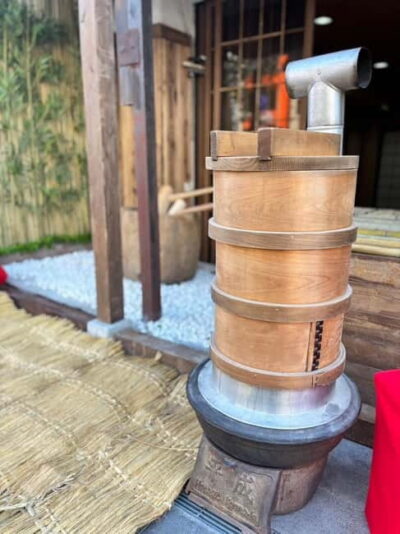
Traditional Mochi Pounding Experience with Tasting
Read our review →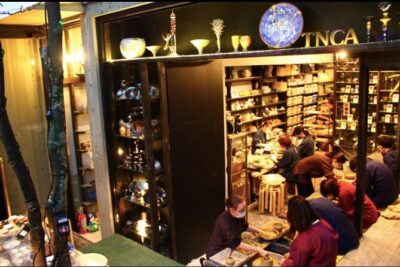
Authentic Pure Gold Kintsugi Workshop with Master Taku in Tokyo
Read our review →
Roketsu dyeing experience: M course Roketsu Dyeing Experience
Read our review →Browse the lists this tour appears in