
Reviewed · FOOD & DRINK
Osaka: 2-Hour Local Street Food Tour – Dotonbori & Namba
Come hungry, leave better oriented. This compact Osaka food walk links takoyaki, taiyaki, takosen, and other local bites with the bright streets of Dotonbori and Namba. You also get a photo at the Glico Man sign and a quiet pause at Hozenji Temple, two very different sides of central Osaka.
I like the way the tour mixes eating with simple cultural context, rather than treating the neighborhood as one long row of food signs. I also like the personal service: guides such as Kaito, Hina, Hiro, and Fuka have helped guests choose dishes, order in Japanese, find less obvious eateries, and adjust the pace to suit the group.
The main caution is cost clarity. The tour is $51 per person, but food and drinks are extra, so your final bill depends on how much you order. The published information also says vegan and gluten-free requests cannot be accommodated, even though some individual guides have helped vegetarian and gluten-free diners. Confirm your needs before booking.
In This Review
- What makes this Osaka food walk worth considering
- Starting beneath the Glico Man sign
- Eating your way through Dotonbori
- A quiet turn into Ukiyo-Koji and Hozenji Temple
- Namba food stops and local choices
- A second pass through Dotonbori
- How good is the guiding?
- Is $51 a fair price?
- Food restrictions and family suitability
- Who should book this tour?
- Practical tips for making the most of it
- Should you book the Dotonbori and Namba food tour?
- FAQ
- How long does the Osaka street food tour last?
- Where does the tour start?
- Where does the tour end?
- Is food included in the tour price?
- How much does the tour cost?
- Which foods can I expect to try?
- Is the tour offered in English?
- Can I book a private or small-group tour?
- Is the tour wheelchair accessible?
- Can the tour accommodate vegan or gluten-free diets?
What makes this Osaka food walk worth considering
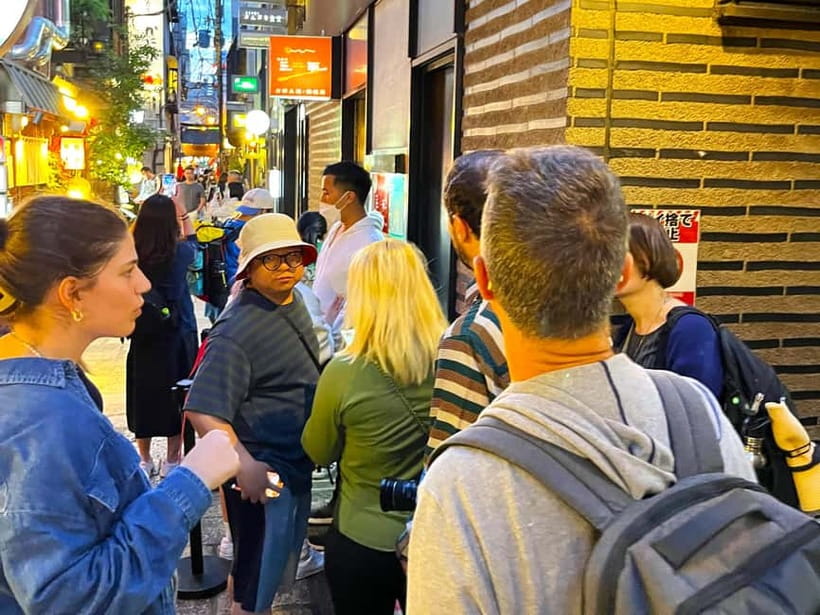
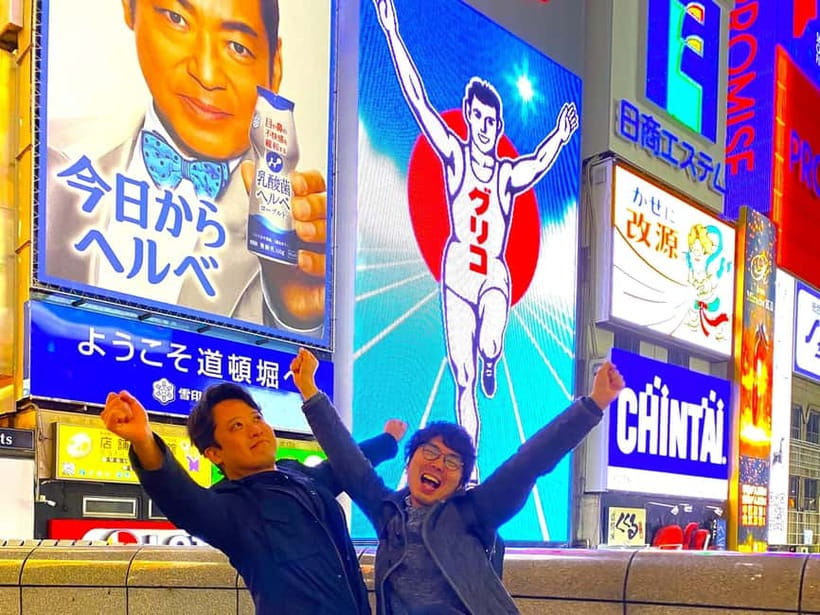
- Glico Man begins the tour with Osaka’s classic postcard photo, making it easy to mark your first visit to Dotonbori.
- Takoyaki, takosen, taiyaki, apple candy, and pork buns give you a useful introduction to Osaka snack culture.
- Ukiyo-Koji and Hozenji Temple offer a quieter look at the district beyond its giant signs and restaurant fronts.
- Local guides can shape the stops around your appetite, with examples including okonomiyaki, kushikatsu, doteyaki, sushi, udon, ramen, dumplings, and Japanese barbecue.
- The route is only two hours and involves limited walking, which makes it manageable before or after a longer day of sightseeing.
- Private and small-group formats are available, with English and Japanese-speaking guides.
Starting beneath the Glico Man sign
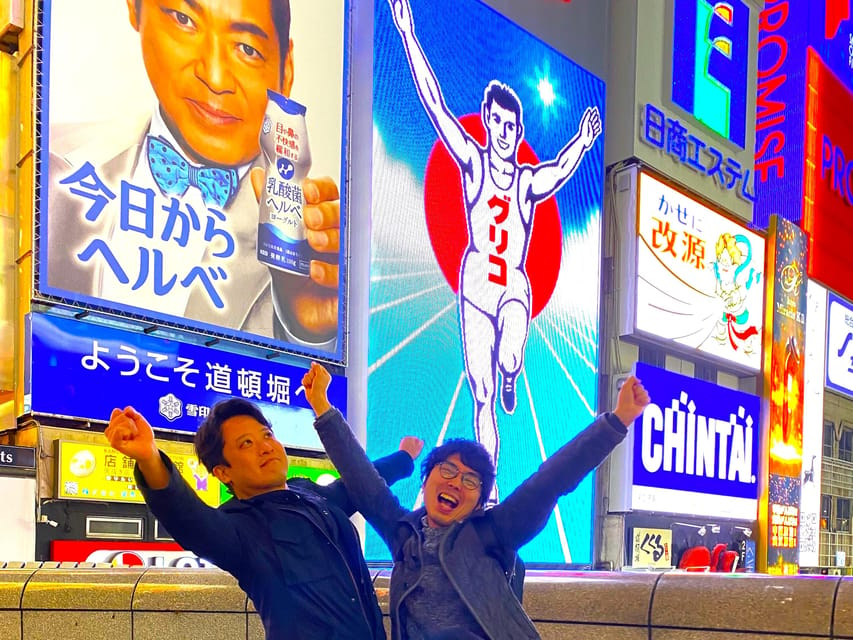
The meeting point is in front of Starbucks Coffee TSUTAYA EBISUBASHI, outside the building. Your guide carries a yellow sign with the DeepExperience logo, a useful detail in a crowded part of town where several shops and signs compete for attention.
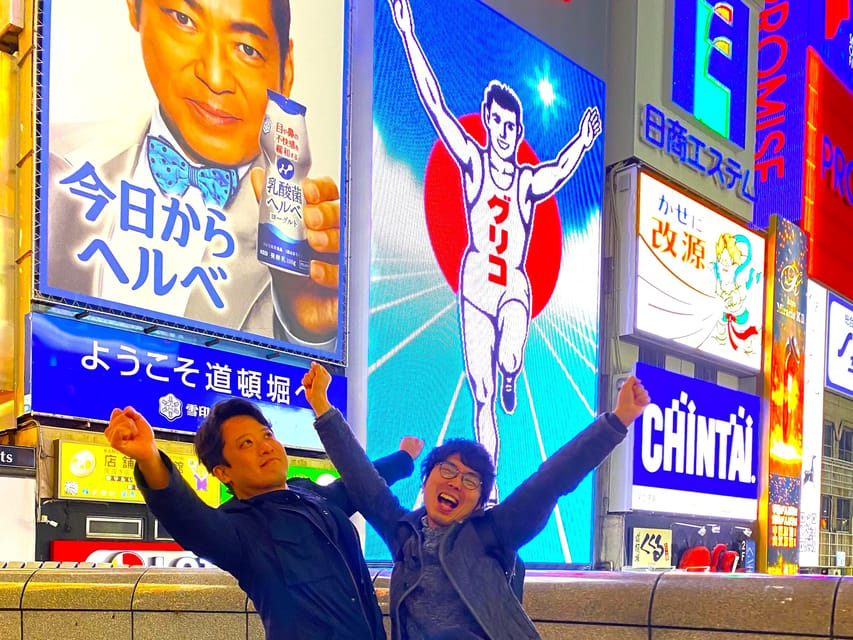
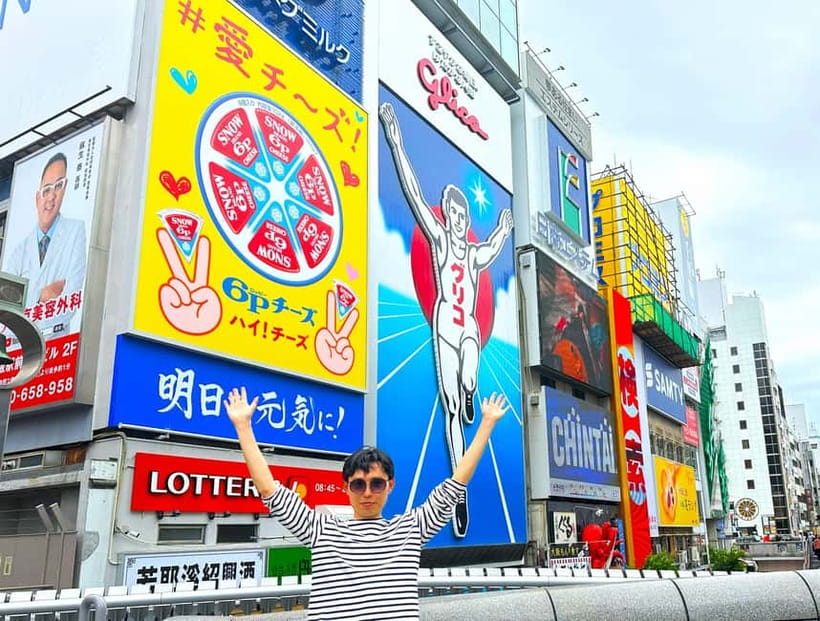
The tour begins with a photo stop at the famous Glico Man sign in Dotonbori. This is not a long sightseeing talk, but it is a practical start. You get the required Osaka picture out of the way, then move directly into the food and side streets.
Dotonbori can feel noisy and packed, especially around its main canal-side signs. That energy is part of the appeal, but it can also make a first visit confusing. A guide gives you a fixed starting point and helps you move through the area with a purpose instead of simply wandering from one display window to the next.
More Food Tours in Osaka
- Osaka: Shinsekai Food Tour with 13-15 Dishes at 5 Eateries
★ 4.8 · 2,204 reviews - Osaka Food Tour: 13 Dishes at 5 Local Eateries
★ 5.0 · 2,149 reviews - Hungry Osaka Street Food Tour:15 Tastings & 3 Drinks with a Local
★ 5.0 · 1,727 reviews
Eating your way through Dotonbori
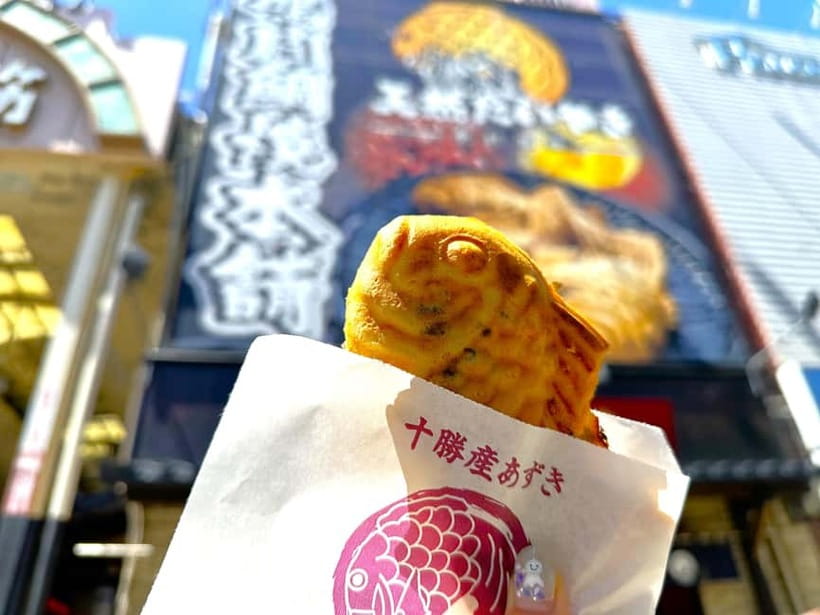
The first food portion lasts about 30 minutes. You can expect Osaka favorites such as takoyaki, takosen, and taiyaki, although the exact combination may change with the group and the available food stops.
Takoyaki is the soft, hot octopus-filled ball that Osaka is famous for. Takosen combines takoyaki with a crisp shrimp cracker, while taiyaki is a fish-shaped cake commonly filled with custard or sweet bean paste. One guest especially enjoyed discovering the crisp batter and custard filling of the fish-shaped dessert.
These foods are useful first tastes because they show how Osaka eats casually. You are not sitting down for a formal meal. You are trying small portions, learning what you like, and moving on before one dish fills you completely.
The food is not included in the $51 tour price. That arrangement has one advantage: you are not locked into a fixed menu. If you want to try more, you can order more. If you are already full, you can slow down. The downside is that the advertised price does not tell you the full cost of the evening.
Your guide can also help with ordering and basic Japanese phrases. Kaito was praised for sharing a small phrase guide, while other guides helped explain how to order, cook, and eat particular dishes. Those little language lessons can be useful later in Japan, especially when a small counter restaurant has no English menu.
A quiet turn into Ukiyo-Koji and Hozenji Temple
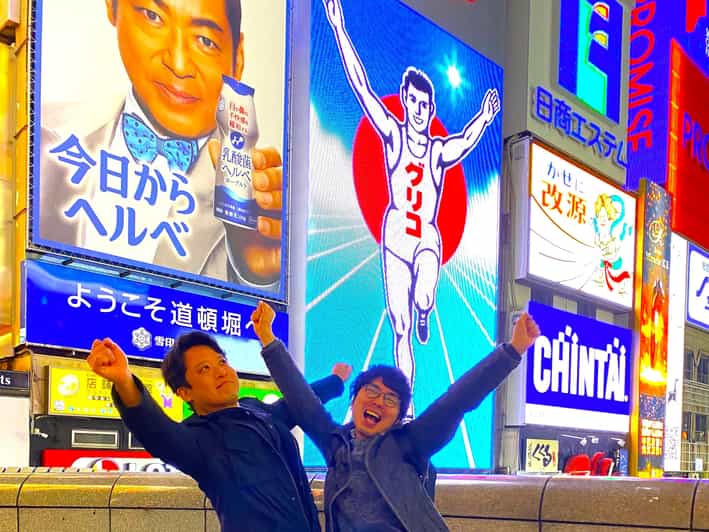
After the loud main streets, the walk turns toward Ukiyo-Koji and Hozenji Temple. This change of mood is one of the tour’s best features.
Ukiyo-Koji is a narrow lane with a more old-fashioned feel than the broad commercial streets nearby. You should not expect a large historical complex or a long temple visit. The scheduled stop at Hozenji Temple is about 15 minutes, but it gives the tour a needed pause.
Hozenji Temple sits remarkably close to the shopping and restaurant district. Its small scale and calm atmosphere contrast with the bright signs outside. The stop helps explain that Namba and Dotonbori are not only entertainment zones. They also contain religious spaces and small lanes that are easy to miss when you focus only on the big attractions.
This is also where the guide’s role matters most. A quick visit on your own might amount to a photograph and a glance. A guide can explain why the temple fits into the surrounding neighborhood and point out the streets worth remembering for a later walk.
Namba food stops and local choices
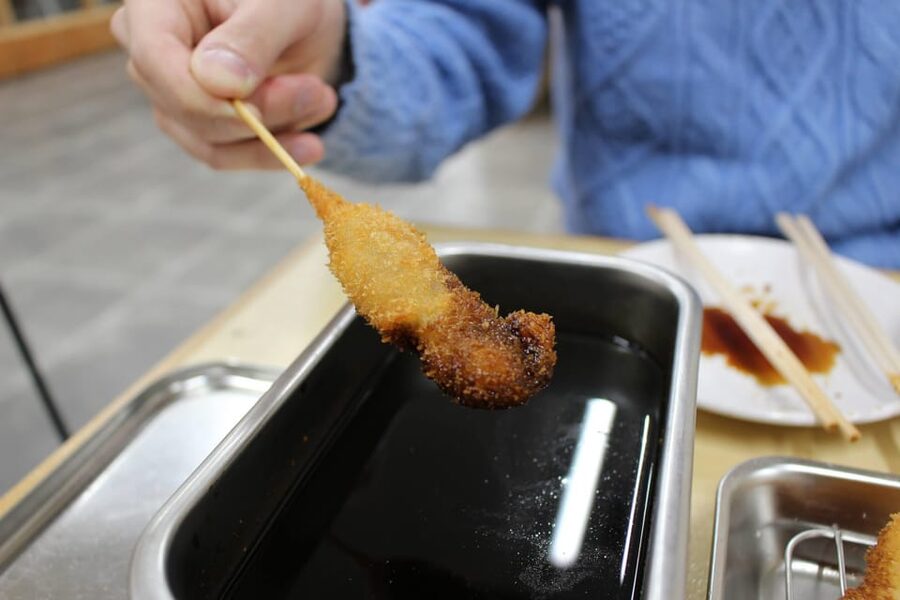
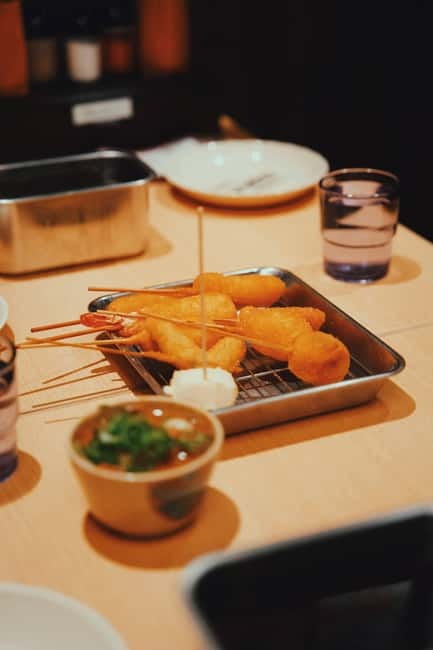
The tour then spends about 30 minutes tasting food in Namba. The choices can be savory, sweet, or a mix of both. Possible dishes include okonomiyaki, kushikatsu, doteyaki, pork buns, and apple candy.
Okonomiyaki is a filling savory pancake cooked with a range of ingredients. Kushikatsu consists of skewered and fried foods, while doteyaki is a slow-cooked beef dish associated with Osaka. Pork buns offer another easy snack, and apple candy shifts the meal toward something sweet and playful.
The strongest feature here is flexibility. Several guides asked what the group wanted to eat and adjusted the stops around those preferences. Some people wanted famous Osaka dishes. Others preferred sushi, ramen, udon, dumplings, tempura, onigiri, Kobe beef, or Japanese barbecue.
That flexibility can make the experience feel more personal than a fixed tasting menu. Hina, Hiro, Benoit, Maru, and Kaito were all praised for listening to food preferences or adjusting the pace. One guide even helped a family find anime shops during the wider visit to the area, showing that the tour can sometimes work as a practical introduction to Namba beyond food.
Still, you should not assume every named dish will appear. The description presents examples, not a guaranteed menu. Tell the guide at the start what you most want to try, especially if you are visiting Osaka only once.
A completely different kind of day out in Osaka:
- Osaka Go Karting Tour with Funny Costume
★ 5.0 · 2,658 reviews - Osaka Castle: Museum and Tower Entry Ticket
★ 4.5 · 2,380 reviews - Osaka: teamLab Botanical Garden Entry Ticket
★ 4.5 · 1,710 reviews - Osaka: Tea Ceremony Experience
★ 4.9 · 1,426 reviews
A second pass through Dotonbori
The final food section returns to Dotonbori for about 30 minutes of local snacks. This second look at the area makes sense. After your first stops, you will recognize more of what you are seeing, and the guide can take you beyond the most obvious storefronts.
Some groups sampled several kinds of Japanese cuisine, while others found small eateries that they would not have tried alone. Reports of sushi, ramen, beef, crab-filled buns, onigiri, tempura, and dumplings show how broad the food choices can be.
One useful benefit is help with crowd avoidance. Aki was praised for knowing good photo spots and choosing places where the group could avoid the longest lines. That does not mean the entire district becomes quiet. Dotonbori is still a busy entertainment area. It means you have someone who knows how to make better use of two hours.
The last 10 minutes are set aside for a final photo and guided walk before returning to the Starbucks meeting point. Ending where you began is convenient, especially if you plan to continue into the Namba nightlife area or return to your hotel.
How good is the guiding?
The guides are the heart of this experience. The strongest praise centers on friendliness, clear English, patience, local suggestions, and the ability to make visitors feel comfortable in small eateries.
Kaito receives repeated praise for his English, cultural explanations, useful Japanese phrases, and warm conversation. Hina is noted for adjusting food choices and giving practical ideas for other places to visit. Hiro is praised for patience and for matching food stops to personal restrictions. Fuka is described as funny, approachable, and easy to understand.
These details matter because ordering at a small Japanese restaurant can feel awkward if you cannot read the menu or explain what you want. A guide can bridge that gap and make the meal more relaxed.
The guide quality may vary from person to person, as it does with any activity using several guides. The experience depends less on a scripted speech and more on who leads your group. The good news is that the format leaves room for conversation. You can ask about food, Japanese customs, local neighborhoods, or later dining ideas.
The tour is offered in English and Japanese. Private and small-group options are available, which may be worth considering if you want more control over the pace or food choices.
Is $51 a fair price?
At $51 per person for two hours, this is not a cheap way to buy street food. You must pay separately for everything you eat and drink.
The value comes from the service around the food. You are paying for an English-speaking guide, help choosing dishes, assistance ordering, a planned route, cultural explanations, and access to places you might skip on your own. The guides also provide local recommendations that can help with the rest of your Osaka stay.
I think the price is easiest to justify for a first visit, a solo visitor who wants company, or anyone uneasy about ordering at small local places. It is harder to justify if you already know Dotonbori well, speak Japanese, and are comfortable choosing restaurants without help.
Because food is extra, set a spending limit before you start. You can tell the guide if you want small portions or prefer to focus on a few high-priority dishes. That keeps the experience enjoyable rather than turning the final bill into an unwelcome surprise.
Food restrictions and family suitability
The published conditions say vegan and gluten-free requests cannot be accommodated. You should treat that as the official rule and contact the provider before booking if your diet is strict.
At the same time, some guides have made genuine efforts with vegetarian and gluten-free requests. Hina helped one group find gluten-free meals, and another guide found vegetarian options. These examples are encouraging, but they do not replace a guarantee. Cross-contamination and limited menu choices may still be issues.
For children, the answer is mixed. Teenagers enjoyed the experience with Kaito, and the casual snacks can appeal to young people. However, one family specifically felt the evening was not ideal for children. The fast pace, crowded streets, hot food, and adult restaurant settings may suit older children better than small ones.
The activity is listed as wheelchair accessible. You should still confirm the exact route and food venues if your group needs step-free access at every stop, since individual eateries may differ.
Who should book this tour?
I would choose this tour early in an Osaka visit. It gives you a useful introduction to Dotonbori and Namba, then leaves you with ideas for returning on your own.
It is especially good for:
- First-time visitors who want help making sense of the area
- Food-focused visitors who want to try several Osaka specialties
- Couples and friends who prefer conversation to a formal group lecture
- Solo visitors who want a local companion for the evening
- Repeat visitors who have seen the Glico sign but missed the smaller lanes
- People who want restaurant and neighborhood tips for later
You may want to skip it if you are seeking a full meal included in the price, a long historical tour, or a guaranteed menu. The two-hour length also limits how much cultural explanation you can receive. One guest wished for more time to discuss Osaka’s food and culture, a fair criticism given how quickly the stops pass.
Practical tips for making the most of it
Arrive at the Starbucks meeting point a little early. Look for the yellow DeepExperience sign outside rather than searching inside the café.
Eat lightly beforehand. You will not receive a fixed meal, but the planned tastings can add up quickly, especially if you choose several savory dishes and dessert.
Wear comfortable shoes, even though the walking is described as limited. You will be moving through commercial streets and narrow lanes rather than sitting in one restaurant for two hours.
Tell the guide your priorities right away. If takoyaki is essential, say so. If you have already tried it, ask for something different. The more clearly you explain your preferences, the more useful the flexible format becomes.
Keep your phone ready at the start for the Glico Man picture. Then put it away now and then. The best part of this tour is not only collecting photographs. It is learning how the food stalls, small lanes, temples, and restaurants fit together.
Should you book the Dotonbori and Namba food tour?
Book it if you want a friendly local guide, several Osaka tastes, and a simple way to get oriented in the city center. The repeated praise for guides such as Kaito, Hina, Hiro, and Fuka suggests that personal attention is the main reason this tour works so well.
Skip it if you need vegan or gluten-free food guaranteed, want all food costs included, or prefer to explore independently. For most first-time visitors, the $51 fee is reasonable when you view it as a guided introduction rather than a prepaid dinner. Bring extra money for food, arrive hungry, and ask for the dishes and neighborhoods you care about most.
FAQ
How long does the Osaka street food tour last?
The tour lasts two hours.
Where does the tour start?
Meet outside the Starbucks Coffee TSUTAYA EBISUBASHI store. The guide will hold a yellow sign with the DeepExperience logo.
Where does the tour end?
The tour returns to the Starbucks Coffee TSUTAYA EBISUBASHI store.
Is food included in the tour price?
No. Food and drinks are not included, so you pay those expenses separately.
How much does the tour cost?
The listed price is $51 per person.
Which foods can I expect to try?
Possible foods include takoyaki, takosen, taiyaki, apple candy, pork buns, okonomiyaki, kushikatsu, and doteyaki. Other groups have also tried foods such as sushi, ramen, udon, dumplings, tempura, onigiri, beef, and Japanese barbecue.
Is the tour offered in English?
Yes. Live guiding is available in English and Japanese.
Can I book a private or small-group tour?
Yes. Private and small-group options are available.
Is the tour wheelchair accessible?
Yes, the activity is listed as wheelchair accessible.
Can the tour accommodate vegan or gluten-free diets?
The published information says vegan and gluten-free requests cannot be accommodated. Some guides have helped individual vegetarian and gluten-free diners, but you should confirm your needs before booking.
More 2-Hour Experiences
- Osaka: 2-Hour Nightlife District Walking & Local Food Culture
★ 5.0 · 199 reviews - 1.5〜2 Hours Traditional Kintsugi Work Shop in Namba Osaka
★ 5.0 · 75 reviews - Osaka 2-Hour Genuine Kendo / Samurai Experience In Japan
★ 5.0 · 65 reviews - Kyoto Gion: 2-Hour Geisha Culture & History Walking Tour
★ 5.0 · 1,186 reviews
Just added around Osaka
- Osaka Food Tour with 10 Classic Japanese Tastings & Drinks★ 5.0 · 38 reviews
- Osaka: Highlights & Hidden Gems Private Walking Tour★ 4.7 · 38 reviews
- Kyoto private tour (Shore excursion available from Osaka or Kobe port)★ 5.0 · 39 reviews
- Osaka Private Day Trip – Enjoy Your First-Time Visit to Osaka!★ 5.0 · 39 reviews
- Kyoto & Nara & Uji: Full Day Sightseeing Tour from Osaka or Kyoto★ 4.5 · 39 reviews
- Authentic SUSHI Course Cooking Class★ 5.0 · 39 reviews
- Osaka: Mind & Spirit Balance Temple Reiki Healing★ 5.0 · 41 reviews
- Osaka Afternoon Walking Tour with Osaka River Cruise★ 3.5 · 42 reviews
Food & Drink, compared.
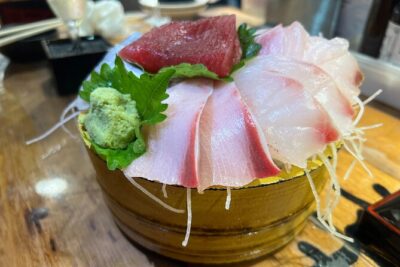
Shinjuku Food Tour (13 Dishes at 4 Local Eateries)
Read our review →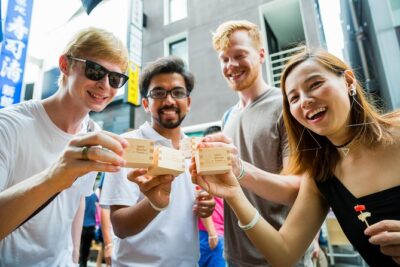
Tokyo Tsukiji Fish Market Food and Culture Walking Tour
Read our review →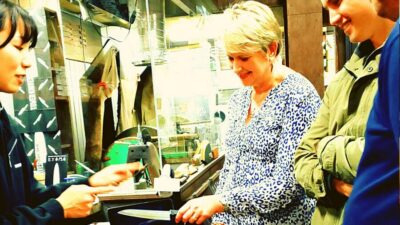
Shinsekai Food Tour with 13-15 Dishes at 5 Eateries
Read our review →
Osaka Food Tour: 13 Dishes at 5 Local Eateries
Read our review →
Shinjuku Food Tour (15 Dishes and 4 Eateries)
Read our review →
Best of Shinjuku: Izakaya Food Tour (4 Stops, 14+ Tastings)
Read our review →
Kyoto Night Foodie Tour in Gion (9+ dishes + 6 Sake tastings)
Read our review →
Hungry Osaka Street Food Tour:15 Tastings & 3 Drinks with a Local
Read our review →Browse the lists this tour appears in