
Reviewed · MUSEUMS
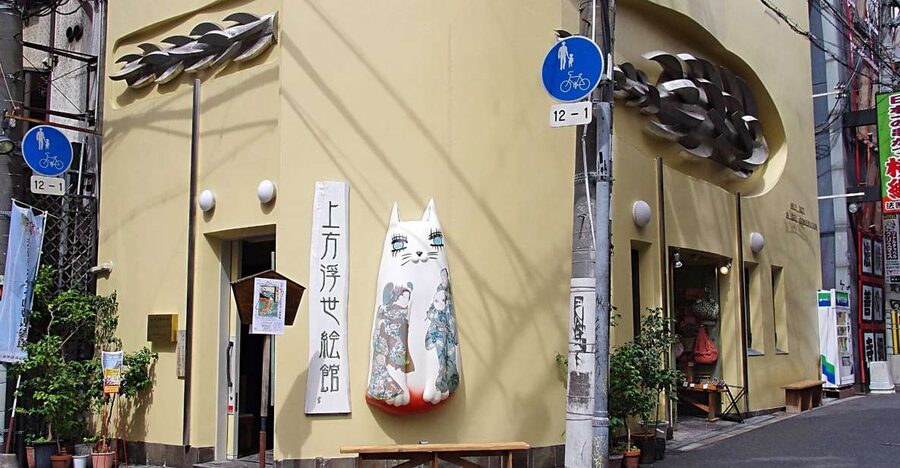
Kamigata Ukiyoe Museum:Ukiyo-e Woodblock Printing Experience
Ink, paper, and a carved block bring Osaka’s art to life. I like that this hands-on ukiyo-e workshop lets you use the museum’s original woodblocks, and I also like the friendly, patient instruction, including guidance from an instructor named Saya. You print three or four colors on quality Japanese paper, then take home the finished piece in a clear decorative file.
The price is only $5 per person, which makes it an easy addition to an Osaka day near Dotonbori. The main consideration is time: the session can be as short as 30 minutes, and it teaches by doing more than by giving a long art lecture. You will need to pay the separate museum admission fee, too.
In This Review
- Key Things to Know Before You Go
- Why This Short Osaka Activity Works
- Arriving Near Dotonbori and Entering the Museum
- Choosing Between Beginner, Intermediate, and Advanced
- What You Actually Do During the Printing Process
- Why Seeing the Gallery Matters
- The Souvenir You Take Home
- Price, Timing, and Private Group Value
- Who Will Enjoy This Workshop Most
- Practical Details That Affect Your Visit
- Should You Book the Kamigata Ukiyo-e Workshop?
- FAQ
- How much does the Ukiyo-e printing experience cost?
- How long does the workshop last?
- Which languages are available?
- Is the workshop private?
- Do I need previous woodblock printing experience?
- How many colors will I print?
- Where does the workshop take place?
- Do I sit on the floor?
- Can I take my artwork home?
- What happens if I arrive late?
- Is cancellation available?
- Is the workshop available over New Year?
Key Things to Know Before You Go
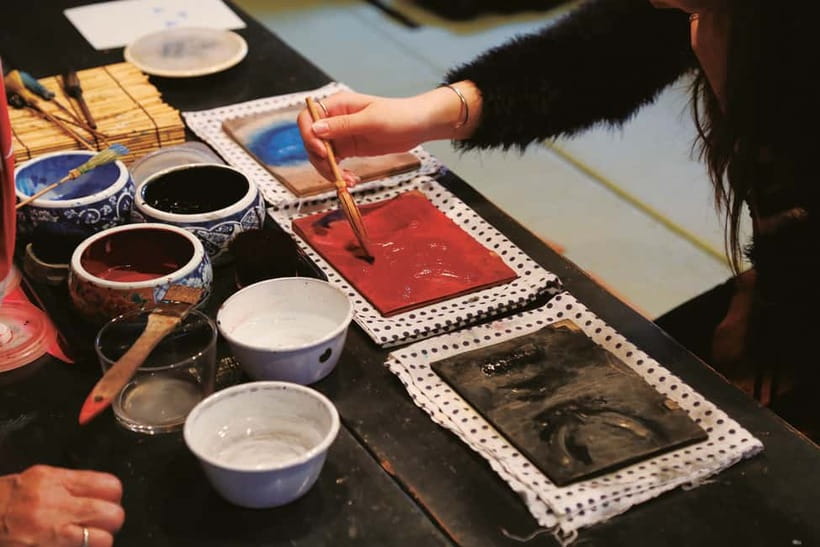
- Use original museum woodblocks: You are not working with a modern imitation kit. The blocks are part of the museum’s traditional printing setup.
- Choose your skill level: Beginner, intermediate, and advanced courses let you decide how much color and detail you want to handle.
- Print three to four colors: Each color adds another step, helping you understand why ukiyo-e requires patience and precision.
- Sit in a tatami room: The class takes place on the fourth floor, with a zabuton cushion and a few small stools available.
- Keep a real souvenir: Your completed print goes home with you in an original clear file.
- Expect a private class: Only one group is scheduled per class, so the instructor can focus on your work.
Why This Short Osaka Activity Works
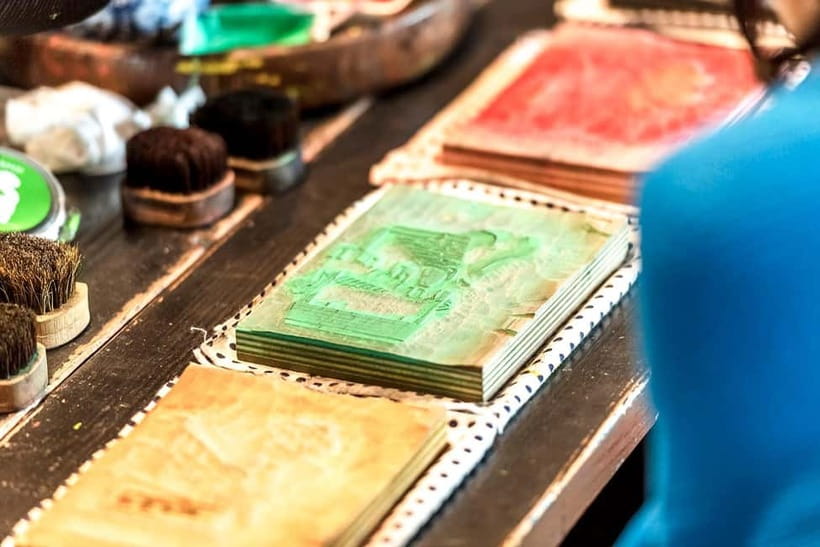
The Kamigata Ukiyo-e Museum workshop succeeds because it turns a museum subject into something you can feel under your hands. Instead of only looking at finished prints behind glass, you handle the basic tools and learn how pressure, color, and paper affect the final image.
That change in viewpoint matters. Ukiyo-e can look simple at first glance, with bold outlines and flat areas of color. Once you print even a small design yourself, you begin to notice how much depends on careful alignment and even rubbing. The artwork becomes less like a picture made in one sweep and more like a planned sequence of technical steps.
I especially like the balance between structure and freedom. An instructor guides you through the process, but you can experiment with painting methods, baren rubbing, and the pressure you apply. A beginner can make a pleasing print without previous experience, while someone who enjoys craft work can choose a more demanding course.
The class is also easy to fit into an Osaka itinerary. It lasts from 30 minutes to one hour, depending on the course and pace. That makes it a practical stop before or after exploring the old streets around Dotonbori. The workshop is not designed as a full-day art school, and that is part of its appeal. You get a real introduction without giving up half your sightseeing schedule.
More Craft Workshops in Osaka
- Osaka: Traditional Mochi Pounding Experience with Tasting
★ 4.9 · 306 reviews - 1.5〜2 Hours Traditional Kintsugi Work Shop in Namba Osaka
★ 5.0 · 75 reviews - 【For adult】Traditional Mochi Pounding Experience with Tasting
★ 5.0 · 67 reviews
Arriving Near Dotonbori and Entering the Museum
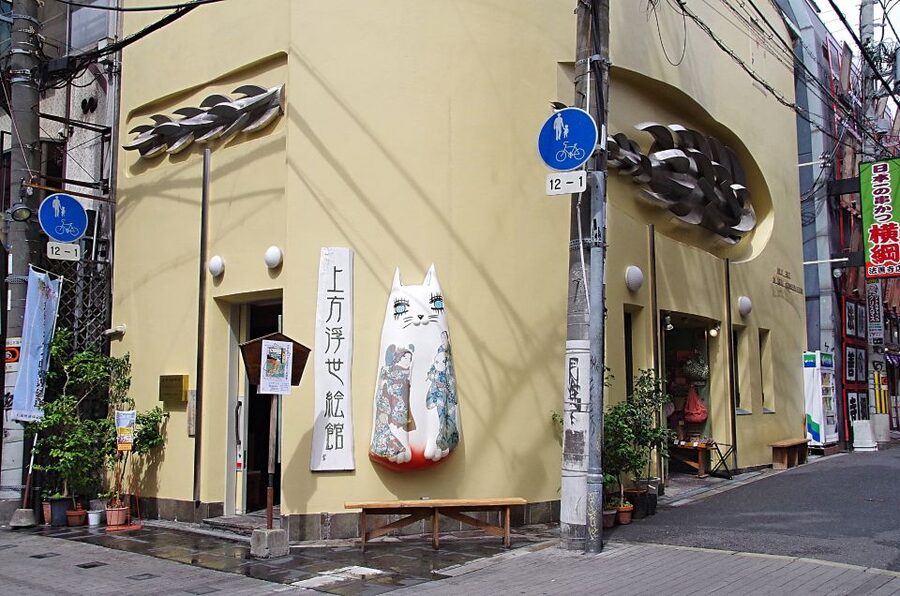
The museum is in Osaka’s old central district, just behind Dotonbori. That location gives the activity a useful rhythm: you can move from bright signs, food shops, and busy streets into a much quieter setting devoted to traditional printmaking.
The printing session takes place in a Japanese-style exhibition room on the fourth floor. You sit on a zabuton cushion in a tatami room, which adds a physical connection to traditional Japanese culture. Small stools are available, but there are only a limited number, so you should be prepared to sit on the floor unless one is free.
That seating arrangement is worth considering before you book. The activity is short, but sitting on a cushion may not suit everyone. The setting also means you should arrive ready to follow the room’s traditional feel rather than expecting a standard Western classroom with tables and chairs.
You need to pay the museum admission separately. I recommend seeing the collection either before or after the workshop, if your schedule allows. Several people who enjoyed the printing found that the gallery made more sense after they had tried the process themselves, while others preferred looking at the prints first to understand the goal.
Choosing Between Beginner, Intermediate, and Advanced
The three course levels give you a useful choice rather than forcing everyone into the same exercise.
The beginner course is the natural starting point if you have never handled a baren or printed from a woodblock. It is short, direct, and easy to follow. You paint the block, place the paper, and rub the back with the baren to transfer the image. The result is not just a practice sheet. You leave with a finished print that feels personal because you made the color and pressure decisions yourself.
The intermediate course adds more challenge while keeping the same basic process. One participant chose this level without any prior woodblock painting experience and found the instructor’s instructions clear enough to follow. That suggests you do not need to be an expert before stepping up, though you should be comfortable with a little more detail and a few more decisions.
The advanced course uses more colors and therefore more steps. One person who tried it described it as difficult but enjoyable, which is a fair way to think about it. It is not simply a longer beginner class. Each extra color brings another chance to misapply paint, use uneven pressure, or lose alignment.
If you are curious about all three, you may want to ask the museum about booking more than one session. A previous participant wished to try every level but was unsure if earlier experience was required. The available information indicates that the advanced course can be taken as a first course, although it will demand more concentration.
What You Actually Do During the Printing Process
The heart of the class is the sequence of printing. You work with three or four colors on high-quality Japanese paper, using the museum’s original woodblocks.
You begin by applying color to the carved block. This is where the workshop becomes more than a simple souvenir activity. The amount of paint and the way you spread it affect how the finished area looks. You can try different painting techniques, but the instructor remains nearby to help you avoid the most common mistakes.
Next comes the paper and baren. The baren is used to rub the back of the paper so the ink transfers from the block. Pressure is important. Too little may produce a weak image, while too much can create an uneven result. This is a small movement, but it requires attention, and you quickly see why traditional printing is a skilled craft.
You repeat the process for each color. The print develops in stages rather than appearing all at once. That slow build is the most valuable lesson in the activity. You start to understand the role of printing in ukiyo-e production and why a finished image could require careful planning across several blocks and colors.
The class is guided rather than rushed. Instructors speak Japanese and English, and the teaching style has been praised for being warm and encouraging. Saya, in particular, has been described as friendly, patient, and attentive to small details. Even with a slight language barrier, the practical nature of the task makes the instructions easy to follow.
A completely different kind of day out in Osaka:
- Osaka Go Karting Tour with Funny Costume
★ 5.0 · 2,658 reviews - Osaka Castle: Museum and Tower Entry Ticket
★ 4.5 · 2,380 reviews - Osaka: Shinsekai Food Tour with 13-15 Dishes at 5 Eateries
★ 4.8 · 2,204 reviews - Osaka Food Tour: 13 Dishes at 5 Local Eateries
★ 5.0 · 2,149 reviews
Why Seeing the Gallery Matters
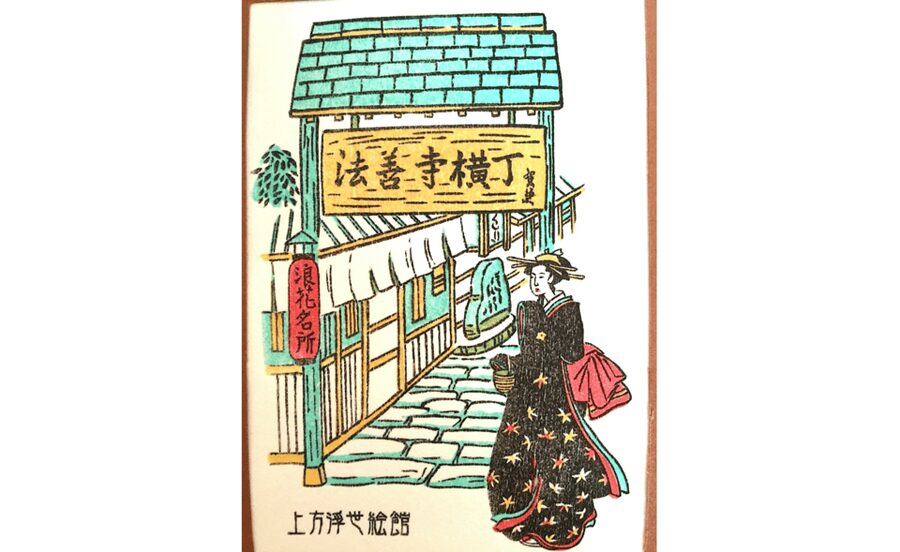
You can enjoy the workshop on its own, but the museum collection gives it more meaning. The prints on display show what the process looks like when many more blocks and far greater precision are involved.
After making your own three or four-color design, look closely at the museum pieces. Notice the clean edges, layered colors, fine lines, and areas where the image depends on exact registration. Your own print gives you a modest reference point. You may not reproduce the complexity of a professional ukiyo-e print, but you will have felt the basic problems that the artist and printer had to solve.
Some people prefer to visit the gallery before printing. That approach lets you see the finished art and then watch the method unfold in your own hands. Others find the reverse order more rewarding because the workshop gives them specific things to look for afterward.
Either choice works. Allow enough time to see the museum rather than treating admission as a minor extra. The activity is about making a souvenir, but the museum is where you gain the broader artistic context.
The Souvenir You Take Home
At the end, you receive your finished artwork in an original clear file. This is a small but useful touch. The paper has some protection on the way back to your hotel, and you do not have to search for a sleeve or folder in Osaka.
The souvenir also has more meaning than a mass-produced print from a shop. Your image may show small variations in color, pressure, or texture. Those differences are not failures. They record your hand in the process.
I would still handle the print carefully. The supplied clear file helps, but it is not described as a rigid case. Keep it flat and protected from spills during the rest of your day.
The finished piece is especially appealing for anyone who wants a travel memento connected to a real local craft. You are not simply buying an image of Japan. You are taking home a print made through the same basic method you were shown in the museum.
Price, Timing, and Private Group Value
At $5 per person, the workshop offers strong value, even with the separate museum admission. For a short activity, the price is low enough to fit into most Osaka budgets, yet the experience includes an instructor, materials, original woodblocks, Japanese paper, and a finished souvenir.
The private-group format improves the value. Only one group is available in each class, so you are not sharing the instructor’s attention with a large room. That matters when you are learning how much paint to use or how firmly to rub the baren.
The session lasts 30 minutes to one hour. The beginner course may feel quite brief if you want a long history lesson or a detailed tour of the collection. One participant called the activity quick but still engaging, which captures the tradeoff well.
For the best use of your time, schedule the museum and workshop together. If you are already in the Dotonbori area, the short duration makes it easy to add without a major change to your plans. Do not arrive late, though. If you have not arrived within 30 minutes of your reserved time, the booking is treated as cancelled and no refund is provided.
Free cancellation is available up to 24 hours in advance, and you can reserve now and pay later. Those terms help if your Osaka plans are still shifting, but they do not protect you from a late arrival.
Who Will Enjoy This Workshop Most
This activity suits couples, families, solo visitors, and small private groups who want to make something rather than only look at it. You do not need previous experience for the beginner course, and the instructor provides guidance in Japanese and English.
It is also a good choice for anyone who has seen ukiyo-e before but never understood how the colors were built. The process is simple enough to grasp quickly, yet technical enough to change how you view the museum’s collection.
The intermediate and advanced options are better for people who enjoy careful handwork. They may also suit repeat visitors who want to return and try a different level. The advanced course is more demanding, but it remains affordable and uses the same basic method.
I would be more cautious about booking it if you want a long cultural lecture, a full demonstration by a master printer, or a spacious modern studio. This is a practical session in a tatami room. You learn mainly through your own hands, with the instructor answering questions as you work.
Practical Details That Affect Your Visit
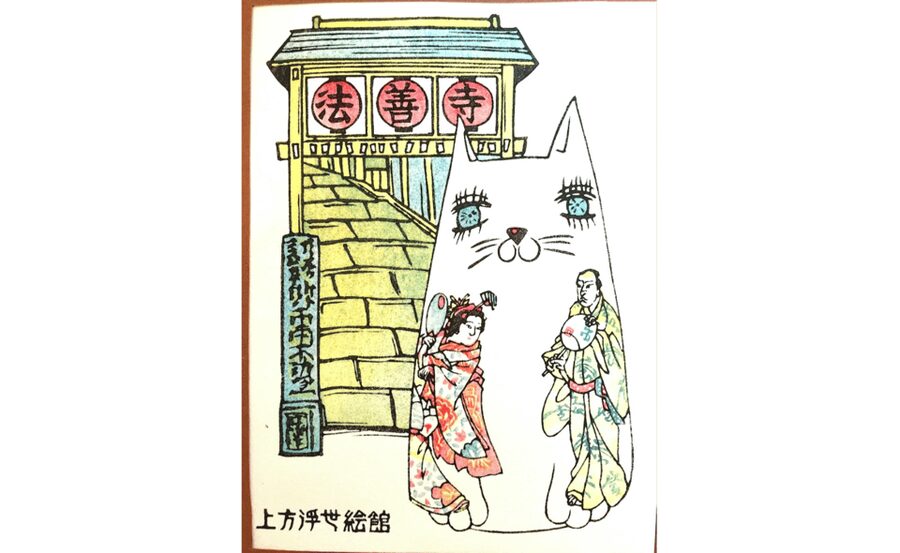
The workshop is on the fourth floor, in the Japanese-style exhibition room. Plan for floor seating on a zabuton, since the available stools are limited.
The instructor can teach in English or Japanese. The private class format means the experience is limited to one group per class, which supports personal help but may also mean fewer available starting times. Check the schedule before building it into a tightly timed day.
The activity is not available from December 29 through January 3 because of the New Year holiday closure. If you are visiting Osaka during that period, do not assume the regular schedule applies.
The separate museum admission is required. Include that cost when comparing the workshop with other activities, though the combined visit remains inexpensive for the amount of time and the take-home print.
Should You Book the Kamigata Ukiyo-e Workshop?
I would book it if you want a low-cost, authentic craft activity near Dotonbori. The original woodblocks, three or four-color process, private instruction, and finished souvenir give the session substance well beyond its $5 price.
Choose beginner if you want a relaxed introduction. Consider intermediate or advanced if you enjoy detail and do not mind a little trial and error. Visit the museum collection before or after so you can connect your own print with the more intricate works on display.
Skip it only if floor seating is a serious problem or if you are seeking an extended art lesson. For most people, this is a short, friendly, useful way to understand ukiyo-e by doing rather than simply looking.
FAQ
How much does the Ukiyo-e printing experience cost?
The experience costs $5 per person. A separate admission fee for the Kamigata Ukiyo-e Museum is required.
How long does the workshop last?
The activity lasts between 30 minutes and one hour. Starting times depend on availability.
Which languages are available?
Instruction is available in English and Japanese.
Is the workshop private?
Yes. Only one group is scheduled in each class.
Do I need previous woodblock printing experience?
No. Beginner, intermediate, and advanced courses are available, and the instructor guides you through the process. The advanced course can also be taken as a first course, although it includes more colors and steps.
How many colors will I print?
You will print three to four colors onto Japanese paper.
Where does the workshop take place?
The experience takes place in a Japanese-style exhibition room on the fourth floor of the museum.
Do I sit on the floor?
Yes. You sit on a zabuton cushion in a tatami room. A limited number of small stools are available.
Can I take my artwork home?
Yes. You receive your finished print in an original clear file to take home.
What happens if I arrive late?
If you do not arrive within 30 minutes of your reservation time, the reservation is considered cancelled and no refund is provided.
Is cancellation available?
Yes. You can cancel up to 24 hours in advance for a full refund. You can also reserve the activity and pay later.
Is the workshop available over New Year?
No. The experience is unavailable from December 29 through January 3.
More Museum Visits
- Osaka: Osaka Castle & Historical Museum Guided Tour
★ 4.8 · 28 reviews - Tokyo: teamLab Planets TOKYO Digital Art Museum Entry Ticket
★ 4.6 · 9,779 reviews - Tokyo: Samurai Ninja Museum Guided tour and Experience
★ 4.6 · 1,010 reviews - Kyoto: Tea Museum Tickets and Matcha Grinding Experience
★ 4.9 · 739 reviews
Just added around Osaka
- Osaka Food Tour with 10 Classic Japanese Tastings & Drinks★ 5.0 · 38 reviews
- Osaka: Highlights & Hidden Gems Private Walking Tour★ 4.7 · 38 reviews
- Kyoto private tour (Shore excursion available from Osaka or Kobe port)★ 5.0 · 39 reviews
- Osaka Private Day Trip – Enjoy Your First-Time Visit to Osaka!★ 5.0 · 39 reviews
- Kyoto & Nara & Uji: Full Day Sightseeing Tour from Osaka or Kyoto★ 4.5 · 39 reviews
- Authentic SUSHI Course Cooking Class★ 5.0 · 39 reviews
- Osaka: Mind & Spirit Balance Temple Reiki Healing★ 5.0 · 41 reviews
- Osaka: Gluten-Free Ramen and Gyoza Cooking Class★ 5.0 · 42 reviews
Museums, compared.

teamLab Planets TOKYO Digital Art Museum Entry Ticket
Read our review →
Samurai Ninja Museum Guided tour and Experience
Read our review →
Tea Museum Tickets and Matcha Grinding Experience
Read our review →
Skip the lines Basic Ticket at SAMURAI NINJA MUSEUM KYOTO
Read our review →
Ninja Experience (Family Friendly) at Samurai Ninja Museum TOKYO
Read our review →
Tokyo Studio Ghibli Museum and Ghibli Film Appreciation Tour
Read our review →
Geiko Maiko Dance of Kyoto & Visits of Gion Museum
Read our review →Browse the lists this tour appears in