
Reviewed · TRADITIONAL CRAFT WORKSHOPS
Kintsugi Experience: Art of Golden Joinery in Tokyo
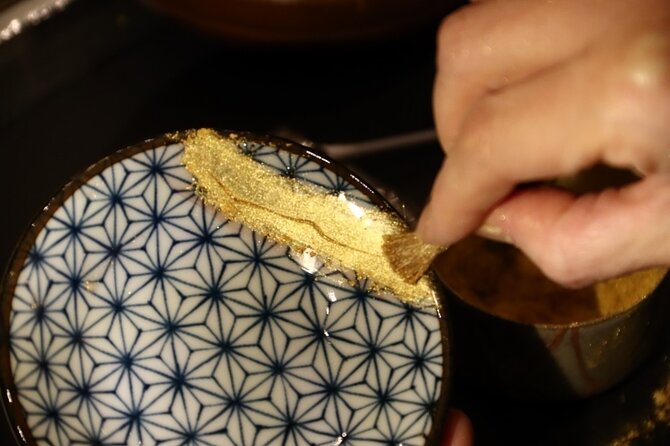
Broken pottery gets a second life here. In Tokyo’s Minami-Aoyama neighborhood, you learn the basics of kintsugi, the Japanese craft of repairing cracked ceramics with lacquer and gold. I like the clear, hands-on format and the chance to take home the plate you repair. I also like that the lesson connects the technique with Japanese ideas about beauty, age, and imperfection. The main drawback is the strict booking policy: this experience is non-refundable and cannot be changed, even if you accidentally choose the wrong date.
The class lasts about one hour, so it fits neatly into a Tokyo day. You meet at the TNCA Minami-Aoyama Studio, put on a traditional samue craft garment, and work with a plate supplied by the studio. The setup suits beginners, including people who do not think of themselves as artistic, though the studio can be difficult to find and arriving early is wise.
In This Review
- Key points to know before booking
- Why kintsugi makes a memorable Tokyo activity
- Meeting the class in Minami-Aoyama
- Putting on the samue and learning the idea
- Repairing your plate, step by step
- Taking home a repaired Japanese souvenir
- Is the one-hour format good value at $59.69?
- Who will enjoy this class most?
- How this fits into a Tokyo day
- Booking details that deserve attention
- Should you book the Kintsugi Experience?
- FAQ
- Where does the kintsugi class take place?
- How long does the experience last?
- What do I repair during the class?
- Is the equipment included?
- Can children attend?
- Is hotel pickup included?
- Can I cancel or change my booking?
Key points to know before booking
- You repair a studio-provided plate: Personal pottery is not allowed, so you do not risk an important family cup or souvenir.
- You wear a traditional samue: The simple craftsperson’s garment adds a distinctly Japanese touch to the lesson.
- The class is short but hands-on: In about one hour, you learn the basic process and leave with your own repaired piece.
- Master Taku may teach the 11:00am class: The owner and master artisan is often present, but his participation is not guaranteed for every session.
- The class is designed for beginners: Clear demonstrations, video examples, and patient assistance help you follow each step.
- Plan your arrival carefully: The meeting point is in Minami-Aoyama, and children under six cannot enter the atelier for safety reasons.
Why kintsugi makes a memorable Tokyo activity
Kintsugi is more than a decorative pottery lesson. The central idea is that an object’s cracks and repairs become part of its story. Instead of hiding damage or throwing a broken item away, the repair gives it a new look and a visible past.
That idea gives the class more weight than a standard souvenir-making activity. You are not simply painting a plate or assembling a keepsake. You are learning why a repaired object can be valued more for its history and character.
The gold lines are the feature everyone notices first. They turn a flaw into a design element. The lesson also introduces related Japanese aesthetic ideas, including wabi-sabi, which values imperfection, simplicity, and the marks of time.
You should keep your expectations realistic. This is an introduction to kintsugi, not professional training in traditional restoration. The studio supplies a plate and guides you through a basic technique that can be completed during a short class. That makes it approachable, but it also means you will not master every part of the craft in one visit.
More Craft Workshops in Tokyo
- Tokyo Shinjuku Chopsticks Making Class
★ 5.0 · 1,763 reviews - Authentic Pure Gold Kintsugi Workshop with Master Taku in Tokyo
★ 5.0 · 217 reviews - Tokyo: Knife Making Workshop (Sharpening, Engraving)
★ 4.9 · 153 reviews
Meeting the class in Minami-Aoyama
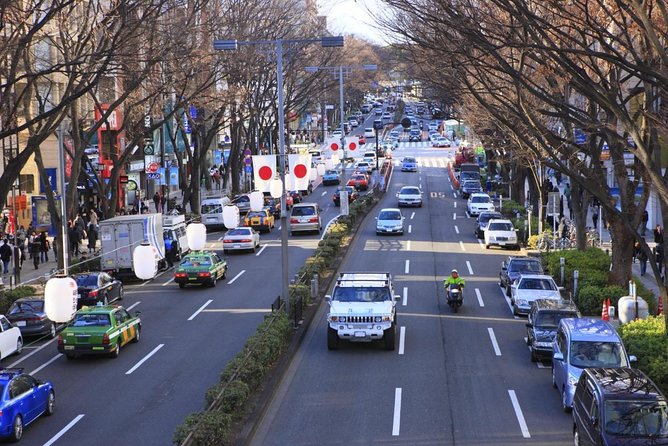
You make your own way to TNCA Minami-Aoyama Studio at 3-chōme-8-2 Minamiaoyama, Minato City, Tokyo. The meeting point is near public transportation, with Omotesando listed as the itinerary stop and nearby area.
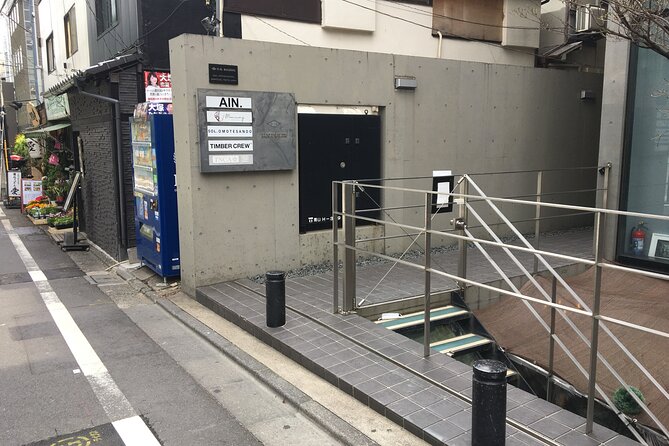
Give yourself extra time to locate the studio. The setting is in a central part of Tokyo, but the entrance may not be obvious, and finding the right atelier is one of the few repeated practical cautions connected with this experience. A calm arrival matters because the class begins on time and the working space is small.
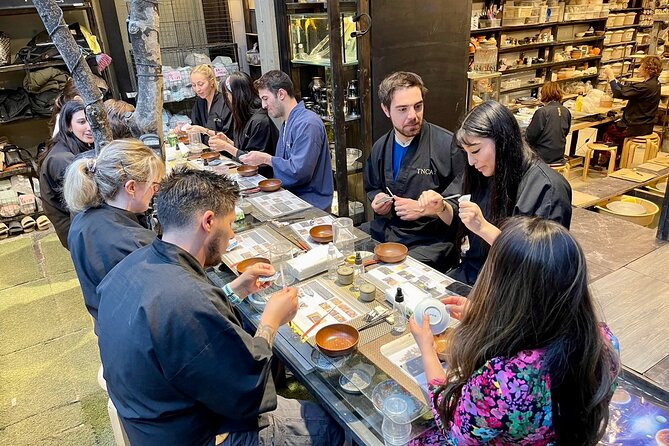
The class is described as capped at no more than 10 people during the lesson. The additional booking information gives a maximum of 20 for the activity, so the exact number may depend on the session. Either way, this is not a large sightseeing group. You should receive direct attention while working, especially during the parts that require careful handling.
One piece of advice is especially useful: do not arrive six minutes before the start and expect a relaxed welcome. One poor experience involved a late arrival just before class, difficulty finding the location, and an initially unhelpful reception from the instructor. The assistant eventually helped, but the lesson began on the wrong foot. Arriving early gives you time to find the door, settle in, and start with a better mood.
Putting on the samue and learning the idea
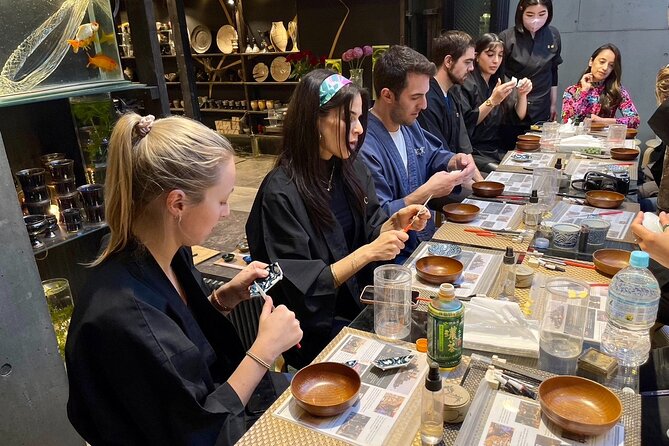
After meeting the instructor and other members of the class, you put on a samue. This is a traditional Japanese work garment associated with craftspeople and practical work. It is a small detail, but it helps make the activity feel like a workshop rather than a casual craft table.
The instructor explains the cultural background of kintsugi before or alongside the practical work. You learn why breakage is not treated simply as failure and how repair can become part of an object’s identity.
That introduction is one of the strongest parts of the experience. The technique makes more sense once you understand the thought behind it. You begin to see the gold not as camouflage, but as a deliberate celebration of the repaired seam.
The teaching is aimed at an international audience. English-speaking participants have found the explanations accessible, and the instructor is described as speaking very good English. Video examples and easy-to-copy demonstrations are also used, which helps if a particular step is unfamiliar.
At the 11:00am class, you may have the chance to meet Master Taku. He is described as the owner and master artisan, and his friendly, encouraging approach receives particular praise. Still, do not book solely on the promise of a personal lesson from him, since the class may be led by one of his staff members.
Repairing your plate, step by step
The studio supplies a ceramic plate for each participant. This is a practical advantage. You do not need to pack fragile pottery from home, and you are not asked to risk a valuable personal object. Personal items are not allowed for the lesson.
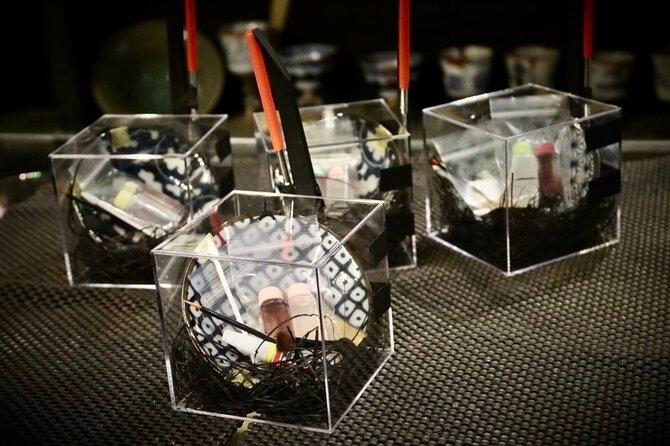
The exact sequence of tools and materials is not fully specified, but the workshop includes all necessary equipment and uses lacquer mixed with gold. Your teacher demonstrates the process, then helps you apply it to the supplied plate.
Expect close concentration rather than fast-paced entertainment. The work calls for care, and the short class gives you enough time to try the basic method without turning the activity into an all-day commitment. One of the pleasures is watching the piece change as the repair lines become visible.
You do not need to be an artist. The class has been designed for beginners, and the instruction is broken into manageable steps. The teacher and assistants check each person’s work and offer help when needed. Several comments describe the staff as patient, kind, and encouraging, with enough guidance to keep the process comfortable without taking over.
That balance matters. A craft class can be frustrating if the instructor simply demonstrates and walks away. Here, the format allows you to create the piece yourself while still receiving personal support. You leave with a plate that shows your own effort, not a finished object made entirely by someone else.
A completely different kind of day out in Tokyo:
- Mt Fuji and Hakone 1-Day Bus Tour Return by Bullet Train
★ 5.0 · 26,383 reviews - 1-Day Tokyo Bus Tour
★ 5.0 · 14,250 reviews - Tokyo: TOKYO SKYTREE® Admission ticket
★ 4.5 · 11,192 reviews - Tokyo: teamLab Planets TOKYO Digital Art Museum Entry Ticket
★ 4.6 · 9,779 reviews
Taking home a repaired Japanese souvenir
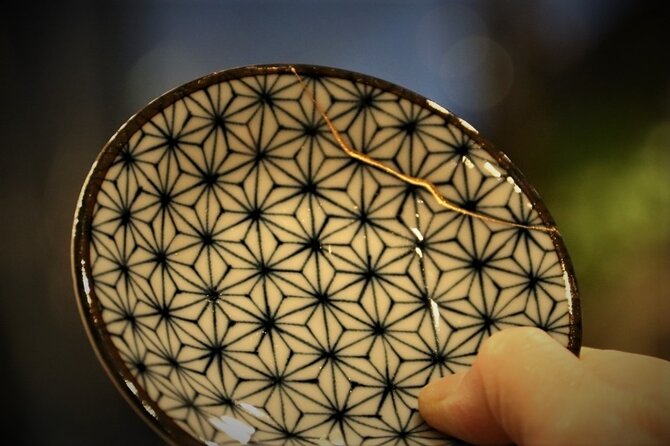
The plate is included in the price and becomes your souvenir at the end of the session. That makes the experience more satisfying than a demonstration where the result stays behind in the studio.
The finished object will be handmade and personal. Do not expect a factory-perfect piece. The charm is in the visible repair and the fact that you made it during your time in Tokyo.
The studio also pays attention to packing the piece for the journey home. That is important because pottery is not the easiest souvenir to carry. You should still handle it carefully once it is in your luggage, but the packing is intended to make transport practical.
The finished plate can also prompt a useful change in how you treat objects at home. After learning the basic idea, you may look differently at a cracked mug or chipped bowl instead of immediately throwing it away. The class does not turn you into a professional restorer, but it can give you a lasting appreciation for repair.
Is the one-hour format good value at $59.69?
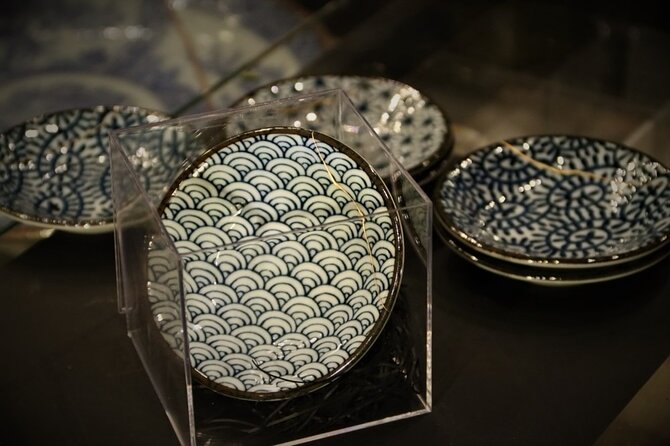
At $59.69 per person, this is not the cheapest one-hour activity in Tokyo. You are paying for more than the raw materials, though. The fee includes the lesson, the plate you work on and take home, all equipment, taxes, and handling charges.
The value is strongest if you want a cultural activity with a physical result. A standard sightseeing stop may give you photographs, while this class gives you a souvenir linked to a specific idea in Japanese art. The guided instruction also removes the need to buy materials or figure out the process yourself.
The short duration improves the value for many visitors. You can fit the class between other plans in central Tokyo, and you are not giving up half a day for a craft you may or may not enjoy. Couples, friends, and parent-child pairs can share the activity while still making individual pieces.
The value is weaker if you want advanced instruction, a large finished vessel, or the chance to repair your own treasured pottery. The studio provides a plate, and the lesson is an introductory experience. You are buying a focused cultural activity, not a full apprenticeship.
Group discounts may be available, which can make the cost more attractive for a party. Check the current terms before booking, since the exact discount is not specified here.
Who will enjoy this class most?
I would recommend this experience to you if you enjoy creative activities, Japanese design, or thoughtful souvenirs. It also works well for people who want a quieter break from Tokyo’s crowded streets and major attractions.
You do not need previous pottery experience. The instruction is designed for beginners, and the process is described as simple to follow. If you are nervous about making something imperfect, the subject itself offers a helpful reminder: imperfections are part of the finished object.
Couples can work side by side, and families with older children may find it a memorable shared activity. Children under six cannot enter the atelier for safety reasons, so this is not suitable for very young children. The information does not specify a minimum age above six, so you should confirm suitability for a particular child if needed.
The class also suits visitors who prefer English instruction. The instructor and staff can explain the process clearly in English, and visual demonstrations provide another layer of support.
You may want to skip it if you dislike careful handwork, have very little tolerance for a fixed schedule, or want to use your own broken pottery. It is also a poor choice for anyone who might need to change plans, since the booking is non-refundable and cannot be amended.
How this fits into a Tokyo day
The activity begins and ends at the Minami-Aoyama studio. There is no hotel pickup or drop-off, and food and drinks are not included. Plan it as a stand-alone stop rather than a tour that carries you between sights.
The Omotesando area makes the class easy to pair with other central Tokyo plans, but the supplied details do not provide a full walking route or exact transit instructions. Use public transportation and allow extra time for the final approach to the studio.
A morning booking can work particularly well. The 11:00am session may offer the chance to meet Master Taku, and finishing after about an hour leaves much of the day open. Just remember that the reference to Master Taku applies specifically to the 11:00am class and should not be treated as a guarantee.
The capped format is useful here. Kintsugi needs concentration, and a smaller class gives the instructor a better chance to look at each person’s work. The activity has a maximum of 20 overall, while the lesson description refers to a group of no more than 10, so ask about the expected class size if that detail matters to you.
Booking details that deserve attention
Confirmation is sent within 48 hours of booking, subject to availability. The experience is non-refundable and cannot be changed for any reason, including an accidental date selection. Check the date, time, number of people, and meeting point before paying.
If the provider cancels because the minimum number of participants is not reached, you are offered another date or experience, or a full refund. That is different from a customer cancellation, which does not qualify for a refund.
You receive a mobile ticket, and group discounts are listed as available features. The activity is near public transportation, and most people can participate, though the atelier’s under-six age restriction is firm.
The activity is provided by Beauty of Japan. It begins and ends at the same studio, so you are responsible for getting there and arranging your onward plans.
Should you book the Kintsugi Experience?
I would book this if you want a compact, creative Tokyo activity with cultural meaning and a souvenir you actually make yourself. The strongest reasons are the patient instruction, accessible English explanations, beginner-friendly process, and the chance to understand the philosophy behind the gold repair rather than simply copying a technique.
The $59.69 price is reasonable for a guided lesson that includes materials, equipment, and the finished plate, though it is not a bargain activity. The biggest risks are practical: finding the studio, arriving late, and losing your money if you select the wrong date.
Check the location carefully, arrive early, and treat the class as an introduction rather than professional training. If those conditions suit you, this is a thoughtful way to spend an hour in Tokyo and bring home a small reminder that broken does not always mean worthless.
FAQ
Where does the kintsugi class take place?
The experience takes place at TNCA Minami-Aoyama Studio, 3-chōme-8-2 Minamiaoyama, Minato City, Tokyo 107-0062, Japan.
How long does the experience last?
The lesson lasts approximately one hour.
What do I repair during the class?
The studio provides a ceramic plate for you to use and take home. Personal pottery items are not allowed.
Is the equipment included?
Yes. The lesson fee includes all necessary equipment, as well as the plate, taxes, fees, and handling charges.
Can children attend?
Children under six cannot enter the atelier because of the establishment’s safety rules. The information states that most people can participate but does not provide further age guidance.
Is hotel pickup included?
No. You make your own way to the Minami-Aoyama studio. Hotel pickup and drop-off are not included.
Can I cancel or change my booking?
No. The experience is non-refundable and cannot be changed for any reason. If the provider cancels because the minimum number of participants is not met, you may receive a different date or experience, or a full refund.
Just added around Tokyo
- Tokyo 6hr Instagram Highlights Private Tour with Licensed Guide★ 5.0 · 38 reviews
- Tokyo Small Group Tour with Guide★ 4.5 · 38 reviews
- Tokyo Sumo Experience with Live Show & Audience Challenge★ 5.0 · 38 reviews
- Japanese Food Cooking Class in Asakusa, Tokyo★ 5.0 · 39 reviews
- Very popular in Harajuku♡Animal petting zoo★ 4.6 · 39 reviews
- Ramen Making from Scratch with Tokyo Mom(Vegan Option Available)★ 5.0 · 39 reviews
- Tokyo JDM Night: 600hp C63s AMG Edition 1 (Private)★ 4.9 · 39 reviews
- Tokyo: Kimono Rental inside Shinjuku Gyoen National Garden★ 4.9 · 39 reviews
Traditional Craft Workshops, compared.
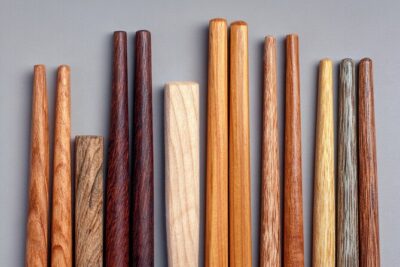
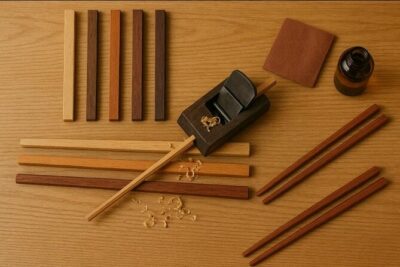
Chopsticks Making Workshop in Gion with Engraving Option
Read our review →
Authentic knife making experience at a blacksmith in Kyoto
Read our review →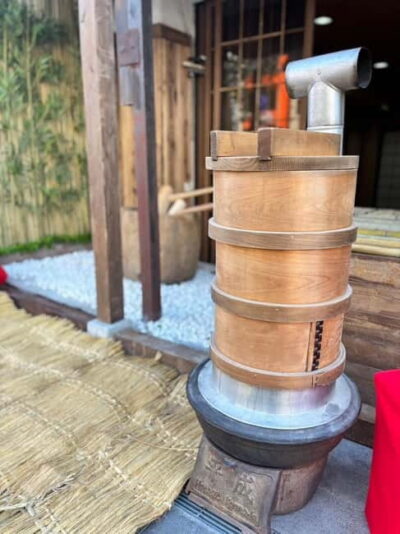
Traditional Mochi Pounding Experience with Tasting
Read our review →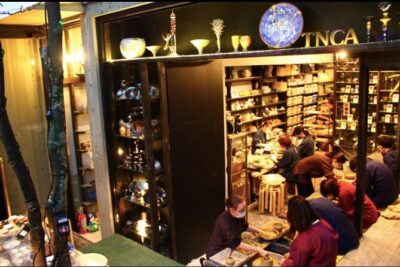
Authentic Pure Gold Kintsugi Workshop with Master Taku in Tokyo
Read our review →
Roketsu dyeing experience: M course Roketsu Dyeing Experience
Read our review →
Browse the lists this tour appears in