
Reviewed · GEISHA & GION DISTRICT TOURS
Full-Day Tour from Kanazawa: Samurai, Matcha, Gardens and Geisha
Kanazawa rewards slow exploration. This nine-hour walking tour links the city’s samurai homes, castle grounds, Kenrokuen Garden, matcha tea houses, and geisha districts in one well-planned day. I especially like the small maximum of 15 people, which gives the guide room to answer questions, and the included matcha with wagashi sweets at Gyokusen-an, where you look across an old garden while taking a proper break. The catch is simple: this is a serious walking day, with some groups covering roughly 10 to 12 kilometers.
I also like the way the route connects Kanazawa’s past rather than treating each sight as a separate photo stop. You move from low-ranking samurai homes to castle power, then into tea-house culture and preserved geisha rooms. The main consideration is lunch: it is not included, and although the guide offers restaurant suggestions, you choose and pay for your own meal during the one-hour break.
In This Review
- Key points to know before booking
- Why this route works so well in Kanazawa
- Ashigaru Museum: starting below the samurai elite
- Nagamachi: samurai streets with a human scale
- Oyama Shrine and the unusual brick gate
- Gyokusen-an: the tour’s gentlest hour
- Kanazawa Castle: a short look at feudal scale
- Kenrokuen: the visual centerpiece
- Higashi Chaya: traditional tea-house culture
- Ochaya Shima: inside a preserved geisha house
- Kazuemachi: a quieter final district
- The walking demand is the main decision
- Who will get the most from this tour
- Booking details and cancellation terms
- Should you book Samurai, Matcha, Gardens and Geisha?
- FAQ
- Where does the Kanazawa walking tour begin?
- Where does the tour finish?
- How long does the tour last?
- Is lunch included?
- What is included in the tour price?
- How many people can join the tour?
- Can I cancel for a full refund?
Key points to know before booking
- About 10 to 12 kilometers on foot: This is a full walking tour, not a bus trip with short walks between stops.
- A strong first-day introduction: The route covers major Kanazawa sights while explaining how the city developed as an alternative to Kyoto.
- Matcha in a historic setting: Gyokusen-an includes tea, wagashi sweets, and views of a centuries-old garden.
- Three different old districts: Nagamachi, Higashi Chaya, and Kazuemachi each show a different side of traditional Kanazawa.
- Small group, maximum 15 people: A smaller party helps the guide adjust the pace and answer questions.
- Plan for weather and lunch: The tour requires good weather, and lunch is separate from the $151.30 price.
Why this route works so well in Kanazawa
Kanazawa is compact enough to walk, but its key sights are spread across several districts. That makes independent sightseeing possible, but it also means you can lose time choosing the best order, crossing the city, and figuring out which historic buildings are worth entering.
This tour solves that problem with a northward and eastward route from Kanazawa Station. You begin in the former samurai quarter, pass through Oyama Shrine and Kanazawa Castle, pause at Kenrokuen, and finish among the old tea districts beside the Asano River. The route has a useful story arc: military households, feudal authority, refined garden design, and the entertainment culture of geisha houses.
The walking also gives you a better feel for the city than a vehicle could. You see ordinary streets between the headline attractions, and the changes in architecture become easier to understand. The guide can point out how each neighborhood fits into Kanazawa’s past instead of leaving you with a collection of unrelated buildings.
The price is $151.30 per person. That is not a bargain tour, but it includes the English-speaking guide, Kenrokuen admission, entry to the preserved Shima Chaya, and matcha with wagashi at Gyokusen-an. For a first full day in Kanazawa, the value comes from the route and the explanations as much as from the tickets. You are paying to have the city arranged into a clear, manageable story.
More Samurai & Ninja Experiences in Kanazawa
- Kanazawa: Samurai Residence Remains Nomura Family admission
★ 4.4 · 111 reviews - Kanazawa: Samurai, Matcha, Gardens and Geisha Full-Day Tour
★ 4.9 · 75 reviews - Try Mindful Calligraphy Near Kanazawa’s Ninja Temple
★ 5.0 · 50 reviews
Ashigaru Museum: starting below the samurai elite
The first stop is the Ashigaru Museum, where you enter two homes once occupied by ashigaru families. Ashigaru were low-ranking samurai, so this is a useful correction to the usual image of samurai life as grand castles and wealthy warrior residences.
The modest houses show how status shaped daily life. You begin with ordinary military households before moving into the more polished Nagamachi district. That contrast gives the day a better foundation than starting with the most impressive building.
Admission is included, and the planned visit lasts about an hour. Use this early stop to ask questions. A good guide can help you understand the difference between rank, household design, and social position before the route reaches more powerful institutions.
Nagamachi: samurai streets with a human scale
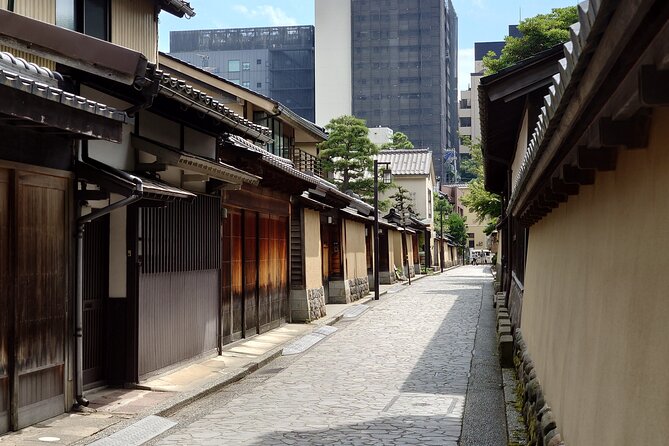
From the museum, the tour enters Nagamachi, the former samurai district. The streets retain a handsome, old-fashioned appearance, with walls and residences that help you picture the area as a neighborhood rather than a museum display.
The appeal here is the setting. You are walking through a district where the layout and atmosphere matter as much as any single object. The guide’s explanations add meaning to details that could otherwise pass unnoticed.
Expect about an hour in the area, including the ruins and former samurai residences described along the route. This is also where the walking begins to settle into a steady rhythm. There are opportunities to stop, listen, and take photographs, but the day continues at a purposeful pace.
Several guides receive especially strong praise for their ability to make the history easy to follow. Mike is noted for his humor and clear explanations. Garrett, also spelled Garett in some feedback, is repeatedly praised for linking Kanazawa’s past and present. Daniel is described as thoughtful about giving people time while still keeping the group moving.
Oyama Shrine and the unusual brick gate
The route then leaves Nagamachi and reaches Oyama Shrine, with around 40 minutes scheduled here. Its entry gate is unusual in Japan because it is made of brick, a detail that gives the stop a quick visual surprise.
This is a shorter visit, but it breaks up the historical focus on warrior homes. You get a change in religious setting before entering the castle grounds. The guide can also explain why the gate looks different from the more familiar wooden and stone shrine entrances found elsewhere in Japan.
Oyama Shrine works best as a transition stop. Do not expect a long, unhurried shrine visit. Its real role in the day is to connect the samurai district with Kanazawa’s center of feudal power.
More geisha district walks in Kyoto:
- Kyoto Geisha Walking Tour: Gion District & Hidden Gems
★ 4.7 · 3,273 reviews - Kyoto: Gion Magical Night Walking Tour with Geisha Trivia
★ 4.9 · 2,393 reviews - Kyoto: Gion Geisha District Walking Tour – Stories of Geisha
★ 4.7 · 2,187 reviews - Best of Kyoto: Gion, Geisha, Pagodas & Cobblestones
★ 4.9 · 2,058 reviews
Gyokusen-an: the tour’s gentlest hour
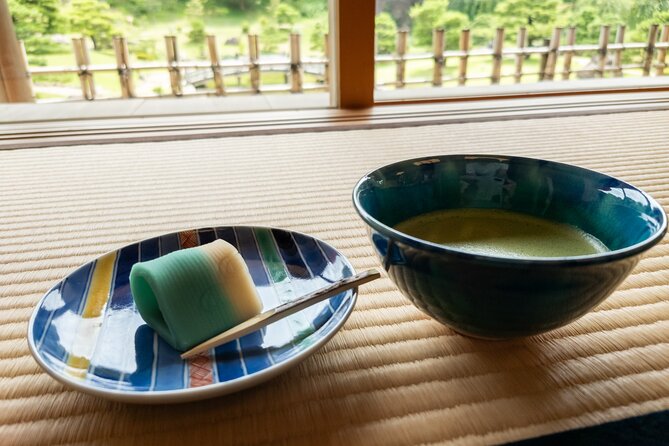
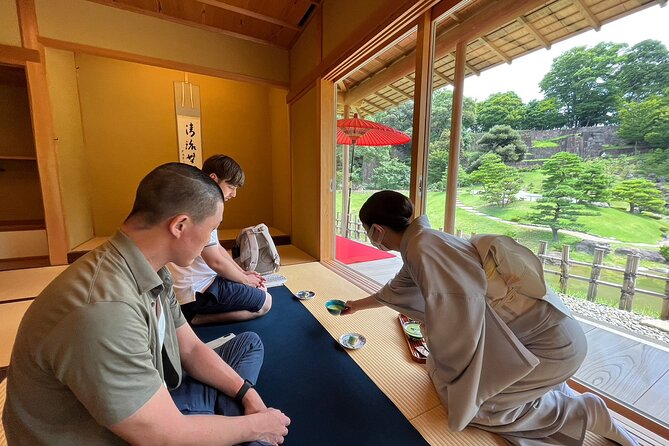
After entering the castle grounds, you stop at Gyokusen-an for matcha tea and wagashi sweets. This is one of the most appealing parts of the day because it gives your feet a break without dropping the cultural focus.
The tea house looks across a centuries-old garden, so the setting matters as much as the drink. Matcha is prepared and served in a traditional Japanese style, while the sweets provide a small taste of the formal tea experience. You do not need to be a tea expert. The point is to enjoy the ritual, the view, and the quiet change of pace.
About an hour is allocated here, and admission, matcha, and wagashi are included. That inclusion helps the price feel more reasonable, especially since the stop is not just a quick sample handed out on a street corner.
The matcha break also gives the guide a natural chance to answer questions or adjust the pace. Several people singled it out as a favorite part of the day. If you are looking for one memorable, distinctly Japanese moment, this is likely to be it.
Kanazawa Castle: a short look at feudal scale
The route continues through Kanazawa Castle on the way to Kenrokuen. The scheduled visit is about 20 minutes, so this is an overview rather than a detailed castle tour.
You will see the scale of the restored buildings and the broad lawns around them. The open space helps you understand the power and size of the Maeda family, the ruling clan associated with Kanazawa. The castle is less about lingering inside every structure and more about seeing how the city’s political center connects to the garden beyond it.
If you want an exhaustive examination of the castle buildings, you may need additional time on another visit. On this tour, the short stop keeps the day moving toward Kenrokuen, which receives much more attention.
Kenrokuen: the visual centerpiece
Kenrokuen Garden gets about an hour and a half, making it the longest sightseeing stop on the route. That is sensible. This is not a garden to rush through with a single camera stop.
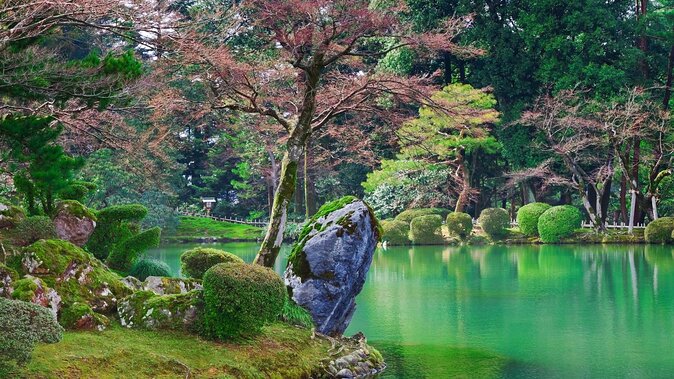
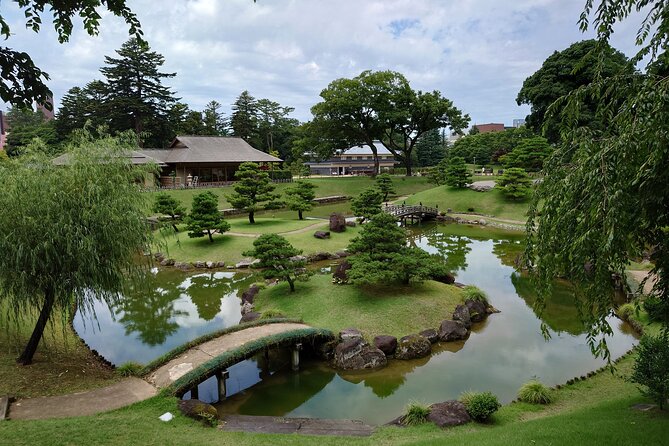
Kenrokuen is designed around traditional Japanese garden ideas, with ponds, trees, teahouses, views across the city, and carefully arranged spaces that reveal themselves as you walk. The guide helps you notice how the garden controls perspective and movement. You may also have time to enter one of the garden’s homes or tea-related buildings, depending on the schedule and availability.
The season can change the mood considerably. One couple visited during early cherry blossom and found the garden especially memorable. Other weather conditions can make the ponds, trees, and city views feel entirely different. The tour requires good weather, so rain or poor conditions may lead to a new date or a full refund.
Kenrokuen is also where the walking day may catch up with you. Benches and pauses help, but you still cover garden paths after several hours on city streets. Wear shoes you can walk in comfortably and carry water, particularly in warm weather.
Higashi Chaya: traditional tea-house culture
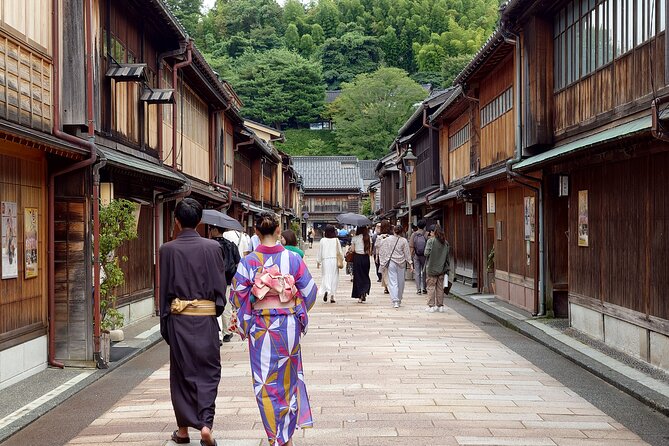
After Kenrokuen, the tour reaches Higashi Chaya District for about an hour. The old streets are lined with traditional tea houses, eateries, and craft shops. This is the part of Kanazawa most closely associated with geisha culture.
The district is attractive, but its value goes beyond the buildings. The guide explains how the tea houses functioned, who used them, and how entertainment and social status shaped the neighborhood. You also receive free time here, so you can browse shops or take photographs at your own pace.
Because the district is popular, it may feel busier than Nagamachi or Kazuemachi. That contrast is useful: you see both the polished public face of Kanazawa’s traditional culture and the quieter streets nearby.
Lunch takes place during the day, but it is not included. The break lasts one hour, and the guide recommends restaurants. You choose where to eat and pay separately. This arrangement gives you some control over the meal, but it also means the final cost will be higher than the tour price alone.
Ochaya Shima: inside a preserved geisha house
The next stop is Ochaya Shima, a former tea house associated with geisha and wealthy patrons. Entry is included, with about 30 minutes inside.
This is a valuable addition to a walk through Higashi Chaya because you go beyond the exterior streets. The colorful walls, furnishings, and musical instruments show the care and expense once devoted to entertaining guests. The rooms help explain why these establishments were places of status and performance, not ordinary restaurants.
Thirty minutes is enough for an introduction, though anyone fascinated by geisha culture may want to linger longer than the group schedule allows. Listen closely to the guide here. The objects are more meaningful when you understand how they were used.
Kazuemachi: a quieter final district
The last neighborhood is Kazuemachi Chayagai, reached on the walk back toward the station. About 30 minutes is planned here.
Kazuemachi is less crowded than Higashi Chaya, which gives the finish a calmer feel. Geisha still entertain customers in the district, and you might be lucky enough to see one, though no sighting is guaranteed. The narrow streets and riverside setting offer a different mood from the busier tea-house area.
Ending here is a smart choice. The tour closes with atmosphere rather than another major admission ticket, and the quieter streets let the day’s themes settle in. The activity ends back at the meeting point near Kanazawa Station.
The walking demand is the main decision
The biggest practical issue is distance. This is a 100 percent walking tour, and the total may reach roughly 10 to 12 kilometers, or close to 10 miles for some groups. One 70-year-old couple completed the route comfortably, while another group of older participants found the second half tiring and wished public transport had been used for some longer stretches.
Your pace may vary. Guides such as Garrett and Lee are praised for adapting the schedule to the group, and smaller parties make that easier. Still, flexibility cannot remove the distance. If you have knee, hip, or foot problems, think carefully before booking.
A posted duration of nine hours includes a one-hour lunch break, so active sightseeing is closer to eight hours. Build in time to sit at the garden, tea house, and other stops. Comfortable shoes, water, and weather-appropriate clothing are essential.
Who will get the most from this tour
I would choose this for a first full day in Kanazawa, especially if you want context rather than a checklist of buildings. It suits anyone interested in Japanese design, samurai society, gardens, tea culture, and geisha districts.
It is also a good fit if you prefer a guide who can connect separate sights into one explanation. The strongest feedback centers on the guides’ humor, personal attention, and ability to explain Japanese history and culture in clear terms. Mike, Akari, Fadir, Garrett, Mohammed, Daniel, and Lee are all praised for making the day engaging and adjusting to the group.
You may prefer independent sightseeing if you want to spend half a day in Kenrokuen, shop extensively in Higashi Chaya, or use buses between districts. You will have less freedom here, and the schedule keeps moving.
The group limit of 15 is a useful middle ground. It is more personal than a large coach outing but still large enough that you will not have a private guide. The experience is conducted in English.
Booking details and cancellation terms
The tour begins at 9:00 a.m. at Kanazawa Station and ends back at the meeting point. A mobile ticket is provided, and confirmation is received when you book.
The price is $151.30 per person. Included are the English-speaking guide, Kenrokuen entry, Ochaya Shima entry, and matcha with wagashi at Gyokusen-an. Lunch is separate.
You can cancel for a full refund up to 24 hours before the start time. Changes or cancellations inside that window are not accepted for a refund. Since the tour requires good weather, a cancellation by the operator due to poor conditions brings the choice of another date or a full refund. All stops are subject to availability, so an adjustment may occasionally be needed.
Should you book Samurai, Matcha, Gardens and Geisha?
Book it if you want an organized, story-driven introduction to Kanazawa and can comfortably walk a long day. The combination of samurai homes, castle grounds, Kenrokuen, a matcha service, and two tea districts is unusually well balanced.
Skip it if your ideal day includes frequent transport, long shopping stops, or a slow garden visit without a fixed schedule. The distance is real, and the $151.30 price does not include lunch.
For most first-time visitors with good walking stamina, I think the route earns its price. The matcha break, the preserved geisha house, and the chance to see Kanazawa district by district give you more than a string of famous addresses. You finish with a useful sense of how the city fits together, which is exactly what a good first day should provide.
FAQ
Where does the Kanazawa walking tour begin?
It begins at 9:00 a.m. at Kanazawa Station, Japan, at the listed station meeting point.
Where does the tour finish?
The activity ends back at the meeting point near Kanazawa Station.
How long does the tour last?
The posted duration is approximately nine hours, including a one-hour lunch break. Active sightseeing therefore takes about eight hours.
Is lunch included?
No. Lunch is not included in the price. You choose your own restaurant during the one-hour break, with recommendations from the guide.
What is included in the tour price?
The price includes an English-speaking guide, entry to Kenrokuen Garden, entry to the preserved Shima Chaya geisha house, and matcha tea with wagashi sweets at a tea house.
How many people can join the tour?
The tour has a maximum of 15 participants.
Can I cancel for a full refund?
Yes. You must cancel at least 24 hours before the local start time to receive a full refund. If poor weather causes the operator to cancel, you will be offered another date or a full refund.
Just added around Kanazawa
- Kanazawa private half day/Photoshoot by professional photographer★ 5.0 · 38 reviews
- Kanazawa: City Highlights & Hidden Gems Private Walking Tour★ 4.8 · 42 reviews
- Photoshoot session by professional photographer in Kanazawa★ 5.0 · 42 reviews
- Kanazawa Half Day E-bike Tour★ 5.0 · 42 reviews
- Kanazawa Private Tour: Highlights of an Old Samurai Town★ 5.0 · 46 reviews
- [Day trip bus tour from Kanazawa Station] Weekend only! World Heritage Shirakawago Day Bus Tour★ 5.0 · 46 reviews
- Kanazawa Gourmet Experience Omicho Market Tour★ 5.0 · 50 reviews
- Private Tour of Shirakawago and Gokayama from Kanazawa★ 5.0 · 50 reviews
Geisha & Gion District Tours, compared.
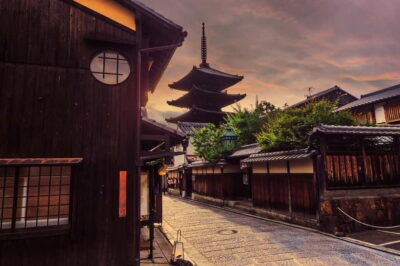
Kyoto Geisha Walking Tour: Gion District & Hidden Gems
Read our review →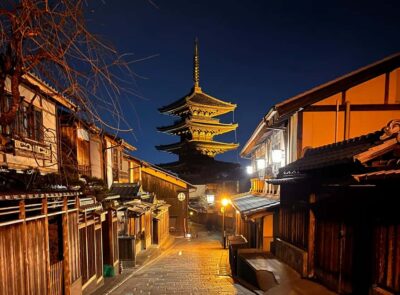
Gion Magical Night Walking Tour with Geisha Trivia
Read our review →
Gion Geisha District Walking Tour – Stories of Geisha
Read our review →
Best of Kyoto: Gion, Geisha, Pagodas & Cobblestones
Read our review →
Kyoto Night Foodie Tour in Gion (9+ dishes + 6 Sake tastings)
Read our review →
Kyoto Gion Geisha District Walking Tour – The Stories of Geisha
Read our review →
Kyoto Gion: 2-Hour Geisha Culture & History Walking Tour
Read our review →Browse the lists this tour appears in