Reviewed · GUIDED
Get Unique Insights into Tokyo – Private Tour with local Guide
Tokyo makes a first impression fast. This private tour helps you get your bearings quickly, pairing famous places with local tips, photo stops, and a look at quieter corners of the city. I like the flexible length and the personal pace, especially for a first visit. I also like that guides such as Jero and Franz take photos for you, so you are not stuck choosing between enjoying a landmark and framing the perfect shot. The main catch is simple: the list of possible neighborhoods is far too broad for a two to six hour outing, so you should agree on priorities before you start.
The tour costs $82.90 per person, with group discounts available, and includes transport between destinations, an English-speaking private guide, Japanese tea or coffee, and a traditional snack. I see the best value here in the time saved and the practical help. Tokyo’s rail system can feel like a puzzle at first, and a guide who shows you how to move between districts can make the rest of your visit easier.
In This Review
- Key points to know before booking
- Why this makes a smart first morning in Tokyo
- Meiji Jingu: a calm start beneath the trees
- Takeshita Street and Harajuku style
- Shibuya Crossing and the Hachiko area
- Shinjuku after dark, from skyscrapers to Kabukicho
- Odaiba: a different side of Tokyo
- Asakusa and the old entertainment quarter
- Akihabara, Ueno Park, and the Imperial Palace East Gardens
- A private guide who handles the personal details
- What $82.90 buys you
- Who should book this Tokyo orientation
- Final call: a strong choice for your first Tokyo day
- FAQ
- How long does the private Tokyo tour last?
- Where does the tour begin?
- Where does the tour finish?
- Is transportation included?
- Is this a group tour?
- Are food and drinks included?
Key points to know before booking
- Start at Meiji Jingu and finish near Shinjuku Station: The route begins at the Meiji Jingu Ichino Torii and ends near the Giant 3D Cat.
- Choose a morning or afternoon start: You select the start time and preferred duration during booking.
- This is a true private tour: Only your party takes part, so the guide can adjust the route, pace, and subject matter.
- Expect a mix of icons and local details: Meiji Shrine, Takeshita Street, Shibuya Crossing, Shinjuku, and less familiar places can all feature.
- Photos are part of the service: Guides can take solo and group pictures with major landmarks, then send them to you.
- Transport between stops is included: The experience is not only a walk, though you should still expect plenty of time on foot.
Why this makes a smart first morning in Tokyo
Tokyo is not one city in the usual sightseeing sense. It is a collection of districts, each with its own mood, rhythm, and visual language. Harajuku feels different from Shibuya, Shibuya feels different from Shinjuku, and the quiet grounds of Meiji Jingu feel far removed from all three.
That is why this experience works best near the beginning of your stay. You get a basic map of the city while learning how the districts connect. The guide can also explain local customs, point out places to eat and shop, and offer practical advice for using public transport.
The strongest part is the private format. You do not have to keep up with a large group or follow a fixed script. The guide can slow down for shrine etiquette, spend more time on fashion in Harajuku, or skip an area that does not interest you.
Jero receives especially warm praise for adapting plans to different ages, interests, and walking speeds. Franz is also singled out for making the experience friendly and easygoing. That personal touch matters in Tokyo, where a small adjustment can make the difference between a pleasant afternoon and a tiring march between stations.
The experience can last from two to six hours. That range is useful, but it also requires realistic planning. In two hours, you might focus on Meiji Jingu, Harajuku, and part of Shibuya. In four hours, you can build a solid introduction around those areas and perhaps add Shinjuku. Six hours gives you more room, but the full list of possible districts still cannot fit comfortably into one outing.
A few more Tokyo experiences worth weighing up
- Mt Fuji and Hakone 1-Day Bus Tour Return by Bullet Train
★ 5.0 · 26,383 reviews - 1-Day Tokyo Bus Tour
★ 5.0 · 14,250 reviews - Tokyo: TOKYO SKYTREE® Admission ticket
★ 4.5 · 11,192 reviews
Meiji Jingu: a calm start beneath the trees
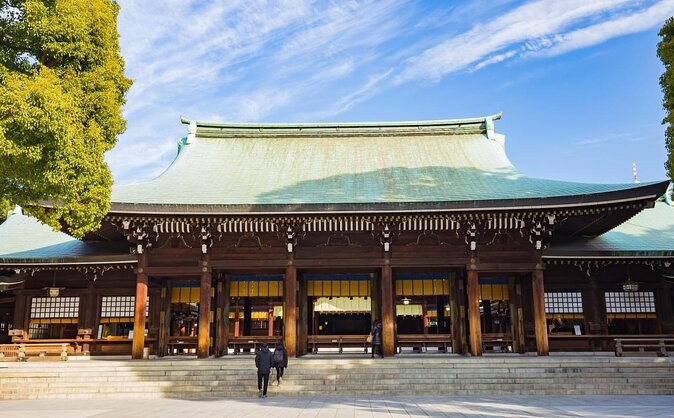
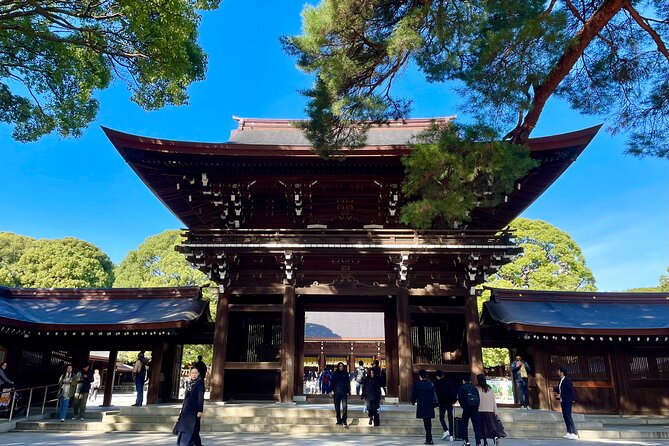
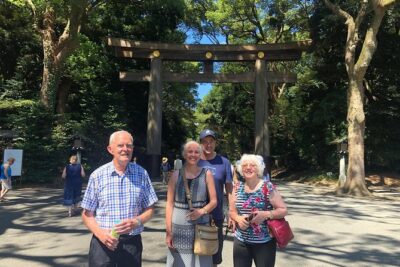
The meeting point is Meiji Jingu Ichino Torii, at 1-chōme-18-20 Jingūmae in Shibuya. From there, you walk toward the main shrine buildings while learning about Shinto customs and the history of the site.
This is an excellent opening. Meiji Jingu offers a quiet contrast to the commercial streets nearby, and it gives your guide a natural place to explain how to behave at a Japanese shrine. You can learn the basic steps for purification and prayer, along with why certain actions matter.
The walk through the shrine grounds also sets the pace for the rest of the day. It is not simply a quick photo stop. You have time to notice the approach, the wooden structures, and the change in atmosphere as the city noise fades.
The guide may also take photos here. That is helpful because shrine entrances and paths can make good portraits, but taking your own picture often means asking another person or rushing through the moment.
A practical point: this tour involves walking, and Meiji Jingu is only the beginning. Comfortable shoes are important. The route can be adjusted, but you should tell the guide about mobility limits or a preferred pace before setting out.
Takeshita Street and Harajuku style
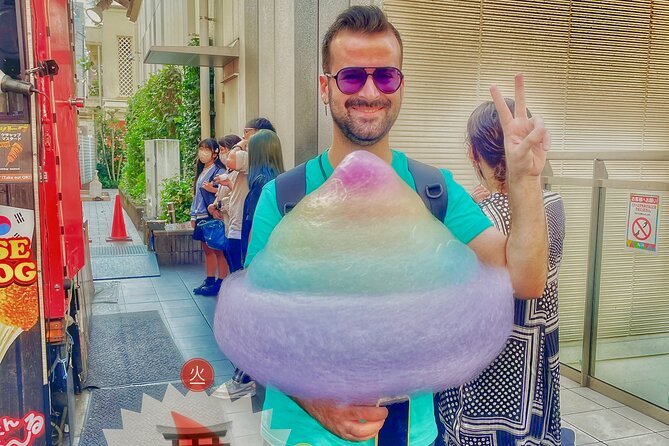
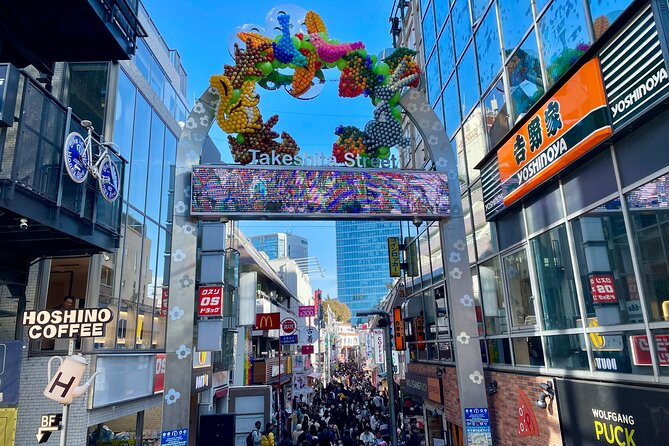
After Meiji Jingu, the route continues toward Takeshita Street, one of Harajuku’s best-known shopping streets. Here the mood changes completely. Small shops, colorful displays, youth fashion, and snack counters replace the shrine’s quiet paths.
Your guide can help you understand Harajuku as more than a place for bright clothes and novelty food. The neighborhood is known for street style and self-expression, and the tour uses its streets to show how Tokyo’s younger culture shapes the city’s image.
The itinerary also includes Cat Street and Omotesando, depending on the time available and your interests. These areas give you different views of Harajuku. Takeshita Street is compact and playful, while Omotesando feels more polished and design-focused.
This is a good place to ask for shopping advice. If you are looking for fashion, unusual gifts, or local food suggestions, a private guide can point you toward places that match your taste rather than sending everyone to the same famous stop.
The possible drawback is crowding. Harajuku is a busy district, and the experience will feel less relaxed during peak periods. A guide can use side routes and adjust the timing, but no route can remove the popularity of Takeshita Street. If you dislike packed shopping streets, ask to spend more time at Meiji Jingu or in quieter nearby areas.
Shibuya Crossing and the Hachiko area
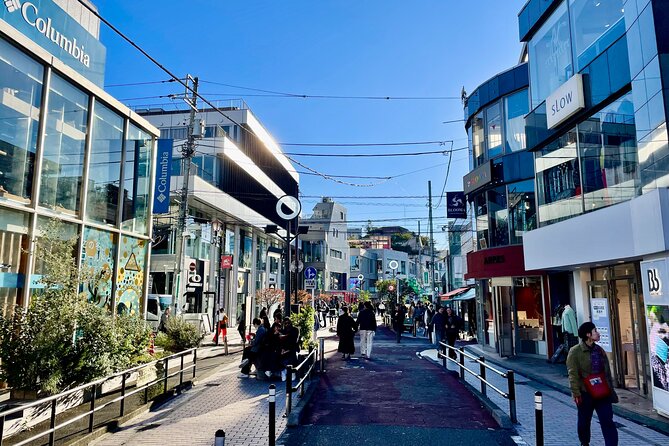
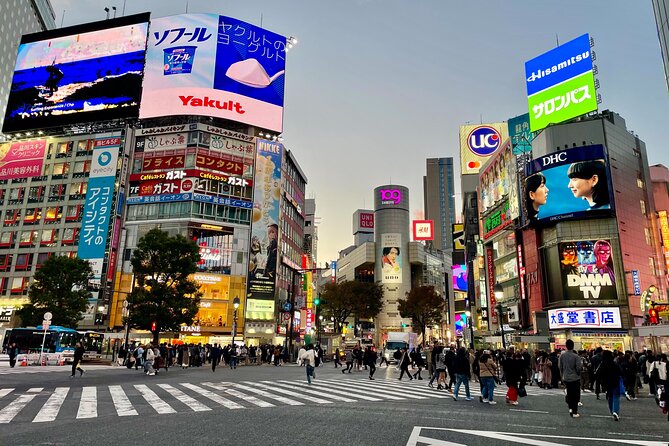
From Harajuku, the tour can continue to Shibuya. The main attraction is Shibuya Crossing, where waves of people move through the intersection whenever the signal changes. It is a short event, but the scale and timing make it one of Tokyo’s classic urban sights.
The guide helps you experience the crossing rather than merely point at it. You can walk through with the crowd, watch from a suitable viewpoint, and learn why Shibuya became such a symbol of modern Tokyo.
The Hachiko statue is another likely stop in this area. It is easy to find, but a guide adds context and helps you connect the landmark with the surrounding streets, shopping areas, and transport links.
I particularly like this section for first-time visitors because it teaches you how Tokyo’s public spaces work. You see the city’s order and density in action, then get practical advice for finding your way around the station area.
Shibuya Station can be confusing, especially when you are jet-lagged or carrying luggage. Previous outings with the guide have included help with train routes and the JR Line, which makes this more than a sightseeing stop. You are learning a useful skill for the rest of your trip.
A completely different kind of day out in Tokyo:
- Tokyo: teamLab Planets TOKYO Digital Art Museum Entry Ticket
★ 4.6 · 9,779 reviews - Mt Fuji & Hakone Cruise, Drum Show Bullet Train 1 Day from Tokyo
★ 4.0 · 7,413 reviews - Tokyo: Sumo Show Experience with Chicken Hot Pot and a Photo
★ 4.8 · 6,678 reviews - Tokyo: Shinjuku Food Tour (13 Dishes at 4 Local Eateries)
★ 5.0 · 6,603 reviews
Shinjuku after dark, from skyscrapers to Kabukicho
The route may continue by train to Shinjuku, where the mood shifts again. Tall buildings, bright signs, and a large network of streets make this one of the best areas for seeing Neon Tokyo.
The tour finishes near Kabukicho Tower in Shinjuku. This gives you a lively final scene and places you close to Shinjuku Station, where you can continue exploring on your own.
Shinjuku is a good place for recommendations. Guides can suggest places to eat, shop, or enjoy the evening based on your interests. The experience includes a Japanese drink and snack, but meals and additional drinks are not included, so plan to pay separately if you want dinner or a longer food stop.
The end point near the Giant 3D Cat, at 3-chōme-23-18 Shinjuku, is practical. From there, you can ask the guide how to reach your next destination or return to your accommodation.
One caution: Shinjuku can be visually exciting but tiring after several hours of walking. If you book the longer option, build in pauses. A private guide can adapt the day, and several people have appreciated a relaxed pace with time to rest and refresh.
Odaiba: a different side of Tokyo
Odaiba is one of the optional areas covered by the experience. It offers a more futuristic view of Tokyo, with Aqua City, DECKS Tokyo Beach, and the large Unicorn Gundam statue.
The route may also include Hikara Yokocho, a nostalgic spot within the wider shopping and entertainment area. This combination gives you modern attractions alongside a backward glance at older Japanese storefronts and amusements.
Odaiba is not a natural fit with a short Harajuku and Shibuya route. It sits away from the central districts, so adding it means giving up time elsewhere. It makes more sense for a longer booking or for someone who specifically wants architecture, shopping complexes, and the Gundam statue.
Ask about this area in advance. The tour is flexible, but flexibility works best when you decide what matters most before the day begins.
Asakusa and the old entertainment quarter
Asakusa presents a different picture of Tokyo. During the Edo period, it was the city’s main entertainment district, with kabuki theaters, geisha houses, and street performers. The area still carries a festive spirit, though the surroundings have changed greatly.
A guide can help you look past the large, famous sights and understand how Asakusa fits into Tokyo’s past. This is especially valuable if you want a sense of older city life rather than only modern shopping streets.
Asakusa is another district that needs its own time. Pairing it with Harajuku, Shibuya, Shinjuku, and Odaiba in a single short booking would create a rushed day. If old Tokyo interests you most, make Asakusa the center of your customized route.
Akihabara, Ueno Park, and the Imperial Palace East Gardens
Three other possible stops show how wide the experience can be.
Akihabara, often called Akiba, grew from a postwar black market for radio parts into a major center for electronics and distinctive popular culture. It is a useful choice if you want to understand Tokyo’s connection with gadgets, games, anime, and specialty shops.
Ueno Park offers a quieter, greener setting in northeastern Tokyo. It was once part of Kaneiji Temple and is now known for cultural attractions and seasonal beauty. The park gives you a break from dense commercial streets and a chance to see a more open side of the capital.
The Imperial Palace East Gardens occupy part of the former Edo Castle grounds. Stone walls, gates, and moat remains provide a direct link to Japan’s feudal past, while the gardens offer a peaceful pause in central Tokyo.
These stops are not interchangeable. Akihabara is best for modern pop culture, Ueno for parkland and cultural sights, and the East Gardens for castle history and a calmer walk. You will get more from the tour if you choose one theme instead of trying to collect every district.
A private guide who handles the personal details
The strongest praise centers on the guides, especially Jero and Franz. Jero is described as warm, prompt, adaptable, and passionate about Tokyo. His communication before the tour has helped with meeting arrangements, weather preparation, train questions, and changes caused by difficult circumstances.
That level of attention is useful for a first day in Japan. You can ask basic questions without feeling rushed, and you can request explanations about manners, shrine behavior, food, neighborhoods, and transport.
The photo service is another practical bonus. Your guide can take individual and group photos at famous landmarks, then send the images to you after the tour. This does not replace a professional photo session, but it solves a common problem: everyone in the group gets to appear in the picture.
Tea or coffee and a typical Japanese snack are also provided. Some guides have arrived with warm drinks for a morning walk, which can be welcome in cool weather. Since regular food and drinks are not included, treat this as a small refreshment rather than a meal.
English-speaking guides are available. If having a particular guide matters to you, you can ask about availability, but the information provided does not guarantee a specific person.
What $82.90 buys you
At $82.90 per person, the price is not the cheapest way to see Tokyo. You could visit many of these districts independently using public transport and spend little on sightseeing.
The value is in the service. You are paying for a private route, local explanations, transport between destinations, help with navigation, photos, and the ability to adjust the outing around your group. That can be worthwhile if you have only a short stay, are nervous about Tokyo’s rail network, or want practical advice you can use afterward.
Group discounts improve the deal for families or friends. The more people in your private group, the more reasonable the per-person cost may feel, though you should confirm the exact discount during booking.
I would not choose this tour mainly for access to exclusive attractions. It is a guided orientation, not a ticketed attraction package. Its value depends on how much you want personal help and how actively you use the guide’s local knowledge.
Free cancellation is available up to 24 hours before the start time. Changes or cancellations inside that window are not accepted for a refund.
Who should book this Tokyo orientation
This experience suits first-time visitors especially well. It gives you a practical introduction to several major districts and can make the rest of your trip feel easier.
It also fits repeat visitors who want a personal route through places they have not seen before. The guide can mix well-known sights with less familiar streets, rather than repeating a standard sightseeing circuit.
Families may appreciate the private format and flexible pace. So may solo visitors, couples, and anyone arriving with limited time. The tour can also work well during a short stop in Tokyo, as long as you choose a compact route.
You should think twice if you dislike walking, want a single neighborhood explored in great depth, or expect a full meal and admission tickets to be included. The tour covers a lot, but its purpose is orientation and local insight, not a slow, specialist visit to one attraction.
Final call: a strong choice for your first Tokyo day
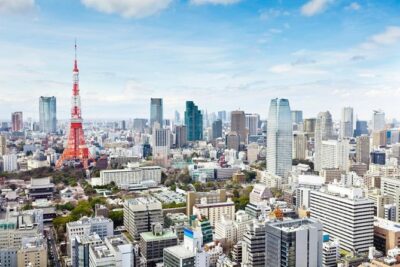
I would book this tour early in a Tokyo stay, particularly for a first visit. The combination of Meiji Jingu, Harajuku, Shibuya, and Shinjuku gives you a useful first look at the city’s contrasting sides, while the train guidance and local recommendations help you continue on your own.
Book it if you value a private guide, want photos without asking strangers, and prefer a flexible day over a fixed group itinerary. Before paying, decide which two or three districts matter most and tell the operator your walking pace, interests, and ideal duration.
At $82.90 per person, it is best viewed as a personal orientation service. For that purpose, the friendly approach associated with Jero and Franz, the adaptable route, and the practical Tokyo tips make it a solid choice.
FAQ
How long does the private Tokyo tour last?
You can choose a duration of approximately two to six hours during booking.
Where does the tour begin?
The meeting point is Meiji Jingu Ichino Torii at 1-chōme-18-20 Jingūmae, Shibuya, Tokyo 150-0001, Japan.
Where does the tour finish?
The tour finishes near the Giant 3D Cat at 3-chōme-23-18 Shinjuku, Shinjuku City, near Shinjuku Station.
Is transportation included?
Yes. Transportation between tour destinations is included for a smoother experience, and the tour may use the train between districts.
Is this a group tour?
No. It is a private activity, so only your party participates.
Are food and drinks included?
Tea or coffee and a typical Japanese snack are included. Other food and drinks are not included.
Just added around Tokyo
- Tokyo 6hr Instagram Highlights Private Tour with Licensed Guide★ 5.0 · 38 reviews
- Tokyo Small Group Tour with Guide★ 4.5 · 38 reviews
- Tokyo Sumo Experience with Live Show & Audience Challenge★ 5.0 · 38 reviews
- Japanese Food Cooking Class in Asakusa, Tokyo★ 5.0 · 39 reviews
- Very popular in Harajuku♡Animal petting zoo★ 4.6 · 39 reviews
- Ramen Making from Scratch with Tokyo Mom(Vegan Option Available)★ 5.0 · 39 reviews
- Tokyo JDM Night: 600hp C63s AMG Edition 1 (Private)★ 4.9 · 39 reviews
- Tokyo: Kimono Rental inside Shinjuku Gyoen National Garden★ 4.9 · 39 reviews
Guided, compared.
Tokyo 6hr Private Tour with Government-Licensed Guide
Read our review →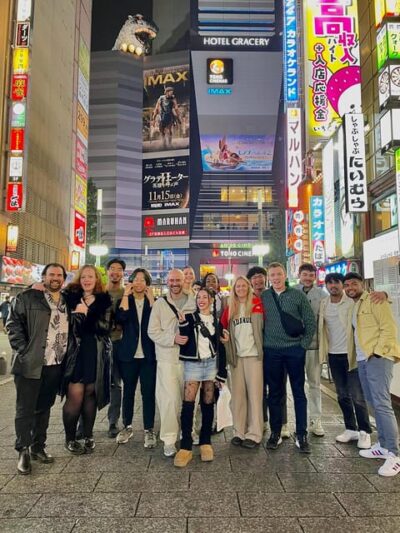
Shinjuku Local Bar and Izakaya Guided Walking Tour
Read our review →
Private City Highlights Tour with Local Guide
Read our review →
Kyoto Early Morning Tour with English-Speaking Guide
Read our review →
Tokyo 4hr Private Tour with Government-Licensed Guide
Read our review →
Kyoto 6hr Private Tour with Government-Licensed Guide
Read our review →