
Reviewed · HIROSHIMA TOURS
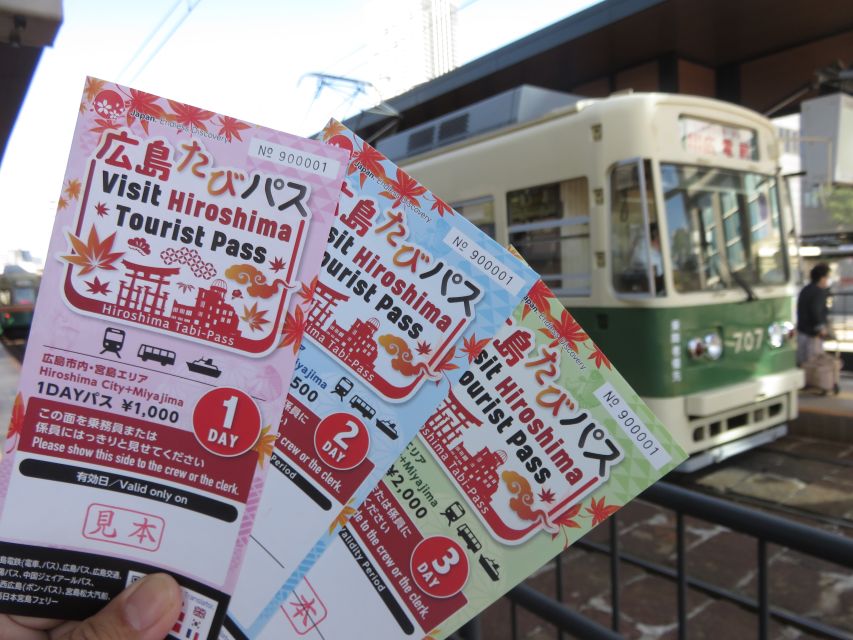
Hiroshima:Visit Tourist Pass(1, 2, 3day and 3day middlearea)
Hiroshima is easier with the right pass. The Visit Hiroshima Tourist Pass makes two things especially appealing: unlimited tram and bus rides across the city, plus ferry travel to Miyajima without buying a separate fare each time. I also like the digital discount coupons, which can trim costs at selected restaurants, sights, and cultural activities.
The main catch is simple: you need to use it often enough to earn back the price. The route rules take a little study, and exchanging the voucher may require a stop at a tourist office rather than a station machine. Check your meeting point carefully, since it can vary by the option you book.
In This Review
- Five things worth knowing before you buy
- What the Visit Hiroshima Tourist Pass actually does
- Reaching the Atomic Bomb Dome by tram
- Taking the ferry from Miyajimaguchi to Miyajima
- Choosing one, two, or three days
- Going farther with the Middle Area three-day pass
- Where the pass does not work
- Digital coupons that add a little extra value
- Redemption and planning advice
- Who will get the most value
- Final verdict: buy it for connected sightseeing
- FAQ
- What versions of the Visit Hiroshima Tourist Pass are available?
- Does the pass include Miyajima?
- Is the Miyajima Visitor Tax included?
- Are Hiroshima streetcars included?
- Can I use the pass on buses?
- Does the pass include JR trains?
- What extra routes does the Middle Area pass cover?
- Are airport limousine buses included?
Five things worth knowing before you buy
- Miyajima ferry travel is included: Ride from Miyajimaguchi to Miyajima Island on either Miyajima Matsudai Kisen or JR West Miyajima Ferry, with the separate 100-yen visitor tax still required.
- All Hiroshima Electric Railway streetcars are covered: That includes the inner-city lines and the Miyajima Line.
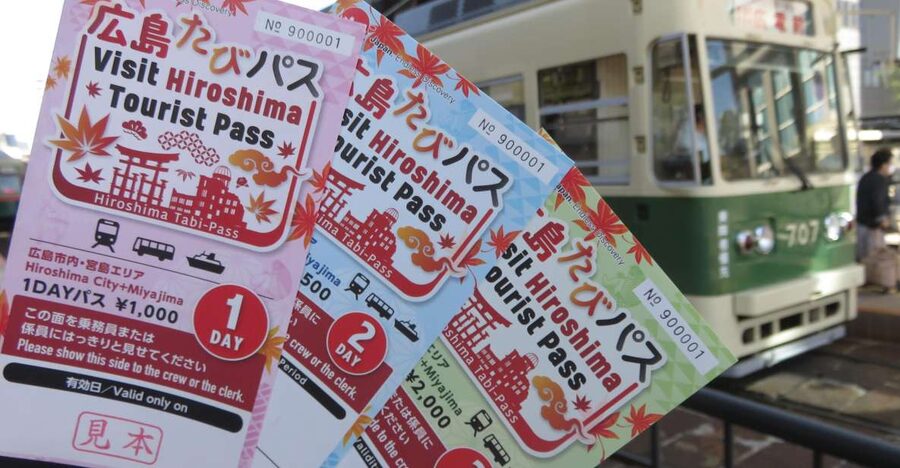
- The pass comes in four versions: Choose one, two, or three days for the main area, or select the three-day Middle Area pass.
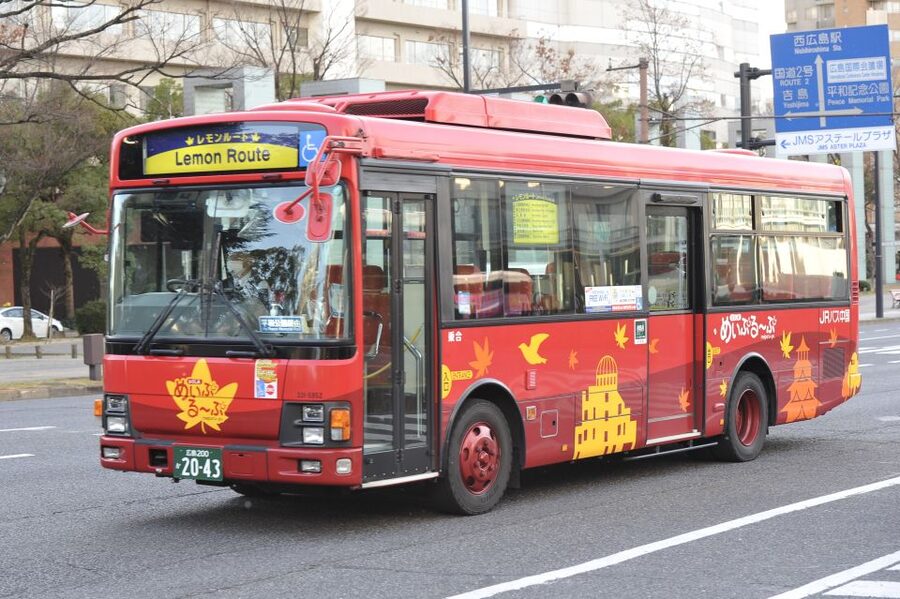
- The Hiroshima sightseeing loop bus is included: The Hiroshima meipuru-pu helps connect major city sights.
- The Middle Area pass reaches farther: It permits up to two rides on certain express bus routes to Kure, Takehara, Miyoshi-Shobara, and Iwakuni.
What the Visit Hiroshima Tourist Pass actually does
Think of this as a small public transport pass with a useful sightseeing bonus, not a guided tour. You choose the number of days, receive a route map, and ride on the covered services as often as you like during the stamped validity period.
The pass covers all lines operated by Hiroshima Electric Railway. In practical terms, that means you can use city trams for short hops, the Miyajima Line for the island connection, and covered local buses when they fit your route better.
You are free to get off, look around, and board again. That matters in Hiroshima because the main sights are spread across the city rather than packed into one walkable center. A morning at the Atomic Bomb Dome, a meal elsewhere, and an afternoon near another sight can involve several separate rides.
The pass is valid only for the period stamped on the ticket. A one-day pass is not a rolling 24-hour ticket unless the local redemption terms say so. Treat the stamped dates as the rule, and plan your first and last rides accordingly.
Other Hiroshima experiences people book alongside this one:
- Peaceful Hiroshima & Miyajima UNESCO 1 Day Bus Tour
★ 5.0 · 5,309 reviews - Hiroshima: Hiroshima and Miyajima UNESCO Sites 1-Day Tour
★ 4.9 · 2,330 reviews - Hiroshima / Miyajima Full-day Private Tour with Government Licensed Guide
★ 5.0 · 1,298 reviews
Reaching the Atomic Bomb Dome by tram
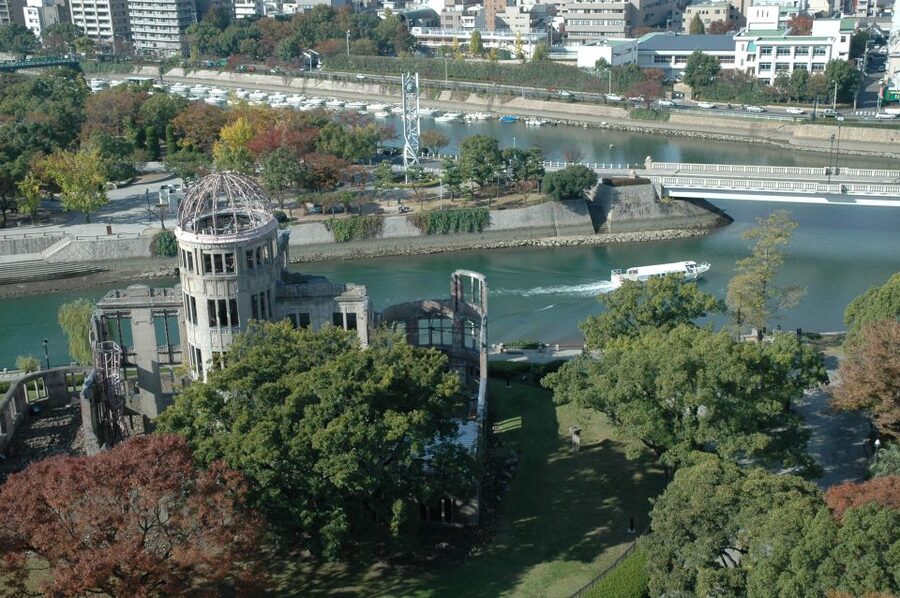
The Atomic Bomb Dome is one of the clearest reasons to consider the pass. Hiroshima Electric Railway’s streetcars bring you close to the city’s major central sights, and unlimited boarding means you do not need to weigh every short ride against its cost.
That freedom is useful here. You can visit the Dome, continue to the Peace Memorial Park, and later use another tram ride without worrying about adding another fare. The transport itself also gives you a practical way to move through Hiroshima at street level.
The Dome is not simply another photo stop. Its preserved structure gives physical weight to the Peace Memorial Park nearby. Allow time for the surrounding memorial area and, if you choose to enter, the Peace Memorial Museum. The pass does not replace admission tickets, but the digital coupons may offer discounts at selected attractions. A German user specifically noted reduced admission for Hiroshima Castle and the Peace Museum, but coupon offers can change, so check the current digital coupon after redemption.
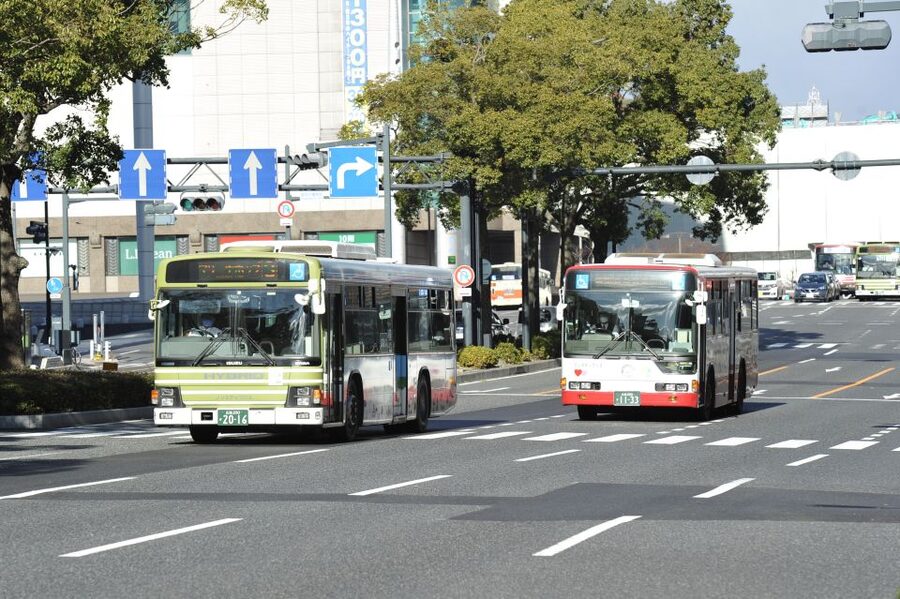
The Hiroshima sightseeing loop bus, known as Hiroshima meipuru-pu, is also included. It can be handy when its route matches your plans, but do not assume every bus in the city accepts the pass. Use the route map printed on the back of your ticket.
Taking the ferry from Miyajimaguchi to Miyajima

Miyajima is the pass’s biggest practical selling point. The ferry from Miyajimaguchi to the island is included on both Miyajima Matsudai Kisen and JR West Miyajima Ferry, so you can combine the city and island in one transport plan.
The usual journey requires several covered sections: a streetcar or bus through Hiroshima, the Miyajima Line or another approved route toward Miyajimaguchi, then the ferry. That can make a multi-day pass useful, especially if you return to Hiroshima after visiting the island.
The pass covers the ferry ride, but it does not cover the Miyajima Visitor Tax. Since October 1, 2023, you must pay 100 yen before boarding the ferry. The required ticket is purchased at a vending machine before departure. Keep that small extra cost in mind when calculating the total.
On Miyajima, the pass is mainly a transport tool for getting there and back. It does not include attraction admission or other island expenses unless a digital coupon specifically provides a discount. The practical value is strongest if your day includes several rides on the Hiroshima side as well as the round-trip ferry.
One user who spent three days around Hiroshima and Miyajima found the pass especially effective for tram and ferry travel. That is the pattern to copy: use the pass for the island connection, then keep using it for city transport instead of treating it as a ferry ticket alone.
Choosing one, two, or three days
The three standard versions cover one, two, or three days. Your choice should match your sightseeing rhythm, not just the number of nights in your hotel.
The one-day pass suits a concentrated visit. It can pay off if you plan to use several trams or buses and include Miyajima on the same day. If your schedule is only one central attraction and a nearby meal, individual fares may be cheaper.
The two-day pass gives you more room. You might use one day for the Atomic Bomb Dome and Peace Memorial Park, then make Miyajima the main focus on the second. Or you can spread both areas across two days and avoid rushing back to the transport network.
The three-day pass is the easiest option for a fuller Hiroshima stay. It gives you freedom to make extra rides, return to a neighborhood, or fit in sights that do not sit on one direct route. A user from Germany reported using the pass for two days and saving money, then recommended it after using it a second time. That is a good sign for repeat visitors who already understand how to use the system.
The price is listed at about $6 per person, but the final amount can vary with the booking option and exchange rate. At that price, the pass does not need to cover a huge number of rides to be useful. Still, compare your planned routes before buying. The value grows quickly when you combine trams, buses, and the Miyajima ferry. It weakens if you mostly walk or take only one or two rides per day.
A few more Hiroshima experiences worth weighing up
- Hiroshima Historical Walking Tour – Why A-Bomb was Dropped
★ 4.8 · 893 reviews - Hiroshima Peace (Heiwa) Walking Tour at World Heritage Sites
★ 5.0 · 872 reviews - Hiroshima in a Nutshell: Morning Bike Adventure
★ 5.0 · 524 reviews - Hiroshima City 4hr Private Walking Tour with Licensed Guide
★ 5.0 · 437 reviews
Going farther with the Middle Area three-day pass
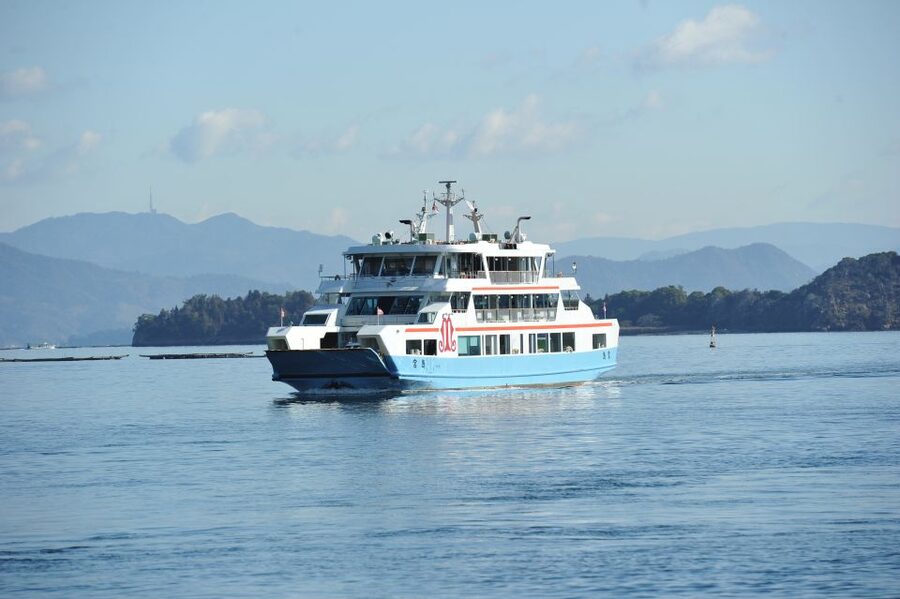
The Middle Area version is the choice for plans beyond central Hiroshima. It remains valid for three days and adds limited use of selected express bus routes.
Those routes include:
- Hiroshima to Kure
- Hiroshima to Takehara
- Hiroshima to Miyoshi-Shobara
- Hiroshima to Iwakuni
The pass allows up to two rides on these express services. That limit matters. It does not mean unlimited express-bus travel, and it does not turn every regional bus into an included service.
This option can make sense if you are building a wider Chugoku Region itinerary. Kure, Takehara, Miyoshi-Shobara, and Iwakuni are not casual detours for every short Hiroshima visit, so choose the Middle Area pass only when at least one of those routes is part of your plan.
The Middle Area ticket still covers the standard Hiroshima transport listed for the main pass. You get city streetcars, approved local buses, the Miyajima ferry connection, and the Hiroshima sightseeing loop bus, with the added regional bus allowance.
Where the pass does not work
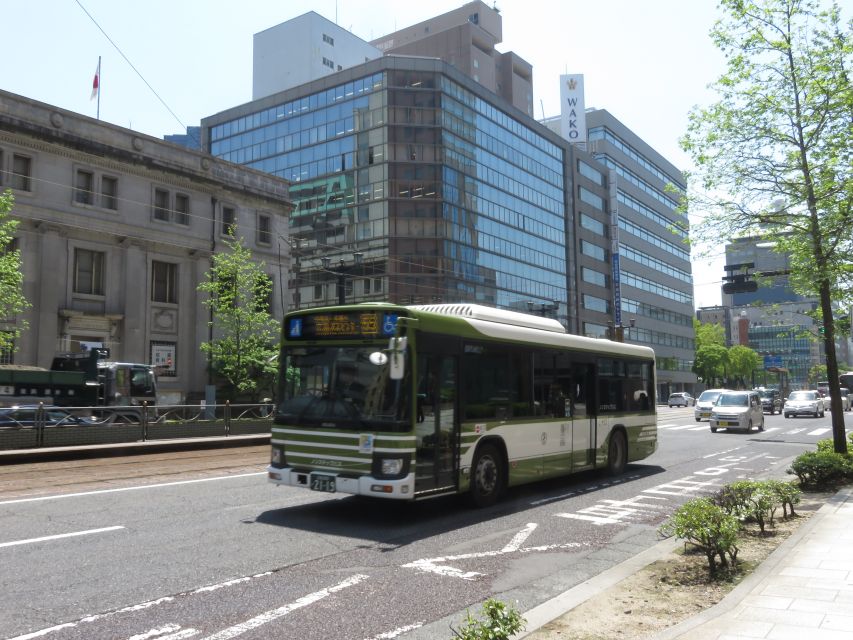
The exclusions are just as important as the included routes. Highway buses, Hiroshima Airport limousine buses, midnight buses, community buses, and JR trains are not covered.
That means you should not buy the pass expecting it to handle airport transport or every regional rail journey. JR trains require separate planning, even when a train might look like the fastest way between two points.
The Outlet Hiroshima is also outside the pass area. If you visit, show the pass to the driver and pay the fare from Koi Shiroyama Memorial Hills, also called Koi Shiroyama Cemetery. The listed fare was 190 yen as of April 2024, but transport prices can change.
The route map is your best tool. Read it before boarding, especially when a bus route looks similar to an included service. A covered operator does not mean every route from that operator is covered.
Digital coupons that add a little extra value
Every purchaser receives a digital coupon as a present. The coupon can provide discounts at sightseeing spots, restaurants, and cultural experiences in Hiroshima.
I would treat this as a bonus rather than the main reason to buy. Coupon offers change, and you may not use the businesses included. But if you are already planning a museum visit, a meal, or a cultural activity, the savings can improve the pass’s total value.
Redeem the pass and check the digital coupon early in your visit. That gives you time to fit a discount into your plans rather than discovering it after you have already paid full price.
The coupon also makes the pass more useful for visitors who do not intend to ride all day. A lighter transport schedule paired with one worthwhile discount may still bring the price close to break-even.
Redemption and planning advice
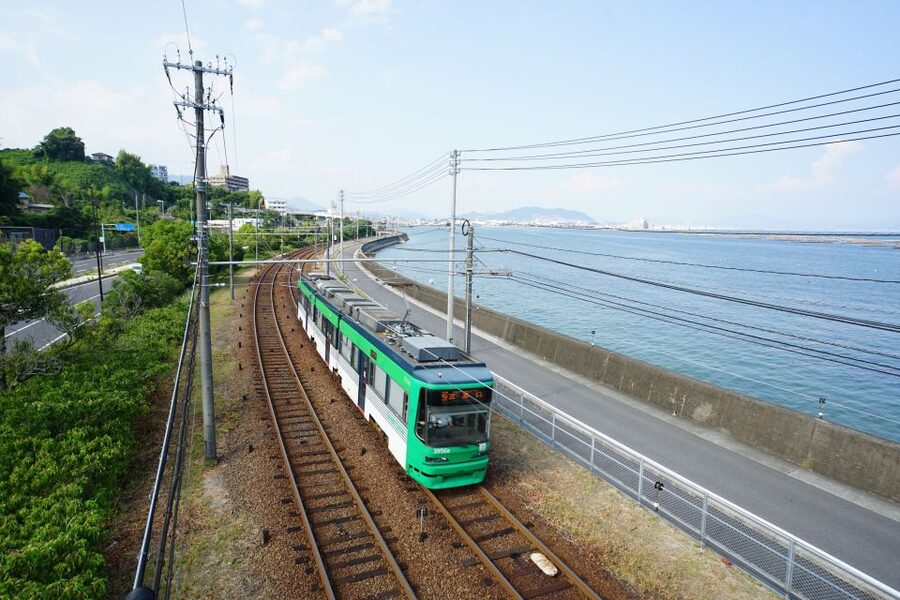
The meeting point depends on the option selected. One practical exchange point has been the tourist information office at the bus terminal, so do not assume you can collect the pass at any streetcar stop or ferry terminal.
Read the redemption instructions attached to your booking and allow time to exchange the voucher before your first major sightseeing stop. A user from Argentina found the exchange location difficult to identify and specifically pointed to the tourist office in the bus terminal. That is a useful warning, particularly if you arrive with luggage or have a tight first-day schedule.
Once you receive the ticket, check the stamped validity period. Keep the route map with you. It shows the approved bus coverage and is more reliable than guessing from a general city transit map.
A simple plan works well:
- Mark the Atomic Bomb Dome and Peace Memorial Park on one city day.
- Put Miyajima on the day when you can use several transport sections.
- Add regional express bus trips only if you have the Middle Area ticket.
- Check the digital coupons before choosing restaurants or attractions.
- Set aside 100 yen for the Miyajima Visitor Tax.
Who will get the most value
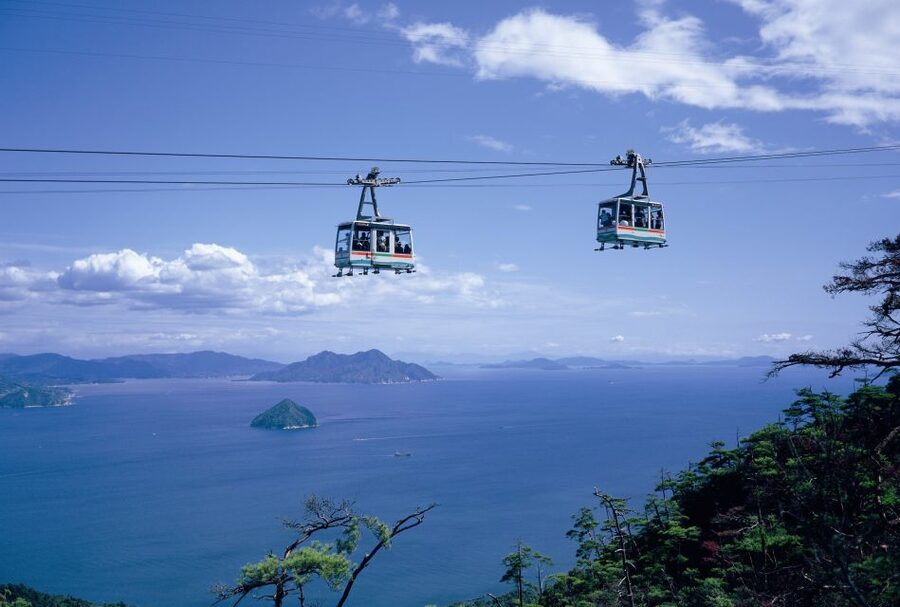
I would recommend the standard pass to you if you plan to visit both Hiroshima and Miyajima, especially over two or three days. The included ferry and streetcar network make the pass easy to use, and the ability to board again removes the need for constant fare calculations.
It also suits families and first-time visitors who want a simple transport plan. You still need to read the route limits, but once your service is covered, the pass gives you room to change plans.
The one-day version suits a packed day with several rides. The two-day version is a sensible middle choice for a short stay. The three-day version works best when Hiroshima is your base for repeated city travel.
I would be cautious if your plan is mostly walking, includes airport limousine transport, or relies heavily on JR trains. In that case, the pass may look cheap but deliver little practical value.
Final verdict: buy it for connected sightseeing
Book the Visit Hiroshima Tourist Pass if your plans link the Atomic Bomb Dome, central Hiroshima, and Miyajima. The strongest value comes from using the tram network and ferry together, then adding buses and digital discounts.
Choose the Middle Area three-day ticket only when Kure, Takehara, Miyoshi-Shobara, or Iwakuni is genuinely on your route. Otherwise, the standard one, two, or three-day pass is simpler.
Before paying, count your planned rides, confirm the exchange point, and check the ticket’s route map. Do that small bit of preparation, and this pass can turn Hiroshima’s spread-out sights into an affordable, flexible plan.
FAQ
What versions of the Visit Hiroshima Tourist Pass are available?
The pass comes in four versions: one-day, two-day, three-day, and three-day Middle Area.
Does the pass include Miyajima?
Yes. It includes ferry travel from Miyajimaguchi to Miyajima Island on Miyajima Matsudai Kisen and JR West Miyajima Ferry.
Is the Miyajima Visitor Tax included?
No. You must pay the 100-yen Miyajima Visitor Tax separately before boarding the ferry. The ticket is purchased at a vending machine.
Are Hiroshima streetcars included?
Yes. All Hiroshima Electric Railway streetcar lines are included, covering the Inner-City Line and Miyajima Line.
Can I use the pass on buses?
You can use it on the covered route buses shown on the map supplied with the ticket. Operators include Hiroshima Electric Railway, Hiroshima Bus, Hiroshima Kotsu, Geiyo Bus, Chugoku JR Bus, and HD Nishihiroshima, also known as Bon-Bus. The Hiroshima meipuru-pu sightseeing loop bus is included.
Does the pass include JR trains?
No. JR trains are not included.
What extra routes does the Middle Area pass cover?
The Middle Area pass can be used up to two times on express buses between Hiroshima and Kure, Takehara, Miyoshi-Shobara, or Iwakuni.
Are airport limousine buses included?
No. Hiroshima Airport limousine buses are excluded, along with highway buses, midnight buses, and community buses.
Just added around Hiroshima
- Hiroshima & Miyajima: Private Full-Day Tour with a Local Guide★ 5.0 · 39 reviews
- Hiroshima and Miyajima 1 Day Walking Tour★ 5.0 · 43 reviews
- Hiroshima History Tour : A-Bomb Dome, Peace Memorial & City★ 5.0 · 43 reviews
- The Journey of Hiroshima from Tragedy to Peace★ 4.8 · 44 reviews
- Cultural Activities :Kimono, tea ceremony, Calligraphy and Amulet★ 5.0 · 44 reviews
- Miyajima: Private Rickshaw Tour to Itsukushima Shrine★ 4.9 · 45 reviews
- Hiroshima Private Tour: Best Highlights in a Day★ 5.0 · 49 reviews
- Hiroshima & Miyajima All-Inclusive Tour w/Licensed guide Pancho★ 5.0 · 54 reviews
Hiroshima Tours, compared.
Peaceful Hiroshima & Miyajima UNESCO 1 Day Bus Tour
Read our review →
Hiroshima and Miyajima UNESCO Sites 1-Day Tour
Read our review →
Hiroshima / Miyajima Full-day Private Tour with Government Licensed Guide
Read our review →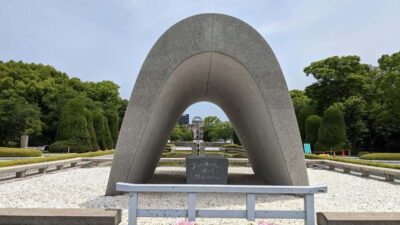
Hiroshima Historical Walking Tour – Why A-Bomb was Dropped
Read our review →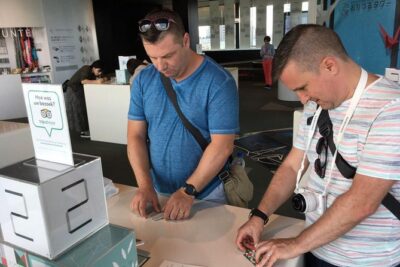
Hiroshima Peace (Heiwa) Walking Tour at World Heritage Sites
Read our review →
Hiroshima in a Nutshell: Morning Bike Adventure
Read our review →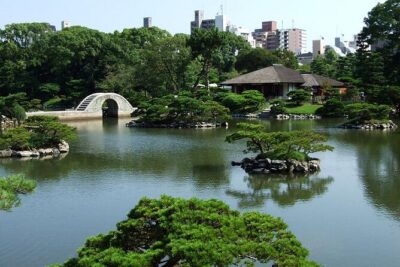
Hiroshima City 4hr Private Walking Tour with Licensed Guide
Read our review →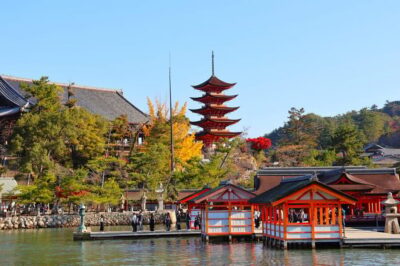
Browse the lists this tour appears in