
Reviewed · TEMPLE & SHRINE TOURS
Japanese Home Cooking Class & Walk in Todoroki Temple Tokyo
Make lunch your Tokyo souvenir. This experience pairs a quiet walk through Todoroki Valley with a hands-on Japanese cooking lesson in Tomoko’s home. I like the personal scale, with no more than four people, and the chance to request a main dish such as ramen, okonomiyaki, sushi rolls, or another Japanese favorite. The food, drinks, recipes, and conversation make this feel far more personal than a standard demonstration class.
I also like the setting. You meet at Todoroki Station, visit Todoroki Fudoson, stroll beside the ravine, then walk about five minutes to Casa de Tomokita. The main consideration is timing: the published duration is about two and a half hours, and the class can feel full rather than leisurely once the walk, cooking, meal, and conversation are all included.
In This Review
- Key points at a glance
- Why this Tokyo cooking class feels different
- Starting at Todoroki Station
- Todoroki Fudoson, a quiet first stop
- A short walk through Todoroki Valley
- Choosing your Japanese main course
- What you actually do in the kitchen
- The meal is the reward
- Dietary requests and menu flexibility
- The value of $110.99
- Who will get the most from this experience
- Timing, booking, and useful planning tips
- What I would ask before booking
- Should you book Casa de Tomokita?
- FAQ
- Where does the Japanese cooking class begin?
- Where does the experience end?
- How long does the experience last?
- What days and times is it available?
- How many people can join?
- Is the class suitable for beginners?
- What dishes can I learn to make?
- Are food and drinks included?
- Can the menu accommodate dietary restrictions?
- Is cancellation free?
Key points at a glance
- Todoroki Station keeps the meeting simple: The tour starts and finishes at a small, easy-to-find station in Setagaya.
- Todoroki Valley adds real local character: A short ravine walk gives you a peaceful break from central Tokyo’s crowds.
- Tomoko teaches in a tiny group: The maximum is four people, allowing room for questions and hands-on work.
- You choose your main dish in advance: Options include ramen, okonomiyaki, sushi rolls, and other Japanese dishes.
- Dietary needs can sometimes be handled: Tomoko has adjusted menus for vegetarian, vegan, pescatarian, and allergy-related requests, but you should discuss yours before booking.
- You eat what you make: The class includes an appetizer, main course, dessert, side dishes, bottled water, hot drinks, and alcoholic beverages.
Why this Tokyo cooking class feels different
Many Japanese cooking classes take place in a commercial kitchen or a teaching studio. Casa de Tomokita offers something more domestic. You enter Tomoko’s home, cook at a relaxed table, and share the finished meal with your host.
That change of setting matters. You are not only learning how to fold gyoza or season ramen broth. You are seeing how Japanese food fits into an ordinary home meal, including the small side dishes and presentation touches that are easy to miss in a restaurant.
Tomoko is the heart of the experience. She teaches in English and has also communicated with some participants in Spanish. Her approach is friendly and practical. She explains not only what to do, but why a certain step matters. That is especially useful for dishes such as okonomiyaki, where texture and timing affect the result.
The class welcomes complete beginners, but experienced home cooks have plenty to ask about. You can learn a new dish, ask about Japanese ingredients, and receive recipes to use at home. Several menus include more than the selected main course, so you should arrive hungry.
More Cooking Classes in Tokyo
- Ramen & Gyoza Cooking Class in Tokyo with Local Supermarket Visit
★ 5.0 · 823 reviews - Tokyo: Easy Ramen Cooking Experience in Kabukicho, Shinjuku
★ 4.6 · 321 reviews - Ramen and Sushi Cooking Class with Sake Pairing Set in Tokyo
★ 5.0 · 291 reviews
Starting at Todoroki Station
Your meeting point is Todoroki Station at 3 Chome-1 Todoroki, Setagaya City. The activity begins and ends there, which makes the outing easy to fit into a Tokyo day.
Todoroki is not one of Tokyo’s giant railway mazes. That is good news if you worry about finding a guide in Shinjuku or Tokyo Station. The station is described as small, and Tomoko meets participants there before leading the walk.
This part of Tokyo feels different from the postcard version of the city. You are away from the neon streets and major department stores, in a residential part of Setagaya. The train ride out is part of the experience because it gives you a glimpse of a calmer neighborhood.
Plan to arrive with enough time to find the station exit and meet the group without rushing. Since the activity runs only on Monday through Friday from 11 a.m. to 2 p.m., it works best as a weekday lunch plan rather than a flexible evening activity.
Todoroki Fudoson, a quiet first stop
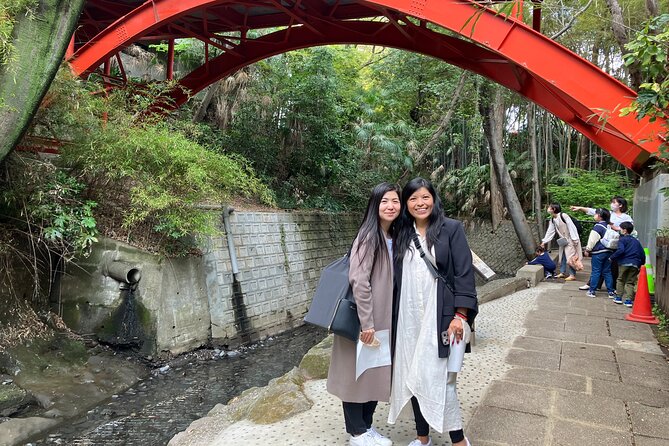
The first stop is Todoroki Fudoson, a local temple beside the valley. The visit lasts about 10 minutes and admission is free.
This is not a long temple tour. You get a short introduction to a neighborhood religious site before continuing toward the ravine. That limited time is useful if you want context without turning the day into a formal sightseeing walk.
You should keep your expectations in check. The temple stop is brief, and the supplied details do not promise an extended explanation of its architecture or religious traditions. Think of it as a pleasant local pause, not the main attraction.
The visit does, however, help set the tone. You begin with a place used by the local community, then move through a green corridor before entering Tomoko’s home. The whole sequence feels more like an afternoon with a local acquaintance than a tightly packed sightseeing tour.
A short walk through Todoroki Valley
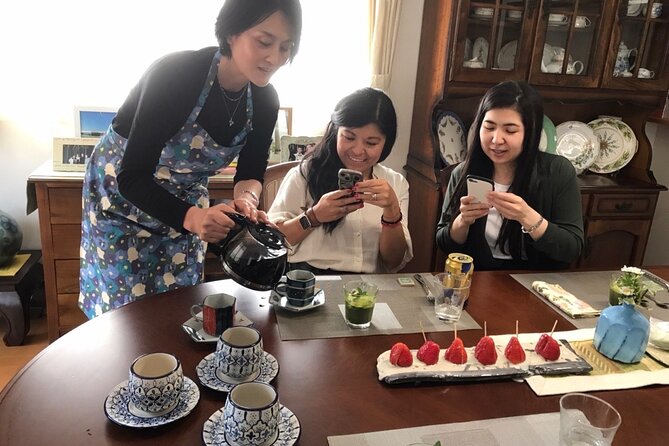
From the temple, you continue to Todoroki Valley. The listed viewing stop is only about five minutes, but other descriptions of the outing portray the walk through the valley as an important part of the route to the house.
Todoroki Valley gives you a rare dose of quiet nature inside Tokyo. The ravine and flowing water create a sharp contrast with the city’s trains, traffic, and concrete. You are not traveling far from central Tokyo, yet the mood changes quickly.
The walk is also a practical transition. It gives you time to talk with Tomoko and the other people in your group before sitting down to cook. On the return, it can help you work off a generous lunch.
Do not book this as a full Todoroki Valley hiking tour. The visit is short, and the cooking class is the main event. Still, the valley adds a great deal of charm, especially if you have spent several days visiting busy districts.
The route leads to Casa de Tomokita, about a five-minute walk from the valley. Since the walking details are limited, comfortable shoes are sensible. You are not being asked to complete a difficult trek, but you will be walking between the station, temple, valley, and home.
More Temple & Shrine Tours in Tokyo
- Tokyo: Meiji Shrine, Asakusa, Skytree Bus Tour and Cruise
★ 4.7 · 1,986 reviews - Tokyo: Asakusa Walking Tour with Sensoji Temple Visit
★ 4.8 · 1,583 reviews - Nikko: Kegon Falls, Lake Chuzenji & Toshogu Temple
★ 4.6 · 1,577 reviews - Tokyo: Nikko Toshogu Shrine and Kegon Waterfall Tour
★ 4.5 · 1,266 reviews
Choosing your Japanese main course
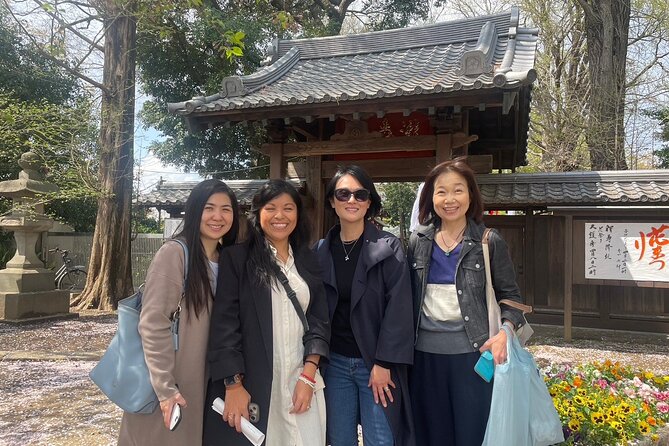
You choose your main dish ahead of time so Tomoko can prepare the right ingredients. The available choices can include okonomiyaki, ramen, sushi rolls, and other Japanese specialties.
This advance choice is one of the best practical features. You are not handed a fixed menu that may or may not match your interests. If you have always wanted to learn ramen, you can focus on ramen. If you prefer Osaka-style comfort food, okonomiyaki may be the better pick.
Past menus have also included gyoza, takoyaki, yakisoba, fried rice, curry rice, oyakodon, kakiage tempura, soy milk soup, and other side dishes. The exact menu can vary, so confirm your selection with Tomoko before the class.
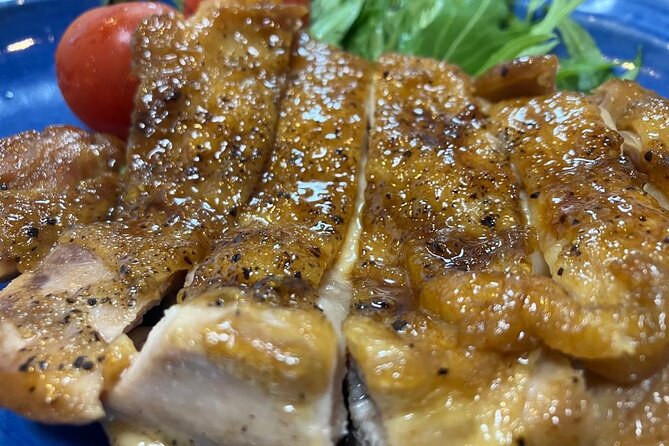
The main dish is only part of the meal. Depending on the menu, Tomoko may prepare several side dishes, a salad, soup, or a dessert such as matcha ice cream with fruit and seasonal toppings. That makes the class feel like a complete Japanese lunch rather than a single recipe lesson.
What you actually do in the kitchen
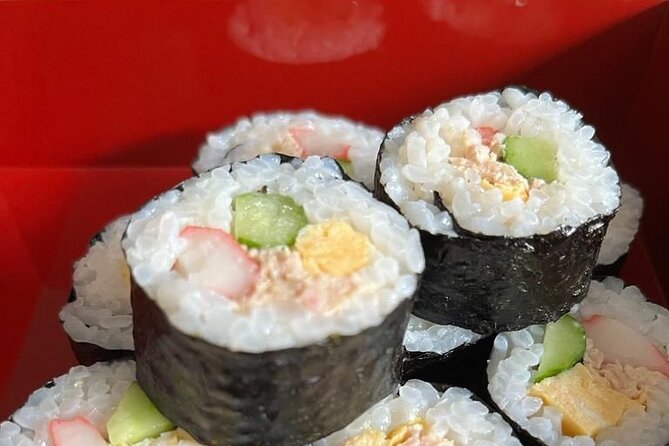
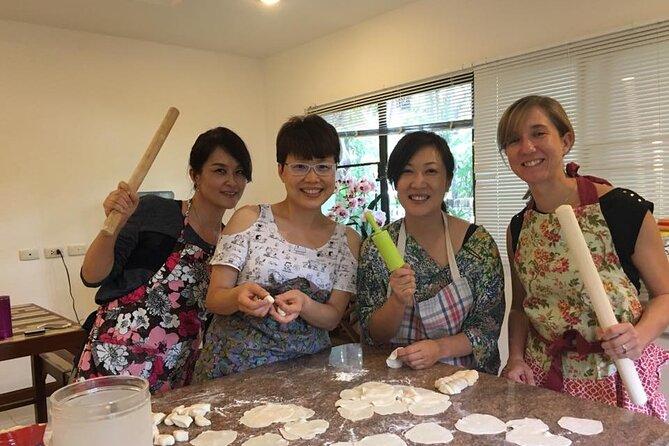
This is a hands-on class, not a cooking show where you watch from a chair. You practice the steps yourself, with Tomoko guiding you through preparation and cooking.
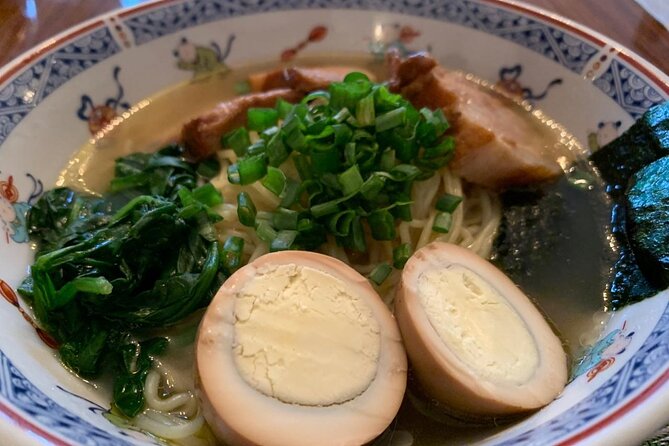
For gyoza, that may mean working with the filling and folding the dumplings. For okonomiyaki, you learn how to combine and cook the batter so the finished pancake has the right texture. For ramen, the lesson can include assembling the soup and working with the toppings.
The amount of work can vary. Some participants have found that Tomoko prepared certain parts in advance to keep the meal moving, while still leaving enough for everyone to practice. That is sensible in a two-and-a-half-hour experience, particularly when the group wants time to talk and eat.
Tomoko also explains ingredients and cooking reasons. That is more useful than simply copying movements because you can adapt the recipes later. Printed English recipes are provided in some classes, giving you something concrete to take home.
The meal is the reward
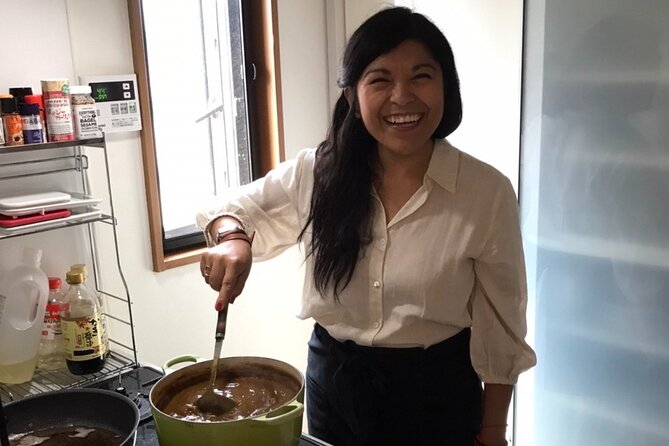
After the cooking, you sit down and eat together. This shared meal is a major part of the experience, so do not treat the class as a quick lesson followed by a separate lunch elsewhere.
Food included in the experience covers the dishes you prepare, side dishes, dessert, bottled water, hot drinks, and alcoholic beverages. Homemade plum wine has been served, along with wine on some occasions. If you do not drink alcohol, you still have nonalcoholic options, but tell the host about your preferences.
The menu can be surprisingly generous. A class focused on okonomiyaki might also include yakisoba, salad, side dishes, and a matcha dessert. A ramen and gyoza session can become a full multi-course meal.
That generosity is excellent for people who want to sample several home-style flavors. It may be less ideal if you only want a tightly focused lesson on one recipe. You are paying for instruction and a social meal, not simply for a ninety-minute cooking tutorial.
Dietary requests and menu flexibility
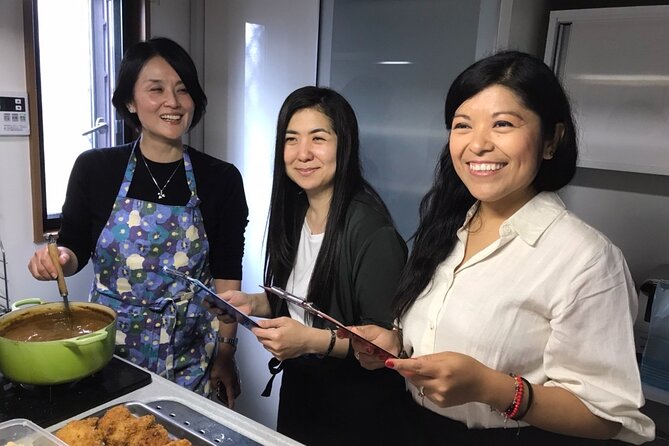
One of the strongest features is Tomoko’s willingness to adjust recipes. Menus have been adapted for vegetarian, vegan, pescatarian, and allergy-related needs. Some participants have chosen vegan and non-vegan ramen for the same class, while others have requested pescatarian dishes.
This flexibility is valuable in Japan, where soup stocks, sauces, and fillings can contain meat or seafood even when a dish looks vegetarian. You should contact Tomoko before the experience and explain your restrictions clearly. Do not assume that every request can be handled at the last minute.
The available information confirms that adjustments have been made successfully, but it does not promise every dietary option for every date. Ask about cross-contact, specific ingredients, and the proposed menu if your allergy is serious.
Families can also find the format comfortable. One class was adapted to include an adult with an intellectual impairment, and the small group made it possible to offer individual attention. That does not replace a formal accessibility guarantee, but it suggests a patient and responsive teaching style.
The value of $110.99
At $110.99 per person, this is not a budget lunch. The price makes more sense when you count everything included: the local walk, the small group, personal teaching, ingredients, a full meal, dessert, drinks, and recipes.
The maximum group size is four. In Tokyo, you often pay a premium for personal attention, and here the small group changes the quality of the lesson. You can ask about knife work, pantry ingredients, substitutions, or Japanese food customs without waiting behind a large class.
The meal itself also has value. You are not paying for one plate of ramen. You are participating in the preparation of several dishes and then eating them in a private home. That makes the cost reasonable for people who value a personal food experience more than a low-cost meal.
I would not recommend it solely as a way to save money on lunch. You can eat more cheaply elsewhere. Book it for the combination of cooking instruction, conversation, neighborhood scenery, and recipes you can use after Japan.
Who will get the most from this experience
I think this class suits you best if you enjoy food and want a personal connection to the place you visit. It is particularly good for:
- First-time cooks who want patient guidance
- Experienced home cooks seeking Japanese recipes
- Solo visitors who want a friendly small-group activity
- Couples and families looking for something beyond major sights
- Vegetarian, vegan, pescatarian, or allergy-conscious diners who arrange details ahead of time
- Honeymooners who want a relaxed shared activity
- Anyone interested in everyday Japanese life, not just restaurant dining
Solo participants should not feel awkward. The tiny group and welcoming home setting make it easier to talk with other people while working with your hands.
It is less suitable if you dislike eating in private homes, want a large formal school with professional kitchen stations, or need a guaranteed menu that is not confirmed in advance. It also may not satisfy you if you want a long temple visit or a major nature walk.
Timing, booking, and useful planning tips
The activity operates Monday through Friday, from 11 a.m. to 2 p.m. It is commonly reserved well ahead, with an average booking lead time of about 44 days. If your dates are fixed, do not leave this until the final week.
The mobile ticket is convenient, and confirmation is provided when you book. The experience finishes back at Todoroki Station, so you can continue your day from the same transport point.
I would avoid scheduling a major timed attraction immediately afterward. The official duration is approximately two hours and 30 minutes, but cooking and a shared meal can feel unhurried or slightly variable. Give yourself breathing room for conversation and the return walk.
You can cancel for a full refund up to 24 hours before the start time. Changes or cancellations made inside that 24-hour window are not accepted for a refund, based on local time.
What I would ask before booking
Send Tomoko your preferred main dish before the class. If you have allergies or dietary restrictions, list every concern clearly rather than simply saying you eat a special diet.
I would also ask which dishes are planned beyond the main course. The class can include several side dishes and dessert, but the exact menu changes. Knowing what you will cook helps you decide if the experience matches your interests.
If you are hoping to buy Japanese pantry staples, ask about that too. Tomoko has helped participants find ingredients at a local grocery store after class, and some have gone on to a sake shop. These extras are not listed as guaranteed parts of the tour, but they may be possible if arranged.
Should you book Casa de Tomokita?
Book this experience if you want a warm, personal food lesson with a little Tokyo nature on either side. The strongest reasons are Tomoko’s flexible teaching, the four-person limit, the substantial meal, and the recipes that let you repeat the experience at home.
At $110.99, it is a special-occasion activity rather than a cheap lunch. You should also accept that the temple and valley visits are short, and that the schedule leaves limited room for a long sightseeing stop.
For food lovers, solo visitors, couples, and families who value conversation over crowds, I think it is a very good use of a Tokyo afternoon. Choose your main dish early, explain dietary needs in advance, arrive hungry, and leave room in your schedule for a generous meal and a relaxed chat.
FAQ
Where does the Japanese cooking class begin?
The experience begins at Todoroki Station, located at 3 Chome-1 Todoroki, Setagaya City, Tokyo 158-0082, Japan.
Where does the experience end?
The activity ends back at the meeting point, Todoroki Station.
How long does the experience last?
The published duration is approximately two hours and 30 minutes. The listed schedule includes a temple visit, a short valley stop, and about two hours at Casa de Tomokita.
What days and times is it available?
It operates Monday through Friday from 11 a.m. to 2 p.m. The stated operating period runs from May 1, 2023, through February 4, 2027.
How many people can join?
The maximum group size is four travelers.
Is the class suitable for beginners?
Yes. The class welcomes everyone from beginners to experienced cooks and includes hands-on instruction.
What dishes can I learn to make?
You can select a main dish in advance. Options can include okonomiyaki, ramen, sushi rolls, and other Japanese dishes. Other menus have included gyoza, takoyaki, yakisoba, fried rice, curry rice, oyakodon, and kakiage tempura.
Are food and drinks included?
Yes. The experience includes all food, bottled water, hot drinks, and alcoholic beverages.
Can the menu accommodate dietary restrictions?
Dietary adjustments have been made for vegetarian, vegan, pescatarian, and allergy-related needs. Contact Tomoko before booking to discuss your specific requirements.
Is cancellation free?
You can cancel at least 24 hours before the start time for a full refund. Cancellations or changes made less than 24 hours before the experience are not accepted for a refund.
More Walking Tours in Tokyo
- Tokyo Tsukiji Fish Market Food and Culture Walking Tour
★ 5.0 · 3,184 reviews - Tokyo: Imperial Palace and Shogun Historical Walking Tour
★ 5.0 · 2,251 reviews - Tokyo: Shinjuku Local Bar and Izakaya Guided Walking Tour
★ 4.9 · 1,794 reviews - Tokyo: Tsukiji Fish Market Food and Walking tour
★ 5.0 · 1,724 reviews
Just added around Tokyo
- Tokyo 6hr Instagram Highlights Private Tour with Licensed Guide★ 5.0 · 38 reviews
- Tokyo Small Group Tour with Guide★ 4.5 · 38 reviews
- Tokyo Sumo Experience with Live Show & Audience Challenge★ 5.0 · 38 reviews
- Japanese Food Cooking Class in Asakusa, Tokyo★ 5.0 · 39 reviews
- Very popular in Harajuku♡Animal petting zoo★ 4.6 · 39 reviews
- Ramen Making from Scratch with Tokyo Mom(Vegan Option Available)★ 5.0 · 39 reviews
- Tokyo JDM Night: 600hp C63s AMG Edition 1 (Private)★ 4.9 · 39 reviews
- Tokyo: Kimono Rental inside Shinjuku Gyoen National Garden★ 4.9 · 39 reviews
Temple & Shrine Tours, compared.
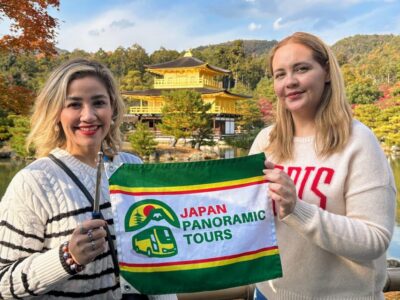
Fushimi Inari, Kinkakuji, Bamboo Grove 1 Day Bus Tour
Read our review →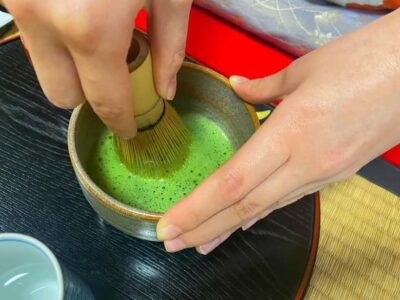
Tea Ceremony in a Traditional Tea House in Kiyomizu
Read our review →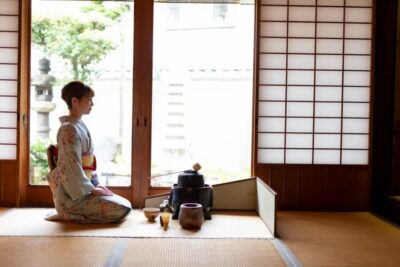

Meiji Shrine, Asakusa, Skytree Bus Tour and Cruise
Read our review →
Fushimi Inari Hidden Hiking Tour (Private Option Available)
Read our review →
Osaka/Kyoto:Kinkakuji,Arashiyama,FushimiInariShrine,NaraPark
Read our review →
Asakusa Walking Tour with Sensoji Temple Visit
Read our review →
Nikko: Kegon Falls, Lake Chuzenji & Toshogu Temple
Read our review →Browse the lists this tour appears in