Reviewed · SHOW
Japanese Traditional Music Show in Tokyo
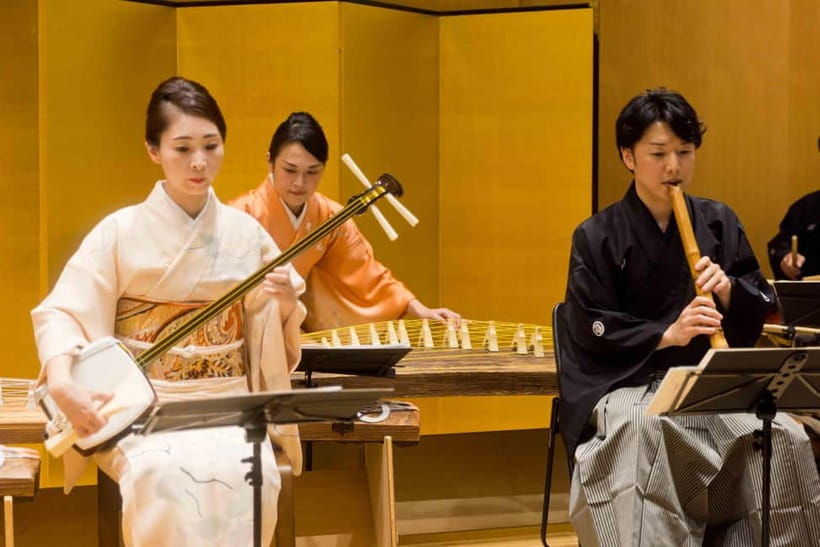
Traditional music gets a friendly introduction here. At the one-hour Zakuro Show, you sit close to musicians in kimono as they play koto, shamisen, shakuhachi flute, and taiko drums. The host explains the instruments and the background of each piece in English and Japanese, so you are not left guessing at what you are hearing.
I like the small numbered audience, which gives the performance a personal feel, and I like the mix of old Japanese music, newer arrangements, and a western pop cover. The main consideration is the short running time: at $38 per person, this is good value for a focused cultural hour, but it is not a full evening concert.
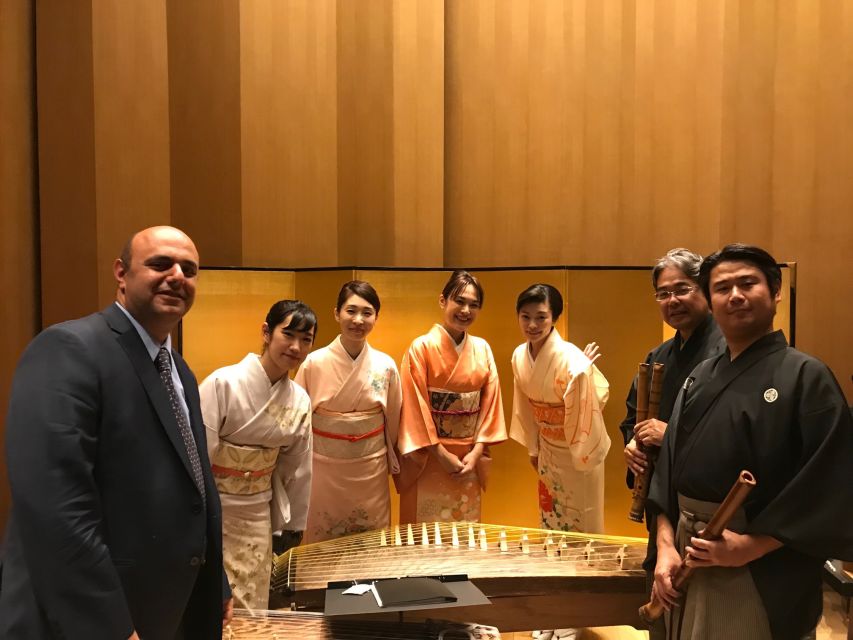
You will find the show at Hall 60, only a minute from Meiji-Jingumae Station Exit 7 and about five minutes from JR Harajuku Station’s Omotesando Exit. It fits neatly into a day around Harajuku and Omotesando. The venue is wheelchair accessible, and you can take photos and videos during the show, then pose with the musicians afterward.
In This Review
- Key points to know before booking
- Why this one-hour concert works so well
- Entering Hall 60 near Harajuku
- The instruments you will hear up close
- Koto, the Japanese harp
- Shamisen, the sharp-voiced lute
- Shakuhachi, the breathy bamboo flute
- Taiko, the physical heartbeat
- How the program moves from old music to a surprise
- A close audience changes the experience
- Photos, videos, and meeting the musicians
- Is $38 a fair price?
- Who should book Zakuro Show?
- Practical details that help you plan
- Should you book this Tokyo music show?
- FAQ
- Where is the Japanese Traditional Music Show held?
- How long does the concert last?
- How much does the experience cost?
- Which instruments are included in the performance?
- Is the show available in English?
- Can I take photos and videos during the show?
- Does the ticket include a reserved seat?
- Is the venue wheelchair accessible?
- Can I cancel the booking for a refund?
Key points to know before booking
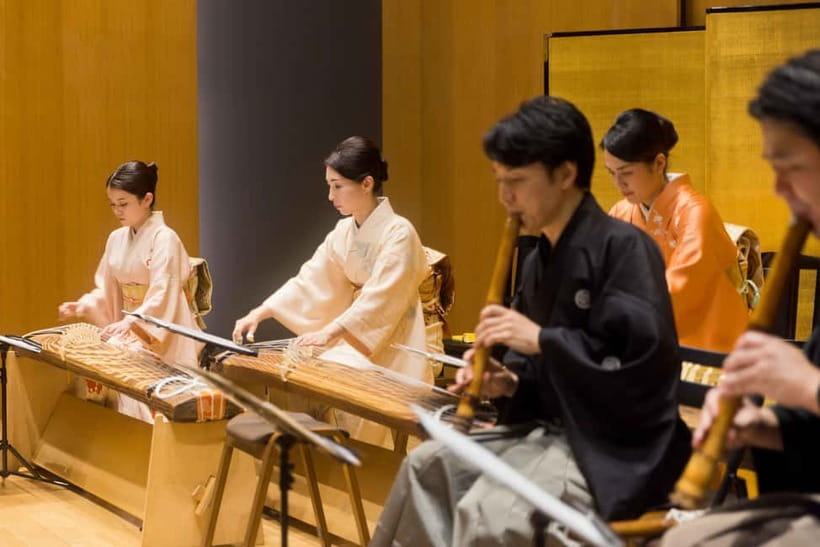
- Four classic Japanese instruments appear together: Listen for the bright koto, expressive shamisen, breathy shakuhachi, and powerful taiko.
- The host teaches as well as introduces: English and Japanese explanations cover how the instruments work, how they are made, and their place in Japanese music.
- The room is intentionally intimate: Numbered seating puts the musicians right in front of you rather than far away on a large stage.
- The program crosses old and new: Ancient pieces share the program with modern traditional music and a surprise western hit.
- Photos are part of the experience: You may record during the performance and take pictures beside the musicians afterward.
- The location is easy to reach: Hall 60 is one minute from Meiji-Jingumae Station and five minutes from Harajuku Station.
Why this one-hour concert works so well
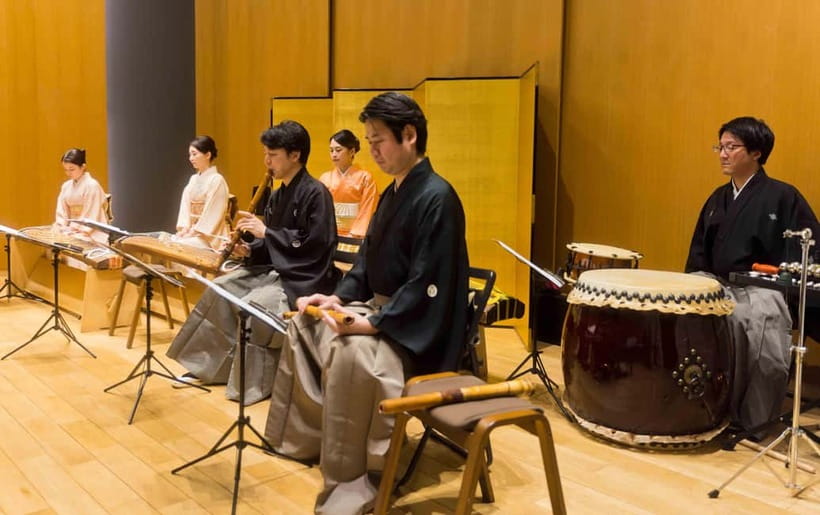
Japanese traditional music can seem difficult to approach. The instruments look unfamiliar, the musical structure may not resemble western pop or classical music, and the meaning of an old piece is not always obvious to someone visiting Japan for the first time.
Zakuro Show solves much of that problem by placing explanation between the musical numbers. You do not simply hear a series of tunes with no background. The host gives you a way into the sound, explaining the instruments and the history connected with the pieces.
I especially like this format for a first introduction. The teaching is not separated from the performance in a long lecture. Instead, it helps you listen more carefully to what comes next. You begin to notice the difference between the plucked strings of the koto and shamisen, the single breath of the shakuhachi, and the physical force of the taiko.
The concert is also built for an international audience without shutting out Japanese residents. Presentations are available in English and Japanese, and the host or greeter speaks both languages. That makes this a good choice if you want cultural context but do not speak Japanese.
A few more Tokyo experiences worth weighing up
- Mt Fuji & Hakone Cruise, Drum Show Bullet Train 1 Day from Tokyo
★ 4.0 · 7,413 reviews - Tokyo: Sumo Show Experience with Chicken Hot Pot and a Photo
★ 4.8 · 6,678 reviews - Tokyo: Sumo Show and Dining Experience
★ 4.8 · 2,742 reviews
Entering Hall 60 near Harajuku
The meeting point is Hall 60, close to two of Tokyo’s most useful stations. From Meiji-Jingumae Station, use Exit 7 and expect about a one-minute walk. From JR Harajuku Station, the Omotesando Exit is about five minutes away.
That location makes the concert easy to pair with other plans. You might visit Harajuku first, walk along Omotesando, and then attend the show without spending much time crossing Tokyo. Since the performance lasts only one hour, it can also work before dinner or as a break between sightseeing stops.
You receive a reserved seat, so you do not need to compete for a position once inside. The audience is kept small and seated by number. That matters here because the performance depends on close contact with the musicians. You can see their hands working the instruments and catch the details of their traditional clothing.
The supplied information does not give a specific arrival time, so check the selected starting time carefully when booking. The ticket includes entry, the reserved seat, and the one-hour concert program. Food, drinks, merchandise, and transport to the venue are not included.
The instruments you will hear up close
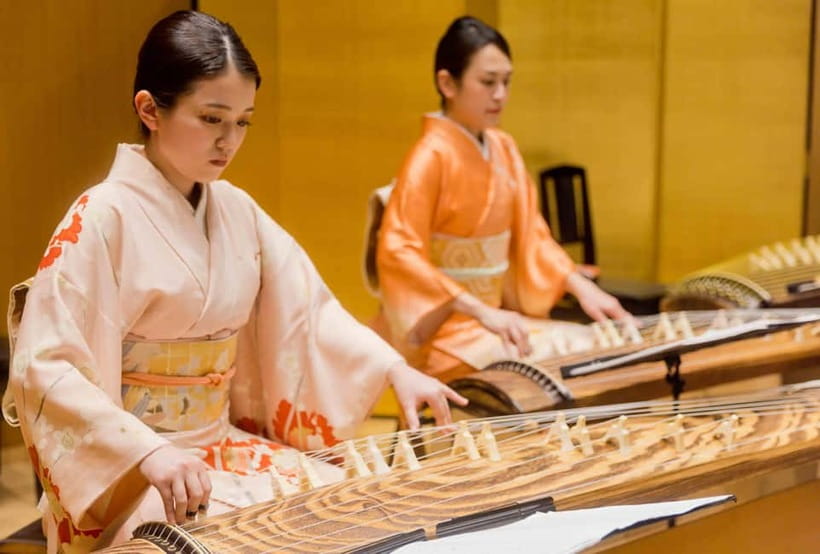
The program uses a broad group of wagakki, the Japanese term for traditional Japanese instruments. Each one brings a different sound and playing style, and the explanations help you tell them apart.
Koto, the Japanese harp
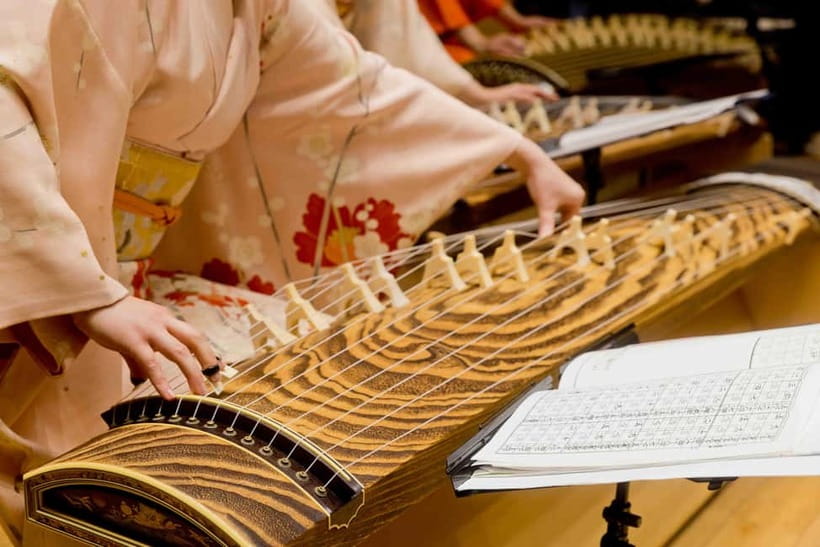
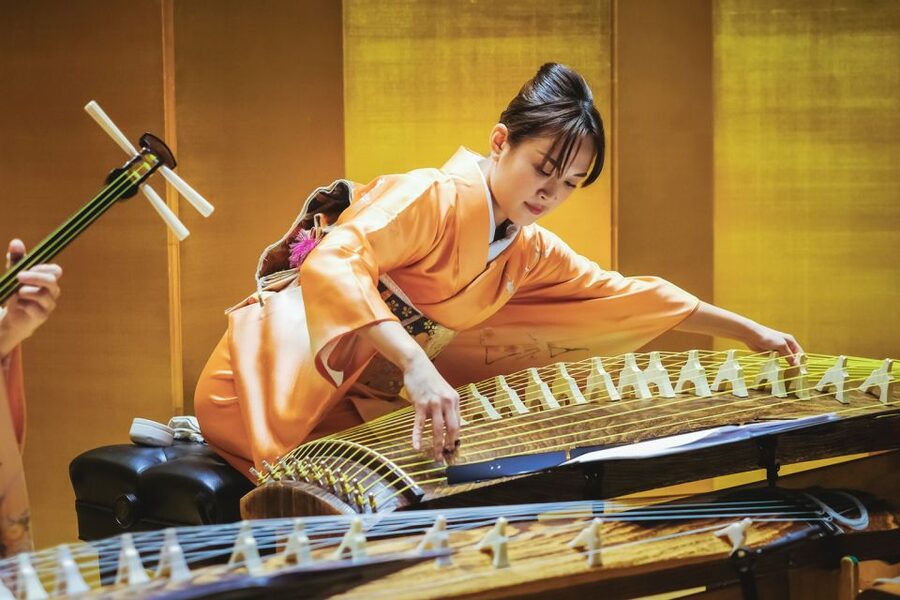
The koto is often described for visitors as a Japanese harp, though its shape and playing method are distinctive. It is a long string instrument played horizontally, producing clear, ringing notes.
In a small room, you should be able to appreciate the detail in each plucked sound. The koto can feel delicate, but it can also carry a strong melody. The host explains the instrument’s background and construction, giving you more to listen for than simply its unusual appearance.
A completely different kind of day out in Tokyo:
- Mt Fuji and Hakone 1-Day Bus Tour Return by Bullet Train
★ 5.0 · 26,383 reviews - 1-Day Tokyo Bus Tour
★ 5.0 · 14,250 reviews - Tokyo: TOKYO SKYTREE® Admission ticket
★ 4.5 · 11,192 reviews - Tokyo: teamLab Planets TOKYO Digital Art Museum Entry Ticket
★ 4.6 · 9,779 reviews
Shamisen, the sharp-voiced lute
The shamisen is a three-stringed instrument with a bright, pointed tone. Its sound has a direct quality that can cut through the gentler notes of the koto.
This contrast is one of the pleasures of hearing several instruments in one program. The shamisen does not sound like a western guitar, and treating it as one would miss much of its character. The presentation helps you understand how its shape and strings contribute to its voice.
Shakuhachi, the breathy bamboo flute
The shakuhachi flute has a haunting, airy sound. Unlike a polished orchestral flute, it can retain the character of the player’s breath, giving the music a human and sometimes meditative quality.
The shakuhachi section may appeal most to you if you enjoy music built around tone and atmosphere rather than a heavy beat. The explanation of how the instrument is made and played adds useful context, especially if you have never encountered it before.
Taiko, the physical heartbeat
Taiko drums bring weight and movement to the program. Their sound changes the energy of the room and gives you a strong contrast with the strings and flute.
A large drum performance can fill a concert hall, but this show places you close to the musicians. That proximity makes the taiko feel immediate. It also helps younger audience members stay engaged, especially if they find quieter traditional pieces harder to follow.
How the program moves from old music to a surprise
The exact song order is not given in advance, but the format is clear. The concert combines traditional Japanese compositions, newer music using traditional instruments, and a western hit arranged for the ensemble.
The older selections provide a sense of Japan’s musical past. The host explains the history of the pieces and the instruments, so you can place the sounds in a broader cultural setting. You are not expected to arrive with specialist knowledge.
The modern arrangements show that these instruments are not museum objects. They can handle new musical ideas and familiar melodies while keeping their own tone. This is particularly effective for first-time listeners because the program gives you an easy bridge between an unfamiliar tradition and something recognizable.
The western cover is kept as a surprise. I would not plan on guessing what it will be, since part of the fun is hearing a familiar tune recast through koto, shamisen, shakuhachi, or taiko. It is a clever way to show what these instruments can do without turning the concert into a novelty act.
The host’s role is important throughout. Clear translation and well-timed explanations help the music remain the main event. The strongest feature of the format is that the educational material is interspersed with the pieces rather than piled into one long introduction.
A close audience changes the experience
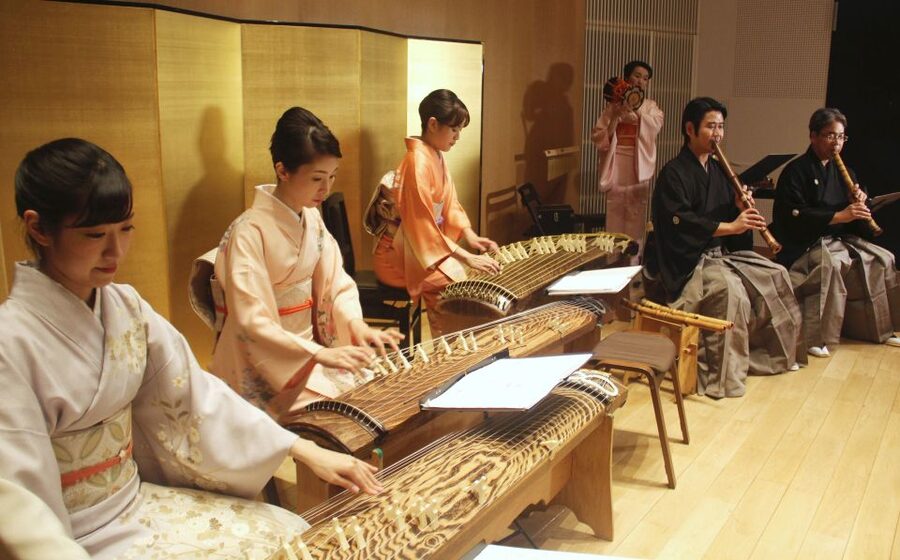
Large stage productions can give you spectacle, but they also create distance. This show takes the opposite approach. The audience is small, seats are numbered, and the musicians sit or perform directly in front of you.
That intimacy lets you focus on technique. You can watch the hands of the string players, see the instruments as they are played, and observe the musicians’ formal clothing at close range. For a visitor who wants more than a quick photo of a cultural performance, this is a real advantage.
The tradeoff is that you should not expect the scale of a major theater concert. The appeal is concentration, not grandeur. If you want a huge stage, elaborate lighting, or a long multi-act production, this one-hour format may feel modest.
Still, the compact setting is a good fit for Tokyo sightseeing. You get a complete cultural experience without giving up half a day. Several people have described the music as one of the most memorable parts of their Tokyo visit, and that makes sense: the performance is short, direct, and easy to understand.
Photos, videos, and meeting the musicians
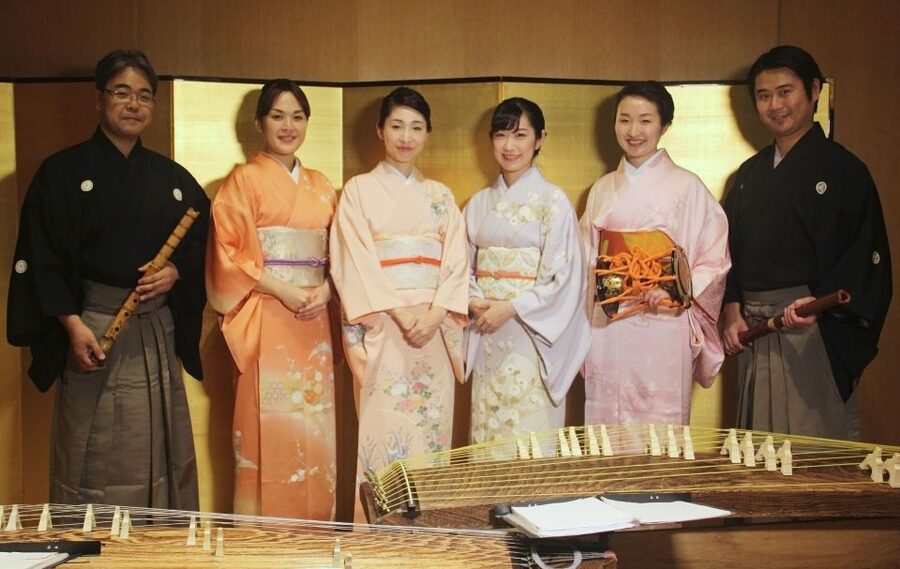
Many concerts restrict photography, but this one allows you to take pictures and videos during the show. That is useful if you want to remember a particular instrument or share a short part of the performance with family at home.
Use common courtesy, of course. Keep your device from blocking the view of the person behind you, and avoid letting recording distract you from the music. The opportunity is best treated as an extra, not as the main reason to attend.
Afterward, you can take photos beside the musicians. This adds a personal finish to the hour and gives children and teenagers a chance to meet the performers rather than simply watching them from their seats.
The post-show photo opportunity also suits visitors who enjoy cultural activities that include some interaction. It is a simple touch, but it helps the concert feel more welcoming and less formal.
Is $38 a fair price?
The cost is $38 per person. For that price, you receive admission, a reserved seat, and a one-hour concert with live musicians, bilingual hosting, instrument explanations, and the chance to take photos afterward.
I consider that reasonable, especially in central Tokyo. You are paying for a live performance in a small room rather than a large tourist production, and the educational part gives the hour more value than a concert with no explanation. The musicians are described as highly accomplished, and the strongest praise consistently focuses on the quality of the playing and the skill of the host.
The value is strongest for people who want a clear introduction to Japanese music. If you already attend traditional music concerts regularly, you may find the explanatory sections basic. In that case, the appeal will depend more on the close seating and the selection of instruments.
There are no food or drinks included, but that is not a serious drawback for a one-hour event. Plan a meal separately in Harajuku or Omotesando. Merchandise is also extra and not part of the ticket.
The free cancellation period is up to 24 hours before the activity for a full refund. You can also reserve now and pay later, which helps if your Tokyo schedule is still changing. Starting times vary, so availability must be checked for your chosen date.
Who should book Zakuro Show?
I would recommend this concert to:
- First-time visitors who want an accessible introduction to Japanese culture
- Couples looking for a calm evening activity near Harajuku
- Families with older children or teenagers who enjoy live music and photography
- Music lovers curious about instruments outside the western tradition
- Visitors who need English explanations
- Anyone with only one free hour for a cultural activity
The show may be less suitable if you want a long performance, a large theater setting, or a meal included with your ticket. It is also not designed as a full history lesson on Japanese music. Think of it as a carefully shaped first encounter, with enough context to make the sound meaningful.
The mix of traditional and modern pieces is a real strength. You hear music connected to Japan’s past, then see how the same instruments can handle contemporary arrangements and a familiar western melody. That balance keeps the program from feeling either too academic or too staged for tourists.
Practical details that help you plan
The show operates in English and Japanese, with a host or greeter available in both languages. The venue is wheelchair accessible. You do not need to arrange hotel pickup or drop-off because the meeting point is close to public transport.
Your reserved seat is included, and the ticket line is skipped. Check the start time during booking, then allow enough time to reach Hall 60 from your chosen station. Meiji-Jingumae is the quickest option, while Harajuku Station is also convenient if you are already exploring that area.
The performance lasts one hour. Since the schedule is compact, arrive ready to focus from the beginning. There is no need to plan a full evening around it, but you should leave room afterward if you want to take photos with the musicians.
Should you book this Tokyo music show?
Book it if you want an intimate, clearly explained introduction to Japanese traditional music. The best reasons are the close seating, the excellent range of instruments, the bilingual host, and the thoughtful move from historic pieces to modern music and a surprise western cover.
At $38, it offers solid value for a central Tokyo activity that takes only an hour. I would especially choose it for a first visit, a family outing, or an evening when you want something more distinctive than another shopping district or observation deck.
Skip it only if you need a large-scale concert or prefer entertainment with no spoken explanation. For most curious visitors, Zakuro Show provides a memorable look and listen at Japanese music without demanding a full day or specialist knowledge.
FAQ
Where is the Japanese Traditional Music Show held?
The show is held at Hall 60 in Tokyo. It is a one-minute walk from Meiji-Jingumae Station Exit 7 and about five minutes from JR Harajuku Station’s Omotesando Exit.
How long does the concert last?
The concert program lasts one hour.
How much does the experience cost?
The listed price is $38 per person.
Which instruments are included in the performance?
The program features koto, also described as Japanese harp, shamisen, shakuhachi flute, and taiko drums.
Is the show available in English?
Yes. The experience operates in English and Japanese, and the host or greeter can provide English explanations and translation.
Can I take photos and videos during the show?
Yes. You may take photos and videos during the performance, and you may also take photos with the musicians afterward.
Does the ticket include a reserved seat?
Yes. Entry to the venue, a reserved seat, and the one-hour concert program are included.
Is the venue wheelchair accessible?
Yes. The activity is listed as wheelchair accessible.
Can I cancel the booking for a refund?
Yes. You can cancel up to 24 hours in advance for a full refund. Reserve now and pay later is also available.
Just added around Tokyo
- Tokyo 6hr Instagram Highlights Private Tour with Licensed Guide★ 5.0 · 38 reviews
- Tokyo Small Group Tour with Guide★ 4.5 · 38 reviews
- Tokyo Sumo Experience with Live Show & Audience Challenge★ 5.0 · 38 reviews
- Very popular in Harajuku♡Animal petting zoo★ 4.6 · 39 reviews
- Japanese Food Cooking Class in Asakusa, Tokyo★ 5.0 · 39 reviews
- Ramen Making from Scratch with Tokyo Mom(Vegan Option Available)★ 5.0 · 39 reviews
- Tokyo: Kimono Rental inside Shinjuku Gyoen National Garden★ 4.9 · 39 reviews
- Tokyo JDM Night: 600hp C63s AMG Edition 1 (Private)★ 4.9 · 39 reviews
Show, compared.

Mt Fuji & Hakone Cruise, Drum Show Bullet Train 1 Day from Tokyo
Read our review →

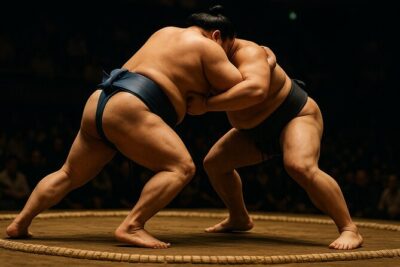
Tokyo Shinjuku Sumo Show & Experience with Photo
Read our review →

Mt Fuji & Hakone Cruise, Drum Show Bus 1 Day from Tokyo
Read our review →