
Reviewed · GOVERNMENT-LICENSED GUIDE TOURS
Kagoshima Private & Custom Tour with Licensed Guide and Vehicle
Kagoshima rewards a flexible plan. This six-hour private tour lets you shape the day around your interests, with an English-speaking licensed guide, a government-licensed vehicle, and pickup at a port, hotel, or train station. I like the private format, since you can set the pace instead of waiting for a bus group. I also like the chance to combine major sights with more personal choices, such as Satsuma Kiriko glass, pottery, a sand bath, or a whisky distillery. The main drawback is that the price is high for a short outing, and admission fees, meals, fuel, tolls, parking, and the Sakurajima ferry are extra.
The tour is best understood as a menu, not a fixed sightseeing loop. You select two or three sites from a long list, then work with the operator to build a sensible route. That flexibility has real value in Kagoshima, where city sights, Sakurajima, Chiran, and Kirishima are spread across a large area.
In This Review
- Key points at a glance
- Why a private Kagoshima day can be worth the cost
- Building your six-hour route
- Sengan-en and the Shimadzu story
- Satsuma Kiriko, the Foreign Engineers, and Meiji Kagoshima
- Sakurajima, a volcano you can approach
- Chiran’s difficult history and quiet gardens
- Saraku Sand Bath Hall and practical health limits
- Tenmonkan, Terukuni Shrine, and city stops
- Kirishima’s shrines, art, armor, and pottery
- Mars Tsunuki Distillery for whisky fans
- Guides, vehicles, and the human side of the day
- Who should book this tour?
- Final verdict: book it for flexibility, not for a checklist
- FAQ
- Is this a private tour?
- How long does the tour last?
- How many sites can I choose?
- Where can pickup and drop-off take place?
- Is an English-speaking guide included?
- Is transportation included?
- Are admission tickets included?
- Are Sakurajima ferry costs included?
- Can everyone use the Saraku hot sand bath?
- What happens if bad weather cancels the tour?
- Is the tour refundable if I cancel?
Key points at a glance
- Private vehicle and licensed English-speaking guide: Your group travels alone, with flexible pickup and drop-off at ports, hotels, or train stations.
- Choose two or three major stops: You can focus on gardens and history, volcano scenery, Chiran, crafts, hot springs, or whisky.
- Sakurajima can be the day’s centerpiece: Add the visitor center, lava fields, Yunohira Observatory, and a long volcanic footbath if timing works.
- Chiran brings a sobering wartime chapter: The Peace Museum is serious and emotional, while the Samurai Residence Gardens offer a quieter historical contrast.
- Families and larger groups receive practical support: Multiple licensed guides and vehicles can be arranged, and past outings included groups of 15 and 18.
- Extra costs need attention: Entrance tickets, food, ferry charges, fuel, tolls, and parking are not included.
Why a private Kagoshima day can be worth the cost
Kagoshima is not a city where every worthwhile sight sits within an easy walk of the center. Sengan-en is north of downtown. Sakurajima requires a ferry crossing. Chiran and Saraku Sand Bath Hall are farther south, while Kirishima lies in another direction.
A private car solves the main problem: wasted time. You are not tied to a large group’s meal stop or forced to visit a museum that does not interest you. If your group wants gardens and craftwork, the guide can keep the day cultural. If you want volcano views and hot springs, the plan can turn toward Sakurajima.
The listed price is $625.94 per group of up to one person, so confirm the final cost for your party before booking. That figure is not a cheap half-day sightseeing fare. It becomes more reasonable if you are sharing the cost with family or friends, need a port transfer, want help with a wheelchair, or hope to cover several areas that would be awkward by public transport.
The price also includes an air-conditioned vehicle, private transportation, bottled water, and domestic travel accident insurance. You still pay admission charges and operating expenses, so ask for the detailed estimate before the day. If extra charges apply, the operator provides an estimate in advance, with credit-card payment settled at the end.
More licensed guide tours in Japan:
- Tokyo 6hr Private Tour with Government-Licensed Guide
★ 5.0 · 3,902 reviews - Tokyo 4hr Private Tour with Government-Licensed Guide
★ 5.0 · 1,394 reviews - Kyoto 6hr Private Tour with Government-Licensed Guide
★ 5.0 · 1,369 reviews
Building your six-hour route
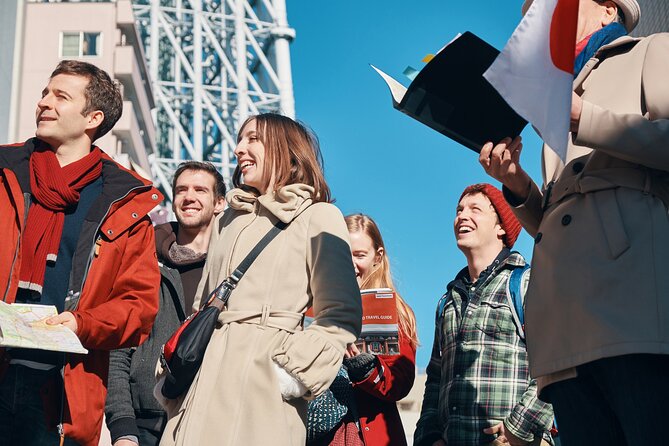
The strongest feature is the ability to select only two or three places. That sounds simple, but it matters. Six hours is enough for a focused outing, not for every stop listed.
For a first visit, I would choose one main theme:
- Sengan-en, Satsuma Kiriko, and a city history site
- Sakurajima with the visitor center and Yunohira Observatory
- Chiran Peace Museum and the Samurai Residence Gardens
- Saraku Sand Bath Hall with one nearby cultural stop
- Kirishima Jingu and Mars Tsunuki Distillery
Trying to combine Sengan-en, Sakurajima, Chiran, and Kirishima in one six-hour period would make the day feel rushed. The guide can help judge what fits, but you should be clear about your priorities before pickup.
The operator can arrange more than one guide and vehicle for larger groups or special needs. That is useful for families, seniors, and groups that need more room. Previous outings included a party of 18 in a small bus and a group of 15 with plenty of space. A wheelchair user was also accommodated, though you should discuss exact access needs in advance rather than assuming every site is step-free.
Sengan-en and the Shimadzu story
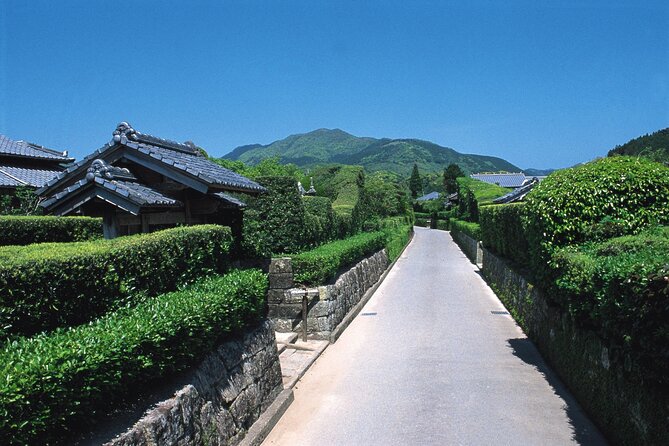
Sengan-en is one of the best choices for a first Kagoshima visit. This Japanese-style residence and garden sits beside the coast north of the city and was built in 1658 as one of the Shimadzu clan residences.
The setting gives you several experiences at once: a grand former home, carefully arranged gardens, coastal views, and a direct connection to the ruling family of the Satsuma domain. I like this stop because it gives context to Kagoshima before you move on to its industrial and political sites.
Allow about 1 hour and 10 minutes. Admission is not included. The grounds are attractive, but the visit is not just about taking photographs. A good guide can explain how the Shimadzu family shaped local industry and helped push Satsuma toward contact with the modern world.
Nearby, the Shoko Shuseikan Museum occupies the former Shuseikan machinery factory, described as the oldest surviving Western-style factory building in Japan. Its exhibits cover Satsuma modernization projects. The listed visit time is only 10 minutes, which suggests it works best as a short addition to Sengan-en rather than a stand-alone museum visit.
Satsuma Kiriko, the Foreign Engineers, and Meiji Kagoshima
The Iso area offers several ways to see Kagoshima’s industrial past. At the Satsuma Kiriko Glassworks and Iso Kogei-kan, you can watch artisans make Satsuma Kiriko cut glass and buy finished pieces next door.
Satsuma Kiriko is known for colored glass layered over clear glass and cut to reveal patterns beneath the surface. This is a useful stop if you prefer seeing a craft in production rather than only viewing objects behind glass. Purchases are optional, and admission details are not included in the tour price.
The Foreign Engineer’s Residence, or Ijinkan, connects the area to Japan’s first Western-style spinning mill. Foreign engineers lived here while helping operate the mill. Films and exhibits explain the building and its role, giving you another way to understand how quickly the Satsuma domain pursued new technology.
In central Kagoshima, the Museum of the Meiji Restoration uses displays and films to explain the political changes of the period. It is a good choice if you want more background after visiting Sengan-en. The museum may be less appealing if your group prefers scenery and hands-on activities, which is exactly why a custom tour helps.
A few more Japan experiences worth weighing up
- Sakurajima Century Lava Climb Journey with E-bike
★ 5.0 · 54 reviews - Discover the Wonders of Sakurajima Half Day Tour in Kagoshima
★ 5.0 · 34 reviews - Sakurajima Century Lava Climb Journey with E-bike
★ 4.9 · 27 reviews
Sakurajima, a volcano you can approach
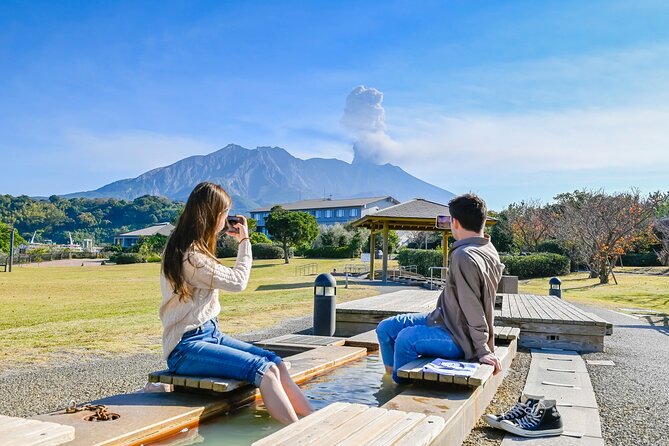
Sakurajima is the obvious choice for anyone who wants Kagoshima’s strongest natural sight. The island is an active volcano, and the visitor center explains its eruptions through films and dioramas. It also serves as a base facility for the Geopark and has specialty goods and souvenirs.
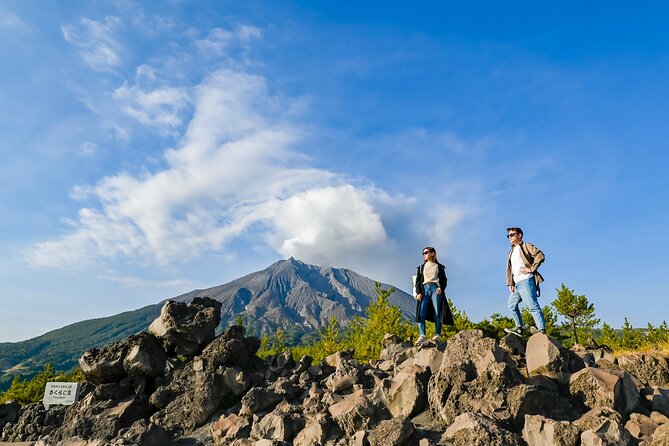
The volcanic setting becomes more immediate at the lava fields. One observatory sits along a 1-kilometer trail on land formed by the major 1946 eruption. From there, you can look across the lava area toward Sakurajima and Kinko Bay.
Yunohira Observatory is the highest point on Sakurajima open to the public. It offers views of rough lava fields and, at times, smoke rising from the volcano. Weather matters here. Cloud, haze, or volcanic activity can affect what you see, so the tour requires good weather and may need to change if conditions are poor.
The Yougan Nagisa Park Public Footbath adds a pleasant local touch. This natural hot spring footbath runs for about 100 meters and faces Sakurajima. Bring or wear clothing that makes it easy to expose your lower legs, and remember that the tour does not list towels or other personal items as included.
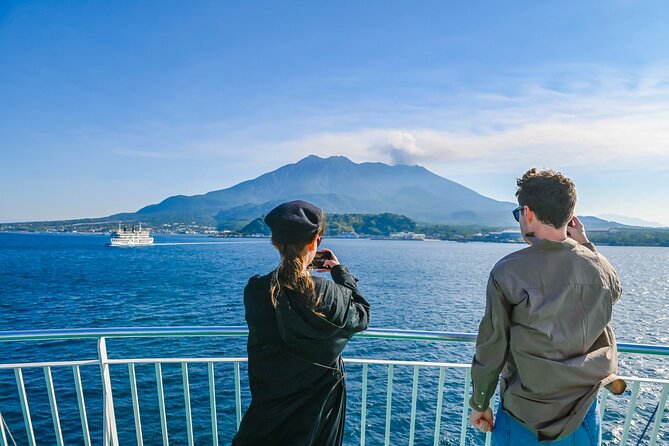
The Sakurajima ferry boarding fee and vehicle fare are extra. That is an important cost detail, especially if your group chooses several Sakurajima stops. The ferry crossing itself is part of the practical reason to use a private vehicle, but it also adds time and expense to the day.
Chiran’s difficult history and quiet gardens
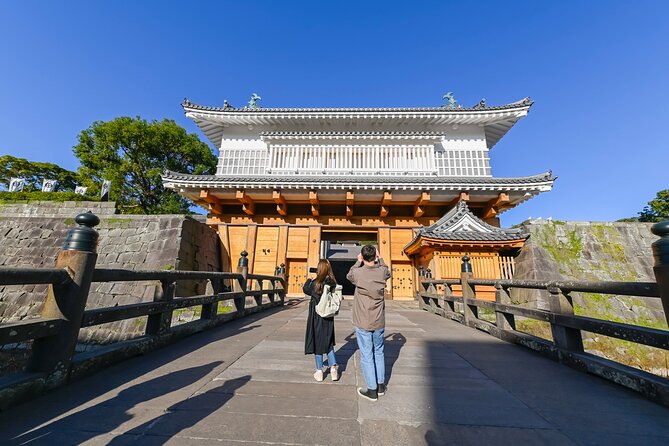
Chiran makes the most sense as a focused southern Kagoshima excursion. The Chiran Peace Museum for Kamikaze Pilots presents the personal and military history of the pilots and frames the site around the importance of world peace.
Allow about one hour. This is not a light sightseeing stop. The museum deals with death, war, and the final letters and stories connected to the pilots. You may find it deeply moving, but families with young children should consider the subject carefully. One family particularly valued the historical guidance, while another described the museum visit as traumatic. That contrast is a useful warning about the emotional weight of the site.
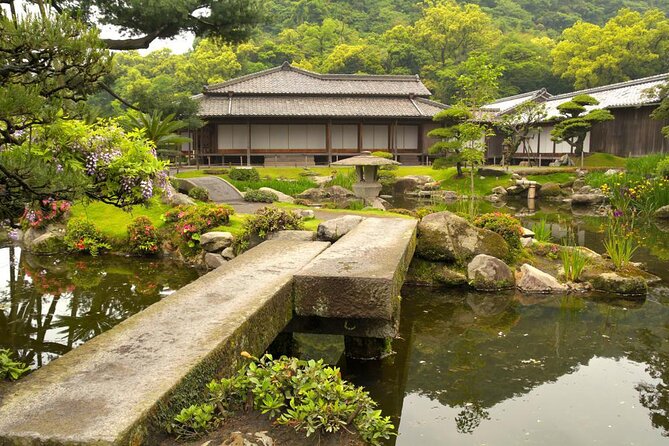
The Chiran Samurai Residence Gardens provide a different mood. Chiran was once home to more than 500 samurai residences during the late Edo period, and the district is sometimes called the Little Kyoto of Satsuma. The original residences are largely gone, but the gardens remain the main attraction.
The visit is listed at about 30 minutes, though you may want more time if you enjoy garden design. The gardens are compact compared with Kyoto’s major temple grounds, which makes them manageable during a six-hour outing. Combining the gardens with the Peace Museum gives you a strong day of local history, but the two stops carry very different moods.
Saraku Sand Bath Hall and practical health limits
At Saraku Sand Bath Hall, you lie in naturally heated sand while staff cover your body. Local people have used the hot sand baths for more than 350 years, and the experience is one of southern Kyushu’s most unusual attractions.
The visit takes about one hour, and admission is extra. You should not treat this as an ordinary sightseeing stop. The facility excludes people with high blood pressure of 180/100 mmHg or more, heart disease, arrhythmia, angina, lung disease, pregnancy, inflammation, or fever. You should also avoid alcohol before bathing.
These restrictions are not minor fine print. Tell the operator about relevant health concerns before choosing Saraku. If you can safely take part, the bath gives the tour a memorable local experience that no ordinary city walk can match. If you cannot, use the custom format to choose gardens, museums, or volcano viewpoints instead.
Tenmonkan, Terukuni Shrine, and city stops
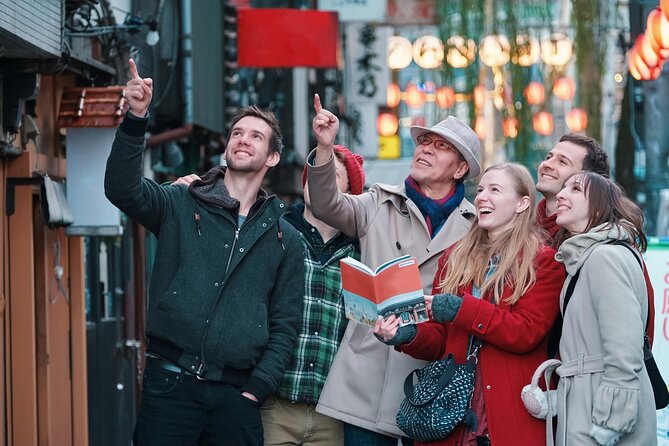
Tenmonkan is Kagoshima’s main shopping district. Its name comes from Meijikan, an astronomical institute established by the Satsuma domain during the Edo period. Today, it is useful for shopping, snacks, and a short look at the city’s daily rhythm.
Terukuni Shrine is considered Kagoshima’s greatest shrine and has a huge torii gate. Admission is free. It is especially popular during New Year and the Rokugatsudo Lantern Festival, though the tour information does not specify festival dates, so ask before planning around an event.
The Kagoshima City Aquarium faces Sakurajima and covers themes such as the Kuroshio Current and the sea around the Nansei Islands. Its main attraction includes 30,000 marine creatures. This is a sensible choice for families, particularly if children need a break from historic homes and museums.
These city options work well when weather makes outdoor viewing uncertain. They also let you keep the route close to downtown if you are arriving by ship and have a strict return time.
Kirishima’s shrines, art, armor, and pottery
The Kirishima choices are best for repeat visitors or anyone willing to spend the day beyond central Kagoshima. Kirishima Jingu is a major shrine whose main hall, Shinden Hall, and worship hall were designated national treasures in 2022.
The Kirishima Art Forest places modern art among the natural surroundings of Kirishima. It offers a change of pace from shrines and historical displays, with art meant to be experienced through sight and the surrounding setting.
At the Marutake Armor Factory, you can see Japanese armor and helmets in a workshop arranged around a large Japanese castle and garden. The site reopened after renovation in 2018. This should appeal to anyone interested in samurai equipment and traditional craftsmanship.
The Kiln of the 15th Chin Jukan traces a Satsuma ware tradition from the first Chin Jukan through the current 15th. The kiln continues to produce white Satsuma ware and other traditional pieces. Like the glassworks, it gives you a chance to connect finished art with the process behind it.
Mars Tsunuki Distillery for whisky fans
Mars Tsunuki Distillery is the southernmost whisky distillery on Japan’s main islands. The site includes an old still tower building and a stone barrel warehouse, along with a production tour.
The visit lasts about one hour and admission is free. It is a strong choice for adults who want a craft and production stop rather than another shrine or museum. Since the tour has a custom structure, you should confirm what tasting or purchasing opportunities are available before making this the main reason for the outing.
Guides, vehicles, and the human side of the day
The strongest praise centers on the staff. Tada, Mio, Cozy, Ted, Shiho, and Shohi are all named in positive accounts of the service. The recurring strengths are punctual pickup, good English, patience, and a willingness to alter the plan when circumstances change.
Tada and Mio were praised for handling a wheelchair user and for making a family feel well cared for. Cozy and Tada worked with a family traveling with four young children, adding activities such as origami and a soba-making experience. Those activities are not standard inclusions, so do not assume they come with every booking, but they show how far the team may go when arranging a family day.
Ted was described as highly informed, though one practical criticism was that his voice could be hard to hear outdoors. If hearing a guide clearly is important to you, ask about audio support or request that the guide speak near the group at outdoor sites.
Pickup staff wait with a sign showing your name, which is helpful at an unfamiliar port or station. You can contact the operator through Viator messages or WhatsApp before and during the tour. Mineral water is provided.
Who should book this tour?
I would choose this experience if you want control over the day and have a clear priority. It suits cruise passengers, families with children, older visitors, wheelchair users who arrange needs ahead of time, and larger groups that want to stay together.
It also suits anyone who wants a local guide rather than a simple hired car. The best value comes when the guide adds context, adjusts the pace, and helps you choose between far-flung sights.
I would hesitate if you want a low-cost group tour, dislike planning, or expect every expense to be included. The non-refundable policy is strict: cancellations or amendments normally receive no refund. If poor weather causes the operator to cancel, you are offered another date or a full refund.
Final verdict: book it for flexibility, not for a checklist
This is a strong Kagoshima option when your group values time, comfort, and personal attention. I especially like the combination of licensed local guidance, port pickup, and the freedom to choose between volcano scenery, gardens, crafts, wartime history, hot sand, and whisky.
Book it after deciding what matters most. Choose Sakurajima for volcanic views, Chiran for serious history, Sengan-en for gardens and the Shimadzu story, or a craft and distillery route for hands-on culture. Do not try to cover the entire region in six hours. Ask for the full cost, including tickets and transport expenses, then book if the convenience and private service justify the price for your group.
FAQ
Is this a private tour?
Yes. Only your group participates, and you are not combined with other groups.
How long does the tour last?
The tour lasts approximately six hours.
How many sites can I choose?
The included custom tour covers two or three sites selected from the available choices.
Where can pickup and drop-off take place?
Pickup and drop-off can be arranged at ports, hotels, and train stations. Confirm your preferred locations with the operator.
Is an English-speaking guide included?
Yes. An English-speaking licensed guide is arranged for the tour.
Is transportation included?
Yes. The tour includes private transportation in an air-conditioned, government-licensed vehicle.
Are admission tickets included?
No. Admission fees for attractions are not included in the tour price.
Are Sakurajima ferry costs included?
No. The Sakurajima ferry boarding fee and vehicle fare are additional costs.
Can everyone use the Saraku hot sand bath?
No. People with certain health conditions, including high blood pressure of 180/100 mmHg or more, heart disease, pregnancy, lung disease, inflammation, or fever cannot bathe. Alcohol should also be avoided before bathing.
What happens if bad weather cancels the tour?
If poor weather causes the tour to be canceled, you are offered a different date or a full refund. The experience requires good weather.
Is the tour refundable if I cancel?
No. The experience is non-refundable, and cancellations or amendments normally do not receive a refund.
Just added around Japan
- Kanazawa private half day/Photoshoot by professional photographer★ 5.0 · 38 reviews
- Osaka Food Tour with 10 Classic Japanese Tastings & Drinks★ 5.0 · 38 reviews
- Osaka: Highlights & Hidden Gems Private Walking Tour★ 4.7 · 38 reviews
- Tokyo Small Group Tour with Guide★ 4.5 · 38 reviews
- Tokyo 6hr Instagram Highlights Private Tour with Licensed Guide★ 5.0 · 38 reviews
- Tokyo Sumo Experience with Live Show & Audience Challenge★ 5.0 · 38 reviews
- From Tokyo: Kamakura Private Customize Tour by Luxury Van★ 4.6 · 38 reviews
- Kyoto: Private Customizable Day Trip by Car★ 5.0 · 38 reviews
Government-Licensed Guide Tours, compared.
Tokyo 6hr Private Tour with Government-Licensed Guide
Read our review →
Tokyo 4hr Private Tour with Government-Licensed Guide
Read our review →
Kyoto 6hr Private Tour with Government-Licensed Guide
Read our review →
Hiroshima / Miyajima Full-day Private Tour with Government Licensed Guide
Read our review →
Kyoto 4hr Private Tour with Government-Licensed Guide
Read our review →
Hiroshima City 4hr Private Walking Tour with Licensed Guide
Read our review →
Private Kyoto Tour with Licensed Guide & Vehicle (Max 15 persons)
Read our review →Browse the lists this tour appears in