
Reviewed · TEMPLE & SHRINE TOURS
Kyoto: Early Morning Fushimi Inari Shrine – Beat the Crowds
Catch Fushimi Inari before Kyoto wakes. This early morning guided walk gives you a calmer look at Japan’s famous orange torii gates, plus the stories and rituals that are easy to miss alone. I especially like the quiet start and the chance to photograph the gates without a wall of people in the frame. I also like that the tour includes a local souvenir unique to Inari. The main drawback is the climb: two and a half hours on a holy mountain is not a gentle stroll.
Guides such as Teppei, Akino, Hiro, Masa, Maru, Yoshi, and others have earned warm praise for their kindness, clear explanations, and practical help. Teppei, in particular, has been singled out repeatedly for turning a steep walk into a memorable cultural experience. Arrive early and wear proper shoes, because the meeting point is easy to reach but the route is much more active than a quick shrine visit.
In This Review
- Key points to know before booking
- Why Fushimi Inari is worth seeing early
- Meeting at JR Inari Station
- Entering Fushimi Inari Taisha with a local guide
- Walking the orange torii tunnels
- Reaching the viewpoint after the climb
- Finding a quieter corner of Inari
- What the guides add to the experience
- Is $70 good value?
- Who should book this early morning walk?
- Useful booking and timing advice
- Should you book the Fushimi Inari early tour?
- FAQ
- Where does the tour meet?
- How long does the experience last?
- What language is the tour conducted in?
- Is this a private tour or a group tour?
- Does the tour include a mountain walk?
- What should I bring?
- Can I bring a stroller or large luggage?
- Who is this tour not suitable for?
Key points to know before booking
- Early access makes a major difference: Fushimi Inari is far more peaceful in the morning than later in the day.
- The route is a mountain walk: You should expect steps, uphill sections, and a sustained 150-minute outing.
- Local guides add meaning: You learn about Inari, fox symbolism, torii gates, shrine etiquette, and local customs.
- The best photos come early: The orange tunnels are much easier to photograph without crowds.
- A viewpoint and lesser-known stop are included: The route goes beyond the main approach and includes a scenic overlook and a quiet fountain site.
- The $70 price buys interpretation and time saved: It is most useful for visitors who want cultural context, not just a quick photo stop.
Why Fushimi Inari is worth seeing early
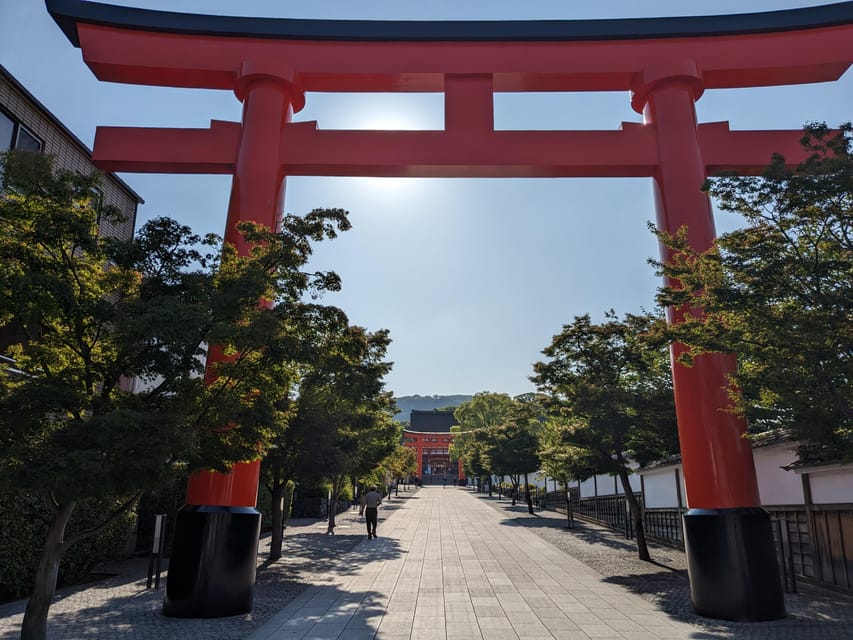
Fushimi Inari Taisha is one of Kyoto’s essential sights. Its orange torii gates climb Mount Inari in long, striking tunnels, creating one of the most recognizable images in Japan. The shrine is also deeply important to local worshippers, not simply a backdrop for holiday photos.
That popularity creates a problem. During the day, the lower gates can become crowded enough that the famous tunnel feels more like a slow-moving queue. You may still enjoy it, but quiet reflection and clean photographs become harder to find.
This tour starts in the morning to deal with that problem directly. You meet outside the main entrance to JR Inari Station, then walk into the shrine while the site is still relatively calm. Early timing also helps with summer heat, which several participants found valuable during July visits.
I like this approach because it uses your first hours in Kyoto well. You see a major sight before the city gets busy, then have the rest of the day available for another neighborhood, museum, or meal.
More Temple & Shrine Tours in Kyoto
- Kyoto: Fushimi Inari, Kinkakuji, Bamboo Grove 1 Day Bus Tour
★ 4.8 · 4,316 reviews - Kyoto: Tea Ceremony in a Traditional Tea House in Kiyomizu
★ 4.9 · 3,519 reviews - Kyoto: Tea Ceremony Ju-An at Jotokuji Temple
★ 4.9 · 3,207 reviews
Meeting at JR Inari Station
Your guide waits outside, across from the main entrance to JR Inari Station, holding a bright yellow DeepExperience signboard. The station is a useful meeting point because it places you directly beside the shrine entrance.
Pay close attention to the train service you take from Kyoto Station. One participant arrived late after assuming the train would stop at Inari quickly, only to discover that a non-express service made more stops. The guide handled the delay kindly, but you should still allow extra time and check whether your train is express or local.
The tour is offered as a private or small-group experience. That matters here. A smaller group can move more easily through the torii passages and gives you more time to ask about customs, symbols, and local beliefs. It also creates a better chance for personal help with photographs or shrine etiquette.
The activity is conducted in English. If you need another language, this particular experience may not suit you.
Entering Fushimi Inari Taisha with a local guide
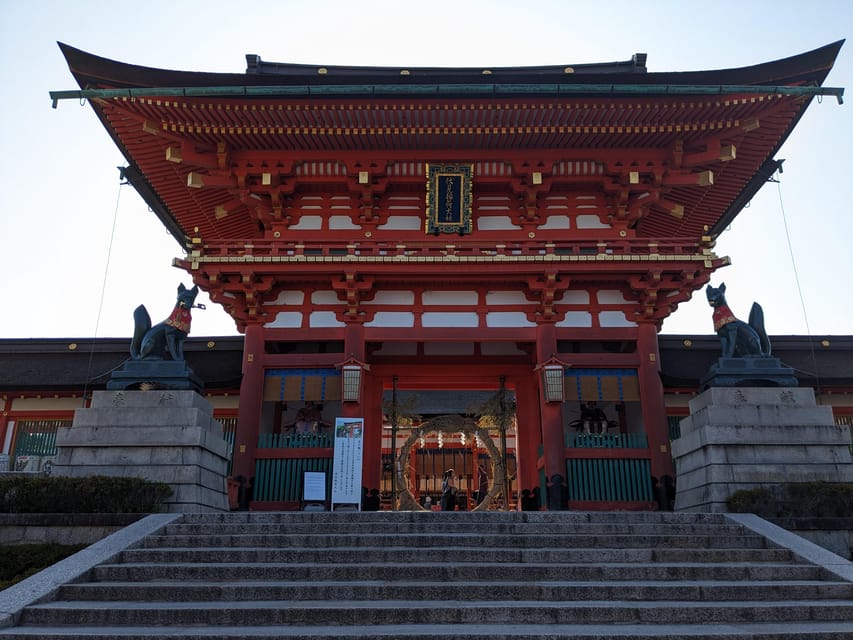
The main shrine area introduces you to the setting before the uphill walk begins. Your guide explains the importance of Inari and the traditions connected with the site, rather than simply pointing out the gates and sending you onward.
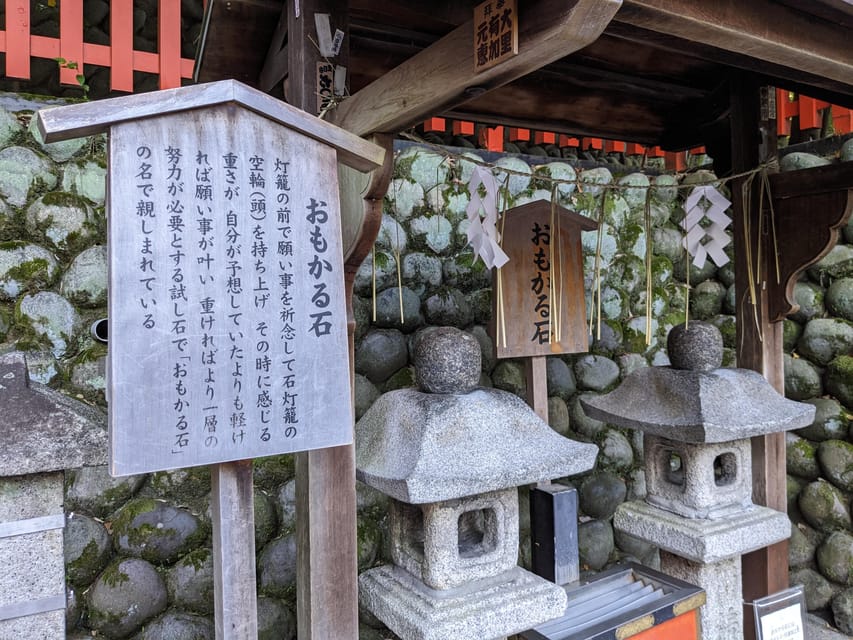
Fushimi Inari is associated with Inari, a deity linked with rice, agriculture, business success, and prosperity. Fox figures appear throughout the shrine because foxes are regarded as messengers of Inari. This context changes how you see the statues, offerings, and smaller worship areas along the path.
You also learn how to show respect at the shrine. Hiro was praised for explaining step by step how to behave before the principal torii and shrine buildings. That sort of help is useful because Japanese shrine customs can seem confusing when you are trying to copy the person in front of you.
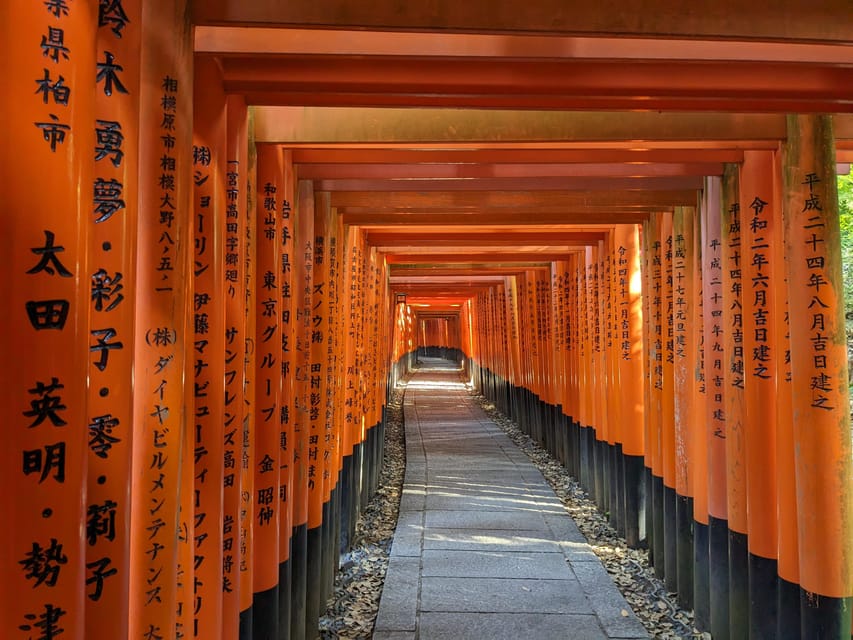
The torii gates themselves are donated by individuals and businesses. Their presence reflects continuing devotion and gratitude, not just a design choice. Your guide can help connect the repeated gates with the shrine’s living role in Kyoto.
The lower section is usually the busiest part of Fushimi Inari. Starting early gives you the best chance of seeing the gates as a series of quiet passageways rather than a crowded photo line. Still, early does not mean empty. Fushimi Inari is famous for a reason, so some people will already be there.
Walking the orange torii tunnels
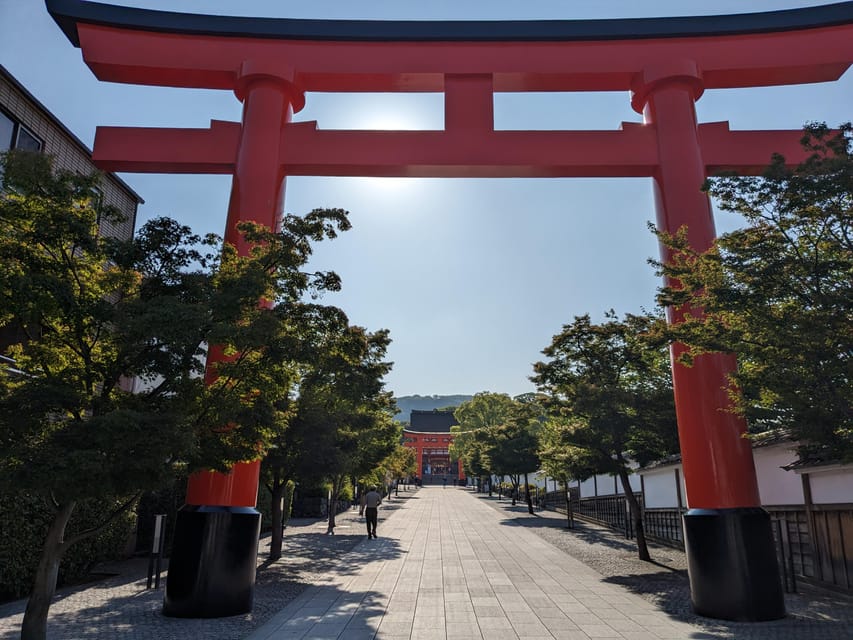
The torii route is the visual heart of the experience. Orange gates overlap into long corridors, with occasional gaps that reveal trees, stone markers, and small worship areas.
The route is beautiful, but it is not flat. The tour information specifically excludes people with low fitness, mobility limitations, back or heart problems, respiratory issues, and altitude sickness. It also is not suitable for children under 10 or people over 70. Those restrictions are worth taking seriously.
You do not need to be a serious hiker, but you should be comfortable walking uphill for a sustained period. Wear comfortable shoes and clothing. Leave luggage and large bags behind, and do not bring a stroller or baby carriage. These items would make the narrow and stepped route awkward.
The walk gives you more than a quick visit to the first torii tunnel. Guides take time to explain smaller structures and the meaning of the fox imagery. Claudio particularly valued the combination of torii gates, fox shrines, and traditional buildings along the way.
Your guide may also help with photographs. Maru was praised for taking several good pictures, and several guides were described as attentive and patient. That can be a real benefit when you are traveling as a couple or family and want a picture with everyone in it.
A completely different kind of day out in Kyoto:
- PERFECT KYOTO 1-Day Bus Tour
★ 5.0 · 13,518 reviews - Kyoto Geisha Walking Tour: Gion District & Hidden Gems
★ 4.7 · 3,273 reviews - Kyoto: Gion Magical Night Walking Tour with Geisha Trivia
★ 4.9 · 2,393 reviews - Kyoto: 45-Minute Tea Ceremony Lesson Experience
★ 4.3 · 2,378 reviews
Reaching the viewpoint after the climb
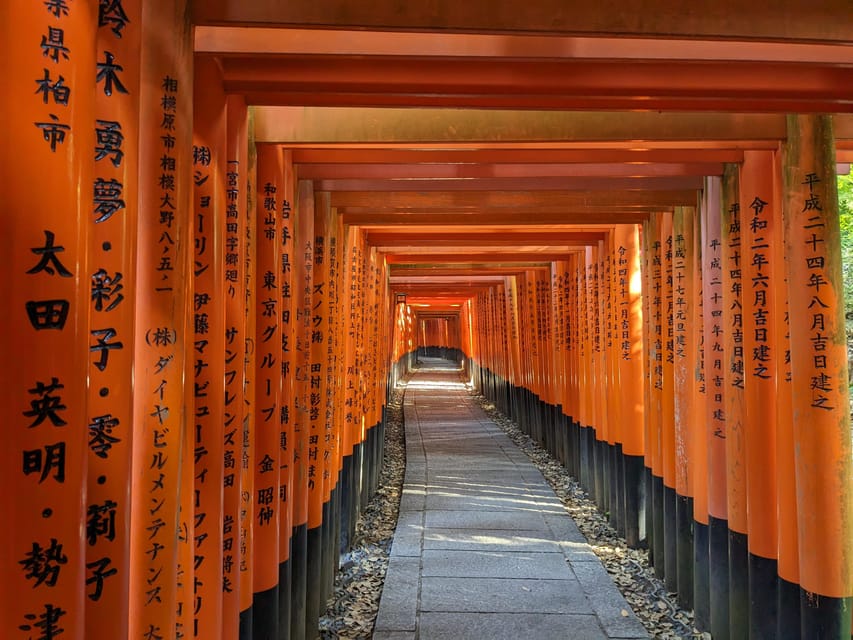
The itinerary includes about 30 minutes for sightseeing at a viewpoint. The exact outlook can depend on the pace and route, but the purpose is clear: you get a chance to pause, look back over Kyoto, and recover from the uphill walking.
The viewpoint is one reason this tour works better for active visitors than for people seeking a short shrine stop. You are not only seeing the iconic gates at ground level. You are also gaining a wider sense of the wooded mountain setting and the shrine’s scale.
The view may be affected by weather. On a clear morning, you should expect a more rewarding panorama. On a hazy or rainy day, the cultural explanation and the gates themselves still provide the main value, but the outlook may be less impressive.
The early start helps here, too. Morning temperatures are often more comfortable than midday, and the quiet atmosphere makes the pause feel more restful. Several participants specifically appreciated avoiding both crowds and heat.
Finding a quieter corner of Inari
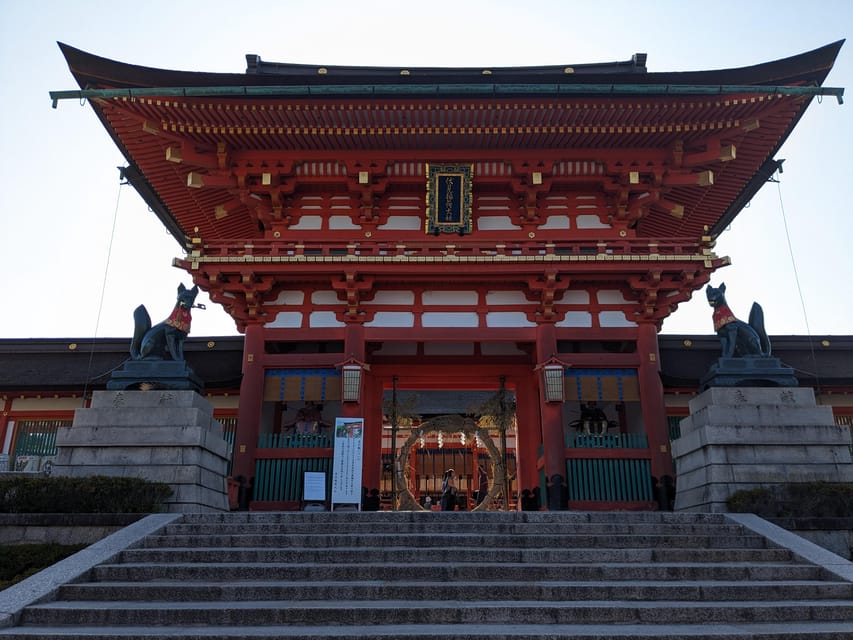
The final part of the route includes a lesser-known stop and another 30 minutes of guided exploration. This is where the experience moves beyond the standard first-photo visit.
One especially memorable site described along the route is a small fountain connected with a local legend that it can cure all illness. You should treat that as cultural tradition, not medical advice, but the story gives the place character. It also shows why a guide can add value: a small feature that you might walk past becomes part of the shrine’s wider world.
This quieter section may appeal most to repeat visitors and curious first-timers. You see how Fushimi Inari extends beyond the famous orange corridors, with smaller religious features and stories that do not appear in a quick online photo guide.
The route then returns to Inari Station. The full experience lasts 150 minutes, or two and a half hours. That includes the guided shrine visit, the viewpoint, and the additional stop. You should plan your morning around the full time rather than assuming you can leave after the first hour.
What the guides add to the experience
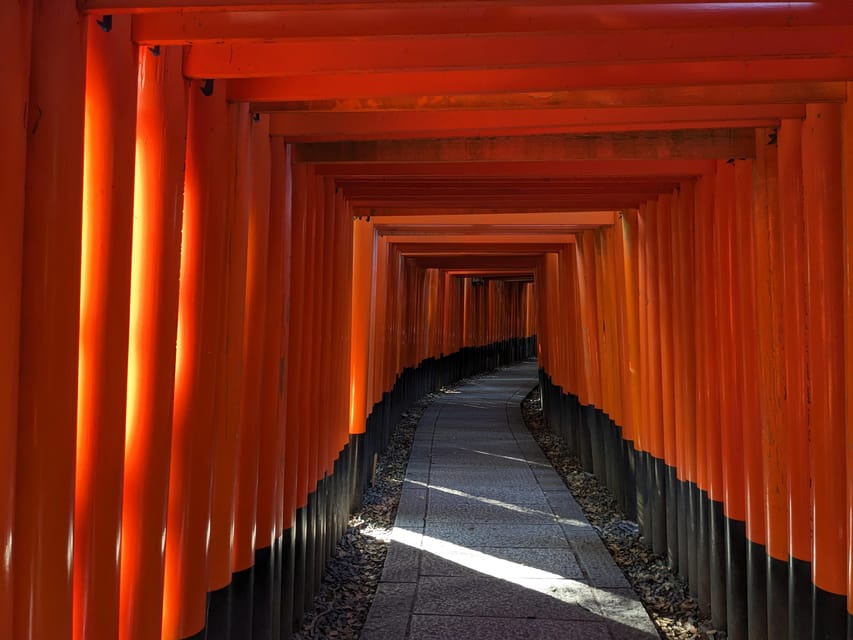
The strongest part of this tour is the human element. The guides are not simply there to lead you uphill. They explain Japanese culture, shrine etiquette, local beliefs, and the role Fushimi Inari plays for people in Kyoto.
Teppei received especially strong praise for combining warmth, humor, and clear explanations. One family member began the morning reluctant to take on a 2.5-hour mountain walk, then considered it the best part of the Japan trip. That is a useful sign for anyone worried that the route may feel too serious or formal.
Akino was also praised for her passion and for offering useful suggestions for food and drinks in Kyoto and Hiroshima. She even helped one group get back on the train safely. That kind of practical assistance is not guaranteed on every tour, but it shows the personal care that some guides bring to the experience.
Hiro’s explanations of shrine behavior and local traditions were another strength. Maru was appreciated for his warmth and photography help, while Masa was praised for making the early walk informative and comfortable.
Guide assignments can change, so you should not book solely on the hope of having one particular person. Still, the repeated praise for several guides suggests that the company has a strong local team.
Is $70 good value?
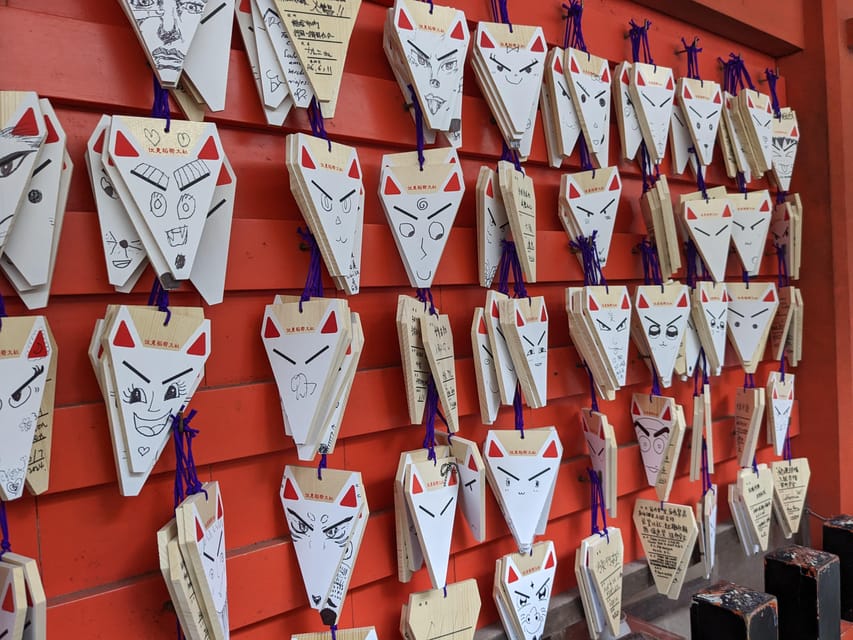
At $70 per person, this is not the cheapest way to see Fushimi Inari. You can enter the shrine without paying an admission fee and walk the lower gates on your own.
The price makes more sense if you value three things:
- A well-timed start: You avoid the worst daytime crowds and heat.
- Cultural explanation: You learn what the torii gates, fox figures, rituals, and smaller sites mean.
- A guided route: You do not need to plan the mountain walk or decide which features deserve your attention.
For a visitor who only wants a quick photograph at the first tunnel, $70 is hard to justify. For someone who wants to understand the shrine and see more of the mountain, the cost is more reasonable.
The private or small-group format improves the value. You are paying for time with an English-speaking local expert, not just transportation. Since transportation to and from the meeting point is not listed as included, you should also budget separately for getting to Inari Station.
A special souvenir unique to Inari is included as part of the experience. The details are not specified, so do not book expecting a particular item. Think of it as a small cultural memento rather than the main reason to pay for the tour.
Who should book this early morning walk?
I would recommend it to active visitors who want more than the standard Kyoto checklist. It is a good fit if you enjoy asking questions, learning local customs, and walking uphill at a steady pace.
It also suits first-time visitors who want a simple plan for one of Kyoto’s most confusingly busy sights. Your guide handles the route and explains what you are seeing, so you can focus on the setting instead of reading signs or guessing at etiquette.
Couples and small groups may particularly enjoy the photo help and personal conversation. The tour can also work well for families with older children, provided everyone is comfortable with the physical demands and the children are at least 10 years old.
I would not choose it if you have mobility issues, significant heart or respiratory concerns, back problems, low fitness, or trouble with uphill walking. Wheelchair users and people bringing strollers or large luggage should look for a different way to visit.
Useful booking and timing advice
The tour allows free cancellation up to 24 hours before the start time, and you can reserve now and pay later. That flexibility helps if your Kyoto plans are still shifting.
Wear shoes with good support. Comfortable clothes are also important, especially in warm weather. The early start helps, but the mountain route can still feel demanding.
Arrive early at the station. A late arrival can delay a small group, and the train-stop mistake described above is easy to avoid with a little planning. Confirm your route to JR Inari Station and leave a cushion for finding the meeting point.
Do not bring large bags, luggage, strollers, or baby carriages. Intoxication is not allowed. The guide and operator can refuse participation when the physical or safety requirements are not met.
Should you book the Fushimi Inari early tour?
Book it if you want quiet torii tunnels, local explanations, a viewpoint, and a longer mountain walk in one organized morning. The guide quality is the strongest reason to choose it, with Teppei, Akino, Hiro, Masa, Maru, and Yoshi all receiving praise for kindness and clear cultural insight.
Skip it if you only want the lower shrine gates, dislike hills, or prefer exploring independently. You can visit Fushimi Inari for free, but you will give up the explanations, planned route, and early-morning structure.
For an active visitor who wants to see Kyoto’s most famous shrine before the crowds take over, the $70 fee is fair. Just treat the outing as a mountain walk with cultural guidance, not a quick photo stop.
FAQ
Where does the tour meet?
The meeting point is outside, across from the main entrance to JR Inari Station. Your English-speaking guide will hold a bright yellow DeepExperience signboard.
How long does the experience last?
The tour lasts 150 minutes, or two and a half hours.
What language is the tour conducted in?
The tour is conducted in English by a live local guide.
Is this a private tour or a group tour?
Private and small-group options are available.
Does the tour include a mountain walk?
Yes. The route includes a guided visit through Fushimi Inari, a viewpoint, and an additional guided stop. The information and participant experiences describe walking up the mountain, so you should expect uphill sections and steps.
What should I bring?
Bring comfortable shoes and comfortable clothing.
Can I bring a stroller or large luggage?
No. Baby strollers, baby carriages, luggage, and large bags are not allowed.
Who is this tour not suitable for?
It is not suitable for children under 10, people with back, heart, respiratory, or mobility problems, wheelchair users, people with altitude sickness, people with low fitness, or people over 70.
Just added around Kyoto
- Kyoto: Gion Night Walking Tour with Geisha Insight★ 5.0 · 39 reviews
- Kyoto: Private Customizable Day Trip by Car★ 5.0 · 38 reviews
- Kyoto: Full Day Bike Tour★ 4.9 · 39 reviews
- Private Japanese Calligraphy in Kyoto – Learn Shodō with a Master★ 5.0 · 39 reviews
- Experience a tea ceremony in an authentic tearoom, in Kyoto!★ 4.5 · 41 reviews
- Kyoto: Gion Evening Walk with Hidden Gems, Geisha & Sake★ 5.0 · 41 reviews
- Kyoto Private Photo Shoot & Tour by SnapKyoto★ 5.0 · 41 reviews
- The Way of Tea: Kyoto Crafts, Hidden Temples & Wabi-Sabi Walk★ 5.0 · 41 reviews
Temple & Shrine Tours, compared.
Fushimi Inari, Kinkakuji, Bamboo Grove 1 Day Bus Tour
Read our review →
Tea Ceremony in a Traditional Tea House in Kiyomizu
Read our review →

Meiji Shrine, Asakusa, Skytree Bus Tour and Cruise
Read our review →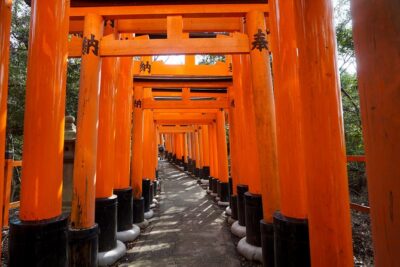
Fushimi Inari Hidden Hiking Tour (Private Option Available)
Read our review →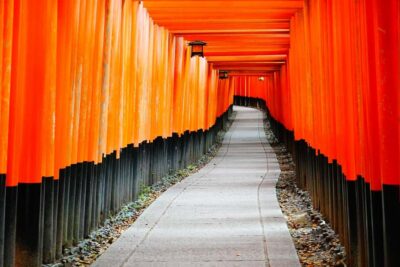
Osaka/Kyoto:Kinkakuji,Arashiyama,FushimiInariShrine,NaraPark
Read our review →
Asakusa Walking Tour with Sensoji Temple Visit
Read our review →
Nikko: Kegon Falls, Lake Chuzenji & Toshogu Temple
Read our review →Browse the lists this tour appears in