Reviewed · KYOTO TOURS
Kyoto: Hozugawa River Whitewater Rafting Experience
Trade temple crowds for river spray. This half-day Hozugawa River rafting trip gives you a lively break from Kyoto’s shrines and shopping streets, with a 5-kilometer route, wooded hills, splashing rapids, and time to swim. I especially like the easy access from JR Kyoto Station and the friendly guides, including Milan and Rosan, who are praised for clear English, safety, and fun river games.
I also like that you get more than a straightforward raft ride. You can swim in a calmer stretch of river, try a 3-meter-high cliff jump, and return by train after the rafting ends. The main consideration is that the rapids may feel fairly mild when water levels are low, so serious whitewater fans may want a more demanding river. Children must be at least 8, and the outing may not operate with only two participants.
In This Review
- Why this Kyoto rafting trip is worth considering
- Leaving Kyoto by train for JR Umahori
- Walking ten minutes to the Hozu River
- Safety instructions before the first rapid
- Rafting five kilometers through the Hozu River
- Swimming in a calmer stretch of river
- Trying the 3-meter cliff jump
- Returning by train after the finish point
- What the $61 price really includes
- Who should book this river outing
- Booking advice for morning or afternoon
- Should you book KilaKila Rafting?
- FAQ
- How long does the Kyoto rafting activity last?
- How do I reach the KilaKila Rafting meeting point?
- What is included in the price?
- Can I swim during the rafting trip?
- Is cliff jumping included?
- What should I bring?
- What languages do the guides speak?
Why this Kyoto rafting trip is worth considering
- A rare change of pace from central Kyoto: JR Umahori Station is about 25 minutes from Kyoto Station, and the meeting point is about a 3-minute walk from the station.
- A 5-kilometer river route: Expect roughly 1.5 hours on the Hozu River, with rapids, forest views, and plenty of splashing.
- Swimming and a 3-meter cliff jump: Both are optional, so cautious swimmers and bold jumpers can share the same boat.
- Equipment is supplied: Helmets, life jackets, rafting shoes, and other safety gear are included.
- Useful language support: Guides work in Japanese, English, and Nepali. Several participants singled out Milan and Rosan for their calm instructions and good humor.
- Good family introduction to rafting: Children aged 8 and older can join, and the rapids are generally described as manageable at lower water levels.
Leaving Kyoto by train for JR Umahori
The trip begins at KilaKila Rafting, a short walk from JR Umahori Station in Kyoto Prefecture. From Kyoto Station, the train ride takes about 25 minutes, making this one of the easier outdoor activities to add to a city stay.
That short journey matters. You do not need to arrange a long private transfer or spend most of the day getting to a distant river. You simply reach JR Umahori, walk roughly three minutes, and look for the KilaKila Rafting sign on the building wall. Searching for KilaKila Rafting on Google Maps should bring up the meeting point.
Driving is also possible. Free parking is available, and the center is about five minutes from the Shino interchange on the Kyoto Jukan Expressway. If you are using public transport, the train is part of the charm and makes the return simple.
The morning meeting time is 9:00, while the afternoon course begins at 2:00. The full activity lasts about 210 minutes, so leave enough room around it for the train ride, changing, and the trip back into Kyoto.
At the center, you receive a place to change and use the restrooms. Valuables and luggage are stored at the facility, which means you should not bring a large bag onto the river. Bring only clothing you do not mind getting wet and a towel.
A few more Kyoto experiences worth weighing up
- PERFECT KYOTO 1-Day Bus Tour
★ 5.0 · 13,518 reviews - Kyoto: Fushimi Inari, Kinkakuji, Bamboo Grove 1 Day Bus Tour
★ 4.8 · 4,316 reviews - Kyoto: Tea Ceremony in a Traditional Tea House in Kiyomizu
★ 4.9 · 3,519 reviews
Walking ten minutes to the Hozu River
Once changed, your guide leads the group for about ten minutes to the rafting start point. This short walk is easy to overlook when planning, but it is useful to wear practical clothing and avoid anything difficult to move in.
The center provides rafting shoes, helmets, life jackets, and safety equipment. Some feedback also notes that wetsuits and glasses straps may be available to borrow, though you should confirm current equipment arrangements when booking rather than count on every extra item.
The rules about clothing are sensible. Do not wear jeans, boots, sandals, flip flops, slippers, or high heels. Jewelry should stay behind, and bare feet are not permitted. A swimsuit, swim shorts, or quick-drying clothes under the supplied gear make more sense than ordinary streetwear.
You should also bring a complete change of clothes. You will return by train after the river section, so modest, dry clothing is especially useful. One practical tip is to avoid a tiny bikini or anything that feels awkward on a public train after swimming.
Safety instructions before the first rapid
At the river, the guide explains how to sit in the raft, hold the paddle, and respond to instructions. This briefing is important even if you have rafted before, since river conditions and boat techniques differ from place to place.
The guides receive especially strong praise for combining safety with a relaxed mood. Milan is repeatedly described as friendly, skilled, and good with children. Rosan, also written as Roshan in one account, is praised for being attentive and experienced. English support is available, so you do not need to speak Japanese to follow the main instructions.
The activity is not presented as extreme whitewater. At low water levels, the rapids are described as mild by one family, while other participants still found the ride exciting and full of splashes. You should expect a fun introduction to rafting rather than a technical expedition for expert paddlers.
That balance suits families and first-timers. You get real rapids, but the guides keep the boat lively with water fights, balance games, and other simple activities. The point is not to prove your toughness. It is to enjoy being on the river without spending the day worrying about every wave.
Rafting five kilometers through the Hozu River
The raft covers about 5 kilometers in roughly 1.5 hours. The route mixes active sections with calmer water, giving you time to look around instead of paddling nonstop.
The main pleasure is the contrast with Kyoto’s urban sights. Instead of tiled roofs and crowded lanes, you pass trees, rocky banks, mountain views, and open stretches of water. Several participants describe the scenery as one of the strongest parts of the outing, with deer, ducks, and other birds appearing along the route.
Keep your eyes open between rapids. The river is not only a ride; it is also a moving viewpoint into the surrounding nature. Guides may point out birds, wildlife, and features of the river and forest. Milan is specifically praised for explaining the local natural setting, which adds useful context without turning the trip into a formal lecture.
The rapids bring the physical fun. Water may splash over your head, and you will need to follow the guide’s paddle commands. You should be ready to get thoroughly wet, even if you never choose to swim or jump.
At the same time, expectations matter. One participant rated the trip four stars and warned not to expect too much excitement. That is a fair note. Water levels affect the ride, and this course is better suited to people who want scenery, swimming, games, and moderate rapids than to anyone seeking a hard-core whitewater challenge.
A completely different kind of day out in Kyoto:
- Kyoto Geisha Walking Tour: Gion District & Hidden Gems
★ 4.7 · 3,273 reviews - Kyoto: Tea Ceremony Ju-An at Jotokuji Temple
★ 4.9 · 3,207 reviews - Kyoto: Gion Magical Night Walking Tour with Geisha Trivia
★ 4.9 · 2,393 reviews - Kyoto: 45-Minute Tea Ceremony Lesson Experience
★ 4.3 · 2,378 reviews
Swimming in a calmer stretch of river
About halfway through the schedule, the boat stops for an optional 15-minute swim. The current is described as gentle at this point, and participation is up to you.
This pause changes the rhythm of the outing. After the active rapids, you can cool off in the river, float for a while, or simply remain in the boat and watch the others. During hot Kyoto weather, that break can be the most refreshing part of the trip.
The water is described as clean and cool rather than painfully cold. Several people enjoyed swimming, and families appreciated having an activity that did not require every child to tackle a rapid. Guides also use the stop for playful water games, so the atmosphere is more social than serious.
If you are not a confident swimmer, you do not need to force yourself into the water. The swim is optional, and the main rafting trip continues with the guide in charge.
Trying the 3-meter cliff jump
The next optional activity is a jump from a rock about 3 meters high. It is not required, but it gives the trip a small burst of adventure beyond the raft.
Three meters is high enough to make you pause at the edge, especially when you are already wet and wearing a life jacket. It is also low enough to feel approachable for many first-timers when the guide has explained what to do.
The accounts suggest that guides handle this moment well. One family’s cautious 9-year-old became confident enough to perform flips into the water, while other participants simply watched. That flexibility is useful because groups rarely share the same level of bravery.
You should treat the jump as an option, not an obligation. If the height does not appeal to you, stay in the raft and enjoy the river. The trip still has rapids, scenery, and swimming without it.
Returning by train after the finish point
The rafting ends near a train station after about 1 hour and 45 minutes on the water, including the river activities. From there, you take a train for about five minutes back to the KilaKila Rafting meeting point.
This return arrangement is efficient, but it also shapes what you should wear. You will not simply walk into a private vehicle and head home. You change at the center after returning, then view the photos taken during the outing.
A free commemorative photo file is included. That is a useful touch because it lets you leave your phone and camera safely stored while rafting. You can enjoy the rapids without worrying about dropping an electronic device into the river.
The scheduled morning course finishes at about 12:30, and the afternoon course ends at about 5:30. The timing works well as a standalone half-day plan, though I would avoid booking another fixed activity immediately afterward in case changing or transport takes longer than expected.
What the $61 price really includes
At $61 per person, the price is reasonable for an organized half-day outdoor activity near Kyoto. You are paying for the guide, insurance, tax, safety gear, rafting shoes, the boat trip, return train segment, changing facilities, and a free photo file.
The equipment package makes a real difference. You do not need to buy water shoes or bring your own helmet and life jacket, and you avoid the trouble of carrying bulky gear through Kyoto. The guide support also matters for first-timers, especially families who want clear instructions rather than a self-guided river outing.
The value is strongest if you plan to swim or try the cliff jump. Those extras make the day feel like more than 90 minutes of paddling. If you only want intense rapids, the price may feel less convincing because low water levels can make the ride fairly gentle.
Free cancellation up to 24 hours before the start gives you some useful flexibility, and the reserve-now-pay-later option can help if your Kyoto schedule is still moving. The company also notes that the tour may not run with only two participants, so check the booking status before building your entire day around it.
Who should book this river outing
I would recommend it most strongly to families with children aged 8 and up, couples wanting an active afternoon, and first-time rafters who want nature without a difficult expedition. The mix of moderate rapids, swimming, games, and optional cliff jumping gives different people ways to enjoy the same trip.
It also suits anyone who has already seen Kyoto’s major temples and wants a change of scenery. The short train journey makes it practical for a city break, and you can return to your hotel the same day without sacrificing a full day of sightseeing.
It is less suitable for people seeking powerful whitewater or a long, demanding paddle. It is also not suitable for children under 8, pregnant women, wheelchair users, people with epilepsy, diabetes, recent surgery, a cold, or anyone over 80. The operator does not accept participants over 104 kilograms because of emergency rescue concerns.
The supplied restrictions also exclude people under 110 centimeters, people with hearing impairment, and those using certain mobility equipment. If any medical or physical concern applies to you, contact the operator before paying rather than relying only on the general description.
Booking advice for morning or afternoon
The 9:00 morning course gets you on the water before the day becomes hot and leaves the afternoon open for Kyoto sightseeing. That is my pick if you want to visit Arashiyama or central Kyoto afterward, though you should allow time to change and return by train.
The 2:00 afternoon course is better if you prefer a slower start or want to spend the morning at a temple. It also gives you a refreshing break during the warmer part of the day, but it finishes around 5:30, so plan dinner and evening transport with that timing in mind.
Wear quick-drying clothes, bring a towel and a full change of clothes, and leave jewelry, electronics, bags, umbrellas, food, and drinks at the center. The long list of prohibited items is not a minor detail. This is a wet, active outing, not a casual sightseeing cruise.
Should you book KilaKila Rafting?
Book it if you want an easy-to-reach outdoor break with friendly guides, gentle-to-moderate rapids, and beautiful river scenery. The combination of swimming, a 3-meter jump, supplied equipment, and a free photo gives the $61 fee good value, especially for families and first-time rafters.
Skip it if your main goal is serious whitewater. Low water levels can make the rapids mild, and the appeal here is the whole package: river fun, nature, games, and a simple train connection from Kyoto. For most visitors who want one memorable day away from the city, that is a sensible trade.
FAQ
How long does the Kyoto rafting activity last?
The full activity lasts 210 minutes, or about 3.5 hours. The morning course runs from 9:00 to about 12:30, while the afternoon course runs from 2:00 to about 5:30.
How do I reach the KilaKila Rafting meeting point?
Take the train from Kyoto Station to JR Umahori Station. The meeting point is about a 3-minute walk from the station. You can search KilaKila Rafting on Google Maps and look for the company logo on the building wall.
What is included in the price?
The fee includes a half-day rafting tour, guide, tax, insurance, safety equipment, rafting shoes, and a commemorative photo file.
Can I swim during the rafting trip?
Yes. An optional swimming stop lasts about 15 minutes, and it takes place where the current is described as gentle.
Is cliff jumping included?
You may optionally jump from a rock about 3 meters high. You do not have to take part.
What should I bring?
Bring clothes you do not mind getting wet, a towel, and a complete change of clothes. Jeans, sandals, flip flops, boots, jewelry, and several other items are not allowed.
What languages do the guides speak?
The guides provide instruction in Japanese, English, and Nepali.
Just added around Kyoto
- Kyoto: Gion Night Walking Tour with Geisha Insight★ 5.0 · 39 reviews
- Kyoto: Private Customizable Day Trip by Car★ 5.0 · 38 reviews
- Kyoto: Full Day Bike Tour★ 4.9 · 39 reviews
- Private Japanese Calligraphy in Kyoto – Learn Shodō with a Master★ 5.0 · 39 reviews
- Experience a tea ceremony in an authentic tearoom, in Kyoto!★ 4.5 · 41 reviews
- Kyoto: Gion Evening Walk with Hidden Gems, Geisha & Sake★ 5.0 · 41 reviews
- Kyoto Private Photo Shoot & Tour by SnapKyoto★ 5.0 · 41 reviews
- The Way of Tea: Kyoto Crafts, Hidden Temples & Wabi-Sabi Walk★ 5.0 · 41 reviews
Kyoto Tours, compared.
Fushimi Inari, Kinkakuji, Bamboo Grove 1 Day Bus Tour
Read our review →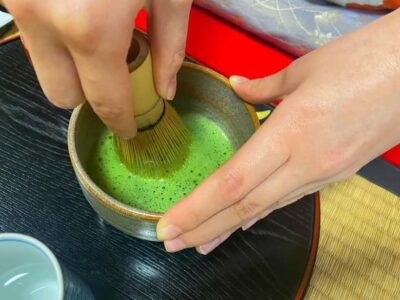
Tea Ceremony in a Traditional Tea House in Kiyomizu
Read our review →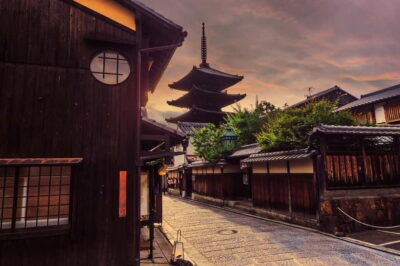
Kyoto Geisha Walking Tour: Gion District & Hidden Gems
Read our review →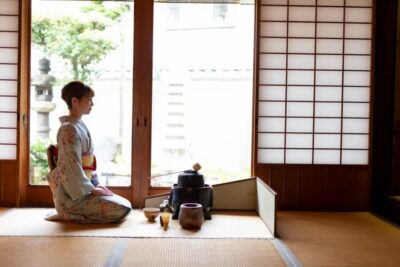
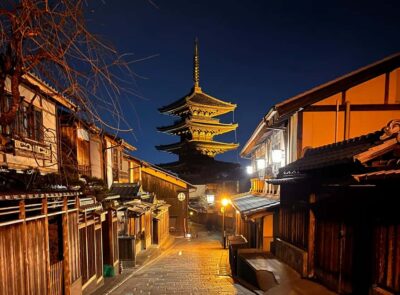
Gion Magical Night Walking Tour with Geisha Trivia
Read our review →