
Reviewed · TEMPLE & SHRINE TOURS
Kyoto: Ninnaji Temple Entry Ticket
Quiet beauty rewards slow steps. Ninnaji Temple combines late-blooming Omuro sakura, a five-story pagoda, gardens, and centuries of Buddhist culture in one peaceful Kyoto visit. I like the changing seasonal scenery and the chance to walk a short version of the Shikoku Pilgrimage without leaving the temple grounds. The main drawback is that cherry blossom viewing may require an extra seasonal fee.
I also like the low $5 price, especially if you take time with the Goten Palace gardens, museum, and Omuro Pilgrimage course. The grounds can be especially atmospheric after snowfall, but shorter winter hours mean you need to watch the clock.
In This Review
- Key points to know before visiting
- Why Ninnaji feels different from a quick temple stop
- Entering through the temple grounds
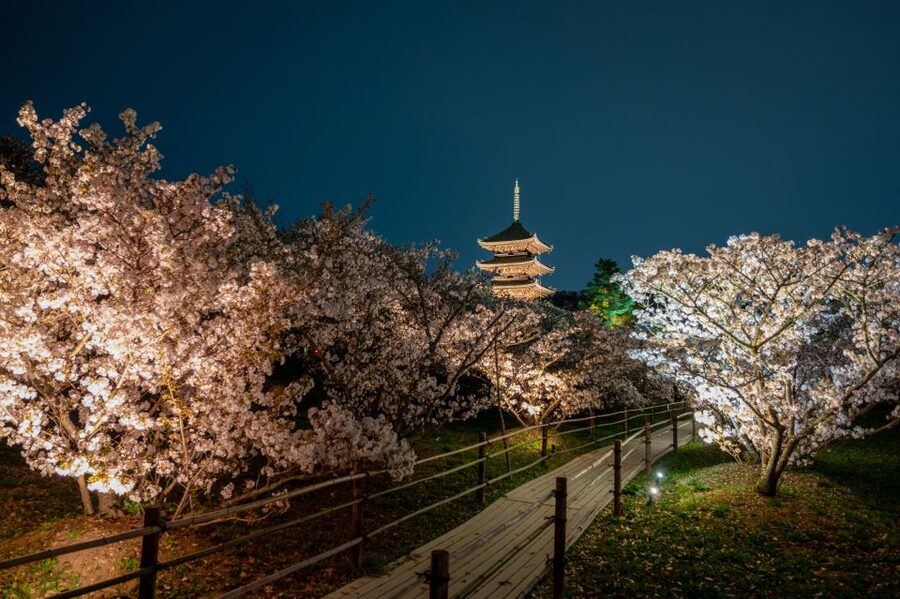
- The five-story pagoda and Omuro sakura
- Walking the two-hour Omuro Pilgrimage
- Reihokan Museum and Ninnaji’s cultural objects
- Ninnaji through four seasons
- How much time should you allow?
- Is the $5 ticket good value?
- Access, flexibility, and practical limits
- Who should choose Ninnaji?
- Should you book the Ninnaji Temple ticket?
- FAQ
- Where is Ninnaji Temple located?
- How much does the basic Ninnaji Temple ticket cost?
- How long is the ticket valid?
- What are Ninnaji Temple’s opening hours?
- When do the ticket booths close?
- Is the Goten Palace included?
- Is the Reihokan Museum included?
- Does cherry blossom viewing require an extra fee?
- How long does the Omuro Pilgrimage course take?
- Is Ninnaji Temple wheelchair accessible?
Key points to know before visiting
- Omuro sakura blooms late: Ninnaji is one of Kyoto’s best places for cherry blossoms that appear after many central Kyoto trees have faded.
- The five-story pagoda anchors the grounds: It gives the temple a memorable focal point, particularly when framed by flowers, autumn color, or snow.
- The Omuro Pilgrimage takes about two hours: This shorter Shikoku-style route adds a nature walk to a standard temple visit.
- The Goten Palace gardens require your attention: The palace and garden entry is included, except during special admission periods.
- Reihokan Museum access depends on your option: Choose the museum inclusion if you want to see cultural objects connected with Ninnaji.
- The special guide inside Kannon-do may add depth: If available during your visit, this is worth prioritizing, as it has been praised for being informative and memorable.
Why Ninnaji feels different from a quick temple stop
Ninnaji is not simply a gate, a hall, and a photograph before moving on. Founded in 888 AD, it is the main temple of the Omuro school of the Shingon sect of Buddhism. That gives the site religious weight, but you do not need specialist knowledge to enjoy it.
The appeal is easy to grasp. You get grand temple buildings, landscaped gardens, seasonal scenery, a pilgrimage route, and the chance to see cultural objects tied to the temple. The visit can be as short as a quiet hour or stretch across most of the day.
I would think of the $5 ticket as an invitation to slow down. At that price, you are not paying for a tightly managed tour or a packed schedule. You are paying for access to a large historic setting where the value comes from time, attention, and season.
The experience is self-guided in the information provided. That gives you freedom, though it also means the visit may feel less structured than a guided temple tour. If you want every building explained, you may need to read signs carefully or arrange extra interpretation where available.
More Temple & Shrine Tours in Kyoto
- Kyoto: Fushimi Inari, Kinkakuji, Bamboo Grove 1 Day Bus Tour
★ 4.8 · 4,316 reviews - Kyoto: Tea Ceremony in a Traditional Tea House in Kiyomizu
★ 4.9 · 3,519 reviews - Kyoto: Tea Ceremony Ju-An at Jotokuji Temple
★ 4.9 · 3,207 reviews
Entering through the temple grounds
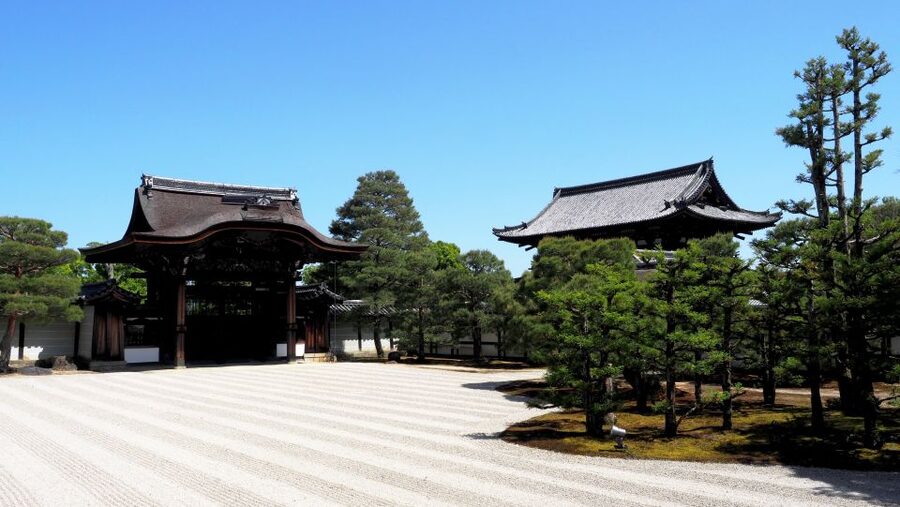
Start with the temple grounds rather than rushing straight to the most famous view. Ninnaji’s buildings and garden spaces create a gradual change from formal architecture to quieter natural scenery.
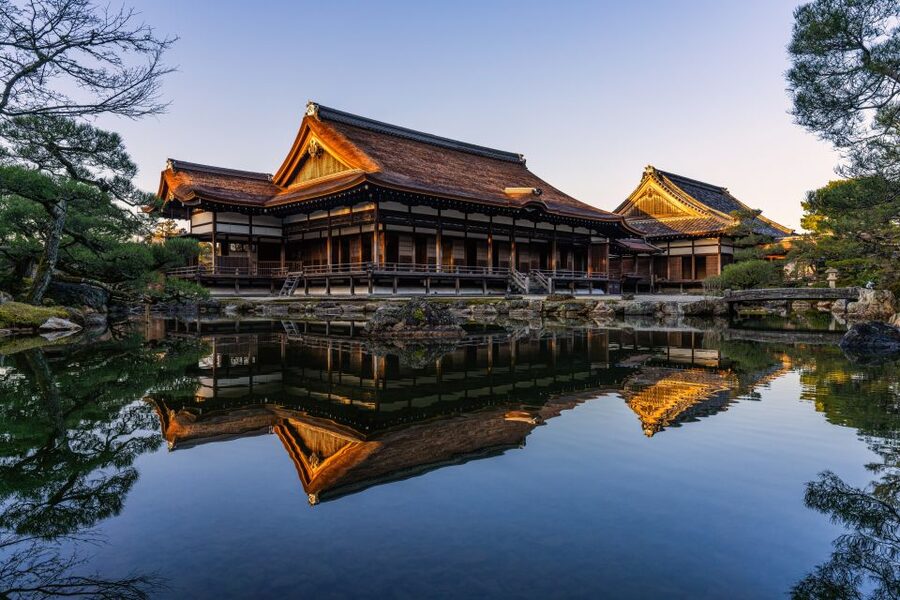
The Goten Palace and its gardens are included in the standard entry, apart from special entrance periods. This is an important part of the ticket because the palace gardens offer a calmer experience than simply viewing the exterior of the temple.
I like this arrangement for visitors who want more than a landmark photograph. You can look at the relationship between the buildings and gardens, then pause instead of treating the site as a quick photo stop. The gardens also change character across the year, which gives repeat visitors a reason to return.
Do not assume the ticket includes every possible area at all times. Special admission periods can have separate charges, and seasonal access may change. Ask at the ticket counter if you are unsure what your ticket covers on the day.
The five-story pagoda and Omuro sakura
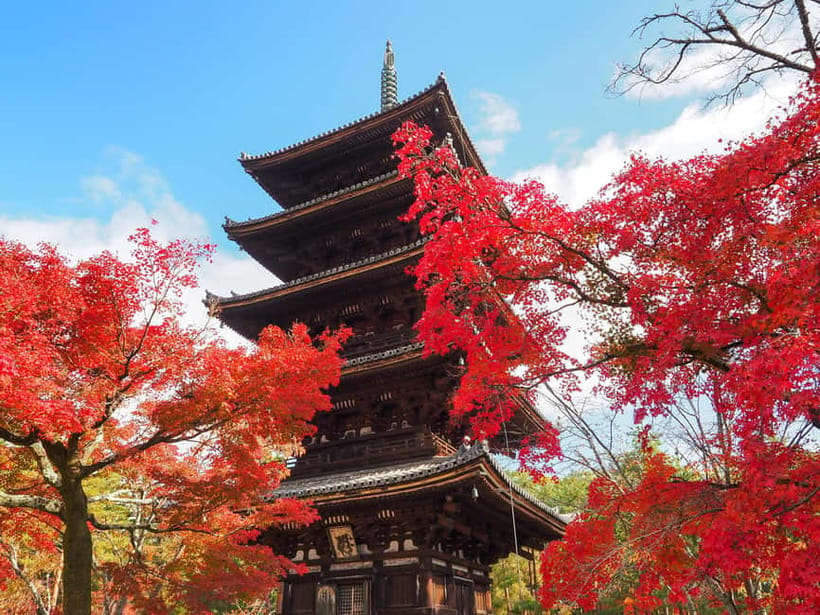
The five-story pagoda is one of Ninnaji’s clearest visual markers. It gives the broad temple grounds a strong center and is particularly appealing when the surrounding trees are in bloom or autumn color.
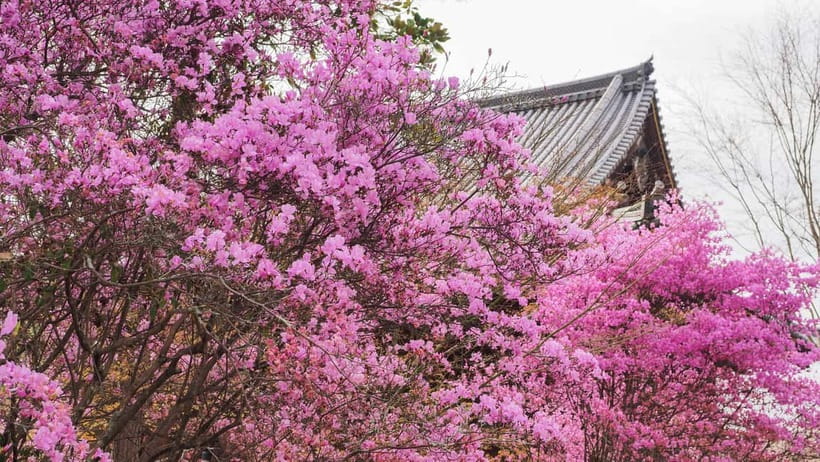
The Omuro sakura is the temple’s signature seasonal draw. These cherry trees bloom later than many other varieties in Kyoto, so Ninnaji can be a smart choice if your visit falls after the first wave of blossoms elsewhere in the city.
There is one practical catch. During cherry blossom season, an admission fee is required to enter the area beyond the Chumon inner gate for Omuro sakura viewing. The exact period can change according to when the trees reach full bloom.
That extra payment is used to preserve the Omuro sakura, so it is not simply an add-on with no purpose. Still, you should budget for it if cherry blossoms are the main reason for your visit. Ask before entering the inner area, since the seasonal fee does not necessarily apply for the entire spring period.
The blossoms are late, not guaranteed. Nature keeps its own calendar, and the required admission period can shift. If your timing is flexible, check current conditions before making Ninnaji the centerpiece of a blossom-focused day.
Walking the two-hour Omuro Pilgrimage
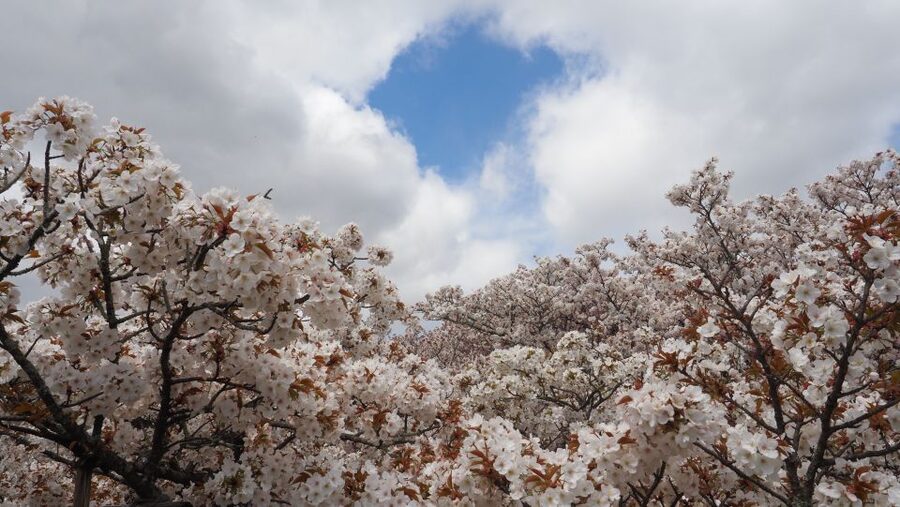
The Omuro Pilgrimage course is a shorter version of the famous Shikoku Pilgrimage. It takes about two hours and is surrounded by natural sounds and seasonal scenery.
This is the part of the experience best suited to visitors who want to walk rather than simply admire buildings. The route gives the temple visit a sense of progress, with the surroundings changing as you continue. You are still within the Ninnaji setting, but the pace becomes more reflective.
I would allow the full two hours only if you enjoy a gentle pilgrimage-style walk. If your main goal is the pagoda, palace, gardens, and museum, you can treat the route as optional. Trying to squeeze in every section during a rushed visit would weaken the best quality of Ninnaji, its calm pace.
The course also changes with the season. In spring, blossoms shape the mood. Summer brings a greener, quieter setting and many priests are present for Buddhist ceremonies. In fall, temple buildings are surrounded by red and yellow leaves. Winter brings a more restrained scene, especially after snow.
The information provided does not specify the route’s physical difficulty or exact surface conditions. If you need detailed mobility information, ask at the temple before setting out. The overall site is wheelchair accessible, but that does not automatically describe every section of a two-hour pilgrimage course.
A completely different kind of day out in Kyoto:
- PERFECT KYOTO 1-Day Bus Tour
★ 5.0 · 13,518 reviews - Kyoto Geisha Walking Tour: Gion District & Hidden Gems
★ 4.7 · 3,273 reviews - Kyoto: Gion Magical Night Walking Tour with Geisha Trivia
★ 4.9 · 2,393 reviews - Kyoto: 45-Minute Tea Ceremony Lesson Experience
★ 4.3 · 2,378 reviews
Reihokan Museum and Ninnaji’s cultural objects
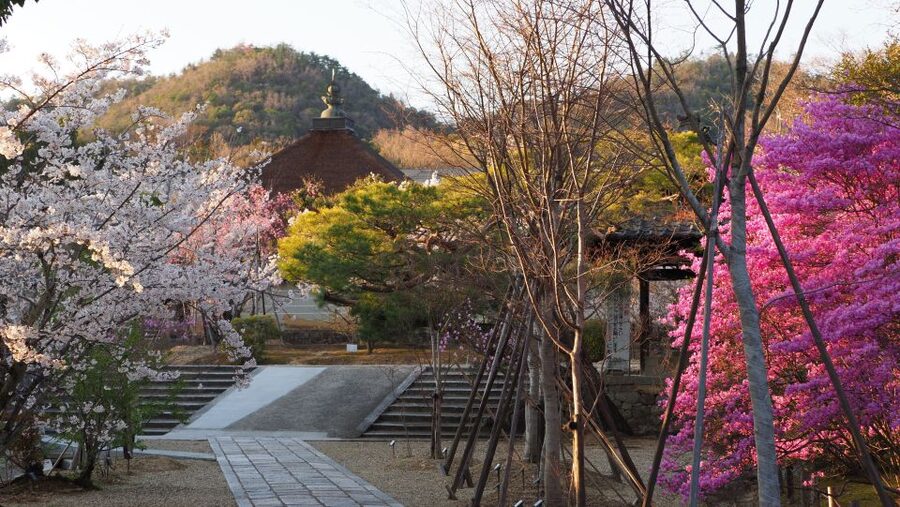
Reihokan Museum holds important cultural items belonging to Ninnaji. This is where the visit shifts from gardens and architecture to objects connected with the temple’s religious and artistic life.
Museum access depends on the option selected. If seeing the collection matters to you, make sure your chosen ticket includes the Reihokan Museum entrance. The standard Goten Palace and gardens ticket does not automatically mean every museum or special area is included.
I would choose the museum option if you enjoy looking closely at Buddhist objects, temple treasures, and cultural material rather than staying outdoors. It also provides useful balance on a rainy day or during a season when the gardens are less colorful.
The museum should not be treated as an afterthought. Ninnaji’s grounds show you the temple’s physical setting, while Reihokan helps explain the importance of what has been preserved there. You may find the museum more rewarding if you visit after walking through the temple, when the objects have a clear place in your mind.
A special guide inside Kannon-do may also be available. It has been praised as wonderful and informative, so check whether it is part of your visit or a separate special program. Since special entry arrangements can vary, confirm at the ticket counter rather than assuming it comes with every ticket.
Ninnaji through four seasons
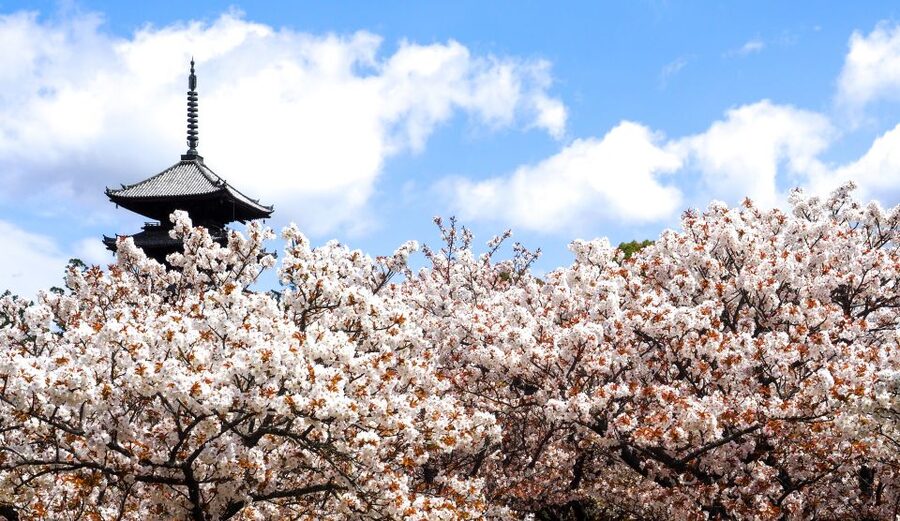
Ninnaji is designed for repeat viewing because its appeal changes sharply throughout the year.
Spring: The late-blooming Omuro sakura is the headline attraction. If other Kyoto cherry trees have already passed their best, Ninnaji may still offer a chance to see blossoms. Expect the seasonal admission rules to be especially important at this time.
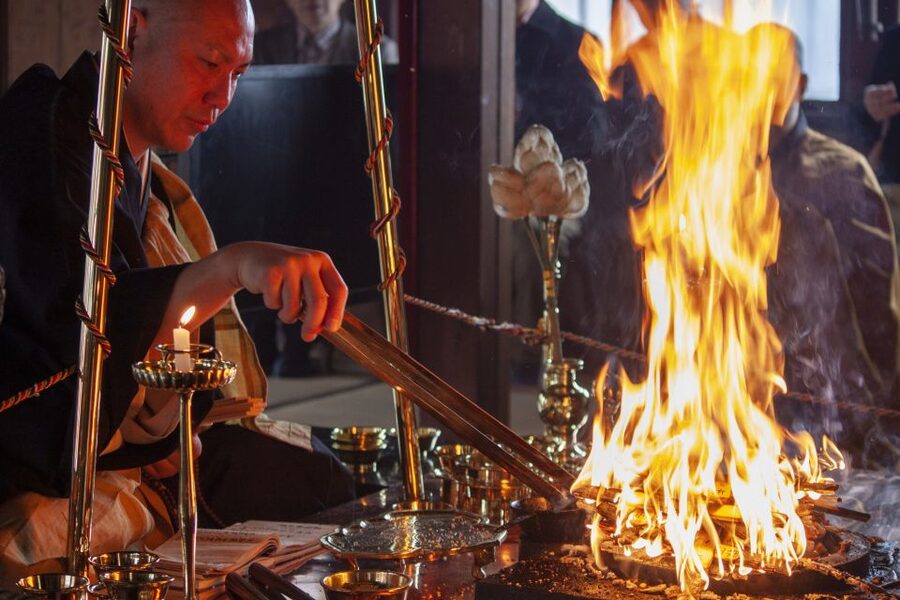
Summer: The temple takes on a quieter natural mood, and many priests are present for Buddhist ceremonies. The site may appeal to you if you prefer religious activity and greenery to peak blossom crowds.
Fall: Red and yellow leaves surround the historic buildings. This is a strong season for photography and for combining architecture with color, though the exact timing of peak foliage can vary.
Winter: Snow transforms the Japanese gardens and Goten Palace scenery. The quiet atmosphere can be exceptional, but opening hours are shorter, from 9 AM to 4:30 PM between December and February. Snow is never guaranteed, so treat it as a bonus rather than a promise.
From March through November, the temple is open from 9 AM to 5 PM. Ticket booths close 30 minutes before closing, so arriving late leaves less time than the posted hours suggest. I would arrive with enough time to see the areas you care about before buying or collecting entry.
How much time should you allow?
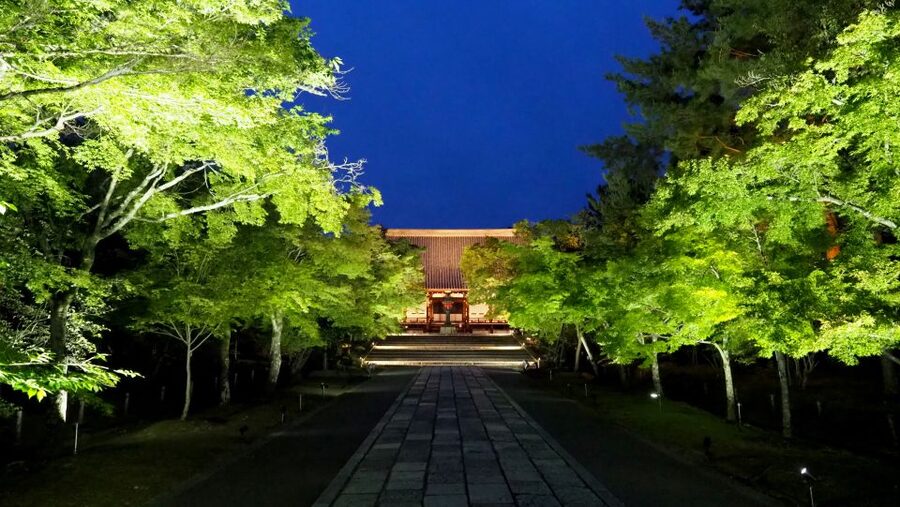
The ticket is valid for one day, which is useful because Ninnaji offers several ways to spend your time. A quick visit can focus on the main temple grounds, pagoda, and gardens. A fuller visit can add the museum and the two-hour pilgrimage course.
For a relaxed half-day, I would prioritize the Goten Palace and gardens, the pagoda, and the Omuro Pilgrimage. Add Reihokan if the museum option is included and cultural objects are high on your list.
For a full day, use the flexibility to pause. Sit in the gardens, return to a building in a different light, or walk the pilgrimage route without checking the time every few minutes. The one-day validity matters most to visitors who dislike rushing.
There is no stated starting time beyond the temple’s opening hours, so check availability when booking. The ticket is not described as a timed guided visit. That makes it easier to fit into a Kyoto day, though you still need to plan around seasonal closing times.
Is the $5 ticket good value?
At $5 per person, Ninnaji offers strong value if you use more than the first 20 minutes. The price gives you access to the Goten Palace and gardens, with the possibility of adding the museum, flower festival, or other special admission options.
The ticket becomes especially good value for:
- Visitors who want a full temple setting instead of one famous viewpoint
- People visiting Kyoto during late cherry blossom season
- Anyone who enjoys gardens and seasonal scenery
- Visitors interested in Buddhist culture and temple objects
- Families or mixed-age groups who prefer a flexible, self-paced stop
The price is less compelling if you only want one quick photograph of the pagoda. In that case, you may not use enough of the grounds to justify setting aside much time.
Remember that the $5 price does not necessarily cover all special admissions. The Omuro sakura area can require a separate seasonal fee, and Reihokan, the flower festival, and other special areas depend on the option selected. Read the exact inclusions before purchase.
Access, flexibility, and practical limits
The experience is wheelchair accessible, which makes Ninnaji more approachable for many visitors. Still, the available information does not describe every garden surface, building entrance, or section of the Omuro Pilgrimage course. Ask the temple staff for route-specific guidance if access is a major concern.
You can cancel up to 24 hours in advance for a full refund, and the reserve-now, pay-later option keeps your plans flexible. This is useful in Kyoto, where weather can change the appeal of gardens, blossoms, and snow scenery.
The ticket is valid for one day, but the temple’s daily hours matter more than the length of validity. From December through February, closing comes at 4:30 PM. In the rest of the stated March through November period, closing is at 5 PM, with ticket booths shutting 30 minutes earlier.
One small information gap is language support. The supplied details repeat cancellation and payment information but do not clearly identify available tour languages. If you need explanations in a particular language, confirm that before booking rather than assuming the ticket includes a multilingual guide.
Who should choose Ninnaji?
I would recommend Ninnaji to you if you like historic sites that reward a measured pace. It suits garden lovers, photographers, visitors seeking late cherry blossoms, and anyone who wants a short pilgrimage walk tied to a major Buddhist temple.
It is also a good choice for repeat visits to Kyoto. The same grounds can feel soft and floral in spring, leafy in summer, fiery in fall, and almost monochrome under snow.
You may want a different experience if you need a tightly guided tour with constant commentary. This ticket mainly gives you access, not a guaranteed guide or fixed group program. You will get more from it if you enjoy setting your own rhythm.
The special guide inside Kannon-do could change that balance if available. Ask about it at the entrance, especially if you value explanation as much as scenery.
Should you book the Ninnaji Temple ticket?
Book it if you want a low-cost, flexible visit with several layers: gardens, palace buildings, a pagoda, late cherry blossoms, a museum option, and a two-hour pilgrimage course. The $5 base price is easy to justify when you give Ninnaji at least a few hours.
Be more careful if you are visiting only for Omuro sakura. The blossoms are seasonal, their peak timing shifts, and the viewing area may require an extra fee. Check the bloom conditions and current admission rules first.
My practical call: choose Ninnaji when you want Kyoto at a quieter pace, and plan your day around the season rather than around a checklist. That is when this simple entry ticket gives you the most.
FAQ
Where is Ninnaji Temple located?
Ninnaji Temple is in Kyoto on Honshu, Japan.
How much does the basic Ninnaji Temple ticket cost?
The listed price is $5 per person.
How long is the ticket valid?
The ticket is valid for one day.
What are Ninnaji Temple’s opening hours?
From March through November, opening hours are 9 AM to 5 PM. From December through February, hours are 9 AM to 4:30 PM.
When do the ticket booths close?
The ticket booths close 30 minutes before the temple closes.
Is the Goten Palace included?
The Goten Palace and gardens entrance is included, except during special entrance periods.
Is the Reihokan Museum included?
Reihokan Museum entry is included only if you select the option that includes it.
Does cherry blossom viewing require an extra fee?
During cherry blossom season, an admission fee is required to enter the area beyond the Chumon inner gate for Omuro sakura viewing. The period can vary based on when the blossoms reach full bloom.
How long does the Omuro Pilgrimage course take?
The Omuro Pilgrimage course takes about two hours.
Is Ninnaji Temple wheelchair accessible?
Yes, the activity is listed as wheelchair accessible. The provided information does not specify the access conditions for every section of the temple or pilgrimage course.
Just added around Kyoto
- Kyoto: Gion Night Walking Tour with Geisha Insight★ 5.0 · 39 reviews
- Kyoto: Private Customizable Day Trip by Car★ 5.0 · 38 reviews
- Kyoto: Full Day Bike Tour★ 4.9 · 39 reviews
- Private Japanese Calligraphy in Kyoto – Learn Shodō with a Master★ 5.0 · 39 reviews
- Kyoto: Gion Evening Walk with Hidden Gems, Geisha & Sake★ 5.0 · 41 reviews
- Experience a tea ceremony in an authentic tearoom, in Kyoto!★ 4.5 · 41 reviews
- Kyoto Private Photo Shoot & Tour by SnapKyoto★ 5.0 · 41 reviews
- The Way of Tea: Kyoto Crafts, Hidden Temples & Wabi-Sabi Walk★ 5.0 · 41 reviews
Temple & Shrine Tours, compared.
Fushimi Inari, Kinkakuji, Bamboo Grove 1 Day Bus Tour
Read our review →
Tea Ceremony in a Traditional Tea House in Kiyomizu
Read our review →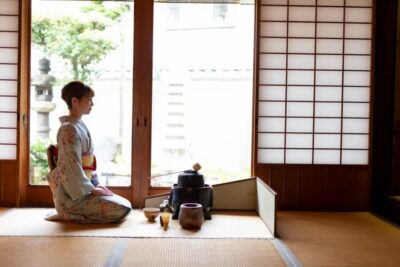

Meiji Shrine, Asakusa, Skytree Bus Tour and Cruise
Read our review →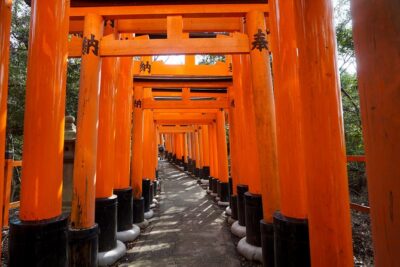
Fushimi Inari Hidden Hiking Tour (Private Option Available)
Read our review →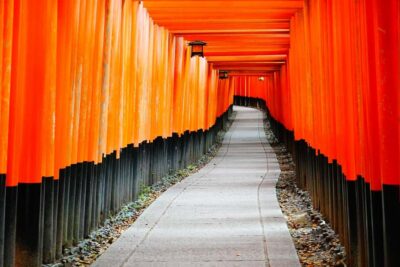
Osaka/Kyoto:Kinkakuji,Arashiyama,FushimiInariShrine,NaraPark
Read our review →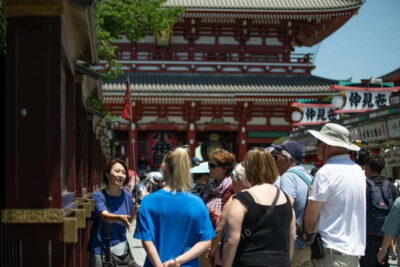
Asakusa Walking Tour with Sensoji Temple Visit
Read our review →
Nikko: Kegon Falls, Lake Chuzenji & Toshogu Temple
Read our review →Browse the lists this tour appears in