Reviewed · KYOTO TOURS
Kyoto Rickshaw Tour
Kyoto looks best from a rickshaw. This private Ebisuya ride carries you through Higashiyama’s stone lanes, wooden town houses, temples, shrines, and geisha district while your local driver handles the hills and traffic. I especially like the small-group format and the chance to tailor the route to your interests.
I also like the human touch. Guides such as Fumi, Yoshi, Kai, Kanta, Hina, and Kota are praised for clear English, local stories, humor, and excellent photos. The main drawback is the narrow seat, only 29.1 inches wide, so two adults may feel cramped. Book separate rickshaws if comfort or space is a concern.
In This Review
- Key points to know before booking
- Why a rickshaw works so well in Kyoto
- Starting at Ebisuya Higashiyama
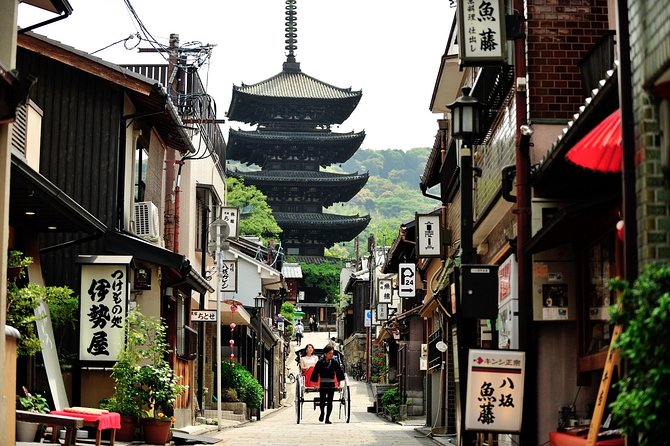
- The first look at Higashiyama’s old streets
- Gion, geisha streets, and wooden town houses
- Bridges, gardens, and temple stops
- Yasaka Shrine and the Gion area
- How much time should you book?
- The seat, the fitness, and the comfort question
- Price and what you receive for $39.79
- Weather, cancellations, and practical planning
- Who will enjoy this most?
- Should you book the Kyoto Rickshaw Tour?
- FAQ
- Where does the Kyoto Rickshaw Tour start?
- Where does the ride end?
- How long does the rickshaw ride last?
- How many adults fit in one rickshaw?
- Can young children ride?
- Does the tour include Arashiyama Bamboo Forest?
Key points to know before booking
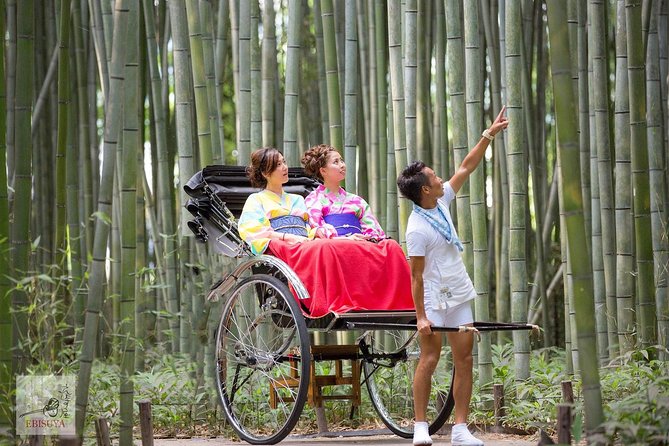
- A private ride through old Kyoto: Only your group takes part, with no strangers sharing your rickshaw.
- Higashiyama and Gion are the focus: Expect wooden buildings, cobbled lanes, shrines, temples, bridges, and traditional entertainment streets.
- Choose from 30 minutes to 3 hours: Short rides give you a quick taste, while longer options can reach more temples and quieter lanes.
- Your guide can adjust the route: Tell the driver what interests you, though shorter rides cannot cover every listed sight.
- The rickshaw fits two adults, but tightly: Each carriage is 74 centimeters wide, and separate rickshaws may be more comfortable.
- The price buys more than transport: Your driver also acts as a local guide and photographer, helping you see Kyoto while saving your feet.
Why a rickshaw works so well in Kyoto
Kyoto is easy to admire and hard to cover. The most appealing old streets are often narrow, crowded, or spread across a district that is tiring to walk for several hours. A rickshaw gives you a moving seat, a raised view, and a driver who knows how to thread through the traditional quarters.
This is not a speed ride. The pleasure comes from rolling slowly past dark wooden facades, tiled roofs, stone walls, and quiet side streets. You can look around instead of staring at a map, and you can ask questions as the driver points out details you might otherwise miss.
The ride is also a useful first introduction to Kyoto. On longer options, you may pass through Gion and Higashiyama, stop near temples and shrines, and pause for photographs. I would not treat it as a replacement for visiting Kyoto’s major sights on foot. Think of it as a smart orientation ride that shows you where to return later.
The private setup matters. You do not have to keep pace with a large group, and your driver can respond to your interests. If you want more shrines, traditional streets, gardens, photographs, or information about geisha culture, say so at the beginning.
A few more Kyoto experiences worth weighing up
- PERFECT KYOTO 1-Day Bus Tour
★ 5.0 · 13,518 reviews - Kyoto: Fushimi Inari, Kinkakuji, Bamboo Grove 1 Day Bus Tour
★ 4.8 · 4,316 reviews - Kyoto: Tea Ceremony in a Traditional Tea House in Kiyomizu
★ 4.9 · 3,519 reviews
Starting at Ebisuya Higashiyama
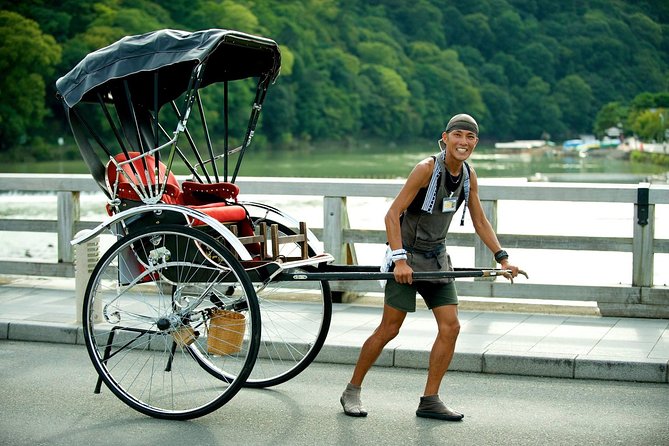
The meeting point is Ebisuya Higashiyama Rickshaw at 483 Shimokawarachō in Kyoto’s Higashiyama Ward. It is near public transportation, but you should still allow time to arrive. Kyoto’s old lanes can be confusing, and a late start directly reduces your ride time.
A delay of 10 minutes or more results in automatic cancellation according to the stated terms. Smaller delays are deducted from the booked duration, so arriving early is not just polite. It protects the experience you paid for.
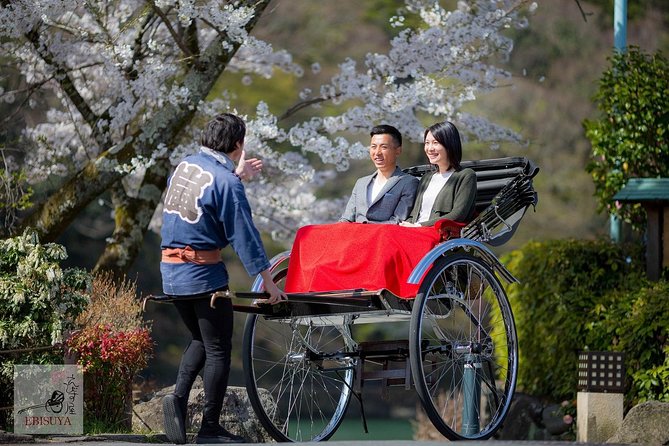
The driver will introduce you to the rickshaw and settle you into the seat. Two adults can ride in one carriage, and children aged five or younger may sit on an adult’s lap, with one child per adult. Children aged six and over are charged at the adult rate.
The ride is private, which is particularly useful for families, couples, or a group of friends. If you are booking for four adults, plan on two rickshaws. Three hours with two carriages is also the arrangement used by larger groups, and the ride can sometimes be extended if time is available.
The first look at Higashiyama’s old streets
The opening section usually gives you a quick sense of why Higashiyama is one of Kyoto’s most rewarding areas. The district is known for wooden buildings, old stone alleys, traditional shops, and streets that retain the feel of an earlier Kyoto.
Your driver does the pulling, but this is not a silent taxi service. Guides explain what you are seeing, answer questions, and point out small features along the route. Several guides are praised for making the ride entertaining as well as informative, with Fumi and Kai singled out for their energy and humor.
Expect stops for photographs. Drivers are often happy to take pictures of you and your group, and the photo service is one of the experience’s most useful extras. Yoshi, in particular, is praised for creating strong memories through photos, while other guides have taken both pictures and videos.
The road surface can be uneven because the route includes old cobbled streets. That adds to the setting, but it also means the ride is not identical to gliding along a smooth modern road. Sit back, keep personal items secure, and let the driver manage the route.
Gion, geisha streets, and wooden town houses
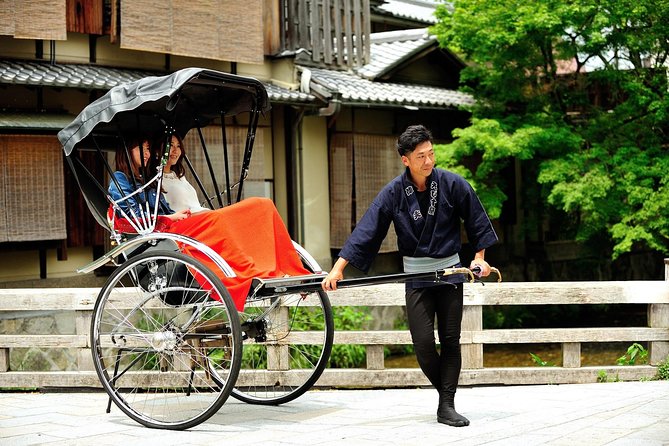
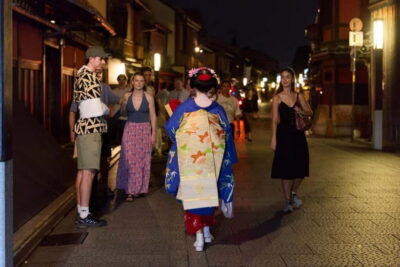
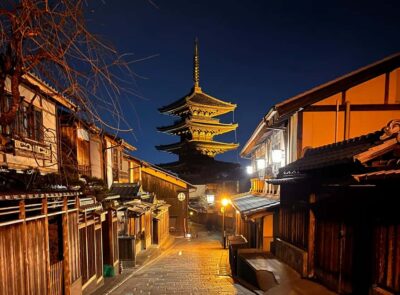
The Gion section is the cultural heart of the ride. You pass traditional wooden town houses and streets associated with geisha arts. The setting is attractive, but it deserves respectful behavior. A possible sighting of a geisha or maiko is never promised, and you should not block lanes or take intrusive pictures.
The value here comes from context. A local driver can explain the customs and role of the district in a way that a quick photograph cannot. You may also see details in the architecture that are easy to overlook when you are walking through a busy street.
The ride can feel especially useful if you have already taken a walking tour. A daytime rickshaw trip gives you a different view of the same general area, and you can cover more ground without spending the entire morning on your feet. One 70-minute option is described as a good length for seeing Gion without feeling rushed.
The route may include quiet lanes away from the heaviest foot traffic. That does not mean every ride follows the same path. Your duration and interests shape the experience, so ask about the route before setting off if a particular part of Gion matters to you.
A completely different kind of day out in Kyoto:
- Kyoto Geisha Walking Tour: Gion District & Hidden Gems
★ 4.7 · 3,273 reviews - Kyoto: Tea Ceremony Ju-An at Jotokuji Temple
★ 4.9 · 3,207 reviews - Kyoto: Gion Magical Night Walking Tour with Geisha Trivia
★ 4.9 · 2,393 reviews - Kyoto: 45-Minute Tea Ceremony Lesson Experience
★ 4.3 · 2,378 reviews
Bridges, gardens, and temple stops
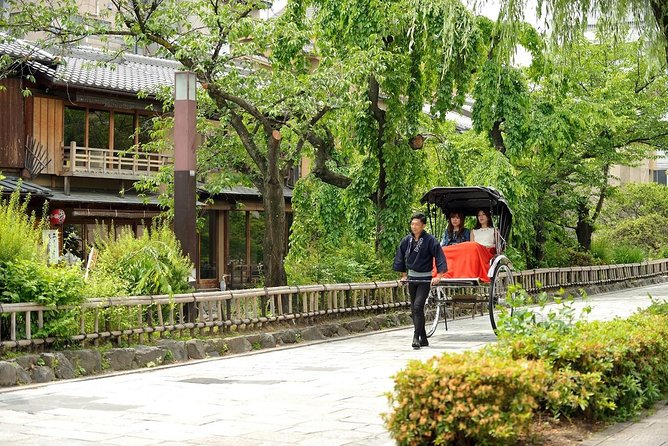
The ride includes a small bridge in a traditional district, along with one beautiful temple with a garden and another impressive temple. Exact stops depend on the time you book and the route selected, but the general pattern is clear: streets provide the setting, while temples and gardens provide the pauses.
Kodaiji is mentioned as one possible temple area, and some longer rides can include Kennin-ji for an additional fee. If you want to enter a temple rather than simply pass its grounds, ask about that before booking. A temple admission charge or added stop may not be included in the base price.
These pauses make the longer rides worthwhile. A 30-minute trip is mainly a taste of the district. A 70-minute ride gives you time for a few streets and photo stops. Two or three hours allow a more relaxed mix of riding, explanations, and time near shrines or temples.
The guide’s role becomes especially useful here. You can ask about Buddhist temples, Shinto shrines, local customs, and the difference between what you are seeing. Several drivers are praised for explaining temple history and shrine etiquette in clear English.
Yasaka Shrine and the Gion area
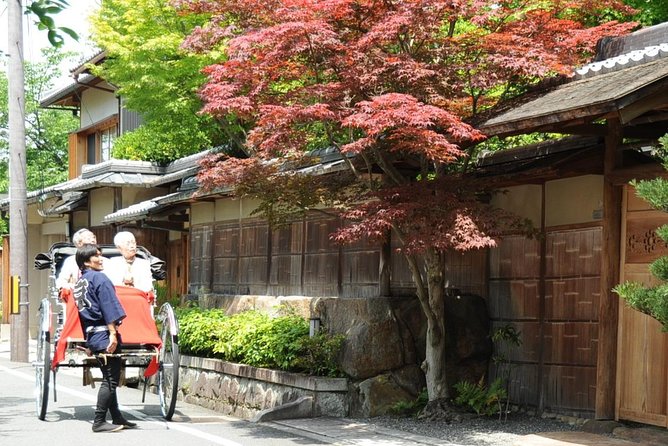
Yasaka Shrine is the large shrine associated with the Gion area and may be part of the wider route. It is also a worthwhile place to visit separately, particularly around New Year, when it is a major destination for shrine visits.
If the ride passes near Yasaka, ask your driver how much time you have for the shrine. A short tour cannot cover every listed landmark, and stopping to explore on foot uses part of the booked ride. That trade-off is worth considering because a photograph from the carriage is not the same as walking through a shrine precinct.
The shrine also helps connect the old streets with Kyoto’s living religious traditions. You are not simply looking at preserved buildings. You are moving through a district where worship, festivals, business, and traditional arts remain part of daily life.
For New Year travel, I would consider visiting Yasaka before or after the rickshaw ride rather than trying to fit a full shrine visit into a short booking. The supplied information specifically points to it as worthwhile during that season.
How much time should you book?
The choice of duration changes the experience more than the price alone suggests.
Thirty minutes works if you want a first taste of a rickshaw, a few photographs, and a short look at Gion or Higashiyama. It suits a packed sightseeing day, but it is too brief for all the temples, shrines, bridges, and traditional streets listed for the wider experience.
Seventy minutes is a strong middle choice. It gives you enough time to see a meaningful part of the old district, stop for photographs, and listen to explanations without committing half a day. If you are unsure, this is the duration I would choose.
Two hours gives the guide room to add more streets, temple areas, and cultural detail. It is also a better fit if you want to ask many questions or move at a relaxed pace. One two-hour ride included stops at shrines, temples, and picturesque areas, with time to learn along the way.
Three hours suits first-time visitors who want a broad introduction or groups that prefer a slower outing. A three-hour booking can feel like a main activity rather than a short add-on. Some groups have enjoyed it enough to add more time, though extra time is subject to availability.
The shorter options cannot cover all possible landmarks. Tell Ebisuya or your driver what you want to prioritize, especially if you have your heart set on a particular temple or shrine.
The seat, the fitness, and the comfort question
The rickshaw seat is 29.1 inches, or 74 centimeters, wide. Two adults fit according to the operator, but the fit can be close. The experience information specifically recommends one rickshaw per passenger for people who need more space.
This is one point I would take seriously rather than treat as a footnote. A rickshaw ride should feel pleasant, not like a test of how long you can sit shoulder to shoulder. If two adults may not fit comfortably, buy the extra carriage in advance. Availability of a second rickshaw with an English-speaking guide is not guaranteed if you wait until the day of the ride.
The drivers are remarkably fit. They pull the carriage uphill and around Kyoto while also talking, answering questions, and stopping to take photographs. That physical effort is part of what makes the experience memorable, but it is also why tipping and courteous behavior are appropriate if that fits your travel customs.
The ride can help if walking is difficult. One person who became unable to walk long distances used the rickshaw to continue seeing Kyoto and found the experience especially valuable. Still, the information does not promise full wheelchair access or a special transfer system. If you use a wheelchair or have mobility concerns, contact the operator before booking and ask about boarding, storage, and seating.
Price and what you receive for $39.79
At $39.79 per person, the entry price is reasonable for a private ride with an English-speaking local guide, especially if you are booking the shortest option. The real value depends on duration and how many people share the carriage.
You are paying for three services at once: transport through a difficult-to-cover district, local explanations, and personal photographs. If you would otherwise hire a guide, pay for a separate orientation, and spend hours walking, the combined value improves.
It is not the cheapest way to move around Kyoto. Public transportation costs less, and walking costs nothing. But buses and trains do not take you through the narrow old streets while a local driver points out cultural details and takes pictures of your group.
Group discounts are available, which can help families or larger parties. Remember that two adults per rickshaw is the normal limit. Four adults generally need two carriages, and the price should be judged on the comfort and privacy of that setup.
Food, drinks, hotel pickup, and drop-off are not included. A different finishing location may also bring an extra fee payable on the day. The standard end point is back at the Higashiyama meeting point.
Weather, cancellations, and practical planning
The ride takes place in rain or shine according to the operating information, but the cancellation terms also say the experience requires good weather and may be canceled for poor conditions. If bad weather causes cancellation, you are offered another date or a full refund.
You can cancel for a full refund up to 24 hours before the start time. Changes made less than 24 hours before the start time are not accepted, and cancellations inside that period are not refunded. Time changes requested after 5 p.m. the day before cannot be accommodated.
The voucher is valid only at the Kyoto Higashiyama branch. It cannot be used at Ebisuya’s Arashiyama branch. This matters because Arashiyama Bamboo Forest is not included in this experience, despite the company operating another rickshaw branch there.
If the bamboo forest is your priority, book the correct Arashiyama product separately. Do not assume a Higashiyama ticket can be transferred between branches.
Who will enjoy this most?
I would recommend the ride to first-time Kyoto visitors who want quick orientation without spending hours on foot. Couples will appreciate the private setting and old streets, while families can enjoy the novelty of the carriage and the guide’s attention.
It also suits photographers and anyone who wants ready-made group pictures. Guides have a reputation for finding attractive viewpoints and handling the camera for you, so you can appear in your Kyoto photos instead of taking only selfies.
People interested in traditional architecture, temple customs, shrine culture, and geisha districts will get the most from the longer rides. Ask questions. The experience improves when you treat the driver as a local interpreter, not simply as someone pulling a carriage.
I would be more cautious if you dislike tight seating, have significant mobility needs, or expect a full temple tour. The rickshaw offers access and context, but it does not replace walking inside every site. Check the seat size and route before committing.
Should you book the Kyoto Rickshaw Tour?
Yes, if you want a friendly introduction to old Kyoto with less walking and more personal attention. The 70-minute option is the safest choice for most people, while two or three hours make sense if you want temple stops, more questions, and a slower route.
Book a separate rickshaw for each adult if space may be tight. Arrive early, confirm the route, and tell your guide whether Gion streets, Yasaka Shrine, temple gardens, photographs, or geisha culture matter most.
At $39.79 per person, this is a good-value Kyoto experience when you use it as an orientation ride and cultural introduction. It is not a substitute for exploring the sights on foot, but it can show you where to return and give your first Kyoto day a memorable start.
FAQ
Where does the Kyoto Rickshaw Tour start?
It starts at Ebisuya Higashiyama Rickshaw, 483 Shimokawarachō, Higashiyama Ward, Kyoto, 605-0825, Japan.
Where does the ride end?
The standard activity ends back at the Higashiyama meeting point. A different drop-off location may be possible for an added fee payable on the day.
How long does the rickshaw ride last?
Available durations range from about 30 minutes to 3 hours. The route depends on the time selected, and shorter options cannot cover every possible landmark.
How many adults fit in one rickshaw?
A maximum of two adults can ride in one rickshaw. Each carriage is 29.1 inches, or 74 centimeters, wide, so separate rickshaws may be more comfortable.
Can young children ride?
Children aged five and under may sit on an adult’s lap, with one child per adult. If a child uses one of the two seats, that child must be booked as an adult. Adult pricing applies from age six.
Does the tour include Arashiyama Bamboo Forest?
No. This experience covers the Kyoto Higashiyama branch and does not include Arashiyama Bamboo Forest. The voucher is not valid at Ebisuya’s Arashiyama branch.
Just added around Kyoto
- Kyoto: Private Customizable Day Trip by Car★ 5.0 · 38 reviews
- Kyoto: Gion Night Walking Tour with Geisha Insight★ 5.0 · 39 reviews
- Kyoto: Full Day Bike Tour★ 4.9 · 39 reviews
- Private Japanese Calligraphy in Kyoto – Learn Shodō with a Master★ 5.0 · 39 reviews
- Experience a tea ceremony in an authentic tearoom, in Kyoto!★ 4.5 · 41 reviews
- Kyoto: Gion Evening Walk with Hidden Gems, Geisha & Sake★ 5.0 · 41 reviews
- Kyoto Private Photo Shoot & Tour by SnapKyoto★ 5.0 · 41 reviews
- The Way of Tea: Kyoto Crafts, Hidden Temples & Wabi-Sabi Walk★ 5.0 · 41 reviews
Kyoto Tours, compared.
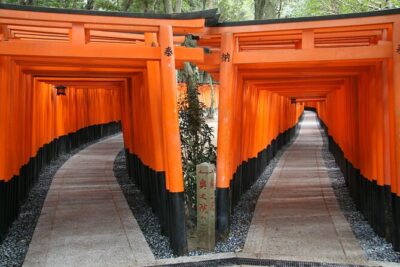
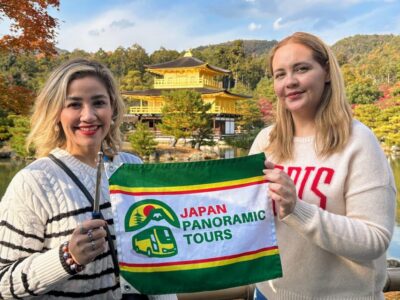
Fushimi Inari, Kinkakuji, Bamboo Grove 1 Day Bus Tour
Read our review →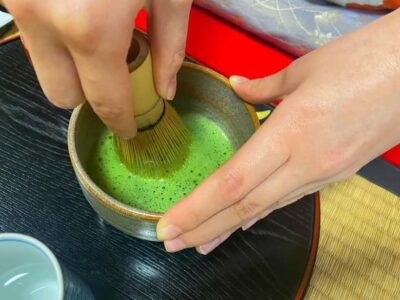
Tea Ceremony in a Traditional Tea House in Kiyomizu
Read our review →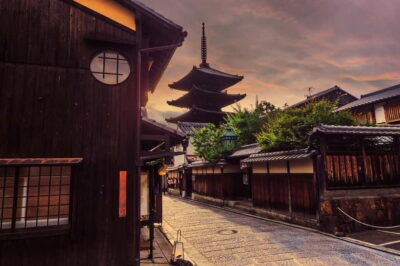
Kyoto Geisha Walking Tour: Gion District & Hidden Gems
Read our review →
Gion Magical Night Walking Tour with Geisha Trivia
Read our review →