Reviewed · KYOTO TOURS
Kyoto: Zen Garden, Zen Mind (Private)
Quiet gardens, big ideas, three temples. Kyoto: Zen Garden, Zen Mind is a private 3.5-hour walking tour led by Andrew, a landscape designer with 15 years of experience. I like the close look at Konchi-in, Tenjuan, and Nanzen-ji, and I like how the tour connects rocks, moss, water, Buddhism, Shinto, history, and daily life in Kyoto. It gives you far more than a quick garden photo stop.
The main drawback is cost. The tour is $380 per group of up to four, and the ¥1,600-per-person temple admission is extra. You also need good weather, and the walking format may not suit you if you prefer a short, seated sightseeing experience.
In This Review
- Key points to know before booking
- Why this Kyoto garden tour is different
- Starting near Keage Station
- Konchi-in: a focused introduction to Zen garden design
- Tenjuan: a quieter temple pause
- Nanzen-ji: the broadest cultural setting
- What Andrew adds to the experience
- Is $380 a fair price for a private group?
- Who should book this experience?
- Practical details that affect your day
- Should you book Kyoto: Zen Garden, Zen Mind?
- FAQ
- How long does Kyoto: Zen Garden, Zen Mind last?
- How many people can join the private tour?
- Which temples and gardens are included?
- Where does the tour start?
- Where does the tour end?
- Are temple entrance fees included?
- Who leads the tour?
- Is the tour suitable for most people?
- What happens if the weather is poor?
Key points to know before booking
- Andrew’s design background shapes the tour: He explains how Zen gardens are built, not just what they look like.
- Three important temple settings: You visit Konchi-in, Tenjuan, and the main Nanzen-ji temple complex.
- A private format: Only your group takes part, so the pace and discussion can suit your interests.
- The tour is mostly about meaning: Expect ideas about Japanese aesthetics, Buddhism, Shinto, history, and modern Kyoto.
- Plan for extra admission costs: Temple tickets total ¥1,600 per person and are not included in the tour price.
- Walking is part of the experience: You start near Keage Station and finish in front of Nanzen-ji.
Why this Kyoto garden tour is different
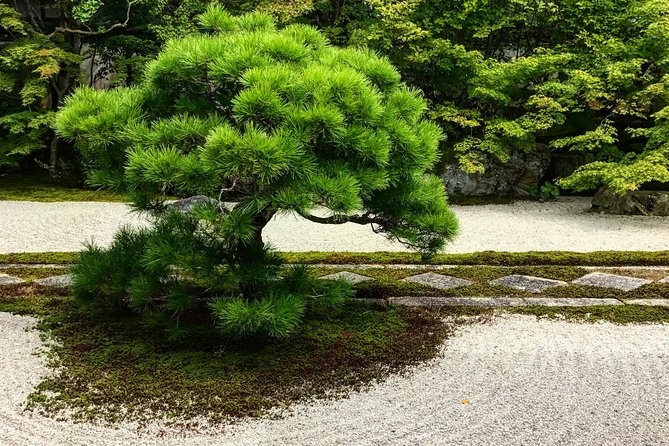
Kyoto has plenty of famous gardens, but many people see them as quiet backdrops for photographs. This tour asks you to look again. A rock is not simply a rock. An empty patch of gravel may create a sense of distance, water, or movement. The arrangement of plants and stones can reflect religious ideas, natural forms, or the preferences of the person who designed the garden.
That is where Andrew’s training matters. He has a master’s degree in landscape architecture and more than 15 years of experience in garden design. You are not just handed dates and temple names. You get an explanation of how the spaces were made and how their visual choices relate to Zen thought and Japanese culture.
I especially like the way this approach can change the rest of your Kyoto visit. Once you understand a few basic design principles, you may begin noticing why one garden feels spacious and another feels enclosed. You may also understand why Japanese gardens often suggest nature rather than copy it exactly.
The private format helps. Your group can ask about Buddhism, Shinto, Japanese history, or gardening without worrying about holding up a large party. The guide can also spend more time on the subjects that interest you most. One past participant noted that Andrew adjusted the tour to suit personal interests and stayed late to make sure the discussion felt complete.
This is not a tour built around rushing from one famous sight to the next. It asks you to slow down, sit with what you see, and pay attention to small choices. That makes it a good match for nature lovers, garden enthusiasts, photographers, and anyone who wants more cultural context during a Kyoto visit.
A few more Kyoto experiences worth weighing up
- PERFECT KYOTO 1-Day Bus Tour
★ 5.0 · 13,518 reviews - Kyoto: Fushimi Inari, Kinkakuji, Bamboo Grove 1 Day Bus Tour
★ 4.8 · 4,316 reviews - Kyoto: Tea Ceremony in a Traditional Tea House in Kiyomizu
★ 4.9 · 3,519 reviews
Starting near Keage Station
The tour begins at Keage Station in Kyoto’s Higashiyama Ward. This is a useful meeting point because you can reach it by public transportation, and the tour then continues on foot through the temple area.
The starting point also sets the tone. Instead of beginning with a long vehicle transfer or a crowded sightseeing road, you meet near the eastern hillside and walk toward the Nanzen-ji complex. Walking lets you reach corners that buses and cars cannot. It also gives the guide time to explain the surroundings as you move between stops.
You should wear comfortable shoes. The tour lasts about three and a half hours, with roughly an hour planned at each of the three main stops, plus walking time between them. The exact rhythm can vary because this is a private tour, but you should expect an active morning or afternoon rather than a quick garden circuit.
Because the tour requires good weather, check the forecast before you go. Gardens are often best appreciated in calm conditions, but rain can affect walking comfort and the operation of the experience. If poor weather causes cancellation, you are offered another date or a full refund.
Konchi-in: a focused introduction to Zen garden design
Your first major stop is Konchi-in, a sub-temple of Nanzen-ji. The planned visit lasts about an hour, giving Andrew time to explain the garden rather than simply point out its most attractive view.
A sub-temple is not just another building within the same complex. It has its own character, religious role, and garden setting. That makes Konchi-in a useful first lesson. You can begin with one contained space before moving on to the broader Nanzen-ji grounds.
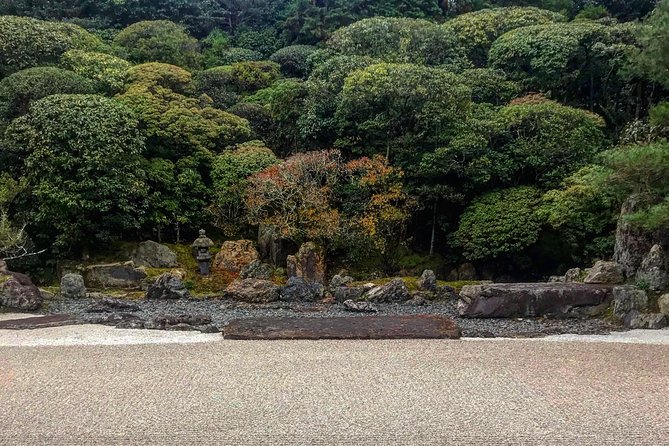
I would pay close attention to how Andrew explains composition. The garden may look simple at first, but simplicity is part of the point. Stone placement, open ground, clipped vegetation, and framing all affect how you read the scene. With a guide trained in design, you can ask why a particular arrangement works and what it may suggest.
The tour also places the garden within Buddhist practice and Japanese aesthetics. Several people who took the experience found that Andrew made the gardens more meaningful by explaining the connections between design, religion, society, and history. That wider context is important because a Zen garden is not merely a decorative courtyard.
The possible downside is that visitors who want a long period of silent contemplation may find the hour discussion-heavy. This is a guided interpretation of the garden, not simply free time to sit alone. You can still enjoy the quiet, but the main purpose is to learn how to read the setting.
Tenjuan: a quieter temple pause
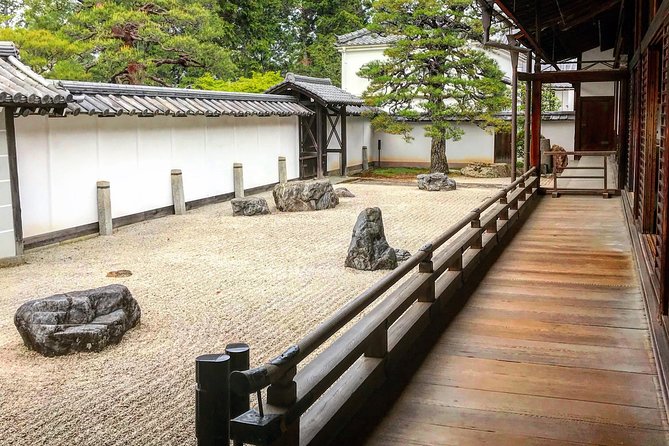
Next comes Tenjuan, another sub-temple of Nanzen-ji. The visit is also planned for about an hour. This second stop gives the tour room to compare gardens rather than treating one famous design as the full story of Zen landscaping.
Comparison is one of the strongest reasons to book a private tour. You can notice how different spaces use similar ideas in different ways. A garden may feel open, enclosed, formal, soft, or severe depending on its stones, plants, paths, walls, and views. Andrew can help you identify those differences without reducing the experience to a checklist.
Tenjuan is also described as a quiet location. That matters in Kyoto, where popular temple areas can become noisy and crowded. A calmer setting gives you a better chance to listen, observe, and think about what you are seeing.
The tour is not limited to Zen philosophy. Andrew also discusses basic Shinto and Buddhist traditions and practices. That is useful because Kyoto’s religious sites do not always fit neatly into one category. Understanding the overlap helps you make better sense of shrines, temples, rituals, and garden choices elsewhere in the city.
You should not expect every stop to feel equally dramatic. Some people will prefer the smaller, more focused temple spaces, while others may be most excited by the larger Nanzen-ji complex. Tenjuan’s value is less about a single grand sight and more about the chance to slow down and compare.
A completely different kind of day out in Kyoto:
- Kyoto Geisha Walking Tour: Gion District & Hidden Gems
★ 4.7 · 3,273 reviews - Kyoto: Tea Ceremony Ju-An at Jotokuji Temple
★ 4.9 · 3,207 reviews - Kyoto: Gion Magical Night Walking Tour with Geisha Trivia
★ 4.9 · 2,393 reviews - Kyoto: 45-Minute Tea Ceremony Lesson Experience
★ 4.3 · 2,378 reviews
Nanzen-ji: the broadest cultural setting
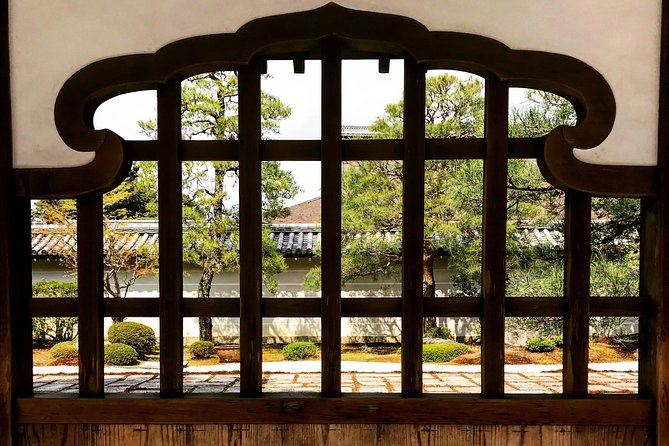
The final stop is Nanzen-ji, the head temple of the Nanzen-ji Zen monastery. You spend about an hour here before the tour ends in front of the temple.
Nanzen-ji gives the earlier garden lessons a larger setting. After seeing two sub-temples, you can think about how garden design fits into a major Zen monastery. The discussion can move beyond individual rocks and planting choices toward the role of temples in Kyoto’s religious and cultural life.
This is also where Andrew’s broad range of interests becomes useful. His explanations include Japanese history and contemporary life in Kyoto, not only garden construction. One participant described the experience as a way to understand religion, society, history, and culture through the gardens. That is a good description of the tour’s purpose.
The end point is practical. You finish at Nanzen-ji rather than returning to Keage Station. From there, you can continue exploring the area on your own, arrange your next destination, or simply remain near one of Kyoto’s best-known temple districts. Since the tour does not loop back to the starting point, plan your next move before you arrive.
What Andrew adds to the experience
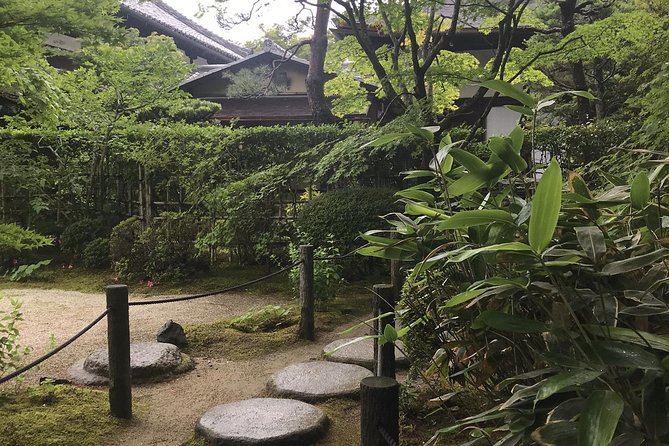
A good garden guide needs more than facts. You need someone who can show you where to look and explain why it matters without turning a peaceful visit into a lecture. The feedback about Andrew is unusually consistent on this point.
He is praised for explaining both the philosophy and construction of rock gardens. That combination is valuable. If a guide talks only about religious symbolism, the garden can seem mysterious but vague. If the guide talks only about building methods, the place can feel like a technical project. Andrew connects the practical and spiritual sides.
His personal interest in Zen and Japanese culture also comes through in the way the tour is described. People who joined the experience valued his ability to explain correlations between garden design, religion, history, and modern life. You can ask direct questions, and the private setting gives the conversation room to develop.
The experience is also suitable for different levels of background. You do not need to know Japanese religious traditions before you arrive. If you already enjoy architecture, garden design, or Buddhist philosophy, you can ask more specialized questions. If the subject is new to you, Andrew begins with the basics.
One point to keep in mind is that the quality of the tour depends heavily on your interest in discussion. If you only want to see the temples and move on, you may find the pace slow. If you want to understand what you are seeing, the explanation is the main value.
Is $380 a fair price for a private group?

The price is $380 for your entire group, up to four people. That makes the calculation more reasonable if you are sharing with three other people. Split four ways, the guide fee is $95 per person, before temple admission. For one or two people, the individual cost is much higher.
You also pay ¥1,600 per person for admission to the three temples. That fee is separate, so include it when setting your Kyoto budget. The mobile ticket makes access and booking simple, but it does not remove the extra entrance cost.
I see the value in this tour if you would otherwise walk through the temples without understanding the gardens. Andrew’s specialist background offers something difficult to get from a guidebook: an informed explanation of design decisions, religious ideas, and cultural connections at the exact moment you are looking at them.
The value is lower if you already have strong training in Japanese garden design or prefer to explore alone. You are paying for private guidance and interpretation, not for luxury transport, meals, or a full-day sightseeing program.
The three-and-a-half-hour length is sensible. It is long enough to cover three sites without turning the day into a marathon. It is also short enough to combine with other Kyoto plans, though you should leave room for walking and for the possibility that an interesting discussion takes longer than expected.
Who should book this experience?
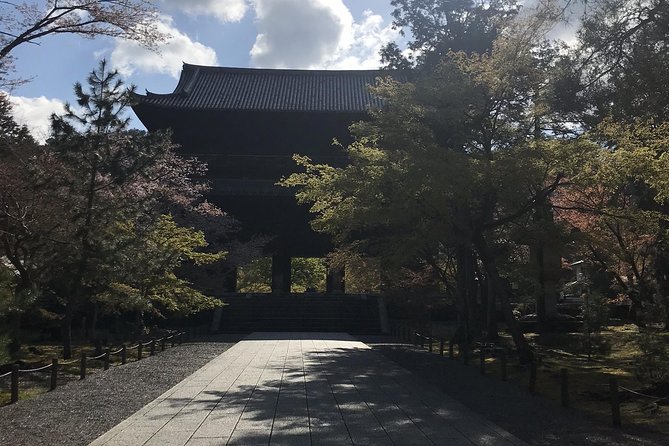
I would recommend it most strongly to:
- People who want to understand Zen gardens instead of only photographing them
- Garden designers, architects, and students of visual arts
- First-time Kyoto visitors seeking cultural context
- Repeat visitors who have already seen the main temples
- Couples, families, or small groups who enjoy asking questions
- Anyone interested in Buddhism, Shinto, Japanese aesthetics, or Kyoto history
Families can participate because most people can take part, but the tour is built around ideas and walking rather than hands-on activities. Very young children may not enjoy three hours of garden discussion. The private format does give your group more control over the pace.
I would hesitate if your priority is transportation between sights, shopping, food, or a broad city overview. This is a focused garden and culture tour. It does not attempt to cover all of Kyoto.
Practical details that affect your day
The experience is confirmed at booking, and it operates near public transportation. You meet at Keage Station and finish in front of Nanzen-ji. Since the end point differs from the start, use the finish as the place from which to plan your next activity.
Wear shoes suitable for several hours of walking. The experience takes place outdoors in temple and garden settings, so weather can shape the day. A poor-weather cancellation brings an alternative date or a full refund.
Free cancellation is available if you cancel at least 24 hours before the local start time. Cancellations or changes made within 24 hours are not refunded or accepted. That policy is worth noting if your Kyoto schedule is still shifting.
The tour is private, meaning only your own group participates. This is especially helpful if one person wants more discussion about Buddhist practice, another wants garden-design details, and someone else is mainly interested in history.
Should you book Kyoto: Zen Garden, Zen Mind?
Book it if you want Kyoto’s gardens to make more sense. Andrew’s 15 years in garden design, master’s training, and interest in Zen give the tour a clear purpose: teaching you how to see.
The best reason to go is not simply the three temples. You can visit temples on your own. The reason to book is the connection between what you see and what it means, from the placement of rocks to the role of Buddhist and Shinto traditions in Japanese life.
Skip it if you want a fast, low-cost introduction to Kyoto or dislike guided discussion. The extra admission fee and high private-tour price deserve careful thought, especially for solo visitors. For a small group that values thoughtful explanation, though, this is a strong use of half a day and a memorable way to approach Nanzen-ji.
FAQ
How long does Kyoto: Zen Garden, Zen Mind last?
The experience lasts approximately 3 hours and 30 minutes.
How many people can join the private tour?
The price covers one private group of up to four people. Only your group takes part.
Which temples and gardens are included?
The tour visits Konchi-in, Tenjuan, and Nanzen-ji Temple.
Where does the tour start?
The meeting point is near Keage Station at Higashikomonozacho in Kyoto’s Higashiyama Ward.
Where does the tour end?
The tour ends in front of Nanzen-ji in Nanzenji Fukuchicho.
Are temple entrance fees included?
No. Admission to the three temples costs ¥1,600 per person and is paid separately.
Who leads the tour?
Andrew leads the experience. He is a landscape designer with 15 years of experience and a master’s degree in landscape architecture.
Is the tour suitable for most people?
Yes. Most people can participate, and the tour takes place near public transportation. It is a walking experience lasting about three and a half hours.
What happens if the weather is poor?
The experience requires good weather. If it is canceled because of poor weather, you can choose another date or receive a full refund.
Just added around Kyoto
- Kyoto: Gion Night Walking Tour with Geisha Insight★ 5.0 · 39 reviews
- Kyoto: Private Customizable Day Trip by Car★ 5.0 · 38 reviews
- Kyoto: Full Day Bike Tour★ 4.9 · 39 reviews
- Private Japanese Calligraphy in Kyoto – Learn Shodō with a Master★ 5.0 · 39 reviews
- Kyoto: Gion Evening Walk with Hidden Gems, Geisha & Sake★ 5.0 · 41 reviews
- Experience a tea ceremony in an authentic tearoom, in Kyoto!★ 4.5 · 41 reviews
- Kyoto Private Photo Shoot & Tour by SnapKyoto★ 5.0 · 41 reviews
- The Way of Tea: Kyoto Crafts, Hidden Temples & Wabi-Sabi Walk★ 5.0 · 41 reviews
Kyoto Tours, compared.
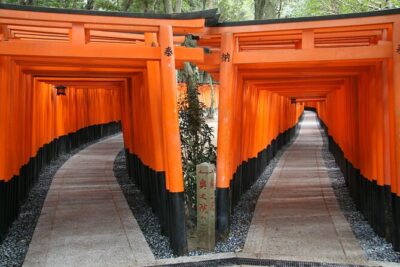
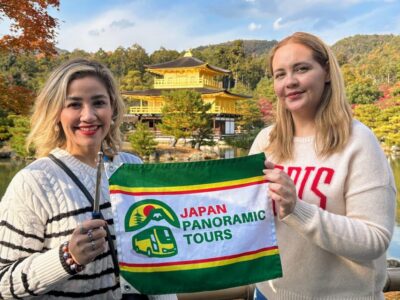
Fushimi Inari, Kinkakuji, Bamboo Grove 1 Day Bus Tour
Read our review →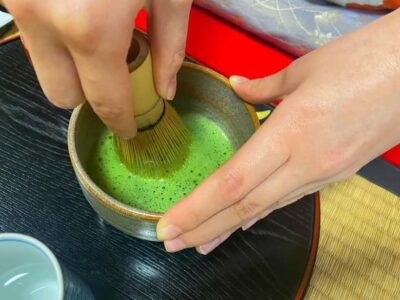
Tea Ceremony in a Traditional Tea House in Kiyomizu
Read our review →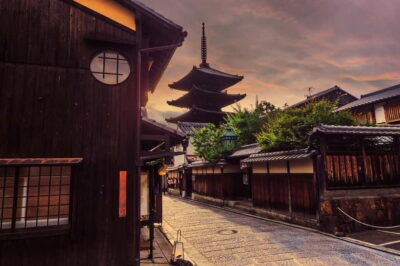
Kyoto Geisha Walking Tour: Gion District & Hidden Gems
Read our review →
Gion Magical Night Walking Tour with Geisha Trivia
Read our review →