
Reviewed · TEMPLE & SHRINE TOURS
Kyoto: Zen Meditation at a Private Temple with a Monk
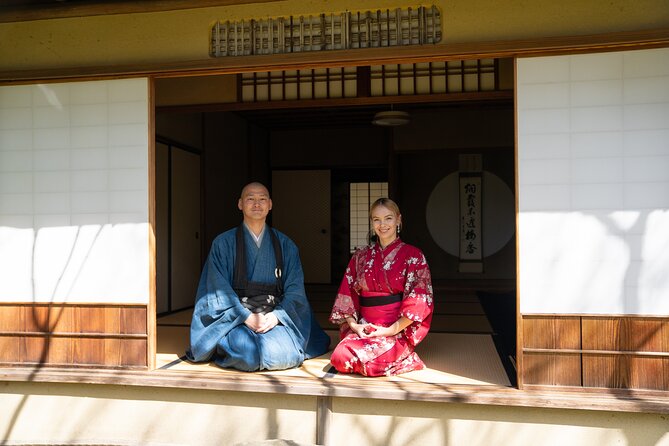
Quiet Kyoto has another side. This 90-minute Zen session brings you to a temple closed to the general public, where a monk explains Zazen, guides your sitting practice, and answers questions over tea. I especially like the private setting and the chance to speak with the monk after meditating. The main consideration is price: at $91 per person, it is costly for a short activity, especially since transport is not included.
This is not a sightseeing tour with a quick temple photo stop. It is a calm, focused cultural meeting, helped along by an English-speaking guide who translates the monk’s teaching. The meeting point beside the Kodaiji Park toilet can be confusing, so read the guide’s day-of message carefully and go to the northern side of the building.
In This Review
- What makes this Kyoto meditation experience special
- Meeting at Kodaiji Park
- Entering a temple closed to ordinary visitors
- Learning what Zazen asks of you
- Sitting in silence with the monk
- Tea, sweets, and an honest conversation
- A garden that rewards slow looking
- Is $91 a fair price?
- Who will appreciate this most?
- Practical tips for a calmer visit
- Should you book this Kyoto Zen meditation?
- FAQ
- Where does the Zen meditation experience begin?
- How long does the experience last?
- How long is the walk to the temple?
- Is transportation included?
- What language is the experience offered in?
- Is meditation experience required?
- Can children join the experience?
- Can I cancel for a refund?
What makes this Kyoto meditation experience special
- A temple normally closed to the public: You enter a private religious space near Kodaiji Park rather than simply visiting another famous Kyoto temple.
- Instruction from a Buddhist monk: You learn the purpose, posture, breathing, and basic techniques of Zazen before trying it yourself.
- English interpretation throughout: Guides such as Satoru, Soma, Kohtaro, and Ruko have helped make the monk’s Japanese explanations clear to English-speaking visitors.
- Tea, sweets, and garden time: The session ends with tea and a chance to look around the quiet garden and ask personal questions.
- Suitable for beginners: You do not need previous meditation experience. Several first-time participants found the instruction easy to follow.
- A small-group or private atmosphere: Group size can vary, but private and small-group options are available, making the setting more personal than a large class.
Meeting at Kodaiji Park
Your meeting point is the toilet at Kodaiji Park, on its northern side. The guide waits there, and the group walks for about 10 minutes to the temple.
This sounds simple, but it deserves attention. The park is larger and less obvious on a map than the words meeting point suggest. Some people have had trouble when a map pin sent them into the middle of the park instead of to the toilet. I would allow extra time, check the exact instructions before leaving your hotel, and watch for a message from the guide on the day.
The short walk is part of the experience. You leave the usual sightseeing route and head toward a quieter corner near the well-known lanes around Kodaiji. It is not a long hike, but you should be comfortable walking and standing for a little while.
No transportation is included. That is not a major issue if you are already visiting the Higashiyama area, but it matters if you are staying far away or booking an early morning start. Build in enough time to reach Kodaiji Park without rushing. Arriving flustered is a poor warm-up for seated meditation.
More Temple & Shrine Tours in Kyoto
- Kyoto: Fushimi Inari, Kinkakuji, Bamboo Grove 1 Day Bus Tour
★ 4.8 · 4,316 reviews - Kyoto: Tea Ceremony in a Traditional Tea House in Kiyomizu
★ 4.9 · 3,519 reviews - Kyoto: Tea Ceremony Ju-An at Jotokuji Temple
★ 4.9 · 3,207 reviews
Entering a temple closed to ordinary visitors
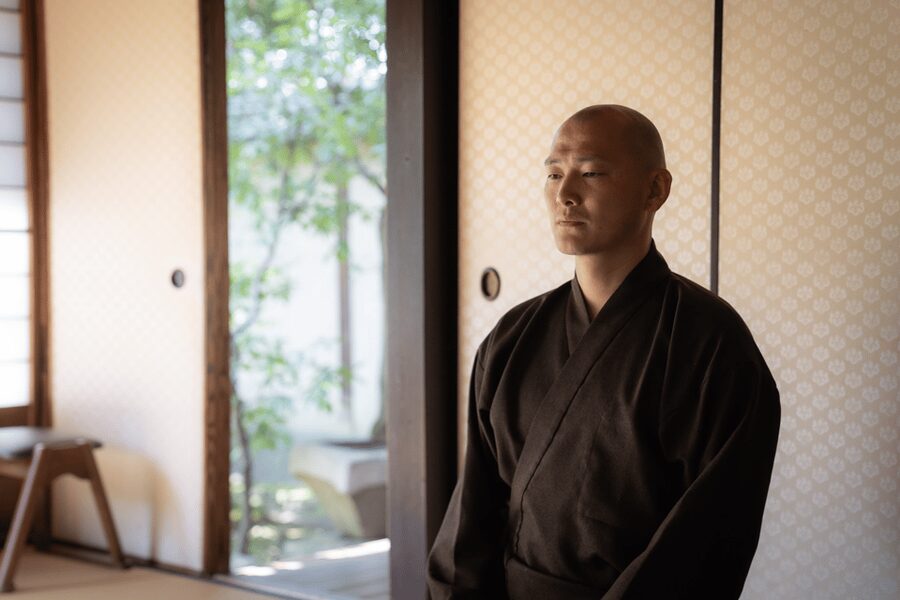
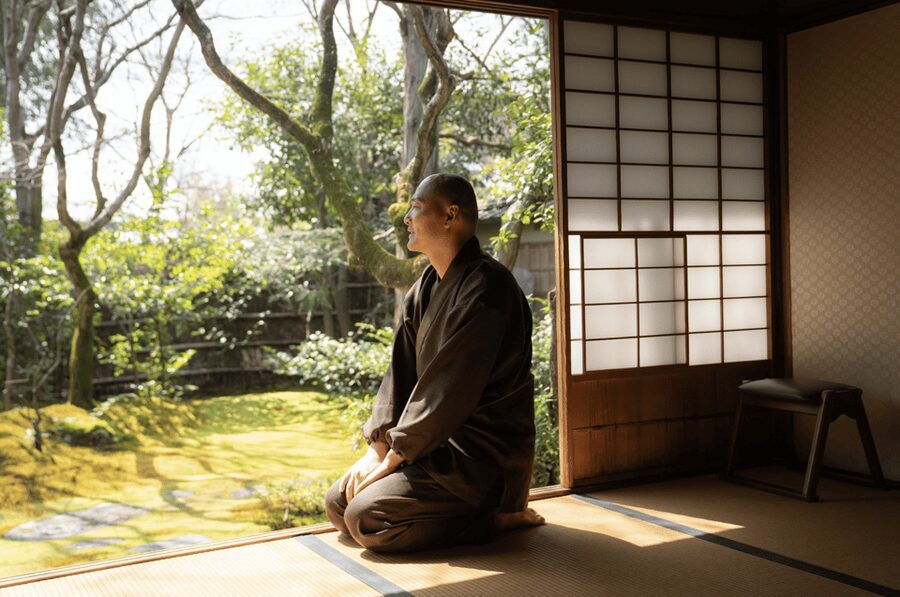
The temple is the heart of this experience. Rather than viewing a religious building from behind a barrier, you enter a private space and meet the monk who practices and lives within that tradition.
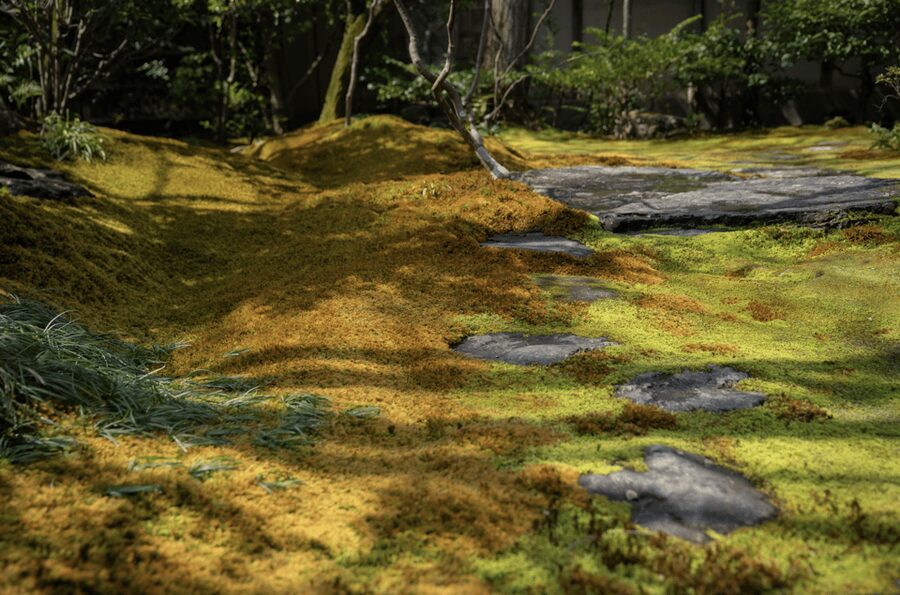
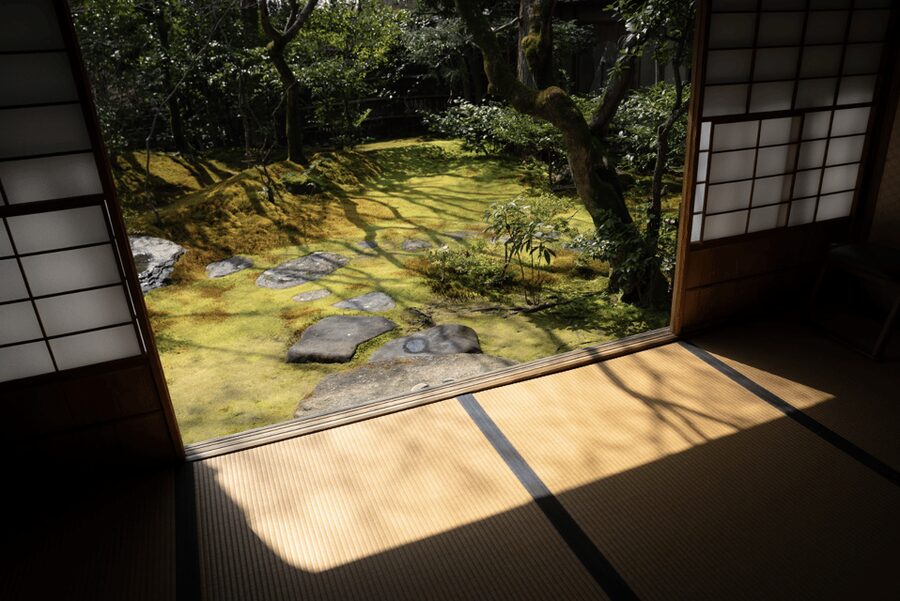
The setting is described as peaceful, with a picturesque garden and, in some accounts, a beautiful moss garden. The garden is not simply background scenery. It gives you a quiet place to pause before or after the sitting practice, and it helps explain why temples have long used gardens as part of contemplation.
The exact temple name appears in some bookings as Korin-in. Since the experience is held in a private temple, access and details may depend on the day and the group arrangement. You should think of this as a personal visit rather than a standard public attraction with a fixed sightseeing route.
Photography is allowed during suitable parts of the visit. You may take pictures of the temple and garden and, with permission, photos with the monk. Use good judgment around the meditation and any solemn moments. A camera can record the setting, but the best part of the visit is likely to be the time when you put it away.
Learning what Zazen asks of you
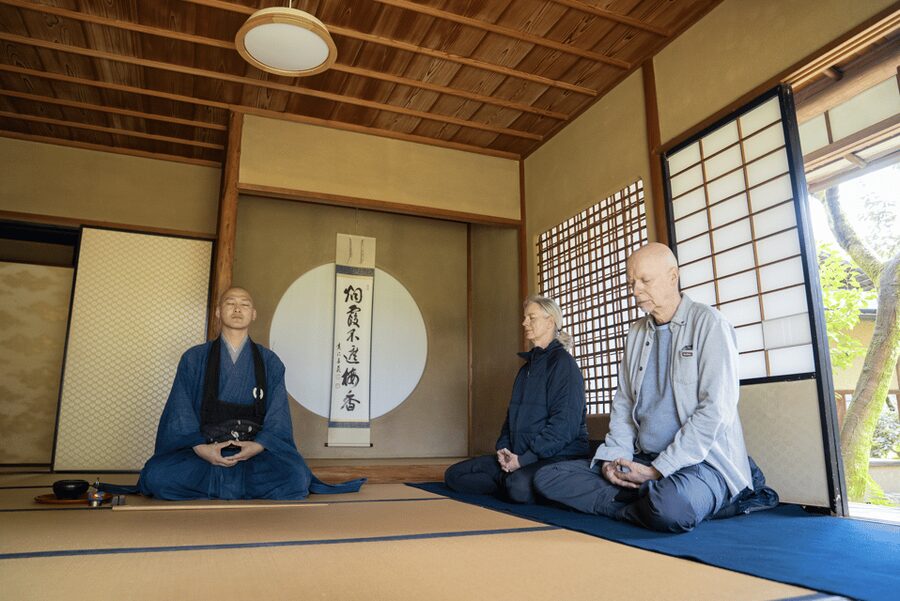
Before sitting, the monk gives a talk about Zazen, the seated meditation practice central to Zen Buddhism. The lesson covers the principles behind the practice, proper posture, breathing, and ways to deal with a mind that keeps producing thoughts.
That last point makes the class useful for beginners. You are not expected to arrive with a perfectly quiet mind. The purpose is not to win a contest against your thoughts. Instead, the instruction gives you a method for returning attention to the body and breath.
The guide translates between the monk and the group. The monk usually speaks Japanese, with the English-speaking guide interpreting the teaching. This arrangement preserves the direct connection with the monk while making the discussion accessible. The quality of translation matters here, and the guides are repeatedly praised for being clear, warm, and easy to understand.
Names that appear in connection with this experience include Satoru, Soma, Kohtaro, and Ruko. Satoru and Soma are particularly noted for friendly explanations and smooth interpretation. Ruko has also helped participants with photographs. Your guide may be someone else, but English is the operating language.
You will hear ideas about focusing the mind, letting go of ego, and stepping away from ordinary worries. These concepts can sound grand in a brochure, but the value comes from putting them into practice. The monk connects the philosophy to posture and breathing, so the talk does not remain abstract.
Sitting in silence with the monk
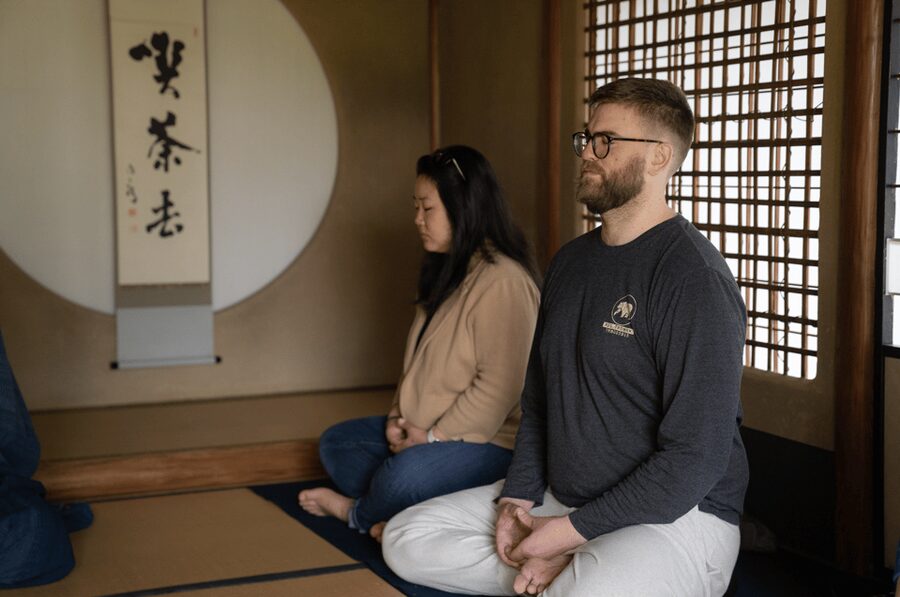
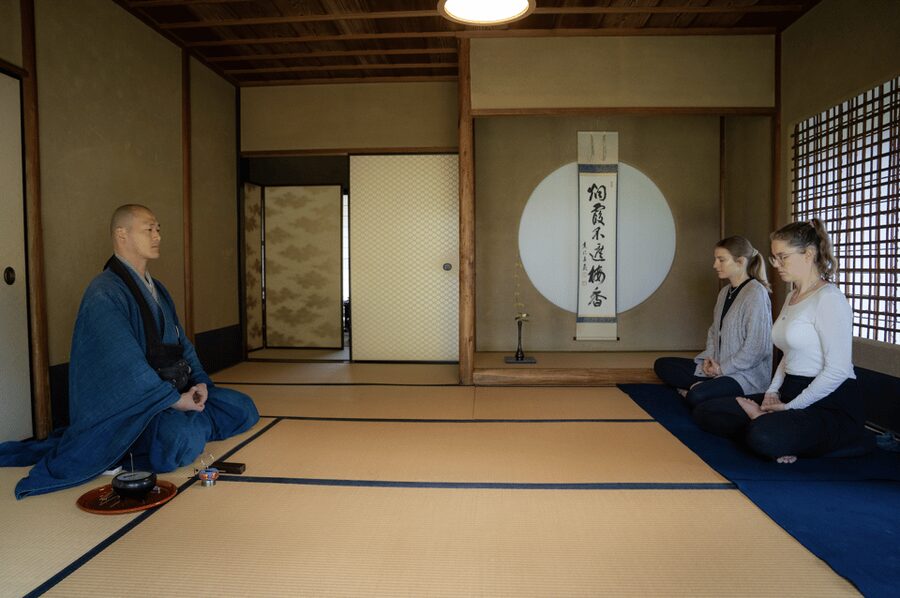
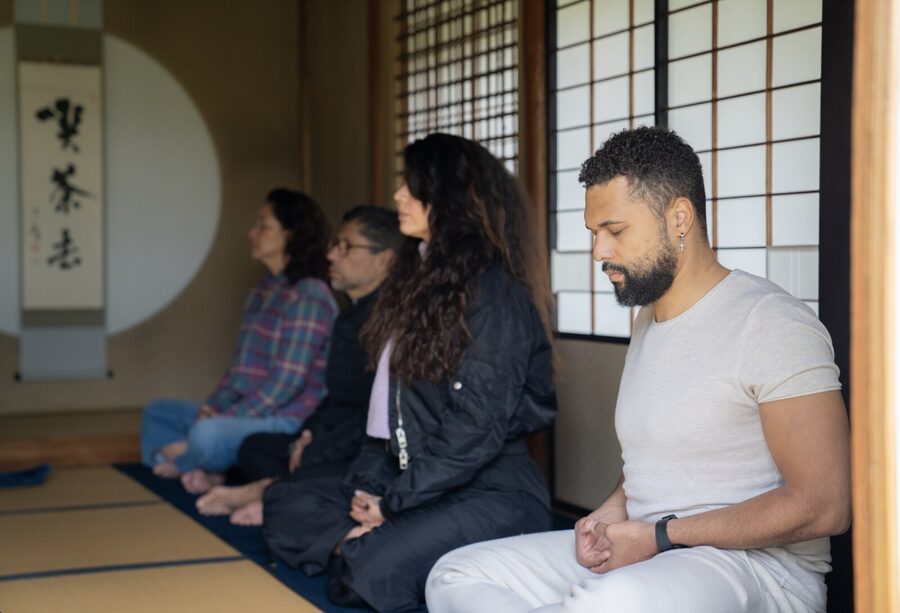
The meditation itself is the most personal part of the morning or afternoon. You sit with the group and follow the monk’s direction. Rhythmic breathing and stillness create a noticeable change from Kyoto’s busy sightseeing streets.
A sustained period of silence can feel longer than expected, especially if you have never formally meditated. One session described by a participant lasted about 20 minutes, which gives you a useful idea of the scale, though the precise format may vary. You should be ready to sit quietly and keep your attention on the practice rather than on taking pictures or checking the time.
The experience is beginner-friendly, but it is not passive entertainment. You get more from it if you treat the sitting seriously. That does not mean you need to adopt Zen Buddhism or arrive with a particular belief. It means giving the monk’s instructions a fair try.
People with mobility impairments should note that this activity is not considered suitable for them. The experience is also listed as unsuitable for people with claustrophobia or a fear of heights. The supplied details do not explain exactly which part creates those concerns, so ask the provider before booking if any of these apply to you.
Children under 12 cannot join. For older children and teenagers, the session may be a useful first introduction to meditation, provided they can remain still and respect the setting. A teenage participant found the formal introduction worthwhile, but this is not a high-energy family activity.
A completely different kind of day out in Kyoto:
- PERFECT KYOTO 1-Day Bus Tour
★ 5.0 · 13,518 reviews - Kyoto Geisha Walking Tour: Gion District & Hidden Gems
★ 4.7 · 3,273 reviews - Kyoto: Gion Magical Night Walking Tour with Geisha Trivia
★ 4.9 · 2,393 reviews - Kyoto: 45-Minute Tea Ceremony Lesson Experience
★ 4.3 · 2,378 reviews
Tea, sweets, and an honest conversation
After meditation, you drink tea and share time with the monk. Several sessions include matcha and traditional sweets, adding a gentle Japanese touch without turning the visit into a formal tea ceremony lesson.
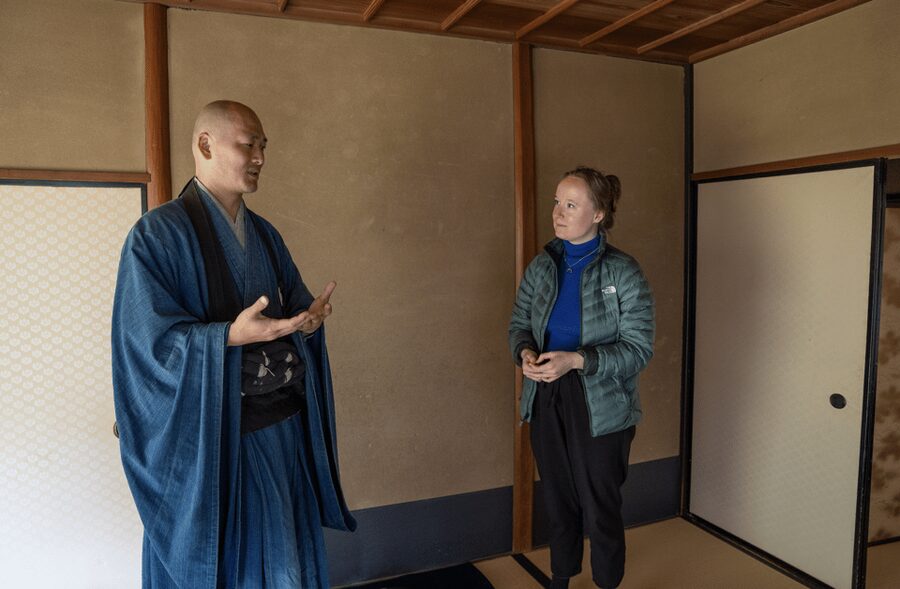
The conversation is one of the strongest reasons to choose this experience. You can ask about Buddhism, meditation, temple life, and the monk’s daily experience. The discussion is not limited to set facts. It gives you a chance to ask the questions that usually do not fit into a normal temple visit.
Some people use this time to ask about personal worries or how to continue meditating at home. Others focus on the monk’s life and the meaning of Zen practice in Japan. The monk is described as friendly and open, which helps keep the conversation relaxed rather than overly solemn.
The guide remains important after the meditation, since translation allows the monk to answer fully. In a small group, you may have more room for questions. With a private booking, the conversation should feel especially direct, though the precise amount of personal time depends on the group and schedule.
You may also meet members of the monk’s family. One session included a brief hello from his young daughter. That kind of moment makes the visit feel like contact with a real household and community, not a staged performance. Still, family interactions are incidental, not a promised part of the activity.
A garden that rewards slow looking
The garden visit is brief, but do not treat it as filler. After sitting still, you notice details differently: moss, stones, trees, and the way the temple buildings frame the view.
The garden is often praised for its quiet, green character. In the morning, the area can feel especially still, while an evening session offers a different mood. One participant preferred a 7 p.m. start to the originally planned 11 a.m. time, finding the later hour more pleasant. Starting times vary, so check availability and choose the time that suits your energy and sightseeing plans.
You can take photographs here, including pictures of the temple and garden. If you want a photo with the monk, ask politely and wait for the guide to indicate the right moment. This is a religious home, not a photo studio.
The garden also helps justify the price. You are paying for access to a place you cannot normally enter, direct teaching, interpretation, meditation instruction, tea, and conversation. If you only want to see a pretty Japanese garden, public temples offer less expensive ways to do that. If you want context and human contact, the calculation changes.
Is $91 a fair price?
The cost is $91 per person for 90 minutes. That places it in the expensive category for a short Kyoto activity, and the lack of included transportation means you pay separately to reach the meeting point.
I would not book this simply because you have an hour to fill. The value depends on what you want from Kyoto. For a standard temple visit, the price is hard to defend. For direct access to a private temple, a monk-led lesson, English interpretation, meditation practice, tea, and a garden visit, the package is more convincing.
Private and small-group formats improve the value for people who want to ask questions. A large group could make the conversation less personal, although the available details indicate that small groups are offered. If the fee makes you hesitate, that is reasonable. One participant also worried that 90 minutes would not justify the cost, then felt the experience was worth booking. The same choice comes down to whether you value the meeting itself more than the number of hours.
You can reserve now and pay later, and cancellation is free up to 24 hours before the start for a full refund. Those terms make it easier to fit the session into a changing Kyoto schedule, but do not forget to check the available start times.
Who will appreciate this most?
I would recommend it most strongly if you fit one or more of these descriptions:
- You are new to meditation and want careful instruction rather than a phone app.
- You already meditate and want to test your practice in a traditional setting.
- You want to ask a Buddhist monk direct questions about Zen and temple life.
- You have had enough crowded sightseeing and need a quieter change of pace.
- You care more about a personal cultural exchange than ticking off another landmark.
- You are comfortable sitting still, following instructions, and treating a religious setting respectfully.
It is less suitable if you want a fast-paced tour, a long temple history lecture, or a broad tour of Kyoto’s major sights. It also may not suit anyone who dislikes silence or feels uncomfortable with the physical requirements and restrictions listed for the session.
The guides add real value. Satoru, Soma, Kohtaro, and Ruko are all associated with warm welcomes, clear English, and practical help. That can make the difference between hearing a translated lecture and actually understanding the monk’s meaning.
Practical tips for a calmer visit
Read the meeting instructions closely. Go to the toilet at Kodaiji Park, specifically its northern side, rather than relying only on a general map pin.
Plan this activity for a time when you are not racing to the next attraction. The session works best when you can stay mentally present through the teaching, meditation, tea, and questions.
Wear something in which you can sit comfortably. The activity is not suitable for people with mobility impairments, and the provider does not accept children under 12. If you have concerns related to claustrophobia or heights, ask for clarification before paying.
Do not judge the experience by the first five minutes. The meeting-point confusion has been an issue for some participants, but it is usually resolved quickly once the guide is contacted. The temple visit itself is the main event.
Finally, bring questions. Ask about breathing, posture, daily practice, Buddhism, or the monk’s life. The open conversation after meditation is where this experience moves beyond a simple introduction.
Should you book this Kyoto Zen meditation?
Yes, if you want a quiet and personal cultural experience, and you are willing to pay for access rather than hours. The private temple, monk-led instruction, English interpretation, matcha, garden, and question period make this far more meaningful than a quick photo stop.
I would skip it if your budget is tight, you have limited mobility, or you want a conventional sightseeing tour. For everyone else, this is a fine way to break up Kyoto’s crowded temple circuit. Book it for a calm morning or evening, confirm the meeting point, and arrive ready to sit still for a while. That small act may be the most memorable thing you do in the city.
FAQ
Where does the Zen meditation experience begin?
It begins at the toilet in Kodaiji Park. The guide waits on the northern side of the toilet.
How long does the experience last?
The full experience lasts 90 minutes. The temple visit, guided tour, and class take about one hour within the overall schedule.
How long is the walk to the temple?
The group walks for about 10 minutes from Kodaiji Park to the private temple.
Is transportation included?
No. Transportation is not included, so you must make your own way to Kodaiji Park.
What language is the experience offered in?
The experience is offered in English with a live English-speaking guide. The monk may teach in Japanese, with the guide translating.
Is meditation experience required?
No. Beginners can join, and the monk explains the principles and techniques of Zazen before the practice.
Can children join the experience?
Children under 12 are not permitted to participate.
Can I cancel for a refund?
Yes. You can cancel up to 24 hours before the experience for a full refund. You can also reserve now and pay later.
Just added around Kyoto
- Kyoto: Gion Night Walking Tour with Geisha Insight★ 5.0 · 39 reviews
- Kyoto: Private Customizable Day Trip by Car★ 5.0 · 38 reviews
- Kyoto: Full Day Bike Tour★ 4.9 · 39 reviews
- Private Japanese Calligraphy in Kyoto – Learn Shodō with a Master★ 5.0 · 39 reviews
- Experience a tea ceremony in an authentic tearoom, in Kyoto!★ 4.5 · 41 reviews
- Kyoto: Gion Evening Walk with Hidden Gems, Geisha & Sake★ 5.0 · 41 reviews
- Kyoto Private Photo Shoot & Tour by SnapKyoto★ 5.0 · 41 reviews
- The Way of Tea: Kyoto Crafts, Hidden Temples & Wabi-Sabi Walk★ 5.0 · 41 reviews
Temple & Shrine Tours, compared.
Fushimi Inari, Kinkakuji, Bamboo Grove 1 Day Bus Tour
Read our review →
Tea Ceremony in a Traditional Tea House in Kiyomizu
Read our review →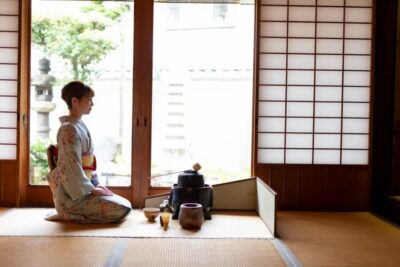
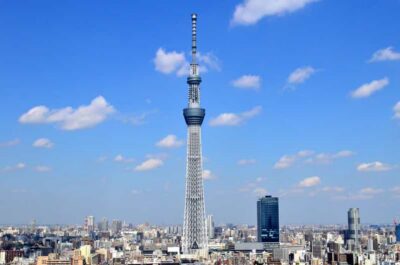
Meiji Shrine, Asakusa, Skytree Bus Tour and Cruise
Read our review →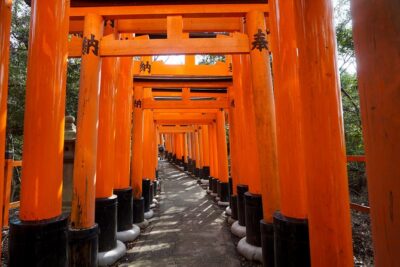
Fushimi Inari Hidden Hiking Tour (Private Option Available)
Read our review →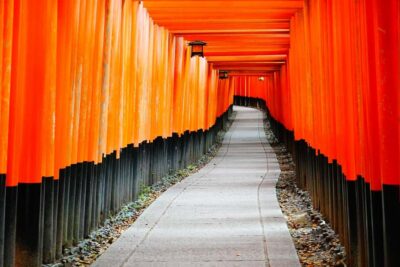
Osaka/Kyoto:Kinkakuji,Arashiyama,FushimiInariShrine,NaraPark
Read our review →
Asakusa Walking Tour with Sensoji Temple Visit
Read our review →
Nikko: Kegon Falls, Lake Chuzenji & Toshogu Temple
Read our review →Browse the lists this tour appears in