
Reviewed · MIYAJIMA ISLAND TOURS
Miyajima: Cultural Experience in Zen Temple
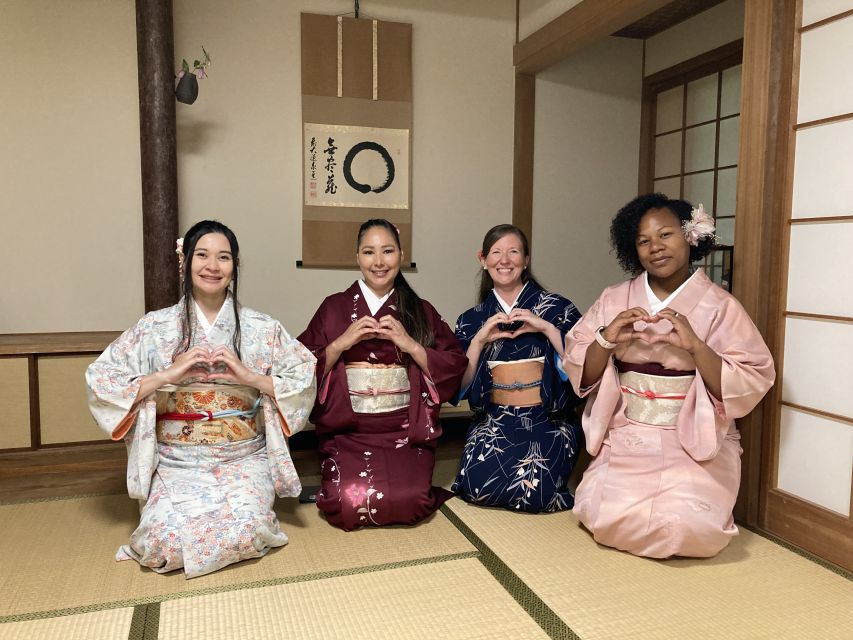
Slow down, and Miyajima feels different. At Tokujuji Temple, you can dress in a chosen kimono, learn the careful steps of a matcha ceremony, and make a personal Japanese souvenir. I especially like the quiet garden photo session and the patient, hands-on calligraphy lesson. The main consideration is that the activities involve sitting, removing your shoes, and moving around a traditional temple setting, so this is not a good fit for anyone with limited mobility.
I also like how personal the visit feels. You do not simply watch a performance, you practice writing Kanji, prepare your own matcha, or assemble an amulet from handmade kimono fabric. The only point to check carefully is your selected option, since the meeting point and exact mix of activities can vary.
In This Review
- Key points at a glance
- Why Tokujuji Temple makes a good cultural stop
- Choosing and wearing your kimono
- The garden photo session
- The tea ceremony, from greeting to final sip
- Calligraphy with a souvenir at the end
- Making a one-of-a-kind temple amulet
- How much time and money should you allow?
- Who will enjoy this most?
- Practical tips for a smoother visit
- Should you book this Miyajima temple experience?
- FAQ
- Where does the experience take place?
- How long does the experience last?
- What activities can I choose?
- Is instruction available in English?
- What is included with the tea ceremony?
- Can I take my calligraphy home?
- Are children and people with limited mobility able to participate?
Key points at a glance
- A real kimono selection: Choose your own outfit, then let the staff dress you and tie the obi properly.
- Tea ceremony with participation: Watch the formal sequence, taste two bowls of matcha, and learn to prepare it yourself.
- Calligraphy you can take home: Practice Kanji and your Japanese name before signing and wrapping your finished work.
- Handmade amulet option: Select from more than 300 kimono-fabric bags, then add a Kumihimo cord and wish.
- Garden photographs included: Staff take plenty of pictures and send them by email or provide them by airdrop on site.
- Small-group atmosphere: English and Japanese instruction is available, with small groups offered.
Why Tokujuji Temple makes a good cultural stop
Miyajima is famous for its great torii gate, Itsukushima Shrine, deer, and busy shopping streets. Those sights deserve your time, but the island can feel crowded, especially around the main waterfront paths. Tokujuji Temple gives you a reason to step away from that traffic for a slower, more focused hour or two.
The setting matters. You are not dressing up in a hotel conference room or watching a stage show built for a large crowd. You enter a temple, remove your shoes, and take part in activities connected with Japanese daily and religious traditions. The atmosphere is quiet and respectful without being stiff.
I would describe this as a guided introduction rather than a full religious study. You learn the basic meaning and method behind several customs, then get the chance to try them. That makes it useful for first-time visitors who want something more active than sightseeing but less demanding than a formal course.
The staff receive consistent praise for their kindness and clear English. Yoko is specifically noted for speaking fluent English, and the teaching style is patient rather than hurried. That is important here, since the charm comes from being shown each step carefully.
More Temple & Shrine Tours in Hiroshima
- Hiroshima and Miyajima Day Trip with Itsukushima Shrine & Ferry
★ 5.0 · 378 reviews - Day Trip to Hiroshima & Miyajima with Itsukushima Shrine
★ 4.6 · 124 reviews - Hiroshima & Miyajima 6.5h Guided Tour – Dome, Park & Shrine
★ 4.9 · 83 reviews
Choosing and wearing your kimono
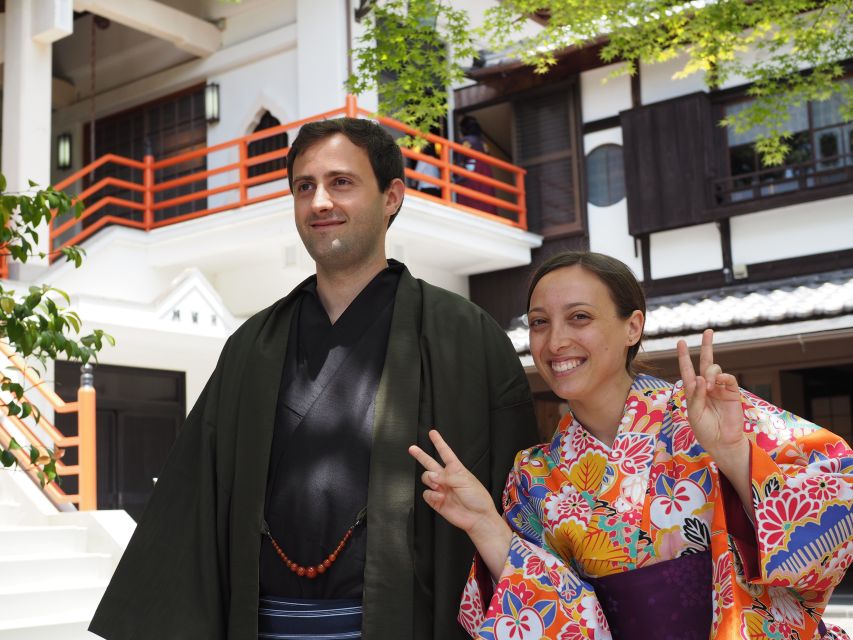
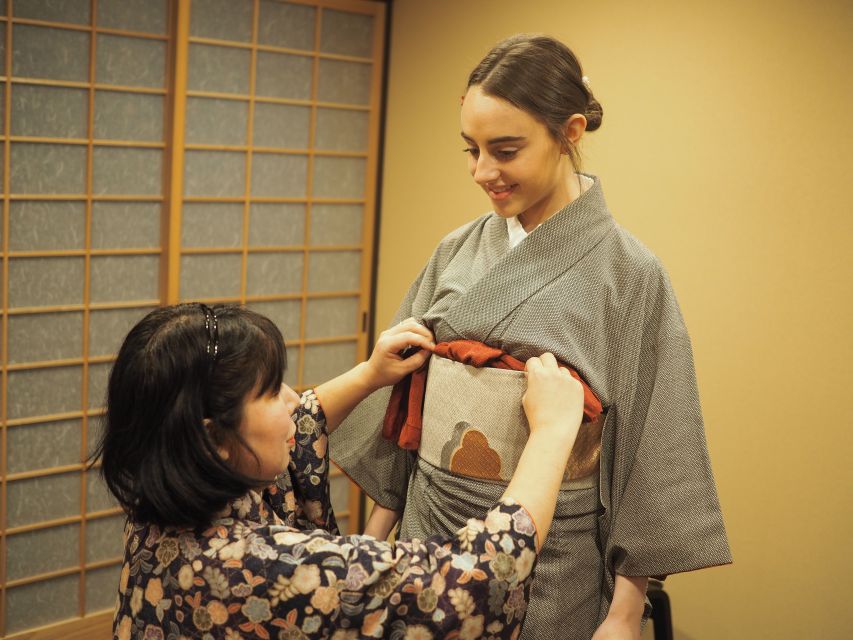
The kimono portion is often the emotional high point. You select a favorite garment from the available choices, then the staff help match it with an obi and other pieces. You are not expected to know how the layers work. The dressing process is part of the activity, and several people particularly enjoy having someone else handle the detailed tying and fitting.
A properly dressed kimono feels very different from a loose costume rental. The obi is tied carefully, the clothing is arranged neatly, and the finished outfit gives you a better sense of how much work traditional dress involves. One father and son even found the dressing process surprisingly enjoyable because it made them feel like royalty.
The experience is suitable for more than one kind of group. Couples can take formal garden photographs, families can make the session into a shared cultural activity, and solo visitors can receive plenty of help with pictures. The wide range of kimono choices also means you can make the outfit feel personal rather than accepting a random costume.
Do keep comfort in mind. A kimono is formal clothing, not relaxed sightseeing wear. You will also need to remove your shoes before entering the temple, so wear something easy to take off and put back on.
The garden photo session
Once dressed, you have time for photographs in the Japanese garden. This is not merely a quick picture beside the entrance. Staff take photographs for you, suggest poses and locations, and allow time for you to take your own images as well.
That service adds real value. Kimono photography is difficult when you are trying to manage the phone, frame the shot, and keep the outfit looking tidy. Here, you can focus on the experience while the staff handle many of the pictures. The photographs are sent by email or shared by airdrop on site.
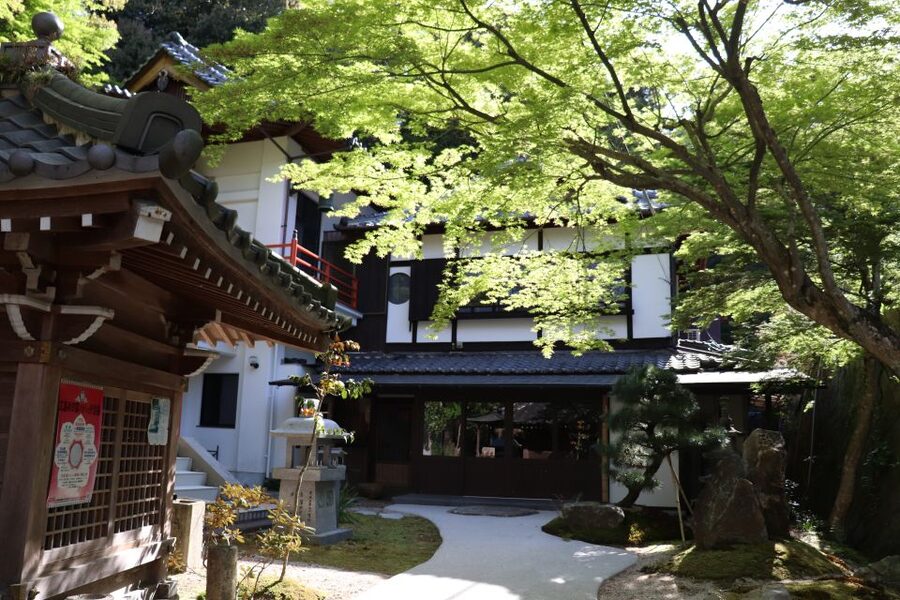
The garden is especially helpful because it gives the images a sense of place. Instead of a plain studio backdrop, you have temple grounds and seasonal outdoor details around you. The photo session also gives you a pleasant pause between dressing and the more structured lessons.
There is one practical limitation: lighting can vary in the garden. One person found that some pictures left the face in shadow, so I would politely ask the staff which spots have the best light before settling into a long photo session. This is a small issue, but it can make a big difference if the pictures are one of your main reasons for booking.
The tea ceremony, from greeting to final sip
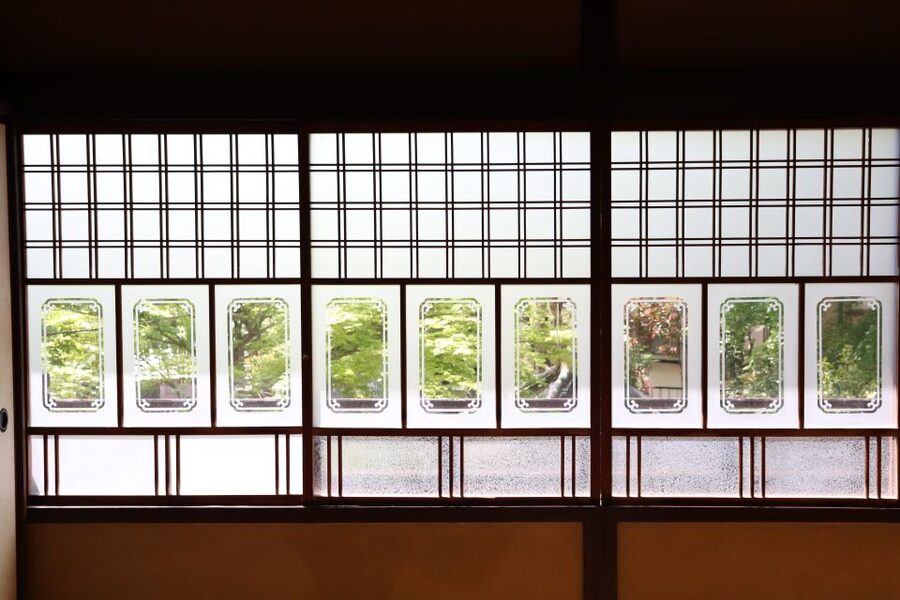
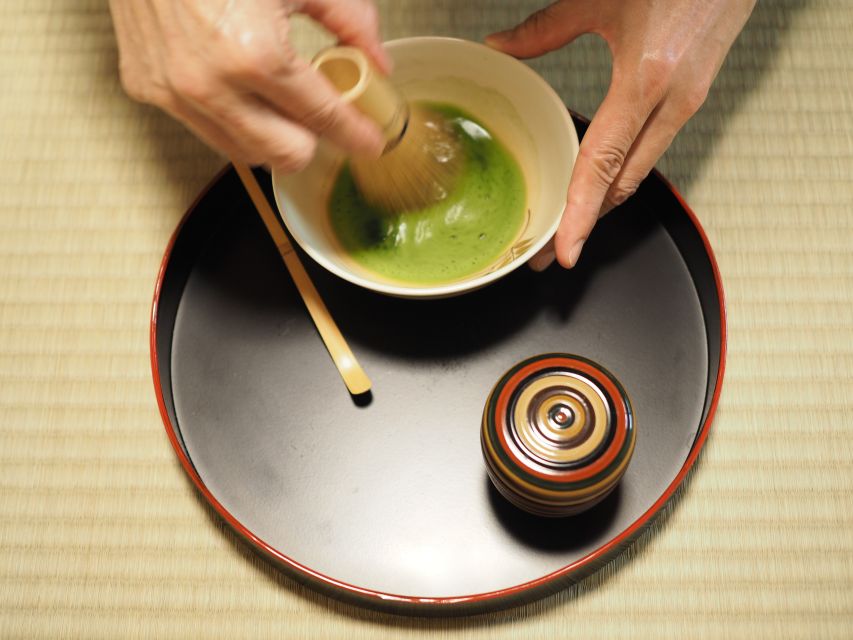
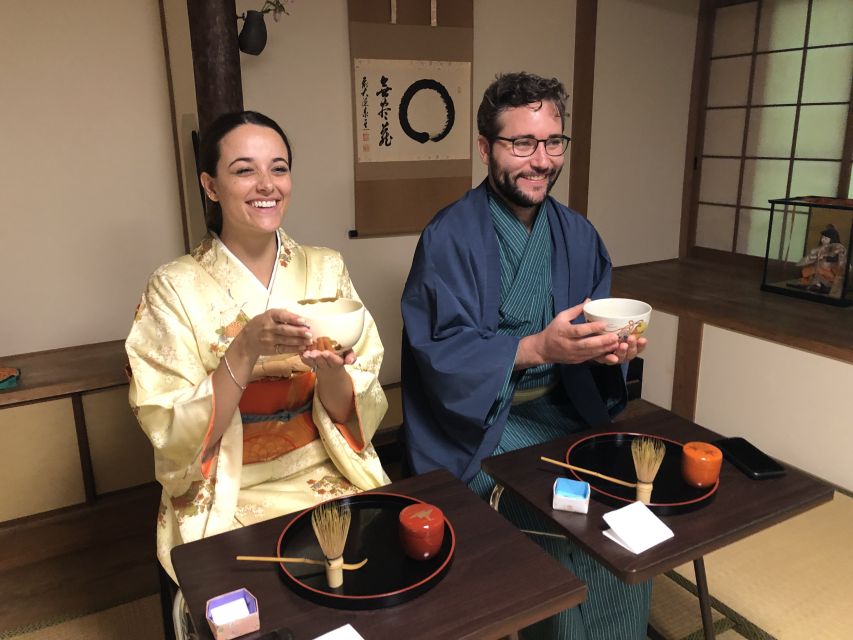
The tea ceremony follows a formal sequence. It begins with a greeting, then the tea master purifies the tools, prepares the matcha, cleans the tools, and closes the ceremony. You are shown how to drink the tea properly and are given the chance to make it yourself.
The ceremony uses Ryurei style, meaning you sit at a table and use chairs. That is worth knowing because many people picture a tea ceremony performed on the floor. The chair-based arrangement is more approachable, although the wider activity still may not suit anyone with serious mobility limits.
You receive two bowls of matcha and two types of sweets. The sweets help balance the tea’s bitter edge, and the food is part of the sequence rather than an unrelated snack. Some sessions have paired the sweets with chocolate, which makes the formal ritual feel friendly and accessible.
I like that the lesson explains the purpose behind the movements. The ceremony is not just about drinking green tea. The order, cleaning, gestures, and tools all carry intent. Even a short introduction can show you why Japanese hospitality often gives careful attention to small actions.
This is a respectful demonstration, but it is also participatory. You are not expected to perform flawlessly. The teacher guides you through the process, explains the correct way to drink the tea, and shows you how to whisk your own bowl.
The tea may be the best choice for anyone who wants a calm activity with a clear cultural structure. It also works well for a first visit to Japan because you gain a basic understanding without needing prior knowledge of tea ceremony etiquette.
More Miyajima island trips:
- Peaceful Hiroshima & Miyajima UNESCO 1 Day Bus Tour
★ 5.0 · 5,309 reviews - Hiroshima: Hiroshima and Miyajima UNESCO Sites 1-Day Tour
★ 4.9 · 2,330 reviews - Hiroshima / Miyajima Full-day Private Tour with Government Licensed Guide
★ 5.0 · 1,298 reviews - From Hiroshima: Hiroshima & Miyajima 1 Day Tour with Lunch
★ 4.7 · 395 reviews
Calligraphy with a souvenir at the end
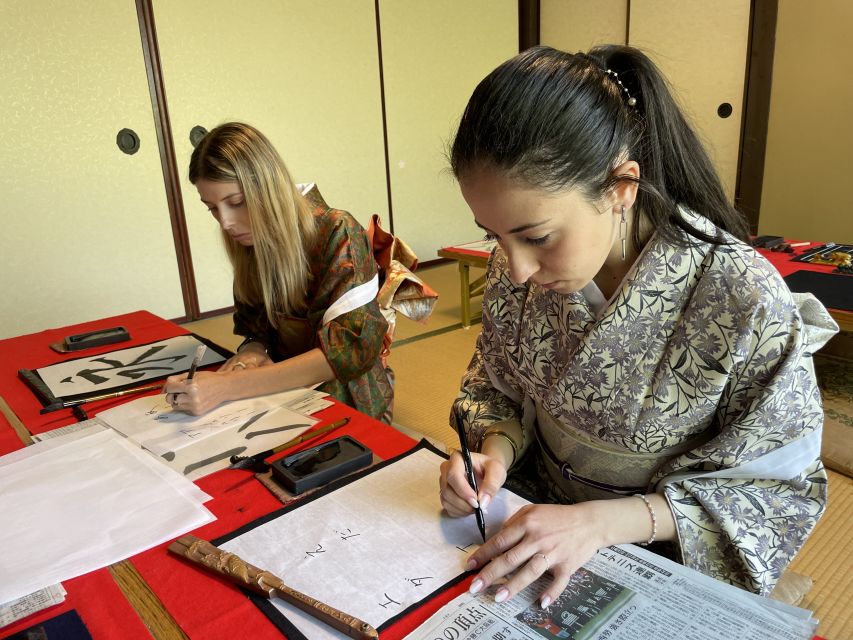
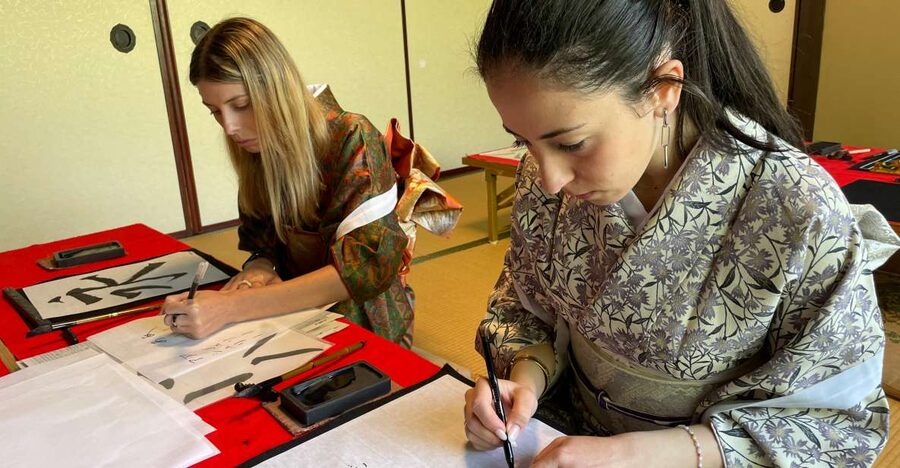
The calligraphy lesson begins with the tools and the basic lines. Your instructor shows you how to draw each stroke, then gives you time to practice one or more Kanji, the Chinese characters used in Japanese writing.
This step-by-step approach is important. Japanese calligraphy can look effortless when an expert does it, but brush control takes practice. You first work on draft paper, giving you room to make mistakes before committing to the final piece.
While you practice Kanji, the instructor prepares a sample of your name. You then learn to write your name in Japanese, using either Hiragana or Katakana. Finally, you sign the work in Japanese and wrap it safely to take home.
That creates a much better souvenir than a purchased trinket. You leave with something you made, including a name written in Japanese and the marks of your own practice. I would allow children and beginners to take their time here, since the point is not perfect penmanship. The point is learning how the brush, ink, and strokes work together.
The calligraphy class has also worked well for families with older children. Younger participants can practice simple characters, while adults may enjoy the quiet concentration. One family included a pre-teen, a teenage boy, parents, and grandparents, and found the activity suitable for everyone in that group.
If you have limited time, calligraphy is probably the most tangible option. The tea ceremony gives you a memory and a taste, while calligraphy gives you a finished object to pack in your luggage.
Making a one-of-a-kind temple amulet
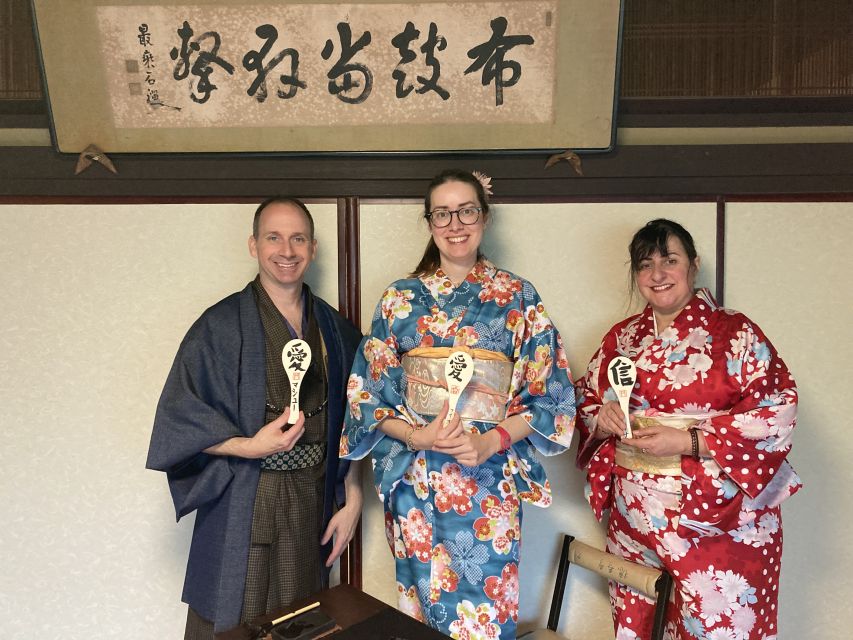
The amulet activity takes place in the temple’s main hall. You begin by choosing one bag from more than 300 options. Each bag is handmade from kimono fabric, so colors and patterns vary.
You then select a Kumihimo cord, a braided cord tied in a special way. After choosing your wish, you write or stamp it onto a miniature rice scoop. The bag, cord, and rice scoop are assembled into your own amulet.
The final step is to greet Kinseki Jizou, the temple’s Buddha, and report that you have come to make a wish. That small act connects the craft project to the temple setting. It keeps the activity from feeling like a generic souvenir workshop.
Amulet making may appeal most to people who prefer symbolic crafts over formal instruction. It is also a strong choice for a child old enough to follow the process, or for anyone who wants an object with a personal meaning rather than a name written on paper.
The large selection of fabric bags is a genuine advantage. You can choose based on color, pattern, or the feeling you want the amulet to have. Since the materials are handmade from kimono, each finished piece should feel individual even though the basic activity is shared.
How much time and money should you allow?
The listed price is $90 per person, with a duration of one to two hours. That price is not the cheapest way to spend time on Miyajima, but it covers instruction, kimono assistance, the cultural activities selected, tools for calligraphy, two types of sweets, two bowls of matcha, and photographs taken by the staff.
The value depends on how you use the session. If you only want a quick kimono photograph, the price may feel high. If you want the full combination of dressing, garden photography, tea, calligraphy, and possibly amulet making, it becomes a more reasonable purchase because several separate activities are joined together in one temple visit.
Some sessions have lasted longer than the planned 90 minutes, especially when participants selected several activities. That can be a pleasant bonus, but you should not schedule your ferry departure immediately afterward. Check the exact starting time and option, then leave yourself a buffer.
The reservation can be canceled up to 24 hours ahead for a full refund, and the reserve-now, pay-later choice helps if your Miyajima plans are still shifting. The meeting point varies by option, so confirm it carefully rather than assuming every activity begins in the same place.
Who will enjoy this most?
I would recommend this for:
- Couples who want meaningful photographs together
- Families with children aged six and older
- First-time visitors seeking a guided introduction to Japanese customs
- Solo visitors who want help with kimono photographs
- Anyone who likes making a personal souvenir
- People with at least two flexible hours on Miyajima
It is especially good for mixed-age groups. The activities are varied enough that one person can enjoy the clothing, another can focus on tea, and someone else can look forward to calligraphy or the amulet.
Children under six cannot participate. The temple also requires shoes to be removed, and the activity is not recommended for people with mobility impairments. If sitting, standing, changing clothes, or walking in a garden is difficult for you, ask for full details before paying.
The instruction is available in English or Japanese. English-speaking support has been described as clear, including detailed explanations during tea ceremony, calligraphy, and kimono dressing.
Practical tips for a smoother visit
Wear clothing that makes changing easy, and choose shoes you can remove without fuss. You will want to arrive ready for a traditional indoor setting, not dressed for a long hike.
If photographs matter most, ask about the best light in the garden. Staff are happy to suggest poses and take many pictures, but the light may change during the session.
Read the selected option carefully. Tea, calligraphy, amulet making, and kimono dressing can be combined in different ways, so do not assume every booking includes every activity.
Keep room in your luggage for the wrapped calligraphy. The amulet is smaller, but the calligraphy needs to be handled with care until it is safely packed.
Finally, do not rush the ceremony. The pauses and repeated motions are part of the lesson. The more attention you give to the small details, the more you get from the time and price.
Should you book this Miyajima temple experience?
I would book it if you want more than a quick photograph in rented clothing. The strongest parts are the caring staff, the patient English instruction, the peaceful temple garden, and the chance to make something yourself.
Choose calligraphy if you want the best take-home souvenir. Choose tea if you prefer a calm, formal introduction to Japanese hospitality. Choose amulet making if you want a personal wish attached to a handmade object. If your option allows several activities, combining them gives the best value, but allow more than the minimum time.
This is not the right pick for a rushed Miyajima stop, children under six, or anyone with limited mobility. For everyone else, it offers a thoughtful break from the island’s main sights and a rare chance to participate rather than simply look. With a perfect 5 rating from 258 bookings, the experience has earned strong praise, and the reasons are easy to understand: the staff take care of the details while you make the memories.
FAQ
Where does the experience take place?
The activities take place at Tokujuji Temple on Miyajima in Japan’s Chugoku Region. The exact meeting point may vary depending on the option you book.
How long does the experience last?
The stated duration is one to two hours. Sessions that combine several activities may run longer, so leave extra time before your next plan.
What activities can I choose?
Options include a tea ceremony, matcha preparation, Japanese calligraphy, kimono dressing, and amulet making. The exact combination depends on the option selected.
Is instruction available in English?
Yes. The lesson is offered in English or Japanese. Yoko is specifically noted as speaking fluent English.
What is included with the tea ceremony?
You receive two bowls of matcha and two types of sweets. You also learn how to drink the tea correctly and how to prepare it.
Can I take my calligraphy home?
Yes. You practice Kanji and your Japanese name, sign your work, and wrap the finished piece so you can take it home safely. Calligraphy tools are included.
Are children and people with limited mobility able to participate?
Children under six cannot participate. The experience is not recommended for people with mobility impairments, and you must remove your shoes to enter the temple.
Just added around Hiroshima
- Hiroshima & Miyajima: Private Full-Day Tour with a Local Guide★ 5.0 · 39 reviews
- Hiroshima and Miyajima 1 Day Walking Tour★ 5.0 · 43 reviews
- Hiroshima History Tour : A-Bomb Dome, Peace Memorial & City★ 5.0 · 43 reviews
- The Journey of Hiroshima from Tragedy to Peace★ 4.8 · 44 reviews
- Cultural Activities :Kimono, tea ceremony, Calligraphy and Amulet★ 5.0 · 44 reviews
- Miyajima: Private Rickshaw Tour to Itsukushima Shrine★ 4.9 · 45 reviews
- Hiroshima Private Tour: Best Highlights in a Day★ 5.0 · 49 reviews
- Hiroshima & Miyajima All-Inclusive Tour w/Licensed guide Pancho★ 5.0 · 54 reviews
Miyajima Island Tours, compared.
Peaceful Hiroshima & Miyajima UNESCO 1 Day Bus Tour
Read our review →
Hiroshima and Miyajima UNESCO Sites 1-Day Tour
Read our review →
Hiroshima / Miyajima Full-day Private Tour with Government Licensed Guide
Read our review →
Osaka/Kyoto: Hiroshima Miyajima Bus Tour & Shinkansen Ticket
Read our review →
Hiroshima and Miyajima Day Trip with Itsukushima Shrine & Ferry
Read our review →
Full Day Hiroshima and Miyajima Bus Tour from Hiroshima
Read our review →
Miyajima Peace Memorial Icons of Peace and Beauty
Read our review →Browse the lists this tour appears in