Reviewed · KYOTO TOURS
Nara Afternoon Tour from Kyoto or Osaka
Nara’s deer are only part of the story. This half-day outing pairs the famous animals with Todaiji’s enormous Great Buddha and the lantern-lined Kasuga Shrine, making it a useful introduction to Japan’s first permanent capital. I like the comfortable return transport and the strong historical commentary from guides such as Yuki, KC, and Mo Mo. I also like that temple and shrine admission, transport, and an English guide are included.
The main catch is time. The tour lasts about 5 hours and 40 minutes, but the long walk from the bus parking area to Todaiji and the fixed group schedule can leave you hurrying, especially if you want to feed the deer. At about $102.38 per person, this is a convenience purchase rather than the cheapest way to reach Nara.
In This Review
- Key points to know before booking
- Why Nara belongs on your Kyoto or Osaka trip
- Meeting near Kyoto Station and riding to Nara
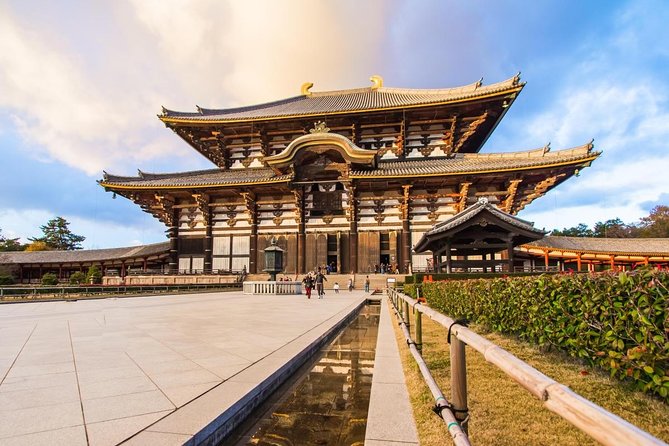
- Todaiji and the Great Buddha Hall
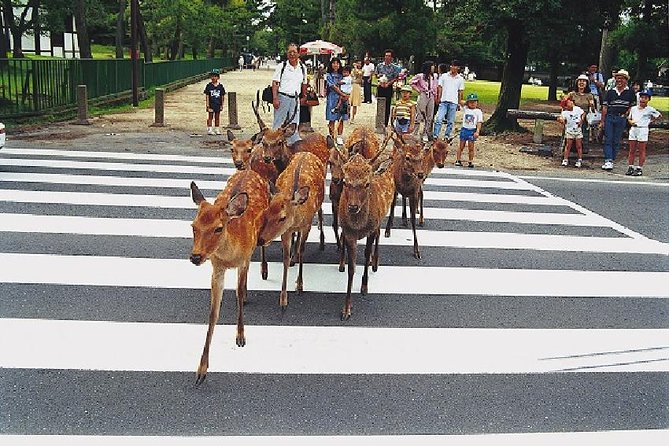
- Meeting Nara’s deer in the park
- Kasuga Grand Shrine and its lanterns
- How the pace affects the experience
- Guides, group size, and language support
- Is $102.38 fair for this half-day trip?
- Who should book this Nara afternoon tour?
- FAQ
- How long does the Nara afternoon tour last?
- Where does the tour depart from in Kyoto?
- Is transportation included?
- Is hotel pickup included?
- What is included at Todaiji Temple?
- How much walking is required?
- Are deer crackers included?
- Is Kasuga Shrine admission included?
- What happens if the Kasuga special visit area is closed?
- How many people can join the tour?
- Can young children join?
- Can I cancel for a refund?
Key points to know before booking
- Todaiji gets the headline visit: You enter the Great Buddha Hall and see one of Japan’s most impressive bronze Buddhist statues.
- The bus cannot pull up beside the temple: Allow about 25 minutes each way on foot between the parking area and Todaiji.
- Nara Park is not a separate, leisurely stop: Deer viewing is worked into the route, so time for feeding and wandering can feel short.
- Kasuga Shrine includes a newer special area: From January 2025, the Main Sanctuary special visit area may be included, with a closer look at hanging lanterns.
- The group can reach 40 people: Seats may not be assigned, and late arrivals or slower walkers can affect the pace.
- The tour suits first-time visitors: You see major sights without arranging trains, buses, tickets, and directions yourself.
Why Nara belongs on your Kyoto or Osaka trip
Nara was founded in 710 as Japan’s first permanent capital, then known as Heijo. It was the center of government and Buddhist life before the capital moved to Nagaoka in 784. That short period left Nara with temples and shrines of unusual importance.
This tour gives you the broad outline in one afternoon. You see a major Buddhist temple, a major Shinto shrine, and the deer park that ties the city’s religious traditions to its daily life. You do not get a slow, open-ended day in Nara, but you do get the essential picture.
I find that useful if your Kyoto schedule is tight. Independent travel is entirely possible, but you would need to arrange the trip to Nara, pay separate admissions, find the correct routes, and keep an eye on the return journey. Here, the structure does that work for you.
The afternoon departure is also practical. You can spend the morning in Kyoto or Osaka, then meet near Kyoto Station at the Avanti Tour Desk. The Osaka departure option includes an English-speaking assistant between Hotel Granvia Osaka and the Kyoto meeting point, then from Kintetsu Nara Station to Osaka Namba Station. That option is useful, but it adds transfer time around the actual Nara visit.
A few more Kyoto experiences worth weighing up
- PERFECT KYOTO 1-Day Bus Tour
★ 5.0 · 13,518 reviews - Kyoto: Fushimi Inari, Kinkakuji, Bamboo Grove 1 Day Bus Tour
★ 4.8 · 4,316 reviews - Kyoto: Tea Ceremony in a Traditional Tea House in Kiyomizu
★ 4.9 · 3,519 reviews
Meeting near Kyoto Station and riding to Nara
The starting point is the Avanti Tour Desk near Kyoto Station. Hotel pickup and drop-off are not included, so you must make your own way to the meeting point unless you select the Osaka departure arrangement described above.
The return vehicle is one of the tour’s best practical features. You avoid changing trains and local buses, and you can sit down after several hours on your feet. The vehicle has been praised for comfort, and one guide even had spare umbrellas available during unexpected heavy rain.
Road conditions can alter arrival times and the order of the stops. A listed duration of 5 hours and 40 minutes is approximate, not a promise that every minute will be spent sightseeing. This matters in Nara, where congestion and the walk from the parking area can eat into your time.
The maximum group size is 40 people. That is not a small private tour. It can work well when the guide gives clear instructions, but you should expect a group rhythm: wait at meeting points, stay aware of the route, and listen carefully when the guide explains where to rejoin the vehicle.
Todaiji and the Great Buddha Hall
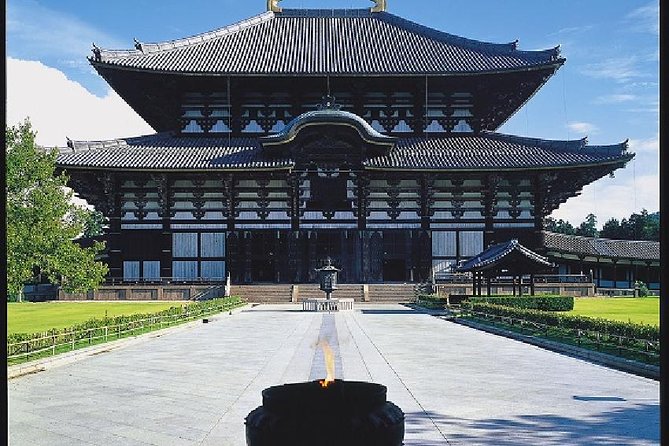
The visit to Todaiji lasts about 1 hour and 10 minutes, with admission included. The temple is a World Heritage site and one of the main symbols of the Nara Period.
The star attraction is the Daibutsuden, or Great Buddha Hall. It is one of the world’s largest wooden buildings, and its scale is hard to grasp until you are standing in front of it. Inside, the huge bronze Great Buddha gives the visit its emotional force. This is not a small shrine tucked into a quiet corner. It is a grand religious building designed to make you feel the power of the Buddhist state that once centered on Nara.
The guide’s explanation adds useful context. Several guides, including Yuki, KC, and Mo Mo, have been praised for making the temple’s history and Japanese culture easier to understand. A good guide helps you notice why the hall mattered, not just how large it is.
Here is the part that catches people off guard: the vehicle parking area is about a 25-minute walk from Todaiji, each way. That is roughly 50 minutes of walking before you have fully counted time inside the temple. The route takes you through the wider Nara Park area, but it still uses a large part of your allotted time.
You may find the schedule comfortable if Todaiji is your main priority. If you want to study every detail, linger inside, buy deer crackers, and take many photographs, the visit can feel compressed. Wear shoes you can walk in, and do not assume that a half-day tour means a short walking day.
Meeting Nara’s deer in the park
Nara Park covers about 1,250 acres and is home to more than 1,000 deer. The animals move freely through the park, around paths and near the religious sites. They are one of Japan’s most memorable urban wildlife encounters because they are closely tied to Nara’s identity.
You may see deer grazing, wandering, or approaching people for food. They are often described as tame, but do not mistake that for completely predictable. One account praised the deer while also warning that they had become aggressive. Keep food under control, pay attention to the animals around you, and give yourself room if a deer becomes persistent.
The deer are associated with Kasuga Shrine as its messengers. That belief gives the park more meaning than a simple animal stop. You are seeing a living part of Nara’s religious culture, not just a photo opportunity.
Deer crackers are available in the park, but this tour does not promise a dedicated feeding session. If feeding the deer is your top reason for visiting, make that clear to yourself before booking. The temple, the walking route, the shrine, and the return meeting point all share the afternoon.
Several past participants felt they had too little time for the park. That criticism is fair. You may be handed a map and allowed to make your way through part of the area, but the group still has to leave together. Buy food only when you are sure you have enough time, and keep track of the meeting instructions.
A completely different kind of day out in Kyoto:
- Kyoto Geisha Walking Tour: Gion District & Hidden Gems
★ 4.7 · 3,273 reviews - Kyoto: Tea Ceremony Ju-An at Jotokuji Temple
★ 4.9 · 3,207 reviews - Kyoto: Gion Magical Night Walking Tour with Geisha Trivia
★ 4.9 · 2,393 reviews - Kyoto: 45-Minute Tea Ceremony Lesson Experience
★ 4.3 · 2,378 reviews
Kasuga Grand Shrine and its lanterns
Kasuga Grand Shrine receives about one hour, with admission included for the tour’s stated shrine visit. It is a Nara Period Shinto shrine and a World Heritage site. Its deer are traditionally viewed as messengers, linking this stop directly with the animals in Nara Park.
The shrine is especially known for its lanterns. More than 3,000 stone and bronze lanterns are spread through the shrine grounds and corridors. They give the site a more intimate character than the massive Todaiji hall. At Todaiji, the impression comes from size and the Great Buddha. At Kasuga, it comes from repeated small details, aged lanterns, wooded paths, and the feeling of a place shaped by long religious use.
From January 2025, the route may include the Main Sanctuary special visit area. This allows you to get closer to the Main Sanctuary and view hanging lanterns in the corridor. That is a meaningful improvement for anyone who wants more than an exterior look.
There is an important qualification. Events or operating conditions can prevent entry to the special visit area. In that case, the itinerary may substitute the Kasuga Taisha Museum or Todaiji Museum, and no refund is issued for the change. The Treasures Hall and Manyo Botanical Gardens at Kasuga Shrine are not included.
Some participants have found the shrine visit too rushed, especially when delays earlier in the day reduce the remaining time. Listen closely to the guide’s instructions, since unclear meeting information can make the final stop more stressful than it should be.
How the pace affects the experience

This tour covers a lot in less than six hours. That is its strength and its weakness.
I like the efficiency. You can see the Great Buddha, walk among the deer, and visit one of Japan’s most important shrines without giving Nara a full day. If you have only one spare afternoon, the tour gives you a clear route and removes much of the transport planning.
The tradeoff is limited freedom. A few late arrivals or mobility issues can reduce time at the final stop. Some people have found the tour well paced, while others felt hurried from the first temple to the shrine. Both reactions make sense because the experience depends on walking speed, road traffic, group discipline, and how long you want to spend at each sight.
The walking is not a minor detail. The route from the bus parking area to Todaiji is about 25 minutes one way, and there is additional walking within the temple, park, and shrine grounds. Most people can take part, but this is not an easy ride-and-look excursion.
If you need a slower visit, independent transport may suit you better. You can travel by train and decide how long to stay at Todaiji, Nara Park, or Kasuga Shrine. The tour makes more sense when your priority is seeing the major sights with guidance and a guaranteed return vehicle.
Guides, group size, and language support
The strongest part of the human side of this experience is the guide service. Yuki has been praised for clear explanations, organization, and keeping people informed in bad weather. KC has been singled out for explaining Japanese culture and history in an engaging way. Mo Mo has been praised for adding personality and making the day enjoyable.
Guide quality can vary, as it does on any group excursion. English clarity may not feel equally strong with every guide, and a few people found instructions about meeting points too vague. Pay attention at the start and ask for clarification before walking away from the group.
The maximum of 40 people means you should not expect a quiet, private conversation with the guide. You may receive excellent commentary while riding and at the main sites, but you will still need to manage your own position in the group. Solo participants should be especially alert about staying with the group and confirming where to meet.
Children aged five and under may join free, but they do not receive a bus seat unless booked at the child rate. Anyone under 18 needs written parental permission. Anyone under 15, or not yet enrolled in middle school, must be accompanied by a parent or guardian.
Is $102.38 fair for this half-day trip?
At $102.38 per person, the price is not a bargain-basement Nara visit. You can reach Nara independently for less, and independent travel gives you more control over your schedule. Some competing trips may also cost less or include an additional cultural activity such as matcha.
The price buys convenience. Transportation from Kyoto, the return ride, an English guide, and admissions are included. You also get a planned route through three major parts of Nara without having to study train connections or work out how far each sight is from the station.
The value is strongest for first-time visitors, families that prefer organized transport, and anyone with limited time. It is weaker for independent visitors who enjoy rail travel, want to spend a long time feeding the deer, or prefer to explore at their own pace.
Lunch and drinks are not included. Hotel pickup and drop-off are also not included, except for the specified Osaka departure assistance and return arrangement. Plan around those costs and the time needed to reach the Kyoto meeting point.
Who should book this Nara afternoon tour?
Book it if you want a guided introduction to Nara and place a high value on convenience. It is particularly useful if you are staying in Kyoto, have one free afternoon, and want the Great Buddha and Kasuga Shrine explained rather than simply photographed.
It also suits you if the idea of navigating trains and local transport feels tiring after a busy Kyoto itinerary. The return vehicle lets you rest, and the tour gives you a clear structure.
Think twice if you want a relaxed deer-park outing. The 25-minute walk each way, fixed return, and group delays can leave less time than expected. Independent travel may be a better choice if deer feeding is your main goal, or if you want to spend several hours at one temple.
My call: book this tour for an efficient, guided first look at Nara, but arrive prepared for plenty of walking and a brisk pace. Go independently if you want freedom more than explanation. The Great Buddha and Kasuga Shrine deserve time, and this tour gives you the highlights, not the whole afternoon at leisure.
FAQ
How long does the Nara afternoon tour last?
The tour lasts approximately 5 hours and 40 minutes, including transportation between Kyoto and Nara.
Where does the tour depart from in Kyoto?
Pickup is at the Avanti Tour Desk near Kyoto Station.
Is transportation included?
Yes. Return transportation and the stated admission fees are included.
Is hotel pickup included?
No. Hotel pickup and drop-off are not included for the Kyoto departure.
What is included at Todaiji Temple?
Admission to Todaiji Temple is included, along with a visit lasting about 1 hour and 10 minutes.
How much walking is required?
You walk about 25 minutes each way from the vehicle parking area to Todaiji Temple. Additional walking is required inside the temple, Nara Park, and Kasuga Shrine.
Are deer crackers included?
No. Lunch, drinks, and deer food are not listed as included items.
Is Kasuga Shrine admission included?
The stated Kasuga Shrine visit and admission are included. The Treasures Hall and Manyo Botanical Gardens are not included.
What happens if the Kasuga special visit area is closed?
The tour may visit the Kasuga Taisha Museum or Todaiji Museum instead. No refund is issued if the special visit area cannot be entered because of events or operating conditions.
How many people can join the tour?
The tour can include a maximum of 40 people. Seats may not be assigned.
Can young children join?
Children up to five years old may join free, but they do not receive a bus seat unless booked at the child rate. Participants under 15, or not yet enrolled in middle school, must be accompanied by a parent or guardian.
Can I cancel for a refund?
You can cancel at least 24 hours before the start time for a full refund. Cancellations or changes made less than 24 hours before the start time are not accepted for a refund.
Just added around Kyoto
- Kyoto: Gion Night Walking Tour with Geisha Insight★ 5.0 · 39 reviews
- Kyoto: Private Customizable Day Trip by Car★ 5.0 · 38 reviews
- Kyoto: Full Day Bike Tour★ 4.9 · 39 reviews
- Private Japanese Calligraphy in Kyoto – Learn Shodō with a Master★ 5.0 · 39 reviews
- Kyoto: Gion Evening Walk with Hidden Gems, Geisha & Sake★ 5.0 · 41 reviews
- Experience a tea ceremony in an authentic tearoom, in Kyoto!★ 4.5 · 41 reviews
- Kyoto Private Photo Shoot & Tour by SnapKyoto★ 5.0 · 41 reviews
- The Way of Tea: Kyoto Crafts, Hidden Temples & Wabi-Sabi Walk★ 5.0 · 41 reviews
Kyoto Tours, compared.
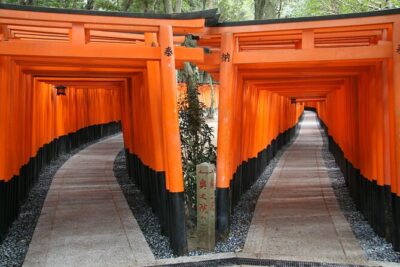
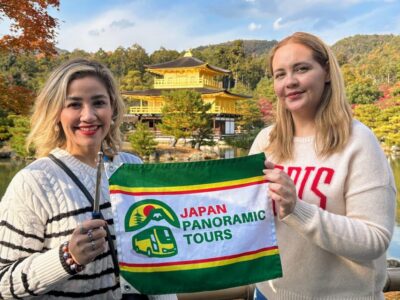
Fushimi Inari, Kinkakuji, Bamboo Grove 1 Day Bus Tour
Read our review →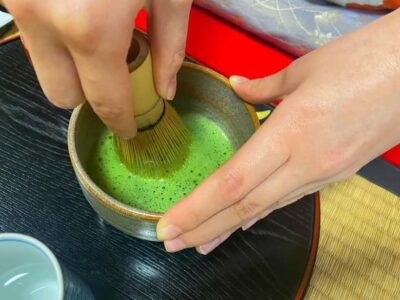
Tea Ceremony in a Traditional Tea House in Kiyomizu
Read our review →
Kyoto Geisha Walking Tour: Gion District & Hidden Gems
Read our review →
Gion Magical Night Walking Tour with Geisha Trivia
Read our review →